Grand Theft Auto VI: A Decade of Hype Meets Leonida's Reality
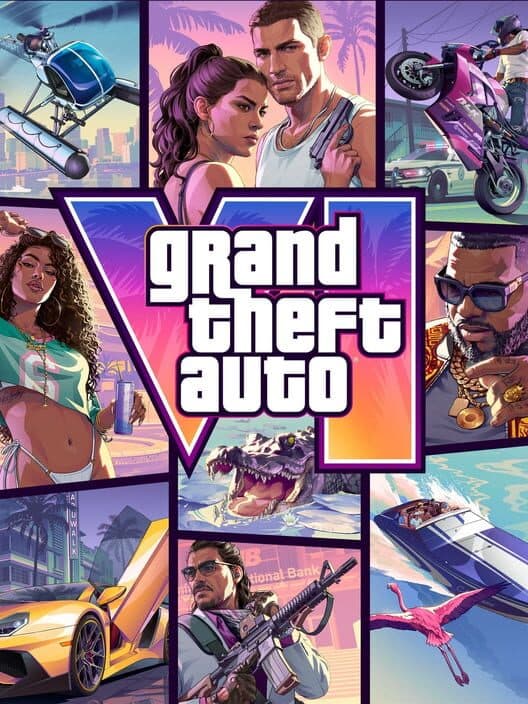
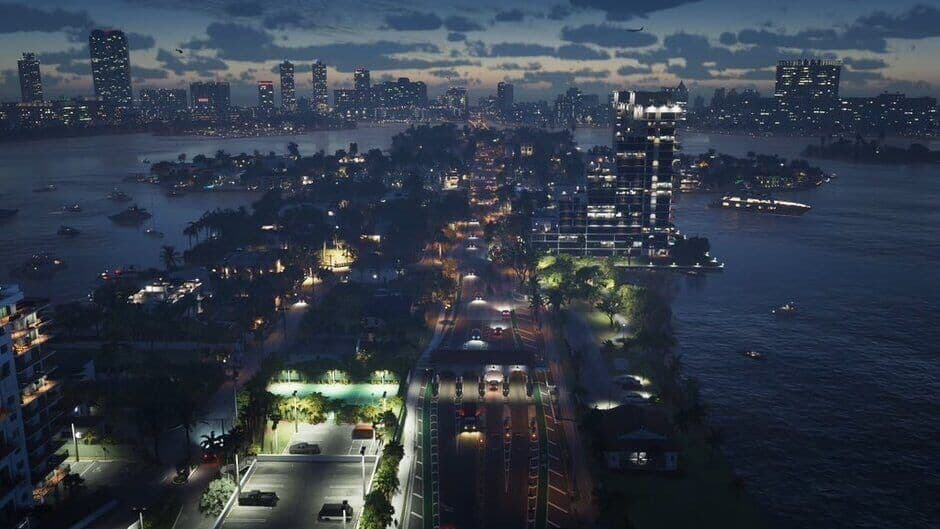
After a decade of waiting, the question isn't whether Grand Theft Auto VI is big, but whether it's alive. Rockstar’s billion-dollar answer is the state of Leonida, a 127-square-kilometer love letter to Florida’s most beautiful and absurd contradictions. This isn't just a map; it's a meticulously curated simulation of modern American chaos, where the sheer density of detail and reactive systems instantly sets a new benchmark for what an open world can be. The hype wasn't just for a sequel; it was for a generational leap, and within minutes of stepping onto Vice City's neon-drenched streets, it's clear the ambition matches the anticipation.
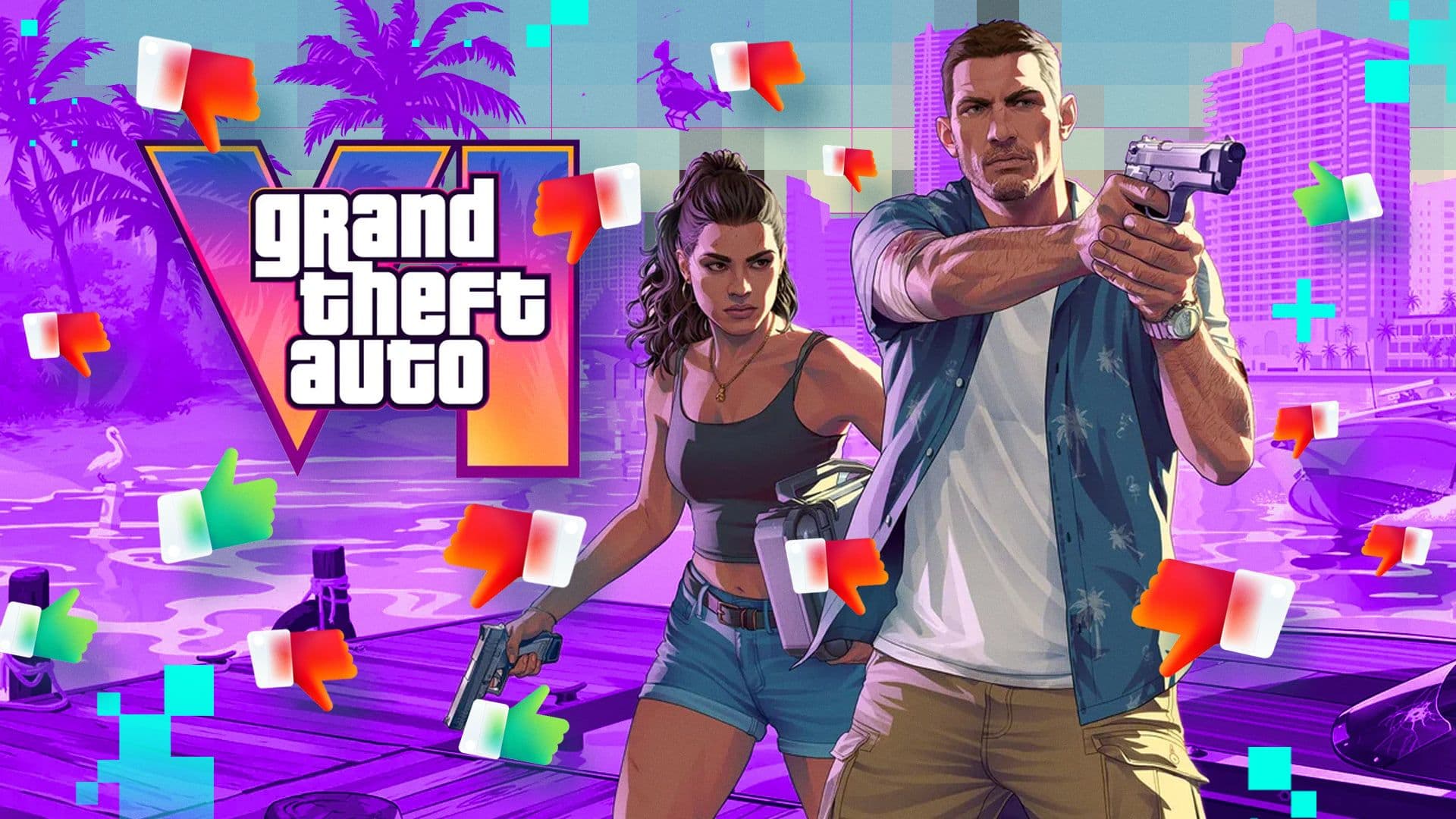
Modern social media culture plays a role in the new GTA.
The genius of Leonida lies in its refusal to feel like a video game map. It rejects the sterile icon-bloat of its contemporaries in favor of environmental storytelling so potent it feels authored in real-time. You don't need a quest marker to find a story—you'll stumble into one buying snacks at a gas station, only to have the clerk panic and trigger a police response that chases you from the urban sprawl into the murky, alligator-infested swamps, all without a single loading screen. This seamless, systemic flow from a beachside influencer shoot to a backwater meth lab is the game's core magic. The world isn't a playground you visit; it's an ecosystem you inhabit, one that constantly observes and judges your every move.
This is the "Florida Man" energy, fully realized and weaponized. It permeates every pixel, from the viral social media clips of NPCs doing incomprehensibly stupid things to the passive-aggressive chatter on the in-game radio. You’re not just in a parody of Florida; you’re inside the state’s id, where every strip mall and swamp shack feels one bad decision away from a news headline.
This commitment to a living, breathing setting is Rockstar's most staggering achievement. The 127 square kilometers aren't impressive for their raw size, but for their punishing density and variety. The transition from the glittering high-rises of Downtown Vice City to the desolate, wildlife-rich Everglades isn't a line on a map—it's a gradual cultural and environmental shift you feel in the air, the road quality, and the demeanor of every character you meet. It makes the world of Grand Theft Auto V feel like a series of attractive dioramas by comparison. Here, the space between points of interest is the point, filled with unscripted encounters, dynamic weather that physically floods streets, and a sense of place so thick you can almost feel the humidity.
As a cultural milestone, Grand Theft Auto VI absolutely delivers on its promise of a leap forward—but it’s a leap of simulation, not necessarily of revolutionary new game mechanics. The generational shift is in the fidelity and reactivity of the world itself. Whether this billion-dollar virtual state justifies the decade-long wait depends on what you value: if you crave a living, breathing, and often brutally funny digital America to get lost in, Leonida is peerless. If you were hoping Rockstar would fundamentally reinvent its storytelling or mission design structure, the opening hours suggest you’ll find a familiar, if astronomically polished, foundation. This is a world that earns your awe first, and your critique second.
Lucia and Jason: Does the Bonnie and Clyde Narrative Work?
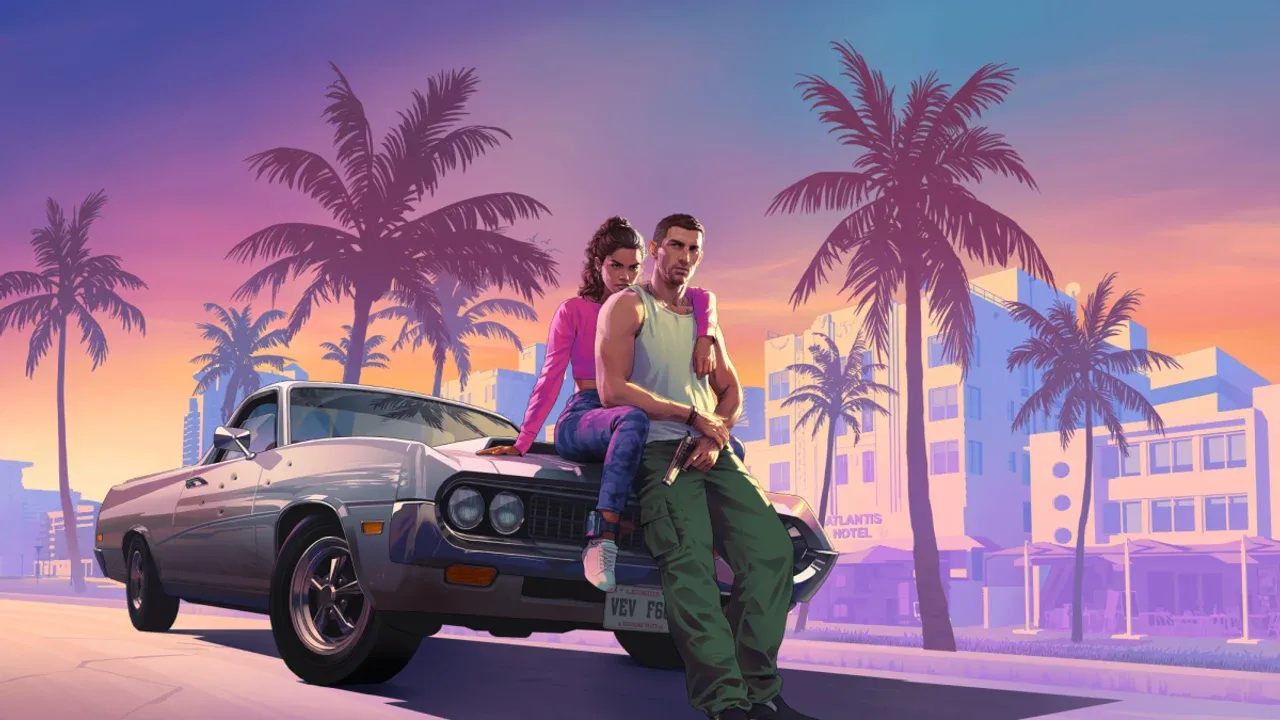
For a franchise built on archetypes—the wise guy, the psychopath, the desperate man—Grand Theft Auto VI’s choice to center a messy, desperate love story feels like a genuine evolution. This is where the game’s narrative earns its emotional weight, and where Rockstar’s writing demonstrates its most significant maturation since Red Dead Redemption 2. The Bonnie and Clyde framework isn’t just a marketing hook; it’s the engine for the game’s most compelling character work and its most glaring tonal inconsistencies.
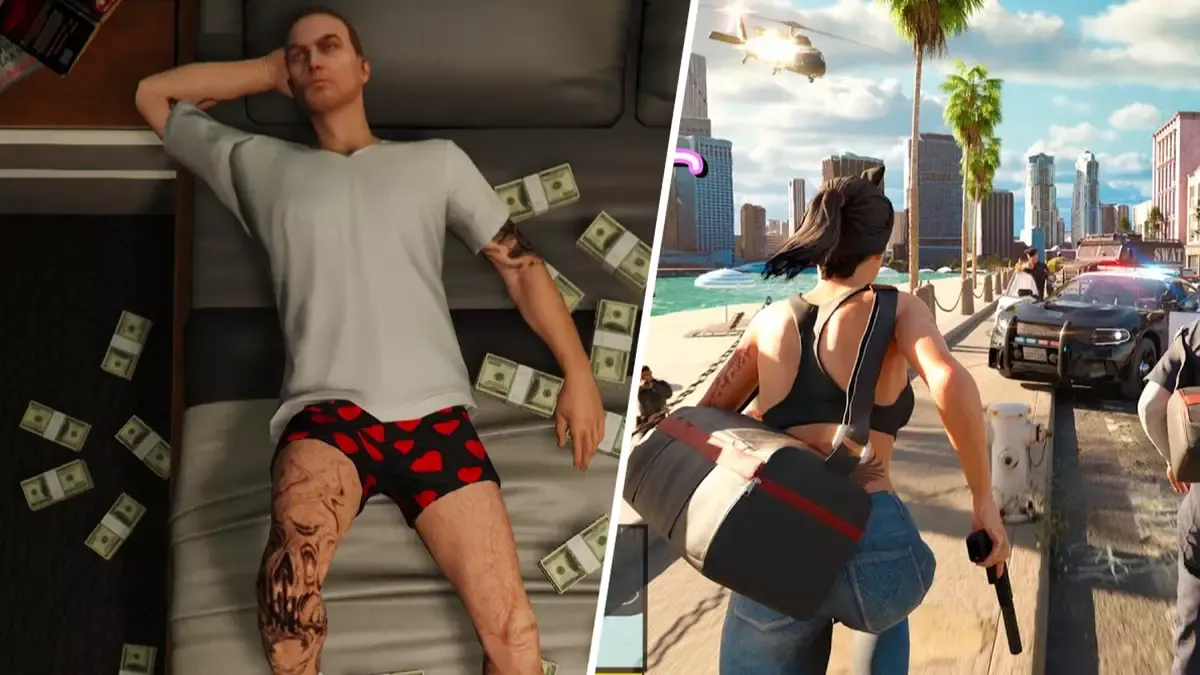
Visualizing the high-stakes lifestyle of the game's lead couple.
Lucia is the undeniable star, and the claim that she’s Rockstar’s most interesting protagonist since Arthur Morgan is easily justified. Where past GTA leads often felt like satirical cartoons, Lucia is grounded in a palpable, furious desperation. She’s fresh out of prison, her ambition tempered by a survivalist’s pragmatism, and the game never lets you forget it. Her motivations aren’t about becoming a kingpin for ego’s sake; they’re about clawing back agency in a world that’s systematically denied it. This comes through in small, brilliant details: the wary way she scans a room before a deal, the calculated pauses in her dialogue, the sheer physicality of her performance. Voiced with a raw, weary intensity by Ana de Armas, Lucia feels lived-in from her first scene. Jason, her partner-in-crime and in life, serves as the perfect foil—softer, more recklessly impulsive, and believably pathetic in his devotion. Their chemistry isn’t about grand romance; it’s a transactional, codependent, and occasionally tender bond that feels authentically human. The ability to switch between them at will outside of missions isn’t just a gimmick; it reinforces their duality, letting you see the same grimy motel room or chaotic heist aftermath from two starkly different perspectives.
This shift toward character-driven intimacy is Grand Theft Auto VI’s narrative triumph. A mission isn’t just about robbing a convenience store; it’s about the tense, silent drive back to the safehouse, where Lucia stares out the window and Jason nervously checks the rearview mirror, the weight of their actions hanging in the air between them. It’s a level of emotional storytelling the series has rarely attempted, and it works.
However, this newfound maturity exists in an uneasy tension with Rockstar’s older, blunter satirical instincts. The game’s world is a masterclass in environmental storytelling, but its script sometimes lags behind. Jabs at influencer culture, livestreamed crime, and political grifters can land with vicious precision, feeling ripped from a particularly deranged Twitter feed. Yet, just as often, the satire feels like a greatest-hits reel from 2013, now rendered in 4K. The targets are the same, the punchlines are familiar, and the commentary lacks the consistent sharpness of the character drama it’s interrupting. It creates a jarring disconnect: you’re fully invested in Lucia and Jason’s fragile, doomed partnership, only to be pulled out by a side character delivering a joke that wouldn’t feel out of place in GTA V. This inconsistency is the narrative’s core weakness—the heartfelt and the hackneyed sharing the same radio frequency.
The supporting cast, thankfully, often rises above this. While specifics are guarded, the presence of actors like Bryan Cranston points to a commitment to performances that can match the leads. The writing for these characters aims for a similar grounded authenticity, making their fates feel impactful rather than just another punchline. Ultimately, the dual-protagonist system in Grand Theft Auto VI succeeds not because it’s novel, but because it’s human. It provides a stronger emotional spine than any previous entry in the series. For every moment the satire stumbles, there’s a quiet, authentic beat between Lucia and Jason that reminds you these aren’t just vehicles for chaos—they’re people, making terrible decisions for reasons you can almost understand. It’s a messy, flawed, and frequently brilliant narrative achievement that finally gives the franchise a soul to match its spectacular body.
Grand Theft Auto VI Gameplay: Heavier Physics and Smarter Cops
The moment-to-moment feel of a Grand Theft Auto game has always been a tightrope walk between arcade fun and immersive weight. Grand Theft Auto VI doesn’t just walk that line—it redefines it, delivering a physicality that makes every action feel consequential. The movement system is the clearest indicator: it borrows the grounded momentum of Red Dead Redemption 2 but smartly tempers it for the faster pace of a modern crime saga. Your character has a tangible sense of inertia; sprinting to a car door isn't a teleport, but a lunge you can feel, and taking a corner at full tilt will see you shouldering into a wall with a satisfying thud. This is a world with heft, where the transition from the floaty, superheroic feel of GTA V to something more believably human is immediately apparent and deeply satisfying.

Official GTA VI gameplay screenshot.
This philosophy of weight transforms the driving, which is the best the series has ever offered. Cars are no longer homogenous blobs of speed; they have distinct, personality-driven handling models. Muscle cars like the new Vapid Dominus demand respect, their rear ends sliding out with a terrifying, drift-happy looseness that forces you to feather the throttle. Sports cars, by contrast, grip the asphalt with a satisfying precision. The real revelation is the danger. Bikes feel genuinely lethal—a high-speed wobble isn't just a visual effect but a physics-based fight for control that often ends with your body ragdolling across three lanes of traffic. Crashes are visceral, kinetic events where metal crumples and glass shatters with a sense of destructive cause and effect. This isn't just an aesthetic upgrade; it makes every chase, whether from the cops or a rival crew, a white-knuckle exercise in skill rather than a simple speed check.
The new police AI is the perfect, punishing complement to this improved driving. This is no longer a game of outrunning a magical, omnipresent force. Cops are smarter, more persistent, and terrifyingly tactical.
The overhauled wanted system is a masterclass in contextual pressure. Law enforcement responds based on your location and actions. Rob a store in a quiet suburb, and you might get a few cruisers. Do the same in downtown Vice City, and you’ll quickly have helicopters and roadblocks. They flank you, use pit maneuvers, and—in a brilliant, anxiety-inducing twist—can recognize your vehicle even after a quick switch, forcing you to truly ditch your ride or find a paint shop. The stress of a four-star chase in Grand Theft Auto VI is palpable in a way it never was before, because it feels like you’re being hunted by a competent, systemic force, not just an escalating number of spawning icons.
This commitment to tactical thinking extends to the gunplay and heist design. The shooting mechanics are cleaner, with punchier, impactful sound design that makes each shot feel lethal. The cover system is less clunky, allowing for smoother transitions. More importantly, Rockstar introduces strategic limitations: your weapon wheel isn't a bottomless pocket. You can carry a primary, a sidearm, and maybe a throwable, with the rest of your arsenal stored in your car’s trunk. This simple change fundamentally alters your approach to a firefight. You can’t solve every problem with a rocket launcher pulled from thin air; you must plan your loadout for the job, making a quick retreat to your vehicle for heavier ordinance a legitimate, thrilling part of combat flow.
The heist planning leans into this philosophy of preparation. While major story set-pieces have their scripted beats, the smaller, organic robberies are where the system shines. You can case a gas station or luxury boutique in real-time—using your in-game phone to photograph security cameras, eavesdropping on employee chatter, or monitoring guard patrols. This reconnaissance isn’t a menu-based checkbox; it’s a tangible, engaging gameplay loop that makes you feel like a professional thief. The payoff is a multi-stage crime where your prep work directly influences the difficulty: did you note the back-alley exit? Did you time the police patrol? The freedom to approach these moments with a mix of stealth, silenced takedowns, or brute force, combined with the new pressure from the smarter cops, creates emergent, unforgettable stories that feel uniquely yours.
For all its mechanical advancements, the new physicality does have a cost. In the most intense, chaotic sequences—a frantic escape through a flooded street during a hurricane, for instance—the vehicle handling can occasionally feel less responsive than you’d like, a victim of its own commitment to realism. It’s a minor quibble in a system that is otherwise transformative. By making every swing of a fist, every squeal of a tire, and every exchanged bullet feel weighty and deliberate, Grand Theft Auto VI doesn’t just modernize its gameplay; it forges a vital, undeniable link between your actions and the breathtakingly reactive world of Leonida. The chaos has never felt more real, or more earned.
The Rockstar Problem: Open-World Freedom vs. Mission Rigidity
The most impressive world Rockstar has ever built is also the one that most frequently reminds you that you’re still playing a Rockstar game. Grand Theft Auto VI presents a staggering paradox: it gives you a living, reactive sandbox of unparalleled freedom, then ushers you into story missions that often feel like being funneled down an expensive, exquisitely rendered hallway. This is the series’ most persistent and frustrating design legacy, and while it’s less severe here than in past titles, its presence highlights the disconnect between the game’s systemic ambitions and its scripted storytelling.

The technical depth of the world often exceeds the flexibility of its missions.
The rigidity reveals itself in subtle but unmistakable ways. The game’s environmental and systemic brilliance—like casing a location for a heist, noting guard patrols and escape routes—is often sidelined during main story beats. A mission might task you with a stealthy infiltration, but deviate from the single, intended path—say, scaling a wall the developers didn’t anticipate—and you’re met with an instant “Mission Failed” screen. In one early job, I was punished for parking my getaway car three feet from a specific yellow marker; the game wanted it on the marker, not adjacent to it. This insistence on specific choreography clashes violently with the game’s core promise of player agency. It creates a bizarre cognitive dissonance: you spend hours mastering a world that rewards creative problem-solving, only to have the narrative periodically demand you color inside very strict lines.
This is the "Rockstar Problem" in its purest form: a billion-dollar playground where you’re occasionally told not to touch the slides. It’s a testament to the strength of the world and characters that these moments feel like frustrating interruptions rather than dealbreakers.
Thankfully, these restrictive missions are the exception, not the rule, and they stand out precisely because the rest of the world is so astonishingly dense and interactive. Leonida’s greatest achievement is its shift from a world you look at to a world you inhabit. The number of accessible buildings—from seedy motel rooms and bustling convenience stores to multi-story office blocks—is unprecedented for the series. This isn’t just set dressing; it’s functional space that feeds the emergent gameplay. A police chase can now spiral from the street into a mall food court, through a back kitchen, and out into an alley, all without a loading screen. The “Florida Man” energy thrives on this density, generating unscripted vignettes that feel more authentic than most handcrafted quests. I watched an alligator snatch a pedestrian by a swamp, only for a tourist to stop and film the tragedy on their in-game phone. The world doesn’t just exist for you; it lives and dies around you, creating stories that are uniquely yours.
This sense of a living simulation is bolstered by minor survival mechanics that influence your stats. Eating food restores health more effectively than waiting, and sleeping in a safehouse refills your stamina bar and even provides a temporary accuracy buff. While these systems are light-touch—you won’t be managing hunger meters or exhaustion—their inclusion is a masterstroke of subtle immersion. They provide a tangible, gameplay-driven reason to engage with the world’s smaller details, like stopping at a diner after a big score or returning to your hideout to plan the next move. It’s a whisper of Red Dead Redemption 2’s realism, perfectly calibrated for GTA’s faster pace, that makes your character feel more connected to the ecosystem.
However, even this meticulously crafted ecosystem has its seams. For all its technical wizardry, Grand Theft Auto VI is not immune to the occasional physics glitch or AI quirk. These moments are rare, but they’re jarring precisely because the illusion is so convincing. I’ve seen a car spawn inside another during a frantic police roadblock, creating a surreal metal sculpture. More commonly, NPC pathfinding can break under pressure, with pedestrians occasionally running in circles or cowering in illogical places during a shootout. These aren’t game-breaking bugs, but they are brief, stark reminders that you’re inside a simulation—a crack in the perfect facade of Leonida.
Ultimately, the tension between open-world freedom and mission rigidity is the price of admission for a Rockstar blockbuster. The studio’s commitment to cinematic, authored storytelling sometimes demands a level of control that chafes against the player-driven chaos it so brilliantly enables elsewhere. Yet, in Grand Theft Auto VI, the scale has finally tipped. The moments of frustrating rigidity are overshadowed by a hundred more where the game’s systems sing in harmony, where your plan goes perfectly or spectacularly wrong on your own terms. The “expensive hallway” is still there, but it’s now surrounded by the most expansive, reactive, and truly alive open world in gaming history. You’ll notice the walls, but you’ll spend most of your time marveling at the view from the windows.
Technical Performance: Is Grand Theft Auto VI a True Next-Gen Flex?
A decade of hype and a billion-dollar budget buys you more than just a pretty game—it buys you the expectation of a technical revolution. Grand Theft Auto VI doesn't just meet that expectation; it weaponizes it, delivering a visual and aural spectacle that serves as the definitive argument for what "next-gen" can mean. This is a game that prioritizes density and atmosphere over raw speed, and the trade-off is one of the most immersive virtual worlds ever constructed. The real question isn't whether it looks good—it’s a 10/10 on that front—but whether its performance choices and platform exclusivity undermine that achievement for a significant portion of its audience.
High-resolution character rendering in GTA VI.
The visual fidelity is, without hyperbole, peerless. Rockstar's rebuilt RAGE engine doesn't just render Leonida; it simulates its atmosphere. This is most evident in the game's dynamic weather system, which isn't a cosmetic filter but a physics-driven event. During one of the game's infamous hurricane sequences, I watched as rain accumulated in real-time on the streets of Vice City, forming deep puddles that slowed my car to a crawl and reflected the chaotic neon of shattered signs with ray-traced global illumination. Wind physically pushed against pedestrians and debris, and the transition from a sunny beach day to a torrential downpour felt less like a weather change and more like a biome shift. This commitment to photorealism extends to the smallest details: individual water droplets bead on car hoods, the swamp's murky water convincingly obscures lurking gators, and every character model, from Lucia's weary expressions to the thousand-plus unique NPCs, boasts skin textures and clothing physics that feel tangibly real under the harsh Florida sun. It’s a world so dense with incidental detail that it makes other open worlds feel like theatrical sets.
This is the paradox of Grand Theft Auto VI’s technical presentation: it’s a staggering flex of computational power that also exposes the limits of current console hardware. The game asks you to choose between visual splendor and fluidity, and neither choice is perfect.
On PS5 and Xbox Series X, the player is presented with a classic, if frustrating, compromise. The Fidelity Mode locks the game to a rock-solid 30 frames per second at a native 4K resolution. This is the definitive way to experience the jaw-dropping detail—the crowd density, the long draw distances, the flawless reflections. It feels cinematic, but the inherent input lag and lower frame rate are immediately apparent, especially during the high-speed driving and frantic gunfights the game is built around. The Performance Mode, which targets 60 FPS at a dynamic 1440p resolution, is the better choice for gameplay fluidity, but it comes at a cost. In the most chaotic moments—a five-star police chase through downtown Vice City at night, with helicopters, explosions, and dozens of panicked NPCs—the frame rate can and does dip into the mid-40s. It’s never unplayable, and the aggressive streaming tech ensures load times are virtually nonexistent, but these dips are noticeable. They serve as a reminder that this world is so complex it can momentarily overwhelm even the most powerful consoles. For a player seeking a buttery-smooth, competitive experience, this isn’t it. For someone who wants to be swallowed whole by a digital America, the occasional stutter is a price worth paying.
The most significant technical failing of Grand Theft Auto VI, however, isn't a frame rate drop—it's a platform omission. The confirmed absence of a PC version at launch is more than a disappointment; it's a strategic blow to the game's legacy and community, particularly in regions like Southeast Asia where PC gaming dominates. The impact is twofold. First, it cuts off access to the modding community that has sustained GTA V's relevance for over a decade, delaying the creative explosion of roleplay servers, graphical overhauls, and gameplay innovations that will inevitably define the long-term life of this title. Second, it ignores the economic reality of millions of players who game in cafes or on their own rigs, forcing them to either invest in a console ecosystem or wait for an unspecified future date. In a game that prides itself on being a cultural platform, launching without its most creative and dedicated community feels like a profound misstep.
Thankfully, the audio design is a flawless, platform-agnostic triumph that does the heavy lifting of immersion where visuals occasionally falter. The curated radio stations are a masterclass in vibe-setting, spanning decades and genres to capture the eclectic soul of a modern Florida. You can cruise from a thumping Latin beat in Little Havana to a synthwave track on a neon-lit boulevard, with every song feeling perfectly placed. Beyond the licensed music, the ambient soundscape is what truly sells Leonida as a living place. The layered cacophony of Vice City—distant traffic, snippets of passerby arguments, the thump of bass from a passing lowrider, the gentle lap of water in the Keys—creates an authentic urban drone. The voice acting, led by Ana de Armas’s raw performance as Lucia, is uniformly excellent, and the satirical fake advertisements and talk radio rants provide a constant, hilarious commentary on the chaos you’re creating. The audio doesn’t just support the world; it defines its personality, making the act of simply driving with the windows down a core pleasure.
Ultimately, Grand Theft Auto VI is a true next-gen flex, but one with clearly defined limits. It achieves a visual benchmark that will stand for years, and its audio design is arguably the best in the industry. Yet, its performance profile on consoles demands a compromise between beauty and responsiveness, and its lack of a PC launch is a glaring, community-fracturing omission. The technical achievement is monumental, but it’s not without its very human costs.
GTA Online 2.0 and Long-Term Value
The true test of a modern Rockstar game isn't the 60-hour campaign, but whether you'll still be living in its world six months later. For Grand Theft Auto VI, the long-term value proposition is a tale of two halves: a single-player experience of near-bottomless depth, and a multiplayer component that feels like a promising but unfinished blueprint. This is where the decade-long wait pays off in one column and raises familiar, uneasy questions in another.

Leonida’s replayability is anchored in its staggering systemic richness, a world so dense with emergent possibility that the main story feels like just one of many stories you can author. The branching mission outcomes, where your approach to a heist can unlock different escape routes or alter character allegiances, provide a legitimate reason to revisit key moments. But the real magic is in the ecosystem you inhabit between missions. The deep wildlife simulation—where you can watch alligators stalk prey or flamingos take flight—and the constantly updating, player-influenced social media feed aren’t just window dressing; they’re dynamic content engines. I lost hours simply following an NPC’s daily routine, which took them from a morning jog on Vice Beach to a tense drug deal in the swamps, all without a single prompt from the game. This isn’t just a map you complete; it’s a living state you observe, and that distinction makes the prospect of hundreds of hours of play feel organic, not grindy.
This is the genius of Grand Theft Auto VI’s value proposition: it sells you on the fantasy of being a resident, not just a tourist. The world’s constant, unscripted hum makes the standard edition’s expected price tag of RM299–RM349 feel less like a purchase and more like an investment in a digital second home.
Where the value equation becomes complicated is with GTA Online 2.0. Launching alongside the single-player campaign, it shares the breathtaking Leonida map, meaning every backroad you discovered and every interior you memorized is immediately accessible with friends. The potential is enormous, and early features like cooperative heist chains and a revamped property system show Rockstar has learned some lessons. The progression is described as more balanced than the original Online’s notorious grind, offering meaningful rewards for players who avoid microtransactions. However, at launch, it feels less like a fully realized product and more like a robust platform awaiting its true purpose. The core mechanics—driving, shooting, the world itself—are rock-solid, but the suite of activities and the long-term meta-game feel skeletal compared to the decade of content its predecessor accumulated. Its success hinges entirely on post-launch support, balance, and, most critically, how Rockstar manages its economy and community.
This brings us to the most significant threat to Grand Theft Auto VI’s long-term health: the specter of aggressive monetization and a toxic social environment. The original GTA Online became a “wild west of unmoderated player interactions,” a cesspool of griefing where the most powerful tools were often locked behind paywalls or soul-crushing grinds. While early impressions suggest a more balanced economy, the fear that history will repeat itself is palpable. Will the sleek new supercars be earnable through skilled play, or will they be pushed via shark cards? Will griefers be kept in check by smarter systems, or will public sessions remain a frustrating gauntlet for casual players? These unanswered questions cast a shadow over the multiplayer’s potential. For many, the promise of a vibrant online Leonida will be the game’s ultimate value; for others, the memory of GTA Online’s worst excesses will make them hesitate to invest their time.
Ultimately, Grand Theft Auto VI offers a paradoxical value proposition. Its single-player world is a masterclass in long-term engagement, a systemically rich playground that encourages endless experimentation and observation. You are buying what is arguably the most detailed virtual world ever created, and it will demand hundreds of hours to even begin to see all its secrets. The multiplayer, however, is a bet on Rockstar’s future intentions—a platform with incredible potential that could either evolve into a groundbreaking social space or devolve into a monetized, hostile grind. Your calculation of its worth depends entirely on which half of that promise you trust.
Final Verdict: Is Grand Theft Auto VI Worth the Decade-Long Wait?
A decade of anticipation isn't just about meeting expectations; it’s about justifying the wait. Grand Theft Auto VI doesn't just justify it—it commands it, delivering a monumental achievement in digital craftsmanship that sets a new, almost intimidating benchmark for what an open world can be. This is a game that earns its reputation not through revolution, but through an overwhelming mastery of simulation, character, and sheer, staggering scale. The living, breathing state of Leonida is a technical and creative triumph of a magnitude we see perhaps once a generation, a world so dense with systemic life and environmental storytelling that it makes every other sandbox feel static by comparison. The joy of simply existing in this space, of watching its unscripted chaos unfold from a diner booth or a swamp airboat, is the game’s core, undeniable victory.

Rockstar Games continues to push the boundaries of cinematic storytelling.
This is the pinnacle of Rockstar’s craft: a billion-dollar virtual America that feels less like a game level and more like a place with its own indifferent momentum. You are a participant in its chaos, not the sole author of it.
Yet, for all its generational leaps, Grand Theft Auto VI remains stubbornly tethered to Rockstar’s most frustrating legacy: the conflict between its breathtaking open-world freedom and its occasionally rigid, authored storytelling. The mission design, while improved, still sometimes funnels you down an "expensive hallway," punishing creative deviations with abrupt failure states. This is most keenly felt when you’re pulled from the brilliantly organic, systemic gameplay—like planning a gas station heist through reconnaissance—into a story beat that demands you park in an exact pixel or take a specific path. Similarly, the social satire, while often viciously funny in its parody of influencer culture and political grift, can land with a blunt, recycled force that clashes with the nuanced character drama of Lucia and Jason. These aren’t dealbreakers; they’re the persistent seams in an otherwise flawless tapestry, reminders that even a masterpiece can have familiar patterns.
So, who is this for? Grand Theft Auto VI is a near-mandatory purchase for any PS5 or Xbox Series X owner seeking the absolute peak of cinematic, open-world gaming. It is the definitive blockbuster experience, a game designed to swallow you whole for a hundred hours. This recommendation comes with the explicit, non-negotiable caveat that it is an intensely adult experience—an R-rated simulator of American mayhem filled with graphic violence, profanity, and cynical humor. It is the opposite of family-friendly, and its GTA Online 2.0 component carries the baggage of its predecessor's potential for toxic communities and aggressive monetization. But for the adult player willing to meet it on its own terms, the reward is unparalleled.
The final calculation is clear. When you weigh the creation of Leonida—a world of unmatched density, reactivity, and beauty—against the occasional mission rigidity and tonal inconsistency, the scale tips decisively. The character depth provided by Lucia and Jason’s raw, compelling partnership elevates the narrative beyond mere satire, and the moment-to-moment gameplay, from the weighty driving to the smarter police chases, is the series’ best. It is a confident, often jaw-dropping spectacle that respects player intelligence within its systems, if not always its scripts.
Final Score: 9.0/10
Pros:
- Leonida is a generational leap in open-world design, setting a new benchmark for density, interactivity, and systemic storytelling.
- Lucia and Jason provide the franchise’s most compelling, human character-driven narrative since Red Dead Redemption 2.
- Gameplay mechanics, from the physical driving to the tactical police AI, are refined to near-perfection, creating white-knuckle emergent chaos.
- A technical marvel on consoles, with staggering visual fidelity and immersive audio design that sells the world completely.
Cons:
- Rockstar’s signature mission rigidity persists, occasionally punishing player creativity in stark contrast to the open world’s freedom.
- The social satire, while often sharp, can feel blunt and recycled, clashing with the more mature character drama.
- No PC version at launch is a significant omission that fractures the community and delays the modding scene.
- The long-term health of GTA Online 2.0 remains a question mark, dependent on Rockstar avoiding the monetization and griefing pitfalls of its predecessor.