Splatoon 3 Gameplay: Refining the Best Ink-Based Shooter Formula
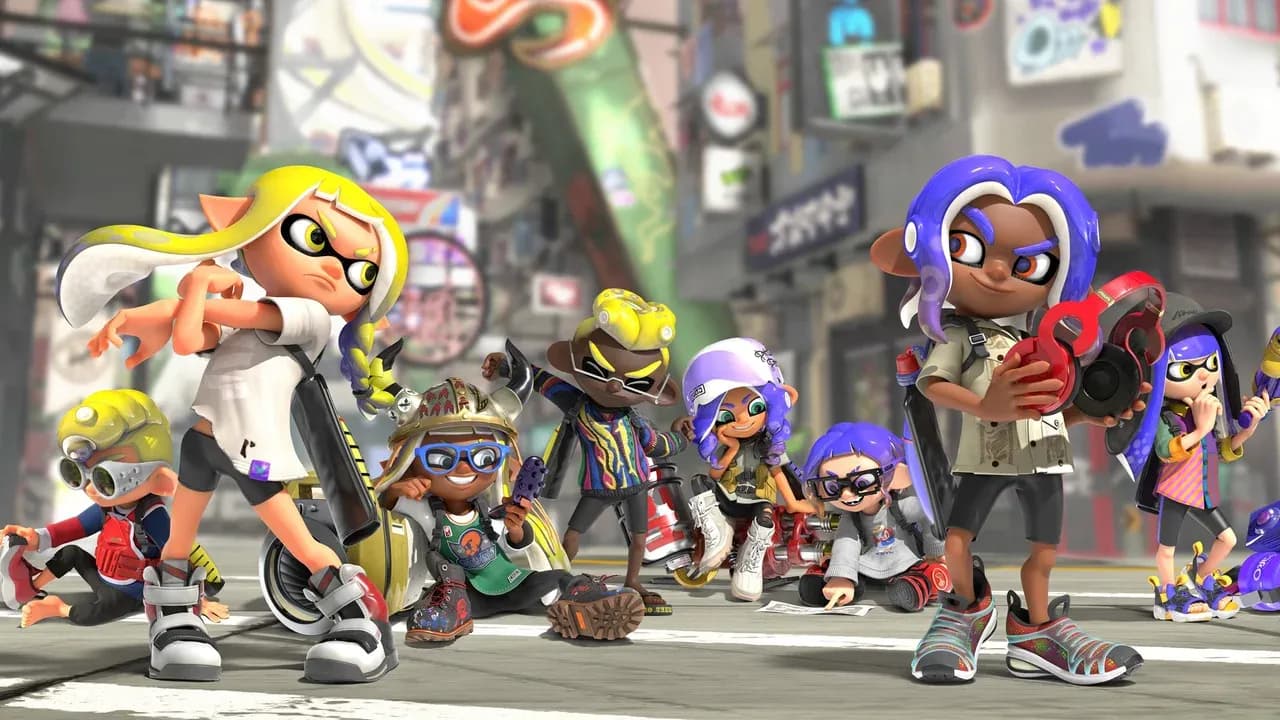
Ink-based territory control remains one of gaming’s most brilliantly simple ideas, and Splatoon 3 doesn’t mess with the formula. It understands that its foundation—two teams of four scrambling to paint the most ground in three frantic minutes—is already near-perfect. This isn’t a sequel built on reinvention, but on meticulous refinement. The core loop is preserved with such reverence that returning players will feel instantly at home, their muscle memory rewarded, while newcomers are greeted by the most polished and accessible version of this unique shooter ever made. The magic isn’t in a new direction, but in how every edge has been sanded smooth and every system subtly enhanced.
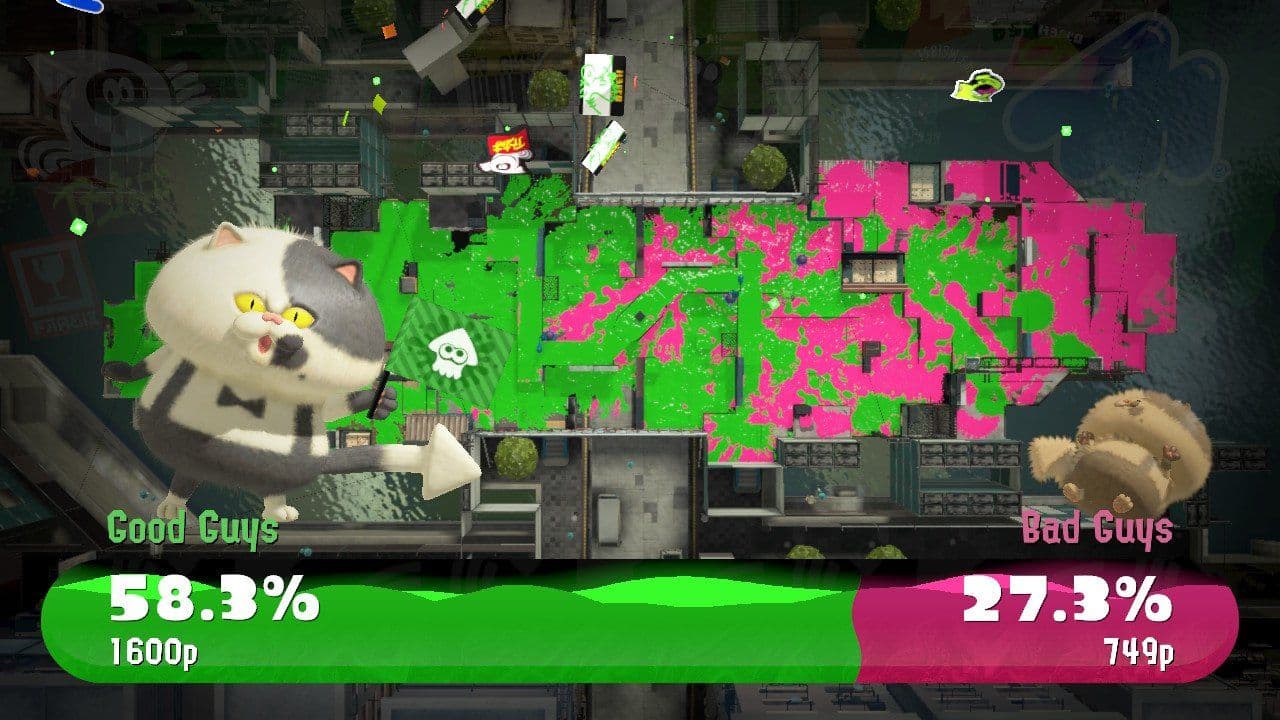
Splatoon 3 refines the series' core ink-spraying gameplay loop.
The most impactful refinements come not from new guns, but from new ways to move. The addition of the Squid Roll and Squid Surge fundamentally elevates the skill ceiling and moment-to-moment dynamism. The Squid Roll, executed by tapping a direction opposite your swim path, is a defensive parry that grants a brief moment of invincibility and a burst of speed—a perfect tool for escaping a sudden ambush or juking a sniper’s shot. The Squid Surge, charging up a wall before launching over the ledge, turns vertical spaces from obstacles into opportunities for aggressive flanks. These aren’t just flashy tricks; they’re integrated tools that transform the battlefield, rewarding players who master the fluid dance between inkling and squid forms.
This is a game confident enough in its core that its biggest innovation is letting you choose where to start the fight. The new spawning system, which lets you pick a landing zone from a wide area rather than dumping you at a fixed point, is a small change with massive implications. It single-handedly dismantles the frustrating tactic of spawn-camping that plagued earlier entries, forcing teams to control the map dynamically rather than lock down a choke point.
Weapon variety borders on the overwhelming in the best possible way. Every armament from the series’ past returns, joined by inventive new classes like the Stringer bow and the Splatana wiper-blade. The arsenal isn’t just large; it’s meaningfully diverse. A match where your team is built around long-range Chargers and supportive Tacticoolers plays out with a completely different rhythm than one dominated by close-range Splatana brawlers and explosive Reefsliders. This sheer volume of tools ensures the meta remains fluid and personal playstyles can flourish, though not every new addition lands with equal force—a topic for deeper analysis in the section on competitive shifts.
The criticism that Splatoon 3 feels iterative is valid, but it misses the forest for the trees. Yes, there’s no single, revolutionary “Big New Idea™” that redefines the franchise. For players who poured hundreds of hours into Splatoon 2, this can initially feel like a massive, polished “Version 2.0” expansion. Yet, that perspective undervalues the cumulative power of a thousand tiny cuts against friction. When every quality-of-life improvement—from skippable news broadcasts to a lobby that doubles as a practice range—is combined with buttery-smooth performance, the result is a game that disappears between you and the fun. It runs at a rock-solid 60fps during matches, with improved, glossier ink shaders that make the core act of painting the world feel more viscerally satisfying than ever.
This is a game built on a paradox: by changing almost nothing about its brilliant heart, and by changing almost everything about the experience surrounding it, Splatoon 3 becomes the definitive iteration. It’s a masterclass in understanding what not to fix, and an equally impressive display of polishing every single thing that needed a touch-up. The foundation was already legendary; now, the house built upon it is practically flawless.
New Arsenal and Specials: How Splatoon 3 Shifts the Competitive Meta
The most telling evolution in Splatoon 3 isn’t found in its maps or modes, but in the new tools it puts in your hands. This is a sequel that understands competitive balance isn't about static equality, but about expanding the strategic ecosystem. Where previous entries established a rock-paper-scissors dynamic of shooters, rollers, and chargers, Splatoon 3 introduces entire new categories of play, deliberately shifting the meta toward mobility, support, and aggressive close-quarters engagement. The result is a more dynamic and varied battlefield, even if some of these new additions stumble on arrival.
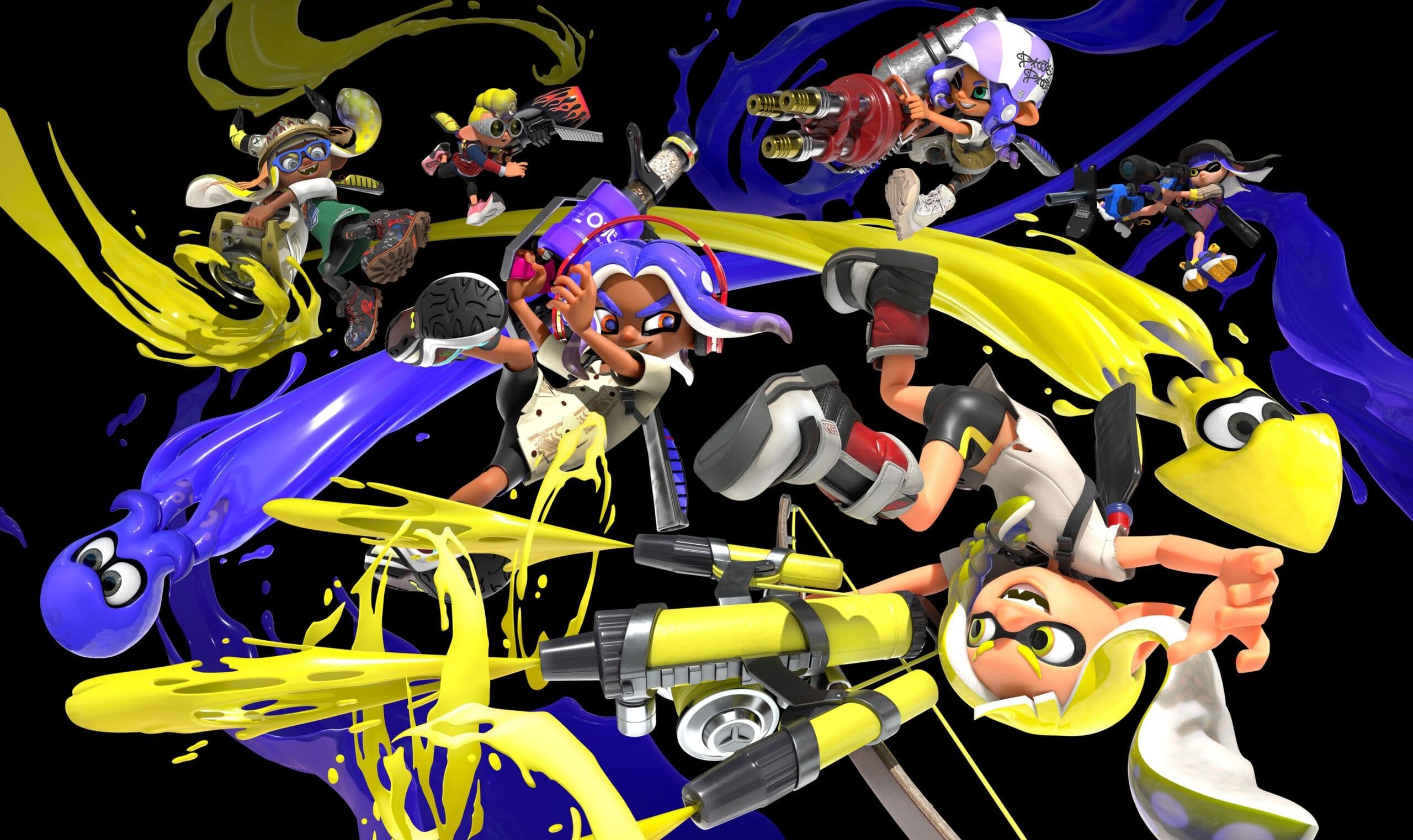
The expanded arsenal in Splatoon 3 significantly shifts the flow of multiplayer matches.
The Splatana stands as the most successful new weapon class, a masterful hybrid that rewards precision and aggression. Functioning like a paint-slinging katana, it offers a quick, close-range slash for inking and a charged attack that delivers a devastating forward lunge and a wide projectile wave. This duality is its genius: it’s a melee weapon that doesn’t force you into suicidal range. A perfectly timed charge can one-shot an opponent from a safer distance, while the quick slash allows for rapid turf recovery. It feels hefty and empowering, directly challenging the Octobrush’s reign in close-quarters chaos. However, its efficiency for pure map coverage pales next to traditional rollers, cementing its role as a duelist's tool rather than a support painter.
In contrast, the Stringer bows feel like a concept in search of a purpose. The Tri-Stringer’s core mechanic—firing arrows that stick and explode—is conceptually interesting, and the ability to alter its shot pattern (horizontal from the ground, vertical from a jump) offers technical depth. Yet, in practice, it’s hamstrung by a painfully slow charge time and underwhelming damage output. In a meta defined by fast-paced skirmishes and rapid turf control, the Stringer often leaves its user feeling exposed and ineffective, struggling to find a niche between the Charger’s range and the Splatling’s coverage. It’s the one new weapon that currently feels like it hasn’t earned its place.
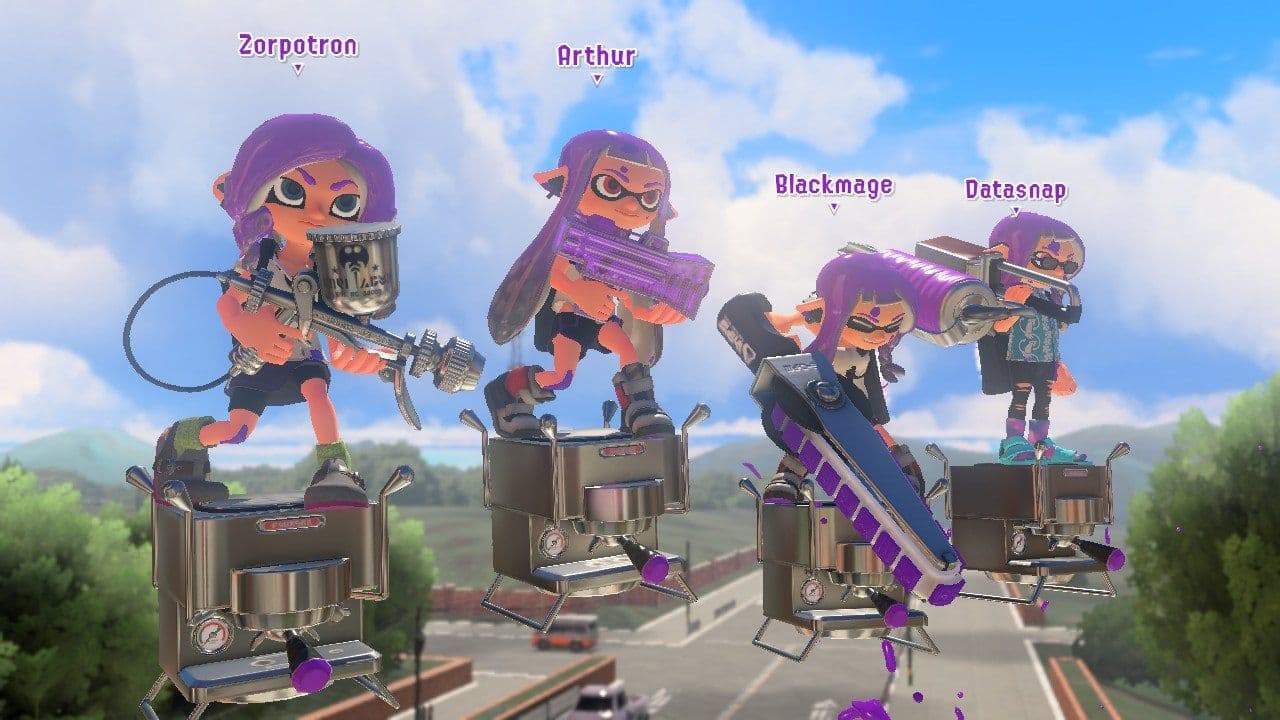
The true meta shift is engineered by the new Special Weapons. Splatoon 3 launches with a staggering fifteen specials, ten of which are brand new, and their design philosophy is a clear departure from the pure offensive bombardment of older kits. Abilities like the Zipcaster—a grappling hook granting ten seconds of Spider-Man-like mobility—and the Tacticooler—a deployable vending machine that dispenses team-wide buffs for speed, splatting, and respawning—prioritize map control and team synergy over raw killing power. They enable plays that were previously impossible: a Zipcaster user can bypass frontlines entirely to snipe a backline charger, while a well-placed Tacticooler can catalyze a full-team push. This emphasis on utility lowers the barrier for meaningful contribution, allowing support-oriented players to swing matches without needing god-tier aim.
This supportive bent is further solidified by new defensive options like the Big Bubbler, a deployable dome shield that protects allies within its radius, and the Ink Vac, which absorbs incoming fire to unleash a concentrated counter-beam. These specials finally provide dedicated tools for holding ground and protecting teammates, creating viable "anchor" roles that were less defined in past games. They encourage more thoughtful team compositions and counter-play, moving the meta slightly away from pure aggression.
For all this positive expansion, Splatoon 3 inherits and sometimes exacerbates the series’ perennial weapon-balancing woes. Community reports at launch highlighted specific kits, often built around returning specials like Tenta Missiles, that felt disproportionately powerful or oppressive, creating lopsided encounters. When one weapon’s combination of range, painting efficiency, and special charge rate eclipses all others, it stifles the very diversity the new arsenal aims to promote. This isn't a fatal flaw—live service games are a perpetual balancing act—but it’s a reminder that introducing new tools is only half the battle; ensuring they coexist in a healthy ecosystem is the ongoing war.
Ultimately, Splatoon 3 uses its expanded arsenal not to reinvent combat, but to democratize it. By providing more ways to be effective—through flanking mobility, team buffs, or area denial—it creates a richer tactical landscape where individual skill can express itself in more varied forms. Even the underwhelming Stringer has a place in that experiment. The meta is no longer just about what you shoot; it’s increasingly about how you move, how you support, and how you control the space between the ink.
Return of the Mammalians: The Best Single-Player Campaign in the Series?
Splatoon 3’s single-player campaign represents a fascinating evolution: it’s a game that learned the right lessons from its past but is still figuring out how to synthesize them into a truly cohesive whole. Return of the Mammalians feels like a direct response to the masterful, challenging gauntlet of Splatoon 2’s Octo Expansion, but it makes a crucial pivot. Instead of a relentless test of skill, it opts for a more exploratory, player-driven experience set within the mysterious, ooze-covered world of Alterna. This six-island hub, unlocked by spending Power Eggs to clear the fuzzy goop, is the campaign’s most significant structural innovation. It offers a genuine sense of non-linear progression, letting you tackle its roughly 70 missions in a flexible order and rewarding curiosity with hidden collectibles and shortcuts. For a speedrunner, the critical path is a brisk 4-5 hours, but a completionist will easily double that time uncovering every secret kettle and lore fragment. This freedom is a double-edged sword—it respects your time but can dilute the sense of a curated, escalating challenge.
Where the campaign truly shines is in its moment-to-moment creativity. The developers have fully embraced the “Octo Expansion-style” experimental level design, treating each mission as a playground to stress-test a specific mechanic. You’ll find stages that strip away your weapon entirely, turning you into a platforming purist navigating shockwaves; others transform you into a rolling crab-mech or task you with meticulously inking a giant statue. One particularly memorable challenge recreates a Pac-Man maze, where you must collect eggs while dodging patrolling ink-spewing machines. These levels are less about combat and more about solving spatial puzzles with your core movement kit, and they consistently deliver moments of surprise and delight that rival Nintendo’s best platformers.
The single-player campaign introduces a new narrative structure for the series.
The boss fights are where Return of the Mammalians confidently asserts its own identity. Each encounter is a multi-phase spectacle against a familiar face, packed with personable charm and creative attack patterns that feel like a natural escalation of their character. They follow the classic “three-hit” structure but execute it with such visual panache and musical synergy that the predictability falls away. The final boss, in particular, is a breathtaking fusion of spectacle and iconic Splatoon musical beats, serving as a triumphant, earned climax.
The new companion, Smallfry, is a charming addition with clear utility but limited impact. In the overworld, he’s essential for clearing ooze and sniffing out buried treasure. In levels, he can be thrown to distract enemies or hit switches, functioning as a living grenade. While his presence adds a cute dynamic, his combat utility in the harder, timed challenges feels negligible—a tool for specific puzzles rather than a transformative partner in high-level play. You’re more likely to rely on the straightforward upgrades from the campaign’s skill tree, which sensibly brings your capabilities in line with multiplayer power levels without breaking the challenge.
For all its mechanical strengths, the narrative remains the campaign’s thinnest layer. The moment-to-moment story—a rescue mission for the Captain—is straightforward and often interrupted by lengthy, dialogue-heavy exchanges that can feel like pacing speed bumps. However, Splatoon 3 makes a fascinating trade: it sacrifices a strong active plot to deeply enrich the series’ lore. Scattered throughout Alterna are the Alterna Logs, text documents that piece together the chilling, surprisingly dark backstory of this frozen facility and humanity’s demise. For lore enthusiasts, these collectibles are a compelling reward, adding profound context to the game’s cheerful post-apocalypse. For players just here for the action, it can feel like the game is telling its most interesting story in optional fine print.
Ultimately, Return of the Mammalians stands as the series' most ambitious and content-rich campaign, even if it doesn't surpass the focused, brutal brilliance of the Octo Expansion. It successfully builds a more open, inviting world for players to explore at their own pace, packed with inventive challenges that celebrate Splatoon’s unique mechanics. It may not deliver a gripping narrative or consistently high difficulty, but it provides a fantastic 8-10 hour playground that also serves as the most comprehensive tutorial imaginable for the chaotic symphony of its multiplayer.
Salmon Run and Tableturf: Evaluating the Expanded Side Content
If the core multiplayer of Splatoon 3 is its beating heart, and the campaign is its inventive soul, then the expanded side content is its vibrant, bustling community center—a place where the pressure of competition subsides and the sheer joy of the game’s systems can be appreciated in new ways. This is where Nintendo flexes its confidence, transforming what could have been simple bonus features into substantial, time-sinking pillars of the experience. The co-op Salmon Run has been elevated from a beloved but gated event to a permanent, polished fixture, while the new Tableturf Battle card game proves to be a shockingly deep strategic distillation of Turf War itself. Together, they ensure there’s always a compelling reason to return to Splatsville, even when you’re not in the mood for a ranked grind.
Customization options extend to lockers and gear in Splatoon 3.
The most universally celebrated upgrade is the overhaul of Salmon Run: Next Wave. The single most important change is right there in the description: it’s now available 24/7. In Splatoon 2, the mode’s rotating schedule often felt like a punishment for having a life outside the game’s arbitrary windows. Splatoon 3 corrects this with the simple, brilliant understanding that a great co-op mode should be playable whenever friends are online. This alone transforms it from a novelty into a core playlist. The mechanical addition of being able to throw Golden Eggs is a smaller tweak with massive implications for teamwork and flow. No longer are you forced to make a perilous, slow walk back to the basket while swarmed; a skilled toss from a distance can keep the momentum going, turning chaotic scrambles into orchestrated plays. It’s a quality-of-life change that fundamentally improves the pace and strategy of every wave.
The true test of a Salmon Run crew now comes after the standard three waves. Survive with high enough performance, and you might trigger the terrifying arrival of a King Salmonid—a colossal, screen-filling boss like the Cohozuna or Horrorboros. This isn't just a victory lap; it's a frantic, all-hands-on-deck emergency where your accumulated bonuses are on the line. It’s a brilliant risk-reward system that turns a successful run into a white-knuckle climax, ensuring that even veteran crews have a punishing, high-stakes goal to chase.
Where Salmon Run offers communal chaos, Tableturf Battle provides solitary, cerebral calm. At first glance, it seems like a simple diversion: a turn-based card game where you place Tetris-like blocks on a grid to claim the most turf. But within a few matches, its deceptive depth reveals itself. This isn't just a themed minigame; it’s a masterful abstraction of Splatoon’s core territorial logic. Managing your special gauge, planning several turns ahead to block your opponent’s best cards, and sacrificing early control to set up a late-game special attack that flips the board—it all mirrors the ebb and flow of a real Turf War. Building a deck from hundreds of collectible cards, each with unique ink patterns, becomes its own addictive meta. It’s a fantastic, fully-realized strategy game that could honestly be sold as a standalone mobile app.
The disappointment, then, is that Tableturf Battle is locked to single-player battles against AI at launch. In a game so thoroughly dedicated to social and competitive play, this feels like a bizarre self-sabotage. The strategic dueling this mode facilitates is begging for head-to-head play with friends or a ranked ladder. As it stands, beating the AI opponents provides a stiff challenge and unlocks new cards, but without the human unpredictability, the mode eventually hits a ceiling. Its potential for a vibrant, competitive sub-community is currently untapped, making it feel more like a brilliant proof-of-concept than a fully integrated feature.
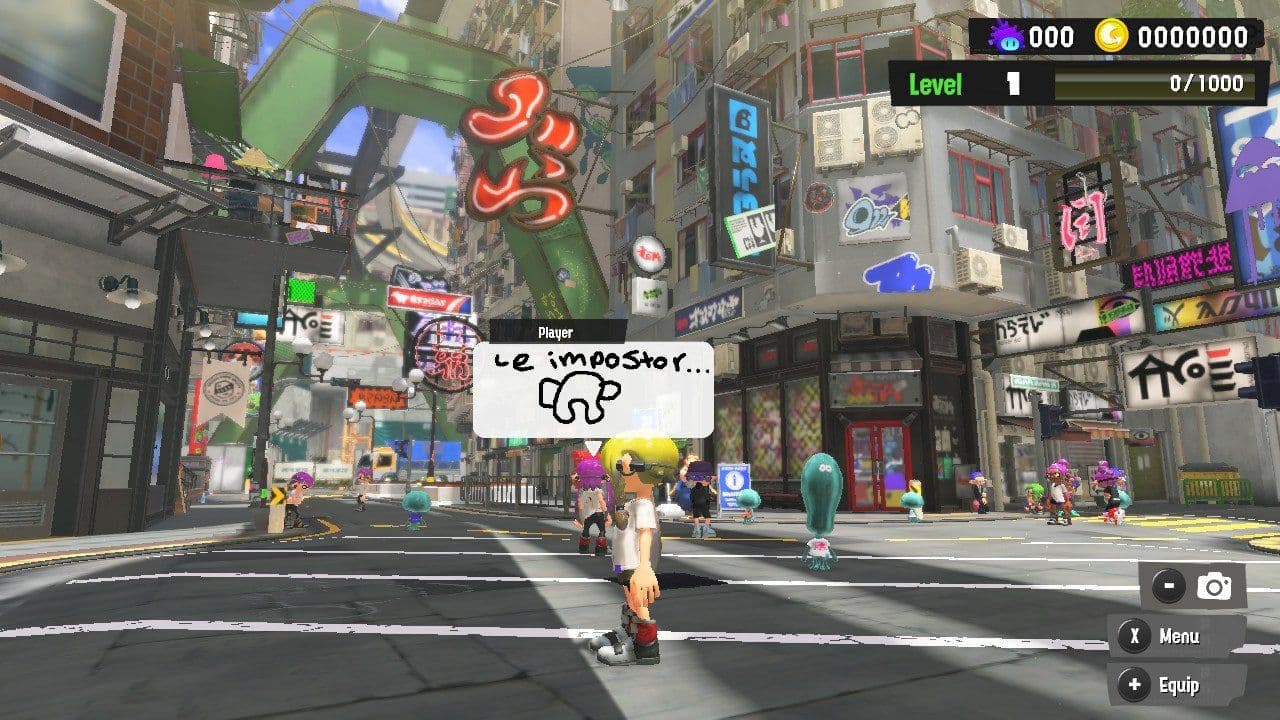
These substantial modes are complemented by wonderfully frivolous personalization. The ability to decorate a locker with stickers and trinkets earned through play, and to craft a custom player banner with titles and backgrounds, adds a surprisingly strong layer of identity to the social hub. It’s a low-stakes, creative outlet that makes the plaza feel lived-in. Seeing a friend’s locker crammed with rare Salmon Run trophies or arranged with meticulous, theme-park precision tells a story about their journey. In a game about style, these features are more than cosmetic fluff; they’re the finishing touches that make your Inkling feel uniquely yours, providing a constant drip-feed of rewards that has you chasing just one more match to earn that perfect locker decoration.
The Online Experience: Splatoon 3's Greatest Technical Hurdle
For a series built on the vibrant chaos of online competition, Splatoon 3’s greatest technical shortcoming is the persistent, unpredictable quiet of the "Communication Error" screen. It’s the one splash of ink that consistently ruins the party, a stark reminder that beneath its peerless gameplay and slick quality-of-life upgrades lies an online infrastructure that feels stubbornly out of step with modern expectations. This isn’t just about the occasional dropped match; it’s about a foundational reliance on peer-to-peer connections that injects a frustrating layer of instability into an otherwise polished experience. Where the game dazzles with new movement tech and strategic depth, it stumbles on the basic promise of consistent, fair play.
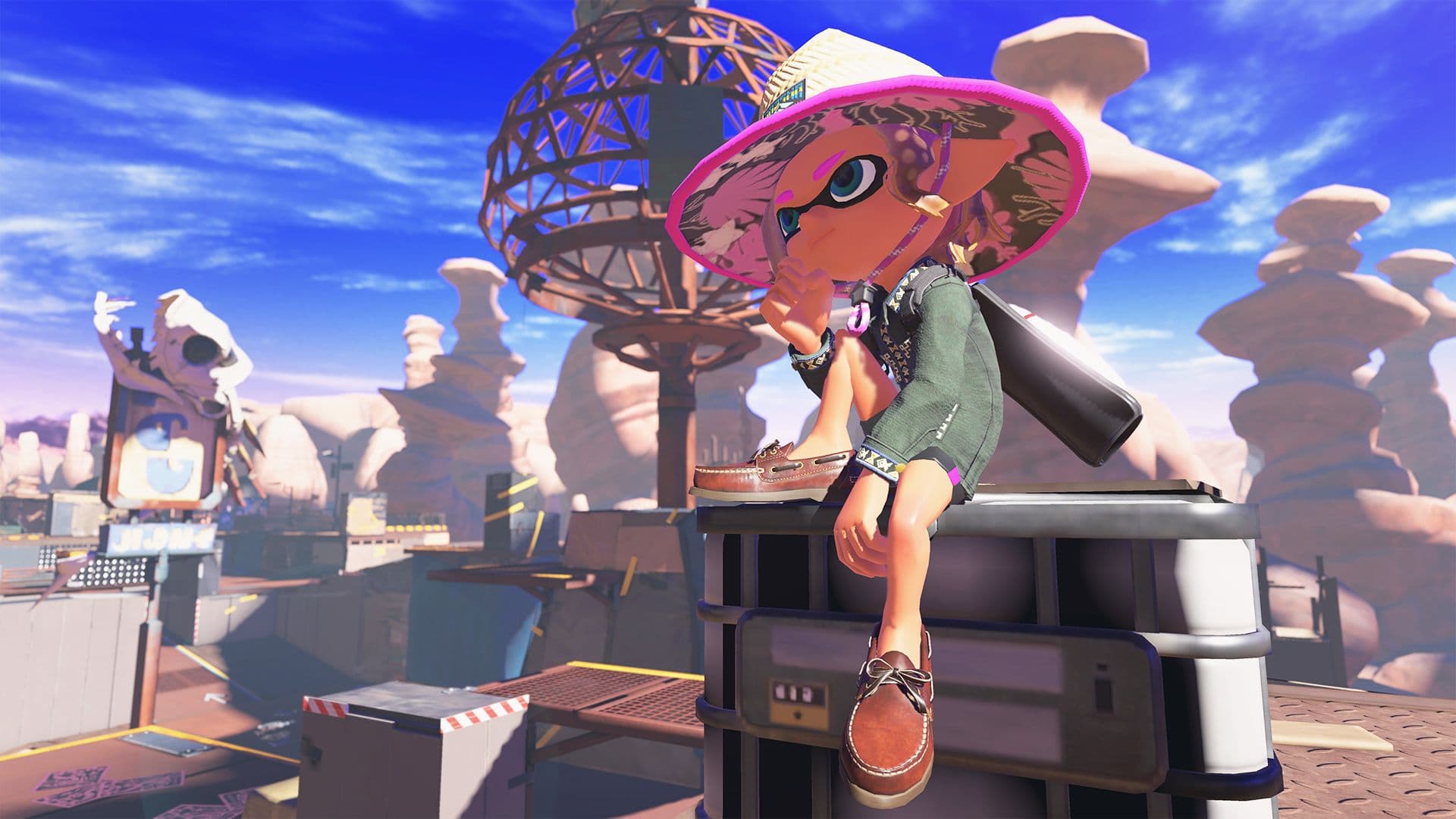
New stages like Scorch Gorge test the game's technical performance.
The most immediate symptom of this aging netcode is the infamous communication error. These disconnects aren't confined to pre-match lobbies; they can strike mid-game during a crucial push or, most aggravatingly, in the final seconds of a Salmon Run wave, wiping away hard-earned progress and rewards for the entire team. Unlike a dedicated server model that maintains a stable host, peer-to-peer networking makes the entire session vulnerable to the weakest connection among eight players. The result is a persistent, low-grade anxiety where a flawless match feels as much a matter of luck as skill. While not every session is plagued by them, their frequency is enough to be a defining community complaint, a relic of Nintendo’s cautious online philosophy that the series has yet to fully shed.
This technical fragility is compounded by a matchmaking system that often seems to prioritize speed over fairness. User reports consistently describe a "horrible" skill gap, where newcomers are routinely fed to players with thousands of hours of series experience. The game’s attempt to create balanced, competitive matches frequently breaks down, leading to lopsided stomps that are neither fun for the victors nor educational for the rookies.
Where Splatoon 3 does make a monumental leap forward is in its social and preparatory spaces. The revamped online lobby is a masterclass in eliminating dead time. No longer are you stuck staring at a static menu; you can now roam a practice arena, test weapons on dummies, and even see "ghosts" of your friends running around their own lobbies while you all queue. The ability to squad up with friends directly and enter matchmaking as a team is seamless, finally delivering a basic social feature that should have been standard years ago. These are not minor tweaks—they transform the minutes between matches from boring waits into engaging warm-up sessions, directly enabling you to play more games in a single sitting. It’s a brilliant design that highlights how thoughtful the game can be when it focuses on the player’s time.
This thoughtful design, however, clashes with other deliberate, player-hostile limitations. The divisive new map design is a prime example. Compared to the multi-level, flank-heavy layouts of Splatoon 2, several of Splatoon 3’s new arenas are notably smaller and flatter, with fewer alternate routes and vertical vantage points. Maps like Mincemeat Metalworks or Undertow Spillway can feel like straightforward corridors, which inherently favors certain weapon types (like frontline shooters) and stifles the creative mobility that the new Squid Roll and Surge mechanics encourage. This design shift reduces strategic diversity, making matches feel more like direct, head-on clashes and less like the dynamic games of territorial chess the series is known for.
The most frustrating holdover from past games is the map rotation system. The "Splatoon-ism" of having only two maps available in any given mode for a two-hour block remains a baffling, anti-player constraint. If you dislike both current maps, or if a favorite like Hagglefish Market isn't in rotation, your only options are to play a mode you might not want or simply stop playing. This system artificially limits variety and punishes players for having specific preferences or limited time to game. In an era where players expect agency and on-demand access, this rotating gate feels like an archaic relic, a stubborn tradition that actively detracts from the game's longevity and your ability to engage with it on your own terms. It’s a stark contradiction: Splatoon 3 gives you unparalleled freedom in how you move within a match, but frustratingly little freedom in choosing where those matches take place.
Final Verdict: Is Splatoon 3 the Definitive Ink-Slinging Experience?
The verdict on Splatoon 3 hinges on a simple question: is the most polished version of a near-perfect formula enough? For a series built on vibrant chaos, the answer is a resounding, ink-soaked yes. This is not a revolution but a masterclass in refinement, a feature-complete package that represents the absolute zenith of Nintendo’s ink-based shooter to date. It renders Splatoon 2 largely redundant for anyone but lore completists, offering a staggering amount of content: a dozen multiplayer maps at launch, a 70+ mission single-player campaign that can span 8-10 hours, a 24/7 cooperative horde mode, and a deep strategic card game, all wrapped in a constant drip-feed of cosmetic unlocks and quality-of-life improvements that respect your time like never before. The value proposition here is immense.
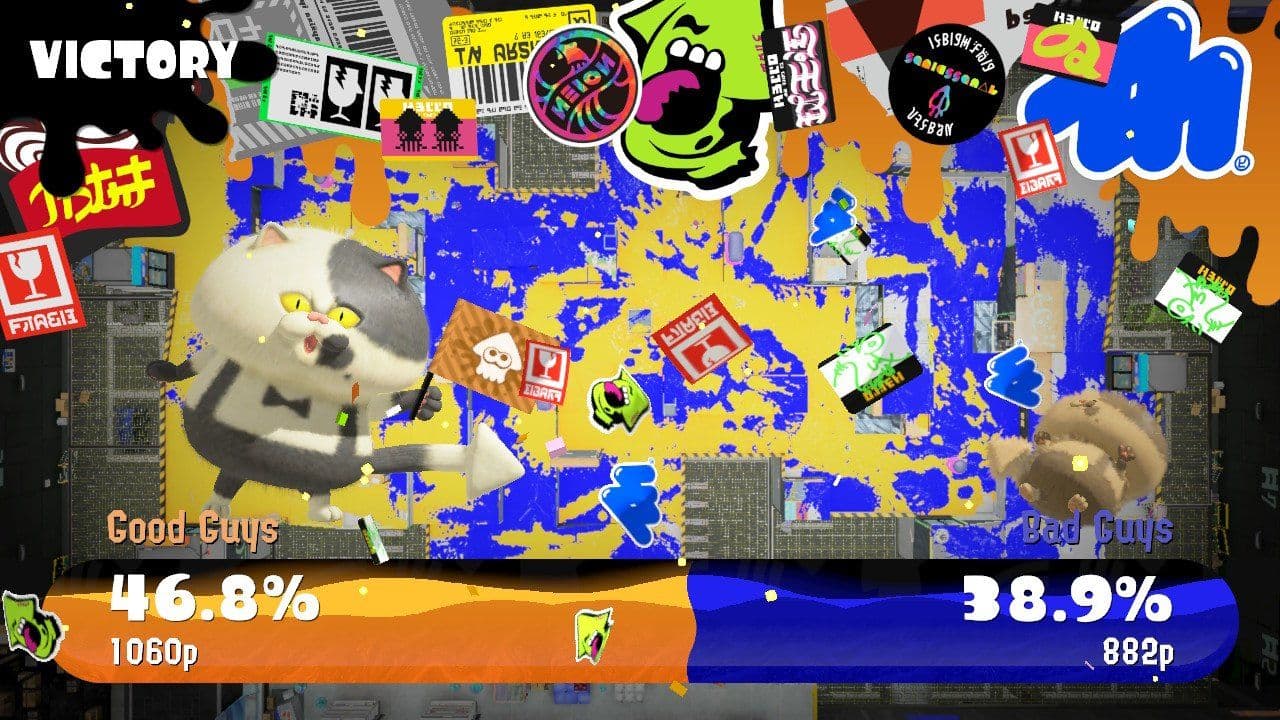
A strong recommendation for both newcomers and returning Splatoon fans.
For series veterans, Splatoon 3 is essential. The cumulative effect of its thousand tiny cuts against friction—skippable news, a functional friends list, a lobby you can actually move in—transforms the experience from a beloved but sometimes cumbersome game into a frictionless playground. The new movement tech alone (Squid Roll, Squid Surge) justifies the upgrade, adding a layer of defensive and offensive skill that fundamentally changes high-level play. While the core Turf War loop is familiar, the expanded arsenal of specials that prioritize utility and support over raw firepower creates a richer, more dynamic meta. It feels like the game the developers always wanted to make, finally unshackled from past technical and design limitations.
For newcomers, this is the definitive and most accessible entry point. The single-player campaign, Return of the Mammalians, serves as the best tutorial any competitive game has ever offered—a sprawling, creative playground that teaches weapon mastery, movement, and map awareness through sheer joy rather than obligation. The lowered barrier for meaningful contribution in multiplayer, thanks to supportive specials like the Tacticooler and Big Bubbler, means you can swing matches through smart positioning and teamwork long before your aim is god-tier. The only significant hurdle is the "catalog grind" for unlocking cosmetic gear and ability chunks, a time sink that can feel punishing for casual players who just want to look fresh.
The praise is deserved, but it must be weighed against persistent flaws. The game’s greatest weakness remains its online infrastructure. The reliance on peer-to-peer connections manifests in frustratingly frequent communication errors, especially in the co-op Salmon Run mode, where a single dropout can wipe a team’s progress. Matchmaking can still produce jarring skill mismatches, and the stubborn retention of the two-map, two-hour rotation system feels like an archaic constraint in a modern live-service landscape. These are not minor quibbles; they are direct friction points against the sublime gameplay.
Ultimately, Splatoon 3 succeeds precisely because it understands that its foundation was already legendary. It doesn’t need a revolutionary new idea; it needed to polish every single facet of the existing one to a mirror sheen. It delivers the most fluid, dynamic, and content-rich shooter on the Switch, backed by a phenomenal soundtrack and an art style that bursts with personality. The netcode issues and iterative nature are valid criticisms, but they crumble in the face of the sheer, unadulterated fun that defines every match. This is the definitive ink-slinging experience.
Pros:
- The most polished and fluid gameplay in the series, elevated by brilliant new movement mechanics.
- A massive, inventive single-player campaign that doubles as the perfect tutorial.
- A staggering amount of content across competitive, cooperative, and solo strategic modes.
- A constant stream of meaningful quality-of-life improvements that eliminate past frustrations.
- An iconic, genre-defining soundtrack and a vibrant, cohesive art style.
Cons:
- Outdated peer-to-peer netcode leads to disruptive communication errors and instability.
- Iterative feel may disappoint those seeking a major reinvention after five years.
- Restrictive map rotation system limits player choice and variety.
- The "catalog" progression system can be a grind for casual players.
- Some new weapon additions (like the Stringer) feel underwhelming in the current meta.