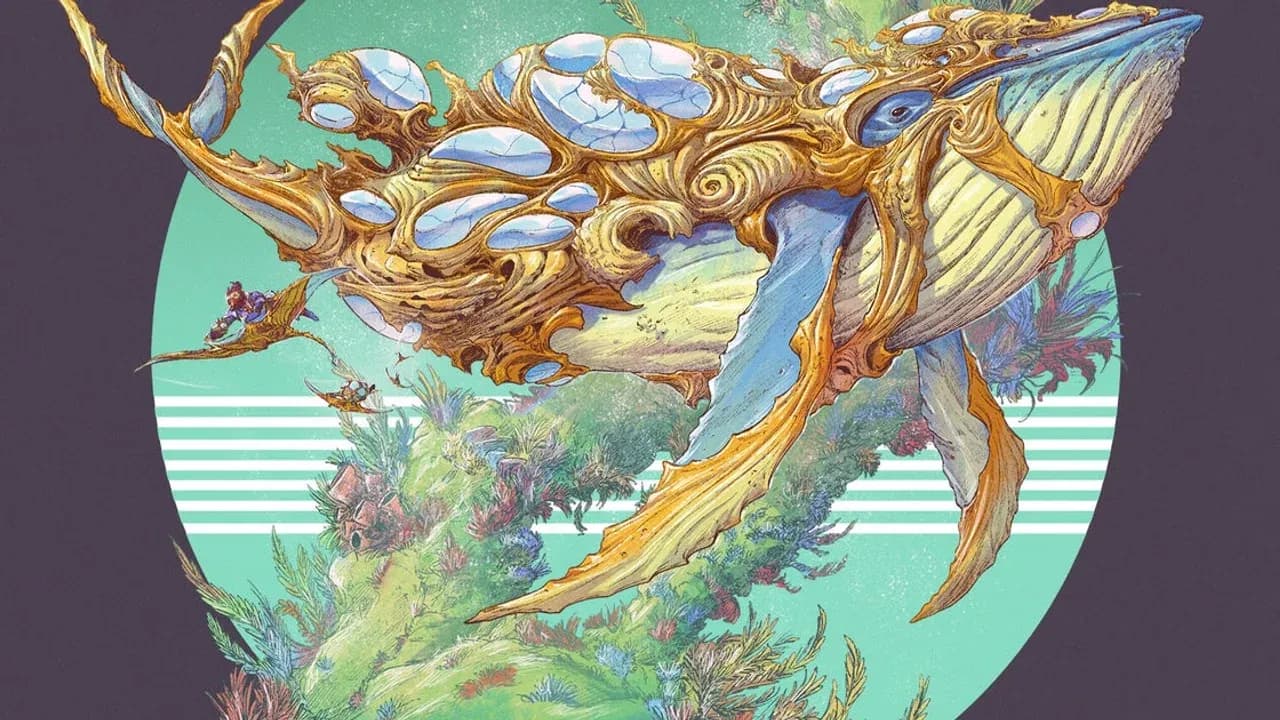
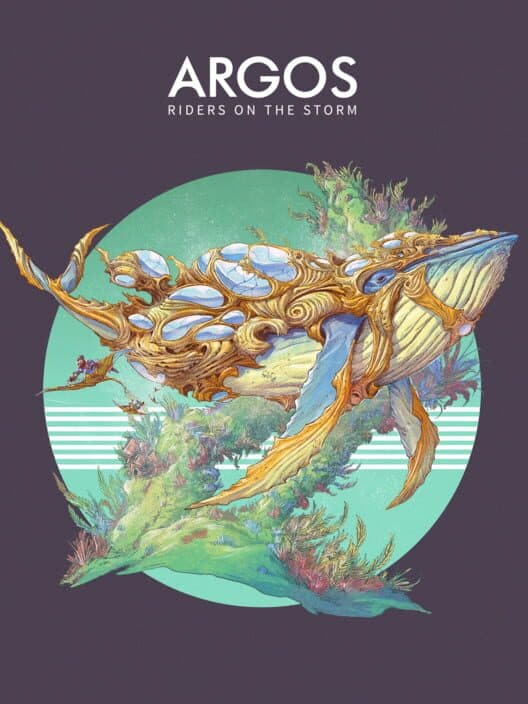
The Legacy of Warren Spector: What Was Argos: Riders on the Storm?
The promise of Argos: Riders on the Storm was intoxicating precisely because of its lineage: the return of Warren Spector, the genre-defining auteur behind Deus Ex and System Shock, to the AAA immersive sim. This wasn't just a new game announcement; it was a promise of resurrection for a genre of intricate, player-driven storytelling that has struggled to find a commercial foothold in the modern blockbuster landscape. The pedigree was unimpeachable. Spector, alongside studio co-lead Paul Neurath—another Looking Glass Studios veteran instrumental in Ultima Underworld and Thief: The Dark Project—represented the living history of the immersive sim. When OtherSide Entertainment, the studio they founded in 2013, revealed the project in 2022, it was framed not as a nostalgia trip but as Spector’s bold next step, an evolution. The implicit question wasn't "What is this game?" but "What has the master been cooking up for the last decade?"
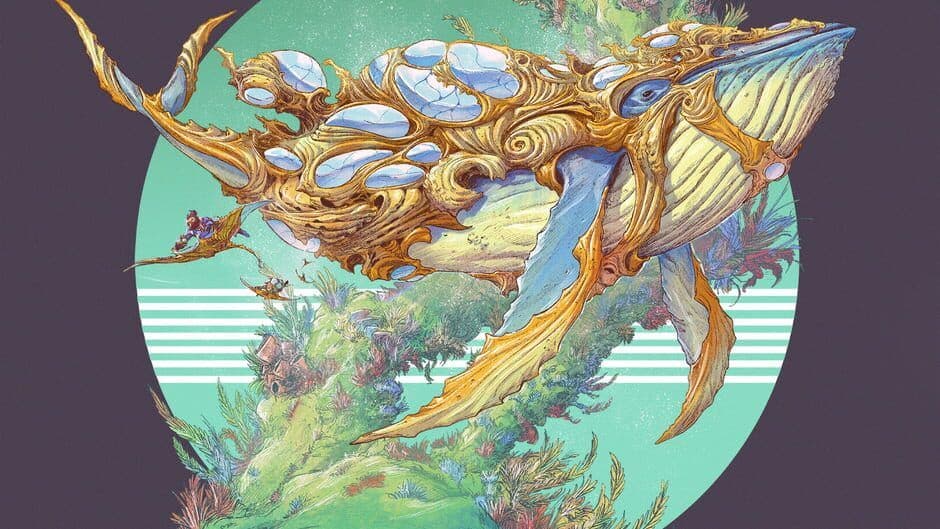
A glimpse into the gameplay of Argos.
This is the weight of legacy, a double-edged sword that both fueled immense anticipation and set a nearly impossible bar for the project to clear.
The studio’s history, however, provides crucial context for the project's ultimate fate. OtherSide Entertainment was formed with the explicit goal of carrying the Looking Glass torch, but its track record leading up to Argos was a turbulent one. Their first major release, 2018's Underworld Ascendant, was a Kickstarter-backed spiritual successor that launched in what was widely described as a "disastrously broken state," a critical and commercial failure so severe the studio has since scrubbed it from its public-facing narrative. Furthermore, the studio's on-again, off-again stewardship of System Shock 3 ended with the license moving to Tencent, leaving a trail of unfulfilled potential. By the time Argos: Riders on the Storm was announced, OtherSide was a studio with a profound legacy but a recent history of stumbling execution, making its claim of a return to AAA development a statement of ambition that demanded proof.
The announcement itself was a masterclass in leveraging pedigree while revealing almost nothing. In 2022, Spector positioned Argos as his return to the genre's forefront, telling IGN it would be a "multiplayer immersive sim" and promising it would feature something "no one's ever seen or done in a game before." This was Spector playing to his strengths: the visionary promising a paradigm shift. He spoke of a "player powered" philosophy, a direct evolution of the "One City Block" design mantra from Deus Ex, where systemic depth and player agency would create emergent narratives. For fans, this was catnip—the architect of Liberty Island returning to build his next great playground. Yet, for two years following that reveal, no concrete gameplay, screenshots, or mechanics ever surfaced. The vision remained pure potential, a brilliant concept existing solely in the realm of interviews and studio promises, insulated from the harsh realities of development and market forces that would eventually consume it.
Argos Gameplay Analysis: A Vision for Multiplayer Immersive Sims
The promise of a multiplayer immersive sim from Warren Spector wasn't just a genre mashup; it was a philosophical declaration of war on passive consumption. Argos: Riders on the Storm was conceived as a living, breathing experiment in player powered design, a term Spector used to describe a world where your choices, and crucially, the choices of your companions, wouldn't just affect a scripted ending but would dynamically weave a unique, emergent narrative. This is the core of the game's lost vision: not just playing in a simulated world, but actively authoring it alongside friends. The ambition was staggering, aiming to translate the foundational magic of tabletop roleplaying—where a Dungeon Master’s world reacts to the unpredictable whims of the players—into a persistent digital space. Where a traditional immersive sim like Deus Ex gives you multiple tools to solve a single-player problem, Argos sought to give a small group of players the collective toolbox to redefine the problems themselves.
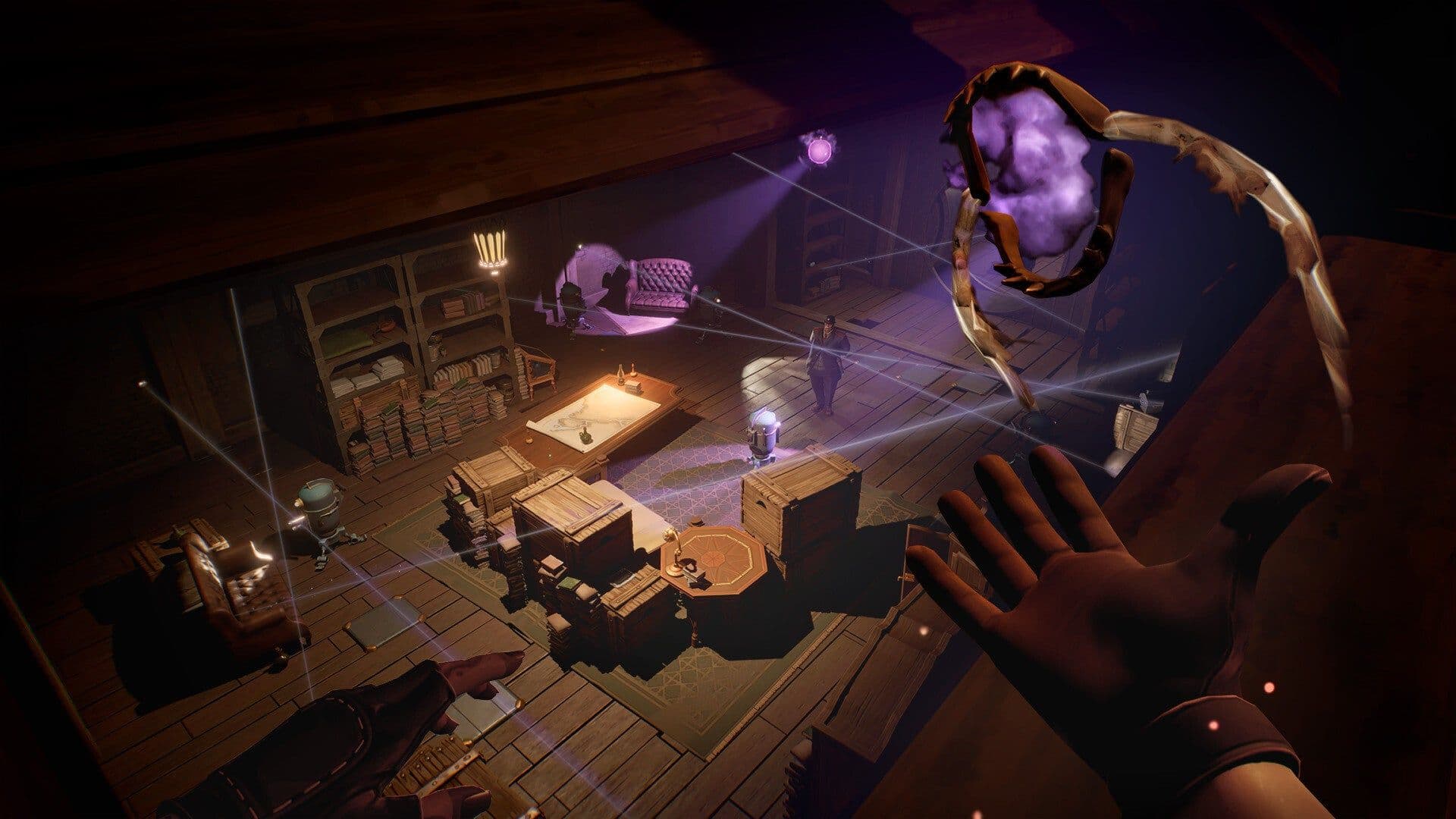
Environmental storytelling and creature design in the immersive sim.
This player powered philosophy was the logical, yet terrifyingly complex, evolution of Spector’s lifelong design ethos. His reference points were telling: the development team was reportedly playing copious amounts of Deep Rock Galactic and Dying Light 2. From this, we can infer a vision less about massive player counts and more about intimate, systemic co-op. Imagine not just using a gravity gun to stack crates and reach a high ledge, but having a teammate distract a guard with a thrown bottle while you hack a terminal, permanently altering that guard’s patrol route for your entire playthrough. The promise was that every interaction with the game’s "deeply simulated outdoor environment" would have cascading consequences, creating a story footprint unique to your squad. This is where the D&D influence becomes tangible—it’s about replicating the feeling of collective authorship, where the fun isn't just in overcoming a challenge, but in the wildly unexpected story that emerges from your group's particular brand of chaos.
The multiplayer core was the true gamble. It aimed to replace the curated, solitary brilliance of a System Shock or Thief with something more fragile and beautiful: a shared, unpredictable anecdote factory.
However, this vision for Argos: Riders on the Storm as the next step for immersive sims contained inherent, monumental challenges. The immersive sim genre is built on meticulous, clockwork simulation—every object has physics, every AI has routines, every system interconnects. Scaling that precise, single-player harmony to accommodate multiple, unpredictable human variables is a technical and design nightmare. Would the narrative weight of your choices be diluted in a group setting? Could the game’s systems remain robust when players inevitably tried to break them in concert? Spector’s promise of featuring something "no one's ever seen or done in a game before" was likely rooted here, in solving this fundamental tension between curated systemic depth and open-ended social play. The innovation wasn't just in adding co-op; it was in building a world simulation resilient and deep enough to feel meaningfully authored by the players, not just played by them.
Ultimately, this analysis exists in the realm of tragic potential. We can praise the boldness of the player powered intent and the compelling logic of evolving the genre into a social space, but we have no evidence of its execution. The vision for Argos represents the pinnacle of a designer’s idealism, a belief in player agency so profound it sought to make us co-creators. Yet, this same ambition likely contributed to its downfall, residing at that dangerous intersection of groundbreaking design, immense technical debt, and a market notoriously skeptical of complex, niche genres. We are left analyzing a blueprint for a revolution, one that promised to make every player an author in a world that ultimately never got the chance to be written.
Development Influences and the OtherSide Entertainment Track Record
To understand the fate of Argos: Riders on the Storm, you need to look beyond its visionary pitch and examine the studio holding the blueprint. OtherSide Entertainment was a studio built on legendary names and catastrophic execution, a disconnect that made the project’s ambitious promises feel increasingly precarious.
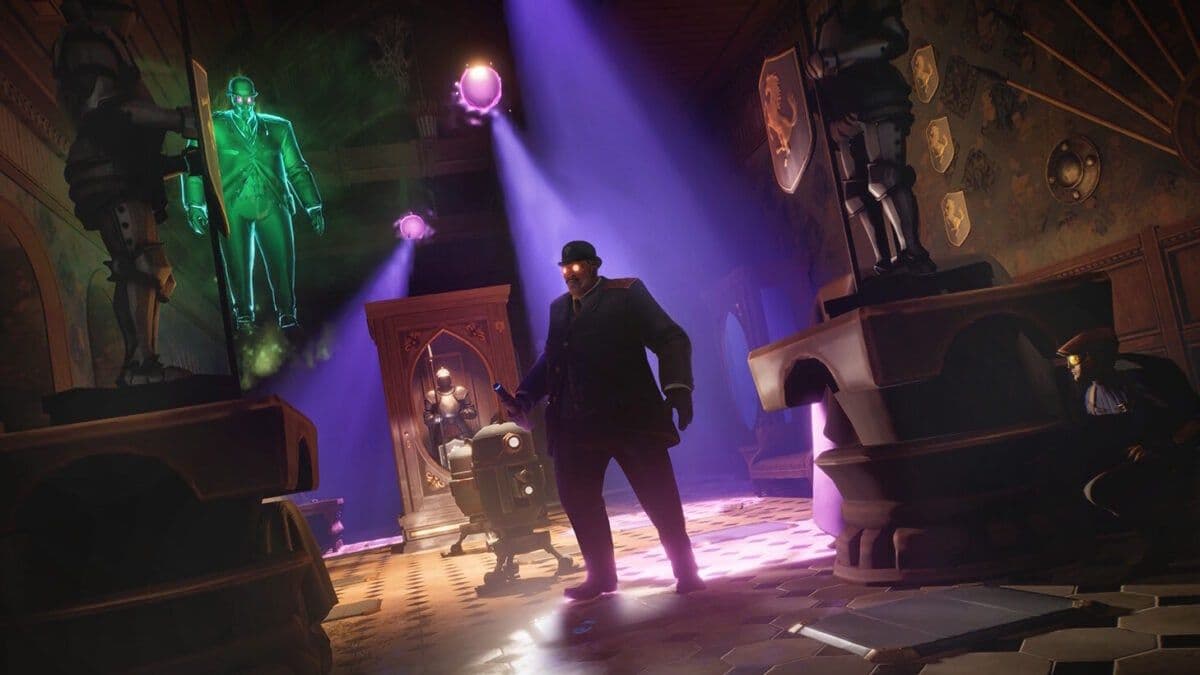
Visual assets from OtherSide's projects often blended sci-fi and fantasy elements.
The studio’s recent track record is a litany of diminished returns and technical failure. Their first major release, 2018’s Underworld Ascendant, was a Kickstarter-funded spiritual successor that arrived in what was universally described as a “disastrously broken state.” This wasn’t a game with bugs; it was a foundational collapse of the immersive sim principles it sought to honor, with broken AI, glitchy physics, and incoherent design. The studio’s subsequent silence on the title—effectively scrubbing it from their legacy—speaks volumes. This failure established a pattern: OtherSide could articulate a grand vision rooted in pedigree, but could not marshal the technical execution to see it through. When they announced Argos, they were already a studio that had promised a return to form and delivered a cautionary tale.
This history transforms Argos from a triumphant comeback into a high-stakes gamble. Could a studio that failed to competently revisit the past really be trusted to invent the genre’s future?
This pattern of scaling back became a defining trait. Just one month before the cancellation of Argos, OtherSide released Thick As Thieves, a budget co-op game that underwent an eleventh-hour genre pivot from a PvPvE experience to a stripped-down, four-hour, two-player campaign. This last-minute shift from ambitious multiplayer to a minimal product is a red flag for any studio’s development health. It suggests a team struggling with scope, vision, and resources—precisely the kind of foundational instability that would doom a project as complex as a “player powered” multiplayer immersive sim. The fact that Thick As Thieves launched to middling reviews and “extremely low player counts” only underscores a market reality OtherSide seemed unable to navigate: having a famous name on the box is not enough.
The studio’s history of lost projects forms a grim backdrop. Their protracted and ultimately fruitless involvement with System Shock 3 ended with the license moving to Tencent, leaving another iconic franchise in limbo. Reports also linked them to since-cancelled projects from Wizards of the Coast in 2023. This paints a picture of a studio perpetually on the brink, its development pipeline littered with unrealized concepts and severed partnerships. In this context, Argos: Riders on the Storm wasn’t an isolated project; it was the latest and most ambitious bet in a long streak of bad hands. The “brutally challenging” industry cited in its cancellation notice wasn’t an external surprise—it was the accumulated weight of this studio’s own operational history finally settling on its most promising endeavor.
Even the game’s direct inspirations, while intellectually fascinating, hinted at a potentially fraught development path. Warren Spector revealed the team was drawing significant inspiration from Deep Rock Galactic and Dying Light 2. On paper, this combination is brilliant: the former’s flawless, procedural co-op loop and the latter’s systemic open-world parkour. Yet, marrying the tight, combat-focused camaraderie of Deep Rock with the narrative-heavy, choice-driven simulation of an immersive sim is a monumental design challenge. It requires a technical polish and systemic harmony that OtherSide had never demonstrated. The references suggest a team chasing a hybrid that was exciting on a whiteboard but may have been a nightmare in the engine—a perfect example of the high-concept ambition that consistently outstripped the studio’s proven ability to deliver.
In the end, the story of Argos: Riders on the Storm is inseparable from the story of the studio that failed to build it. The game’s cancellation due to being “unviable” reflects a harsh business reality, but one that OtherSide Entertainment’s own history made inevitable. You cannot credibly promise to revolutionize a technically demanding genre when your recent past is defined by broken launches, scaled-back projects, and abandoned franchises. The lost potential of Argos is profound, but its fate was written years before its cancellation, in the failed state of Underworld Ascendant and the last-minute pivot of Thick As Thieves. The vision deserved a better steward.
The Sudden End: Why Was Argos: Riders on the Storm Cancelled?
The cancellation of Argos: Riders on the Storm wasn't a surprise twist; it was the final, logical chapter in a story of a studio perpetually overmatched by its own ambitions. When the news broke in May 2024, it arrived not with a bang but with a corporate statement to Game Developer, citing the "brutally challenging" current games industry and deeming the project "unviable for now." This language is the industry's standard eulogy, but for OtherSide Entertainment, it felt like an admission of a long-running truth. The promise of a Warren Spector-led multiplayer immersive sim was always a high-wire act, and the studio's history suggested they had long ago lost their balance.
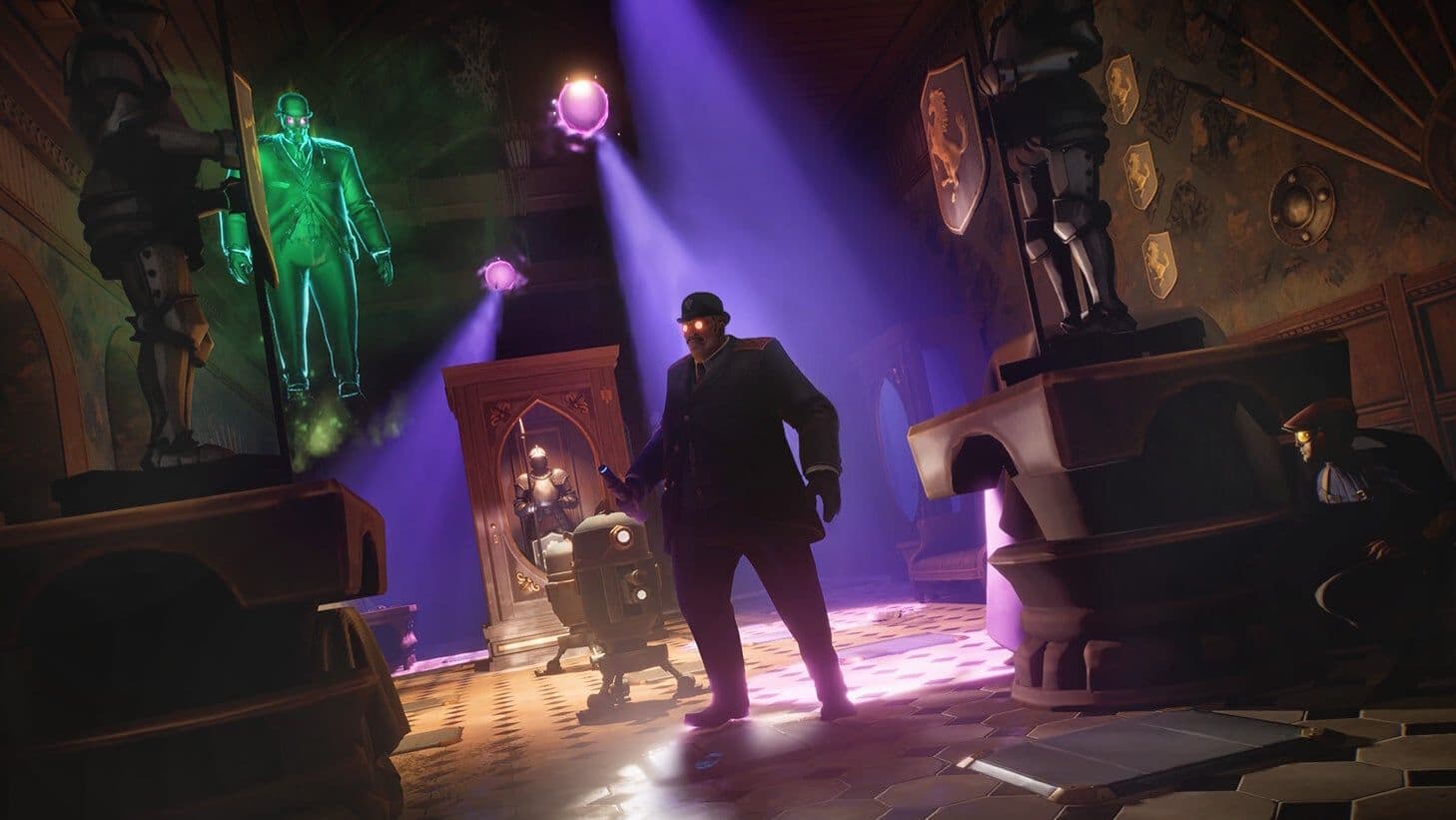
Thick as Thieves, a sister project at OtherSide Entertainment.
The human cost was immediate and stark: 17 employees were laid off. This number isn't an abstract corporate statistic; for a studio of OtherSide's likely size, it represents a gutting, the termination of nearly an entire development team. The spokesperson’s note that these were talented people "we highly recommend" is a small grace note in a brutal process, but it underscores the tragedy. Real careers dedicated to Spector’s "player powered" vision were cut short, not because the idea was bad, but because the operational and financial foundation beneath it had crumbled. These layoffs are the tangible, painful outcome of a project that existed more as a brilliant pitch than a shippable product.
The "unviable" verdict speaks less to a flaw in Argos's design and more to a fatal mismatch between its niche, complex ambitions and the unforgiving economics of modern AAA development.
This leads directly to the uncomfortable question of market viability. The immersive sim genre, for all its critical acclaim, has a notorious history of underwhelming commercial returns. Titles like Arx Fatalis, Prey (2017), and even Arkane's masterful Dishonored series have struggled to hit the blockbuster sales figures demanded by today's ballooning development budgets. Argos: Riders on the Storm wasn't just aiming to be a great immersive sim; it was promising to be a technically daunting, systemic, multiplayer one—a niche within a niche. In an era where publishers increasingly chase live-service whales or proven IP, Spector’s promise of "something no one's ever seen or done" is the riskiest possible pitch. The "brutally challenging" industry isn't hostile to innovation; it's hostile to expensive, unproven innovation targeting a dedicated but finite audience.
Compounding this was a profound lack of transparency that now reads as a glaring red flag. From its announcement in 2022 to its cancellation two years later, Argos: Riders on the Storm never showed the public a single screenshot, gameplay clip, or concrete mechanic. We had Spector’s evocative philosophy—"player powered," inspired by Deep Rock Galactic—and nothing else. For a project of this supposed AAA scale, such radio silence is abnormal. It suggests a prototype that never coalesced into a presentable vertical slice, a vision stuck in pre-production limbo while the studio scrambled with smaller, last-minute projects like Thick As Thieves. In the end, the game remained a ghost: all promise, no proof. This silence protected the dream but also insulated the studio from the hard feedback that might have forced a sooner, less damaging reckoning with reality.
In the final accounting, the cancellation of Argos: Riders on the Storm is a story of legacy outpacing capability. Warren Spector’s vision was a beacon, but OtherSide Entertainment repeatedly proved itself unable to build the lighthouse. The studio’s track record—from the broken launch of Underworld Ascendant to the scaled-back pivot of Thick As Thieves—created a pattern of execution failure that made the ambitious Argos a bet they were doomed to lose. The game's demise is a profound loss for the genre, but it is not an inexplicable one. It is the predictable result of a brilliant idea entrusted to a studio that had already written its own cautionary tale.
Final Verdict: The Lost Potential of Argos: Riders on the Storm
Final Verdict: The Lost Potential of Argos: Riders on the Storm
The story of Argos: Riders on the Storm is not a review of a game, but an autopsy of a vision. It is a case study in how the most potent ideas can be undone by a harsh convergence of market forces, operational history, and the sheer, daunting weight of their own ambition. For the fans who saw in it the next evolution of Deus Ex and System Shock, its cancellation is more than a disappointment; it’s the loss of a potential north star for a genre that has been navigating in the dark.
Other titles often compared to the studio's output.
This game’s target audience was never the mainstream. It was the dedicated disciples of immersive sims, players who still map out every vent in Liberty Island and debate the moral calculus of every augment in Deus Ex: Human Revolution. For them, Argos wasn't just a new game; it was a promised validation that the genre's core tenets—player agency, systemic depth, emergent storytelling—could not only survive but thrive in a modern, social context. Spector’s vision to make them "co-authors" in a "player powered" world was the ultimate fulfillment of a fantasy these games have always teased. The cancellation confirms their worst fear: that the market no longer has room for such expensive, intricate, and niche experiments, no matter how brilliant the pedigree behind them.
The value proposition of Argos was its potential to be a lighthouse, proving that deep, systemic single-player design could be translated into a compelling shared experience. Its loss leaves the genre once again questioning its commercial future.
When we compare Argos to its peers, the scale of its ambition becomes even more stark. Arkane Studios, the modern standard-bearer for immersive sims, has meticulously refined the single-player formula in Dishonored and Prey, but has largely avoided the multiplayer deep end. Argos: Riders on the Storm aimed to leapfrog that refinement entirely, attempting to evolve the foundational, chaotic spirit of Looking Glass’s original titles into a cooperative space. Where Deep Rock Galactic (a cited inspiration) offers procedural co-op in a combat-focused loop, Argos promised to layer that camaraderie onto a narrative and systemic framework as dense as Deus Ex. This wasn't just following Arkane; it was attempting to carve a new path entirely, one that respected the genre's history while radically reimagining its social potential.
The pros of this unrealized project are all rooted in its visionary foundation. The leadership of Warren Spector guaranteed a design philosophy built on decades of genre-defining work. The focus on emergent storytelling and the "player powered" ethos promised an experience where the most memorable moments would be the ones you created with friends, not the ones scripted by developers. The innovative multiplayer integration was the boldest stroke, directly confronting the genre's solitary nature and seeking to make its systemic playground a shared space. In a landscape saturated with prescribed power fantasies, Argos promised the rarer gift of genuine authorship.
Yet, the cons are not mere counterpoints; they are the concrete reasons the vision collapsed. The history of technical failures at OtherSide Entertainment—most catastrophically with Underworld Ascendant—created a credibility gap the studio never closed. You cannot promise a revolution in systemic simulation when your last attempt at a spiritual successor couldn't get the basic AI to function. The total lack of public gameplay over two years of announced development is a glaring red flag, suggesting a prototype that never solidified into a shippable core. This opacity protected the dream but also prevented the crucial early feedback that might have reshaped it into something viable. Finally, the eventual cancellation and the layoffs of 17 staff are the brutal, human cost of betting a studio's future on a pitch that outstripped its ability to execute.
Final Recommendation & Verdict
Argos: Riders on the Storm is a ghost in the machine of gaming history—a compelling "what if" that highlights the tension between artistic ambition and commercial reality. It represents the pinnacle of a designer's idealism, a blueprint for a revolution that never found its army. For fans of the genre, it is a profound loss, a reminder of how fragile these complex, player-driven worlds can be. For the industry, it is a cautionary tale about the perilous gap between a legendary name on a press release and the operational excellence required to build the game he promises.
Pros:
- Visionary leadership from Warren Spector, a true architect of the genre.
- A compelling "player powered" philosophy focused on emergent, co-authored storytelling.
- A bold attempt to evolve immersive sims into a social, multiplayer space.
Cons:
- Developed by a studio with a track record of catastrophic technical failure and scaled-back projects.
- Complete lack of visible progress or gameplay over two years, indicating deep development troubles.
- Ultimately cancelled, deemed "unviable," resulting in significant layoffs and leaving nothing but lost potential.
In the end, we are not reviewing a game. We are mourning the absence of one. The legacy of Argos: Riders on the Storm is a lesson in the limits of legacy alone, and a sobering reminder that in today's "brutally challenging" industry, even the most brilliant ideas need a foundation stronger than nostalgia to survive.