
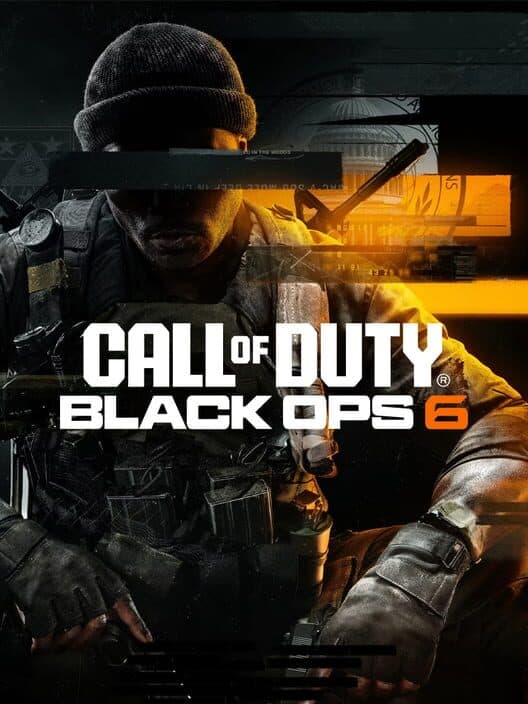
Call of Duty: Black Ops 6 First Impressions: A Return to Form?
After the franchise's most disappointing year in memory, Call of Duty: Black Ops 6 arrives not with a whisper, but with the confident swagger of a team that’s had time to remember what makes their series great. This isn't just another annual entry; it's a calculated, four-year effort by Treyarch and Raven Software to course-correct, and the polish is immediately apparent. Where Modern Warfare 3 felt rushed and derivative, stumbling to a 56 Metacritic, Black Ops 6 feels like a statement of intent—a revitalization built on a foundation of stability, identity, and a clear vision for what this sub-series does best.
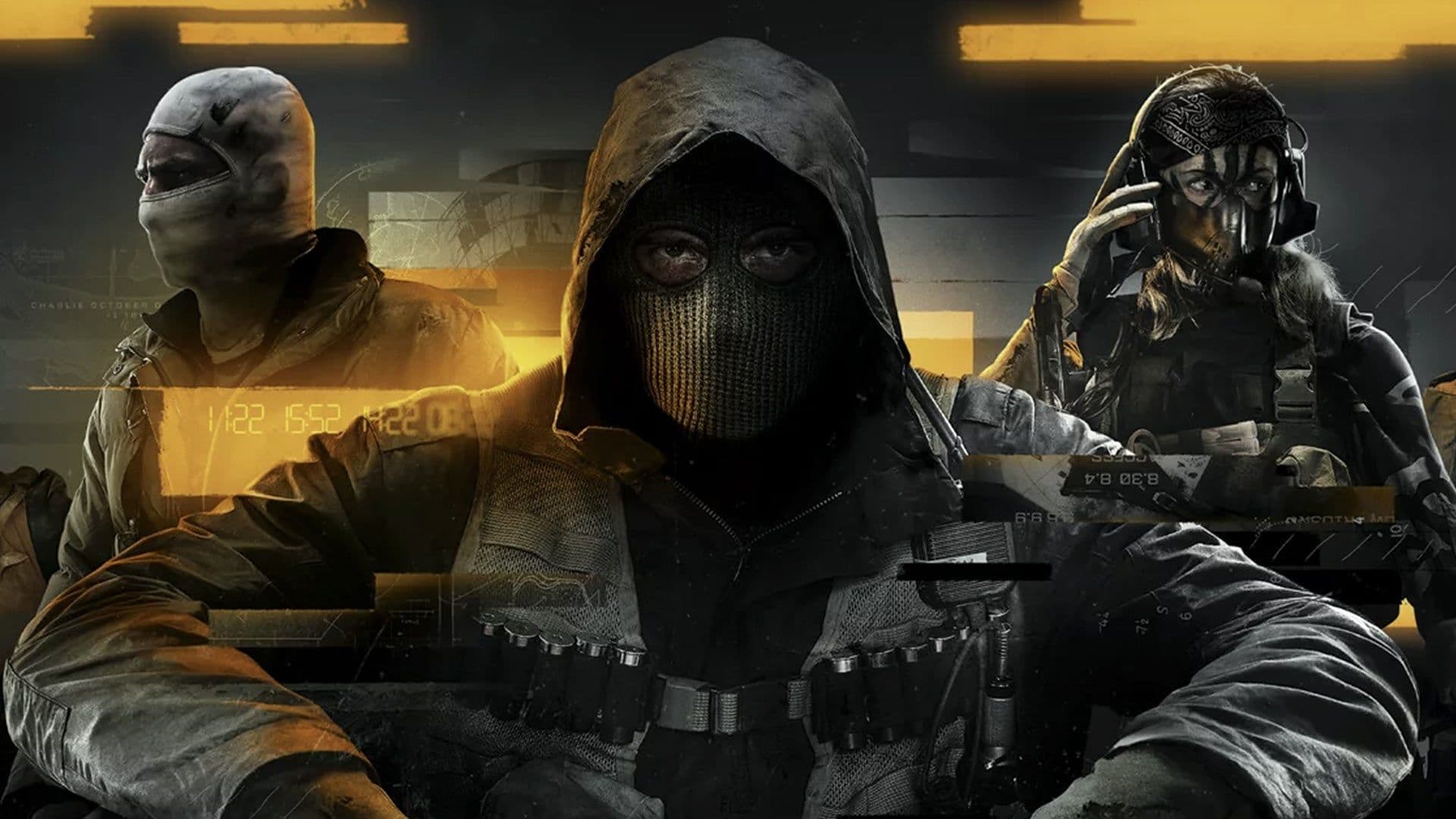
New character designs reflect the gritty atmosphere of the 1990s setting.
That four-year development cycle, a rarity in the annual churn of this franchise, pays dividends from the moment you boot up. The launch was notably smooth, with minimal server issues and a distinct lack of the game-breaking bugs that have plagued recent entries. This isn't just a technical footnote; it's a foundational pillar of trust. When the core experience is this stable, it allows the game's more ambitious swings—like its genre-blending campaign—to land without players wrestling with crashes or progression resets. It’s a return to AAA polish that signals a studio in control of its creation.
This control extends to the game's identity. Black Ops 6 smartly sidesteps the grim, headline-chasing tone of the Modern Warfare reboots and dives headfirst into the pulpy, conspiracy-laden "spy-fi" of the original Black Ops, now set against the backdrop of Operation Desert Storm. The Gulf War is less a subject for historical analysis and more a stylish playground for a globe-trotting thriller involving rogue CIA agents, paramilitary cabals, and psychochemical weapons. This isn't a war documentary; it's a blockbuster action film, complete with casino heists, political gala infiltrations, and a hub safehouse filled with secrets. It’s a deliberate and welcome pivot back to the series’ more outlandish, character-driven roots.
This is a game that knows what it is: a polished, confident, and occasionally brilliant celebration of everything that made the Black Ops name synonymous with high-octane spectacle and creative mission design.
The question of whether this constitutes a true "return to form" is answered not by a single feature, but by the cohesive package. The campaign dares to experiment with open-ended missions and horror sequences, the multiplayer introduces a movement system that fundamentally changes engagements, and Zombies returns to its round-based core. While each pillar will be scrutinized in detail later, the opening impression is undeniable: Call of Duty: Black Ops 6 feels like a franchise hitting its stride again, delivering a shot of adrenaline the series desperately needed.
Omnimovement in Black Ops 6: Revolution or Gimmick?
In Call of Duty: Black Ops 6, the most immediate and divisive change isn’t a new gun or map—it’s the way you move. The new Omnimovement system promises a revolution, letting you sprint, slide, and, most importantly, dive in any direction while maintaining full control of your aim. The fantasy is pure Max Payne: leaping sideways through a doorway, guns blazing, to land behind cover. In practice, it’s a thrilling but complicated addition that widens the skill gap in ways both exhilarating and, occasionally, exhausting.
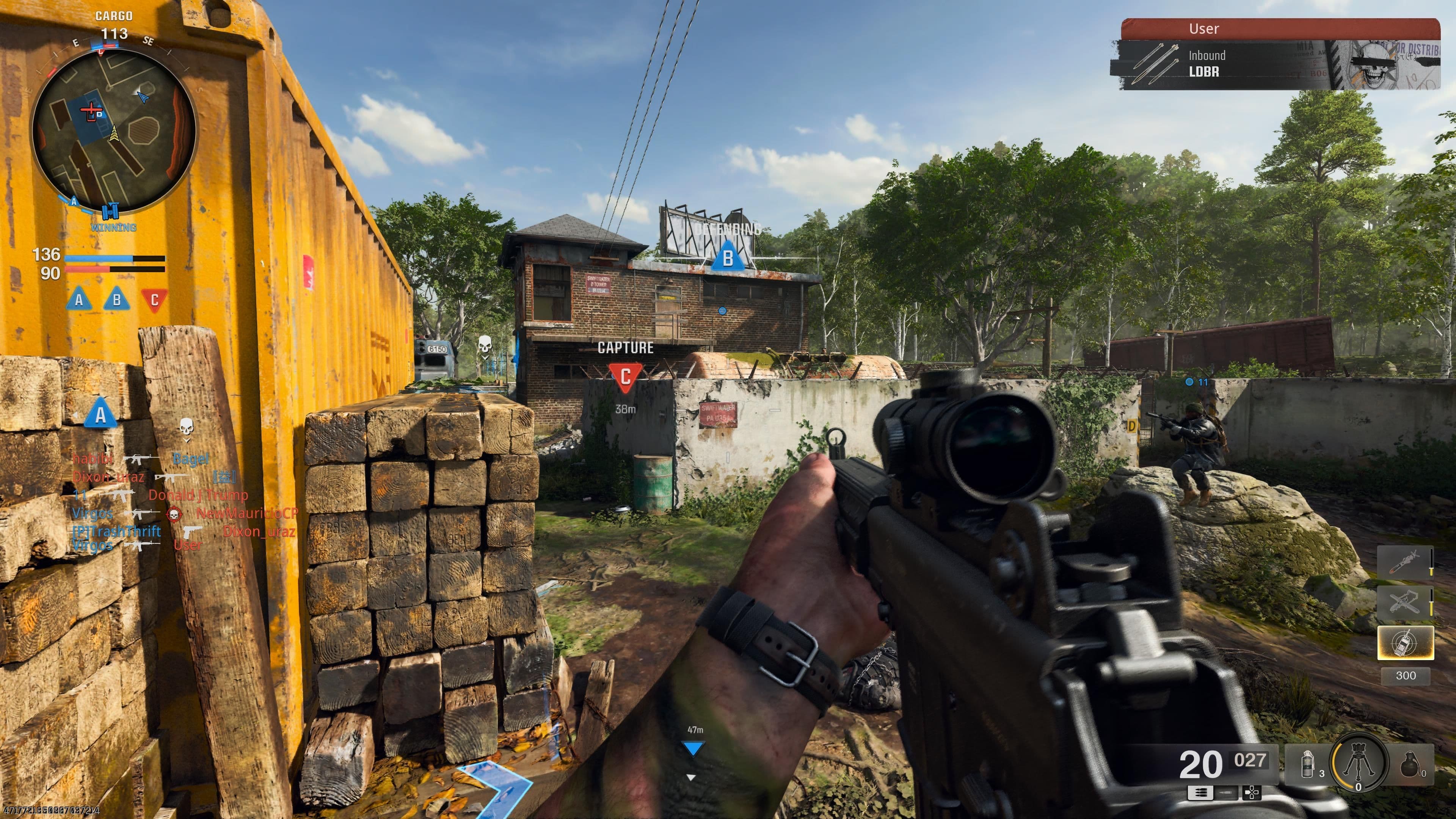
Multiplayer gameplay in Black Ops 6 showcases the new movement mechanics in action.
The system’s genius is in its tactile freedom. The ability to dive backward into a supine position, spin 360 degrees while prone, and fire with perfect accuracy is a legitimate game-changer for defensive play. It turns a desperate retreat into a viable tactical reposition. You’re no longer a sitting duck when caught in the open; a well-timed backward dive can save your life and even set up a counter-kill. This isn’t just a flashy animation—it’s a new layer of spatial awareness and risk assessment baked into every engagement.
However, mastering Omnimovement isn't just about learning a new button. It creates a tangible divide between players. Those who invest the time to map dives to back paddles or fine-tune the ‘Hybrid’ control settings gain a fluid, almost supernatural mobility advantage. For everyone else, the system can feel cumbersome, turning frantic gunfights into a circus of missed inputs and accidental dives off the map.
This is where the system’s duality becomes clear. While the high-flying dives make for incredible highlight clips, the cold, hard truth of Call of Duty: Black Ops 6’s multiplayer is that traditional movement is often the smarter, safer choice. A simple slide-cancel around a corner is faster and keeps you a harder target than a lengthy, arcing dive that locks you into a predictable animation. Several reviewers noted that after the initial novelty wore off, they often defaulted to classic techniques because they were simply more effective. The risk-reward calculus is steep: a mistimed omnimove leaves you utterly exposed, while a perfect one feels like cheating.
This leads to the system’s most common criticism: visual absurdity. When a match descends into its final moments, with players frantically diving and sliding in every direction like hyper-caffeinated action heroes, the spectacle can feel “silly and irritating,” as one critic put it. The grounded, boots-on-the-ground tension that defined earlier Black Ops titles is sometimes sacrificed for a cartoonish chaos that rewards twitch reflexes over tactical positioning. It’s a trade-off—Call of Duty: Black Ops 6 exchanges some of its military sim veneer for the sheer, unadulterated fun of movement-based expression, for better or worse.
Ultimately, Omnimovement is less a mandatory new skill and more an expansive toolkit. It won’t save a player with poor aim, but in the hands of a veteran, it transforms the battlefield. It makes every sightline dynamic, every flank possible, and every escape attempt a mini-drama. It’s a revolution that demands you adapt, and whether you see it as a gimmick or the future of the franchise depends entirely on your willingness to leave the ground.
Black Ops 6 Multiplayer: Tight Maps and the Weapons Grind
If the Omnimovement system is the flashy new engine, then Call of Duty: Black Ops 6’s multiplayer maps are the meticulously crafted track it runs on. The launch offering of 16 brand-new environments—a welcome departure from the remaster-heavy approach of recent years—serves as a masterclass in how to build for both tradition and innovation. This is a map pool designed with intent, favoring tighter, three-lane fundamentals that channel chaos into focused firefights, while smartly integrating verticality and flanking routes to accommodate the new acrobatics. The result is a multiplayer suite that feels instantly familiar yet thrillingly dynamic, though it’s a foundation that begins to show cracks under the weight of predictable weapon metas and a few persistent interface gremlins.
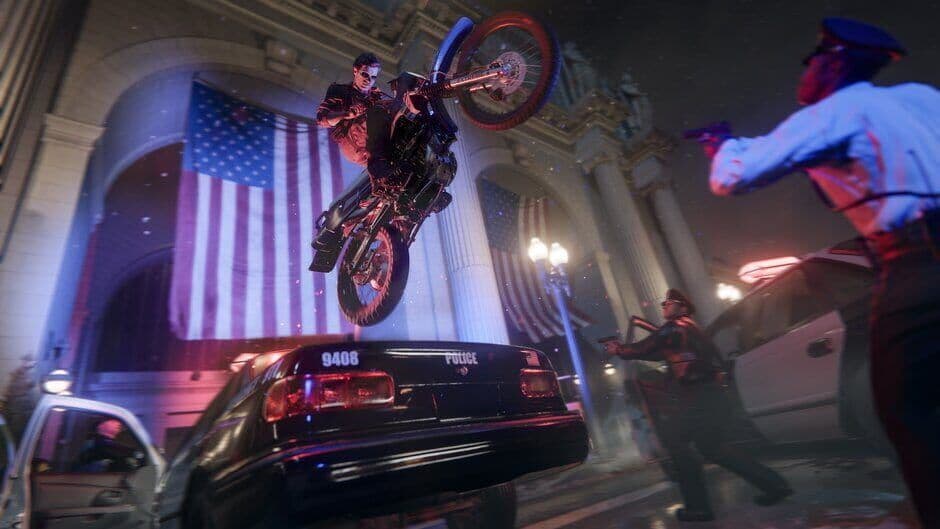
Official screenshots showcase the updated engine and movement mechanics.
Map design is where Treyarch’s confidence shines brightest. Gone are the overly complex, cluttered interiors that plagued recent entries; these are maps built for readability and flow. Rewind, with its mix of long corridors and close-quarters interiors, and SCUD, with its excellent sniper lanes, are immediate standouts because they cater to distinct playstyles without feeling unbalanced. The verticality is deliberate—think vents on Skyline or the multi-level chaos of Payback—offering Omnimovement masters new avenues for spectacular dives and flanks, while keeping sightlines clear enough that campers are easily dislodged. The dynamic Subsonic, with its opening and closing hangar bay door, is a particular triumph, forcing teams to adapt their entire strategy on the fly. This isn’t just good level design; it’s a conscious effort to make the environment a co-star in every engagement.
Where this design philosophy stumbles is in its sometimes overly generous sightlines. Maps like Protocol and Vault offer such long, clean corridors that they can inadvertently punish aggressive play, creating pockets where the already dominant XM4 assault rifle reigns supreme. This brings us to the current multiplayer’s most glaring imbalance.
The weapon grind in Call of Duty: Black Ops 6 is satisfyingly straightforward—headshot and elimination challenges for common camos feel earned, not tedious—but it’s happening against a backdrop of limited variety. The XM4 isn’t just strong; it’s a crutch. With the Gunfighter Wildcard allowing for eight attachments, it becomes an absolute beast that dominates at medium range, a space where SMGs also feel a little too potent. This double-whammy squeezes out marksman rifles and leaves shotguns feeling like novelty acts. You can use other weapons, and the Gunsmith system (where unlocks apply across weapon classes) encourages experimentation, but the meta loudly suggests you’d be foolish to. For a game with such refined movement, the optimal strategy often feels paradoxically static: find a lane and let the XM4 rip.
Thankfully, the progression systems surrounding the grind are a net positive. The return of the classic Prestige system delivers that irreplaceable dopamine hit of seeing your level reset in exchange for a shiny new icon, a meaningful reward loop that modern Call of Duty had lost. It’s complemented by the clever Combat Specialties perk system. By committing to three perks of the same color-coded class—Recon, Enforcer, or Strategist—you unlock a powerful fourth bonus. Building a stealth-focused Recon loadout to briefly see enemies through walls after spawning doesn’t just feel powerful; it encourages thoughtful, role-based play that adds a strategic layer beyond simple loadout tweaks.
However, the act of actually navigating to your preferred style of play can be an unnecessary headache. While the UI overhaul has streamlined gunsmithing, finding Hardcore playlists remains a baffling chore buried in sub-menus, and the game has a frustrating habit of forgetting your mode preference between sessions. More concerning are the sporadic but disruptive bugs that have resurfaced from past titles: temporary level resets to 1, phantom negative XP awards, and garbled interface text. These haven’t been widespread enough to break progression, but in a package this polished, they feel like unforced errors—unwelcome ghosts of Call of Duty’s less stable past.
Ultimately, Call of Duty: Black Ops 6 multiplayer succeeds by remembering that new ideas need a solid stage to perform on. The maps are that stage, and they are largely excellent. But the current act is a one-weapon show, and the theater’s signage is still confusing. The core loop of moving and shooting here is arguably the best the franchise has offered in a decade. Now it just needs a more balanced arsenal and a cleaner backstage to truly earn its standing ovation.
The Black Ops 6 Campaign: Espionage, Heists, and Horror
Where the Call of Duty: Black Ops 6 campaign truly distinguishes itself is in its willingness to be a shapeshifter. It’s not content to be just a corridor shooter; it’s a globe-trotting thriller that masquerades as a casino heist, an open-world sandbox, and, in its boldest swing, a full-blown survival horror game. This is the most narratively ambitious and mechanically varied campaign the series has seen in a decade, even if its story ultimately struggles to match the ingenuity of its mission design.

The core eight-hour adventure is a masterclass in pacing, constantly swapping genres to avoid fatigue. You’ll go from a tense, Ocean’s Eleven-style infiltration of a high-stakes poker game—complete with stealth, hacking, and cinematic character swaps—to a surprisingly open-ended mission in the Iraqi desert. This latter segment, “Hunting Season,” is arguably the franchise’s largest campaign level ever, dropping you into a sprawling map with optional objectives that reward you with airstrikes and attack helicopters for a climactic palace assault. It’s a thrilling glimpse at what an open-world Call of Duty could be, offering a freedom of approach that feels refreshingly modern.
The campaign’s most audacious left-turn is a full-on horror sequence that feels ripped from Control or Raven Software’s own Singularity. It abandons military logic entirely for a hallucinogenic nightmare filled with jump scares, surreal environments, and a tense boss battle. While tonally jarring, it’s executed with such confidence that it works, proving Black Ops 6 is unafraid to put its blockbuster pacing on hold for a genuinely unsettling character study.
These explosive set-pieces are cleverly anchored by The Safehouse, your team’s upgradable mansion hub in Bulgaria. This isn’t just a mission-select screen; it’s a Resident Evil-inspired playground of secrets. Using a blacklight to uncover hidden clues and solving environmental puzzles—like a piano sequence that unlocks a secret basement—rewards you with cash for permanent character upgrades. It’s a brilliant, organic way to flesh out lore and encourage exploration, turning downtime into a rewarding detective game that deepens your connection to the crew.
However, this inventive scaffolding is built around a narrative that’s ultimately less compelling. The “spy-fi” plot, involving rogue CIA agents and the paramilitary cabal Pantheon, is pure pulp fun, peppered with historical cameos from Bill Clinton and Saddam Hussein. Yet, for all its twists, it remains a by-the-numbers conspiracy thriller. The new characters, while well-acted, lack the depth or moral ambiguity to make the stakes feel personal, and the much-discussed cliffhanger ending lands with a whimper, feeling less like a tantalizing tease and more like a setup for DLC or Warzone integration that undermines the campaign’s self-contained satisfaction.
This narrative simplicity is sometimes mirrored in the AI. During the open-world segments, your SAS teammates and the enemy forces can act with baffling obliviousness, breaking stealth with clumsy pathing or failing to react to blatantly exposed positions. It’s a stark contrast to the meticulously scripted chaos of the linear missions, and it momentarily shatters the immersion the game otherwise works so hard to build.
Yet, these flaws are easy to forgive when the moment-to-moment play is this diverse and confident. Call of Duty: Black Ops 6’s campaign succeeds not because of a profound story, but because it remembers that single-player should be a spectacle—a rollercoaster that isn’t afraid to suddenly turn into a haunted house. It’s the best campaign since Black Ops: Cold War, and a powerful argument for giving this side of the franchise room to experiment.
Zombies Returns to its Roots: Round-Based Chaos in Black Ops 6
For fans who felt abandoned by Modern Warfare 3's sprawling, extraction-based experiment, Call of Duty: Black Ops 6 delivers a homecoming. The return to round-based Zombies isn't just a nostalgic concession; it's a full-throated declaration that Treyarch understands the soul of its creation. This is the classic, claustrophobic survival loop, rebuilt with modern polish and a few smart twists. The frantic, dopamine-fueled rhythm of building points, opening doors, and scrambling for the Mystery Box is back, and it feels like slipping into a well-worn, blood-stained glove.
The foundation is pure, unadulterated tradition. You and up to three others are dropped into a map with a starting pistol, tasked with surviving increasingly difficult waves of the undead. The core loop of earning points to unlock new areas, secure Perk-a-Colas like Juggernog, and gamble on the Mystery Box is as compelling as ever. The two launch maps, Terminus and Liberty Falls, provide a masterclass in atmospheric contrast. Terminus is a storm-wracked, oppressive prison island where the horror is palpable in every rain-slicked corridor, while Liberty Falls offers a deceptively cheerful small-town Americana setting that makes the encroaching horde feel all the more violating. This isn't a one-note experience; it's a mood that shifts with your location, proving the format's versatility.
This is the triumph of the mode: it remembers that Zombies is at its best when it's a tense, cooperative puzzle of resource management and map knowledge, not a checklist of open-world objectives.
Modern concessions are present, but they're integrated with a light touch. The new Augment system adds a welcome layer of RPG-lite depth, letting you tailor your playstyle with persistent buffs across matches. The quality-of-life improvements, however, are the real unsung heroes. The ability to save and quit a solo run is a simple, transformative change that respects your time, removing the sunk-cost dread of a two-hour run interrupted by real life. Similarly, the return of shared door purchases in co-op fosters teamwork instead of breeding resentment over who's hoarding points. These aren't flashy features, but they directly address decades of player friction.
Yet, this polished return to form comes with one significant, and for purists, potentially controversial, design shift: the lowered barrier to entry. The ability to enter a match with a fully customized primary weapon, complete with up to eight attachments from the Gunsmith, fundamentally alters the early-game struggle. Where classic Zombies was a desperate scramble from pea-shooter to power fantasy, Call of Duty: Black Ops 6 often lets you start as a demigod. Your kitted-out assault rifle tears through the first ten rounds with ease, trivializing the tense resource scarcity that defined the mode's identity. The new Melee Macchiato perk, which supercharges your knife, only accelerates this power curve. It's more accessible, yes, but it sacrifices a layer of that iconic, nail-biting early-game vulnerability.
This recalibration of difficulty extends to the overall pacing. The path to the Pack-a-Punch machine feels more straightforward, and the inclusion of mechanics like GobbleGums (returning as elixirs) provides easy outs for sticky situations. The result is a Zombies experience that escalates to chaotic, screen-filling fun faster than ever, but one that has undeniably lost a sliver of the methodical horror and mystery of its World at War or Black Ops origins. It's optimized for consistent, high-octane action rather than slow-burn dread.
Ultimately, Zombies in Call of Duty: Black Ops 6 is a resounding success because it prioritizes the purity of the loop above all else. It captures the essential magic—the camaraderie, the panic, the euphoria of unlocking a Wonder Weapon—while sanding down the roughest edges of the classic formula. For those who craved a retreat from the open-world bloat, this is a near-perfect sanctuary. It may offer less initial struggle, but it delivers infinitely more of the concentrated, round-based chaos that made the mode legendary.
Technical Performance and the Live-Service Reality
For all the polish on its core pillars, Call of Duty: Black Ops 6 is still a modern live-service product, and the seams of that reality are impossible to ignore. This is where the pristine gameplay meets the persistent, often frustrating infrastructure that supports it—a mix of technical excellence and corporate friction that defines the 2024 AAA experience.
The game itself runs like a dream on current-gen hardware. On PlayStation 5 and Xbox Series X, it’s a rock-solid 60fps experience that can push up to 120fps for those with capable displays, and that stability is the bedrock of its satisfying gunplay. The IW 9.0 engine delivers some of the series’ most impressive lighting to date, from the sun-bleached dunes of the Iraqi desert in the campaign to the moody, neon-drenched corridors of a multiplayer map like Subsonic. The audio design is equally meticulous, with weapon reports that have genuine weight and positional audio that makes footsteps a tactical tool, not just a checkbox. This technical prowess is non-negotiable for a competitive shooter, and Treyarch has delivered it in spades.
The sting of this reset is particularly sharp because it feels arbitrary. The justification—that the game’s 1990s setting makes modern operators and skins incongruous—is laughably thin when the same cosmetics port seamlessly into the anachronistic free-for-all of Warzone.
However, the moment you step outside a match, the live-service machinery grinds into view. The return of painfully slow-motion “Winner’s Circle” emotes and lengthy featured player intros isn’t a celebration of your skill; it’s a 15-second advertisement for the cosmetic shop. These sequences, which you cannot skip, exist primarily to showcase the flashy operator skins and finishing moves you don’t own, a nakedly commercial interjection that cheapens the victory. This bloat extends to the much-maligned Call of Duty HQ launcher, which remains a cumbersome, slow layer of menu bureaucracy for switching between games and applying updates. It’s an unnecessary hurdle between you and the action, a reminder that you’re playing a platform as much as a game.
This platform mentality reaches its most controversial expression in the total lack of content carry-over from Modern Warfare III. Every operator, weapon blueprint, and cosmetic you earned or purchased in last year’s game is locked away, forcing a hard reset. For players who invested hundreds of hours and real money into building their digital identity, this feels like a betrayal. The sting is particularly sharp because it feels arbitrary; the justification that a 1990s setting makes Nikto or Snoop Dogg skins incongruous rings hollow when those same cosmetics are fully compatible with the time-period-melting pot of Warzone. It’s a business decision disguised as a creative one, and it sours the “fresh start” the developers might have intended.
Technically, the launch has been smoother than most, but it’s not without its ghosts. Players have reported the bizarre resurgence of bugs thought long buried, like UI elements displaying garbled text (“&&”) or, more alarmingly, seeing their progress wiped by a negative XP award that temporarily resets them to level one. Other reviewers noted visual artifacting during in-engine cutscenes and companion AI in the campaign that could break stealth by standing in plain sight. These aren’t constant crashes, but they are unpolished edges on an otherwise gleaming package—small reminders that the annual churn leaves little time to exorcise every demon from the code.
Final Verdict: Is Call of Duty: Black Ops 6 Worth Your Time?
After a four-year development cycle and a franchise in need of a win, the ultimate question isn't about individual features, but the sum of its parts. Call of Duty: Black Ops 6 stands as a massive, confident package that delivers on the core fantasy of all three pillars—campaign, multiplayer, and Zombies—with enough polish and invention to feel like a genuine event. This is the most complete and compelling Call of Duty in nearly a decade, a game that earns its $70 price tag through sheer volume of quality content and a clear, revitalized identity. It’s not without its familiar frustrations, but its triumphs are significant enough to define the experience.
The value proposition here is undeniable. For a single purchase, you get an inventive eight-hour campaign that isn’t afraid to be a heist thriller one moment and a survival horror game the next; a multiplayer suite built on the finest core gunplay the series has offered since the Xbox 360 era, enhanced by a daring new movement system; and a triumphant, pure return to round-based Zombies. This isn’t a game leaning on one mode to carry the others. Each pillar is robust, distinct, and crafted with evident care. Whether you’re infiltrating a political gala in a tuxedo, executing a perfect 180-degree dive-shot on Payback, or desperately holding a door against the undead horde in Terminus, Call of Duty: Black Ops 6 consistently delivers premium blockbuster moments. The four-year effort shows in the lack of glaring cut corners; this is a complete package at launch.
This is the game’s greatest strength: it remembers what made Black Ops iconic—pulpy conspiracy, fluid arcade combat, and cooperative horror—and executes each with modern confidence.
Its target audience, however, is clear. This is a love letter to Black Ops veterans and players who crave a faster, more movement-driven shooter. The Omnimovement system, while optional, rewards the invested player with a dramatic skill ceiling that will alienate casuals. The campaign’s deep-cut lore and returning faces like Woods and Adler will resonate most with longtime fans. The Zombies mode is a deliberate, nostalgic retreat to a format that newer players might find punishingly opaque. If you bounced off the slower, tactical pace of the Modern Warfare reboots, this is your antidote: a game that prioritizes style, speed, and spectacle above gritty realism.
The pros are the pillars upon which its reputation will be built. The gunplay is best-in-class, with weapons that feel distinct and weighty, and a hit registration so crisp it makes every firefight feel earned. The campaign’s genre-bending missions, from the open-world desert raid of “Hunting Season” to the Resident Evil-inspired puzzle-solving in the safehouse, represent the most creative single-player work in the franchise in over a decade. And the return of round-based Zombies is not just a nod to the past; it’s a refined, quality-of-life-enhanced masterpiece that recaptures the magic Modern Warfare 3’s DMZ-style experiment lost.
Yet, the cons are the shadows cast by those very pillars. The multiplayer meta is currently shackled by the dominant XM4 and overpowered SMGs, narrowing the viable weapon sandbox. The lack of truly new multiplayer modes at launch—Kill Order is a minor twist on VIP escort—feels like a missed opportunity to match the innovation of the movement system. And the live-service reality remains an intrusive blemish, from the unskippable cosmetic advertisements in the Winner’s Circle to the indefensible reset of all your hard-earned Modern Warfare III cosmetics. These aren’t dealbreakers, but they are the friction points that remind you you’re playing a product as much as a passion project.
Call of Duty: Black Ops 6 is a decisive must-play. It is the shot in the arm the franchise desperately needed, a return to form that doesn’t just rehash the past but recontextualizes it with smart, modern ideas. It stumbles on the same live-service hurdles its predecessors tripped over, and its balance needs tuning, but these are faults in an otherwise exceptional foundation. For the first time in years, a Call of Duty game feels like it was built to be remembered, not just consumed.
Pros
- A brilliantly inventive campaign that blends espionage, open-world exploration, and genuine horror.
- Multiplayer gunplay and movement that set a new high-water mark for fluid, satisfying combat.
- The triumphant, pure return of round-based Zombies, polished with smart quality-of-life improvements.
- A massive, content-rich package that delivers exceptional value across all three core modes.
- A stable, polished launch that stands in stark contrast to recent franchise entries.
Cons
- Weapon balance issues, with the XM4 assault rifle dominating the meta and limiting variety.
- A distinct lack of innovation in multiplayer game modes at launch.
- Frustrating live-service bloat, including intrusive ads for cosmetics and no carry-over of previous content.
- A campaign narrative that, while fun, lacks depth and concludes with a weak, sequel-baiting cliffhanger.
- The Omnimovement system, while revolutionary, can create a chaotic and visually absurd skill gap that may push casual players away.