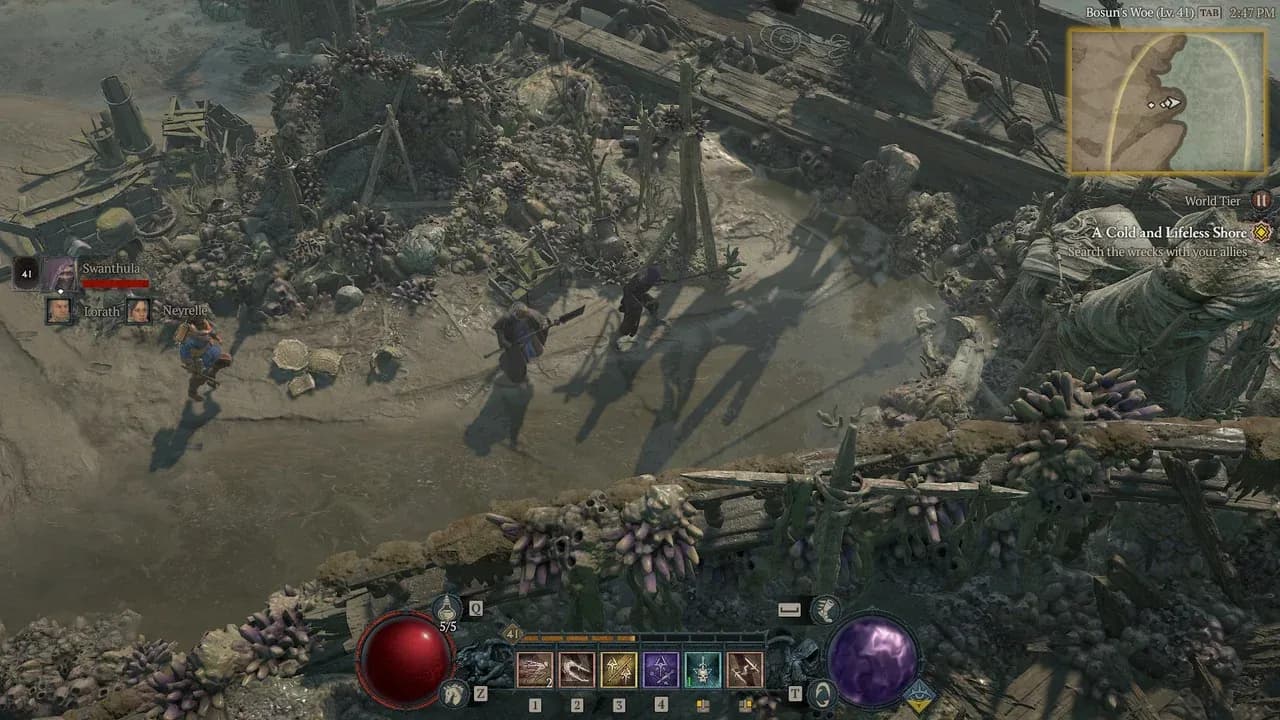
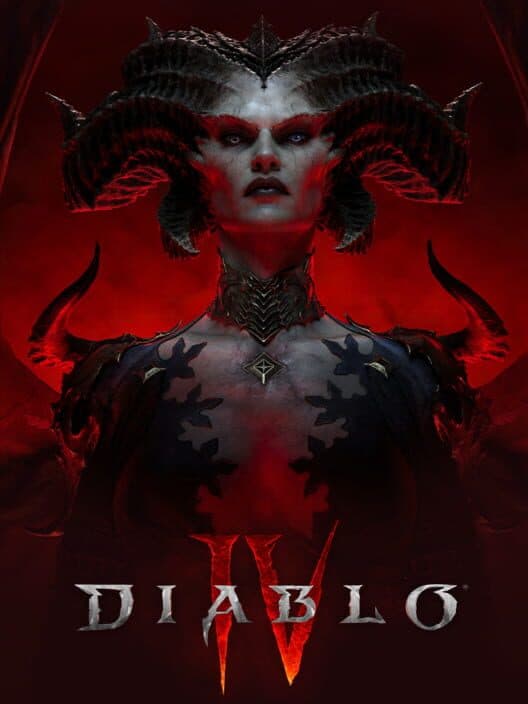
Diablo IV Review: A Dark Return to Sanctuary's Roots
Diablo IV arrives not as a mere sequel, but as a penitent return. This is a game that understands its lineage carries both the weight of a genre-defining legacy and the baggage of a divisive predecessor. After Diablo III's vibrant, sometimes-cartoony aesthetic and its disastrous real-money Auction House era, Diablo IV performs a deliberate and masterful course correction. It doesn't just invite you back to Sanctuary; it drags you through its mud and blood, re-establishing a tone of grim, oppressive despair that feels like a homecoming for veterans of the first two games.
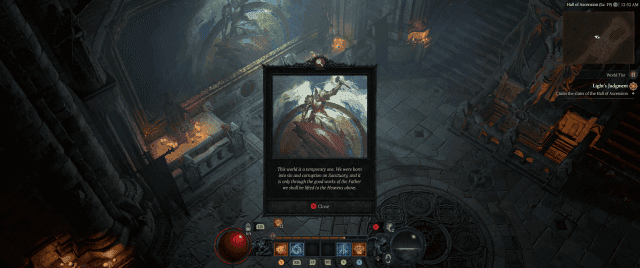
Diablo IV features a significantly darker tone than its predecessor.
The shift in atmosphere is the most immediate and effective signal of intent. Gone are the oversaturated hues and almost heroic fantasy tone of Diablo III's Tristram. In its place is a world painted in muted browns, chilling greys, and the deep crimson of spilled blood. Sanctuary in Diablo IV is a miserable, dangerous place where hope is a scarce resource, and the environmental storytelling—from crucified townsfolk to villages succumbing to cannibalism—constantly reinforces that this is a world worth saving precisely because it is so utterly damned. This isn't a stylistic choice for mere effect; it's foundational to the experience, making every hard-fought victory feel earned and every new horror discovered feel thematically consistent.
This commitment to a darker tone is crystallized in its central narrative figures: Lilith, the Daughter of Hatred, and the fallen Archangel Inarius. Their war, set thirty years after the events of Diablo III, is a personal, bitter feud that uses Sanctuary and its people as pawns.
Where Diablo III's story often felt like a cosmic spectacle, Diablo IV grounds its conflict in a twisted, familial drama, with Lilith presented not as a mindless destroyer but as a compelling, almost sympathetic antagonist with a horrifying vision for humanity's future. This narrative focus, supported by vastly improved in-engine cinematics and a standout late-game cinematic, provides a through-line that is more engaging than any in the series since the original.
As a launch package, the scope is staggering. Even setting aside the years of live-service content to come, the version of Diablo IV that shipped offered an immense breadth of content that immediately distinguished it from its loot-based ARPG peers. Five distinct classes, a massive open world split into five seamless regions, over a hundred side quests, dozens of dungeons, and the Renown system rewarding exploration—this was a complete, polished product on day one. For players burned by the thin endgames of similar titles at launch, this abundance wasn't just welcome; it was a statement of confidence. The game trusts that its world is worth getting lost in, and from the very first steps outside Kyovashad, it gives you every tool and incentive to do exactly that. This foundational richness is what makes Diablo IV feel less like a platform and more like a definitive, self-contained epic—a redemption arc not just for its story, but for the very promise of a modern AAA action RPG launch.
Diablo IV Combat and Classes: Visceral, Precise, and Fierce
The true proof of a Diablo game's quality isn't found in its grim cinematics or sprawling map, but in the moment-to-moment feedback loop of combat. Here, Diablo IV doesn't just succeed; it establishes a new high-water mark for the franchise. This is where the game earns its relentless reputation, wrapping its core fantasy in a layer of visceral, impactful feedback that makes every hour-long dungeon crawl feel like a symphony of destruction.
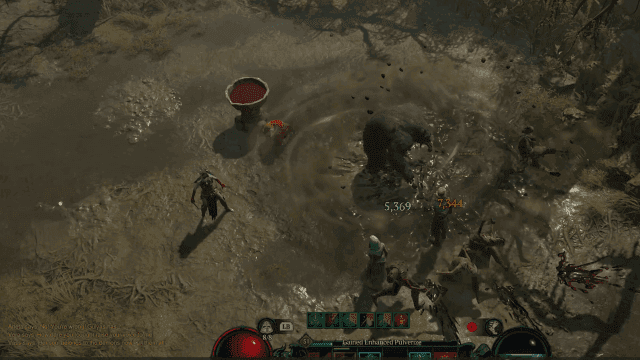
The Druid class showcases the visceral and fierce nature of Diablo IV's combat.
Diablo IV's combat is a masterclass in sensory feedback. The series has always been about slaughtering hordes, but this iteration grounds the power fantasy in tangible physics and sound. Landing a Barbarian's hammer blow feels heavy, pausing briefly before enemies explode into distinct giblets. The Sorcerer’s Chain Lightning doesn't just zap enemies; it visibly arcs between targets with a satisfying crackle, its purple glow lingering on-screen. The audio design plays a crucial supporting role, with every demonic shriek, shield bash, and bone-snapping crush calibrated to complement the visual chaos. This is combat that you don’t just watch, but feel—a dopamine hit delivered with unerring precision.
Boss encounters are the ultimate distillation of this philosophy. These are titanic, multi-phase marathons that test your build's efficiency and your personal reflexes. Each one feels meticulously tuned to teeter on the edge of manageability, pushing you to the limit of your potion supply and leaving you with a genuine sense of hard-won accomplishment.
This isn't a matter of inflated health pools. The Butcher, for instance, is an early-game terror that charges relentlessly, forcing you to master the new dodge system to survive his onslaught. By the time you face Lilith in her true form, you're juggling arena hazards, devastating area-of-effect attacks, and relentless adds, in a battle that feels both punishing and epic in scale. These bosses are not obstacles; they are examinations, and passing them is the game's most profound reward.
The five launch classes deserve immense credit for enabling this kinetic feel. Their distinct playstyles go beyond surface-level archetypes; they fundamentally alter your relationship with combat space. The Necromancer’s Book of the Dead allows you to command a customizable undead army from a distance, creating a strategic, commander-style battlefield. The Rogue requires precision and timing, dancing in and out of range with dashes and traps. The Druid exemplifies the game’s commitment to fantasy, as the ability to shift mid-combat into a werebear or werewolf isn't just a visual gag—it changes your moveset, survivability, and crowd control capabilities on the fly. This diversity ensures that the act of fighting feels fresh when you decide to roll a new character.
However, the canvas upon which these wonderful tools are applied sometimes shows its limitations. For all the excellence in combat feel, Diablo IV's enemy variety can feel lacking, especially across its vast world. While you fight through the frigid peaks of Fractured Peaks or the swamps of Hawezar, you'll often encounter reskinned versions of the same core beasts and cultists. The goatmen, spiders, and drowned dead appear with frustrating regularity, their movesets and tactics growing overly familiar long before the campaign concludes. This isn’t a deal-breaker, but it does mean the explosive joy of combat is sometimes undercut by a creeping sense of repetition against familiar foes.
The game’s increased focus on maneuverability mitigates some of this monotony. A generous dodge mechanic, combined with class-specific movement skills, encourages a dynamic, chaotic combat style that differs markedly from the more static “tank and spank” of earlier titles. Mastering your evasions to avoid telegraphed heavy attacks or reposition through a sea of smaller foes adds a layer of personal skill expression that keeps even trivial encounters engaging. It’s a subtle but crucial evolution that makes you feel like an active participant in the carnage, not just a source of it.
In summation, Diablo IV's combat is its strongest pillar. It’s precise, fierce, and deeply satisfying, from the crunch of the first skeleton to the spectacular finale of a world boss. While the enemy cast could use more members, the foundational feel of every swing, spell, and dodge is so impeccably crafted that the core loop remains compelling for dozens of hours. This isn't just good action; it is the genre's new gold standard for moment-to-moment engagement.
Character Progression: From Skill Trees to the Paragon Board
The journey from a fledgling adventurer to a god-slaying paragon is the beating heart of any ARPG, and Diablo IV delivers a progression system that is both welcomingly flexible and dauntingly deep. This is where the game’s commitment to player agency truly shines, offering a playground for theorycrafting that evolves dramatically over dozens of hours. It’s a system that respects your time with free experimentation early on, then demands your full attention with intricate optimization later, though not every step of that journey feels equally inspired.
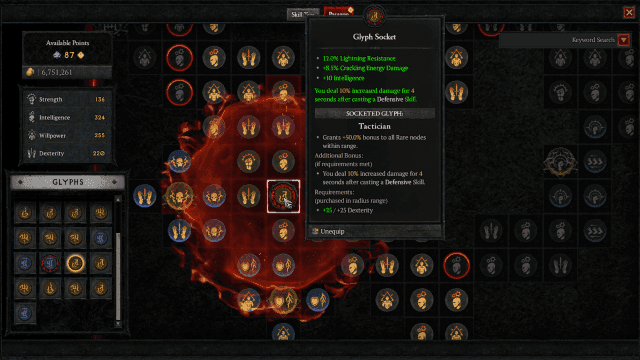
The Paragon Board offers deep customization for high-level characters.
Diablo IV’s approach to build flexibility is a direct and welcome response to the rigidness of its predecessor’s early days. The skill tree for each class is robust yet easy to parse, and the game actively encourages experimentation by making respecification cheap and accessible for the majority of your leveling journey. You’re not punished for pivoting from a Fire Sorcerer to a Frost Mage at level 35; you’re invited to do so. This philosophy creates a wonderfully low-stakes environment for discovery, where finding a new legendary aspect that buffs a skill you haven’t tried can instantly redefine your entire playstyle for the next ten hours. The design intent is clear: your power fantasy should be malleable, shaped by the loot you find and the creative sparks it ignites.
Where this system occasionally stumbles is in its moment-to-moment guidance. Unique class mechanics like the Necromancer’s Book of the Dead or the Sorcerer’s Enchantment slots are brilliant additions that add immense flavor, but the game does a poor job of explaining their strategic weight. You’re left with tooltip descriptions and a vague sense that they’re important, often pushing players toward external guides to understand that choosing between Skeletal Warriors or Mages isn’t just cosmetic—it’s foundational to your build’s identity.
The leveling structure is masterfully paced to prevent burnout. The early game is a whirlwind of skill unlocks and constant gear upgrades, perfectly selling the fantasy of rapid growth. The mid-game transitions into optimizing your gear with extracted aspects and the Codex of Power, providing a reliable progression path outside of pure luck. Then, at level 50, the game undergoes a seismic shift with the introduction of the revamped Paragon Board. This is where Diablo IV transforms from a straightforward action game into a complex optimization puzzle. The board is a sprawling grid of stat nodes, legendary nodes that redefine abilities, and glyph sockets that magnify their effects based on surrounding stats. Planning a path through this board to activate key clusters becomes an engrossing meta-game, offering a tangible and satisfying power spike that makes every level past 50 feel meaningful.
However, the evolution of the skill point system in later updates reveals a curious tension. While the base game’s cap of five points per skill created clear breakpoints, subsequent expansions increased this to fifteen. In practice, this often devolves into a simple “number shuffle,” where dumping extra points into your core skill provides a flat damage increase rather than an interesting new function or choice. The intent to allow for greater specialization is noble, but the execution can feel like busywork—a mandatory stat inflation on the road to max level rather than a meaningful expansion of your toolkit.
Aesthetic customization, thankfully, is handled with far more grace. The Wardrobe system is a triumph, allowing you to freely transmogrify any piece of gear with the appearance of any other you’ve ever salvaged. The ability to save entire outfits as Ensembles is a small but deeply appreciated feature for role-players and fashionistas alike. It’s a system that rewards engagement with the world, turning every piece of junk loot into a potential cosmetic unlock. The only notable limitation is the fixed body type per class at creation, a concession to animation clarity that feels minor against the sheer volume of visual options available later.
Ultimately, Diablo IV’s character progression is a tale of two halves: a liberating, experiment-friendly journey to the level cap, followed by a deep, board-game-like puzzle of Paragon optimization. It successfully caters to both the casual player who wants to respec on a whim and the dedicated min-maxer who will spend hours plotting the perfect path through a constellation of nodes. While the late-game skill point allocation can feel rote, the sheer depth and flexibility of the overall system cement it as one of the genre’s most compelling reasons to keep playing.
The Loot Grind: Gear Modification and the Codex of Power
The moment a legendary item drops in Diablo IV is a sacred ritual, a brief pause in the carnage where your eyes scan for the right affixes and the potential for a new build. The game’s itemization is engineered to make that moment matter, offering a surprisingly deep toolbox for gear modification that transforms junk into jewels and good drops into great ones. This is a system that respects both your time and your creativity, though its initial implementation left some players craving a stronger hit of that classic Diablo dopamine.
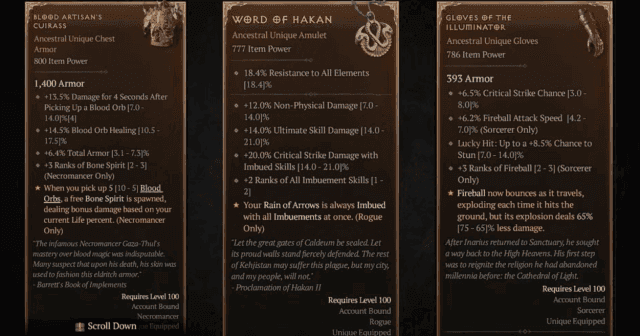
Managing high-level loot is a core part of the Diablo IV endgame experience.
At the heart of this system is the Codex of Power, a masterstroke of accessible progression. By completing specific dungeons scattered across Sanctuary, you permanently unlock legendary aspects that can be imprinted onto rare or legendary gear at the Occultist. This provides a crucial safety net against the whims of RNG. You’re never completely at the mercy of random drops for your build’s core function. Want a particular barrier-generating aspect for your Sorcerer? You can target the dungeon that grants it, earning a baseline version for your collection. This creates a reliable, goal-oriented layer of progression that perfectly complements the thrill of the random drop, ensuring you always have a path forward to refine your character.
The true genius of the Codex is how it democratizes build-crafting. It turns the entire open world into a potential source of power, making even a dungeon you’ve run for a class-specific aspect worthwhile on another character, as its unlocked power might be the missing piece for an alt’s build.
Gear modification extends far beyond the Codex. At the Blacksmith and Jeweler, you can upgrade item stats, add sockets for powerful gems, and salvage unwanted gear for essential crafting materials. The most impactful customization happens at the Occultist, where you can extract the full-power aspect from a legendary item—destroying it in the process—and imprint it onto another piece of gear. This creates a compelling risk-reward loop: do you use this amazing aspect now on a decent piece, or bank it for a perfectly rolled ancestral item later? The ability to reroll a single stat on an item (for a steeply increasing gold and material cost) adds another layer of targeted optimization, letting you chase that perfect quad-fecta of affixes. This suite of tools means that virtually no high-tier drop is truly worthless; even a poorly-rolled legendary holds value as aspect fodder or crafting materials.
However, this thoughtful design initially clashed with a controversial philosophy: the pursuit of “organic” loot. At launch, the deliberate pacing of high-tier drops and the scarcity of truly unique items—estimated by some players at a mere two dozen—meant the explosive, screen-filling legendaries of Diablo III were replaced by a slower, more incremental climb. While this allowed players to grow attached to their gear, as noted in earlier sections, it also meant that activities like Helltides could sometimes conclude with a haul of disappointing rares, missing that potent reward sensation. For players conditioned to constant upgrades, this could feel like the grind was outpacing the gratification.
Later updates and expansions directly addressed these pain points with brilliant quality-of-life additions. The introduction of a detailed loot filter was a game-changer, allowing players to automatically mark or hide items based on specific affixes, item power, or type. This single feature eliminated minutes of tedious inventory scanning per play session, letting you focus on the action. Similarly, the map overlay (a long-requested feature from PC ARPG fans) meant you could navigate dense dungeons or the open world without constantly breaking flow to open a full-screen map. These weren’t just conveniences; they were fundamental improvements to the core gameplay loop, respecting the player’s time and attention.
In the end, Diablo IV’s loot grind evolves from its initial, perhaps overly cautious, state into a deeply engaging cycle of targeted farming and meticulous crafting. The Codex of Power ensures your progression never stalls, while the extensive modification options turn every session into a potential upgrade. The early sting of underwhelming unique drops is largely mitigated by the sheer agency the systems provide—you are not just a loot recipient, but an active forger of your own power.
Sanctuary's Open World: Exploration, Renown, and Strongholds
Sanctuary in Diablo IV is a world worth exploring, but not always for the reasons you'd expect. This isn't a landscape dotted with map icons begging to be cleared; it's a grim, breathing entity where the journey itself—through its bleak beauty and punishing challenges—becomes the primary reward. The five massive regions, from the frigid peaks of Fractured Peaks to the pestilent swamps of Hawezar, are visually distinct and seamlessly stitched together, creating a cohesive sense of scale that few modern open worlds achieve. Yet, the initial experience of traversing this expanse can feel frustratingly slow, a deliberate pacing choice that ultimately serves the game's tone but tests player patience before the payoff arrives.
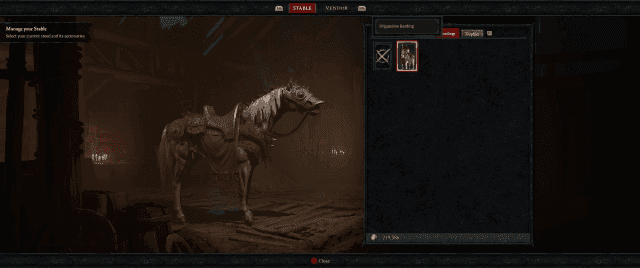
Mounts are essential for traversing the seamless transitions between Sanctuary's biomes.
The Renown system is the masterstroke that transforms aimless wandering into meaningful progression. By rewarding the discovery of Altars of Lilith, clearing fog of war, completing dungeons, and finishing side quests in each region, it provides a constant, tangible incentive to explore every corner. The rewards—additional skill points, increased potion capacity, and extra Paragon points—are not just useful; they are foundational to your character's power. This system cleverly validates activities you might otherwise skip, turning the completion of a dungeon that doesn't drop your class-specific Aspect into a worthwhile step toward a permanent account-wide bonus. It’s a genius layer of meta-progression that ensures no time spent in Sanctuary feels truly wasted.
Where the world design stumbles is in its initial traversal. The decision to lock the mount behind a significant chunk of the campaign's third act feels like a punitive anachronism in a map this vast. For dozens of hours, you're left sprinting across what one critic aptly described as a "spiderweb of random corridors," a labyrinthine landscape that is difficult to internalize and tedious to cross on foot.
This early-game slog is exacerbated by the ever-present, scaling enemies, turning a simple trip between points into a series of unavoidable skirmishes. While this reinforces the world's pervasive danger, it actively discourages the organic exploration the game otherwise encourages until you finally earn your steed. Once acquired, the mount transforms the experience, but the delay in granting this basic quality-of-life tool remains a significant and baffling friction point.
The Strongholds scattered across the regions are the open world's crowning achievement. These are not mere enemy camps; they are multi-stage, objective-based assaults that reset the world state upon completion. Clearing a Stronghold like the cannibal-infested Moordaine Lodge or the vampire stronghold of Nostrava is a deliberate, challenging endeavor often requiring multiple attempts. The payoff, however, is immense: a cleared Stronghold typically transforms into a new friendly settlement, complete with a waypoint, new vendors, and a batch of fresh side quests. This mechanic creates a powerful sense of tangible impact—you are not just killing monsters, you are reclaiming Sanctuary, inch by bloody inch. The combat within these zones is some of the game's most intense, demanding smart use of your build and environment, and they stand as the most compelling reason to venture off the beaten path.
Diablo IV’s always-online, shared-world elements are implemented with a light touch that largely succeeds. During moment-to-moment play, the presence of other players is subtle; you might cross paths with another adventurer fighting a world boss or see a distant silhouette on a ridge, but it rarely interrupts your solo journey. These occasional overlaps can even create neat, emergent moments—a timely intervention from a passing Sorcerer during a punishing Helltide event, or an impromptu group forming to take down a Treasure Goblin. The frictionless grouping for dungeons is also a boon for cooperative play. However, the foundational requirement for a persistent internet connection remains, as noted in earlier sections, a "conceptual irk" for a game with such a strong solo campaign focus. The potential for server issues to lock you out of your progression is an ever-present shadow in an otherwise self-contained experience, a reminder of the live-service skeleton beneath the single-player flesh.
The Endgame Loop: Nightmare Dungeons and War Plans
The endgame is where Diablo IV reveals its true identity: a meticulously engineered treadmill of escalating power and curated chaos. This is the moment the game shifts from a linear power fantasy to a sprawling optimization puzzle, and whether you find that puzzle compelling or exhausting depends entirely on your tolerance for its specific brand of structured repetition.
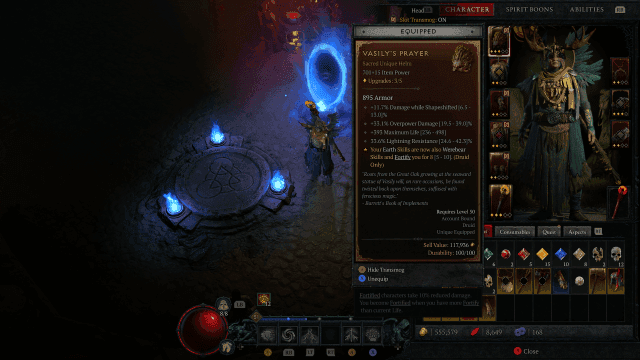
Nightmare Dungeons offer a significant challenge for endgame players.
The foundational structure of this grind is the World Tier system, a familiar but effective gating mechanism. After conquering the level 50 Capstone Dungeon, you unlock World Tier 3: Nightmare, which fundamentally refreshes the entire game. This isn't just a stat bump; it introduces Sacred loot with higher stat caps, new enemy types, and the crucial Paragon Glyphs that slot into your board. The subsequent jump to World Tier 4: Torment at level 70+ repeats the trick with Ancestral gear and more potent Uniques. This tiered structure provides clear, satisfying milestones, ensuring the power climb from levels 50 to 100 always has a tangible destination. However, the difficulty scaling within these tiers often relies on brute force rather than ingenuity. High-level Nightmare Dungeons frequently substitute strategic challenge for overwhelming crowd control from elite packs—suppressors, wind walls, and chains of fear effects can feel less like a test of skill and more like an endurance check against your potion supply.
The introduction of the War Plans system in later updates is a masterstroke of endgame accessibility. It transforms the overwhelming sprawl of activities into a streamlined, rewarding playlist.
Instead of hunting for Nightmare Sigil drops or waiting for a Helltide to spawn, you queue up a sequence of up to five activities—The Pit, a Lair Boss, a Helltide—and warp directly between them. Each activity gets a randomized bonus reward modifier, and completing the chain grants a hefty final payout. More importantly, each activity type has its own progression tree, letting you permanently customize its parameters, like guaranteeing specific loot from Treasure Goblins or doubling threat gain in Helltides. This system respects your time by eliminating dead travel time and menu navigation, turning the endgame into a focused, high-yield loop. The one glaring flaw is its co-op implementation: randomized playlists and individual progression mean players not in the party leader's seat can feel like second-class citizens, their personal goals misaligned with the group's activity—a baffling oversight for a game that otherwise encourages multiplayer.
Beyond the curated War Plans, the traditional endgame pillars offer varied, if uneven, engagement. The Tree of Whispers provides a reliable, bounty-style drip-feed of loot and experience. Helltides, with their tense, timer-based scramble for valuable crafting materials, remain a highlight. Fields of Hatred offer a unique, high-stakes PvPvE loop reminiscent of The Division's Dark Zone, where you farm Seeds of Hatred from monsters while risking it all against other players for exclusive cosmetics. It’s a compelling, entirely optional system for those craving a different kind of adrenaline. Conversely, Echoing Hatred is a rare misstep in accessibility. This horde-mode survival challenge is a fantastic test of a build's peak performance, scaling in difficulty with each wave. Yet, access is locked behind a rare consumable drop, making it an infrequent treat rather than a reliable pillar of the grind—a design that directly contradicts the War Plans' philosophy of reducing barriers to entry.
Ultimately, Diablo IV’s endgame is a tale of refinement. It launched with solid but sometimes repetitive systems, and through expansions like Lord of Hatred, it evolved into a denser, more player-friendly ecosystem. The grind is real, and the enemy variety can wear thin, but the constant drip of meaningful upgrades—a perfectly rolled Ancestral weapon, a Glyph hitting level 15, a new Talisman slot unlocked—provides a powerful, almost algorithmic compulsion. This is a loop built for the player who finds profound satisfaction not just in the kill, but in the relentless, data-driven pursuit of perfection.
Expansions and Evolution: Vessel of Hatred and Lord of Hatred
The true test of a live-service game isn't its launch, but its ability to evolve. Diablo IV has faced this crucible, and the expansions Vessel of Hatred and Lord of Hatred represent a remarkable redemption arc, transforming a solid foundation into a genre-leading epic. This is where the game’s post-launch narrative, once a point of criticism, becomes its crowning achievement, and where new systems add depth without sacrificing the visceral core that hooked players from the start.
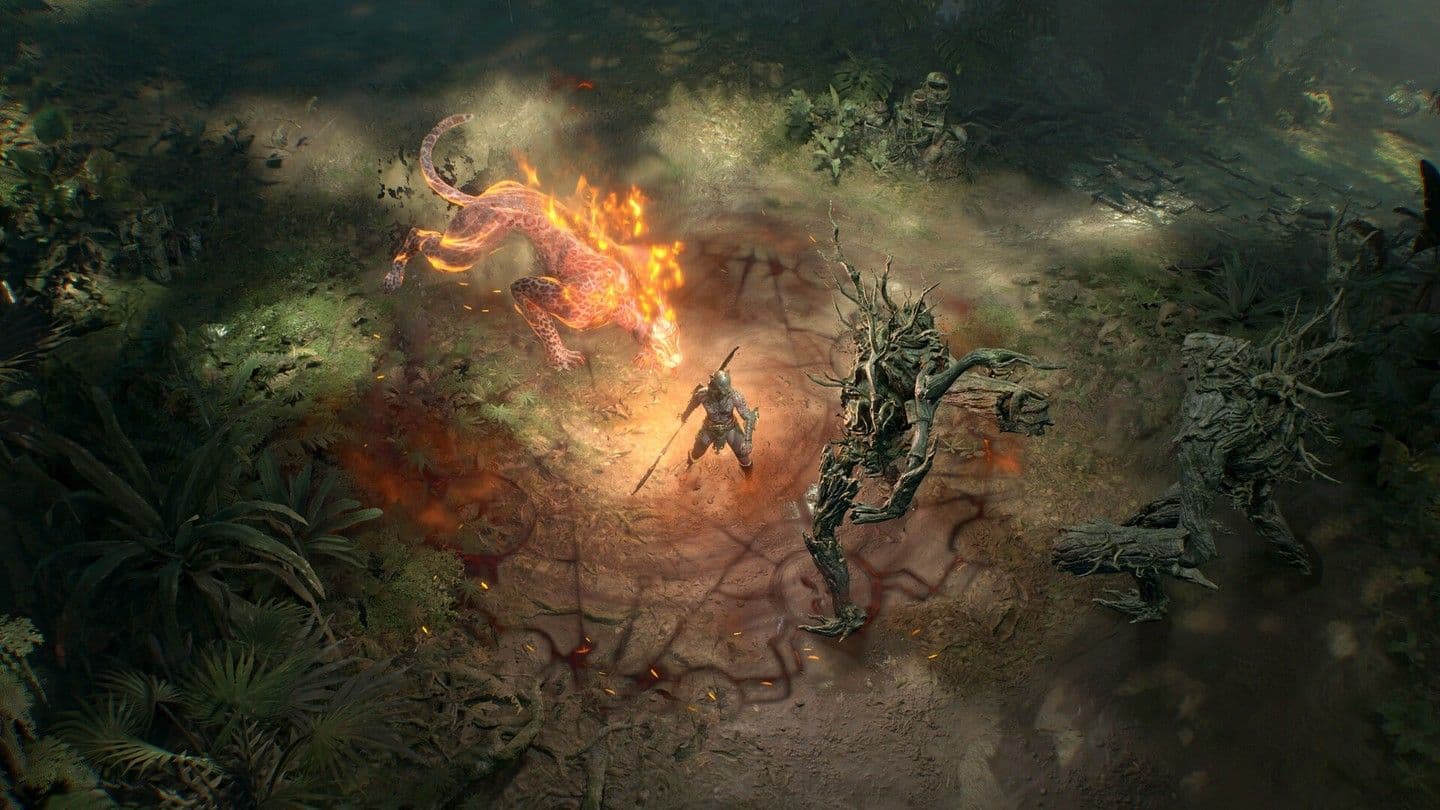
The Vessel of Hatred expansion introduces the lush yet dangerous region of Nahantu.
The narrative journey, which began with Lilith’s haunting return, finds its epic and emotionally resonant conclusion in Lord of Hatred. Where the base game’s story was a compelling setup, the expansion delivers a payoff that critics have called the best in the series, a "turning point" with genuine weight. Picking up the thread of Neyrelle’s burden—the Soulstone containing Mephisto—the campaign is a relentless, eight-hour descent into the heart of corruption. The writing is sharper, the stakes feel earned, and the pacing masterfully avoids the lulls of earlier acts. This is crystallized in the expansion’s use of more in-engine narrative moments, finally making your custom Wanderer feel like an active participant in conversations rather than a silent observer. The conclusion to the Mephisto saga doesn’t just tie up loose ends; it provides the grim, satisfying closure that the franchise’s lore has often promised but rarely delivered with such cinematic punch.
The expansions also succeed in giving Sanctuary new, distinct places to bleed. Vessel of Hatred introduced the dense, foreboding jungles of Nahantu, while Lord of Hatred offers the sun-bleached, Mediterranean-inspired Skovos Isles. Skovos, in particular, is a visual triumph—a hauntingly beautiful landscape of ancient ruins and olive groves that stands as the game’s most cohesive and rewarding region to explore, a stark and welcome contrast to the perpetual gloom of the mainland.
New classes are the lifeblood of any ARPG expansion, and here, Diablo IV delivers two distinct triumphs. Vessel of Hatred’s Spiritborn is a masterclass in hybrid fantasy, channeling the power of four spirit guardians—Jaguar (fire/aggression), Eagle (lightning/mobility), Gorilla (earth/defense), and Centipede (poison/debuff)—into a fluid, quarterstaff-wielding whirlwind. The genius is in how these tenets can be mixed or specialized, allowing a single class to fulfill multiple combat roles based on player choice. Lord of Hatred counters with the returning Paladin, a nostalgic powerhouse of holy auras and shield bashes, and the all-new Warlock, a devilishly fun class that lets you summon hellspawn or channel demonic transformation. The Warlock’s management of a Corruption gauge for high-risk, high-reward play adds a strategic layer the series has long needed.
Beyond new faces, the expansions overhaul the old. A significant "Big Rebalance" touched all six original classes, replacing flat stat passives with more impactful choices that alter how skills function. While the shift to investing up to 15 points into a single skill can make later leveling feel like a mandatory "number shuffle," the new third upgrade path for many abilities introduces genuinely transformative variants. This is supported by massive new systems like the Talisman (bringing Diablo II’s Charms into a modern set-bonus framework) and the triumphant return of the Horadric Cube for targeted crafting. The new mercenary system, however, feels like a promising first draft. Recruiting members of the Pale Hand like the tank Raheir or the former butcher Varyana adds welcome companion chatter and crowd control, but their pre-determined gear and shallow rapport rewards lack the deep customization and utility of Diablo III’s followers—a system that begs for expansion in future seasons.
The most impactful evolution is in the endgame structure. While Vessel of Hatred added the time-trial Undercity, Lord of Hatred refined the philosophy with the game-changing War Plans. This system is the ultimate answer to the endgame’s previous friction, allowing you to queue a curated playlist of activities—Helltides, Nightmare Dungeons, The Pit—and warp directly between them with bonus rewards. Each activity type also gets its own progression tree, letting you permanently customize parameters like enemy spawns or loot tables. It’s a brilliantly efficient loop that respects your time. The same cannot be said for the co-op experience in these expansions, which emerges as a glaring weakness. The War Plans’ randomized playlists don’t sync between party members, disincentivizing group play by making players feel like “second-class citizens” if they aren’t the leader. For an expansion that adds so much, the lack of compelling, structured group content like Vessel of Hatred’s Dark Citadel dungeon feels like a missed opportunity to leverage the game’s shared world.
From the Spiritborn’s elemental dance to the haunting shores of Skovos, these expansions demonstrate a developer listening, iterating, and confidently expanding its vision. They don’t just add content; they refine the entire Diablo IV experience, addressing systemic pain points while delivering a narrative conclusion worthy of the decades-long saga. The journey through Hatred has been long, but it concludes with the game in its best state yet—a testament to the potential of a live service model when executed with this level of ambition and care.
Technical Performance and the Cost of Sin
Diablo IV asks you to pay for your sins—not just in gold and demon blood, but in your wallet. This is the uncomfortable truth lurking beneath Sanctuary's stunning vistas: a technical and commercial ecosystem that, while largely stable, carries the distinct friction of a live-service machine. The game itself runs smoothly, but the persistent online requirement and aggressive monetization create a shadow over the experience, a constant reminder that you're playing in a world Blizzard still very much owns.
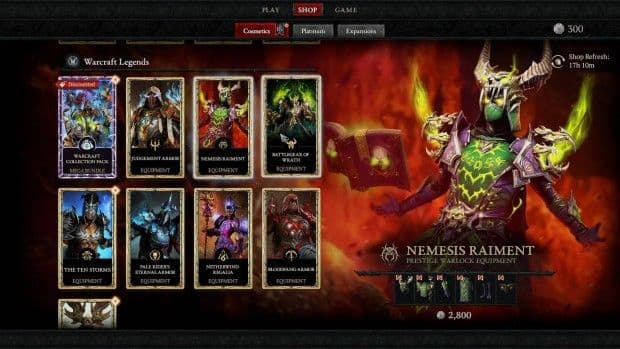
The in-game shop offers various cosmetic microtransactions.
On a technical level, Diablo IV is a polished beast, especially on current-gen hardware. The massive, seamless open world renders without a hitch, and the frantic on-screen chaos of a max-level Helltide maintains a stable, fluid framerate. This is a testament to the engine's strength, particularly when showcasing the breathtaking new region of Skovos from the Lord of Hatred expansion, with its sun-bleached shores and ancient ruins standing as the game's visual pinnacle. The audiovisual presentation is, frankly, genre-leading. Ted Reedy's soundtrack is a haunting masterpiece that shifts seamlessly from melancholic exploration themes to thunderous boss arrangements, while Ralph Ineson’s performance as Lorath is so mesmerizing it deserves its own category. The cinematics, especially in the later expansions, are among Blizzard's finest, delivering emotional weight that finally does justice to the franchise's epic lore.
The persistent online requirement, however, remains the foundational flaw in this technical package. It’s a "conceptual irk" that transforms what feels like a self-contained epic into a service you can be denied access to. While server issues have largely been smoothed since launch, the mere potential for login queues or downtime to lock you out of your single-player progression casts a long shadow over the otherwise impeccable polish.
Where the friction becomes palpable is in the cash shop. For a full-priced AAA title that has since launched two paid expansions (Vessel of Hatred and Lord of Hatred at $39.99 each) and includes a seasonal battle pass, the prices in the cosmetic store are difficult to justify. Outfits for individual classes can run between $20-$30, and while these are purely visual, their impact is muted by the game's zoomed-out perspective and the sheer abundance of excellent gear appearances you can earn in-game for free through the brilliant Wardrobe system. This creates a dissonance: the game generously rewards you for playing with countless transmog options, then presents a parallel, premium boutique selling digital finery at luxury prices. It doesn't break the game, but it does tarnish the fantasy, turning your hero from a bastion against hell into a walking billboard for fiscal indulgence.
Accessibility is one area where Diablo IV’s design philosophy shines without reservation. The spread of World Tiers, from the forgiving Adventurer to the brutal Torment, allows players to perfectly calibrate the challenge from the outset. The free and easy respeccing of skills for the majority of the leveling journey actively encourages experimentation, lowering the anxiety of build commitment that paralyzes newcomers in more punishing ARPGs. This, combined with systems like the Codex of Power providing a reliable path to legendary powers, makes the climb to level 50 feel welcoming and empowering. Diablo IV successfully positions itself as the accessible counterpart to the overwhelming complexity of Path of Exile, proving that depth doesn't have to come at the cost of approachability.
In the end, the cost of sin in Diablo IV is multifaceted. You pay with your time in a grind that has been thoughtfully refined, you pay with your attention to a world of unparalleled dark beauty, and yes, you pay with your money in a monetization model that often feels out of step with the premium package you've already purchased. The technical performance earns your trust; the monetization tests your patience. It's a compromise that defines the modern AAA live-service experience, and whether it's one you're willing to accept will ultimately determine how cleanly you can enjoy the hellish paradise Blizzard has built.
Final Verdict: Is Diablo IV the Definitive ARPG Experience?
After a journey through hell and back—through the grim beauty of Sanctuary, the visceral crunch of combat, and the relentless optimization of the endgame—the ultimate question remains: does this sprawling, multi-year saga coalesce into the definitive action RPG experience? The answer is a resounding, if nuanced, yes. Diablo IV, bolstered by its two major expansions, stands today as the most polished, accessible, and narratively complete entry in the genre, a monument to iterative refinement that finally delivers on the franchise's darkest promises. It is a game that understands the assignment of a modern live-service title but never forgets the core fantasy of becoming an unstoppable force of holy—or unholy—retribution.
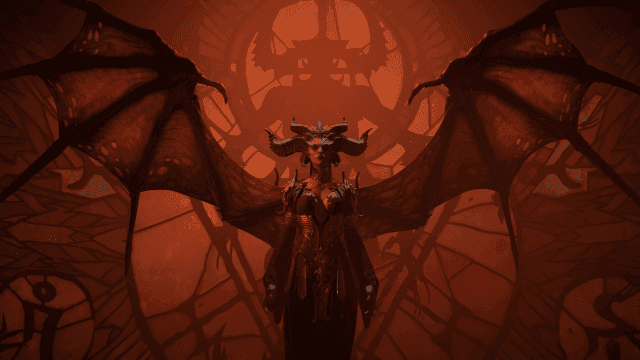
Diablo IV represents the culmination of decades of ARPG evolution.
Diablo IV is the perfect ARPG for the player who craves depth but fears commitment, offering a meticulously curated power fantasy where every hour feels productive, and the grind is a feature, not a bug.
This is the game’s greatest strength and its target audience. Where competitors like Path of Exile present a daunting wall of passive trees and league mechanics, Diablo IV offers a guided path to godhood. The Codex of Power ensures you’re never stranded without a build-enabling power. The streamlined War Plans system turns the daunting endgame into a rewarding playlist. Free and easy respeccing for the majority of your journey encourages experimentation without penalty. This is a game that respects your time, not by being short, but by ensuring that your time within it is consistently rewarded with tangible progress, a perfect gateway for those intimidated by the genre’s more opaque titans.
The pros are monumental and form the pillars of a modern classic. The combat is simply the best the series has ever produced, a symphony of weighty impacts, screen-shaking spells, and demonic dismemberment that makes clearing a cellar as satisfying as felling a world boss. The art direction is a masterclass in grimdark consistency, from the oppressive fog of Fractured Peaks to the haunting, sun-bleached beauty of Skovos in Lord of Hatred. The endgame, once a point of contention, has been forged into a compelling loop through systems like War Plans and the Paragon Board, offering near-endless optimization for those who seek it. Most surprisingly, the narrative arc that began with Lilith concludes in Lord of Hatred with genuine emotional weight and some of Blizzard’s finest cinematics, providing a payoff that elevates the entire experience.
Yet, the shadows in Sanctuary are long. The monetization model remains an aggressive blemish on a premium package, with cosmetic sets priced like standalone indie games in a shop that feels grafted onto an otherwise complete experience. The enemy variety, while visually distinct across regions, relies too heavily on reskinned skeletons, cultists, and goatmen, making the combat’s excellent feel occasionally repetitive against familiar foes. In the highest tiers of play, difficulty scaling often defaults to layering oppressive crowd control effects on elite packs rather than introducing smarter AI or new mechanics, testing your potion management more than your tactical ingenuity.
When evaluating its value, Diablo IV presents a complex equation. The base game alone offers a staggering 40-60 hour campaign and a robust endgame, a complete package that justifies its price. However, to experience the game in its current, best state—with its narrative conclusion, the superb new classes (Spiritborn, Paladin, Warlock), and the transformative War Plans system—the required investment climbs with the $39.99 price tag of each expansion. This is the new reality of the live-service AAA title: an exceptional foundation with a subscription to its own evolution. For the dedicated fan, the total cost delivers hundreds of hours of the genre’s most polished gameplay. For the cautious newcomer, the base game remains a phenomenal entry point, with the expansions waiting as worthy premium upgrades.
Diablo IV is not a perfect creation. It carries the inherent friction of its business model and the occasional creative shortcut. But in its triumphant synthesis of visceral action, deep progression, and a world worth saving, it achieves something remarkable. It is both a homecoming for veterans and a welcoming gateway for newcomers, a game that has weathered its post-launch storms to emerge not just as a worthy successor, but as the new benchmark for what a blockbuster action RPG can be.
Pros:
- Unmatched visceral combat feedback and class fantasy.
- A stunning, cohesive dark fantasy world with immense scope.
- The War Plans system streamlines the endgame into a rewarding, accessible loop.
- A narrative conclusion in Lord of Hatred that delivers emotional payoff and series-best cinematics.
- Accessible, deep progression systems that respect player time.
Cons:
- Aggressive cosmetic monetization in a full-priced, expansion-based game.
- Enemy variety feels lacking across the vast campaign and endgame grind.
- High-level difficulty often relies on frustrating crowd control spam over inventive design.
- The mercenary system and co-op War Plans feel undercooked compared to other systems.