The Witcher IV First Impressions: Ciri Takes the Lead in a New Saga
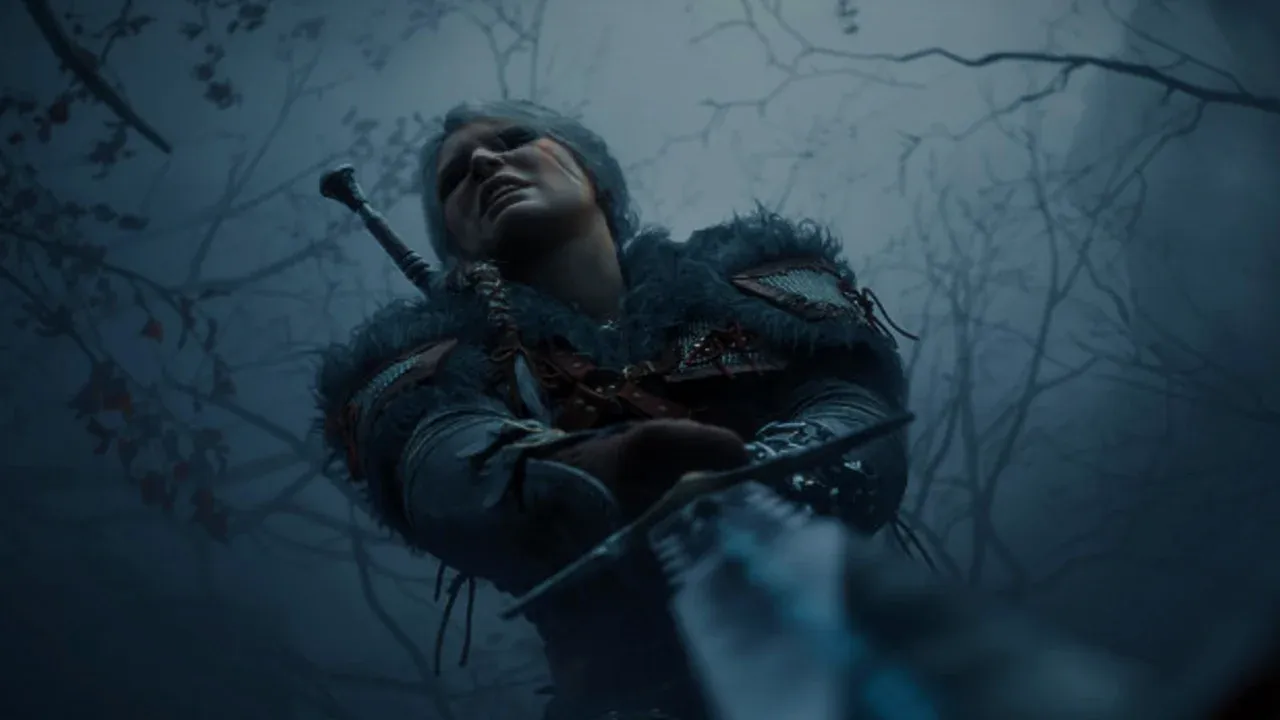
The moment you take control of Ciri in The Witcher IV, the weight of legacy is palpable. This isn't a simple passing of the torch; it's a deliberate, seismic shift in perspective. For the first time in a mainline game, you are not Geralt of Rivia, the grizzled, emotionally reserved monster slayer who defined the series. Instead, you step into the worn boots of his adopted daughter, a character whose story was always central but never fully hers to command. This protagonist change is CD Projekt Red's boldest and most necessary move—a "fresh but familiar" foundation that immediately recontextualizes the entire Witcher experience. Where Geralt was a weathered instrument of a dying trade, Ciri is its raw, uncertain future, and that uncertainty is where the game finds its most compelling narrative tension.
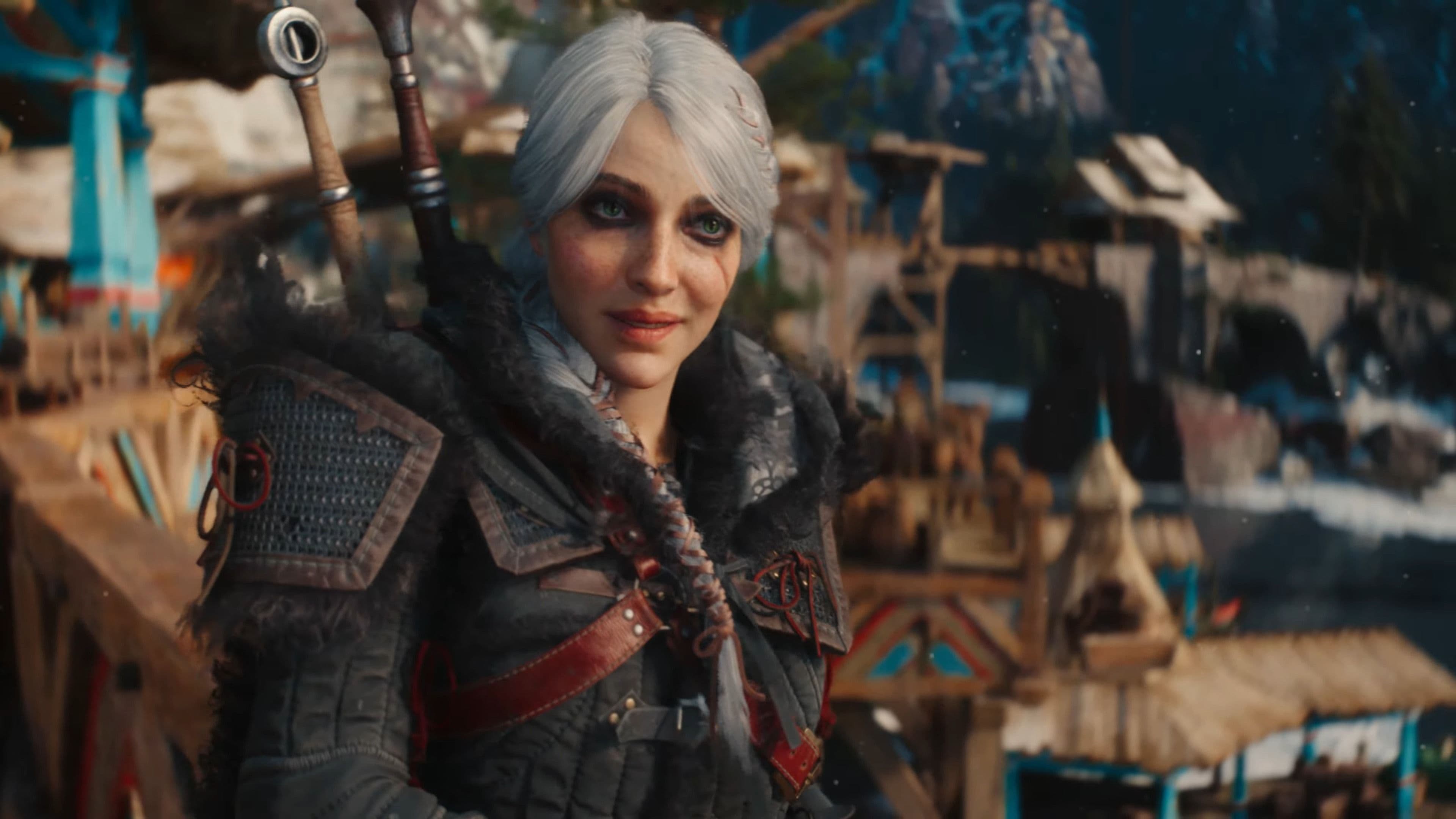
Ciri navigating a new settlement
Ciri is not a Geralt clone. She carries his honor and bravery, but her character is etched with a grimmer, more rebellious streak—a fierce independence born from a life spent running from destiny.
This depth is the section's greatest strength. The developers have wisely avoided making her a mere gender-swapped witcher. Her established personality—more open, curious, and drawn to human connection than her stoic father—fundamentally alters the storytelling calculus. Investigations won't just be about extracting information for coin; they will be about forging relationships where emotions are as crucial to survival as a silver sword. This promises a more intimate, psychologically complex journey, where Ciri's battle isn't just against monsters, but against the very idea of the Path she's choosing to walk. The narrative premise explicitly explores this struggle: what does it mean to become a witcher as the old world order crumbles? It's a brilliant hook, trading Geralt's world-weariness for Ciri's fraught genesis, ensuring that even veteran players are learning the rules of this darker continent alongside her.
This new saga is built on a new technological foundation. The shift from CDPR's proprietary REDengine to Unreal Engine 5 isn't just a backend change; it's a declaration of ambition for a "generational shift" in visual fidelity and world simulation. The early tech demos showcasing the port town of Valdrest—with its dense, reactive crowds studied from Novigrad's recordings—hint at a world that doesn't just exist around you, but responds to you. The promise of realistic horse anatomy for Ciri's mount, Kelpie, speaks to a commitment to grounded, immersive detail that the older engine would have strained to deliver. While we can't yet measure frame rates or load times, the move to UE5 signals CDPR's intent to match their narrative ambition with a world that feels tangibly alive and next-gen in its execution. The Witcher IV is building its new house on the strongest foundation available.
The Witcher IV Gameplay: How Ciri’s Magic and Agility Redefine Combat
The moment you unsheathe Ciri’s sword in The Witcher IV, you feel the difference in your bones. This isn’t the methodical, heavy-footed dance of Geralt’s Signs and steel; it’s a whirlwind of silver and raw, untamed energy. CD Projekt Red’s greatest triumph here is how they’ve rebuilt the franchise’s combat from the ground up around Ciri’s unique identity, transforming her canonical magical prowess from a narrative detail into a revolutionary gameplay pillar.
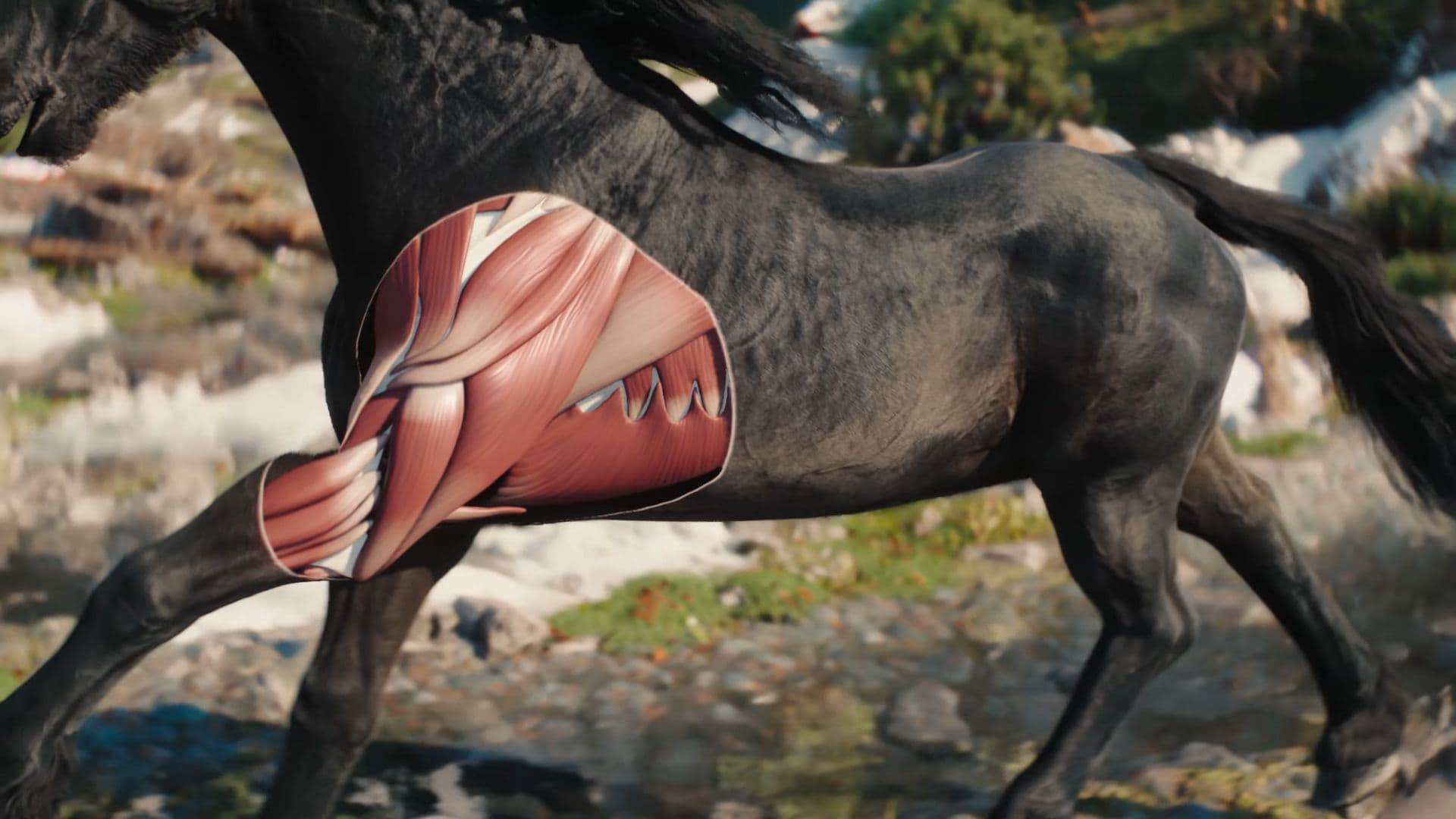
Advanced physics in The Witcher IV create more grounded and fluid character movements.
Ciri’s combat is defined by its seamless, kinetic fusion. Unlike Geralt, who cast Signs as deliberate, separate actions, Ciri weaves magic directly into her swordplay—a teleport might punctuate a dodge, or a burst of kinetic energy might extend a combo’s final strike. This isn’t just a new coat of paint; it fundamentally alters the rhythm of every encounter. The tactical patience of The Witcher 3 gives way to a more aggressive, opportunistic flow. As the developers noted, Ciri starts her journey without the upper hand, and you feel it. You can’t brute-force your way through a pack of drowners; you must read their patterns, strike during the brief openings their attacks create, and use your magical agility to reposition constantly. It’s a system that demands observation first, then explosive execution.
This is where The Witcher IV earns its next-gen credentials. The integration of magic feels less like activating a spell and more like channeling a part of Ciri’s body—an instinctual extension of her will that makes every fight a spectacular, personalized ballet of cause and effect.
This philosophy extends to traversal. The commitment to grounded movement and realistic anatomy for Ciri’s horse, Kelpie, isn’t mere visual flair. In the tech demo, we saw how Kelpie’s muscle groups flex and shift independently, creating a sense of weight and connection that should make exploration feel tangibly different from Roach’s sometimes-floaty gallop. The promise is a world where the journey between points A and B is an immersive experience in itself, where riding through the forests of Kovir feels like guiding a living creature, not piloting a vehicle.
The challenge for The Witcher IV will be balancing this innovation with familiarity. The developers have pledged to deliver the “stuff people want from a Witcher game”—a single-player, open-world RPG rich with choice and consequence. The risk is that Ciri’s dazzling new toolkit could make the world feel trivial if not properly counterbalanced. The stated focus on a “more brutal, dark-fantasy world” and survival hinging on forged connections suggests the answer: difficulty won’t just come from enemy health pools, but from systemic depth. Your magic may be powerful, but perhaps it drains a resource tied to your emotional state or attracts unwanted attention. The opportune strike may not just be a combat window, but a diplomatic one. If executed, this could be the masterstroke—using Ciri’s new capabilities not to simplify the Witcher fantasy, but to complicate and deepen it in ways Geralt never could.
Exploring Kovir: Is The Witcher IV’s Open World Truly Reactive?
Stepping into the port town of Valdrest is the moment The Witcher IV stakes its claim on next-gen immersion. You’re not just entering a new hub; you’re triggering a cascade of whispers, wary glances, and shifting routines. This is the promise of a truly reactive world, and in these first glimpses of Kovir, CD Projekt Red shows they are chasing a level of systemic life that could redefine the open-world RPG.
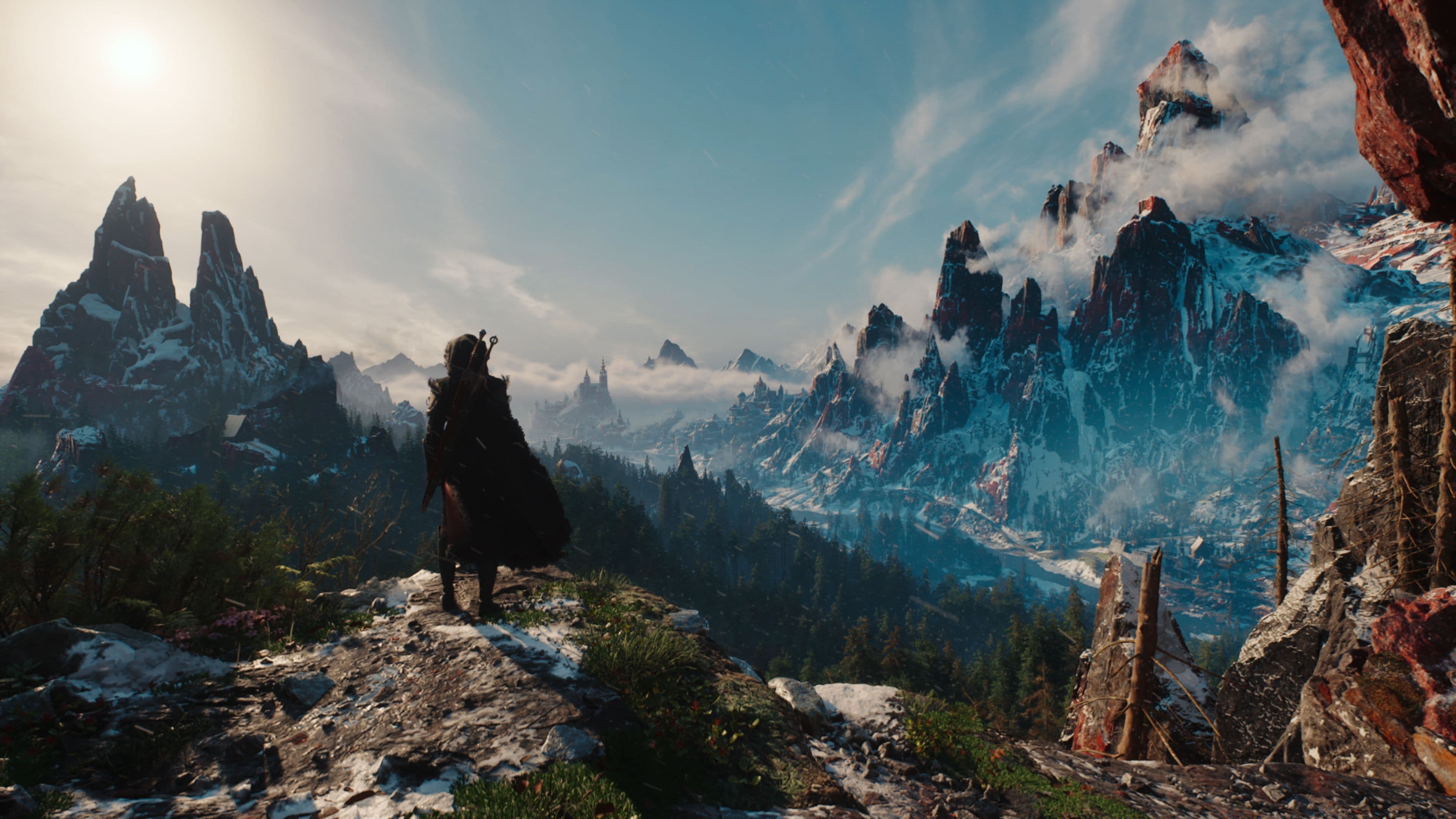
The new Kovir region showcases the scale of the game's open world.
The foundation is familiar in scale but revolutionary in detail. The map may be “more or less” the same size as The Witcher 3’s, but that’s a red herring. The ambition lies not in raw square mileage, but in density and consequence. The new region of Kovir, glimpsed through the forest-shrouded port of Valdrest, is being crafted with an obsessive focus on believability. Developers studied hours of footage from Novigrad to understand its organic chaos, and the goal is clear: to create crowds that don’t just mill about, but live. An NPC who witnesses you draw steel in a market shouldn’t just scream—they should run for a guard, altering that guard’s patrol route and potentially closing off a future avenue of approach or information. This granular reactivity is the true test of The Witcher IV’s world. If every drawn sword, used sign, or stolen glance has a ripple effect, then exploration becomes less about discovering points on a map and more about understanding the delicate ecosystem of each settlement.
This is where the “more brutal, dark-fantasy world” ethos manifests not just in monster design, but in social dynamics. Your survival hinges on the connections you forge, because burning every bridge might leave you with nowhere to run when a real threat emerges.
This philosophy extends directly into quest design, where the developers have explicitly vowed to purge “fetch quests.” The intent is noble: every task should be a character-driven narrative with stakes that resonate with Ciri’s personal journey. A quest to clear a nekker nest shouldn’t end with a monster corpse and coin; it should force Ciri to mediate between a terrified village and a desperate herbalist who needs the creatures’ glands to make medicine, with neither side being wholly right or wrong. The hiring of a senior quest designer from Kingdom Come: Deliverance 2’s hardcore mode is a telling clue—expect investigations where gathering clues isn’t a checklist, but a process of persuasion, intimidation, or magical trickery that permanently alters how that community sees you. The risk, of course, is pacing. Removing simple connective tissue can make a world feel relentlessly intense, but if executed, it could make the continent feel like a place of genuine, weighty interaction rather than a task board.
However, the true measure of this world’s success will be in its spaces between the stories. If the new regions like Kovir are filled with breathtaking vistas but empty of meaningful systemic interplay—if that famed reactivity is confined to scripted story moments in Valdrest—then the “generational shift” will feel like a visual upgrade alone. The promise is a world where a chance encounter on a forest road can blossom into a multi-settlement feud based on your actions, or where letting a wounded monster flee could see it return later, stronger and angrier, with a pack of its own. The Witcher IV has the technological foundation in Unreal Engine 5 and the design intent to create a living continent. Now it must prove that reactivity isn’t just a parlor trick for towns, but the very heartbeat of its wilds.
Choice and Consequence: The Moral Ambiguity of Ciri’s Journey
The Continent has always been a land of lesser evils, but in The Witcher IV, the moral calculus is no longer just about choosing a poison; it’s about watching it seep into the very soul of the person administering it. For Ciri, every choice is a step down her Path, and the game’s narrative engine is built to ensure that each one leaves a permanent scar, not just on the world, but on her. This is where CD Projekt Red leverages her unique characterization—her openness and yearning for connection—to craft a story of consequence that feels more intimate and devastating than anything Geralt endured.
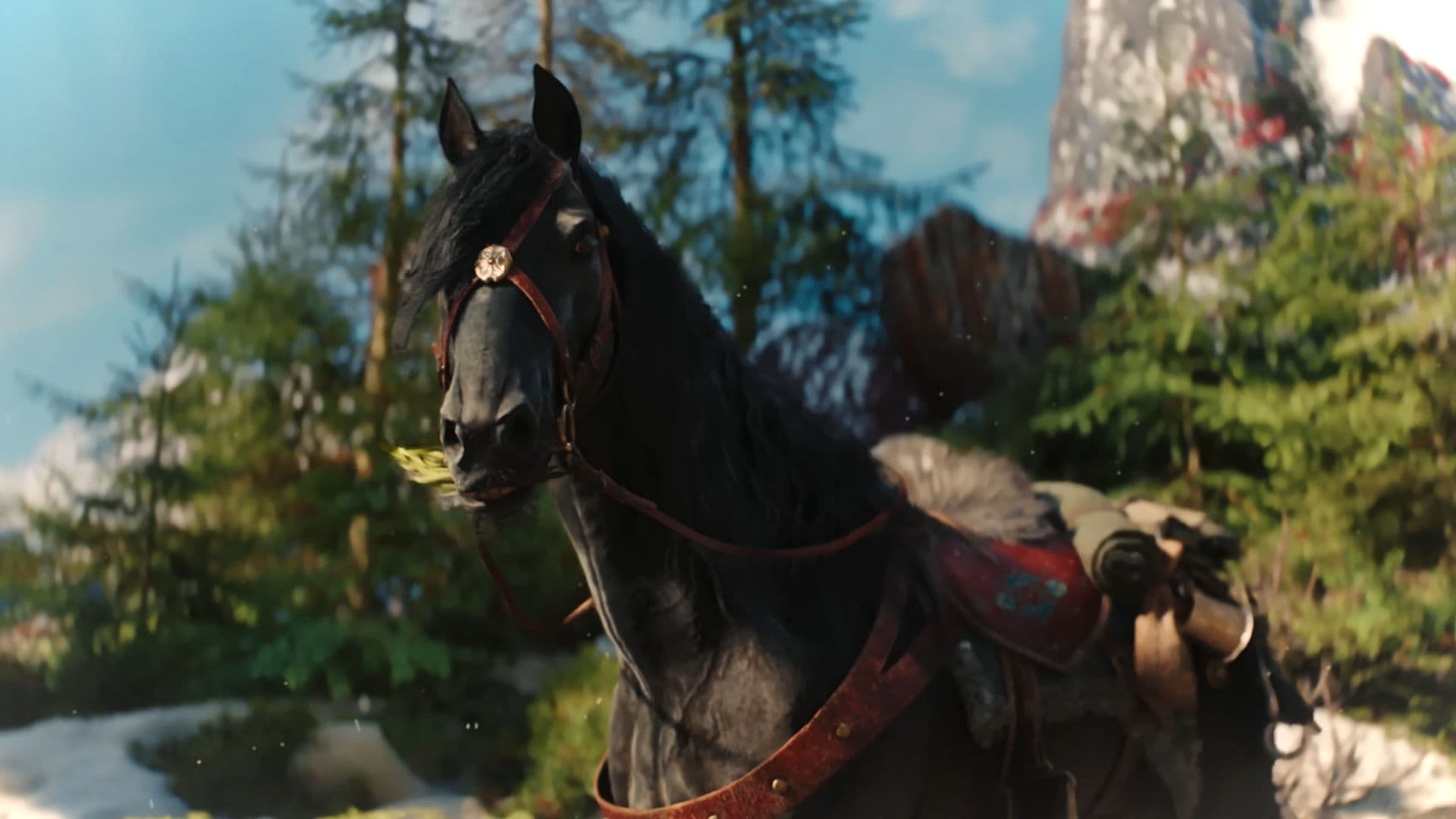
Ciri's companion Kelpie returns to aid her in her new quest.
The promise of moral ambiguity without easy answers is more than a marketing tagline; it’s the core narrative design. Where Geralt’s neutrality often felt like a professional stance, Ciri’s emotional investment means her choices are inherently messier. A quest to resolve a land dispute between settlers and native creatures won’t end with a clean contract and coin. You might broker a fragile peace, but only by sacrificing a sacred grove, seeding a resentment that will fester and erupt dozens of hours later in a surprise ambush that kills a friendly NPC merchant. The developers’ explicit goal to avoid fetch quests and focus on character-driven stories suggests every task will be a potential ethical trap. The hiring of a senior quest designer from Kingdom Come: Deliverance 2’s hardcore mode points toward investigations where “finding the truth” is a subjective, fraught process—you might use magic to coerce a confession, securing a “good” outcome while permanently branding Ciri as a tyrant in that community, locking away future avenues of aid.
This is the brutal elegance of Ciri’s journey: her greatest strength, her capacity for empathy, becomes her most exploitable vulnerability. Choosing to spare a sentient monster out of compassion could directly lead to the death of a village child, a consequence the game will force you to witness.
This weight is amplified by the confirmed, yet carefully circumscribed, return of Geralt. His role as a retired mentor—likely too old for the Path himself—is a masterstroke. He represents the old way, the “professional distance” that Ciri struggles to embody. His advice will be grounded in a lifetime of hard lessons, but applying his cynical wisdom to her personal, emotionally charged situations will create a constant, painful friction. His presence isn’t fan service; it’s a narrative mirror held up to Ciri’s choices, a living reminder of the witcher she could become, for better or worse. This dynamic also raises the narrative stakes immeasurably; the people Ciri grows close to, including her own father figure, are not just quest-givers but potential casualties of her evolving moral code.
The potential literary influence of Sapkowski’s Crossroads of Ravens could deepen this thematic murk. If the novel’s exploration of destiny and fractured realms informs The Witcher IV, we might see Ciri’s choices not merely altering local politics, but actively reshaping the metaphysical fabric of the Continent. A “tough choice” could involve deciding which realm bleeds into another, fundamentally changing the types of monsters that spawn or the magic available to her. This would elevate consequence from the personal and political to the mythic, making every major decision feel like you are carving a new, potentially darker, legend into the world itself. The risk, of course, is that such vast, branching repercussions could lead to narrative dissonance or an ending that, as the developers acknowledged, might be “sad.” But in a saga about the weight of destiny, a truly tragic outcome earned through your own impossible choices could be the most powerful, and yes, rewarding, conclusion of all.
Technical Performance: Unreal Engine 5 and the $800 Million Ambition
When CD Projekt Red announced their shift to Unreal Engine 5, it was a clear declaration: The Witcher IV would not just be a sequel, but a technological leap. That ambition is quantified by a staggering figure—a reported development and marketing budget approaching $800 million. This isn't just a big budget; it's a statement of intent, a promise to deliver a "generational shift" in fidelity and immersion. The pressure is immense, and the early evidence suggests the studio is channeling every dollar into foundational systems that aim to make the Continent feel tangibly alive in ways its predecessor could only hint at.
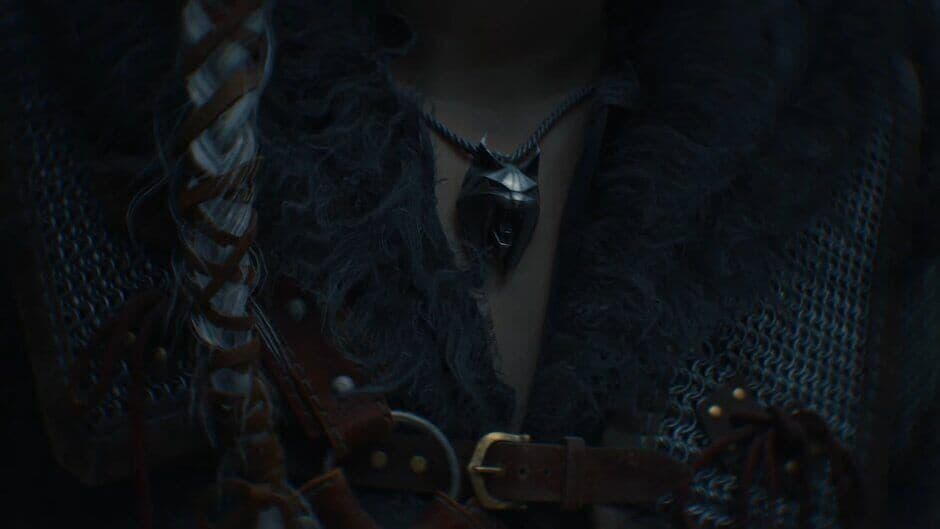
CD Projekt Red's latest project pushes the boundaries of technical performance.
The most immediate payoff of this investment is in the granular, systemic detail promised by UE5. The transition from the proprietary REDengine isn't about chasing flashy particle effects; it's about enabling a new tier of simulation. The tech demo's focus on realistic muscle deformation for Ciri’s horse, Kelpie, is the perfect microcosm. This isn't mere visual flair—it's a commitment to grounded physics that should transform traversal from a simple means of travel into an immersive activity with its own tactile feedback. Similarly, the studied, dense crowds of Valdrest, built from analyses of Novigrad’s chaos, point to a world where NPCs aren't set dressing but a reactive ecosystem. Your presence as Ciri should trigger cascading behaviors, where a drawn sword alters patrol routes and closes social avenues, making the world feel less like a stage and more like an organism you can disrupt.
This is the core value of that astronomical budget: not just in building a bigger world, but in filling it with a million tiny, believable interactions that, in aggregate, create an unparalleled sense of place. The $800 million question is whether this systemic depth extends beyond showcase towns into the wilds between them.
The move to an external engine like UE5 is also a shrewd, post-Cyberpunk lesson in focus. By leveraging Epic’s established toolset for AAA-scale streaming and world-building, CDPR can concentrate their formidable talent on what they do best: narrative design, quest construction, and character writing, rather than wrestling with proprietary engine limitations. This should theoretically lead to greater stability and more ambitious world simulation from day one. However, it also raises the stakes for performance. While we lack hard frame-rate data, the expectation for a "generational shift" sets a high bar: the lush, reactive forests of Kovir and the intricate, bustling ports must run smoothly to sell the illusion. Any significant technical stutter on launch hardware would fracture the very immersion this engine swap is meant to cement.
Audio design, a consistent strength for CDPR, now carries the burden of matching this visual and systemic ambition. The precedent set by the studio’s history—from the haunting fields of Velen to the dense soundscapes of Night City—creates an expectation that The Witcher IV will deliver a similarly masterful auditory layer. The promise of a "more brutal, dark-fantasy world" demands a soundtrack that can pivot from melancholic exploration to visceral terror, and sound design where every monster’s growl, every sword clash, and every rustle in the Kovirian undergrowth is spatially precise and emotionally charged. If the visual fidelity of UE5 shows us a living Continent, the audio must make us feel its breath on our necks. This holistic sensory package is where the game’s massive budget must ultimately crystallize—not in a single screenshot, but in the unshakable feeling that you are inhabiting a world that exists, breathes, and remembers your actions independently of your presence.
Final Verdict: Is The Witcher IV a Worthy Successor to Wild Hunt?
After more than a decade spent in Geralt’s shadow, The Witcher IV delivers a breathtaking, brutal, and profoundly personal evolution of the series’ core fantasy. It is a monumental achievement that justifies its staggering ambition and budget, but it is not a flawless one. The game’s greatest strength—its unflinching commitment to Ciri’s emotionally charged journey—is also the source of its most divisive potential. This isn't a victory lap; it's a hard-fought, often punishing, and ultimately triumphant next step for one of gaming’s most revered franchises.
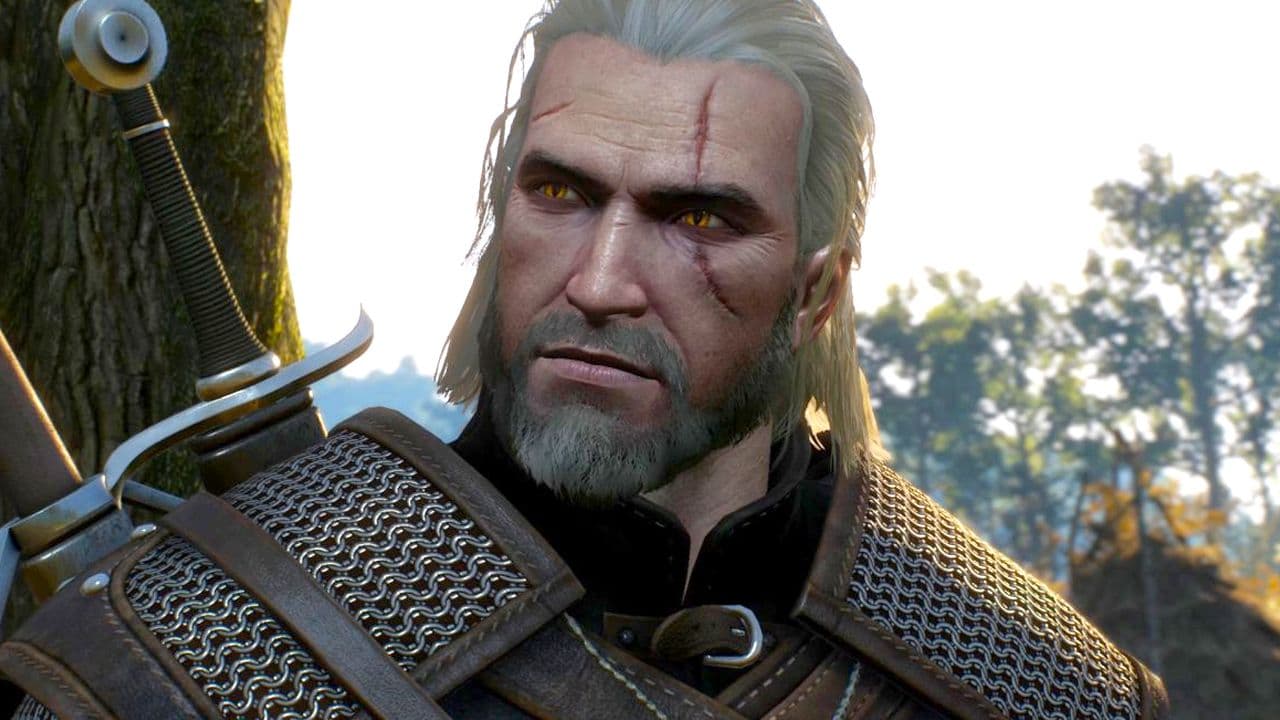
The Witcher 4 must live up to the massive legacy of Wild Hunt.
The pros are transformative. Ciri isn’t just a new protagonist; she’s a narrative and gameplay revolution. Her seamless fusion of swordplay and innate magic, as analyzed earlier, creates a combat rhythm that is more aggressive, spectacular, and deeply tied to her character than Geralt’s methodical style ever was. This personalization extends to the world. The reactive ecosystems of Kovir, powered by Unreal Engine 5’s systemic depth, make the Continent feel alive in a way that goes beyond visual fidelity. An NPC you intimidate in Valdrest might later send thugs to ambush you on a forest trail, or a monster you spare could return as a mutated, territorial alpha. This isn’t just consequence; it’s a world with a memory, and it makes every action feel weighted with tangible, often unpredictable, repercussions.
This is CD Projekt Red operating at the peak of their narrative powers. The promise to purge fetch quests is realized in a cascade of morally ambiguous, character-driven stories where the “right” choice often feels like a personal failure, etching Ciri’s journey with permanent, heartbreaking scars.
However, the specter of The Witcher 3: Wild Hunt looms large, and this sequel makes no attempt to placate those who simply want more of that same experience. The shift in tone is deliberate and stark. Where Geralt’s story often concluded with a weary, hard-won peace, The Witcher IV embraces the developers’ stated willingness to let players’ choices lead to “sad” outcomes. A quest chain you invest twenty hours in can collapse into tragedy because of a single, well-intentioned mistake made hours earlier. This relentless emotional gravity is the game’s biggest gamble. For players seeking a power fantasy or a neatly wrapped heroic tale, it will feel punishing, even alienating. This is a story about the cost of becoming a legend, and it is unafraid to make you pay that cost in the currency of lost allies and broken ideals.
So, who is this for? The Witcher IV is a masterpiece for a specific audience: players who crave narrative weight over narrative comfort, who value systemic reactivity over checklist completion, and who are ready to engage with a protagonist’s psychological journey as deeply as her monster-hunting one. It is less an open-world power trip and more an intimate, epic-scale character drama where the open world serves as an amplifier for Ciri’s personal stakes. The value proposition lies entirely in its quality-over-quantity approach and phenomenal replayability. While the map size is comparable to its predecessor, the density of interwoven stories, the branching consequences that reshape entire regions, and the sheer depth of Ciri’s relationship mechanics mean two playthroughs can feel like entirely different sagas. This isn’t about seeing all the content; it’s about living with the repercussions of your unique path.
The Witcher IV does not dethrone The Witcher 3; it carves out a new, darker throne right beside it. It is a more demanding, more emotionally complex, and more technically ambitious game. It stumbles only under the immense weight of its own narrative ambition, which will inevitably leave some players cold. But for those willing to walk Ciri’s Path—to embrace its brutality, its moral murk, and its breathtaking reactivity—this is not just a worthy successor. It is a generational landmark that redefines what a story-driven RPG can be.
Pros:
- Ciri is a phenomenal protagonist, whose unique personality and magical prowess redefine both combat and storytelling.
- The reactive world of Kovir, powered by UE5, creates an unparalleled sense of a living, breathing ecosystem that remembers your actions.
- A masterclass in narrative design, with morally ambiguous quests that purge fetch-quest filler in favor of devastating, character-driven consequences.
- Exceptional replayability driven by meaningful, branching story paths that can fundamentally alter the world state.
Cons:
- The relentless, often tragic emotional weight of Ciri’s journey may prove divisive and exhausting for some players.
- The high bar set by its predecessor creates an inescapable pressure that the game meets on its own, more brutal terms, which won’t satisfy everyone.
- A focus on dense, systemic storytelling over straightforward checklist activities could frustrate players seeking a more traditional open-world power fantasy.