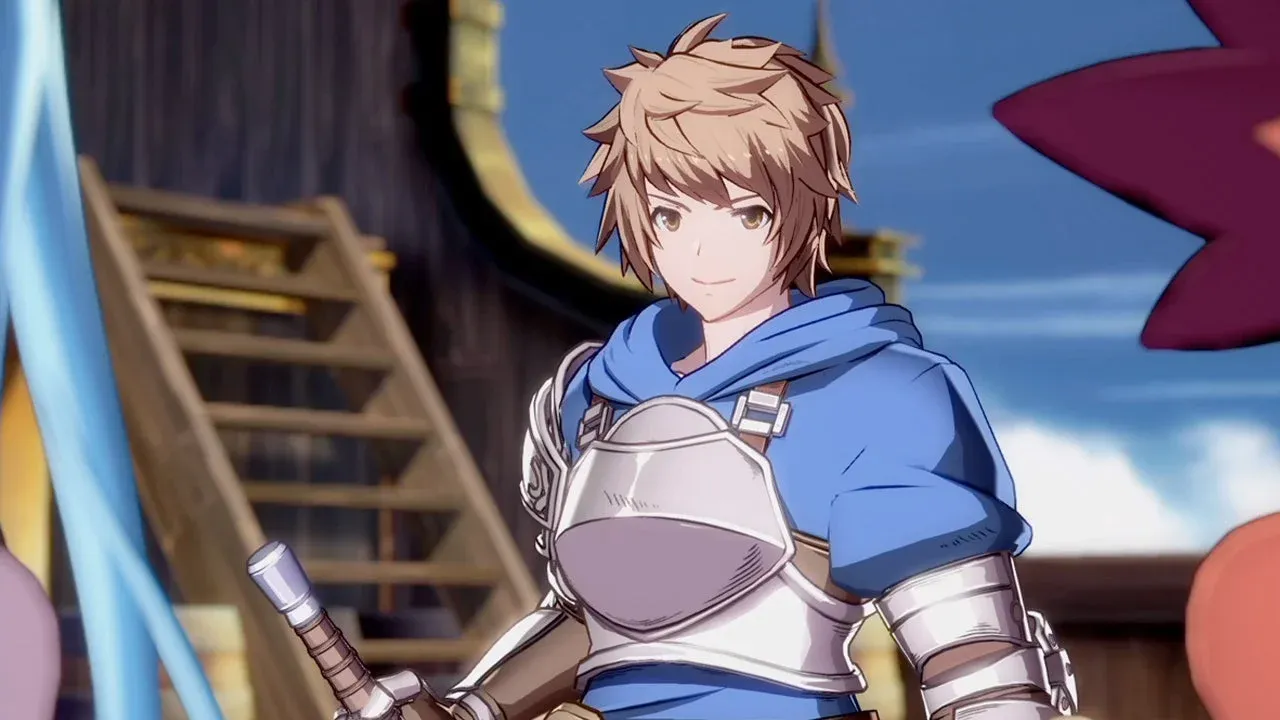
Granblue Fantasy Versus: Rising Review: A Definitive Evolution of the Anime Fighter
Granblue Fantasy Versus: Rising arrives not as a simple re-release, but as a second chance—a full-throated redemption arc for a fighter whose potential was hamstrung by its 2020 launch. The original Granblue Fantasy Versus was a victim of terrible timing, releasing just as the pandemic shuttered arcades and its delay-based netcode rendered online play a ghost town. This is the game that title was always meant to be, a comprehensive overhaul that systematically patches every critical weakness while doubling down on its core strengths. It’s the rare "definitive edition" that feels less like a cash-in and more like a passionate apology, delivered with a feature list so robust it demands attention even in a year packed with genre giants.
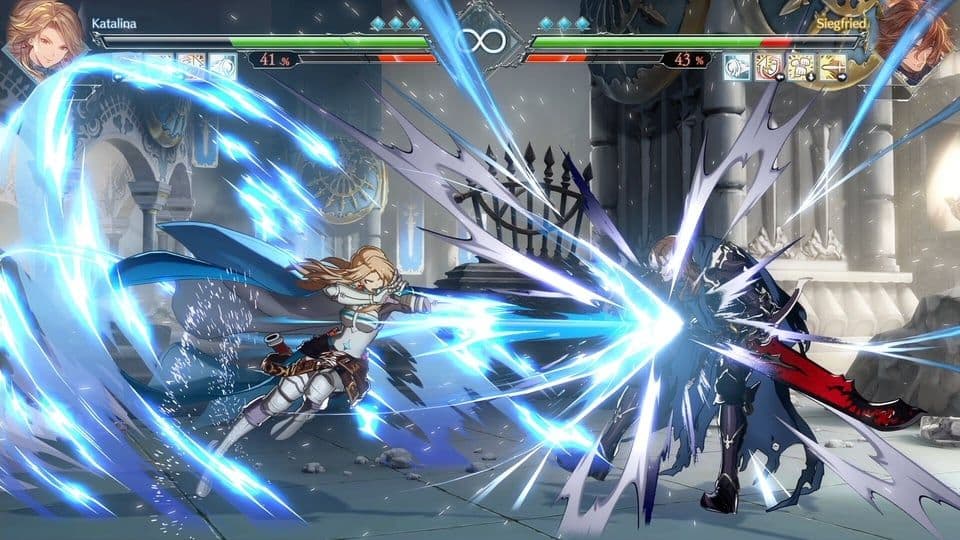
New mechanics like the Bravery system add competitive depth to the combat.
Where Granblue Fantasy Versus: Rising stakes its claim is in its refusal to be a niche product. It is a meticulously crafted bridge between the welcoming accessibility of modern fighters and the deep, methodical footsies of a classic weapon-based brawler.
This positioning is its greatest strength. It’s not a full sequel, but rather the evolutionary leap akin to Guilty Gear Xrd Sign to Rev 2—a version-up that refines, expands, and recontextualizes. The most immediate evidence is the staggering roster. From a meager launch cast of 11, Granblue Fantasy Versus: Rising now boasts 28 fighters at the start, incorporating every DLC character and adding four compelling newcomers like the high-risk, high-reward Siegfried and the technical puppet master Nier. This isn't just quantity; it’s a statement of commitment, offering a playground of diverse archetypes that ensures there’s a character that clicks for every playstyle, from zoning specialists to relentless rushdown.
That commitment to accessibility is the game's foundational pillar. The simplified special move inputs—pressing R1 and a direction—are not a gimmick but a fully supported pathway into the genre. They carry no damage penalty, allowing newcomers to execute the same flashy, screen-filling Skybound Arts as veterans from their first match. Combined with fluid auto-combos, it creates an incredibly low barrier to entry. You can grasp the basics of a character in minutes, not hours, which is a masterclass in onboarding. This design philosophy dares to ask: why should execution be the gatekeeper when the real joy is in the strategic dance of spacing, reads, and resource management?
This brings us to its market context. Releasing in the shadow of Street Fighter 6 and Tekken 8, Granblue Fantasy Versus: Rising could have been lost in the shuffle. Instead, it carves out a vital niche as the premier anime-styled, accessible competitive fighter. It doesn’t try to match the street-level brawling of Capcom or the 3D complexity of Bandai Namco. It offers a slower, more deliberate pace where every swing of a sword or lance feels weighty and consequential, a deliberate throwback to weapon-based fighters like Samurai Shodown. In a landscape often dominated by aggressive, combo-heavy play, Rising’s emphasis on patient neutral and explosive, cinematic punishes feels refreshingly distinct. It’s not trying to dethrone the kings; it’s building a beautifully ornate castle right next door.
Combat Mechanics in Granblue Fantasy Versus: Rising: Depth Beneath the Simplicity
At its core, Granblue Fantasy Versus: Rising is a masterclass in layered accessibility—a fighting game that feels immediately playable but reveals a deep, strategic well of resources to manage. This isn't a game where you master one system and call it a day; it's a constant, thrilling juggling act between your Skybound Arts meter, your special move cooldowns, and the crucial new addition: Bravery Points.
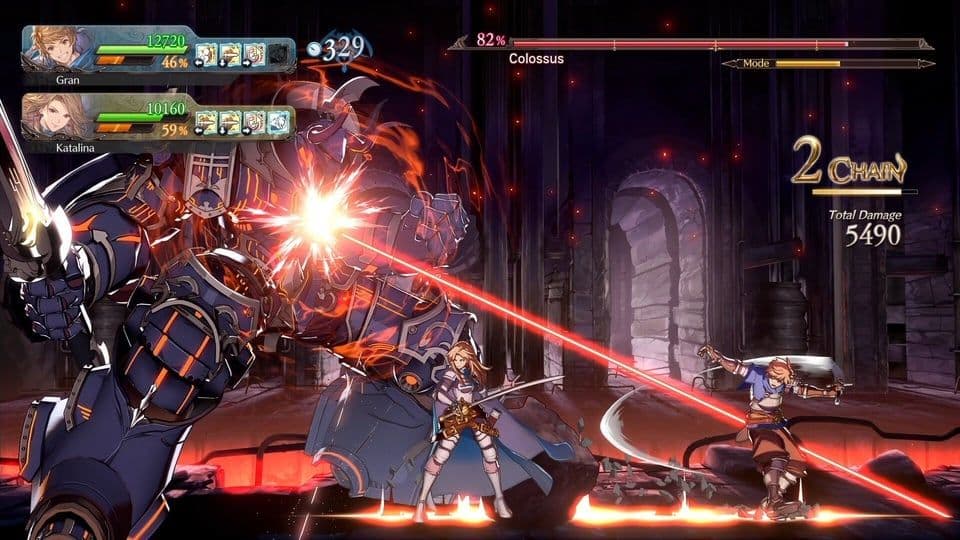
Story mode segments adapt the core fighting mechanics into a beat 'em up format.
The Bravery Point system is the most significant evolution, transforming every round into a high-stakes poker game. You start each round with three BP, and they fuel two critical, opposing actions. Offensively, Raging Strike—a slow, unblockable lunge—can shatter an opponent’s guard, leading to a devastating Raging Chain combo. Defensively, Brave Counter lets you spend a point while blocking to shove an attacker back and steal your turn. The genius twist is that your banked Bravery Points directly increase your defense. Spending them to press an advantage makes you noticeably more vulnerable, a tangible risk that forces profound strategic decisions. Do you spend two points early to secure a round, or hoard them as a defensive buffer, knowing you’re leaving damage on the table? This creates moments of beautiful tension where a player with a life lead but no BP is paradoxically on the back foot.
Where the system sings is in its ability to punish passivity without rewarding mindless aggression. A predictable Raging Strike is laughably easy to jab or spot-dodge, triggering a dramatic slowdown that screams "punish me!" It’s a tool designed to break turtles, not brains.
This strategic depth is amplified by Ultimate Skills. For 50% of your Skybound Arts meter (with 25% refunded on hit), you can supercharge a special move, granting it monstrous new properties. Katalina’s Frozen Blade becomes a full-screen projectile that plows through other fireballs. Siegfried’s down special drags opponents across the stage for a wall splat. These aren't just combo enders; they’re tactical nuclear options that can reverse zoning wars or guarantee a corner carry. Managing this meter alongside your BP creates a compelling economy: do you cash out for a flashy Ultimate Skill confirm, or save for a full Super Skybound Art to close a round?
The roster expansion feeds directly into this mechanical richness. The four new characters aren't just additions; they're designed to explore the system's extremities. Nier is a demanding puppet master who uses her doll, Demon, for oppressive setplay, rewarding players who can manage two entities at once. Grimmnir is a hyper-mobile spell-weaver who places sigils for explosive, teleporting combos. In contrast, Siegfried offers a more straightforward but brutal risk-reward loop, sacrificing chunks of his own health for up to three stacks of a massive damage buff. This variety ensures that the layered mechanics aren't a one-size-fits-all suit; they're a playground where vastly different playstyles can thrive.
This brings us to the most contentious design choice: the simplified inputs. By pressing R1 and a direction, you can execute any special move with zero cooldown or damage penalty—the same output as a perfectly executed quarter-circle motion. For newcomers, this is a godsend, letting them focus on when to use a Dragon Punch rather than how. For purists, it can feel like the game is devaluing a fundamental fighting game skill. The critique has merit, but Granblue Fantasy Versus: Rising smartly mitigates it by making technical inputs still feel valuable; they’re often faster to come out and allow for more precise cancel routes. The game isn’t erasing execution, it’s providing a parallel on-ramp. The real test isn't your dexterity, but your decision-making within the game's rich ecosystem of resources, and on that battlefield, everyone starts on equal footing.
Single-Player Content: Is the Granblue Fantasy Versus: Rising Story Mode Enough?
Here’s the uncomfortable truth: if you’re coming to Granblue Fantasy Versus: Rising for a robust, standalone single-player campaign, you will be disappointed. This is the area where its identity as a "definitive edition" feels most like a compromise, streamlining away the original game’s unique, if flawed, RPG Mode in favor of a more conventional and far less substantial story experience. For the solo player, Granblue Fantasy Versus: Rising is less a destination and more a beautifully decorated waiting room for the online matches to come.
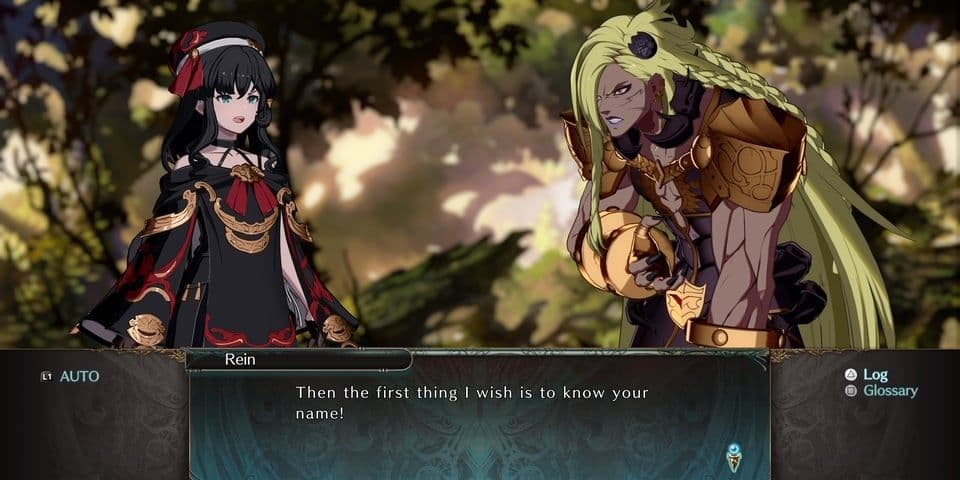
The narrative is presented through a mix of anime cutscenes and visual novel portraits.
The Story Mode is a clear casualty of this streamlining. The original game’s ambitious, if grindy, RPG Mode—where you collected weapons, leveled up characters, and tackled dungeons—has been completely excised. In its place is a linear, three-part visual novel interspersed with combat. The new system lets you equip temporary skills for minor buffs, but the deep sense of progression is gone. This pivot is understandable from a development standpoint—trimming the fat to focus on the fighting core—but it leaves the single-player offering feeling anemic. You’re no longer building a party; you’re just reading a script and occasionally pressing buttons.
The narrative presentation itself is a missed opportunity. Told almost entirely through static character portraits and text boxes, it feels dated when held against the cinematic flair of Street Fighter 6’s World Tour or even Guilty Gear -Strive-’s dynamic storytelling.
This visual novel approach does include full voice acting and a helpful in-game glossary to decode the Granblue universe’s dense lore, but the pacing is disjointed. You’ll bounce from lengthy exposition dumps to brief combat scenarios and back to menu screens, which disrupts any narrative momentum. The story itself, a continuation of the original’s crew-based adventures, is fine—filled with charming character moments, especially from the comedic Lowain trio—but the overarching plot lacks a compelling payoff. Completing the entirely new story content in Granblue Fantasy Versus: Rising takes a scant two to three hours, which feels brief even by fighting game standards.
The combat within this mode is a mixed bag. The standard one-on-one fights are fine, serving as a low-stress environment to try new characters. However, the side-scrolling beat-’em-up sections, where you fight waves of weaker enemies, are where the seams show. The controls feel unwieldy here; your character’s turn speed is sluggish, and directional attacks often whiff as enemies move around you, a problem that simply doesn’t exist in the polished one-on-one duels. These segments aren’t challenging—even late-game bosses pose little threat—and they ultimately feel like padding between story beats rather than a compelling gameplay loop in their own right.
Where the Story Mode briefly sparks to life is in its unique boss encounters. These multi-phase raids, often against giant foes with screen-filling attacks, provide a welcome change of pace. They introduce unique conditions, like destroying specific parts or surviving timed onslaughts, that briefly mimic the spectacle of an MMO raid. These moments hint at what a more ambitious single-player mode could have been—a curated series of spectacular set pieces rather than a repetitive trudge through mobs. It’s a glimpse of potential that makes the surrounding simplicity all the more noticeable.
Ultimately, the single-player content in Granblue Fantasy Versus: Rising serves its purpose as an extended tutorial and lore delivery system, but little more. It’s a competent, if underwhelming, package that gets you acquainted with the world and the controls before ushering you toward the door marked "Online Lobby." For players who live for the grind of unlocking gear and conquering AI campaigns, this will be the game’s most glaring shortcoming. For everyone else, it’s a passable, if forgettable, prelude to the main event.
Online Play and Grand Bruise: The Social Heart of Rising
If the original Granblue Fantasy Versus was a fighter trapped in offline isolation, then Granblue Fantasy Versus: Rising is its jubilant, cross-platform coming-out party. This is where the game’s redemption arc is fully realized, transforming its greatest weakness into a towering strength. The implementation of rollback netcode is not just an upgrade; it’s a complete paradigm shift for the experience. Matches feel buttery smooth, with the responsive, near-local feel that modern competitive play demands. Testing connections across continents yielded consistently playable matches, a stark contrast to the delay-based ghost town of the original. This technical foundation is the single most important change in Granblue Fantasy Versus: Rising, and it elevates the entire package from a curious novelty to a legitimate online destination.
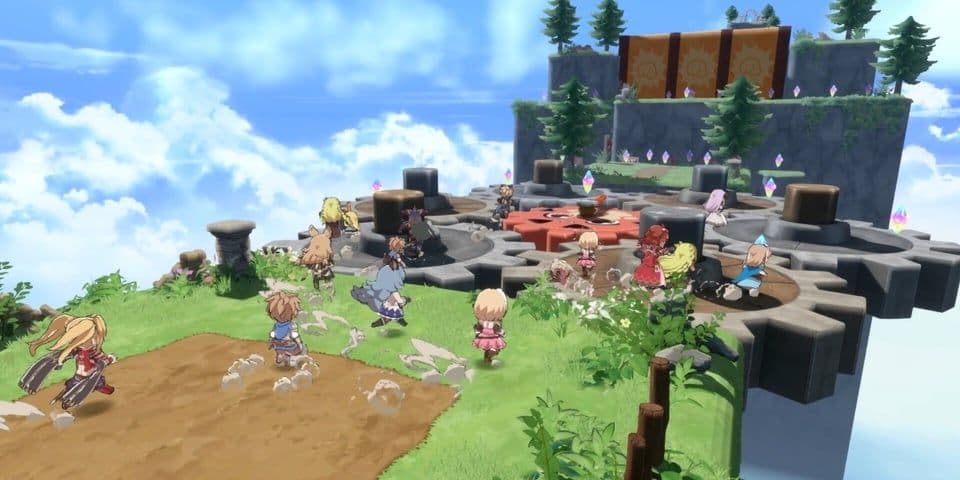
The new Grand Bruise! mode offers Fall Guys-style mini-games.
That destination is made infinitely more populous by full crossplay support between PlayStation 4, PlayStation 5, and PC. In a genre where player population fragmentation can be a death sentence, this decision is nothing short of vital. You’re not just matchmaking within your platform’s pool; you’re tapping into the entire global community from the moment you boot up. This ensures quick queue times for ranked and casual matches at virtually any hour, future-proofing the game and creating the unified competitive scene the 2020 release could only dream of. The social potential is funneled into a virtual lobby system where players control chibi avatars, challenge others at arcade cabinets, and engage in mini-games like soccer or a crane game for cosmetics.
Where this social space stumbles is in its technical performance. Movement in these lobbies is locked to 30fps, a jarring contrast to the silky 60fps of combat, and general instability or frame rate dips were commonly reported. It’s a fun idea that feels technically half-baked next to the polish of the core game.
The most audacious social experiment, however, is Grand Bruise Legends. This full-blown, Fall Guys-inspired party mode is a chaotic and genuinely fun diversion. Using your lobby avatar, you compete with up to 30 players in a series of mini-games, from obstacle course races to survival challenges where you bomb monsters and sabotage opponents with Mario Kart-style items. It’s silly, accessible, and brilliantly leverages the game’s aesthetic for pure, low-stakes fun. While the current map selection is limited and finding a full lobby can sometimes be a wait, its inclusion—especially in the free version—is a masterstroke that broadens the game’s appeal far beyond the fighting game hardcore.
And that free version is perhaps Cygames’ smartest move. Offering full access to Grand Bruise, the permanent character Gran, and a rotating selection of three other fighters, it serves as a perfect, zero-risk demo. Prospective players can test the netcode, experiment with simplified inputs, and experience the core gameplay loop without spending a dime. For a franchise seeking to rebuild its fighting game presence, it’s an invaluable tool for community growth, effectively eliminating buyer’s remorse and welcoming curious newcomers directly into the ecosystem.
The online experience isn’t without its quirks. The game’s always-online requirement is a double-edged sword; losing server connection boots you to the main menu even during solo Story Mode, which is an unforgivable frustration. Furthermore, the matchmaking can feel like a “luck of the draw,” often pitting newcomers against seasoned veterans with little indication of the skill gap beforehand—a common issue in niche fighters with a top-heavy player base. Yet, these are growing pains around a fundamentally healthy core. Granblue Fantasy Versus: Rising has successfully built the vibrant, technically competent online playground its predecessor desperately needed, making it not just a great fighter to own, but a compelling world to log into.
Technical Performance and Visuals: The Arc System Works Aesthetic
If there’s one area where Granblue Fantasy Versus: Rising has never been in question, it’s the sheer, unadulterated spectacle of its presentation. Arc System Works has spent over a decade perfecting the art of translating 2D anime aesthetics into breathtaking 3D spaces, and this game stands as perhaps their most visually cohesive work yet. It’s a masterclass in stylized fidelity, where every particle effect and character animation feels ripped from a high-budget production. Yet, this artistic triumph is frustratingly marred by a PC port that feels like an afterthought, and a localization that occasionally stumbles, creating a jarring disconnect between what you see and what you read.
The visual presentation is Granblue Fantasy Versus: Rising's most immediate and enduring triumph. Arc System Works’ signature cell-shading is deployed with surgical precision here, creating characters that look and move like lavish, hand-drawn sprites inhabiting a 2.5D diorama. The animation work is nothing short of phenomenal, especially in the Super Skybound Arts. These cinematic finishers aren't just functional; they are narrative climaxes in miniature, packed with personality—like Narmaya's graceful, multi-slash iaijutsu or Siegfried's earth-shattering dragon slams. The effect is so convincing that during heated exchanges, you forget you’re watching 3D models. This extends to the stages, which are richly detailed yet unobtrusive, ensuring the vibrant character models always remain the focal point. It’s a game that earns its "anime fighter" label not just through art style, but through the sheer fluidity and expressiveness of its motion.
The soundtrack deserves its own paragraph. Composed of a sweeping mix of orchestral grandeur and pulse-pounding vocal rock tracks, it perfectly underscores every mood—from the melancholic exploration themes of the story mode to the thunderous, adrenaline-fueled arrangements that accompany a final-round comeback. It’s the kind of score that earns a permanent spot on a playlist.
Audio excellence extends to the voice work, which is fully voiced in both English and Japanese. The English dub, in particular, is a pleasant surprise—one of the better efforts in a Japanese fighting game, with the comedic trio of Lowain and his brothers serving as a standout highlight. The sound design itself is crisp and impactful; every sword clash, magical burst, and guard crush carries satisfying weight, making the action feel as good as it looks. This holistic audiovisual package is a key part of the game’s accessibility, using spectacle and sound as intuitive feedback for complex interactions.
However, this polish evaporates when you examine the technical foundations on PC. The port is functional but barebones, lacking modern amenities like DLSS or FSR support that have become standard for performance scaling. More egregiously, the resolution settings are described as "wonky," with some users reporting the need to manually edit configuration files just to achieve proper scaling or improve character model smoothness. While the game isn't demanding and runs well on a wide range of hardware—including handheld PCs like the Steam Deck at high settings—these omissions and quirks feel out of place in a 2023 release. They paint a picture of a development priority focused squarely on the console experience, leaving the PC version to merely function rather than excel.
This inconsistency carries over to the game's text. Multiple sources note amateurish localization errors and subtitle mistakes, particularly in non-native language support. While these errors might not ruin the core gameplay, they create moments of unintentional comedy or confusion during the story mode's visual novel segments, undermining the otherwise premium presentation. When a game invests this heavily in voice acting and artistic cohesion, clunky translation sticks out like a sore thumb, reminding you that you're playing a translated product rather than living in its world.
Ultimately, Granblue Fantasy Versus: Rising presents a fascinating duality. It is arguably one of the most beautiful fighting games ever made, a technical and artistic showcase that fully delivers on the fantasy of its source material. Yet, it is wrapped in a technical package on PC that lacks refinement, and a localization that occasionally lacks care. The core experience—the fights themselves—is visually and sonically flawless. It’s in the surrounding infrastructure that the seams show, proving that even in a redemption story, some chapters are written with more passion than others.
Granblue Fantasy Versus: Rising Verdict: Is it the Best Entry Point for Fighting Games?
So, here’s the final verdict on Granblue Fantasy Versus: Rising: it’s a game of two distinct halves, and which one you buy depends entirely on which side of the screen you sit. As a pure fighting game, it’s a masterclass in accessibility and polish, a top-tier contender that deserves a spot in any fan’s rotation. As a product, it’s a frustratingly mixed bag of generous offerings and bafflingly aggressive monetization.
The core package is undeniably excellent. The stellar rollback netcode and full crossplay have transformed this from a pandemic-era footnote into a vibrant, living community. You can find a match at any hour, and it will feel smooth and responsive—a non-negotiable foundation that the original tragically lacked. Combined with the gorgeous ArcSys presentation, the massively expanded 28-character roster, and the brilliantly layered Bravery Point system, you have one of the most welcoming and strategically rich anime fighters on the market. It’s a game where you can grasp the basics in minutes but spend months mastering the economy of meter, cooldowns, and BP. For newcomers intimidated by the genre, this is arguably the best on-ramp available, especially with its robust free version acting as a zero-risk trial.
However, the moment you step outside the ring, the cracks in the foundation become impossible to ignore. The game’s value proposition is a confusing maze of smart decisions and predatory pitfalls.
This is most apparent in its DLC strategy. While the base roster is generous, the pricing for future content feels designed to punish hesitation. The Character Pass, which includes six upcoming fighters, costs a staggering $49.99—the same price as the full game. When contemporaries like Guilty Gear Strive offer a similar pass for half the price, it’s impossible to see this as anything but an overpriced barrier to long-term engagement. This makes the Deluxe Edition the only sensible purchase for anyone serious about the game, as buying the Standard Edition and upgrading later is a financial trap. It’s a cynical approach that sours an otherwise redemptive package.
The other major compromise is the single-player experience. As detailed earlier, the streamlined Story Mode is a pale shadow of the original’s ambitious RPG Mode, offering a scant few hours of simplistic beat-’em-up action and visual novel exposition. For players who thrive on solo content, this is a deal-breaker. Furthermore, the always-online requirement is an unforgivable frustration; losing server connection boots you to the main menu even during a solo story boss fight, forcing you to replay content through no fault of your own. In an era where preserving games matters, this server-dependency is a significant black mark.
Critics have largely recognized this duality, awarding Granblue Fantasy Versus: Rising an aggregated Metascore of 81—a score that perfectly encapsulates its "generally favorable" but not universally acclaimed status. It’s a “Gran Slam” for the competitive crowd and a cautious recommendation for everyone else. The game excels precisely where it needed to: as a beautiful, accessible, and technically superb fighting game engine. It just falters as a holistic consumer product.
Final Recommendation:
If you’re here for the fight—to learn matchups, climb ranked ladders, and lose yourself in the sublime dance of its combat systems—then Granblue Fantasy Versus: Rising is an easy, enthusiastic recommendation, especially in its Deluxe Edition. Download the free version first to confirm the netcode and feel work for you. If your primary interest is a meaty solo campaign or you’re sensitive to aggressive post-launch monetization, however, this redemption story still has a few chapters left unwritten.
Pros:
- Superb rollback netcode and crossplay create a thriving online ecosystem.
- A masterclass in fighting game accessibility without sacrificing strategic depth.
- Gorgeous visuals and a massive, diverse roster of 28 characters at launch.
- The free version is a generous, zero-risk way to try the core experience.
Cons:
- Stripped-down single-player content lacks the depth and longevity of its predecessor.
- Character Pass pricing is exorbitant compared to genre standards.
- Always-online requirement is a major frustration for solo and offline play.
- The social lobby and PC port feel technically unpolished next to the flawless core combat.