Star Wars: Eclipse and the High Republic: A Bold New Era for the Franchise
Star Wars: Eclipse arrives with a pedigree of both immense promise and deep-seated skepticism. It’s a game defined by its lofty ambitions and its protracted, troubled path to existence—a tension that colors every aspect of its long-awaited reveal.
At its core, Star Wars: Eclipse represents a bold narrative gamble for the franchise. Developed by Quantic Dream, the studio behind Detroit: Become Human, and now published under NetEase following its 2022 acquisition, the game aims to transplant that studio’s signature branching, choice-driven drama into a galaxy far, far away. This is not a safe sequel to familiar stories; it’s a plunge into the High Republic era, hundreds of years before the Skywalker Saga. The potential here is thrilling: exploring the Jedi Order and the Galactic Republic at their zenith, a "golden age" free from the narrative baggage of the Empire and the Rebellion. The promise of charting an "uncharted region of the Outer Rim" with never-before-seen species and planets offers a blank canvas for genuine discovery, a rarity in a franchise often content to revisit the same iconic locales.
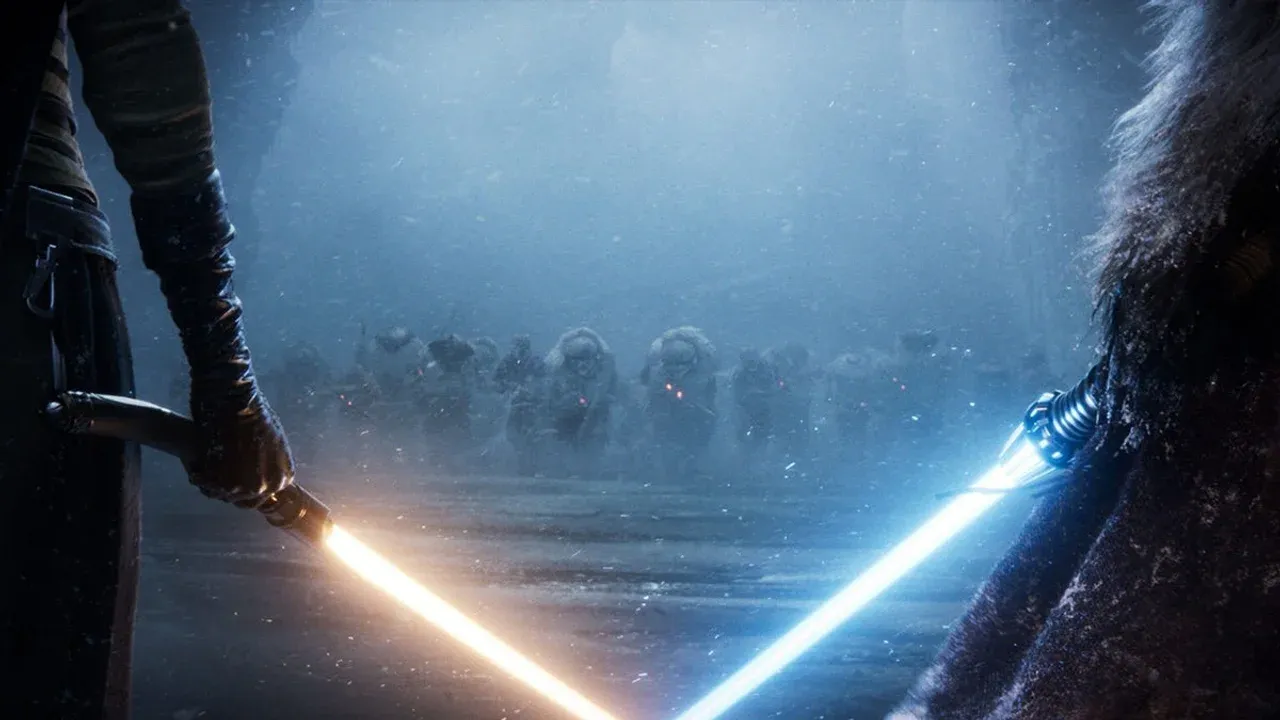
Quantic Dream is developing a new narrative-driven experience in the High Republic.
This is the game's foundational appeal: the chance to be a pioneer in a pristine, optimistic corner of the Star Wars mythos, wielding narrative choice as your primary weapon in a time of political tension rather than outright war.
Yet, that promise has been shrouded in a frustrating and concerning silence since its dazzling cinematic reveal at The Game Awards in 2021. Five years is a lifetime in game development, and the absence of any substantive gameplay footage or mechanics deep-dive has transformed initial excitement into wary apprehension. Reports as recent as April 2026 describe development as "very slow going," with "very little progress over months." For a project of this scale and licensing cost, such stagnation isn't just a delay—it's a red flag about fundamental production challenges, resource allocation, or creative direction. The game exists in a state of perpetual "years off," its future seemingly contingent on factors far removed from its own quality.
This leads to the uncomfortable, meta-critical reality framing this entire review: Star Wars: Eclipse cannot be evaluated purely on its creative merits because its very existence feels precarious. The reported financial dependency on the success of Quantic Dream's other project, Spellcasters Chronicles, casts a long shadow. It creates a scenario where the fate of this ambitious, story-driven single-player epic is potentially tied to the performance of a free-to-play multiplayer title—a bizarre and worrying proposition for fans. The High Republic's golden age, it seems, is being built on an alarmingly shaky foundation.
Gameplay in Star Wars: Eclipse: Can Quantic Dream Handle Real Action?
The most pressing question surrounding Star Wars: Eclipse isn't about its story, but its hands. Can a studio famous for interactive movies—where a tense negotiation is resolved through dialogue choices and a well-timed button prompt—successfully build a satisfying, real-time action game set in the galaxy’s most kinetic era? Quantic Dream’s promise of a "more traditional action experience" is both the game’s most exciting evolution and its greatest risk, a pivot that feels necessary for the Star Wars license but entirely unproven for this developer.
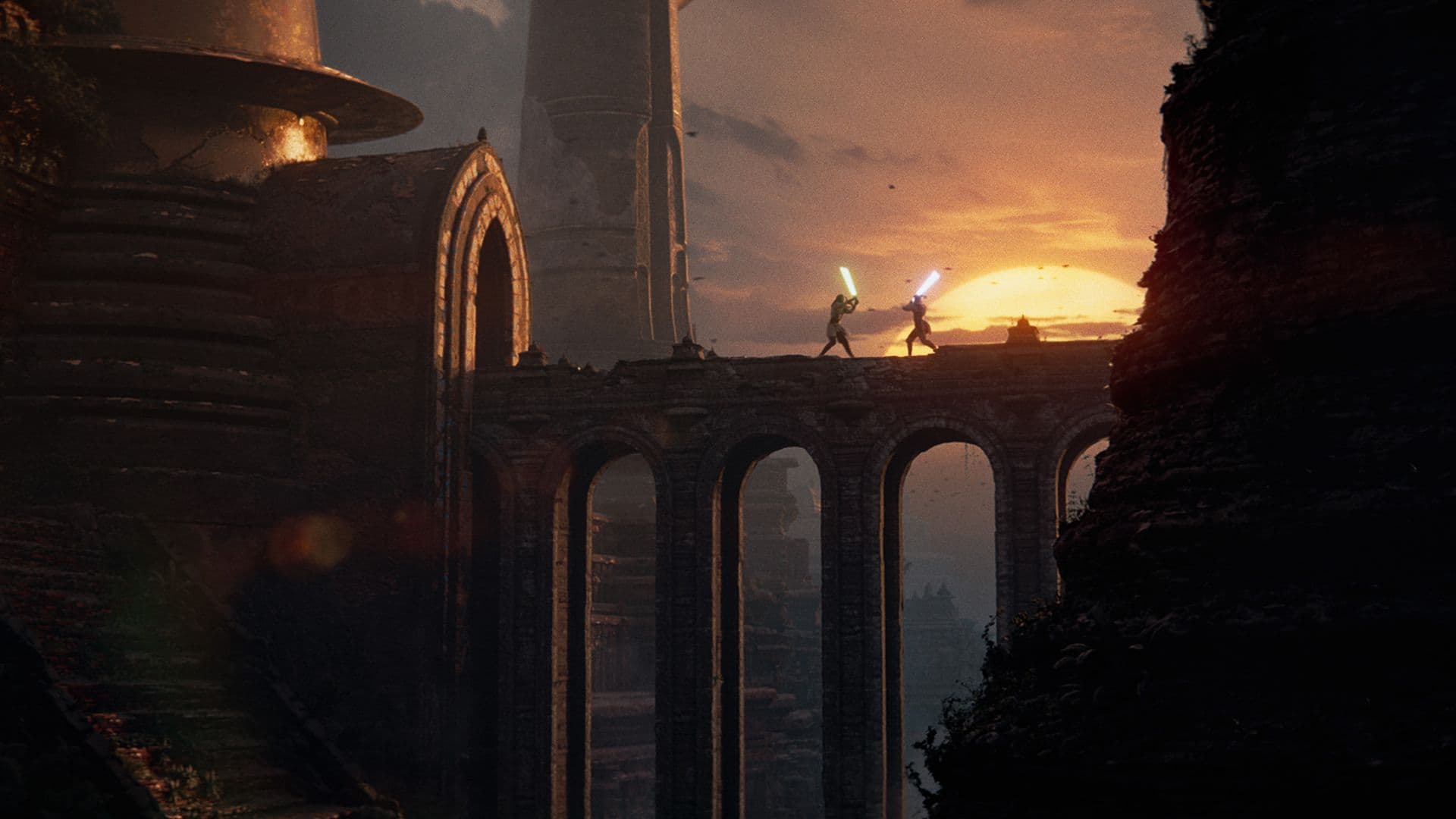
A lightsaber duel suggests a shift toward more traditional action mechanics.
The potential of this hybrid design is genuinely compelling. Blending the studio’s signature, branching "tapestry of interlaced destinies" with active lightsaber duels and blaster fights could create a unique rhythm. Imagine a mission where a morally ambiguous choice made in a council chamber directly alters the arsenal and aggression of the enemies you face in the next combat sequence. This is the dream: a game where narrative weight isn't just felt in cutscenes, but in the tangible, mechanical consequences of a firefight. Your affiliation with a faction could change enemy AI behavior, or a spared character might provide a crucial distraction during a boss encounter. The High Republic setting, with the Jedi at their peak, demands a sense of physical power and grace that Quantic Dream’s previous, more restrained titles never attempted to deliver.
This ambition is structurally supported by a notable studio split: a new North American team, staffed by veterans from Ubisoft and Eidos Montreal, is tasked with action and world design, while the Paris HQ handles the story. On paper, this is a smart play—leveraging expertise in open-world systems and combat mechanics that Quantic Dream lacks. In practice, it’s a high-wire act of creative integration. The seamless fusion of dense, choice-driven narrative and responsive, weighty combat is a rare feat; if the two halves feel disjointed, the entire fantasy crumbles.
This brings us to the core of the skepticism, perfectly crystallized by five years of radio silence. The complete absence of any in-game footage, mechanics demonstration, or combat deep-dive is deafening. When the only visual reference is a 2021 cinematic trailer, it’s impossible to evaluate this crucial pillar of the game. This void fuels legitimate criticism, like Alice Bell’s prediction in Rock Paper Shotgun of "QTE lightsaber fights"—a fear that Quantic Dream will merely reskin the quick-time event scaffolding of Heavy Rain or Detroit: Become Human with a Star Wars veneer, rather than build a combat system with the depth and player agency of a Jedi: Fallen Order. For a game banking on "traditional action," this lack of transparency isn't just a marketing misstep; it’s a failure to substantiate its core promise.
The tension here is defining. If executed well, Star Wars: Eclipse could be a groundbreaking synthesis of narrative consequence and visceral action. If the studio stumbles, it risks delivering the worst of both worlds: a combat system that feels like a shallow, intrusive minigame interrupting its story, and a story whose branches feel disconnected from the action that comprises 50% of the play experience. Until Quantic Dream shows its hand, this entire pillar of the game remains a question mark written in worrisome, fading ink.
Narrative Ambition: The 'Tapestry of Interlaced Destinies' in the Outer Rim
If the action mechanics are Star Wars: Eclipse's greatest unknown, its narrative framework is the most familiar—and therefore, the most fraught with peril. Quantic Dream has staked its reputation on the promise of a "tapestry of interlaced destinies," weaving an ensemble cast through a branching story of political intrigue. This is the studio's home turf, but transplanting that formula into the pristine, hopeful era of the High Republic creates a fascinating tension between ambitious potential and the studio's own notorious writing pitfalls.
The game's narrative ambitions are tied to Quantic Dream's signature branching storytelling.
The concept of an ensemble cast is, on paper, a perfect fit for this setting. Playing as multiple characters across the Outer Rim—a pragmatic smuggler, an idealistic Jedi Padawan, a cunning diplomat—could offer a richer, more systemic view of the galaxy than any single protagonist. The promise that each character possesses their own morality and motivations, and that they will meaningfully impact each other's paths, suggests a narrative where your choices as the smuggler could close doors (or open hostile ones) for the Jedi several chapters later. This isn't just branching; it's braiding, aiming for a cause-and-effect depth where no character's story exists in a vacuum. In a franchise often focused on singular heroes, this multi-perspective approach to the "golden age of the Jedi" could genuinely deconstruct the era's peace, showing how it’s maintained—or undermined—from every level of society.
This structural ambition is where Star Wars: Eclipse could shine brightest, using its interactive nature to explore the grey areas of a supposedly golden age in a way books and comics cannot.
Where this ambition slams directly into Quantic Dream's historical limitations is in the execution of those branching consequences. The studio's past games, particularly Detroit: Become Human, demonstrate a mastery of branching pathways but often falter in branching meaning. Choices frequently manifest as dramatic, immediate pivots (a character lives or dies) rather than nuanced, accumulating shifts in tone, alliance, or philosophy. The concern for Star Wars: Eclipse is that its "dramatic repercussions" might default to similarly binary, melodramatic forks—pushing a button to save one faction leader dooms another, in a way that feels like managing a flowchart of casualties rather than shaping a living political landscape. The stated focus on political tensions over a simple Sith vs. Jedi conflict is the right instinct, but it demands a writer's scalpel, not a sledgehammer.
This brings us to the unavoidable specter haunting the narrative: David Cage's influence and Quantic Dream's legacy of "facile writing." The criticism, exemplified by Rock Paper Shotgun’s evisceration of Detroit, is that the studio tends to cloak simplistic, heavy-handed allegories in a glossy cinematic sheen. In Detroit, androids singing "We Shall Overcome" or explicitly asking "who is the real monster?!" after being tortured reduced complex civil rights parallels to blunt, awkward metaphor. The fear for Star Wars: Eclipse is that the nuanced political tensions of the Outer Rim—a premise ripe for stories about resource scarcity, colonial expansion, and the Republic's bureaucratic overreach—could be flattened into Cage’s signature style of grandiose, emotionally manipulative simplicity. Will a dispute over trade routes become a ham-fisted allegory for immigration? Will a Jedi's crisis of faith be resolved with a ponderous, on-the-nose monologue about the nature of power? The Star Wars universe has always dealt in archetypes, but it thrives on execution and heart, two qualities that have often eluded this studio’s writing room.
The ultimate test for Star Wars: Eclipse won't be whether its branches exist, but whether they feel grown from the rich soil of its setting or mechanically grafted onto a familiar, creaky framework. A successful narrative here would make you feel the weight of a diplomatic slight three chapters later, or have a character's worldview authentically evolve based on intertwined stories, not just a morality meter hitting a threshold. A failure would see the High Republic's unique potential squandered on a well-produced but hollow choice engine, where the fate of the Outer Rim boils down to a series of A/B decisions dressed in Jedi robes. The dream is a galaxy shaped by your hand. The danger is simply following a pre-scripted constellation, with the illusion of choice as your only guide.
Technical Hurdles and the Financial Shadow of Spellcasters Chronicles
The most compelling story surrounding Star Wars: Eclipse isn't set in the High Republic—it’s unfolding in the boardrooms and development servers of its own studio. Five years after its grand cinematic reveal, the game exists in a state of perpetual vaporware, a project defined more by troubling financial reports and ominous silence than by any tangible gameplay. This isn't just a delay; it’s a development purgatory that fundamentally shifts the conversation from "what will this game be?" to "will this game ever be?"
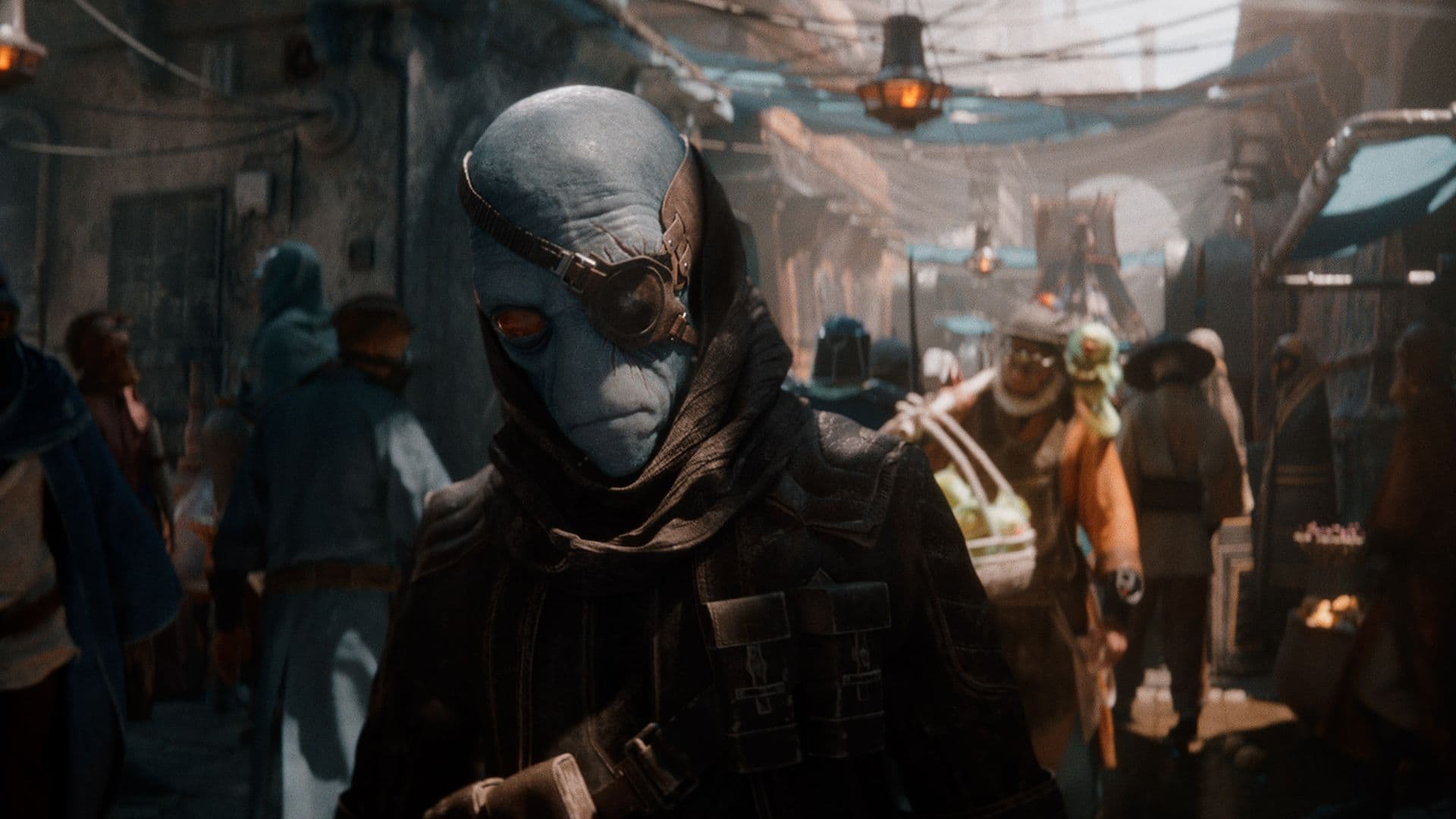
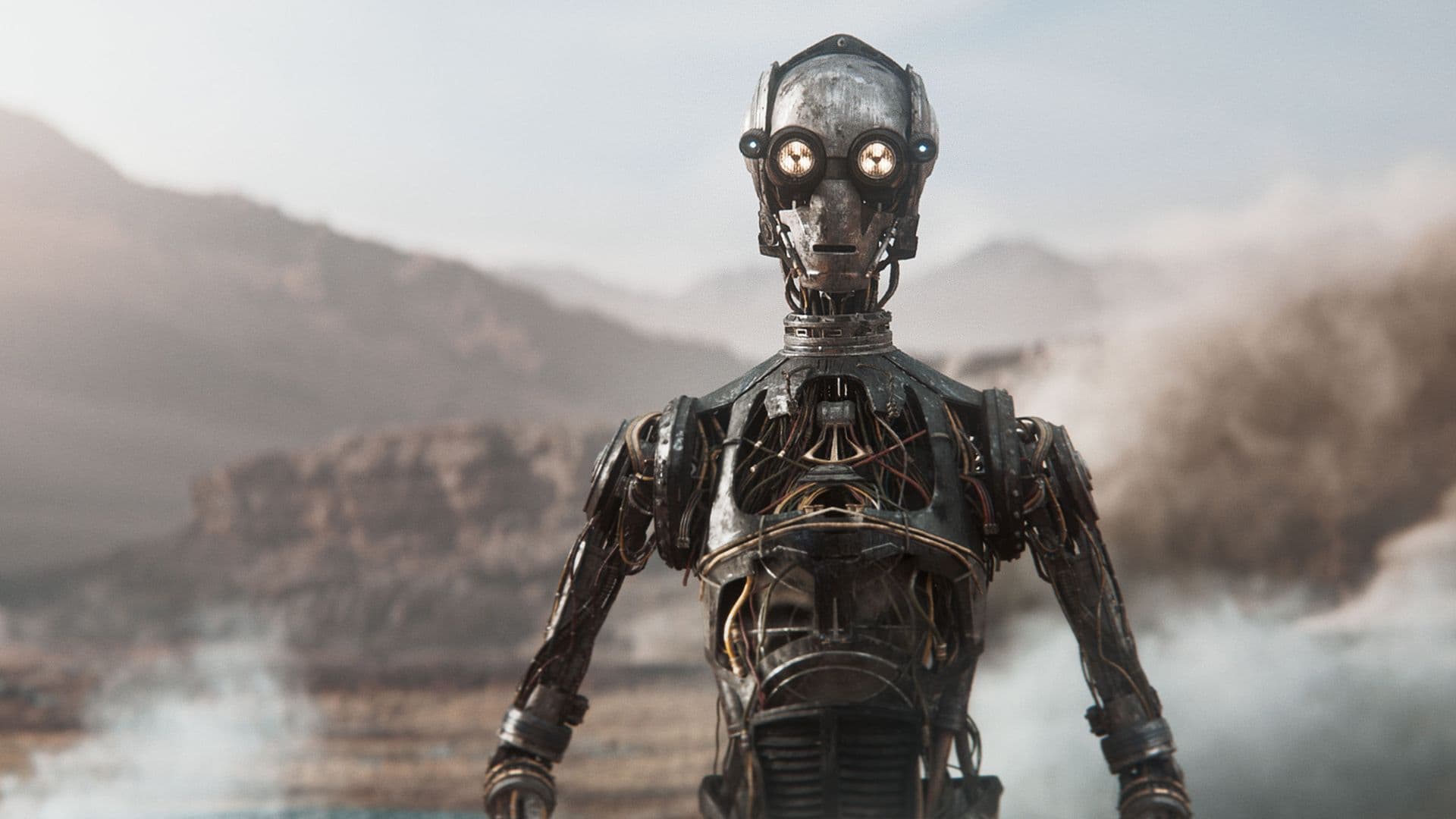
Quantic Dream has addressed rumors regarding the technical state of the game.
The timeline itself tells a damning story. When Star Wars: Eclipse was announced at The Game Awards in late 2021, industry whispers suggested a 3-4 year development window, targeting a 2024-2025 release. That window has not only closed but been left far behind, with current estimates in 2026 still feeling hopelessly optimistic given the complete absence of any in-game demonstration. For a project of this licensed magnitude, this level of radio silence is unprecedented and alarming. It transforms the initial excitement of the reveal into a frustrating waiting game, where each passing year without a substantive update erodes confidence and fuels speculation that the project is fundamentally troubled. The promise of a game on PC, PlayStation 5, and Xbox Series X/S feels like a for a product that may never materialize on any platform.
The core issue is no longer one of creative execution, but of financial viability. The most critical analysis of Star Wars: Eclipse must now look past its branching narrative and examine the precarious business model supposedly underpinning it.
This is where the shadow of Spellcasters Chronicles looms largest. According to reports from Insider Gaming in April 2026, the future investment in Star Wars: Eclipse is directly tied to the commercial performance of Quantic Dream's free-to-play multiplayer title. This creates a bizarre and deeply concerning dependency: the fate of a premium, narrative-driven, single-player Star Wars epic is allegedly gambling on the success of a studio's pivot into the volatile live-service arena. Spellcasters Chronicles, currently in Early Access with "Mixed" reviews on Steam, is an untested revenue stream being asked to bankroll one of the most expensive genres in development. It’s a Hail Mary financial strategy that places Star Wars: Eclipse on a foundation of sand, vulnerable to the shifting winds of player engagement and microtransaction revenue. If the report is accurate, NetEase's continued funding is conditional, threatening the project with cancellation or drastic downsizing not due to creative failure, but because an unrelated game failed to hit its metrics.
This casts CEO Guillaume de Fondaumière’s early-2025 assurances of "full pace" development in a starkly different light. While he stated that Quantic Dream's projects were unaffected by layoffs at parent company NetEase, the subsequent reports of "very little progress over months" suggest those assurances may have been more about studio stability than project velocity. The dissonance between official statements of confidence and the leaked reality of a stalled production is the hallmark of a project in development hell. The "re-evaluation of investment" mentioned in reports is corporate-speak for a potential axe hanging over the entire endeavor, making every month of silence feel less like secrecy and more like a death rattle.
For the player, this financial and production turmoil has a direct, tangible impact: it destroys trust. Why should anyone invest emotional capital in the lore of the High Republic or the fates of an ensemble cast when the game itself might be cancelled tomorrow? The grand promise of a "tapestry of interlaced destinies" feels hollow when the threads holding the project together appear so frayed. Star Wars: Eclipse risks becoming a cautionary tale—not of a bad game, but of a great idea suffocated by an unsustainable production model, where the golden age of the Jedi was undone not by a Sith Lord, but by a spreadsheet.
Final Verdict: Is Star Wars: Eclipse a Dream or a Distant Mirage?
So, after all this analysis, where does that leave a potential player? The final verdict on Star Wars: Eclipse is not a simple "buy" or "skip"—it's a conditional recommendation built on a foundation of immense "ifs." This is a game that exists more in the realm of potential than product, a tantalizing dream whose realization is perpetually obscured by the fog of its own troubled development. Your decision to board this ship hinges entirely on your tolerance for risk and your faith that a studio can fundamentally reinvent itself.
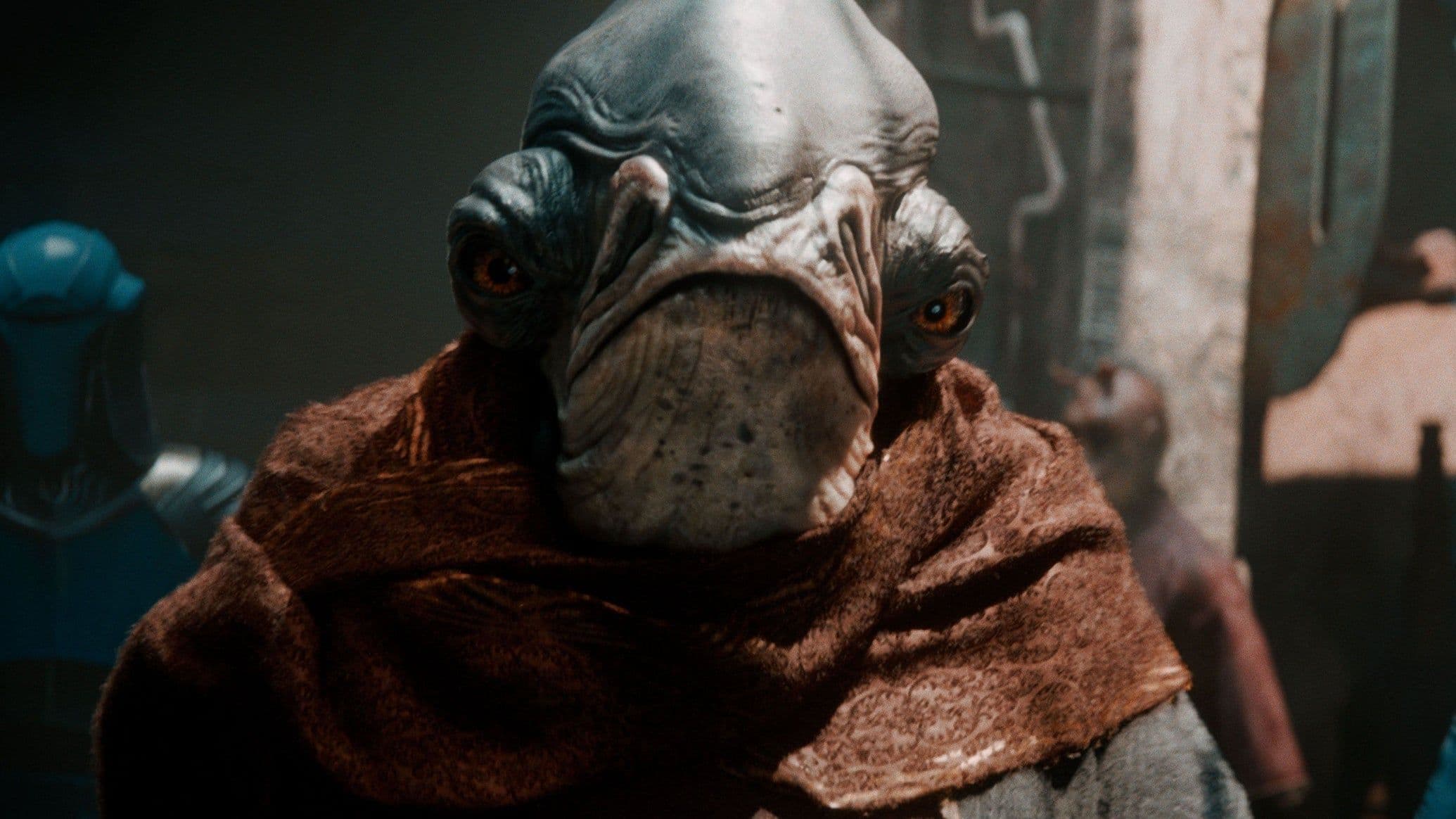
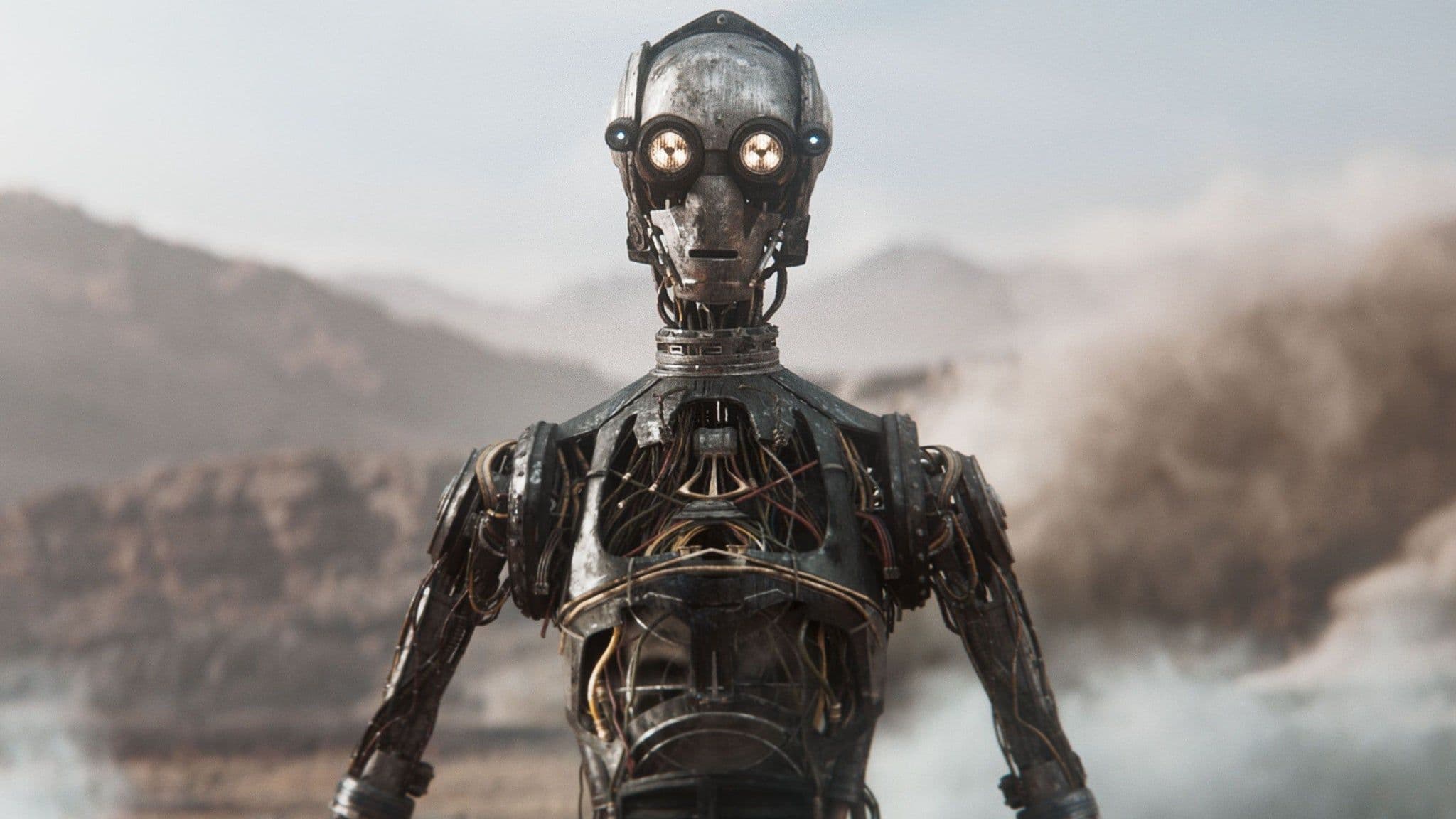
The reveal trailer set a high bar for the game's cinematic vision.
The target audience is clear, yet fractured. Die-hard High Republic lore enthusiasts and players who prioritize complex, branching narratives over polished action will find the game’s core pitch irresistible. For them, the chance to explore this uncharted era through an ensemble cast, shaping a political drama with their choices, is the ultimate fantasy. However, they must be prepared for the likely reality that the action will feel secondary, potentially a series of contextual quick-time events or serviceable-but-unspectacular combat sequences. If you’re coming from Jedi: Survivor expecting that level of kinetic, skill-based lightsaber mastery, you will almost certainly be disappointed. This is a narrative vehicle first, with action as a supporting system.
This is the central tension of the value proposition: a theoretically massive narrative with high replayability, forever offset by the specter of its own uncertain existence and creative baggage.
When stacked against its peers, Star Wars: Eclipse occupies a strange, unproven middle ground. It lacks the pure, player-driven RPG depth of Knights of the Old Republic and almost certainly won’t match the fluid, challenging combat of Respawn’s Jedi series. Its closest analogue is Quantic Dream’s own Detroit: Become Human, but transplanted into a more action-oriented setting it has no proven experience with. The game’s success hinges on becoming a unique hybrid, but five years in, it has shown us nothing to prove it can achieve that synthesis. The visual promise of the 2021 trailer, with its high-fidelity Mon Calamari and Neimoidians, means little; that’s the 'trailer trick' in its purest form. A pre-rendered cinematic proves a studio can hire good artists and animators, not that it can build a stable, interactive world worth dozens of hours of your time. Remember Anthem’s E3 demo? Gamers have been burned too many times to take pretty trailers at face value.
This brings us to the final, sobering calculus. Star Wars: Eclipse is not a game you can simply review on its merits, because its merits remain entirely hypothetical. You are not evaluating a product, but a precarious promise. The dream is vivid: a fresh Star Wars era, ambitious branching paths, and the involvement of veteran action developers. The reality, as it stands, is a project shrouded in financial dependency, questionable writing pedigree, and a deafening lack of transparency. To be excited for Star Wars: Eclipse today is to make a bet—a bet that Spellcasters Chronicles finds success, that NetEase keeps the lights on, that Quantic Dream can master a new genre, and that David Cage’s narrative instincts have evolved. That’s a lot of bets to place on a game you still can’t see.
Final Verdict: A Distant Mirage, For Now
Until Quantic Dream breaks its silence with substantive, in-game proof of concept, Star Wars: Eclipse remains a compelling idea trapped in development purgatory. The vision is bold, the setting is perfect, and the potential for a narrative-driven Star Wars epic is undeniable. But potential doesn’t make a game. Given the overwhelming evidence of stalled progress, financial uncertainty, and the studio’s own inconsistent track record, the only responsible stance is extreme caution. Hope for the best, but do not pre-order, do not hype, and certainly do not plan your gaming calendar around it. This is a dream worth revisiting only when it finally steps out of the shadows and into the light of a real gameplay reveal.
Pros:
- A fresh, unexplored High Republic setting offers genuine narrative potential.
- The ambitious "tapestry of interlaced destinies" with an ensemble cast promises high replayability for story fans.
- The recruitment of veteran action/world designers from major studios suggests a serious attempt to evolve Quantic Dream’s formula.
Cons:
- A troubled development history marked by years of silence and reports of "very little progress."
- Financial uncertainty, with the project's future allegedly tied to the success of the unrelated Spellcasters Chronicles.
- Quantic Dream’s questionable writing pedigree creates legitimate fears of heavy-handed, facile storytelling.
- A complete lack of gameplay transparency five years after announcement, making all promises of "traditional action" purely speculative.