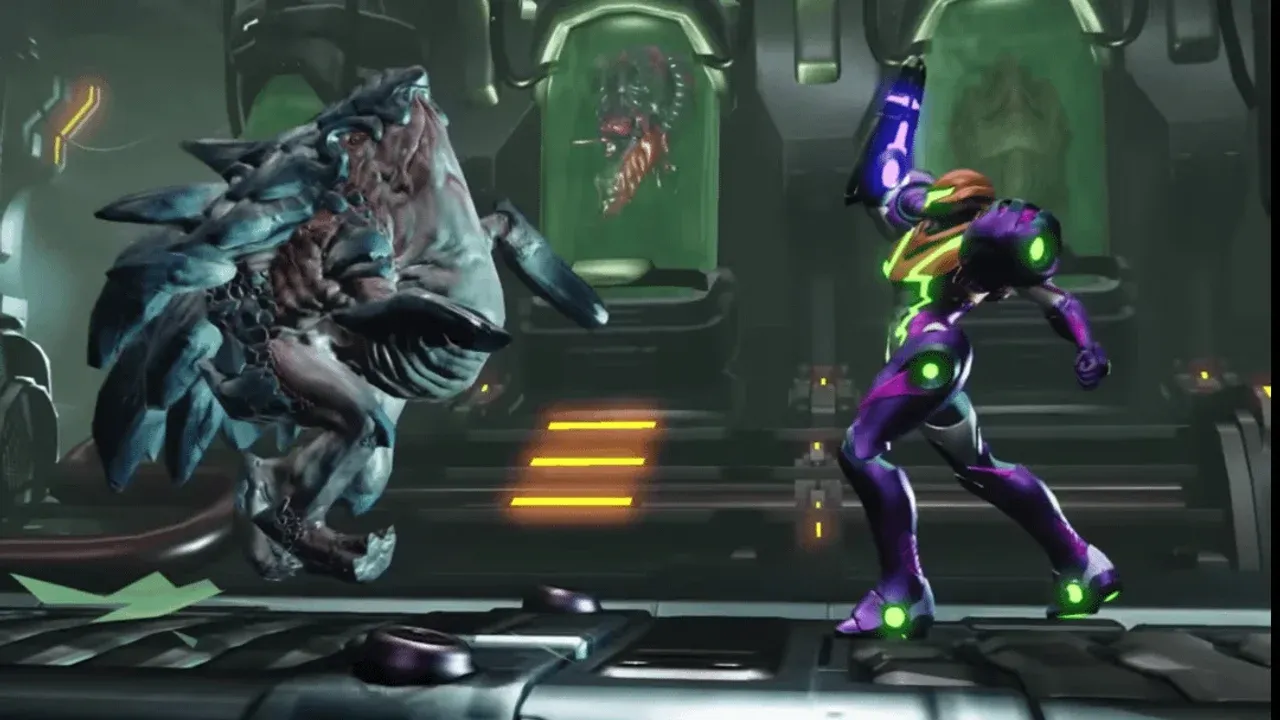
Metroid Dread Introduction: A Triumphant Return to Planet ZDR
Let’s be clear: Metroid Dread is a miracle. Not just because it’s good—it’s exceptional—but because it exists at all. For 16 years, this project was a ghost in Nintendo’s machine, a legendary “what-if” whispered about after its 2005 cancellation. To see it finally materialize, not as a compromised relic but as a confident, modern conclusion to a 35-year saga, is a triumph that transcends mere game development. This is the long-promised finale to the 2D story arc that began on Zebes, and it arrives with a polish and intensity that feels both earned and slightly unbelievable.
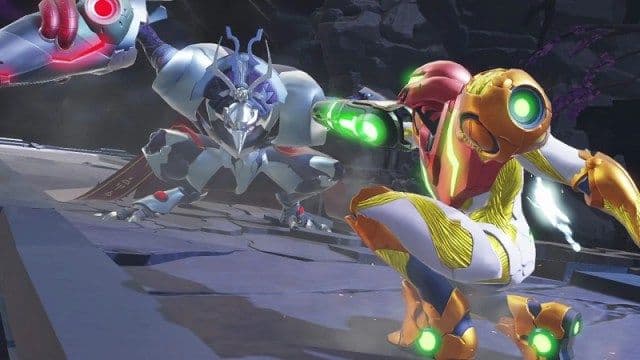
Metroid Dread returns the series to its classic 2D roots.
That narrative weight is the first thing you feel. Metroid Dread is explicitly marketed as the fifth and final chapter, picking up directly after the events of Metroid Fusion. The game wastes no time re-establishing the stakes: a lone X Parasite signal lures Samus to the remote planet ZDR, where she is almost immediately overpowered, stripped of her iconic upgrades, and left for dead deep within the planet’s bowels. This isn't a nostalgic victory lap; it’s a desperate survival story framed by your AI companion, ADAM, not as a mission of heroism, but as a grim directive to simply escape alive. The tone is immediately colder, more clinical, and more horror-inflected than the series has been in decades, trading the awe of Prime or the vibrant alien chaos of Super Metroid for a palpable sense of being prey.
The visual presentation is where MercurySteam’s partnership with Nintendo pays immediate dividends. This is the most technically impressive 2D Metroid ever crafted, with diorama-like backgrounds that feel alive with detail—distant machinery hums, strange flora sways, and dynamic lighting from Samus’s beam weaponry paints the sterile corridors and ancient ruins with fleeting color.
This shift toward sci-fi horror and isolation is deliberate and effective, especially in the opening hours. The traditional Metroid loop of descending into a planet is inverted; you begin at the deepest, most artificial point and claw your way toward the surface. The early environments are claustrophobic laboratories and industrial complexes, all cool metal and ominous silence. It creates a distinct, oppressive atmosphere that separates Dread from its predecessors, making Samus feel vulnerable in a way she hasn’t since the original Metroid. This isn't the lonely, contemplative exploration of Zebes; it’s the tense, hunted infiltration of a hostile machine.
That tension is expertly paced across a runtime that respects your time. A focused first playthrough will take most players between 9 and 12 hours, with a 100% completionist run stretching to around 15. This isn't the bloated, hundred-hour epic of modern RPGs; it’s a tightly wound coil of action and exploration that rarely overstays its welcome. Every hour introduces a new ability, a new biome, or a new lethal complication. Metroid Dread understands that its power lies not in sheer volume, but in density—the constant, thrilling pressure of a perfect predator slowly closing in.
Metroid Dread Gameplay: The Most Fluid Samus Ever Controlled
Controlling Samus Aran in Metroid Dread is a revelation. The game doesn't just iterate on the 2D formula; it perfects it, delivering a suite of movement and combat mechanics that feel less like a set of inputs and more like an extension of your own reflexes. This is the most fluid, responsive, and acrobatically capable Samus has ever been, a direct and massive evolution from the solid but constrained foundation of Metroid: Samus Returns. The moment you master the interplay between her slide, the Flash Shift, and her new melee options, the entire experience transforms from a tense infiltration into a ballet of calculated aggression.
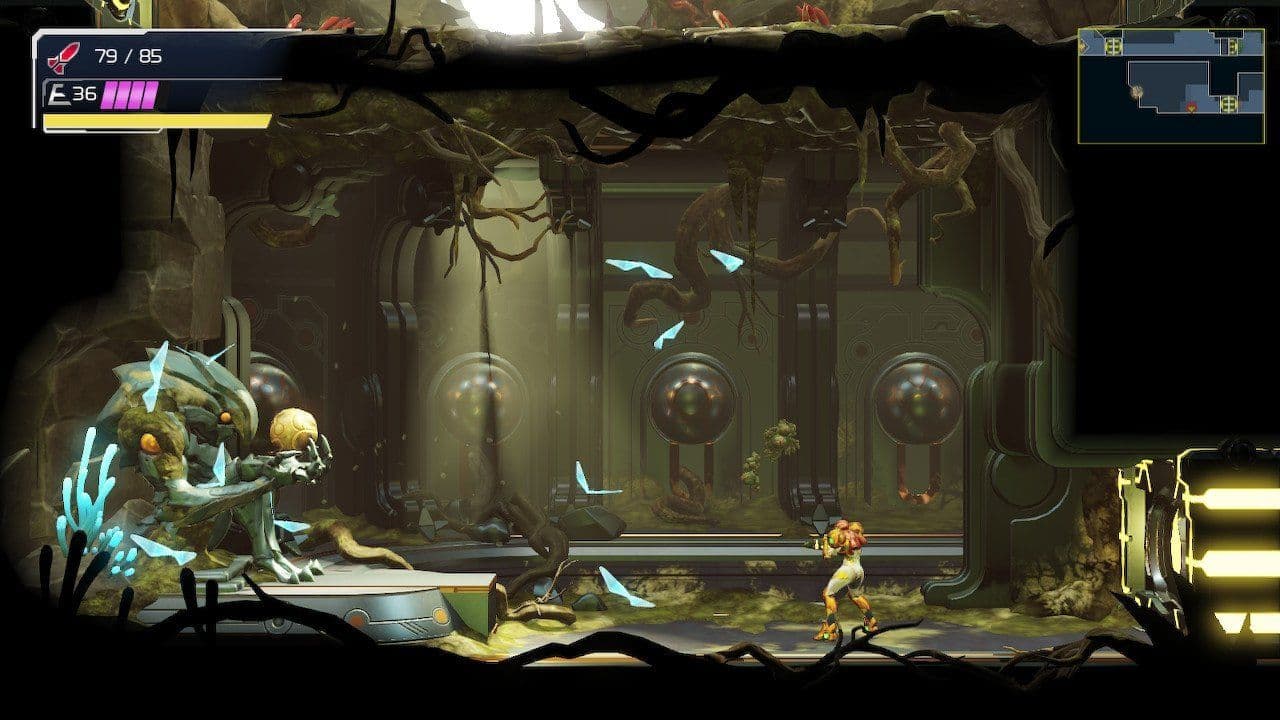
Metroid Dread's combat emphasizes the evolution of the parry mechanic.
The foundation of this fluidity is a core moveset that feels incredible from the first minute. Samus’s new slide ability isn't just a key for narrow passages—it’s a vital combat and traversal tool, allowing you to duck under attacks and maintain momentum without breaking stride. This is paired with the Flash Shift, a short-range teleport on a cooldown that acts as an essential dodge. When chained together, these abilities let you flow through environments and enemy patterns with a grace previously unseen in the series. The 360-degree aiming, returning from Samus Returns, is seamlessly integrated, allowing you to pick off distant threats or target specific weak points while maintaining full mobility. This isn't just an improvement; it's a fundamental redefinition of what 2D Metroid combat can be.
The melee counter is the system’s brilliant, beating heart. It refines the parry mechanic from Samus Returns into a perfect risk-reward engine. When an enemy flashes white, you have a razor-thin window to counter, staggering them and opening them up for a devastating finishing blast that yields bonus health and missiles. This single mechanic completely reshapes combat, transforming encounters from passive shooting galleries into aggressive dances where you’re constantly baiting and punishing attacks.
This aggressive loop is further empowered by a fantastic roster of new abilities. The Spider Magnet turns entire walls and ceilings into navigable space, while the Phantom Cloak provides crucial stealth in E.M.M.I. zones. Each power-up feels impactful and is woven directly into both exploration and combat, ensuring your expanding toolkit constantly changes how you engage with the world. By the late game, with the Space Jump and Screw Attack unlocked, navigating ZDR’s labyrinthine corridors becomes a thrilling exercise in momentum and precision. This is a Samus who feels powerful not just because of her firepower, but because of her unparalleled kinetic mastery of the environment.
However, this mechanical depth comes at a cost: control complexity. Metroid Dread demands simultaneous use of nearly every button on the Switch. Firing missiles, charging beams, aiming, sliding, using Aeion abilities like the Flash Shift, and executing the melee counter requires a cramped, multi-finger choreography across all four face buttons and both sets of triggers. For veterans, this becomes second nature after hours of play, but the initial learning curve is steep and unforgiving. In the heat of a chaotic boss battle, fumbling for the correct input can mean instant death, a frustration compounded by the game's complete lack of in-game button remapping. This omission is a glaring oversight in a title this demanding, forcing players to either adapt to a rigid scheme or navigate the console's system-level settings.
The impact of this design choice is significant, especially when considering accessibility. At launch, Metroid Dread offered no difficulty options, visual aids, or control customization—a stark contrast to the genre’s modern standards. For players with motor limitations or different control preferences, the game’s high-stakes, precision-demanding combat can present an unnecessary and frustrating barrier. While the core movement is masterful, the failure to provide tools to tailor that experience to individual needs is a notable blemish on an otherwise polished package. It’s a reminder that even the most fluid control scheme is only perfect if the player can comfortably access it.
The E.M.M.I. Zones: Does the 'Dread' Live Up to the Name?
The central promise of Metroid Dread is right there in the title, and for the first half of the game, the E.M.M.I. deliver on it brilliantly. These seven rogue hunter robots transform entire zones of ZDR into tense, one-hit-kill stealth sequences that perfectly punctuate the traditional exploration loop. However, the brilliance of this initial concept is gradually sanded down by repetition and a rigidly predictable structure, turning what should be moments of pure terror into a series of manageable, if still stressful, puzzles.
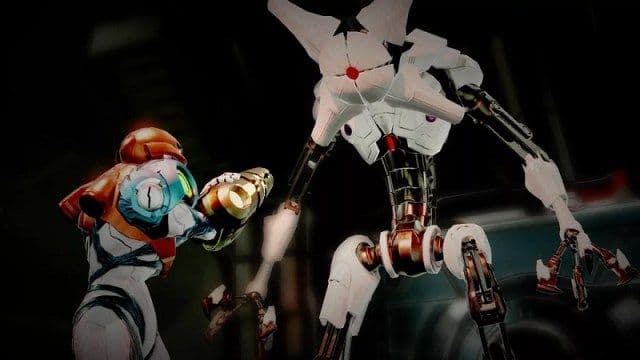
The E.M.M.I. units represent the core 'Dread' identity of the game.
The setup is a masterclass in atmospheric tension. Entering an E.M.M.I. Zone immediately drains the vibrant color from the screen, replacing it with a sterile, monochrome palette. The ambient soundtrack cuts out, leaving only the unnerving, metallic skittering of the robot’s footsteps and the escalating beeps of its proximity scanner. This isn't subtle horror; it’s a full-body jolt of adrenaline, signaling a fundamental shift in the rules. Your objective is no longer combat—your weapons are useless—but evasion. The Phantom Cloak becomes your lifeline, a temporary invisibility that drains your Aeion gauge and forces you to move with agonizing slowness. These zones are clearly delineated, a crucial design choice that prevents the dread from becoming oppressive fatigue. You always know where the threat is contained, turning each foray into a focused, high-stakes infiltration rather than a constant state of panic.
The initial encounters are Metroid Dread at its most nerve-wracking. Hearing the E.M.M.I.’s echolocation ping grow faster as it rounds a corner, forcing you to scramble into a ceiling vent or freeze mid-slide, creates a genuine, exhilarating cat-and-mouse dynamic reminiscent of the SA-X from Fusion.
Where this brilliant tension begins to fray is in its execution. The E.M.M.I.’s instant-kill grab can only be countered with a frame-perfect parry—a window so slim it feels more like a lottery ticket than a reliable skill. After the fifth or sixth death in the same corridor, the fear curdles into frustration. The trial-and-error process can devolve into brute force memorization: sprint to point A, cloak, wait for patrol to pass, sprint to point B, die, repeat. This is particularly true in later zones where the E.M.M.I. gain new abilities, like phasing through walls or freezing floors. While these variations are smart, they often feel like they’re testing your knowledge of the maze layout more than your real-time stealth improvisation.
The catharsis, then, comes not from outsmarting the hunter in a pure stealth scenario, but from the power fantasy of turning the tables. Each zone culminates in a special chamber where you destroy a "Central Unit" to temporarily charge your arm cannon with the Omega Beam. This transforms the dynamic entirely. Now you must stand your ground, charge your shot as the E.M.M.I. charges you, and blast its armor plating away in a desperate, close-range showdown. The victory roar after deleting a persistent pursuer is immensely satisfying, and it permanently clears that zone, rewarding you with safe passage and often a crucial new ability. This loop—dread, empowerment, liberation—is the core heartbeat of the E.M.M.I. experience, and it works… until you’ve done it seven times.
By the final robot, the formula feels transparent. The terror of the unknown becomes the mild anxiety of a known quantity. You understand the rules, you know you’ll get the Omega Beam, and you know you’ll win. The E.M.M.I. transition from being unpredictable hunters to being elaborate, lethal door guards. This doesn’t make them bad—the sequences remain mechanically solid and intense—but it does mean the "Dread" in the title is a finite resource, expertly spent in the early hours but gradually depleted by the game’s own predictable rhythm. They are a thrilling, if slightly over-extended, experiment that defines Metroid Dread's identity, proving that even Samus Aran can be made to feel like prey, if only for a little while.
Exploration and Map Design: Navigating the Labyrinth of ZDR
The true test of any Metroidvania isn't just in its moment-to-moment action, but in the silent conversation between player and map. Metroid Dread understands this, delivering a masterclass in guided exploration that expertly navigates the tightrope between player freedom and designer intention. It creates a labyrinth you feel compelled to understand, even as its hand subtly but firmly steers you toward the exit.
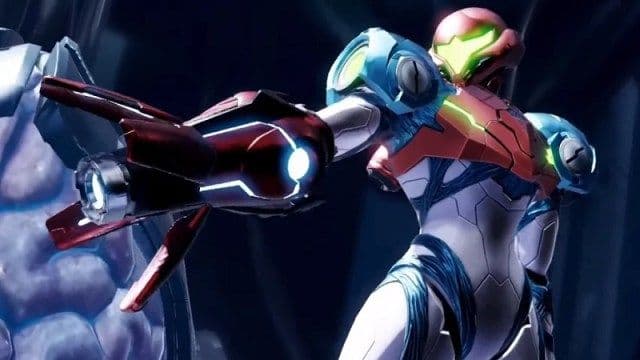
Metroid Dread's map design often ushers players through specific paths using ability-gated doors.
The overhauled map system is Metroid Dread’s unsung hero, a tool of such clarity and utility it transforms the act of navigation itself into a rewarding puzzle. Every door is meticulously coded by the weapon needed to open it, and the game introduces a brilliant toggle that highlights all barriers matching your most recent power-up. Discover a hidden block? The map remembers its location with a subtle icon. This isn't just a convenience feature; it’s a design philosophy that respects your time and intellect, encouraging methodical detective work over blind groping in the dark.
This intelligent guidance extends to the critical path, where Metroid Dread employs what feels like a "semi-invisible hand." Unlike the open-ended, often bewildering sprawl of Super Metroid, Dread is meticulously paced. You’re rarely truly lost for long. The game funnels you through a mostly linear sequence of ability gates, using environmental storytelling—a collapsed bridge here, a powered-down elevator there—to ensure you’re always pushing toward the next necessary upgrade. For some, this will feel restrictive, a departure from the series' legacy of free-form discovery. Yet, it serves a crucial purpose: it maintains a relentless forward momentum that perfectly complements the high-stakes, hunted atmosphere. You’re not meandering; you’re executing a desperate escape plan, and the world’s design reflects that urgency.
Where this guided approach stumbles is in the personality of the world itself. Planet ZDR is divided into zones defined by simplistic, almost clinical, geographic qualifiers: the lava area, the underwater area, the icy area. While technically impressive, they lack the iconic, memorable identity of Zebes's Brinstar or Norfair. This is exacerbated by the sterile, uniform aesthetic of the E.M.M.I. Zones, which consume significant real estate in each region. The result is a world that feels more like a expertly constructed obstacle course than a living, breathing alien ecosystem. You navigate its challenges with precision, but you’re less likely to be captivated by its soul.
This structured progression also impacts the sense of world cohesion. ZDR is stitched together by a network of elevators, trams, and teleporters. While these provide necessary shortcuts later on, they fundamentally break the planet into discrete, load-screen-separated chunks. You don’t develop a mental map of a singular, interconnected organism as in Super Metroid; you memorize a subway map of connected stations. This design choice prioritizes pacing and clarity over immersive cohesion, making backtracking feel more like fast-traveling between levels than exploring a continuous space. It’s efficient, but it sacrifices a layer of atmospheric depth.
Yet, for veterans seeking to break the intended order, Metroid Dread offers a delightful olive branch in the form of intentional sequence breaking. Classic techniques like bomb jumping and slide jumps aren’t just glitches; they are carefully left in the code, allowing skilled players to snag the Grapple Beam early or bypass whole sections. Discovering these routes provides a thrilling rush of subversive mastery, a secret layer of gameplay that rewards deep system knowledge. It’s a brilliant concession, acknowledging the series’ hardcore legacy within its otherwise streamlined framework. In these moments, the labyrinth of ZDR opens up, proving that even the most carefully guided path has hidden trails for those willing to look for them.
Boss Battles in Metroid Dread: A New Standard for Difficulty
If the E.M.M.I. are the hunters, then the bosses of Metroid Dread are the executioners. This is where the game’s mechanical fluidity meets its most brutal test, transforming from a tense exploration sim into a demanding action gauntlet that demands near-perfect execution. The bosses here don't just challenge you; they dissect your understanding of Samus’s entire toolkit, serving as punishing yet fair final exams for every new ability you acquire.
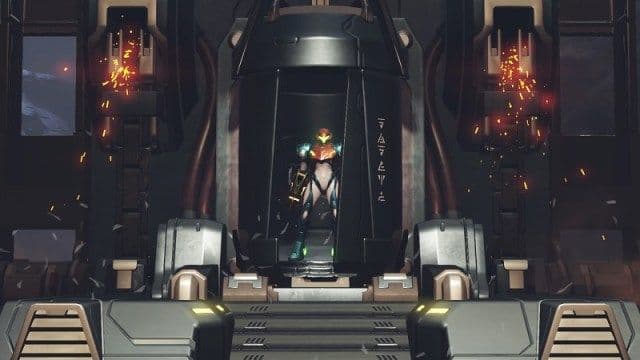
Metroid Dread features some of the most well-developed boss fights in the series.
The sheer variety in these major encounters is a revelation, pulling the game far beyond the repetitive monster closets of Samus Returns. You'll face everything from colossal, screen-filling beasts with multi-stage attack patterns to agile, humanoid foes that mirror your own moveset in what feels like a lethal game of Super Smash Bros. This diversity ensures that no two major fights feel the same, constantly forcing you to adapt your strategy. One mid-game boss, with its seven distinct attack patterns, creates a frantic dance of dodging, sliding, and precision shooting that feels like a masterclass in kinetic awareness. Another later encounter brilliantly integrates the Flash Shift dodge into its core rhythm, making mastery of that ability non-negotiable. These aren't just health sponges; they are intricate puzzles of timing and positioning.
The difficulty spike is real and relentless, earning Metroid Dread its reputation as one of Nintendo’s toughest first-party games. Bosses demand near-perfection, often reducing a fully-upgraded Samus to a two- or three-hit death sentence. This isn't about grinding for more missiles; it’s about the Dark Souls-like discipline of learning tells, internalizing patterns, and executing flawlessly. The satisfaction of finally beating a boss that took a dozen attempts is immense, precisely because victory is earned solely through player growth.
Where this otherwise stellar design stumbles is in its supporting cast. For every brilliant, unique major boss, there are recycled minibosses that feel like tedious padding. The same two sub-boss types—a cloaking lizard and a robotic soldier—reappear multiple times with only minor tweaks to their attacks. By the third or fourth encounter, what was once a challenging skirmish becomes a rote exercise, a speed bump on the critical path that tests your patience more than your skill. This repetition stands in stark contrast to the creativity of the main events and cheapens the sense of discovery in ZDR’s later areas.
A more contentious choice is the integration of Quick-Time Event (QTE) counters during cinematic boss sequences. At specific, scripted moments, a boss will telegraph a glowing attack, requiring a perfectly timed melee counter to trigger a devastating cutscene riposte. While visually spectacular, these moments can feel jarringly prescriptive. They interrupt the organic flow of combat you’ve been mastering, replacing player agency with a binary pass/fail test. It raises the question: if I’ve spent the entire fight expertly dodging and shooting, why is my success now gated behind a single button prompt? For some, it’s a thrilling climax; for others, it’s an artificial hurdle.
Despite these flaws, the overarching pacing of Metroid Dread’s combat is masterful. The bosses are positioned as "strict teachers" that force you to synthesize every tool at your disposal. You can’t just spam missiles at Corpious; you must slide under its legs, aim at its tail, and counter its charges. You can’t brute-force your way past the final Chozo warriors; you must utilize the Space Jump, Flash Shift, and every beam upgrade in a symphony of acrobatic aggression. Each victory hard-wires a new layer of competency, making you not just stronger, but smarter and faster. By the end, the once-impossible feels achievable, and that transformation is Metroid Dread’s most powerful reward.
Technical Performance: Switch Hardware and Audio Design
In Metroid Dread, technical performance is a story of two Switches. The game is a stunning showcase for the OLED model, where its horror aesthetic is perfectly realized, yet it exposes the aging base hardware’s limitations for those playing on a television. This isn't just about frame rates; it's about how the hardware you own can fundamentally alter the atmosphere and flow of Samus’s final mission.
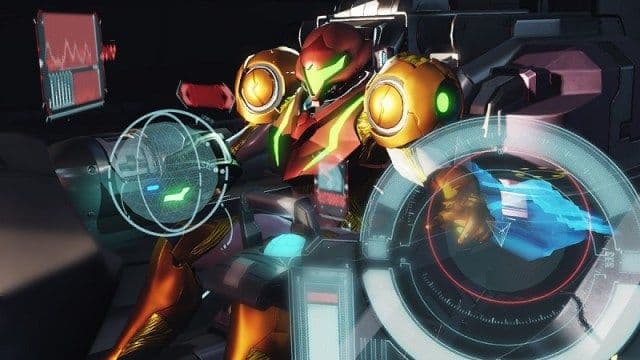
Metroid Dread maintains a high frame rate on Switch, though some minor stutters can occur.
The game generally hits its target of a stable 60 frames per second, a non-negotiable requirement for its lightning-fast boss encounters and precision platforming. For the most part, it delivers, with Samus’s fluid animations and the frantic E.M.M.I. chases maintaining their silky responsiveness. However, the seams show in particle-heavy moments—during a massive explosion or when certain bosses fill the screen with visual effects, you’ll notice a perceptible chug. These dips are rare and rarely fatal to gameplay, but in a title this polished, they stand out as reminders that MercurySteam is pushing the Switch to its absolute limit.
Where the hardware gap becomes impossible to ignore is in docked mode. Metroid Dread appears to render natively at around 720p, and on a large 4K television, the result is a soft, often blurry image that washes out the exquisite environmental details praised in earlier sections. The sterile corridors of Cataris or the lush overgrowth of Ghavoran lose their sharpness, making the world feel less immediate and more like a distant diorama. This is a significant trade-off for players who prefer the big-screen experience, and it leads to the uncomfortable conclusion that Metroid Dread was arguably designed with the Switch’s handheld screen in mind.
Conversely, playing on the Nintendo Switch OLED is a revelation, particularly for the game’s horror elements. The screen’s perfect blacks and high contrast are tailor-made for the E.M.M.I. zones. When the color drains and you’re left skulking in shadows, the OLED’s absolute black level makes Samus’s Phantom Cloak feel more effective and the lurking robot’s glowing sensor light feel more menacing. The vibrant biomes also pop with an intensity the standard LCD can’t match, making the handheld experience the definitive way to appreciate the game’s visual artistry.
This visual splendor is frequently interrupted by the game’s most persistent technical flaw: loading times. Transitions between the major sectors of ZDR—via elevators, trams, or teleporters—can take 15 to 30 seconds. In a game built on backtracking and interconnected exploration, these pauses actively disrupt the world’s flow. You don’t develop a cohesive mental map of a single planet; you memorize a network of loading screens. While they provide a moment of respite between tense zones, they ultimately make ZDR feel less like a living, continuous ecosystem and more like a menu of discrete levels.
The soundscape of Metroid Dread follows a similar philosophy of atmospheric efficiency over memorable grandeur. The score is largely muted and ambient, serving to underscore isolation and tension rather than dominate it. This works exceptionally well in the E.M.M.I. zones, where the near-silence is broken only by the chilling skitter of metal claws, making every sound a vital clue. However, this minimalist approach comes at a cost. Outside of a few clever callbacks to Super Metroid, the music lacks the iconic, hummable melodies of Brinstar’s depths or Norfair’s menace. The sound design is technically proficient—the thwump of a Charge Beam or the mechanical whir of an opening door are satisfying—but the audio landscape rarely elevates itself to become a character in its own right. It sets the mood but fails to sear itself into your memory, a deliberate choice that prioritizes dread over anthem, for better or worse.
Final Verdict: Is Metroid Dread the Best in the Series?
The moment the credits roll on Metroid Dread, you’re left with a paradoxical feeling. On one hand, you’ve just completed arguably the most mechanically polished and exhilarating 2D action game of its generation. On the other, you can’t shake the sense that its brilliance is confined within a design philosophy that prioritizes a thrilling, guided gauntlet over the series’ legacy of profound, open-ended mystery. This tension defines the final verdict: a masterful execution that is simultaneously the best and most conservative entry in the franchise.
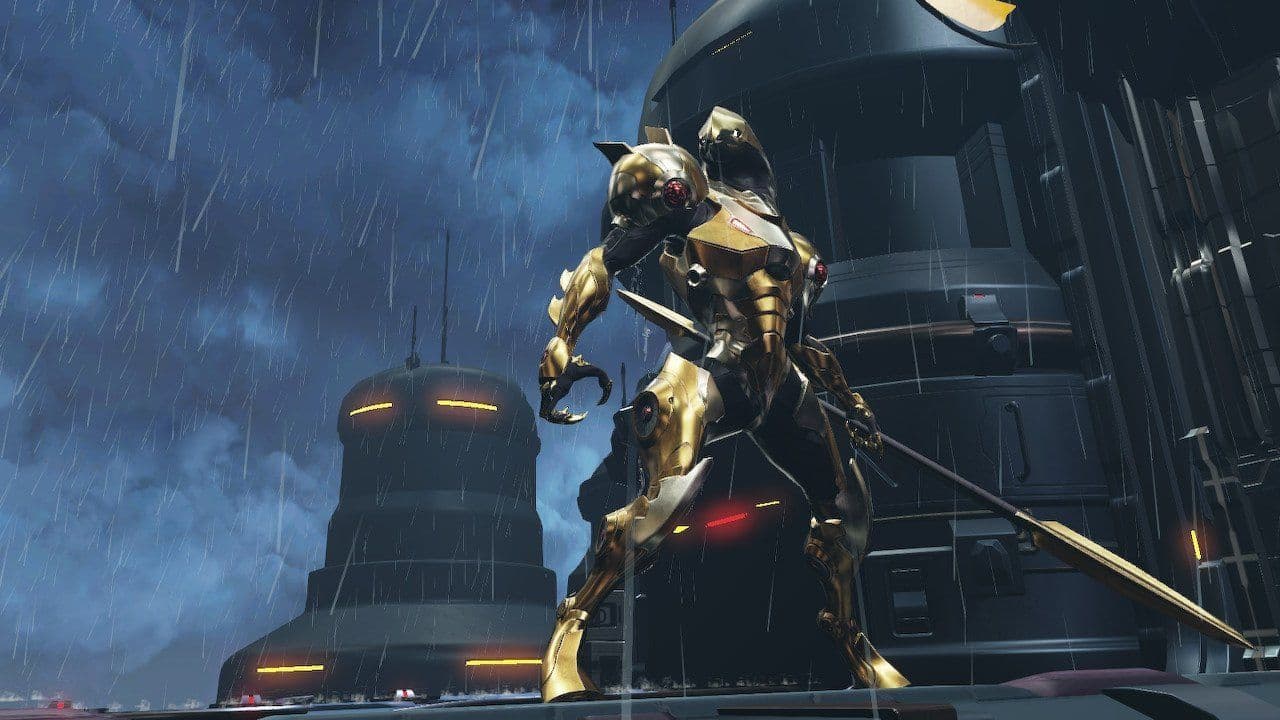
Metroid Dread received generally positive reviews, though some critics noted specific drawbacks.
Metroid Dread’s value proposition hinges entirely on the premium you place on polish over volume. For a $60, 9-12 hour adventure, its lack of substantial side content or meaningful rewards for 100% completion is a tangible point of friction in an era of sprawling open worlds.
Yet, that polish is undeniable. The fluidity of Samus’s movement, the white-knuckle intensity of its boss fights, and the sheer confidence of its modernized formula are triumphs that justify the price of admission for anyone invested in action-platformers. The moment you flawlessly chain a slide under a sweeping tentacle into a Flash Shift dodge and a point-blank missile volley, you’re experiencing a level of kinetic mastery few games offer. This is a game that respects your skill and rewards it with some of the most satisfying combat feedback in the genre. For series veterans, this is the must-buy they’ve waited 19 years for—a glorious, high-octane capstone that feels like a victory lap for the dedicated.
However, that victory lap follows a meticulously painted line. The game’s most significant concession is its linear pathing. While the intricate map and clever sequence breaks offer a veneer of non-linearity, the critical path is a funnel. Powers often act as simple door keys for obvious locks, and the world’s frequent use of elevators and trams chops ZDR into discrete levels rather than a cohesive, breathing organism. This design ensures impeccable pacing and prevents frustration, but it sacrifices the deep, systemic exploration and "aha!" moments that come from using an ability in an unintended, creative way. You explore ZDR efficiently, but you rarely feel like you’re discovering its secrets on your own terms.
The other critical stumbling block remains its stark lack of accessibility. At launch, offering no difficulty options, control remapping, or visual aids for a game this demanding is an oversight that borders on exclusionary. When a late-game boss demands frame-perfect dodges across a multi-phase, 5-minute battle, the inability to tailor the experience can transform a thrilling challenge into an impassable wall for some players. This, combined with a forgettable musical score that serves atmosphere over melody, means Metroid Dread excels in the language of action but sometimes forgets the heart-stirring resonance of its predecessors.
So, is it the best in the series? For pure, adrenaline-fueled gameplay, the answer is a resounding yes. As a holistic experience that balances that action with the atmospheric depth and exploratory wonder of Super Metroid or Metroid Prime, it falls just short. It is a 9/10 game—a spectacular, essential play for any Switch owner with a taste for challenge—but one that modernizes the formula by sharpening its action to a razor’s edge, even as it sands away a layer of its enigmatic soul.
Pros:
- Unmatched Kinetic Fluidity: Samus’s movement and combat toolkit represent the pinnacle of 2D action design.
- Exhilarating, Varied Boss Fights: Major encounters are masterclasses in pattern recognition and skill-testing intensity.
- Confident Modernization: Successfully translates the Metroidvania blueprint into a tense, tightly-paced cinematic experience.
Cons:
- Constrained Exploration: Linear critical path and “key-and-lock” design reduce the sense of free-form discovery.
- Missing Accessibility Suite: No difficulty options or button remapping is a significant oversight for a title this challenging.
- Atmospheric Trade-offs: Forgettable music and a world that feels more like an obstacle course than a living ecosystem.