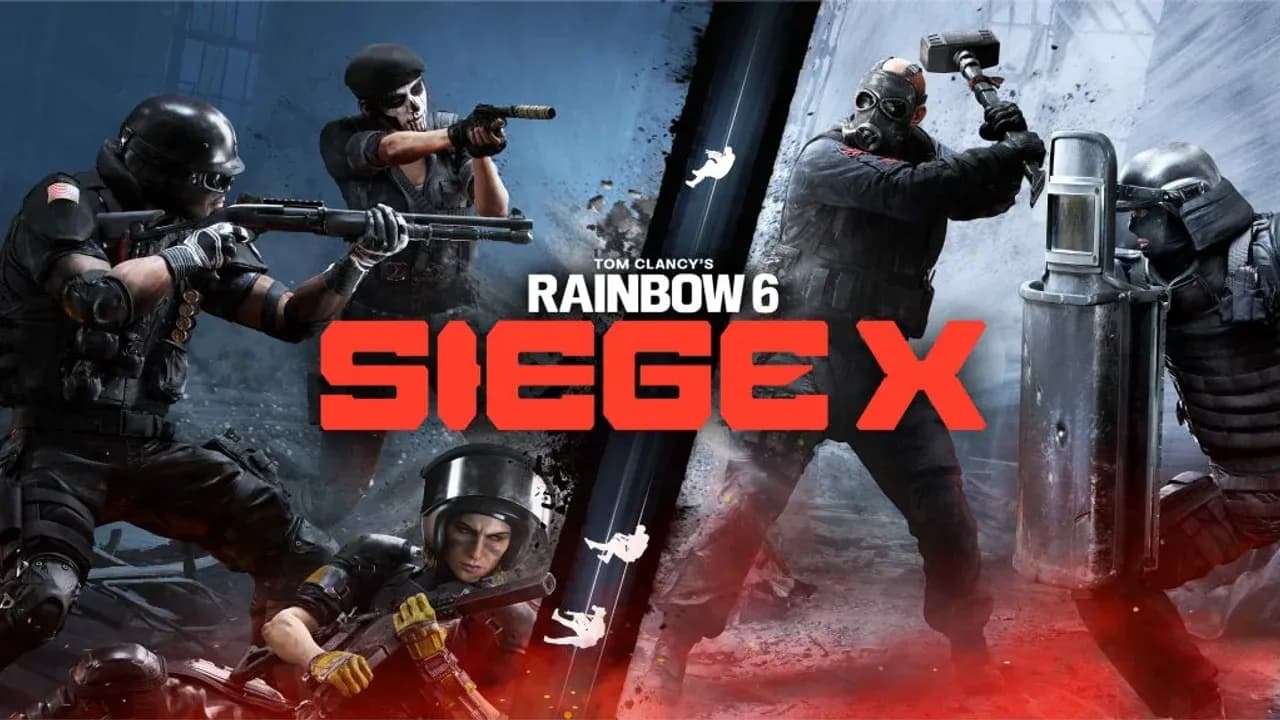
Rainbow Six Siege X: A Decade of Tactical Evolution
Ten years is an eternity in the live-service shooter space, a graveyard of forgotten metas and shuttered servers. That Tom Clancy's Rainbow Six Siege X not only survives but commands a major, free-to-play anniversary refresh is a testament to a core design so sharp it has defied obsolescence. This isn't a sequel or a reinvention; it's a declaration that the game's foundational cat-and-mouse rhythm—tense observation, meticulous planning, and brutal execution—remains nearly as compelling today as it was in 2015. The "X" update, launching June 10, 2025, is less a revolution and more a confident polish of a proven formula, a version 2.0 that understands its greatest strength is the enduring, white-knuckle chess match it perfected a decade ago.
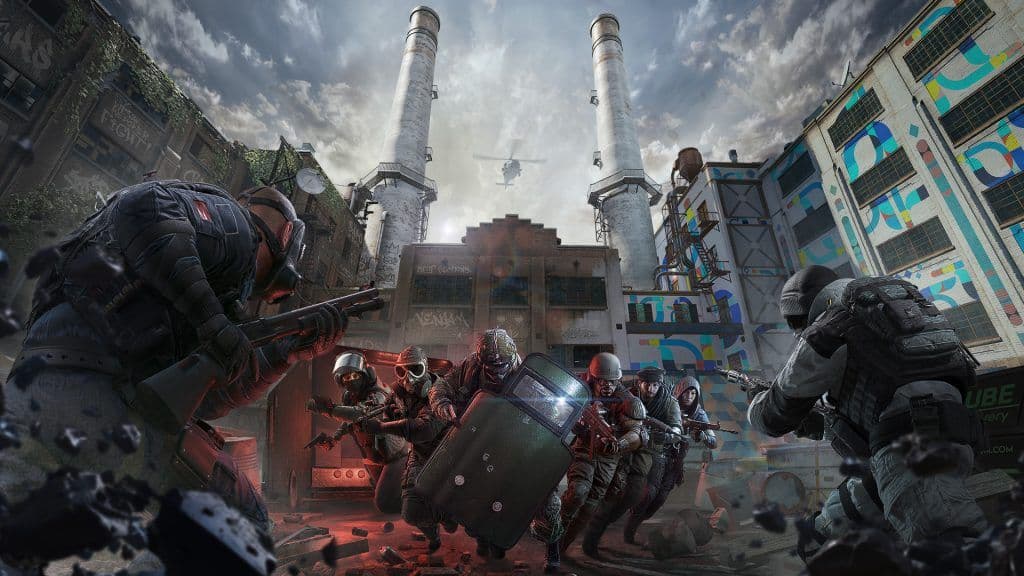
Siege X introduces a significant technical facelift to classic maps.
The identity of Rainbow Six Siege X is rooted in this evolutionary, not revolutionary, approach. Ubisoft Montreal has wisely avoided the pitfalls of other live-service sequels that fractured their communities; instead, they've doubled down on the original's asymmetrical tactical core. The loop is unchanged: a 30-second prep phase of frantic fortification or drone-based scouting erupts into a three-minute round where a single bullet can decide everything. This isn't a twitch shooter. The deliberate aim-down-sights animation forces commitment, and the lightning-fast time-to-kill punishes reckless peeks, creating a palpable tension where sound and prediction are more valuable than raw reflex. It’s a design that has aged like Counter-Strike, where mechanical mastery is secondary to strategic depth, ensuring its competitive relevance long after its graphical sheen has faded.
This is a game where victory often feels earned not through the chaos of a highlight-reel spray, but in the quiet, decisive moment you predicted an enemy's rotation and held an angle they never expected you to hold.
That core experience is why Siege endures. The fundamentals of its tactical sandbox—destructible walls, operator-specific gadgets, and verticality—create a near-infinite number of emergent scenarios. While the underlying technology shows its age in the destructibility (a topic for later), the philosophy of environmental manipulation remains unmatched in the genre. The thrill isn't in unlocking a new gun; it's in the collective gasp when a well-placed Thermite charge obliterates a "reinforced" wall the defenders thought was safe, completely rewriting the battlefield in an instant. For all the new maps, modes, and cosmetics added over ten years, this singular, brilliant moment of planned chaos is the game's beating heart, and Siege X wisely leaves it untouched. The update isn't about replacing that heart, but giving the rest of the body a much-needed facelift to ensure it keeps beating for another decade.
The Bomb Mode Masterclass: Why Siege Still Leads the Genre
In Tom Clancy's Rainbow Six Siege X, the legendary Bomb mode isn't just a playlist; it's the beating heart of a decade-old design philosophy that continues to outclass its imitators. This is where the game’s reputation as the ‘thinking man’s shooter’ is earned, not through complex menus, but through a masterfully constructed three-minute round of pure, escalating tension.
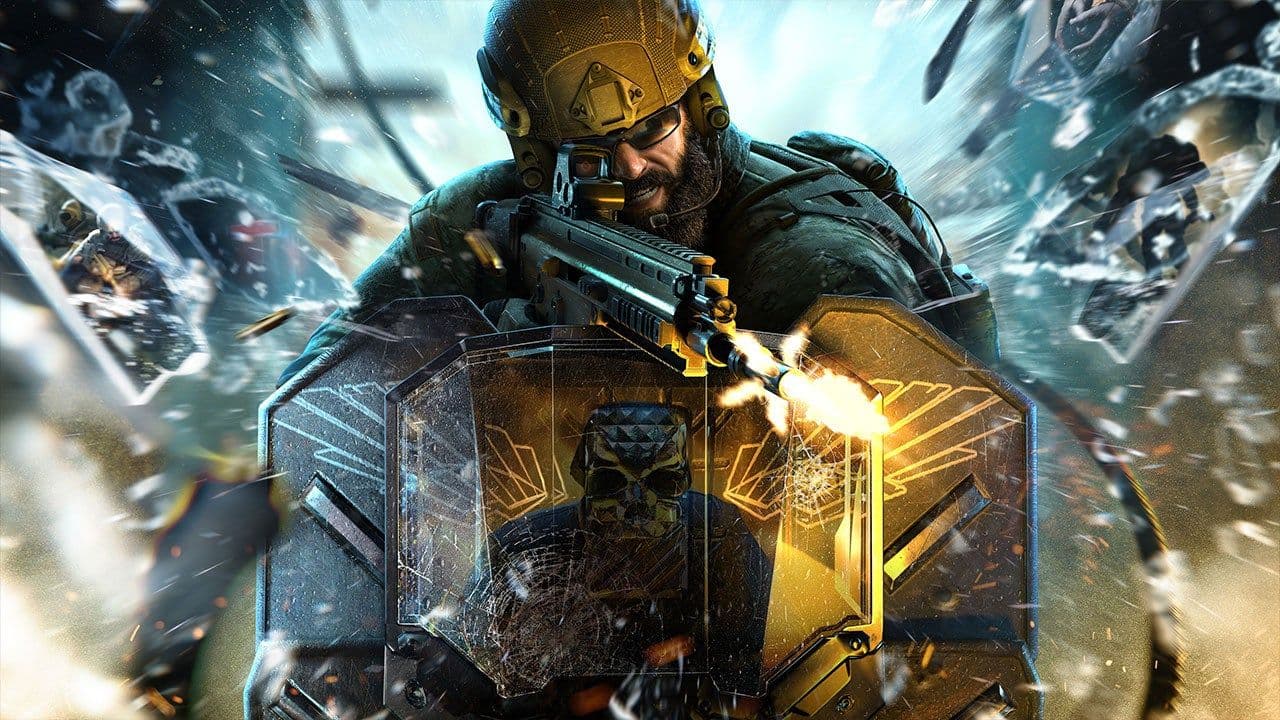
Destruction and environmental manipulation define the competitive Bomb mode.
The foundation of this dominance is a combat system that actively punishes haste. The famously fast time-to-kill means a single well-placed bullet can end an engagement, but the slow, deliberate aim-down-sights (ADS) animation forces you to commit to every peek. You can’t snap between targets like in Call of Duty; you must choose your angle, plant your feet, and trust your intel. This creates a palpable, nerve-wracking rhythm where sound—the shuffle of boots on hardwood, the distinct thunk of a barricade being placed—becomes your primary weapon. Victory is less about who shoots first and more about who predicted the engagement five seconds ago. The gunplay itself is a martial art of positioning; the smooth, natural weapon sway and intuitive leaning mechanics let you expose the absolute minimum of your body, turning every doorway and corner into a lethal puzzle of angles.
The genius of Siege’s design is that its most thrilling moments often happen before a single shot is fired. The 30-second preparation phase is a silent war of anticipation, where defenders frantically transform a generic room into a lethal maze of reinforced walls, razor wire, and hidden traps.
This setup is what elevates Bomb beyond a simple objective mode. As a defender, you’re not just camping a site; you’re an architect of paranoia, layering defenses to funnel attackers into kill zones you’ve pre-scoped. As an attacker, the initial drone phase is a game of Droney Hawk’s Pro Skater, where you pilot a tiny camera through vents and under furniture, hunting for the objective and, more importantly, the enemy’s defensive blueprint. This layer of reconnaissance is non-negotiable; walking in blind is a death sentence. The resulting cat-and-mouse game is unparalleled. An attacker can breach from any surface—blowing a hatch in the ceiling above you or a murder hole in the wall beside you—meaning no defensive position is ever truly safe. The constant threat of sudden, violent geometry rewrites the map in real-time, forcing both teams to adapt or perish.
For all its strategic depth, this loop would crumble if the moment-to-moment action didn’t feel crisp and lethal. Tom Clancy's Rainbow Six Siege X delivers on that front with a tactile, weighty feel. The guns have a satisfying heft and distinct audio report, and the environmental feedback—plaster dust puffing from bullet impacts, wood splintering from a shotgun blast—sells the fiction of a real, destructible space. It’s a system that perfectly marries cerebral planning with visceral payoff. The satisfaction of winning a round doesn’t come from a high kill count, but from seeing a complex plan executed flawlessly: your drone spot leading to a perfectly cooked grenade toss through a soft wall you created, eliminating an anchor defender who never saw it coming. This is the masterclass that keeps players returning for thousands of hours—a perfect, tense equation of information, positioning, and decisive force.
Dual Front and New Modes: Refreshing or Distracting?
Where Tom Clancy's Rainbow Six Siege X truly experiments is in its new 6v6 offering, Dual Front. It’s an ambitious attempt to evolve the formula beyond the sacred, single-life round structure, but it often feels like a fascinating, complex experiment that highlights why the original recipe was so potent in the first place.
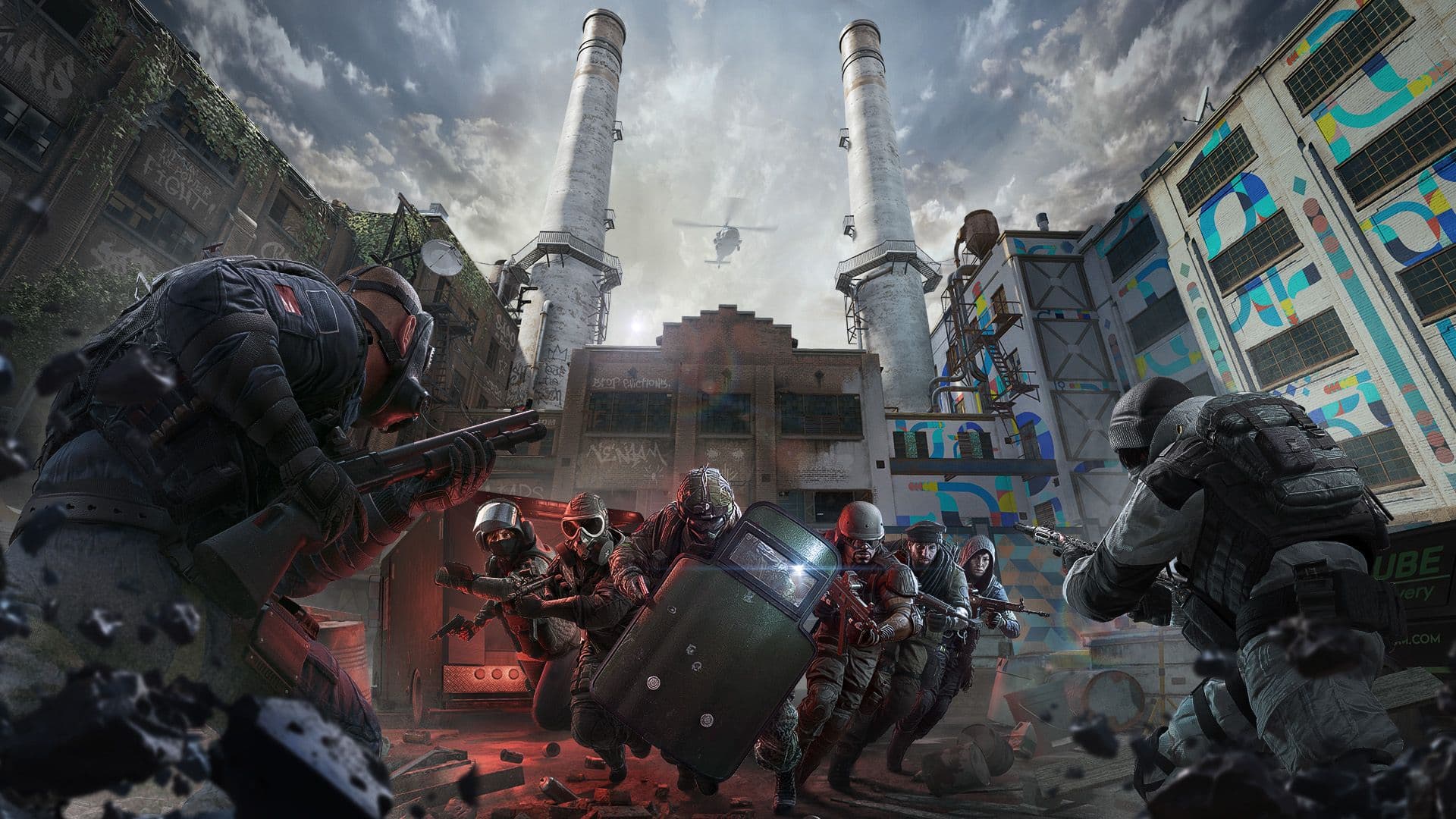
The new 6v6 mode introduces larger squad dynamics to the tactical gameplay.
The core conceit is a tug-of-war across a sprawling, multi-sector map called District. Both teams simultaneously attack and defend three objectives, creating a chaotic, multi-directional battlefield. The most radical departure is the removal of role restrictions; you can deploy any of the 37 eligible Operators for any task. Theoretically, this opens wild strategic doors—using Sledge to defend a corridor or Bandit to spearhead an assault. The 25-second respawn timer and the ability to switch Operators on death further encourage dynamic adaptation, allowing a team to pivot from a defensive stalemate to an explosive breach composition in moments. On paper, it’s a sandbox fan’s dream.
In practice, Dual Front often feels like a brilliant concept stretched thin across a map that’s simply too large for the game’s lethal tempo. You’ll spend minutes sprinting across vast, empty courtyards only to be instantly deleted by a pixel-perfect angle you never saw, then face another lengthy trek back to the front.
This is where the mode’s core tension unravels. The signature, breathless stakes of a Bomb round—where every step, every sound, could be your last—are diluted by the safety net of respawns. The punishment for a mistake isn’t a tense 1v3 for your team; it’s a boring 25-second spectator cam. The tick-based sector progression system, which requires sustained, coordinated pressure to capture territory, further exacerbates the pacing issue. A single weak link constantly feeding kills can hemorrhage map control in a way that feels insurmountable, turning the late game into a frustrating slog as you try to recapture lost ground one glacial tick at a time. It demands even more rigorous communication and map knowledge than the standard mode, arguably doubling the requirement.
The restricted Operator eligibility—only 37 of the 75 roster are available—also undercuts the promised strategic freedom. While likely a balance necessity, it creates a jarring disconnect and limits the creative team compositions the mode seems designed to foster. This half-measure approach extends to other new playlists. The Deathmatch mode, unlocked at level 7, is a perfunctory addition that feels fundamentally at odds with Siege’s design. Without a minimap and built around gadgets and slow ADS times, it becomes a clunky, disorienting affair where you’re more likely to die to someone sound-whoring in a corner than engage in satisfying duels. It serves as target practice, but little more.
Ultimately, Dual Front is less a distraction and more a compelling, if flawed, alternate universe for the dedicated. It doesn’t surpass the masterful tension of Bomb, but it doesn’t need to. For veterans craving a more sustained, large-scale brawl, it offers a novel strategic puzzle. For newcomers, however, it’s a misleading entry point—presented as a more accessible, respawn-friendly mode that is, in reality, just as punishing and complex as the game’s heart, just in a different, more spread-out way. In Tom Clancy's Rainbow Six Siege X, it stands as a bold footnote, proving the game can stretch its legs, but also reminding you why it’s so often at its best when backed into a corner.
The Operator Roster: 75 Specialists and the Meta Shift
The true metagame of Tom Clancy's Rainbow Six Siege X isn't played on the maps of Clubhouse or Border, but in the Operator selection screen. With a staggering roster of 75 unique specialists, the strategic depth is immense, but it's the recent reworks and the ever-present ban phase that keep this ecosystem from fossilizing. This is a living, breathing chess set where the pieces are constantly being rebalanced, forcing veterans to adapt and newcomers to learn a game that never sits still.
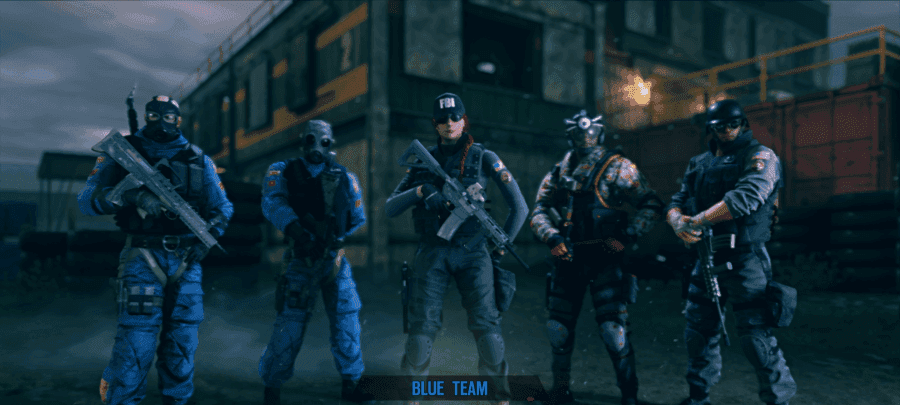
The Rainbow Six Siege X roster features 75 unique specialists with distinct tactical roles.
The sheer volume of Operators is both the game's greatest strength and its most intimidating barrier. Each character isn't just a different gun; they're a unique tactical toolkit. The difference between a round with Sledge—who can reshape the map with his breaching hammer—and one with Oryx, who can sprint through soft walls for aggressive flanks, is profound. This variety creates a near-infinite strategic web, but for a new player, it's a paralyzing wall of complexity. Here, Tom Clancy's Rainbow Six Siege X’s onboarding tools are a genuine lifeline. The in-menu ability videos are concise and clear, and the Landmark Drill training modes provide a low-pressure sandbox to experiment. These aren't just tutorials; they're essential permissions to engage with the game's deepest systems.
The competitive ban phase is where theory becomes brutal pragmatism. Before a single bullet is fired, each team removes one Attacker and one Defender from the pool, a simple rule that warps the entire match's DNA. It’s a masterstroke of player-driven balance, a community collectively deciding which strategies are too dominant or frustrating to face that day.
This system is the game's immune response to a stale meta. It forces adaptability and punishes one-trick players, ensuring the tactical landscape remains fluid. However, it also highlights the game’s surprising conservatism with the Siege X update itself: there are zero new Operators. For a milestone "version 2.0" release, the absence of a fresh face or gadget is a glaring omission, especially when a character like Rauora was added just months prior. It sends a mixed message—the systems around the roster are evolving, but the roster's expansion has, for this moment, stalled.
Instead, the evolution comes from within. Significant Operator reworks have revitalized old favorites, fundamentally changing their roles. The most dramatic is Clash; once a static, shield-walling defender, she can now sprint with her CCE Shield deployed, bash through barricades, and plant it as mobile cover. Her shock ability no longer damages but slows and reveals enemies, transforming her from an area-denial tool into an aggressive intel-gatherer. These aren't number tweaks—they're philosophical overhauls that demand players relearn matchups and strategies, effectively adding "new" characters without expanding the count.
This constant churn is the lifeblood of Siege X’s longevity. The combination of a vast, well-documented roster, a ban system that empowers players to shape the meta, and thoughtful reworks that upend established hierarchies creates a competitive environment that is perpetually fresh. You’re not just learning maps and angles; you’re learning a living, shifting ecosystem of counters and synergies. It’s a system that rewards deep knowledge and punishes complacency, ensuring that even after a decade, the most dangerous weapon in Tom Clancy's Rainbow Six Siege X isn't a particular gun, but an adaptable mind.
Wartime Economy: The Reality of Siege X's Free-to-Play Model
The "free-to-play" label on Tom Clancy's Rainbow Six Siege X is a tactical misdirection. While you can download the client and play Quick Match for zero dollars, the game’s competitive soul and long-term progression are locked behind a series of paywalls and grinding barriers that feel less like a modern service and more like a relic from a more predatory era. This is where the decade-old foundation shows its most cynical cracks.
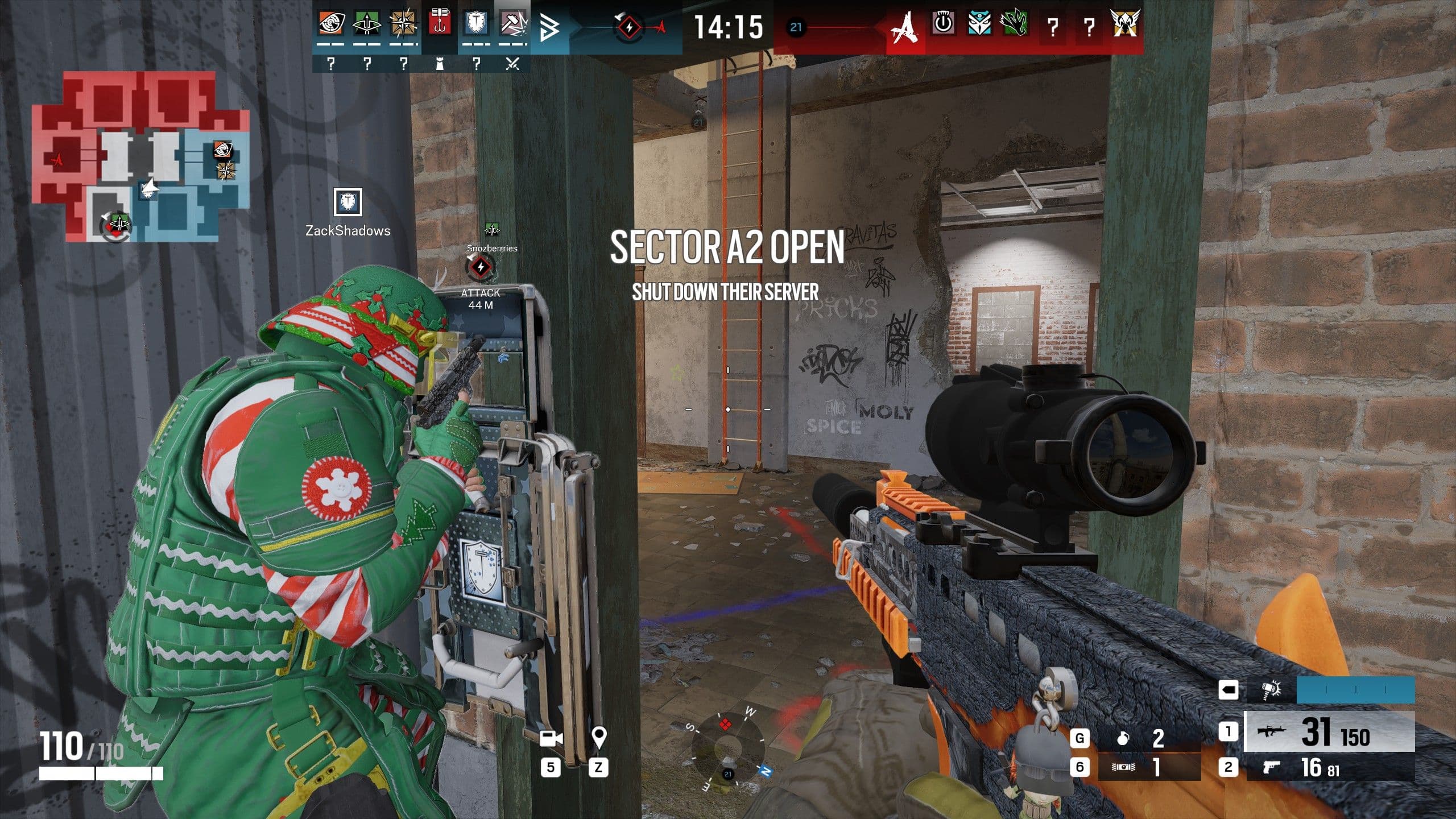
Cosmetic skins and seasonal items are a core pillar of the game's free-to-play economy.
Let’s start with the most egregious gatekeeping: Ranked and the Siege Cup tournament are not part of the free package. Access requires the Elite Edition, a roughly $20 USD purchase. In an era where competitors like Valorant and Marvel Rivals build their entire competitive ecosystems on a free-to-play foundation, this decision is baffling and segments the community. It tells free players their aspirations are secondary, that the "real" game—the one with stakes, a unified ruleset, and the ban phase we praised earlier—is a premium feature. For a title banking on a refreshed, accessible identity, it's a self-inflicted wound that undermines the "X" update’s welcoming intent.
The grind to unlock Operators without paying is where the model reveals its true colors. While all 75 specialists are technically free, the currency economy is brutally tilted. Earning Renown through standard play nets you about 1000 per hour. The cheapest legacy Operators cost that much, but newer, meta-defining characters like Alibi—whose holograms are a nightmare for attackers—can cost up to 25,000 Renown. That’s over 24 hours of dedicated playtime for a single character. This isn’t a progression system; it’s a full-time job. The alternative is the premium currency, R6 Credits, where $9 gets you 1,200 Credits, and a new Operator costs 600. The math is transparent: your time or your wallet.
The monetization strategy feels less like a service and more like a toll booth on the road to competitive viability. When a key Operator like Clash receives a massive rework that changes the meta, the pressure to unlock her—or pay to skip the 25-hour grind—becomes a direct lever on player frustration.
This pressure is systematized through the battle pass and an in-game store overflowing with cosmetic bundles. The battle pass itself, with its branching reward paths, is competently executed, but it exists within an ecosystem designed to overwhelm. Between the slow Renown drip, the paid competitive tier, and the constant storefront promotions for everything from Master Chief skins to overpiced weapon bundles, the game’s menu can feel less like a tactical headquarters and more like a digital bazaar. The "Wartime Economy" isn't just a thematic name; it's an accurate description of the resource attrition players face.
For all its brilliance in tactical design, Tom Clancy's Rainbow Six Siege X’s free-to-play model is a masterclass in aggressive player funneling. It offers just enough of the core Bomb mode to hook you, then systematically makes the path to a complete, competitive experience so arduous that spending money feels less like a choice and more like a necessity to engage with the game on its own terms. It’s the one aspect of this polished refresh that doesn’t trust its own stellar gameplay to be enough, resorting to decades-old monetization tactics that clash violently with its otherwise forward-thinking evolution.
Technical Facelift: Improved Audio and Aging Destruction
A decade-old engine can only be polished so much, and Tom Clancy's Rainbow Six Siege X is a masterclass in smartly applying that polish where it matters most—to the player's senses—while accepting the structural limitations of its aging architecture. The result is a game that feels remarkably modern to your ears and subtly refreshed to your eyes, even as your bullets still bounce harmlessly off the same indestructible furniture.
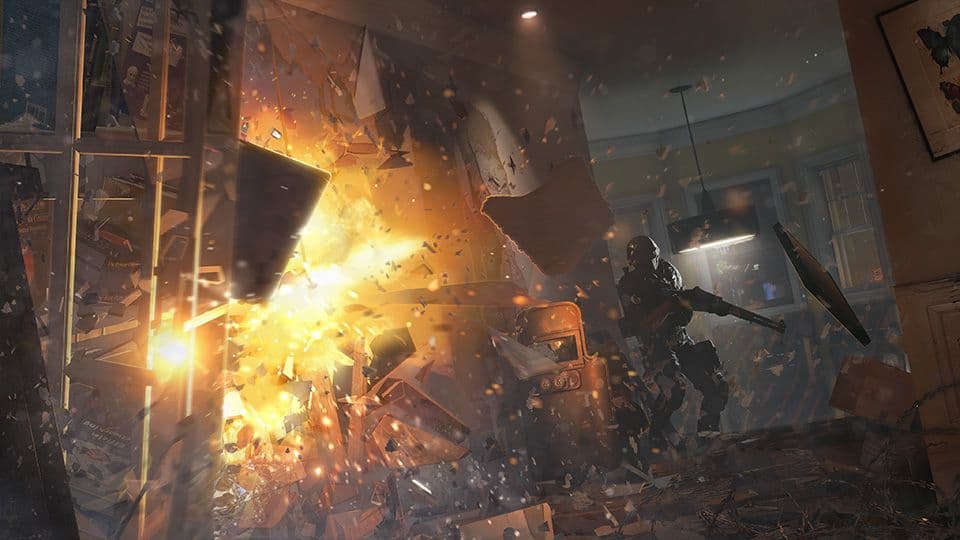
Siege X features enhanced environmental destruction and visual effects.
The most transformative upgrade is, without question, the audio overhaul. This isn't just clearer gunshots; it's a complete re-engineering of the soundscape into a true, competitive instrument. Footsteps now have precise, three-dimensional spatial positioning, allowing you to pinpoint an enemy's floor, direction, and even their pace with shocking accuracy. The difference between the thud of boots on the floor above you and the creak on the staircase to your left is now a critical piece of intel. Environmental sounds echo realistically through halls and down ducts, creating an immersive soundscape where listening is no longer a supplementary skill—it's the primary weapon. In a game without a minimap, this level of auditory fidelity transforms every quiet moment into an intense game of deduction, making a good pair of headphones an essential piece of gear.
The new audio system is so effective it occasionally feels like a superpower. I won a round on the revamped Kafe Dostoyevsky not by out-shooting anyone, but by hearing the distinct, muffled shuffle of a defender repositioning through a soft wall and pre-firing the exact panel he was crossing behind.
Visually, the approach is more conservative but effective. Five classic maps, including Clubhouse, Bank, and Chalet, have received a visual facelift with upgraded 4K textures and, more importantly, significantly improved dynamic lighting. The new lighting isn't just for show; it alters gameplay. Shadows are deeper and more defined, creating higher-contrast environments where enemies can be harder to spot lurking in a dark corner, but muzzle flashes and gadget LEDs also pop with greater clarity. The updated maps also introduce new environmental hazards like shootable gas pipes and fire extinguishers. Blowing a pipe creates a temporary jet of flame for area denial, while popping an extinguisher fills a corridor with obscuring smoke. These are cinematic touches that add a layer of chaotic, tactical flair, though in practice, they feel more like occasional punctuation to a round rather than central strategic pillars.
Where the technical age shows through is in the celebrated destruction system. While the philosophy of environmental manipulation remains core, the underlying technology has clear, hard-coded limits that feel archaic next to modern counterparts like The Finals. Entire classes of objects—thick structural walls, certain metal beams, and most frustratingly, mundane furniture like bookshelves and sofas—remain completely indestructible. Vertical play is also artificially gated; you can't breach any rooftop you want, only specific, predetermined hatches. This creates occasional moments of dissonance where your strategic brain identifies a perfect flank route, only for the game's decade-old geometry to tell you "no." The destruction is still a fantastic tool, but it's a curated sandbox, not a truly dynamic one.
Thankfully, movement has received thoughtful refinements that expand your options within that sandbox. The advanced rappelling system is a standout, finally making exterior assaults feel fluid and aggressive. You can now sprint laterally along a wall to quickly reposition, or swing around a corner to peek a window from an unexpected angle without being a stationary target. This turns rappelling from a vulnerable, last-resort maneuver into a viable offensive tactic, adding a new layer of vertical dynamism to maps that veterans will need to relearn. It’s a perfect example of Tom Clancy's Rainbow Six Siege X’s design ethos: instead of reinventing the wheel, it meticulously fine-tunes the bearings.
Ultimately, this section of the experience is defined by brilliant enhancement in service of enduring fundamentals. The audio is best-in-class, the visual touches are tasteful and gameplay-relevant, and the movement tweaks are smart evolutions. Yet, they all operate within the recognizable, sometimes restrictive framework of a 2015 game. For returning players, it’s the perfect remaster—familiar yet sharper. For newcomers, it presents a paradox: a game that sounds and moves like a 2025 title, but whose physical world still obeys the sometimes-arbitrary rules of a bygone era.
Final Verdict: Is Rainbow Six Siege X the Best Way to Play?
After a decade of refinement, the question isn't whether Tom Clancy's Rainbow Six Siege X is a good tactical shooter—it’s arguably the genre’s undisputed reference. The real verdict hinges on whether this polished, free-to-play refresh is the right entry point for you. This is a game that knows its audience and makes no apologies for its brutal, unyielding nature, offering the most complete and technically polished version of its brilliant, punishing core for those willing to meet it on its own terms.
The package offers a mix of classic multiplayer and updated presentation.
The ideal player for Tom Clancy's Rainbow Six Siege X is the tactical veteran or the lapsed operator returning to duty. For them, this is the definitive edition. The unified competitive ruleset, the thoughtful Operator reworks like Clash, the best-in-class audio, and the smart movement tweaks like advanced rappelling all serve to deepen an already profound metagame. The new Dual Front mode, while flawed, offers a fascinating sandbox for experimentation. This is a game that rewards institutional knowledge, and the X update honors that investment with meaningful quality-of-life improvements and a visual spruce-up that makes the classic maps feel fresh. If you’ve ever been hooked by Siege’s unique brand of tense, methodical combat, this is unequivocally the best way back in.
For newcomers, however, the path is still paved with barbed wire and broken dreams. The game’s legendary learning curve remains a sheer cliff face, and the free-to-play model aggressively funnels you toward the $20 Elite Edition paywall just to access Ranked—the mode where the game’s strategic soul truly lives.
This brings us to the game's most persistent and player-hostile flaw: its community ecosystem. The steep learning curve is a design choice; the toxic behavior that often greets new players is a failure of stewardship. Reports of team-killing for "wrong" reinforcements, voice chat harassment, and the presence of smurfs in beginner queues are not bugs—they are features of a decade-old competitive culture that the systems do little to mitigate. Coupled with the aggressive monetization that locks core competitive features and places a 25-hour grind gate on key Operators, the initial experience can feel less like a welcome and more like an extortion racket. You are given a taste of the brilliant Bomb mode, then shown a menu of ways to pay—with money or with your sanity—to fully engage with it.
And yet, against all these considerable barriers, the core game shines with a brilliance that justifies its longevity. The unparalleled strategic depth born from 75 unique Operators and fully manipulable spaces creates moments of pure genius no other shooter can match. The outstanding audio design isn't just an upgrade; it redefines how you play, turning headphones into a legitimate tactical advantage. When the systems click—when your team communicates, the plan comes together, and you win a round through superior intelligence rather than superior aim—there is simply nothing else like it in the genre.
Tom Clancy's Rainbow Six Siege X is the best version of a masterpiece that has never cared about being accessible. It is a polished, modern refresh of a game that remains stubbornly, brilliantly hard. It is the reference point for tactical shooters, but it demands a steep toll of time, tolerance, and sometimes money to be fully appreciated. For the right player, that toll is a bargain. For everyone else, it’s a fortified wall they may never breach.
Pros:
- Unparalleled Strategic Depth: The 75-Operator roster and destructible environments create a near-infinite tactical sandbox. Executing a perfect plan is a peerless thrill.
- Outstanding Audio Design: The 3D spatial sound is a game-changer, making auditory intel precise, reliable, and critical to success.
- Meaningful Quality-of-Life: The advanced rappelling, visual map updates, and Operator reworks (like Clash) thoughtfully modernize the experience without breaking the core.
- Polished Core Loop: The Bomb mode remains one of the finest competitive designs ever crafted, tense, cerebral, and endlessly rewarding.
Cons:
- Brutal Learning Curve & Toxicity: New players face a daunting knowledge gap and a community that can be ruthlessly unwelcoming, with team-killing and harassment still prevalent issues.
- Aggressive Monetization: Locking Ranked behind a paywall and the grueling grind for new Operators (25,000 Renown each) feel predatory and at odds with a modern free-to-play model.
- Aging Foundation: The environmental destruction, while still fun, shows hard-coded limits (indestructible furniture, preset breach points) that feel dated next to newer titles.
- Hit-or-Miss New Modes: Dual Front is an interesting but flawed experiment with pacing issues, while Deathmatch feels like an awkward afterthought.