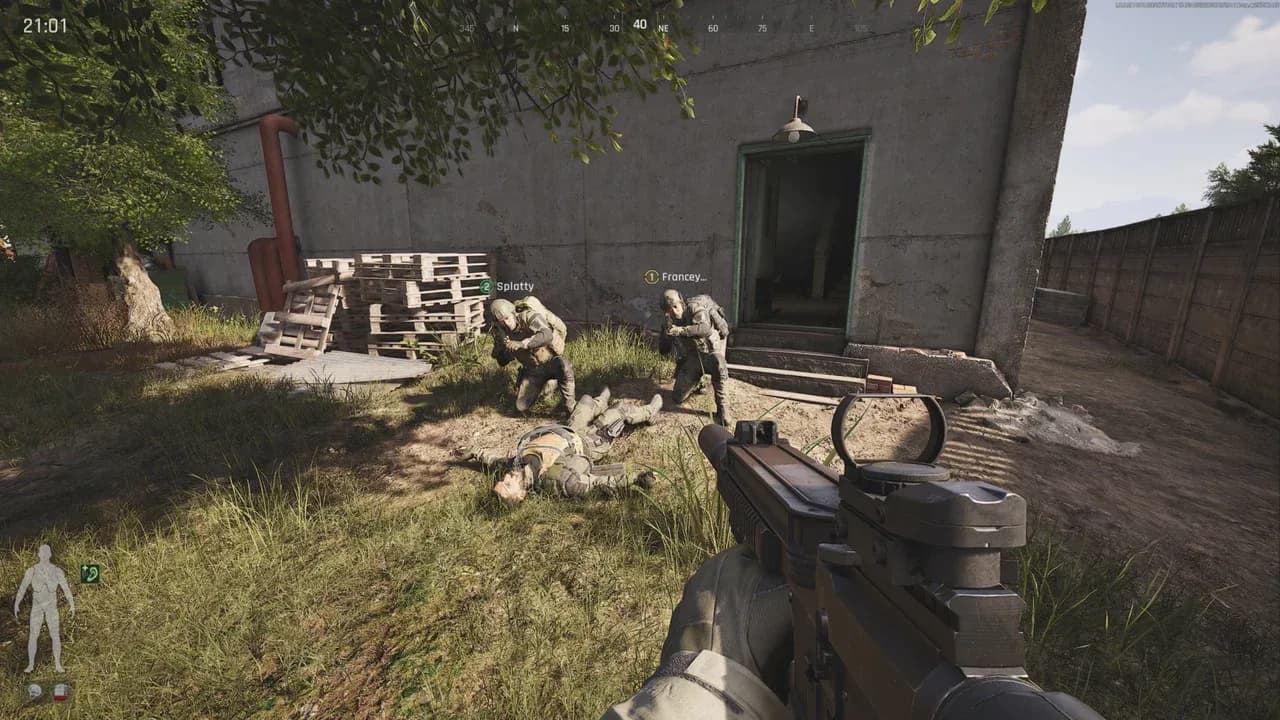
Arena Breakout: Infinite First Impressions: A Polished Extraction Clone
The extraction shooter genre has long been a fortress guarded by a punishing gatekeeper: Escape from Tarkov. Its complexity, its ruthlessness, and its sheer time commitment have defined the hardcore experience. Arena Breakout: Infinite is the well-armed, expertly drilled force that has scaled the walls and replicated the blueprint, but with one crucial twist: it’s left the gate wide open. Developed by Morefun Studios (a Tencent subsidiary) and released as a free-to-play PC title on September 15, 2025, this is not a spiritual successor or a homage. This is a direct, polished clone of the Tarkov formula, meticulously rebuilt with a singular, clear-eyed mission: to make the genre's addictive, high-stakes tension accessible to everyone.

Arena Breakout: Infinite brings high-fidelity extraction gameplay to PC.
Let's be blunt about its lineage. From the moment you open your stash, sort your ammo, and nervously queue for a raid, Arena Breakout: Infinite feels immediately, uncannily familiar to veterans. The core loop is identical: gear up, drop into a map crawling with AI scavengers and rival players, frantically loot anything not nailed down, and fight your way to an extraction point. Die, and you lose everything you brought in and found. Extract, and you get to keep it all to fund your next, better-equipped run. The UI, the inventory tetris, the grim, vaguely Eastern European setting of the war-torn Kamona region—it’s all here, translated with startling fidelity. This is a game that understands that Tarkov’s foundational systems are genius; it sees no need to reinvent the wheel, only to smooth out its jagged edges.
This is the game's core proposition: all of Tarkov’s exhilarating risk-reward adrenaline, served in a faster, more digestible package.
Where Arena Breakout: Infinite carves its own identity is in its deliberate pivot toward accessibility. The developers have surgically removed many of the friction points that define Tarkov’s notorious learning cliff. Raids are condensed, typically lasting 10-25 minutes instead of sprawling for 45. The maps, while still tactically rich, are generally smaller and more focused, leading to faster, more frequent engagements. There are no lengthy post-raid healing timers, no convoluted skill systems for your character, and no weapon durability to micromanage. The game even automatically squads you with randoms and offers preset loadouts, allowing you to jump into the tense, tactical gunplay within minutes of booting up. It’s a design philosophy that acknowledges a simple truth: the genre’ compulsive thrill doesn’t have to be married to masochistic commitment.
This approach makes Arena Breakout: Infinite feel less like a brutal survival sim and more like a concentrated tactical shooter with high stakes. The oppressive dread of Tarkov is replaced by a more immediate, snackable tension. You’re not planning a 40-minute expedition into hell; you’re committing to a 15-minute heist where every corner could hide a firefight. For players who found the genre’s traditional barriers insurmountable, this is an invitation they’ve been waiting for. Arena Breakout: Infinite succeeds brilliantly in its first, most important task: it proves the extraction shooter loop is universally compelling, not just for the ultra-dedicated. The question it leaves you with, as you nervously extract with your first haul of loot, isn't about whether the formula works—it's about what cost this new accessibility might carry.
Combat and Gunplay in Arena Breakout: Infinite: Tactile and Lethal
Where Arena Breakout: Infinite truly separates its accessible shell from its hardcore soul is in the moment you pull the trigger. The gunplay isn't just good—it's the game's single most compelling reason to play, a masterclass in tactile, lethal feedback that elevates the entire extraction loop from a tense scavenger hunt into a heart-pounding test of skill. This is a shooter that understands a fundamental truth: in a game where you can lose everything, every single bullet must feel consequential.
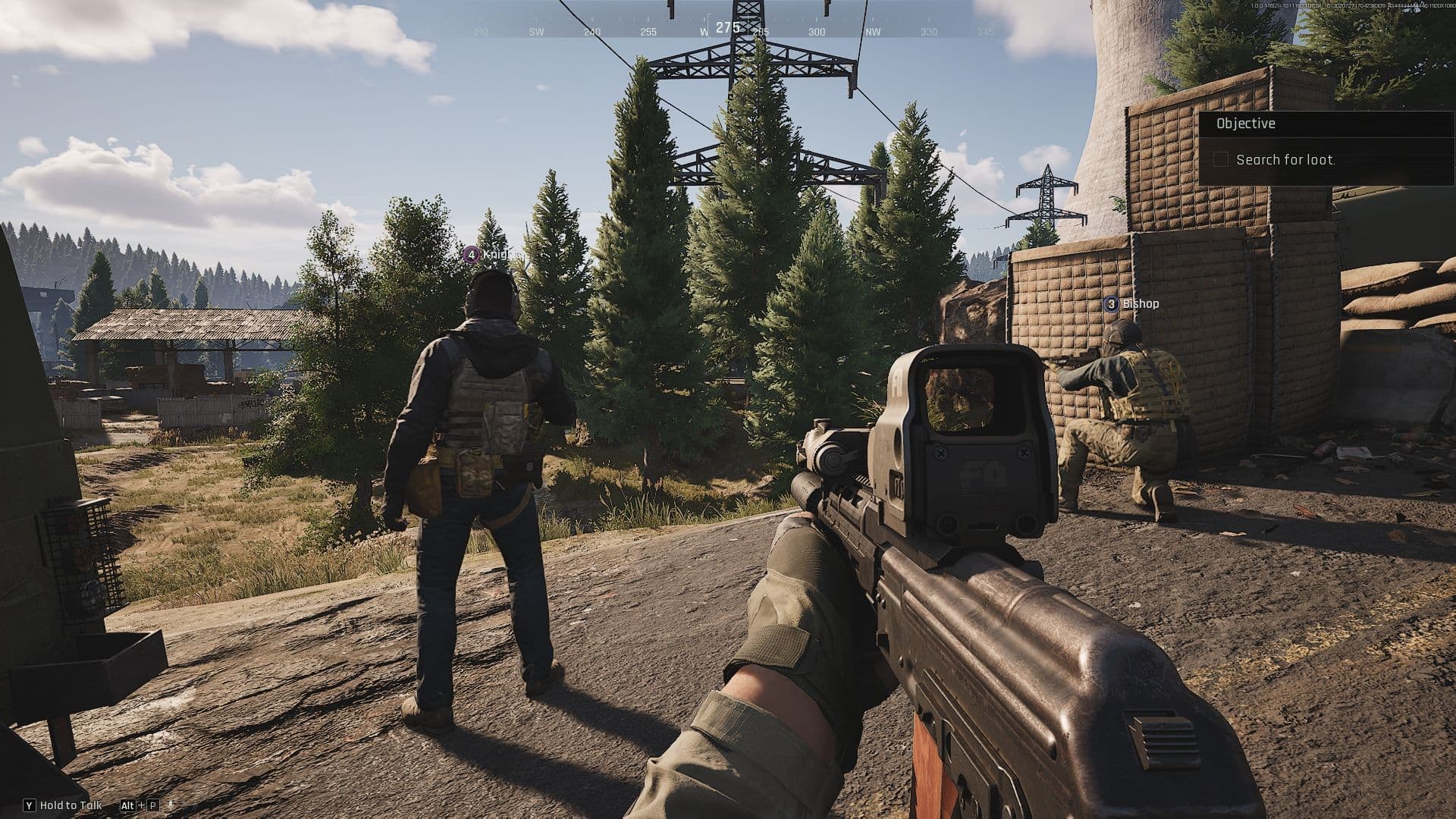
Environmental awareness is key during lethal firefights in the open.
The foundation is a commitment to grounded, weighty weapon handling that rivals its genre inspirations. Each firearm possesses a distinct personality defined by its recoil pattern, firing report, and handling speed. A stockless AKM bucks and climbs with ferocious unpredictability, demanding controlled bursts, while an MP5 feels like a laser beam in close quarters, its manageable kick rewarding aggressive pushes. The sound design sells the fantasy completely; unsuppressed gunfire is a deafening crack that echoes through urban alleys, while a suppressed shot is a wet, percussive thump that feels both satisfying and sinister. This isn't arcade shooting—it's a system that forces you to learn your tool, and the payoff for that mastery is immense.
The Ultimate Gunsmith System is where this philosophy of player agency shines. With over 75 base weapons and more than 900 mods across 20+ attachment slots, the customization is staggering in its depth but refreshingly intuitive in its presentation.
You can spend hours in the workshop, swapping out barrels, stocks, optics, and foregrips, with a real-time 3D preview showing the physical changes to your weapon. The genius lies in how these modifications are visualized through clear, numerical stat adjustments to recoil control, ergonomics, and ADS speed. Want to turn an M4 into a DMR? Slap on a long barrel, a high-magnification scope, and a heavy stock. Prefer a CQB monster? A short barrel, laser sight, and angled foregrip will do the trick. The recent Season 5 additions, like the FAMAS and T192, aren't just new models; they are fresh platforms with unique handling characteristics to master and build around. This system doesn't just let you customize a gun; it lets you craft a solution to a specific tactical problem, and that feeling of ownership over your kit is profoundly rewarding.
This meticulous customization matters because Arena Breakout: Infinite is brutally, beautifully lethal. Borrowing from the most hardcore shooters, a few well-placed shots are almost always fatal. Armor provides a chance, not immunity. This creates a combat rhythm of extreme tension—engagements are decided in seconds, not minutes, and a single mistake like peeking the same angle twice or sprinting across an open field is punished instantly. The realistic ballistics, including bullet penetration through thin materials and velocity drop-off, further reward smart positioning and ammunition choice. Using cheap, low-penetration rounds against a heavily armored opponent is a surefire way to hear the devastating ping of a ricochet before your screen goes black. This lethality is the great equalizer; a player with a modded-out rifle still dies to a well-aimed headshot from a scav's pistol, keeping every raid feeling dangerously unpredictable.
For all its streamlining elsewhere, Arena Breakout: Infinite refuses to compromise on the one thing that makes the genre’s stakes feel real: the sheer, visceral impact of its combat. The guns feel powerful, the fights are decisive, and your success hinges entirely on your ability to out-think and out-shoot your opponent in those fleeting, fatal moments. It’s a system that respects your intelligence while constantly testing your nerve, and it’s the solid core around which every other quality-of-life improvement orbits.
The Extraction Loop: How Arena Breakout: Infinite Simplifies the Grind
The genius of Arena Breakout: Infinite isn't just that it cloned a winning formula—it's that it ruthlessly optimized that formula for a world with less time and patience. The game's entire identity hinges on its streamlined extraction loop, a masterclass in condensing high-stakes tension into digestible, 15-25 minute raids. Where its inspiration demands you clear your schedule, Arena Breakout: Infinite asks only for a coffee break. This isn't a dilution of the genre's core thrill; it's a distillation.

The in-game map simplifies navigation and extraction planning.
The compressed raid timer is the most significant change. Clocking in at roughly half the length of a typical Escape from Tarkov session, this constraint fundamentally reshapes player behavior. There's no time for a cautious, 40-minute perimeter crawl. Instead, you're pushed into quicker decision-making: do you sprint for the high-value loot hotspots like the Motel on the Farm map, or play a slower, intercepting game on the outskirts? The maps themselves, while varied and tactically rich with their mix of tight urban corridors in Valley and more open engagement zones in Armory, are designed for this faster pace. You’ll learn their extraction points and chokeholds not over dozens of hours, but within a handful of runs, thanks to the clear in-game map and markers. This design turns each match into a concentrated burst of the genre's best elements—looting, paranoia, and explosive combat—with far less downtime.
This is where the game's quality-of-life features transform from mere conveniences into core gameplay pillars. The floating markers above squadmates, the easy radio chat, and the detailed post-match combat recap aren't just helpful; they're a direct response to the genre's traditional opacity, actively making you a better, more informed player.
Seeing the exact path you took, complete with markers for where you fired shots and where you were hit, demystifies the learning curve. You don't just know you died; you learn you were killed by a player you never saw, who was perched on a specific rooftop, using ammunition that pierced your level 3 armor. This immediate, actionable feedback accelerates skill acquisition in a way that feels respectful of your time.
The risk-reward calculus remains brutally intact, which is crucial. Dying still means losing everything on your person, a rule that injects every firefight with palpable dread. The thrill of successfully extracting with a Graphics Card or a rare weapon mod is undiminished. However, the shortened timeframe and streamlined systems reframe the "risk." The sting of a loss is mitigated because you're only 25 minutes—and a quick preset loadout—away from your next attempt. This lowers the emotional barrier to entry without lowering the stakes. You're still gambling your gear, but the buy-in feels less catastrophic, encouraging the experimentation and aggression that makes the loop so compelling.
Arena Breakout: Infinite proves that the soul of an extraction shooter isn't found in marathon session lengths or byzantine mechanics. It's in that heart-pounding moment when you have to choose between pushing for one more loot crate or sprinting for the extract with seconds remaining. By sharpening its focus and trimming the fat, the game delivers that moment again and again, with a frequency that turns a niche, hardcore genre into something dangerously, brilliantly addictive for the everyday player.
Economics and Progression: Stashes, Insurance, and Streamlined Looting
In Arena Breakout: Infinite, the most stressful moments aren't spent staring down a scope—they're spent staring into your backpack after a frantic extract, deciding what to keep, sell, or scrap. The game’s approach to economics and progression is a masterclass in accessibility, intelligently streamlining the genre’s most daunting systems while leaving its high-stakes heart intact.
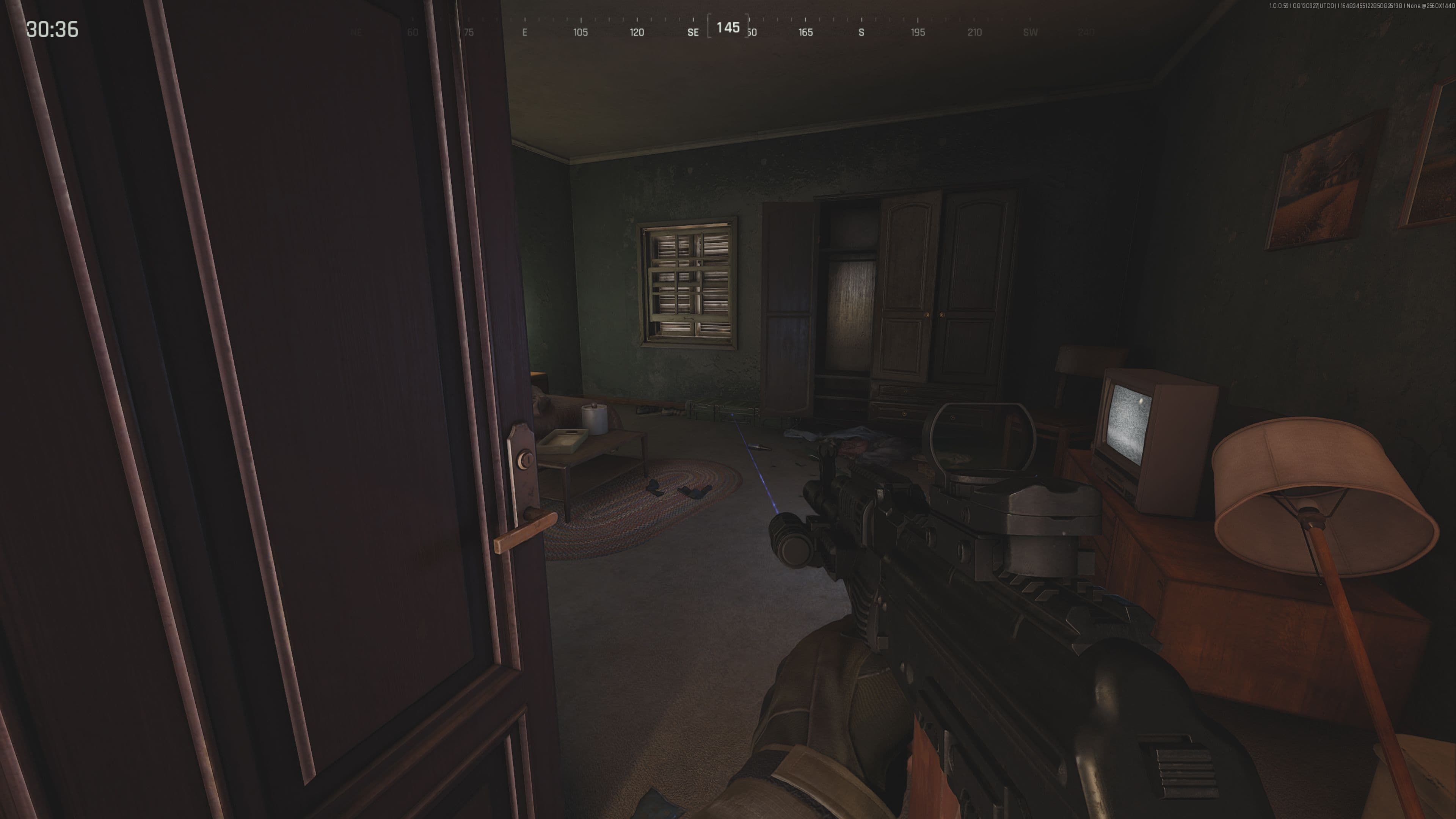
The Elite package offers expanded storage and increased marketplace listing limits.
At the core of this is an inventory management system that prioritizes speed and clarity. The drag-and-drop equipping is intuitive, but the real genius lies in the quality-of-life tweaks that save precious seconds between raids. You can right-click to instantly strip a weapon for parts, turning a bulky rifle into a tidy stack of mods to sell on the player market. Bags can be rolled up to save space in your stash, a simple but transformative feature that eliminates a layer of pointless inventory Tetris. This design philosophy—removing friction without removing consequence—means you spend less time managing your virtual garage sale and more time in the tense, tactical gameplay that matters.
This streamlining extends to team dynamics in a way that feels genuinely progressive. If your squad extracts without you, your gear is automatically mailed back to you. This simple rule fundamentally changes the social contract of playing with randoms, fostering cooperation over distrust.
It’s a forgiving system that acknowledges a harsh truth: sometimes, you die in a stupid spot and your squad can’t reach you. Getting your kit back feels fair, and it encourages players to stick together and play for the team’s success rather than immediately looting their fallen comrade.
The insurance system serves a similar purpose, acting as a gentle safety net for the inevitable. For a small fee, you can insure your gear. If you die and your body isn’t picked clean by another player within the raid’s time limit, that gear is returned to you. This mechanic smartly shifts the risk calculus. It doesn’t make death free, but it does mitigate the total wipeouts that can stall a player’s progress for hours. For newcomers, this is a crucial confidence-builder; it allows them to risk bringing better gear without the paralyzing fear of permanent loss. Veterans might scoff at the hand-holding, but it’s a key reason Arena Breakout: Infinite’s loop feels addictive rather than punishing.
Progression is driven by this steady accumulation, funneled through straightforward systems. The Trophy Room lets you display your hard-won loot and serves as a workshop for crafting high-performance ammunition and advanced armor, giving tangible goals beyond mere wealth. Daily missions and contracts are simple—extract X amount of loot, eliminate Y targets—providing clear, bite-sized objectives that ensure you’re always earning something. This clarity is a stark contrast to the opaque, interconnected questlines of its inspirations, and it perfectly complements the game’s faster pace. You always know what you’re working toward, and you’re rarely more than a raid or two from a meaningful reward.
However, this streamlined approach comes at a cost. In its quest for accessibility, Arena Breakout: Infinite has surgically removed the weapon durability, mastery, and complex character skill systems that give its competitors a sense of long-term, RPG-like progression. Your gun will never jam from wear, your character won’t gain passive bonuses for repeated use of a weapon type, and there’s no skill tree for stealth or strength. The depth comes entirely from your gear and your personal skill. For many, this is a welcome purging of bloat. But for players seeking that deeply ingrained sense of character growth, the progression can start to feel transactional—a cycle of buying, looting, and selling, rather than truly developing. It’s a trade-off that keeps the action fast and the systems easy to parse, but it slightly flattens the long-term hook for those who crave more than just a better gun.
Is Arena Breakout: Infinite Pay-to-Win? The Monetization Controversy
Here’s the uncomfortable truth about Arena Breakout: Infinite: its brilliant streamlining of the extraction shooter genre is shadowed by a monetization model that feels imported from the worst impulses of mobile gaming. The game is free to play, but the price of feeling like a first-class citizen is a recurring monthly fee. This isn't a debate about cosmetic skins; it’s a direct, subscription-based stratification of player convenience and security that, while stopping short of selling raw power, creates a palpable two-tiered ecosystem.
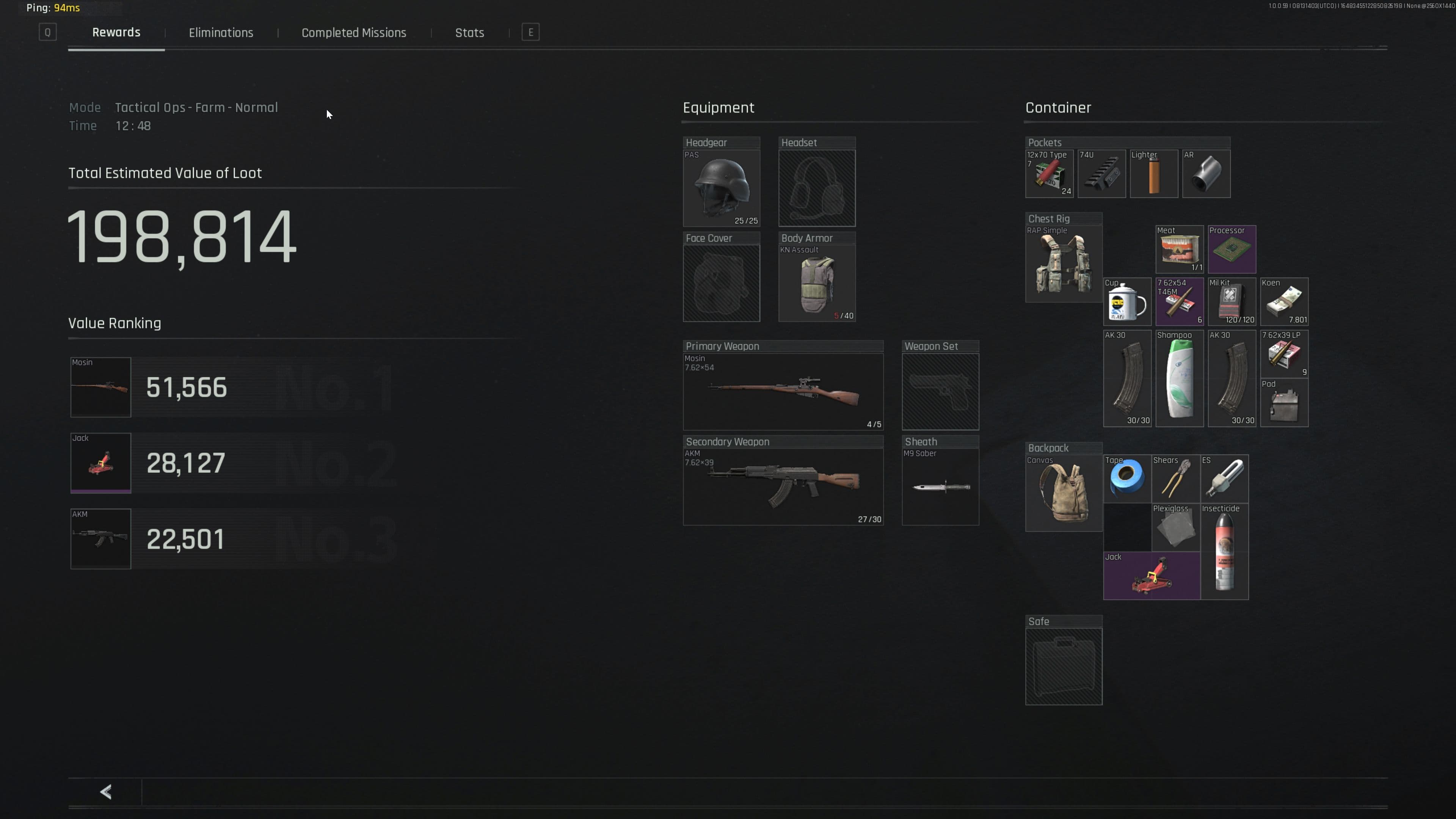
Secure containers are a central point of the game's monetization controversy.
The most contentious element is the secure container system, the very heart of a player's risk mitigation. While a small 2x1 container can be earned for free, the game immediately dangles significantly better options behind a paywall. A 2x2 container costs 500 Bonds (roughly $4.99) for a 30-day subscription. The larger 3x2 version doubles that to 1,000 Bonds ($9.99) per month. In a game where securing your most valuable loot from a failed raid is paramount, this isn't a minor convenience—it's a fundamental advantage in wealth accumulation. A paying player can extract with two or three high-value items like Graphics Cards or rare weapon mods on every single death, while a free player might save only one. Over dozens of raids, that economic delta becomes massive, funding better gear and more ambitious loadouts with far less risk.
This subscription model extends beyond the container to core quality-of-life features via the Elite package, another 500 Bond ($4.99) monthly commitment. It grants 150 extra stash lines, a higher weekly selling limit on the player market, more simultaneous market listings, and a premium player label.
The impact is systemic. A subscriber can hoard more gear, sell more loot for profit each week, and manage their in-game economy with vastly greater efficiency. In a genre where your stash is your progression, these aren't trivial bonuses. They directly accelerate the gameplay loop I praised earlier, turning the streamlined inventory management into a turbocharged engine for subscribers while free players operate with a handbrake on.
Arena Breakout: Infinite thus navigates a careful, cynical line. The developers, Morefun Studios, can rightly claim there are no direct "pay-to-win" items for sale—you cannot buy a gun that deals more damage or armor that provides higher stats. However, they sell security and time, which in a game of economics and attrition, are the next best things. The potential for premium cosmetics to offer subtle perks like reduced weight or improved camouflage tones, as noted in early reports, would only blur this line further. The result is a community where players are segmented not by skill alone, but by their willingness to pay a recurring toll. As one critic bluntly put it, this can make non-spending players feel like "second-class citizens," a psychological friction that undermines the game's otherwise welcoming design.
Ultimately, Arena Breakout: Infinite’s monetization feels like a betrayal of its own accessibility mission. It expertly lowers the skill and time barriers to entry, only to erect a new, financial one in the mid-game. The core combat and extraction loop remain fantastic, but the persistent sense that you're operating at a deliberate disadvantage unless you subscribe casts a long shadow over the entire experience. It’s a stark reminder that in the free-to-play model, your time and peace of mind are often the ultimate currencies.
Technical Performance: Visual Fidelity and Anti-Cheat Measures
A game’s technical foundation can make or break its core fantasy, and in a genre built on tension and split-second decisions, a single stutter or suspicious death can shatter immersion completely. Arena Breakout: Infinite largely succeeds in building a stable, convincing world, though its polish has a few noticeable cracks that can pull you out of the moment.
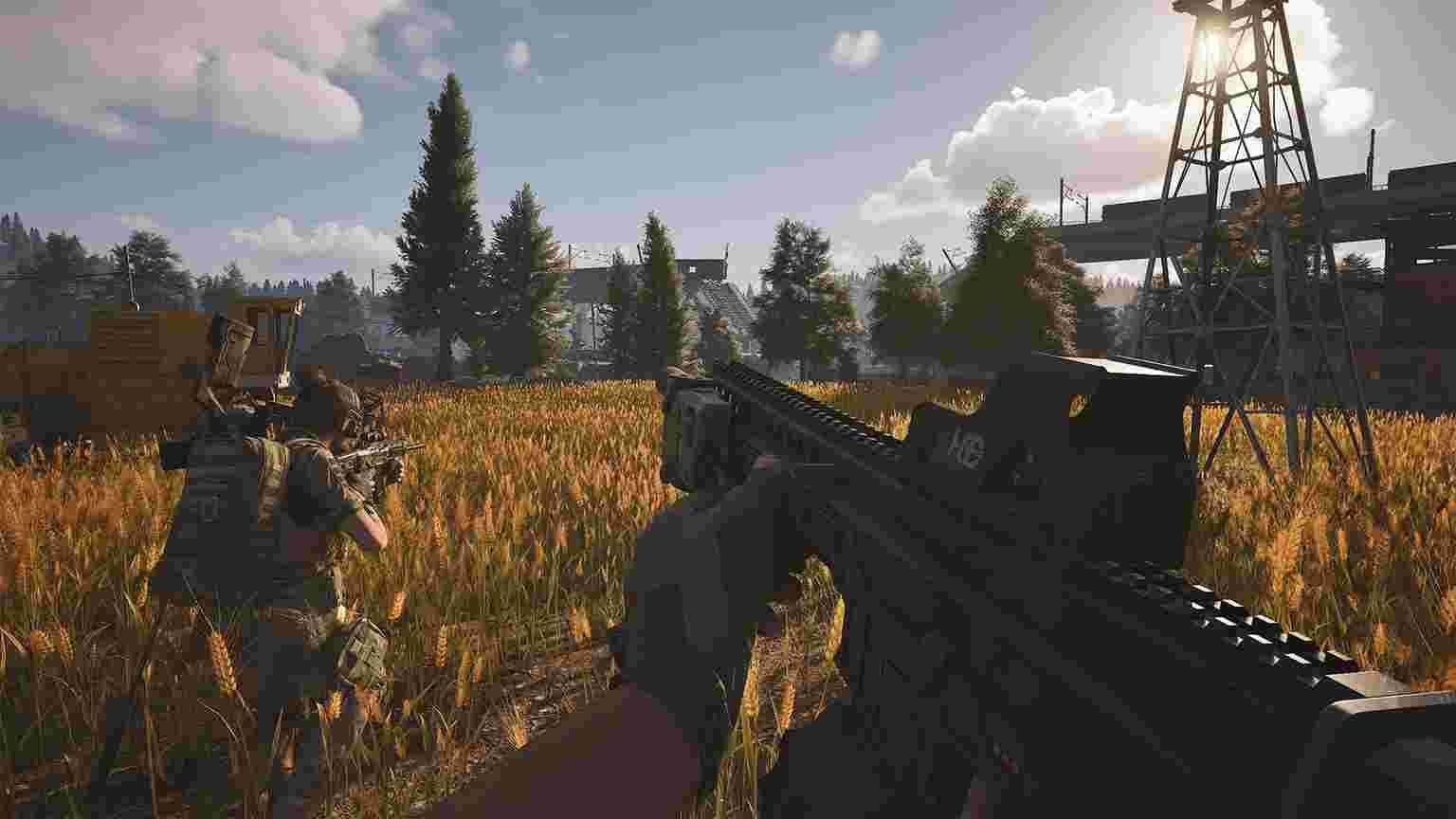
The PC reimagining offers significant graphical upgrades over the original mobile version.
Visually, the game punches well above its free-to-play weight. Leveraging Unreal Engine, it delivers a grounded, gritty aesthetic that sells the fiction of a war-torn Eastern European state. Weapon models are a particular highlight, dripping with detail down to engraved serial numbers and textured polymer grips, making the act of inspecting your custom-built rifle in the pre-raid menu a small pleasure in itself. The environmental lighting is equally impressive, casting long, tense shadows in the urban alleys of Valley and filtering through the misty forests of other maps to create a palpable sense of place. This isn't about cutting-edge ray tracing; it’s about a consistent, believable art direction that serves the gameplay. Dynamic weather and time-of-day cycles aren't just cosmetic—they actively reshape strategy, with a downpour masking your footsteps or a setting sun glaring in your scope. On a recommended RTX 2060 or equivalent, the game maintains a stable, smooth frame rate that keeps the action fluid, and load times are refreshingly short, ensuring you spend more time in raids and less time staring at loading screens.
The audio design is arguably even more critical to the experience, functioning as your primary sensory radar. Arena Breakout: Infinite understands this, crafting a soundscape where every crack of gunfire tells a story. The report of an unsuppressed rifle echoes differently off concrete than it does through dense foliage, giving you vital clues about distance and positioning. The crunch of gravel versus the muffled thud on carpet as an enemy approaches is the difference between life and a surprise ambush. This fidelity makes audio a legitimate tactical tool, rewarding players who use headphones and listen carefully. However, this crucial system is where one of the game's most frustrating technical flaws emerges.
For all its atmospheric brilliance, the audio can occasionally betray you. Reports from players and critics note sporadic desynchronization, where the direction of a sound doesn't match its source, and delayed damage registration, especially during peak server hours.
There is nothing more immersion-breaking—or frankly, infuriating—than ducking behind cover after hearing a shot, only to die a full second later from a bullet that seemingly passed through a wall. These network hiccups undermine the game's otherwise excellent commitment to realism and fairness, turning a calculated gunfight into a frustrating lottery during unstable periods.
This brings us to the game's most important technical feature: its anti-cheat. In a high-stakes PvPvE environment where a single raid represents hours of looted progress, the integrity of the competition is paramount. Arena Breakout: Infinite employs a Kernel Level Anti-Cheat (ACE) system, a necessary but intrusive measure that operates deep within your system to detect malicious software. More importantly, it couples this with a transparent Killcam Replay system. After death, you can review the final moments from your killer’s perspective, a feature that serves dual purposes: it’s an invaluable learning tool, and it’s your direct line for reporting suspicious activity. The developers have committed to a policy of automatic in-game compensation for players verified to have been impacted by a cheater, a crucial gesture that acknowledges the unique devastation of losing gear to unfair play. While no anti-cheat is a silver bullet, this multi-layered approach shows a serious commitment to preserving the game's competitive soul, which is essential for long-term health.
Ultimately, Arena Breakout: Infinite presents a technically competent and often impressive package that supports its gameplay ambitions. The visual and audio design work in concert to create a tense, believable world, and the performance is solid for a wide range of systems. Yet, the occasional network instability and audio bug serve as reminders that this is a live-service title still finding its footing. In a game where trust in your senses and the fairness of the server is everything, these issues, while not constant, are significant blemishes on an otherwise polished facade.
Final Verdict: Is Arena Breakout: Infinite Worth Your Time?
So, after all that—the polished gunplay, the streamlined raids, the tense extractions, and the monetization that feels like a monthly toll—who is Arena Breakout: Infinite actually for? This is the question every review must answer, and the answer is as clear as it is double-edged. This game is a masterfully crafted gateway drug for the extraction shooter-curious, a near-perfect introduction to the genre’s thrills that, unfortunately, comes with a recurring bill attached.
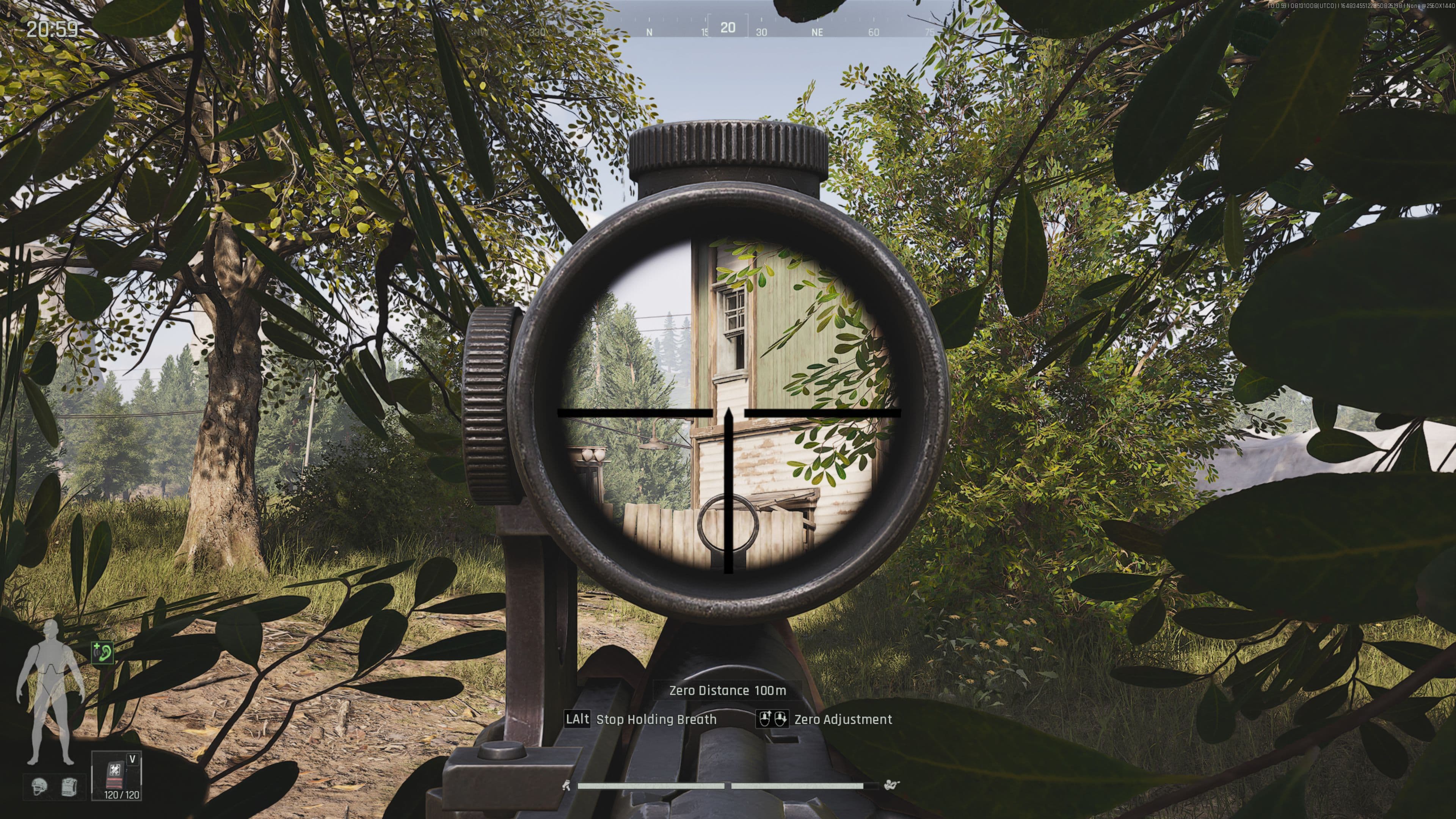
Quality of life features make the genre more accessible to newcomers.
The ideal player for Arena Breakout: Infinite is someone who has watched Escape from Tarkov streams with a mix of awe and dread, intrigued by the high-stakes tension but utterly repelled by the 45-minute raid timers, labyrinthine mechanics, and soul-crushing permanent losses. For that player, this game is a revelation. It delivers the genre’s core adrenaline shot—the frantic looting, the lethal gunfights, the triumphant extract with a backpack full of loot—in concentrated, 15-minute doses. The removal of weapon durability, the automatic squad-ups, the clear in-game map, and the detailed post-match recaps aren’t just conveniences; they are a curated on-ramp that respects your time while teaching you the ropes. You will feel competent and engaged within hours, not weeks. This is the game’s greatest achievement: it proves the extraction shooter loop is universally compelling, not a niche masochistic pleasure.
Where the value proposition fractures is in the mid-to-late game, where the streamlined accessibility runs headlong into the aggressive subscription model. The free entry point is genuine, but the feeling of being a second-class citizen grows with each successful raid.
As your stash fills and your ambitions grow, the limitations of the free 2x1 secure container and the standard stash size become a constant source of friction. Watching a paying teammate extract with three high-value items on a death while you save one isn’t just a minor inconvenience; it’s a systematic economic disadvantage that accelerates their progress while you grind. The Elite package doesn’t sell power, but it sells efficiency and security—the two pillars of long-term success in this genre. This creates a dissonant experience: a game that brilliantly welcomes you with open arms, then patiently explains how much smoother the ride is if you’d just subscribe.
The critical reception, as reflected in its Steam reviews, captures this dichotomy perfectly. An overall “Mostly Positive” rating (75% positive) suggests a strong initial wave of appreciation for its polished mechanics and free access. The more recent “Mixed” rating (60% positive), however, likely signals growing player fatigue with the monetization structure as they hit that mid-game wall. This tracks with the critical consensus from our research: Arena Breakout: Infinite is widely praised as a fun, polished, and accessible take on the genre, but its “awful” monetization is a recurring, deal-breaking caveat for many.
Ultimately, Arena Breakout: Infinite is a high-quality extraction shooter that is, in a phrase, fun but greedy. Its pros are substantial and rooted in exceptional execution: the Ultimate Gunsmith System is a benchmark for weapon customization, the condensed raid design is genius, and the visual/audio presentation rivals paid competitors. For the casual player seeking the Tarkov thrill without the doctorate-level commitment, it is easily the best option available. Yet, its cons are foundational and leave a bitter aftertaste. The lack of originality is forgivable given the quality of the clone, but the predatory, subscription-locked progression path actively discourages the very player loyalty it seeks to build. My recommendation is therefore split: download it, play it, and enjoy its brilliant core loop for dozens of hours absolutely free. But when the game inevitably suggests your experience would be better with a monthly payment, view that not as an enhancement, but as the price of removing the deliberate friction built into your free account. You’re paying for the game to stop holding you back, and that’s a hard pill to swallow.
Pros:
- Exceptionally polished and tactile gunplay with a deep, accessible customization system.
- A masterfully streamlined extraction loop perfect for shorter play sessions.
- High-quality visuals and immersive sound design that enhance the tactical experience.
- A genuinely free-to-play entry point with no paywalls blocking core gameplay.
- Smart quality-of-life features like team gear return and detailed post-match analysis.
Cons:
- Aggressive, subscription-based monetization that creates a palpable pay-for-convenience tier system.
- Lacks originality, hewing extremely closely to its genre inspiration.
- Simplified endgame progression may lack long-term hooks for players seeking deep RPG elements.
- Occasional technical issues with audio desync and network performance can undermine tense moments.