
BioWare Producer Explains Why Dragon Age Trilogy Remaster is Unlikely
A comprehensive remaster of the original Dragon Age trilogy is highly unlikely due to profound technical hurdles and a lack of institutional knowledge, according to former BioWare producer Mark Darrah.
In an interview with FRVR, Darrah—a 23-year BioWare veteran and series producer who left the Electronic Arts-owned studio in 2020—detailed the barriers preventing a "Champion's Edition" collection for Dragon Age: Origins (2009), Dragon Age 2 (2011), and Dragon Age: Inquisition (2014). He stated that while such a trilogy package was once part of his internal plans, executing it now would be extraordinarily difficult.
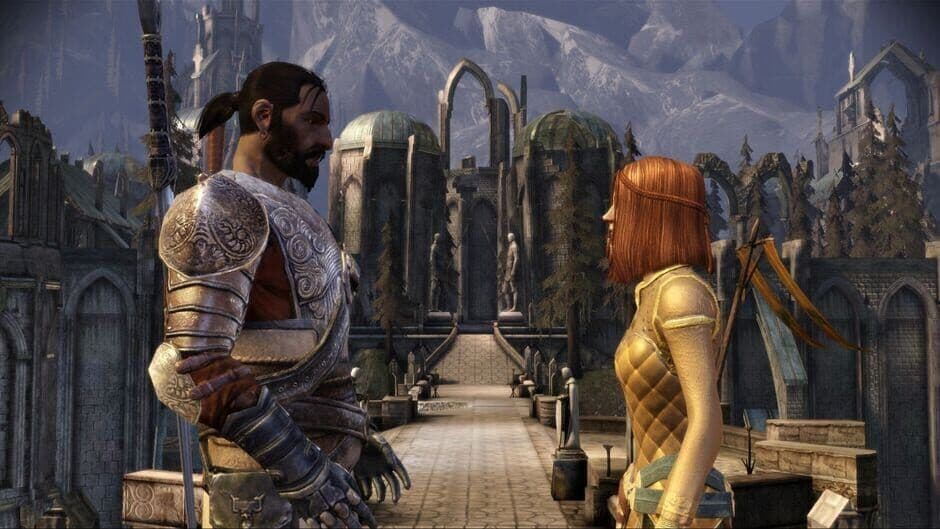
Dragon Age: Origins gameplay showcasing the original engine.
The primary obstacle is the outdated and proprietary technology underpinning the first two games. "There is basically no one at BioWare anymore that understands the Aurora Engine," Darrah told FRVR. Dragon Age: Origins used the Eclipse Engine (an enhanced Aurora Engine), while Dragon Age 2 used its successor, the Lycium Engine.
This scarcity of expertise extends beyond BioWare's walls, creating a major logistical problem. Darrah contrasted this with the successful Mass Effect: Legendary Edition, which was feasible because the trilogy used Unreal Engine 3, a widely understood technology. "There’s basically no one outside of BioWare anymore that understands the Aurora engine," he said. "So unlike Mass Effect... there are basically no companies that could help you."
Consequently, Darrah explained, a remaster of the early titles would require building a brand-new team dedicated solely to deciphering and rebuilding the old engine's foundation for modern systems—a massive and costly undertaking.
The Technical Debt of Proprietary Engines
The primary technical obstacle to a Dragon Age trilogy remaster is the series' reliance on a chain of outdated, proprietary game engines, creating a significant burden of "technical debt" that is now difficult to service. According to former BioWare producer Mark Darrah, while the Mass Effect trilogy's use of the widely understood Unreal Engine 3 facilitated its Legendary Edition remaster, the Dragon Age series was built on a succession of in-house engines with few modern experts.
Dragon Age: Origins (2009) was developed using the Eclipse Engine, an enhanced version of BioWare's older Aurora Engine. Its 2011 sequel, Dragon Age 2, utilized the Lycium Engine, the direct successor to Aurora. This lineage of proprietary software means the foundational code is unique to BioWare and not broadly understood in the industry.
"The core issue is the deep technical knowledge required for the Aurora Engine and its derivatives," Darrah explained. "There is basically no one at BioWare anymore that understands the Aurora Engine." He further noted this expertise is scarce externally, stating, "There’s basically no one outside of BioWare anymore that understands the Aurora engine. So unlike Mass Effect, which is Unreal [Engine]... there are basically no companies that could help you."
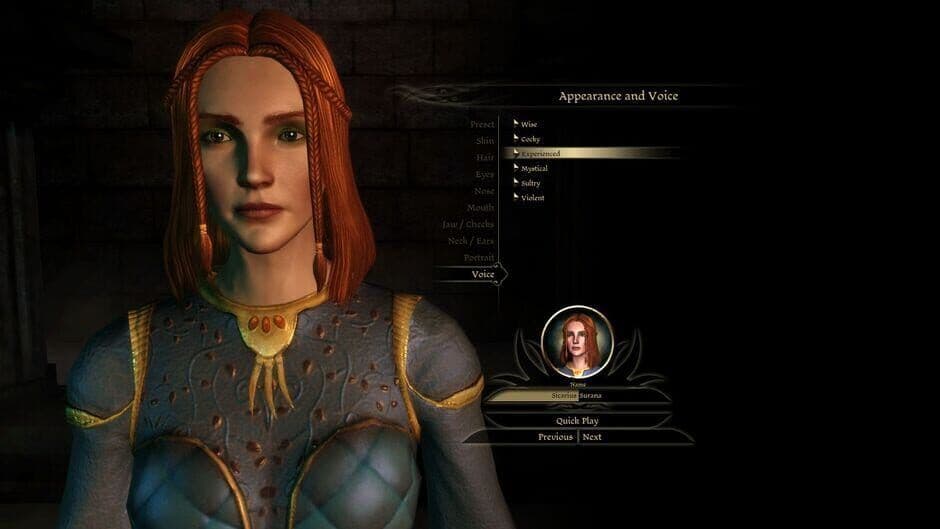
Combat mechanics within the original Dragon Age engine.
The engine divergence continued with Dragon Age: Inquisition (2014), which migrated to EA's Frostbite Engine. Consequently, a trilogy remaster would require expertise in at least three distinct, complex codebases. This technical debt—the implied cost of reworking outdated systems—makes a unified project a massive undertaking compared to working with a commonly used engine like Unreal.
The Lost Champion’s Edition and Development History
The concept of a unified "Champion's Edition" trilogy for Dragon Age was once an active internal plan at BioWare, according to former series producer Mark Darrah. In an interview with FRVR, Darrah revealed this collection, intended to group Dragon Age: Origins (2009), Dragon Age 2 (2011), and Dragon Age: Inquisition (2014), was part of his vision to retroactively frame the games as a cohesive saga.
This plan drew direct inspiration from the successful release of Mass Effect: Legendary Edition, which bundled and enhanced that sci-fi trilogy. However, the fundamental technical differences between the franchises made a similar package for Dragon Age far more complex from the start, despite the apparent commercial logic.

Official development artwork.
The trilogy's development history itself highlights a key obstacle: each game was built on a different technical foundation. Origins used BioWare's proprietary Eclipse Engine, an enhanced version of the older Aurora Engine. Dragon Age 2 utilized its successor, the Lycium Engine. By 2014's Inquisition, the studio had moved to EA's Frostbite engine, creating three distinct pieces of software to modernize.
As Darrah explained, the passage of time and studio turnover have effectively buried the specialized knowledge needed to revive the earliest games. "There is basically no one at BioWare anymore that understands the Aurora Engine," he stated, noting this expertise is also scarce industry-wide. This stands in stark contrast to the widely understood Unreal Engine 3 used for Mass Effect, which made its Legendary Edition a more feasible project.
Current BioWare Focus and Future Outlook
BioWare’s development resources are currently fully committed to its next major release, Dragon Age: The Veilguard, making any large-scale remaster project for the original trilogy a logistical impossibility in the near term. This focus was highlighted by former producer Mark Darrah, who noted that any team assembled for a remaster would likely need to be housed within BioWare, directly pulling talent from current priorities.
The studio’s primary project pipeline is now publicly centered on the upcoming fourth Dragon Age game. As Darrah explained in his interview with FRVR, EA’s project approval process and the studio’s structure favor dedicating its established team to new, flagship titles rather than retrospective collections. This leaves no bandwidth for the immense technical undertaking a "Champion’s Edition" would require.
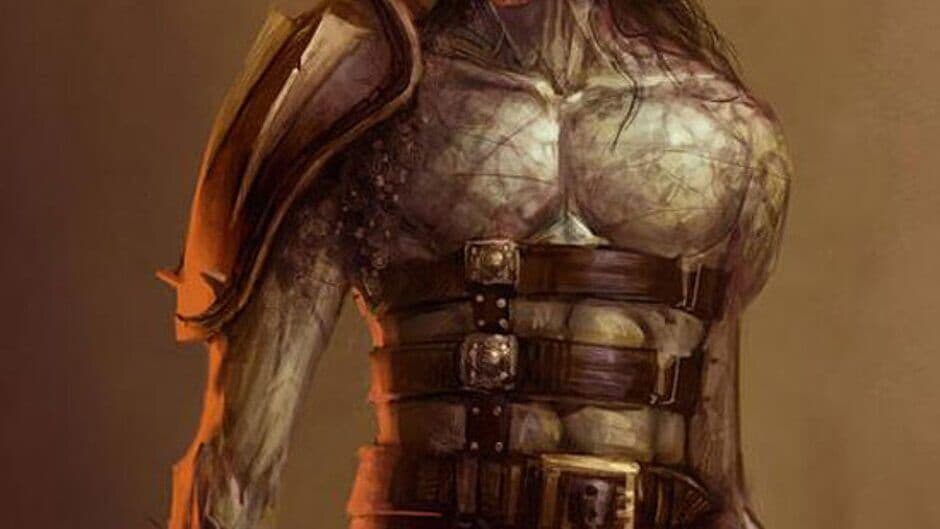
The scale of the original game set a high bar for future BioWare titles.
Consequently, the future of the classic Dragon Age trilogy appears locked in its original state for the foreseeable future. With the technical hurdles of the old Aurora Engine and its derivatives presenting a near-insurmountable barrier, and BioWare’s entire development focus channeled into The Veilguard and the next Mass Effect, the long-requested remaster collection remains a concept from a past era of the studio.