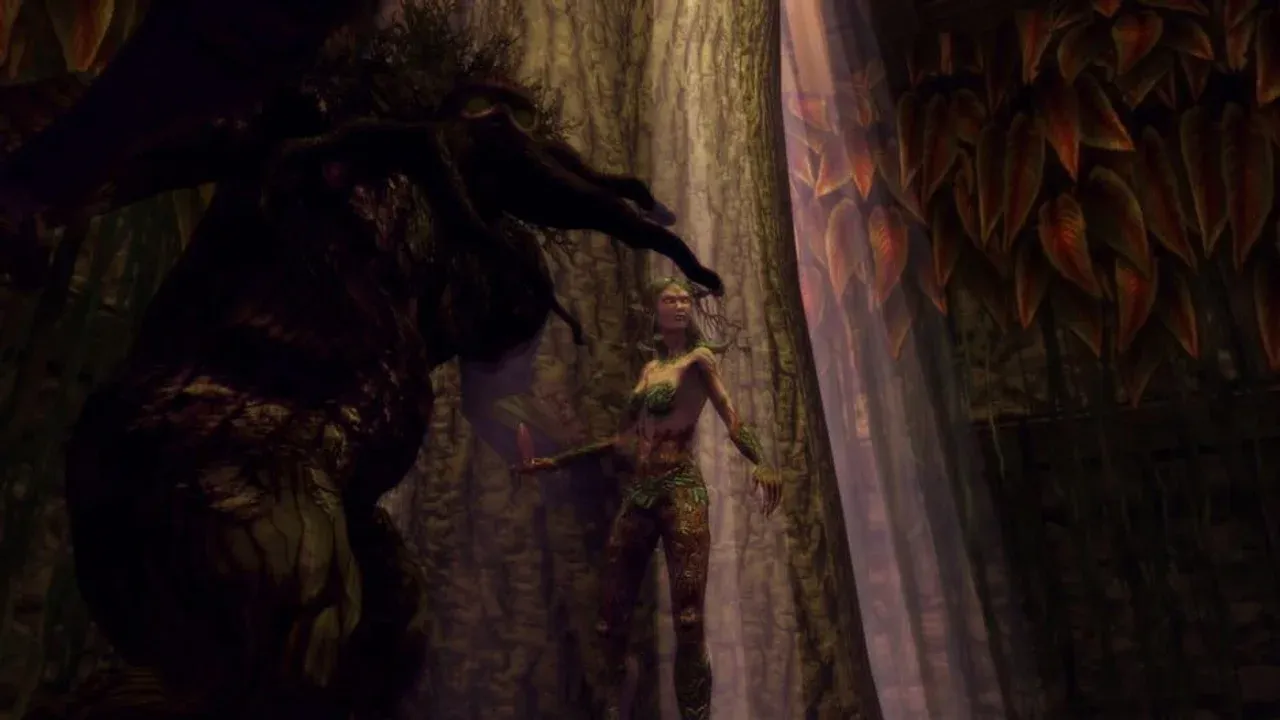
Dungeons & Dragons Online: A Faithful Digital Translation of Tabletop Roots
Most MMORPGs promise a world. Dungeons & Dragons Online promises a dungeon master. From its 2006 launch as a subscription-based adventure in Stormreach to its 2009 rebirth as the free-to-play Eberron Unlimited, this game has always been a defiantly focused proposition. It is not a sprawling, living world to lose yourself in, but a meticulously crafted engine for delivering the tactile, social thrill of a tabletop session. This is a group-based, hack-and-slash dungeon crawler first, an MMO second, and that foundational identity is both its greatest strength and the source of its most pointed criticisms.
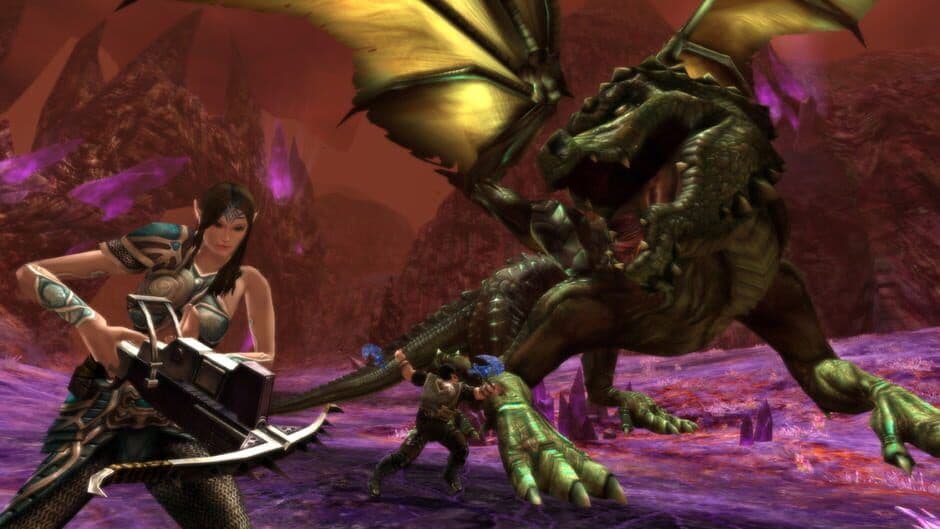
DDO features action-oriented combat within a digital tabletop framework.
The game’s fidelity to its source material is immediately apparent. Dungeons & Dragons Online doesn't just borrow lore from the Eberron campaign setting; it digitizes the very feel of rolling dice around a kitchen table. The deep numerical systems of 3.5 Edition D&D are the invisible engine powering every swing of your greataxe and every failed Reflex save against a trap. You won't see the numbers flashing, but you feel their weight—a heavily armored Dwarf fighter can wade through a hail of arrows where a lightly armored Halfling rogue would be instantly skewered. This isn't a superficial skin; it's a translation of rules, and for D&D purists, that authenticity is the game's core appeal.
The masterstroke of this translation is the virtual Dungeon Master. A disembodied voice narrates your every foray, setting the mood with descriptions of dank air, distant whispers, and the ominous creak of ancient stone. It’s not just flavor; it’s functional. The DM provides vital environmental clues, turning what could be a simple combat gauntlet into a guided, atmospheric experience that genuinely evokes the feeling of a human-led session.
This commitment to a curated adventure shapes the entire world. Dungeons & Dragons Online largely forsakes the open fields and sprawling continents of its peers for the claustrophobic corridors and trap-laden halls beneath the city of Stormreach. The setting itself is a unique blend of traditional high fantasy and pulpy, industrial technology—you’ll battle magical beasts in sewers festooned with elaborate steam pipes and face off against metal automatons. It’s a visually distinct, if occasionally jarring, aesthetic that reinforces the game’s niche, adventure-of-the-week structure. You are here for the quest, not the vista.
Ultimately, Dungeons & Dragons Online establishes itself not as a world to inhabit, but as a tool for collaborative storytelling and tactical combat. It is a digital translation that understands its tabletop roots are about more than lore; they're about the shared tension of a dice roll, the guidance of a narrator, and the necessity of a balanced party. This laser focus means it will never be everyone's fantasy, but for those it calls to, it offers something no other MMO truly replicates.
Combat and Character Building: Deep Customization Meets Real-Time Action
In Dungeons & Dragons Online, your character sheet is a living document, and your sword is an extension of your reflexes. This is where the game’s unique hybrid identity—part faithful tabletop simulator, part real-time action RPG—is most vividly realized. The combat system refuses to be pigeonholed, demanding both strategic character building and active player skill in a blend that can feel either brilliantly synergistic or frustratingly opaque.
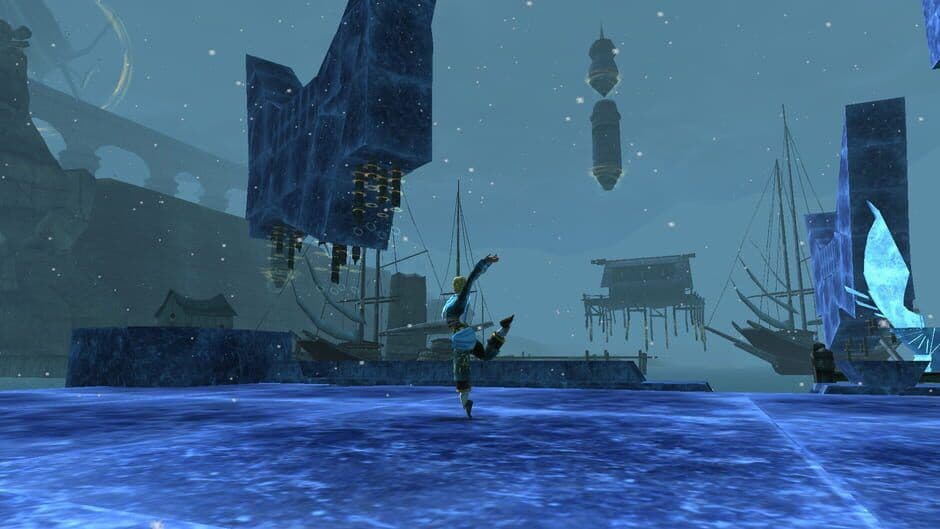
Dungeon crawling is a core component of the DDO experience.
The core mechanic is a fascinating dance between dice rolls and twitch gameplay. Your character’s statistics—strength, dexterity, attack bonuses—determine the potential success of every swing, handled invisibly by the game’s faithful 3.5 Edition D&D ruleset. However, your physical input directly modifies those rolls. Standing still to attack grants your full statistical bonus, while moving wildly degrades your accuracy. Similarly, actively dodging out of an enemy’s swing animation can negate a hit that your armor class might not have stopped. This creates a compelling dynamic: a player with poor reflexes but a meticulously built tank can rely on their stats to absorb blows, while an agile player can keep a fragile wizard alive through sheer mobility. It’s a system that pays homage to the tabletop’s reliance on chance while injecting a layer of immediate, physical engagement missing from auto-attack MMOs.
This commitment to depth is crystallized in the Reincarnation system, a masterstroke for the min-maxer’s soul. By allowing a max-level character to restart at level one while retaining a permanent stat bonus, Dungeons & Dragons Online transforms the entire leveling process into a long-term optimization puzzle. It validates the immense time investment of building a character, offering not just a new adventure, but a tangible power increase for the next life. This isn’t just replayability; it’s a profound meta-game that has kept dedicated players chasing “Completionist” status for over a decade.
Character creation is where this strategic depth begins, and it is arguably the game’s crowning achievement. You can choose a pre-built template for a straightforward experience, but the true magic lies in the granular, point-by-point distribution of attributes, skills, and feats. Want a rogue who dabbles in wizardry for utility spells, or a barbarian with enough charisma to act as a party face? The system not only allows it but provides the tools to make it viable. The class variety supports this, from straightforward archetypes like the stalwart Fighter to complex hybrids like the Ranger. However, the game’s design philosophy—emphasizing specialized group roles—means some of these experimental builds can feel punishingly weak when solo, a deliberate nudge toward the party-based play the entire experience is built around.
Where this elegant hybrid system occasionally stumbles is in moment-to-moment combat feedback. During the frenetic melee of a six-player party battling kobolds in a cramped corridor, it becomes nearly impossible to parse why an attack missed or a spell was saved against. The behind-the-scenes dice rolls for saving throws, critical hits, and skill checks are obscured by the visual chaos. You feel the weight of your statistics in the long run, but in the short burst of combat, the direct cause-and-effect can feel detached. This isn’t a dealbreaker—the action remains satisfyingly visceral—but it creates a slight disconnect between the cerebral joy of building your character and the sometimes-messy reality of playing them.
Ultimately, the combat and character building of Dungeons & Dragons Online form a symbiotic loop of unparalleled depth in the MMO space. You theory-craft a build obsessed with feats and enhancements, then test its mettle in dungeons that demand both your stats and your reflexes. The grind to level 20 may be slow, and the feedback in large fights imperfect, but the sheer potential for customization and the long-term reward of the Reincarnation system create a compelling reason to keep rolling the dice. This isn’t just combat; it’s a continuous experiment, and the laboratory is endlessly fascinating.
The Questing Experience: Why DDO Discourages the Lone Wolf
Forget the archetypal MMO fantasy of a lone wanderer charting their own destiny. In Dungeons & Dragons Online, the first rule of adventure club is you do not talk about going solo. This is a game engineered from the ground up as a cooperative machine, and its entire questing structure serves as a relentless, yet often brilliant, enforcer of that design philosophy. Every locked chest, every hidden pressure plate, and every mid-fight ambush is a quiet reminder that you are meant to be part of a team.
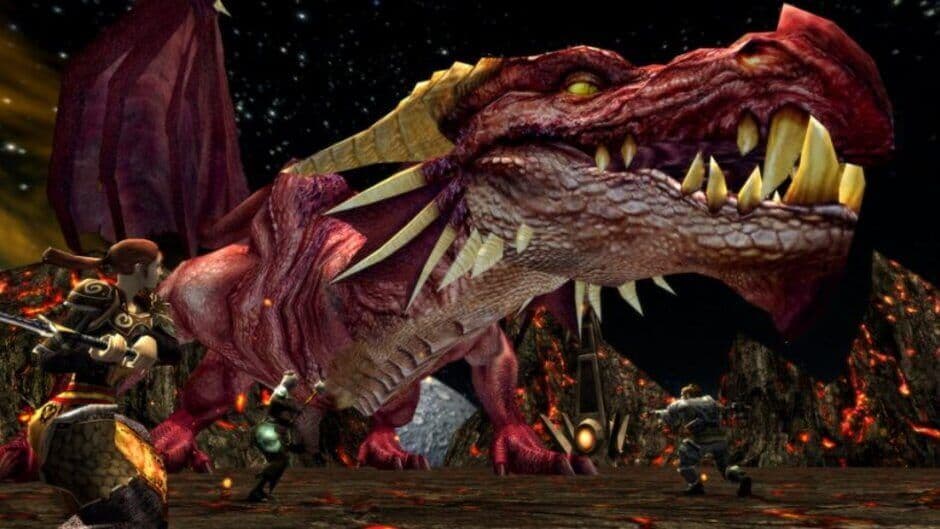
Navigating the massive environments of DDO is safer and more efficient with a group.
The core of this experience is the instanced quest. Nearly every piece of gameplay occurs within a private, handcrafted dungeon you and your party enter from the social hubs of Stormreach. This is where Dungeons & Dragons Online makes its greatest trade-off: you sacrifice the organic, bustling feel of a living world for meticulously curated, unspoiled challenges. The payoff is a quest variety that shatters standard MMO tropes. You’re not grinding boar pelts; you’re navigating a sewer by following a trail of shimmering fungus, defending a control point from waves of invading kobolds, or solving a sliding-block puzzle under a time limit to unlock a treasure vault. The constant narration from the virtual Dungeon Master elevates these from simple tasks into cohesive, atmospheric stories. This instanced design allows for scripted events and environmental storytelling that a shared overworld simply couldn't support without being ruined by other players.
This curated excellence comes with a significant social tax. The world outside of quests can feel profoundly lonely. You exist in a bubble with your party, and when that quest ends, you're dumped back into a tavern hub—a glorified lobby. For players who thrive on the persistent, communal buzz of an MMO world, this structure can make Dungeons & Dragons Online feel more like a highly polished co-op dungeon crawler than a true massively multiplayer experience.
That co-op focus is brutally reinforced by the game's approach to solo viability. Dungeons & Dragons Online doesn't just nudge you toward group play; it actively punishes the lone wolf. The combat and character building systems, praised earlier for their strategic depth, are built around specialization. A party needs a tank to absorb damage, a healer to restore it, and a rogue to disarm traps and unlock doors. Attempting to solo as a pure fighter means you’ll be shredded by magical traps you cannot disarm. Venturing forth as a rogue means a single unlucky critical hit from a hobgoblin can end your run. The game’s hireling system—allowing you to purchase AI companions—is a band-aid solution. Early on, the lack of a rogue hireling means you’ll be forced to leave entire sections of dungeons and their treasures inaccessible, a deeply unsatisfying compromise. The design intent is unmistakable: this is a game about filling roles, not creating a jack-of-all-trades survivor.
This necessity makes the game's social tools not a convenience, but a lifeline. Fortunately, Dungeons & Dragons Online excels here. The grouping interface makes finding or forming a six-player party straightforward, and the integrated voice chat is a revelation for coordinating in the heat of a trap-filled, monster-swarmed corridor. This seamless communication is vital because many quests and raid bosses are built around multi-phase puzzles and tactical coordination that typing simply can't support. The game facilitates the very teamwork it demands, which is a crucial saving grace.
Where the questing loop begins to fray is in its pacing. The experience point system awards completion at the end of a quest, not for individual kills, a noble attempt to discourage mindless grinding. However, with a level cap of 20 stretched across multiple ranks per level, the climb to the top feels like an escalating marathon. By your fourth or fifth character level, the experience gain slows to a crawl. You’re incentivized to rerun quests at higher difficulties for better rewards, but the law of diminishing returns eventually sets in. This transforms the endgame into a calculated grind, where players min-max their path through the most efficient quests—a stark contrast to the adventurous, story-driven spirit of the early levels. It’s a structural flaw that tests patience, underscoring that Dungeons & Dragons Online is best enjoyed as a deliberate journey of character progression, not a race to the cap.
Ultimately, the questing experience is the crucible where Dungeons & Dragons Online's identity is forged. It is a masterfully designed series of collaborative obstacle courses that reward teamwork, punish individualism, and deliver a density of unique moments most MMOs can't match. It asks you to trade worldliness for focus, and solitude for synergy. For the right group of friends, it’s a near-perfect digital dungeon master. For the dedicated solo player, it is an immovable, and often insurmountable, wall.
Visuals, Audio, and Technical Performance in Stormreach
Dungeons & Dragons Online is a game that asks you to listen as much as look. Its visual and audio presentation isn't about competing with modern graphical powerhouses; it's about building a specific, immersive mood that serves its tabletop heart. This is a game that understands atmosphere is more than polygon count—it’s the way light dances on wet stone in a forgotten crypt, or the precise metallic clink of a mace crushing undead bone. Yet, this commitment to mood often brushes against the technical limitations and repetitive seams of a game from 2006, creating an experience that is simultaneously evocative and dated.
The game’s greatest visual triumph is its atmospheric versatility. On a high-end system with DirectX 10 support, Dungeons & Dragons Online can be genuinely striking. Enhanced lighting and shadow effects transform generic dungeon corridors into moody, suspenseful spaces where you genuinely feel the weight of the underground. This isn't just cosmetic; it’s functional. The way a flickering torchlight casts long, dancing shadows makes spotting hidden pressure plates or secret doors a tense exercise in observation, directly feeding into the exploration pillar of gameplay. Adventure packs like The Dreaming Dark push this further, employing unique visual filters and a muted palette to simulate the experience of exploring a Warforged titan's memory. These are not just graphical upgrades but narrative tools that deepen the curated, story-driven feel of each quest.
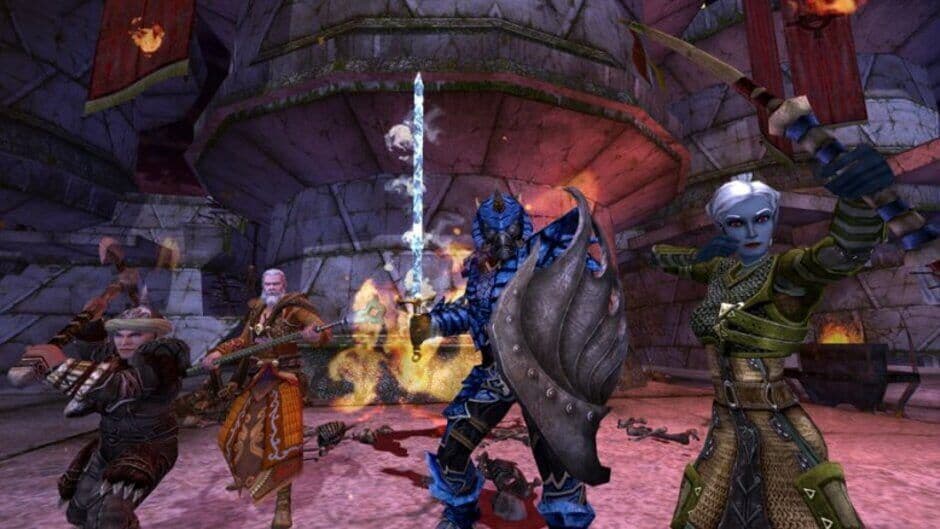
Technical asset showcase.
Where the presentation falters is in its human touch. Character animations are a notable weak point, lacking the fluidity and weight of even contemporary competitors. Your avatar’s movements can feel stiff and disconnected, a jarring contrast to the dynamic environments. When the virtual Dungeon Master is describing a frantic battle, but your fighter is performing a rigid, recycled swing animation, a layer of immersion is stripped away. This isn’t a dealbreaker—the game’s focus is on tactical positioning and dice rolls, not cinematic flair—but it is a constant, quiet reminder of the game’s age.
Technically, Dungeons & Dragons Online deserves significant praise for its remarkable scalability, a feature that has undoubtedly contributed to its long lifespan. The engine is a chameleon. On a cutting-edge gaming rig, it delivers those moody, high-resolution vistas. On an older laptop, with every setting dialed down, the game retains a distinct, almost painterly charm. The core art direction—a blend of high fantasy and Eberron’s magi-punk aesthetic with its cogwork and steam pipes—remains coherent even at lower settings. This flexibility meant that, unlike many MMOs of its era, Dungeons & Dragons Online was accessible to a broader audience, a technical foresight that aligned perfectly with its later transition to a free-to-play model focused on player acquisition.
The audio design follows a similar pattern of high-concept brilliance occasionally undermined by repetition. At its best, the soundscape is a masterclass in tabletop evocation. The environmental audio is spot-on: the distant drip of rancid water in a sewer, the groan of shifting earth in a collapsing mine, the eerie silence of a tomb. These details are crucial because they are the sensory cues the Dungeon Master describes, making you an active participant in the atmosphere rather than a passive observer. The combat sounds, from the swish of a arrow to the crunch of a critical hit, have a satisfying, tactile weight that connects you to the action.
However, this carefully constructed mood can be shattered by the grind. During extended dungeon crawls, the constant, looping repetition of weapon impact sounds and monster death rattles becomes monotonous. When you’re in your twentieth minute of clearing kobolds in a tight corridor, the audio loses its immersive sheen and exposes itself as a limited set of samples on repeat. This is compounded by the frenetic pace of group combat, where the overlapping sounds can become a chaotic cacophony. It’s a fatigue that sets in over long play sessions, a reminder that for all its atmospheric prowess, Dungeons & Dragons Online is still a game built around repetitive gameplay loops.
Ultimately, the visuals and audio of Dungeons & Dragons Online serve its core identity with admirable, if imperfect, fidelity. They prioritize mood over realism, accessibility over spectacle, and functional atmosphere over graphical bravado. You won’t come away marveling at technical achievements, but you might remember the chilling quiet of a particular tomb or the satisfying clarity of a well-timed spell effect. In a game about feeling like you’re sitting around a table, using your imagination to fill in the blanks, this presentation—flaws and all—gets the job done. It sets the stage, even if the actors’ movements are sometimes a little stiff.
The Value Proposition: Navigating the Free-to-Play Model
The most brilliant and frustrating thing about Dungeons & Dragons Online is that you can play it forever without spending a dime, but to truly own it requires a king’s ransom. This is the central tension of its celebrated free-to-play model: an astonishingly generous entry point that gradually reveals a labyrinthine monetization structure, where the price of ultimate freedom can eclipse the cost of a new gaming console.
The game’s three-tiered membership system is a masterclass in player segmentation. Free players get a surprisingly robust package—two character slots and access to the original core quests of Stormreach. This isn’t a cynical demo; it’s a legitimate, high-quality chunk of the original 2006 game, enough to level a character to the cap and experience the foundational dungeon-crawling loop. The Premium tier, unlocked by any single purchase from the in-game DDO Store, adds minor quality-of-life perks like two more character slots. The real commitment is VIP, the $15 monthly subscription. This is the "all-access pass," granting every adventure pack, race, and class released during your subscription, plus a monthly stipend of 500 Turbine Points.
This is where the model’s genius and its greatest criticism collide. For a casual player dipping in with friends, the free content is a gift. For a completionist, the à la carte cost to permanently unlock everything—every adventure pack, every iconic race like Warforged, every class like the Favored Soul—has been estimated by long-term players to soar past $1,500. Dungeons & Dragons Online doesn’t hide this; it presents a buffet where you can sample for free, but the bill for the whole feast is staggering.
The DDO Store is the engine of this economy, and its inventory is a fascinating mix of content, power, and convenience. You can buy permanent access to the excellent Dreaming Dark adventure pack, which is fair. You can also buy stat-boosting tomes, +1 skill tomes, and even 32-point character builds (versus the standard 28). This creates a tangible, if optional, power gap between free and paying players. Most insidious, however, are the "convenience" items like healing potions and strength potions. Their utility is undeniable—a strength potion can replace a missing party member to turn a stuck valve, a healing potion can save a wipe. They don’t break the game, but they subtly shift the problem-solving calculus from "do we have the right party composition?" to "do we have enough store credit?"
This store-centric philosophy bleeds into the game’s weakest systems. The crafting and player economy are often cited as among the worst in the genre. There’s no robust auction house or meaningful trade skills to generate wealth independently. The primary economic loop for a free player is grinding favor (a reputation-like currency) to earn Turbine Points slowly, or repeating quests for loot to sell for gold—a process described by veterans as a "sick joke" requiring tens of thousands of hours. The game funnels you toward the store not through scarcity of fun, but through scarcity of efficient progression.
Ultimately, Dungeons & Dragons Online’s value proposition is a Rorschach test. Is it the "best free-to-play game on the market" for offering a premium, group-based experience at the price of a download? Absolutely. Is it a monetization maze where long-term engagement is gently, persistently monetized at every turn? Also yes. The game earns its reputation for generosity upfront, but it’s built on the understanding that your appetite for its deep, excellent content will likely outgrow your wallet’s willingness to remain forever free.
Final Verdict: Is Dungeons & Dragons Online Still Worth Playing?
So, is Dungeons & Dragons Online still worth playing? The answer is a definitive "yes," but only if you see yourself in the game's reflection. This is not a universal MMO; it is a meticulously crafted, stubbornly niche instrument designed for a specific kind of player. Its enduring value isn't measured in graphical fidelity or sprawling continents, but in the unparalleled depth of its character-building and the unique, atmospheric thrill of its cooperative dungeon delves. For the right audience, it remains a masterpiece. For everyone else, it’s a fascinating relic with a punishingly high barrier to entry.
Dungeons & Dragons Online is, first and foremost, a game for social strategists and D&D purists. If your ideal MMO night involves theory-crafting a hyper-specialized character build over a wiki, then coordinating with five friends to solve trap-laden puzzles while a virtual Dungeon Master narrates your doom, this is your holy grail. The game’s entire design, from the necessity of a rogue for locks to the Reincarnation system’s long-term meta-game, is built for players who find joy in optimization and teamwork. Conversely, if you crave solo exploration, open-world immersion, or player-versus-player combat, you are fundamentally at odds with the game’s DNA. The absence of PvP, mounts, and a meaningful player-driven economy isn’t an oversight; it’s a declaration of intent. This game traded the breadth of a world like Azeroth for the depth of a dungeon master’s screen, and that trade defines its audience.
This focus is the source of its legendary long-term appeal. While many MMOs struggle to retain players after the leveling grind, Dungeons & Dragons Online transforms the grind into the point. The pursuit of "Completionist" status—reincarnating your character multiple times across different races and classes to stack permanent bonuses—provides a vertical progression ladder that can span literal years. Coupled with nearly two decades of regular content updates adding new adventure packs, raids, and character options, the game offers a near-bottomless well of content for the committed. This isn’t a game you "finish" at max level; it’s a game where max level is just the beginning of a new, more powerful build cycle. For the dedicated min-maxer, this loop is infinitely compelling.
However, that commitment is tested by the game’s aging seams and monetization reality. The stiff character animations and repetitive audio loops noted in earlier sections become more pronounced over a thousand-hour journey. More critically, while the free-to-play model is generous for tourists, full ownership is a different story. As analyzed, the cost to permanently unlock every race, class, and adventure pack can soar into the thousands, creating a stark divide between the subscribing VIP and the free player grinding for favor. The game earns its reputation as one of the best free-to-play offerings by giving you a phenomenal core experience for $0, but it subtly—and then not so subtly—guides you toward the cash shop if you wish to engage with its full depth on your own terms.
Dungeons & Dragons Online earns a final score that reflects its status as a high-quality, niche titan: a 7.5/10. This rating acknowledges its exceptional achievement in translating tabletop feel and offering deep, social gameplay, while being clear-eyed about its dated presentation, punishing solo experience, and complex monetization. It is not for everyone, but for its target audience, it is arguably without equal.
Final Verdict: Pros and Cons
Pros:
- Unmatched Tabletop Atmosphere: The virtual Dungeon Master narration and faithful D&D 3.5 Edition rules create a digital session that feels genuinely authentic.
- Deep, Rewarding Character Building: The granular customization and long-term Reincarnation system offer unparalleled strategic depth for theory-crafters.
- Excellent Cooperative Focus: Instanced quests with unique puzzles, traps, and objectives are designed from the ground up for rewarding group play.
- Generous Free-to-Play Foundation: A massive amount of high-quality core content is completely free, making it easy to try without risk.
- Strong Long-Term Playability: Frequent updates and the "Completionist" grind provide thousands of hours of content for dedicated players.
Cons:
- Actively Punishes Solo Play: The necessity of party roles makes soloing frustrating and often impossible without significant compromise.
- Dated Presentation: Stiff character animations and repetitive audio can undermine the otherwise strong atmosphere, especially over long play sessions.
- Complex, Costly Monetization: While free entry is great, permanently unlocking all content is prohibitively expensive, and the in-game economy is weak.
- Slow, Grindy Progression: The experience point curve feels punishingly slow after the early levels, encouraging efficient, repetitive quest runs over exploration.
- Lacks Traditional MMO Features: No PvP, limited open world, and a minimal player economy will disappoint those seeking a more conventional MMO experience.