
Dust: An Elysian Tail Surpasses One Million Sales Milestone
Dust: An Elysian Tail, the hand-drawn action-RPG from developer Dean Dodrill and his studio Humble Hearts, has surpassed one million copies sold. The sales milestone was confirmed by creator Dean Dodrill on March 1, 2014, according to a report by GamesIndustry.biz. The game, which blends Metroidvania-style exploration with fluid hack-and-slash combat, first launched on Xbox Live Arcade in August 2012.
The achievement marks a significant success for a project that began as the solo endeavor of Dean Dodrill. The game is described as a "traditionally-animated tale" set in a vibrant, hand-painted world where players control Dust, a warrior with amnesia, alongside his sentient sword Ahrah and companion Fidget. Its core identity as an action-RPG with Metroidvania elements is consistently highlighted across reviews, with one noting its "large, interconnected map" where progression is gated by abilities acquired later.
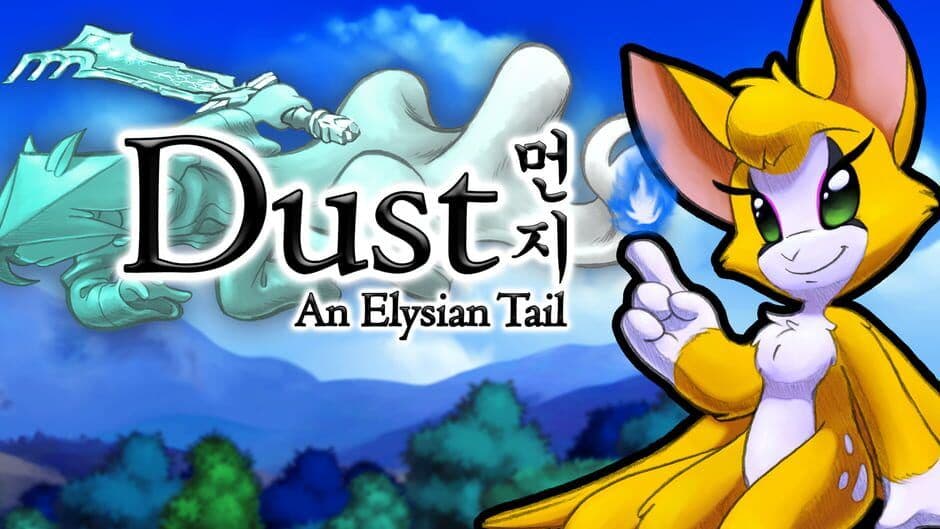
The game is celebrated for its beautiful, hand-animated visual style.
Reaching the million-sales plateau is a notable feat for an indie title. Dodrill expressed gratitude for the support from platform holders and digital distributors in a tweet cited by GamesIndustry.biz. The game’s journey from its initial exclusive release to availability on multiple platforms, including PC, PlayStation, and Nintendo Switch, underpinned this commercial success.
From Dream Build Play to Multi-Platform Success
The journey of Dust: An Elysian Tail from a solo developer’s project to a multi-platform staple began with a pivotal contest win. According to a GamesIndustry.biz report, the game won Microsoft’s Dream Build Play contest in 2009, with creator Dean Dodrill receiving the grand prize of $40,000. This funding and recognition were crucial in bringing the hand-drawn vision to life.
The game’s commercial launch arrived three years later as an exclusive. As noted in a release roundup from August 2012, Dust: An Elysian Tail debuted on Xbox Live Arcade (XBLA) on August 15, 2012. The game was highlighted as an XBLA exclusive at the time, described as a side-scrolling action title with a fluid, hand-drawn presentation.
Rapid expansion to PC and other digital storefronts followed the Xbox release. Per the same sales milestone report, a Windows version launched on Steam on May 24, 2013, with ports for Linux and Mac arriving on December 19, 2013. This multi-platform strategy was instrumental in driving the game toward its eventual million-sales milestone.
The title’s reach extended to Nintendo’s hybrid console years later. The game arrived on the Nintendo Switch eShop on September 10, 2018, in both North America and Europe. The Switch product page promoted it as a “traditionally-animated tale” now playable in handheld or TV mode, bringing its expansive world to a new audience.
Writer Alex Kain celebrated the game’s cross-platform success. Following the announcement of one million copies sold, Kain tweeted that the game had “gone platinum” and noted it was the first title he had worked on to achieve such a sales figure, according to the GamesIndustry.biz article. The journey from a contest-winning demo to a staple across Xbox, PC, and Switch underscores a significant indie development success story.
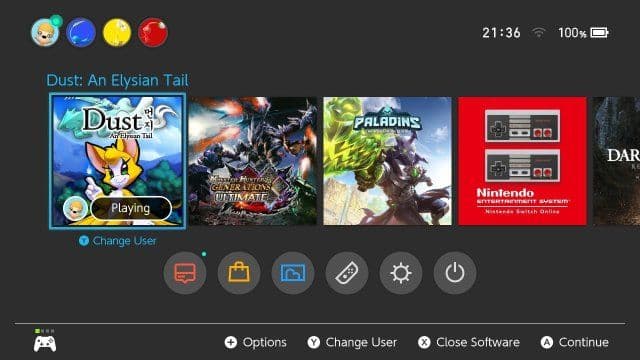
The game eventually expanded to platforms like the Nintendo Switch.
The Art and Sound of Falana: A Hand-Drawn Masterpiece
The Art and Sound of Falana: A Hand-Drawn Masterpiece
The critical acclaim for Dust: An Elysian Tail is anchored in its striking, traditionally animated art and immersive audio presentation, crafted by a dedicated team. The game's vibrant, hand-painted world and fluid character animations were widely praised by reviewers, with one noting the visuals were "the best seen in any indie game" and that all sprites and backgrounds were "traditionally animated, showcasing significant effort," according to a review of the Nintendo Switch version.
The audio landscape was brought to life by an award-winning musical score from HyperDuck SoundWorks and a full voice-acting cast. The soundtrack complemented the game's epic and emotional story beats, while the voice performances added depth to its characters. Lucien Dodge voiced the amnesiac protagonist Dust, and Kimlinh Tran portrayed the energetic, fairy-like companion Fidget. Their performances, alongside the sentient Blade of Ahrah (voiced by Edward Bosco), were credited with making "Dust's world more impactful and believable," as stated in the same review.
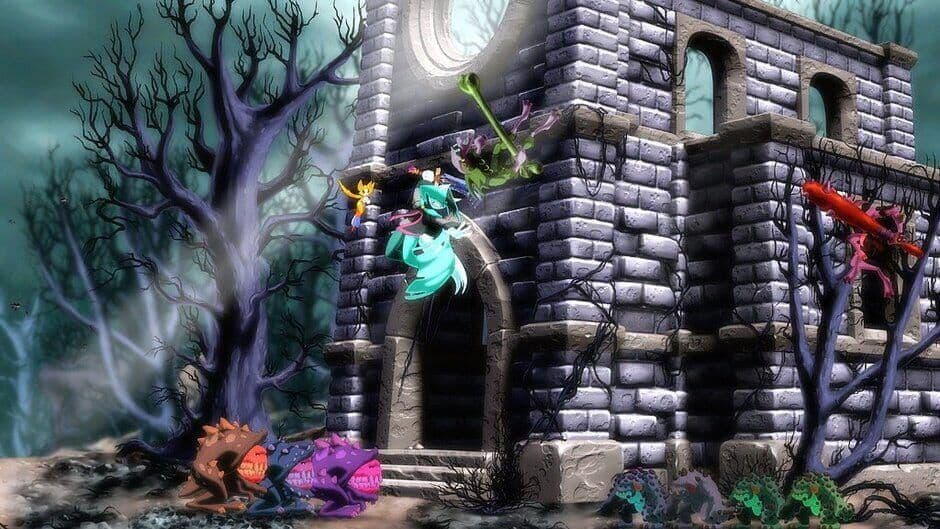
In-game visuals demonstrating the hand-drawn art style.
This cohesive artistic vision transformed the world of Falana into a character itself. The "beautiful, lovingly crafted presentation" and "lush, believable world," as described in another review, were fundamental to the game's identity. The technical achievement was magnified by the project's scale, being largely the work of a single developer, Dean Dodrill, which made the polished, hand-drawn aesthetic a central pillar of the game's enduring appeal and a key driver of its positive critical reception.
Deep Combat and Customization Drive Long-Term Engagement
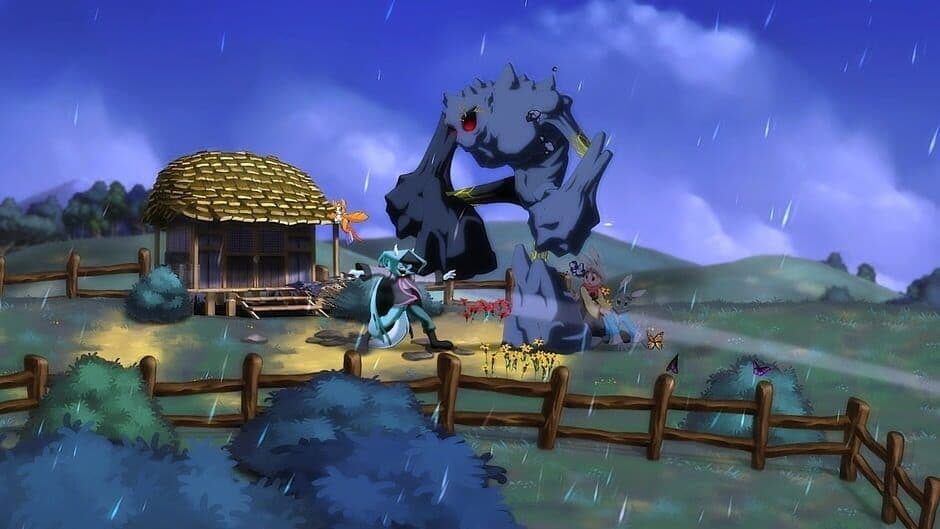
Mastering the Blade of Ahrah.
Deep Combat and Customization Drive Long-Term Engagement
The combat system in Dust: An Elysian Tail is built upon a fluid, combo-driven hack-and-slash foundation, centered on the partnership between the hero Dust and his sentient sword, Ahrah. According to a review of the Nintendo Switch version, combat involves using Ahrah for melee attacks to "quickly dispatch enemies." This is augmented by Dust's companion, Fidget, who attacks with projectiles that can be manipulated using specific sword moves, creating strategic layers to encounters.
Progression is fueled by an experience and skill point system that allows players to personalize their approach across multiple playthroughs. As Dust gains XP and levels up, he earns a skill point per level. These points can be invested into various stats, "such as upgrading health, attack power, or Fidget's projectiles," according to the same review. This customization adds significant depth, enabling players to tailor their build to a preferred playstyle, whether favoring brute strength or magical support from Fidget.
The game extends its longevity beyond the main story through optional time trials and inherent replay value. The review notes the inclusion of "'mini-games' in the form of time trials," which challenge players to clear dungeon-like areas as fast as possible, promoting mastery of the combat system and competition on leaderboards. Combined with the nonlinear, exploration-heavy world and the build diversity offered by the skill system, these elements provide substantial incentives for players to engage deeply with the game's mechanics long after the initial playthrough.