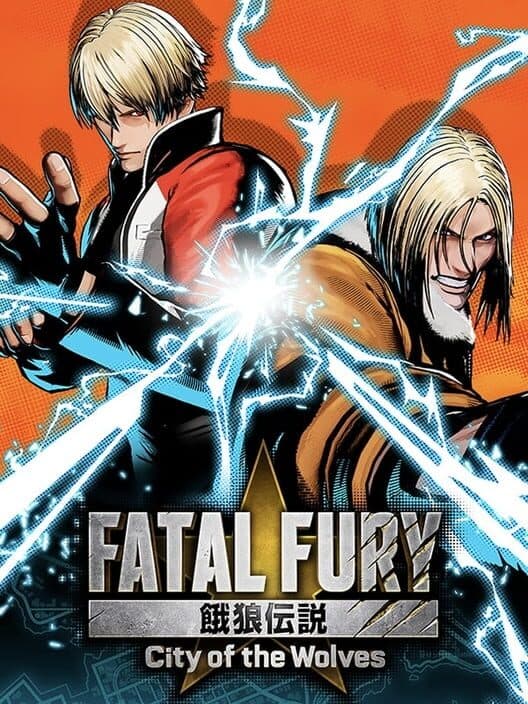
Fatal Fury: City of the Wolves Review: A Technical Masterpiece Returns
Twenty-five years is a long time to wait for a sequel. In that span, the fighting game genre has been reborn, redefined, and dominated by titans like Street Fighter 6. So when Fatal Fury: City of the Wolves steps back into the ring, it doesn’t just have to prove it still belongs—it has to justify its existence. The good news is immediate: this isn't a nostalgia-fueled cash grab, but a direct, confident sequel to Garou: Mark of the Wolves that understands its legacy while carving out a distinct, technical niche in the modern landscape. It arrives on PS4, PS5, Xbox Series X/S, and PC not as a relic, but as a direct competitor, offering a deliberate and cerebral alternative to the explosive, system-heavy play of its biggest rival.
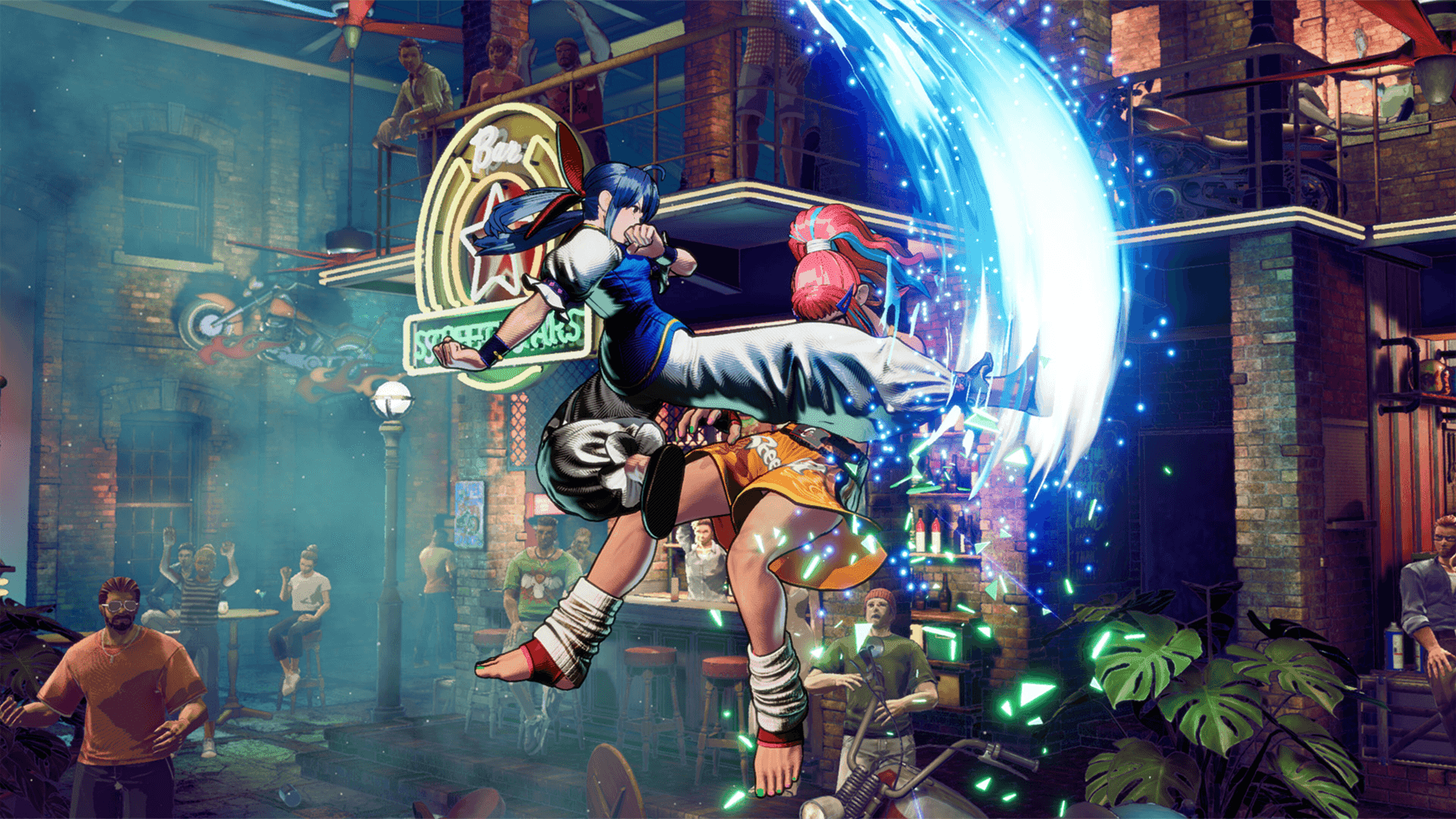
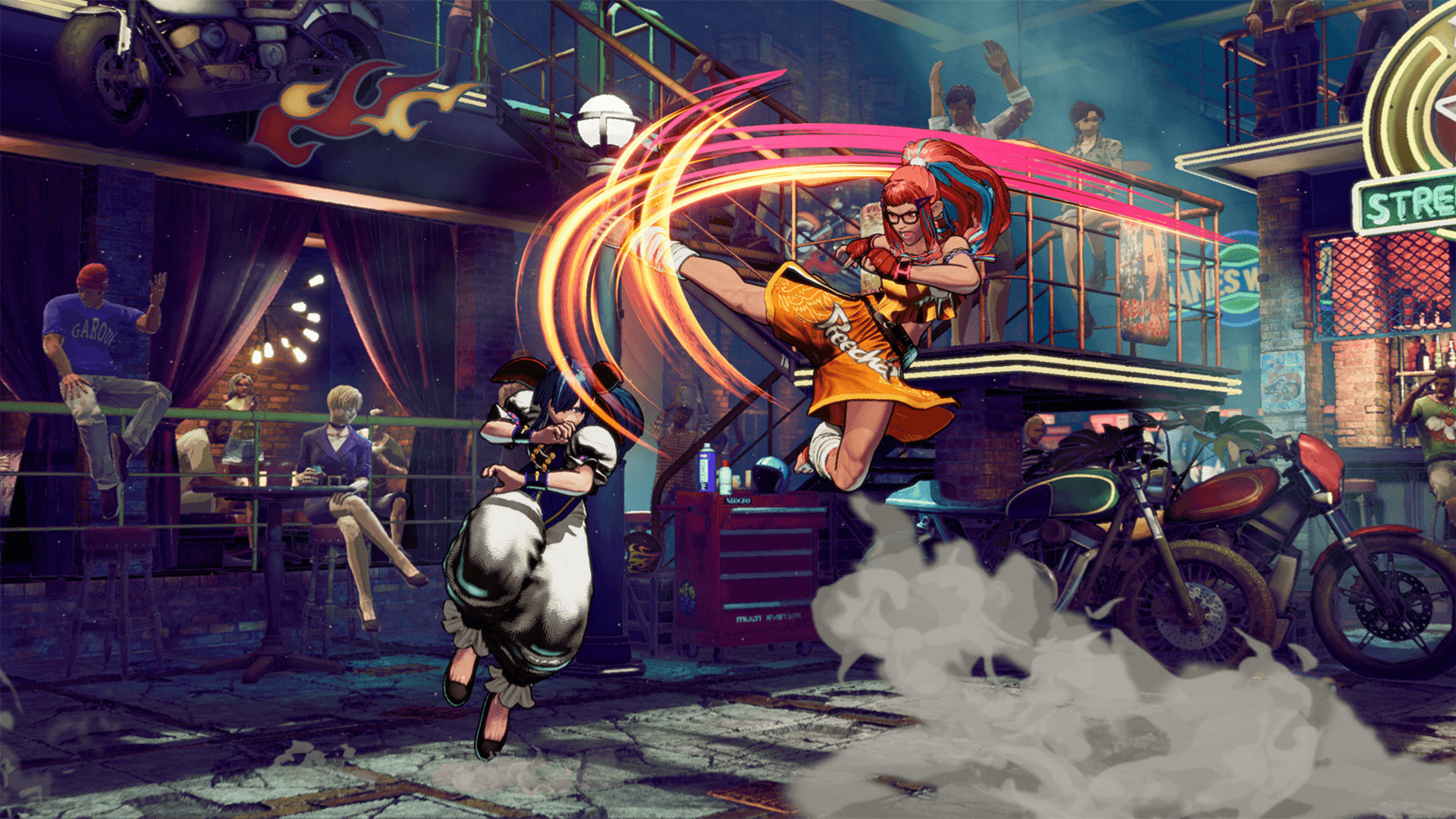
The game's modern 3D visuals pay homage to its legacy roots.
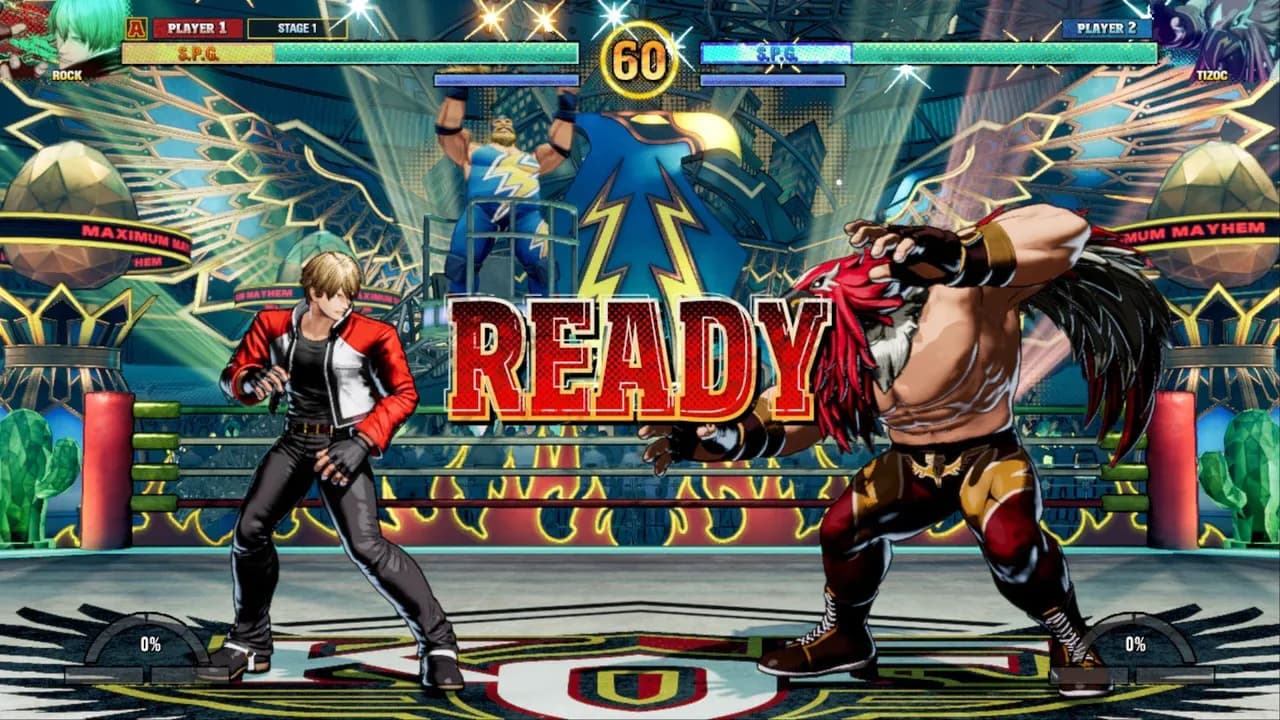
The game’s identity is rooted in a refusal to follow contemporary trends. Where Street Fighter 6 empowers every character with universal, neutral-skipping tools like a Drive Rush, Fatal Fury: City of the Wolves strips that away. There are no high-speed dash-ups or projectile-invulnerable quick steps here. Instead, the focus shifts to a tense, ground-based game of footsies and spacing, where approaching an opponent is a calculated risk rather than a button press. This design philosophy makes characters with unique, safe approach options—like Hokutomaru with his double jumps and air teleports—feel exceptionally powerful, and it forces a level of mental engagement that modern fighters often simplify. It’ s a bold statement: this is a game that trusts its players to appreciate the chess match, not just the fireworks.
This is the core thesis of Fatal Fury: City of the Wolves: a return to fundamentals, executed with modern precision. It’s a game that asks for your patience and rewards it with immense depth.
This commitment to classic feel extends to its controls. The four-button system—light and heavy punches and kicks, each with distinct close and far variants—is pure, unfiltered SNK. It feels immediately familiar to veterans, yet the granularity of having separate buttons for pokes and whiff punishes creates a high skill ceiling from the first match. The combat has weight and intentionality; a missed heavy kick leaves you brutally exposed, while a perfectly spaced far light punch can control the entire screen. It’s a foundation that proudly wears its 90s arcade heritage, but one that feels refreshingly focused in an era of increasingly convoluted universal mechanics. For players weary of mastering a dozen system mechanics before they can even begin to play their character, Fatal Fury: City of the Wolves offers a compelling, back-to-basics sanctuary—with the crucial caveat that its new systems, the REV Meter and S.P.G., add their own dense layers of strategy on top of this pristine foundation.
The REV System: High-Stakes Meter Management in City of the Wolves
The genius of Fatal Fury: City of the Wolves is that it turns the most fundamental act of a fight—blocking—into a high-stakes gamble. In a genre where defensive resources are typically a finite pool you manage, SNK’s new REV System flips the script: your meter builds from blocking attacks and using enhanced techniques, creating a dynamic where patience and defense actively fuel your offensive potential. This is a brilliant inversion of modern fighting game logic, and it fundamentally reshapes the tactical landscape of every match in South Town.
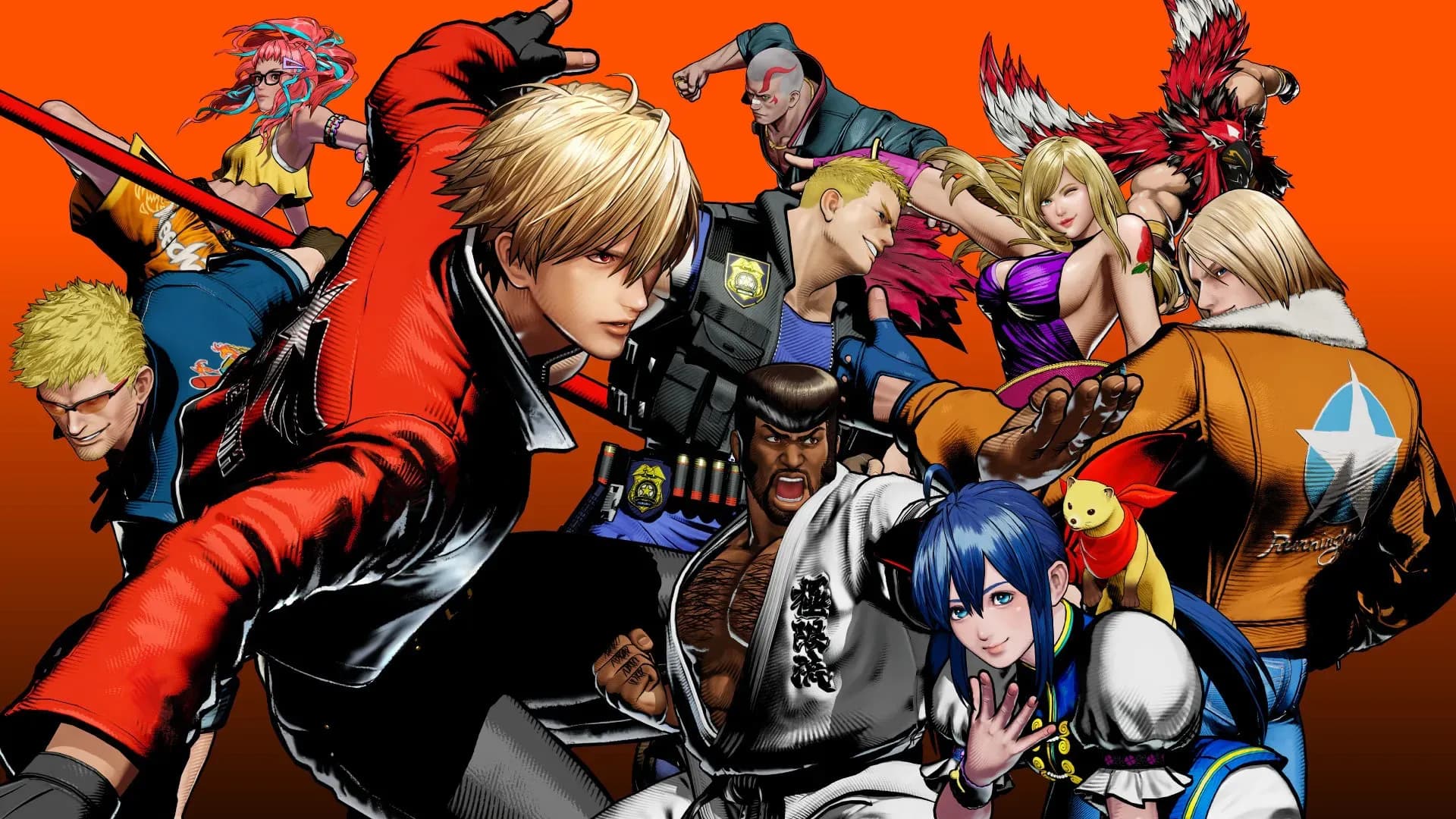
City of the Wolves introduces a modernized tactical landscape for the series.
Starting at 0%, the REV Meter climbs steadily when you use REV Arts (enhanced special moves), perform a REV Guard (a defensive pushback that negates chip damage), or unleash an armored REV Blow. This creates a constant, visible pressure cooker. The meter's relentless ascent forces you to make critical, moment-to-moment decisions. Do you spend 17% meter on a REV Blow now to break your opponent's pressure, knowing it's safe on block? Or do you conserve that meter, risking a longer combo from your opponent but preserving your ability to defend later? This isn't a resource you burn down; it's a rising tide you must navigate, and the tension is palpable. The system’s strategic depth is most evident in REV Accel, which allows you to chain one REV-enhanced special move directly into another. This opens the door for devastating, custom combo routes, but each link pours fuel into the meter. A three-hit REV Accel chain can push you from 50% to over 90% in seconds, forcing you to weigh the immediate damage against the looming penalty.
The REV System is a masterclass in risk-reward design. It rewards aggressive defense, punishes reckless offense, and makes every interaction a calculated investment.
That penalty is the Overheat state. When the meter hits 100%, you lose access to all REV techniques and your guard gauge depletes faster when blocking. If your guard breaks while overheated, you're left completely vulnerable. This isn't just a temporary power loss; it's a state of critical vulnerability that your opponent can actively engineer. An aggressive player can bait you into using REV Guards to build meter, then overwhelm you once you're overheated and defensively crippled. This creates a beautiful, cyclical meta-game: you build meter to empower your offense, but using that power risks putting you in a defensive death spiral. It’s a system that demands foresight—Fatal Fury: City of the Wolves is constantly asking you not just what to do next, but when.
However, this elegant system has one glaring flaw that threatens its balance: the REV Blow. While armored and safe on block, its true power—a full combo—only triggers on a counter-hit. The problem is its accessibility. At only 17% meter cost, it can be used liberally as a low-risk, high-reward "get-off-me" tool. The game's tutorials fail to adequately explain the optimal defense against it, which is to counter with your own REV Blow. But you can only do that if your Selective Potential Gear (S.P.G.) is active. If your opponent throws a REV Blow while your S.P.G. is dormant, your best answers are a perfectly timed throw or a risky dodge-attack feint—options that are far less reliable for most players. This creates moments where a fundamental defensive tool feels unfairly dominant, especially at intermediate skill levels where the nuanced counterplay isn't yet ingrained.
Ultimately, the REV System is the heart of what makes Fatal Fury: City of the Wolves a distinct and compelling fighter. It replaces the passive resource management of a depleting meter with an active, escalating threat. You are always managing a rising temperature, deciding between cashing out for a explosive combo now or conserving your defensive options for a critical moment later. It’s a system that makes defense exciting and offense perilous, and while the REV Blow imbalance can frustrate, the overall design is a triumph of thoughtful, player-driven tension.
Selective Potential Gear (S.P.G.): Strategic Customization or Limitation?
The Selective Potential Gear system in Fatal Fury: City of the Wolves is a fascinating evolution of a classic idea, but its tight integration with the game's most contentious mechanic reveals a significant design crack. On paper, S.P.G. is a brilliant strategic layer: before each match, you choose which third of your health bar—the Accel Ratio (start), Flux Ratio (middle), or Final Ratio (end)—will activate a power-up state. This isn't just a passive buff; it's a deliberate gamble on your own performance. Choosing the early activation is a declaration of aggression, banking on your ability to dominate with increased damage from the opening bell. Opting for the final third is the classic comeback mechanic, a "Hail Mary" that can turn a desperate situation into a stunning reversal. The system is a direct, modernized successor to the T.O.P. system from Garou: Mark of the Wolves, and its requirement for pre-match commitment adds a meta-game of character and playstyle consideration that veteran players will savor.
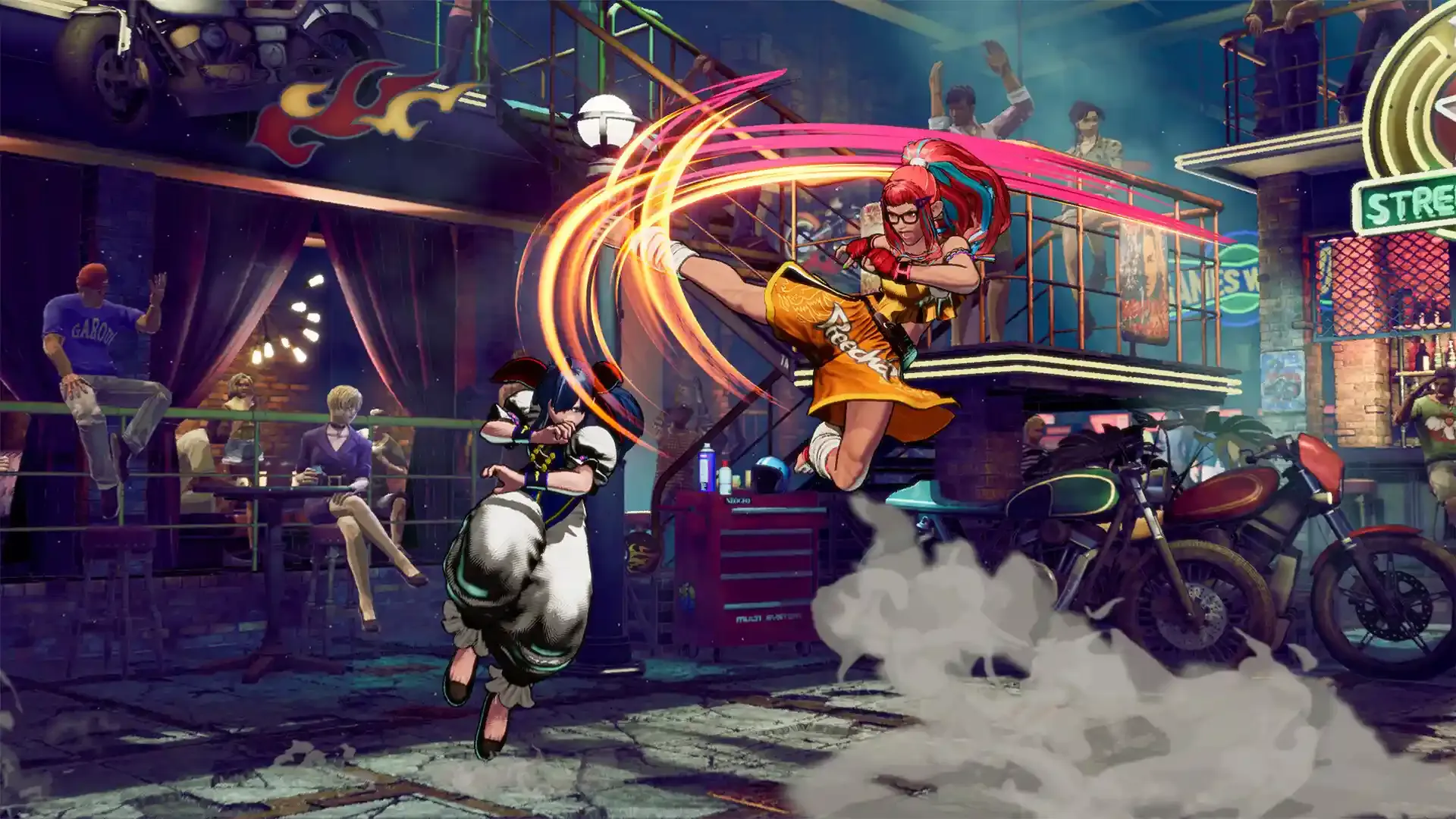
Character-specific moves can be enhanced using the Rev system.
Where S.P.G. truly shines is in its payoff: the Ignition Gear. When your health enters your chosen S.P.G. segment, you not only gain a damage boost and gradual health recovery, but you also unlock access to this devastating super move. Landing an Ignition Gear is a cinematic and tactical triumph; it's the most damaging attack in your arsenal, capable of wiping out a third of an opponent's health bar, and it has the brilliant secondary effect of completely refreshing your REV Gauge upon impact. This creates breathtaking momentum swings. A player on the brink of Overheating can use a well-timed Ignition Gear to reset their defensive options mid-combo, flipping a precarious situation into an overwhelming advantage. It’s a reward that feels earned, a powerful tool locked behind a strategic choice and precise execution.
The problem is that S.P.G. doesn't just grant power—it gatekeeps a fundamental defensive option, creating moments where the game's balance feels unfairly dictated by a pre-match menu selection.
This brings us to the system's critical flaw, and its entanglement with the controversial Rev Blow. The Rev Blow is an armored, safe-on-block move that costs a mere 17% of your REV Meter, making it a low-risk, high-reward tool for interrupting pressure. The intended, optimal counter to a Rev Blow is to answer with your own. However, you can only perform a Rev Blow if your S.P.G. is currently active. This creates a defensive asymmetry that can feel brutally unfair. If your opponent throws a Rev Blow while their S.P.G. is active and yours is not, your defensive toolkit shrinks dramatically. Your best answers become a perfectly timed throw (which can be teched) or executing a dodge attack and canceling it with a feint into a full combo—a sequence with an extremely tight execution window that the game's tutorials barely acknowledge. For intermediate players, this translates to moments where a fundamental defensive interaction feels insurmountable based not on reaction time or skill, but on the arbitrary alignment of two independent health-based timers.
The result is that S.P.G., while strategically engaging on a macro level, can introduce frustrating randomness to the micro-level moment-to-moment combat. Your pre-match choice of Accel, Flux, or Final Ratio suddenly dictates not just your power spikes, but your basic ability to defend against a common offensive tool. This design locks a core defensive answer behind a conditional state, which runs counter to the otherwise impeccable "tool for every situation" philosophy seen in the game's other defensive options like Just Defense and multiple roll types. In Fatal Fury: City of the Wolves, the S.P.G. system is a double-edged sword: a masterstroke of long-form strategy that, in its execution, occasionally cuts the flow of fair play by making a fundamental rock-paper-scissors interaction feel one-sided.
Fatal Fury: City of the Wolves Roster: New Blood and Controversial Guests
The character roster in any fighting game is its beating heart, and after a 25-year wait, the pressure on Fatal Fury: City of the Wolves to deliver a worthy cast was immense. The game answers this call with a robust and diverse selection of 17 fighters at launch, a number that feels substantial in an era often defined by barebones rosters padded with DLC. The core of this lineup is a loving tribute to Garou: Mark of the Wolves, with returning icons like Rock Howard, B. Jenet, and Gato anchoring the experience with updated designs and motivations that feel both fresh and deeply familiar. For series veterans, this is a homecoming executed with reverence. The true test, however, lies in how these legacy characters evolve with the new systems, and how the newcomers—and the controversial guests—carve out their own space in South Town.
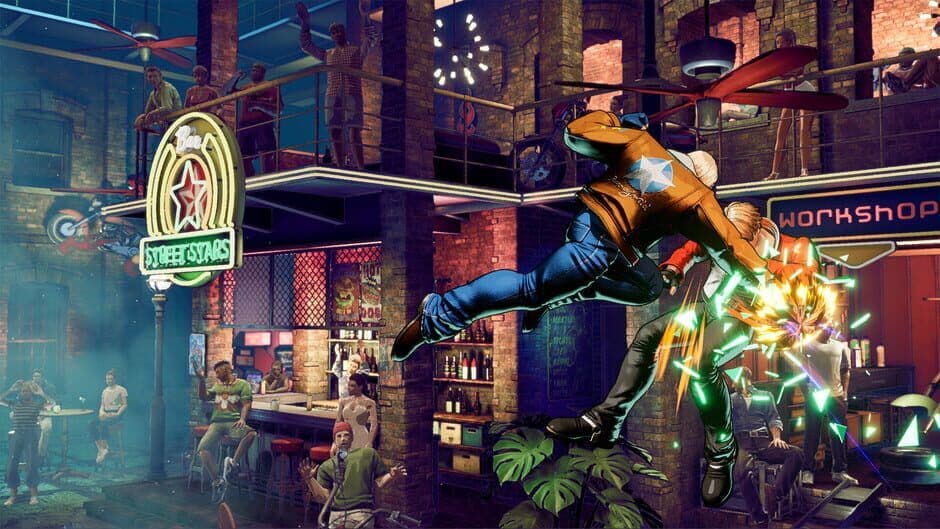
Official screenshots showcase the high-fidelity character models in action.
The returning cast is more than just a nostalgia trip; they are the proving ground for the game's mechanical overhaul. Playing as Terry Bogard or Rock Howard feels instantly recognizable, but the integration of the REV System and S.P.G. injects a thrilling new layer into their classic toolkits. Terry’s Power Dunk becomes a terrifying mix-up tool when enhanced into a REV Art, and the strategic timing of his S.P.G. activation can turn his signature Buster Wolf into a match-ending Ignition Gear at a pivotal moment. This isn't a simple graphical update; it’s a thoughtful re-engineering that respects muscle memory while demanding new strategic considerations. The newcomers, however, are where SNK’s creative confidence shines brightest. Preecha, the Muay Thai scientist and student of Joe Higashi, is a standout. Her moveset is a blistering, acrobatic whirlwind of knees and elbows that feels distinct from her mentor, offering incredible speed and a satisfying learning curve. Vox Reaper is the other star addition, a rushdown specialist whose plus-on-block dashing attacks give him one of the few reliable neutral-skipping tools in the entire roster—a deliberate and powerful exception that proves the game's rule of grounded footsies.
Where the roster stumbles, and stumbles hard, is with its real-world guest characters. Their inclusion isn't just a matter of taste; it's a jarring rupture of the game's carefully crafted atmosphere.
The inclusion of Cristiano Ronaldo is, frankly, the single most dissonant element in Fatal Fury: City of the Wolves. His gameplay gimmick—summoning a soccer ball for complex setups—is mechanically interesting on paper, but in practice, he feels utterly disconnected from the world of South Town. His model lacks the exaggerated, stylish flair of characters like Kain or B. Jenet, sporting a weirdly ordinary and stiff appearance. Worse, he is completely absent from the game's narrative fabric, having no Arcade mode story or presence in Episodes of South Town. This makes him feel less like a character and more like a corporate skin slapped onto the versus mode select screen. In a game that otherwise excels at cohesive world-building, Ronaldo is an immersion-breaking billboard. The other guest, DJ Salvatore Ganacci, fares significantly better. While still an odd fit, he at least embraces the inherent weirdness of SNK’s history. His moveset, derived from his music video performances, is deliberately goofy and surprisingly hard-hitting. He has a dedicated story in the single-player modes, his own stage, and contributes to the soundtrack, which suggests a level of integration and affection missing from Ronaldo's inclusion. Ganacci works as a modern-day equivalent of a King of Fighters joke character; Ronaldo does not.
Ultimately, the roster of Fatal Fury: City of the Wolves is a testament to SNK's fighting game pedigree, marred by a single, glaring misstep. The returning cast is masterfully modernized, and the new additions are strong enough to suggest a vibrant future for the series. The guest character experiment, however, highlights the risk of letting external factors dictate creative choices. For every moment of joy found in mastering Preecha's combos or outsmarting an opponent with Rock's new tools, there's the lingering awkwardness of Ronaldo's presence—a reminder that even in a triumphant return, not every swing connects.
Episodes of South Town: Does the Single-Player Content Deliver?
The single-player offering in Fatal Fury: City of the Wolves is a study in contrasts: a sincere attempt to provide substance beyond the versus screen, undermined by execution that often feels like an afterthought. The game’s answer to the modern, content-rich campaign is Episodes of South Town, an RPG-lite mode that, on paper, should be a perfect vehicle for lore and character progression. In practice, it’s a functional but deeply underwhelming experience that highlights SNK’s budgetary constraints more than its creative ambition.
The campaign map allows players to level up characters and unlock new story content.
Episodes of South Town is less a living world and more a glorified menu screen—a static map of South Town you navigate with a cursor, clicking on nodes to trigger battles or brief, text-based story beats.
The design is fundamentally at odds with creating engagement. You select a character and guide them through a series of fights on a 2D map, earning experience to level up stats like health and unlocking minor perks. The intent is clear: to offer a grindable, progression-driven alternative to Arcade mode. But the presentation is fatally barebones. Story moments are delivered through static character portraits and dialogue boxes, devoid of the animated flair or voice acting that could sell the drama. The opponents are often generic, palette-swapped thugs, making the journey feel repetitive long before the credits roll. While the mode does offer unique battle conditions—like gauntlets or enemies permanently in their S.P.G. state—these are bright spots in a sea of monotony. The nadir is the infamous Robust Roulette mission, a hidden challenge where your opponent is invincible and victory hinges solely on landing a one-hit kill with a 1-in-66 chance. It’s a baffling inclusion that substitutes skill for pure, frustrating RNG, emblematic of a mode that sometimes forgets it’s part of a fighting game.
This lack of thoughtful design extends to the game’s onboarding. The tutorials in Fatal Fury: City of the Wolves are a critical failure, doing a profound disservice to its brilliant but dense mechanics. They explain the what but almost never the why. You’re shown how to perform a Brake or a Feint, but not how to use them to extend combos or bait opponents. Most egregiously, the game utterly fails to teach players how to defend against the ubiquitous Rev Blow, a cornerstone of mid-level pressure. The optimal counter—answering with your own Rev Blow—is only possible when your Selective Potential Gear is active, a crucial piece of context the game leaves for you to discover through external forums or brutal trial-and-error. For a system as nuanced as the REV mechanics, this omission is a significant barrier that will leave newcomers feeling cheated rather than challenged.
Thankfully, the classic Arcade Mode remains a bastion of focused, rewarding single-player content. Its straightforward seven-match structure, culminating in a character-specific rival battle and an ending, is where Fatal Fury: City of the Wolves’ heart truly lies. These endings, presented with stylish comic-panel artwork and full voice acting, deliver satisfying nuggets of lore and character development that Episodes of South Town desperately lacks. Fighting your way to Rock Howard’s confrontation with Kain, or seeing Terry Bogard’s mentorship play out, provides a narrative punch that the RPG mode’s generic grinding never achieves. It’s a reminder that sometimes, less is more: a concise, character-driven vignette can be infinitely more compelling than a sprawling but hollow progression system.
Ultimately, the single-player suite feels like a box being checked rather than a passion project. Episodes of South Town provides a time-sink for those who want to level up their favorite fighter in a low-stakes environment, and its existence is better than nothing. But when compared to the genre-defining campaign efforts of its peers, it highlights a stark gap in resources and vision. For players coming to Fatal Fury: City of the Wolves purely for its world-class versus combat, this is a minor sin. For anyone hoping to be immersed in the saga of South Town, it’s a reminder that the game’s true magic is reserved for the fight itself, not the journey there.
Visuals, Sound, and Technical Performance in South Town
South Town has never looked or sounded better, but the seams in its digital infrastructure show. Fatal Fury: City of the Wolves presents a stunning, cohesive aesthetic that feels like stepping into a living comic book, yet it's often let down by a clumsy interface and an online experience that hasn't quite caught up to its modern ambitions. This is a game of brilliant highs and frustrating lows, where the artistry is undeniable but the user experience can feel like a relic.
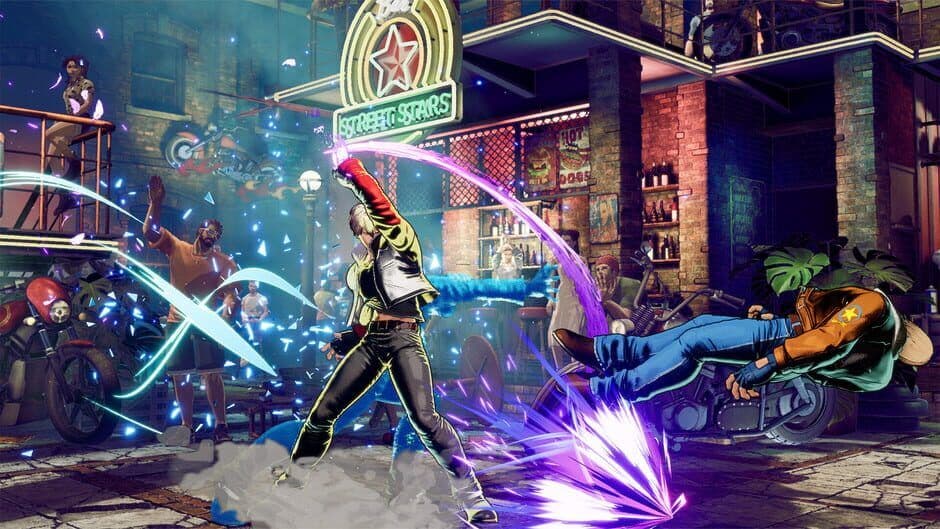
Official screenshot of the game's presentation.
The visual presentation is the game's most immediate triumph. SNK has fully embraced a bold, comic-inspired art direction, employing heavy black outlines and a vibrant, 2.5D style that makes every character pop against their dynamic stages. This isn't just an aesthetic choice; it's a functional one. In the heat of a match, the clarity afforded by this style is invaluable—you can instantly parse Terry Bogard's Buster Wolf from Rock Howard's Rekkaken amidst the chaos. The stages themselves are tours of a stylized South Town, packed with animated details: fairground rides spin on East Island, crowds cheer in the city center, and the lighting subtly shifts from afternoon to evening between rounds. While it doesn't reach the raw graphical opulence of Street Fighter 6, Fatal Fury: City of the Wolves carves out a unique and memorable identity that honors its Neo Geo roots while feeling distinctly contemporary.
The soundtrack is arguably the best in SNK's storied history, a perfect fusion of smooth jazz, thumping electronic beats, and character-specific themes that feel instantly iconic.
Audio design is another area where the game excels. From the smooth, contemplative jazz of the main menu to the driving intensity of each character's battle theme, the music is a constant highlight. It’s a soundtrack that earns a permanent spot on your playlist, and the inclusion of a fully-featured Jukebox mode—where you can assign any track from the series' history to specific stages or menus—is a fan-service masterstroke that should be industry standard. This commitment to player expression extends beautifully to the Color Edit mode, a surprisingly deep and robust tool available right at launch. It allows you to meticulously recolor every element of a fighter's outfit, hair, and accessories, enabling everything from simple palette swaps to inspired cross-franchise homages (a Kyo Kusanagi-colored Rock Howard is a personal favorite). In a genre where customization is often locked behind grind or paywalls, offering this level of creative freedom from the start is a generous and welcome decision.
However, the moment you navigate away from a match, the polish evaporates. The menu and UI design in Fatal Fury: City of the Wolves is some of the most frustrating in recent memory. Described by multiple critics as resembling a "spreadsheet" or a clunky "PowerPoint presentation," the interface—particularly for online room matches—is a baffling step backward. It relies on a slow, analog-stick-controlled mouse cursor to navigate lists, making simple actions like finding a friend's lobby or filtering matches feel unnecessarily cumbersome. This starkly contrasts with the fluid, stylish presentation of the fights themselves, creating a jarring disconnect that makes the game feel less polished than it actually is during its best moments. The unskippable logos on startup and noticeable loading times between menus only compound this feeling of friction.
This inconsistency carries over to the online experience, the lifeblood of any modern fighter. Fatal Fury: City of the Wolves features rollback netcode, a non-negotiable for the genre today, and it's… fine. When connections are good, matches are smooth and responsive, allowing the game's precise neutral and combo systems to shine. The problem is inconsistency. With poor connections, the experience degrades significantly, with reports of up to 6-10 frames of rollback that can turn a tense match into a slide show where crucial inputs fail to register. For a game so reliant on tight timing for its Just Defenses and REV Accel cancels, this level of instability is particularly damaging. While it’s not a constant issue—many sessions are flawless—the fact that it happens at all in a 2025 flagship fighter is a mark against its competitive longevity, especially when compared to the rock-solid netcode of its direct competitors.
Ultimately, the presentation of Fatal Fury: City of the Wolves is a tale of two cities. One is a vibrant, stylish, and auditory delight where every punch has weight and every super move is a visual spectacle. The other is a cluttered, sometimes sluggish administrative zone that undermines the elegance of the core game. You'll love living in South Town during the fights, but you'll dread every trip to its poorly designed town hall.
Final Verdict: Is Fatal Fury: City of the Wolves Worth Your Time?
Twenty-five years of anticipation culminates in a single, definitive question: who is Fatal Fury: City of the Wolves for? The answer is clear, and it’s a choice that defines its entire legacy. This is not a game for the casually curious or for those seeking a guided tour through a cinematic story. It is a game built for the fighting game enthusiast who craves mechanical density, who finds joy in dissecting frame data and labbing intricate combos, and who values a tense, deliberate neutral game over explosive, universal shortcuts. While it makes concessions with its Smart Style controls, the soul of City of the Wolves belongs to the purist. Its deep satisfaction is earned, not given, and that distinction will determine whether it becomes your mainstay or a passing curiosity.
The game’s value proposition is strongest where it matters most for this audience: in its core combat loop. The REV System is a masterstroke of interactive tension, and the flexibility of its combo system—where you choose between simple, reliable EX chains and high-execution routes using Brakes and Feints—offers a rewarding skill curve for years of study. When the netcode behaves, online matches are a thrilling test of patience and adaptation. However, this focus on mechanical excellence comes at the cost of broader appeal. The single-player suite, particularly the Episodes of South Town mode, is undeniably "underbaked" when stacked against the genre-leading campaign of Street Fighter 6. Its static map, text-heavy storytelling, and repetitive grind feel like a budgetary obligation rather than a passionate creation, serving more as a glorified training mode than a compelling narrative journey.
Fatal Fury: City of the Wolves is a fighter’s fighter. It asks for your dedication and repays it with one of the most tactically rich and mechanically satisfying combat systems in the genre, but it makes no apologies for where its priorities lie.
This prioritization is evident in its most glaring flaws. The game does a terrible job of teaching its own brilliance. The tutorials explain how to perform a Just Defense but not when or why, and they completely fail to demystify the counterplay against the ubiquitous Rev Blow. This poor onboarding creates a steep, frustrating cliff for newcomers that the community will have to bridge with external guides. Furthermore, the clunky, spreadsheet-like menu UI and the inconsistent rollback netcode on subpar connections are tangible barriers to enjoyment that feel out of step with its otherwise polished in-match presentation. These are not minor quibbles; they are friction points that actively push players away from the incredible game hiding behind them.
The most significant asterisk on this triumphant return, however, remains the jarring inclusion of its guest characters, particularly Cristiano Ronaldo. While Salvatore Ganacci at least embraces the weirdness with some integration, Ronaldo’s presence is a sterile, lore-breaking commercial insertion that sours the cohesive atmosphere of South Town. It’s a stark reminder of external corporate influence, and for many, it will be a permanent stain on an otherwise lovingly crafted revival. This controversy, combined with the technical hiccups, means Fatal Fury: City of the Wolves stumbles on the path to mainstream acceptance.
Its future, then, lies in the competitive trenches. With SNK’s committed post-launch support—including balanced Season Pass characters like Kim Jae Hoon, Geese Howard, and Blue Mary—the game is positioned not as a flash-in-the-pan novelty, but as a long-term staple for the dedicated FGC. It has all the hallmarks of a cherished "Discord fighter": immense depth, a high skill ceiling, and a community willing to overlook its rough edges for the purity of its gameplay. It may never command the viewership numbers of Street Fighter or Tekken, but for those who invest, Fatal Fury: City of the Wolves offers a distinct, cerebral, and profoundly rewarding alternative. It’s a triumphant, if imperfect, return that proves this legendary series still has a vital place in the modern ring, provided you’re willing to step into it on its own demanding terms.
The Final Tally:
- Pros: A deep, inventive REV System that makes every decision matter. A gorgeous, cohesive comic-book aesthetic and an exceptional soundtrack. A roster brimming with personality (sans guests) and technical versatility. Satisfying, weighty combat that rewards mastery over mash-ups.
- Cons: An abysmal tutorial that fails to explain crucial mechanics. A clunky, dated menu and UI that hampers navigation. Inconsistent online netcode that can ruin the experience. The immersion-breaking, controversial inclusion of real-world guest characters.