God of War Narrative: A Masterful Shift from Rage to Fatherhood
God of War Narrative: A Masterful Shift from Rage to Fatherhood
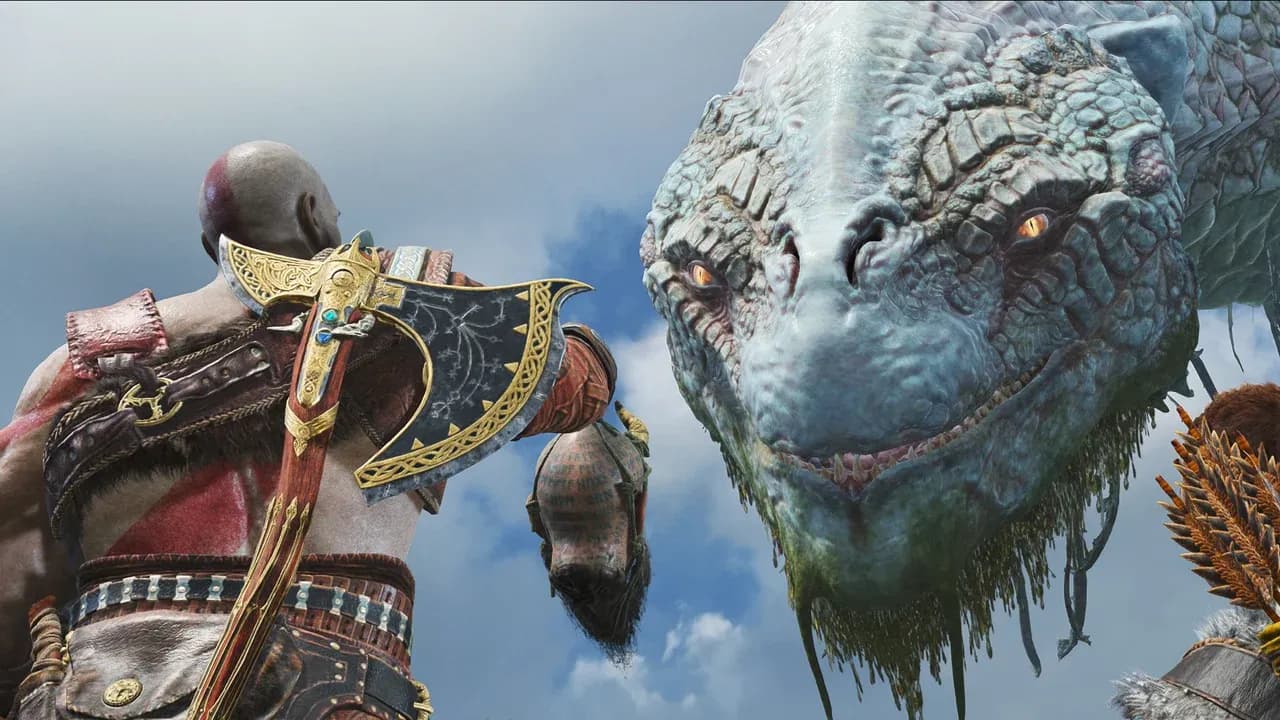
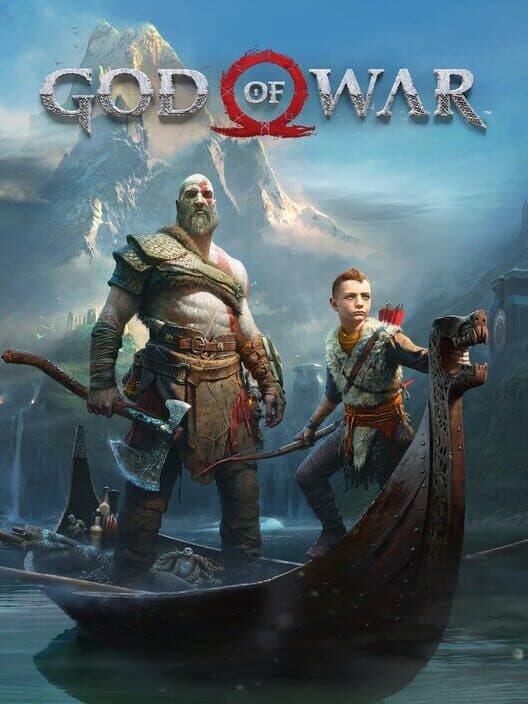
The most shocking moment in God of War isn’t a boss fight or a grand spectacle. It’s a quiet scene where Kratos, the former Ghost of Sparta, sits in a canoe and tells his son, Atreus, a story about a bear. This is the game’s thesis statement: a character once defined by screaming vengeance has been reborn as a father, and his struggle to connect is the entire point. This narrative pivot is not just a new coat of paint; it’s a complete reimagining of the series’ soul, transforming it from a pulpy power fantasy into a mature, emotionally resonant journey about grief, legacy, and the weight of fatherhood.
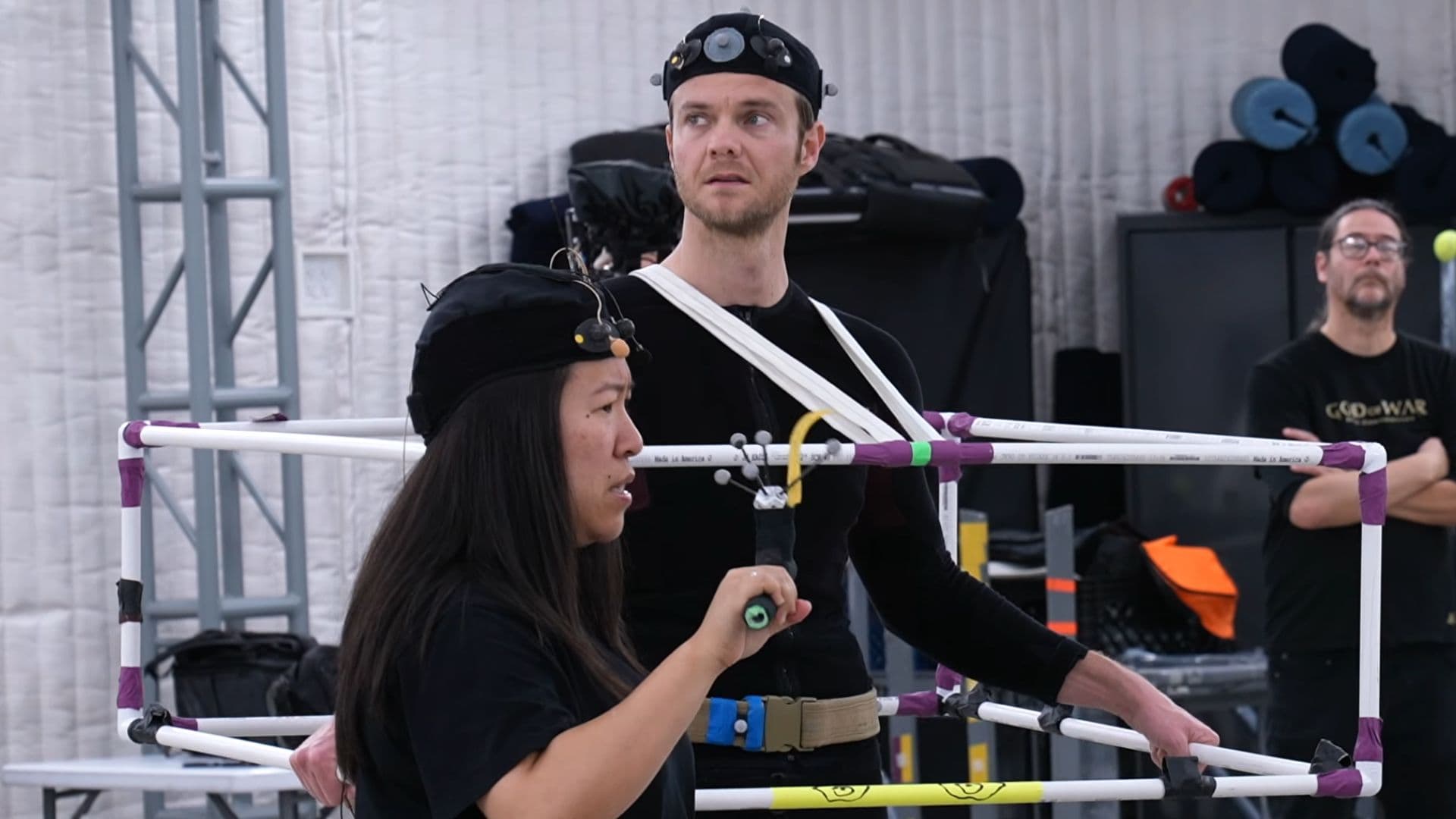
Family matters drive the emotional core of the God of War narrative.
Kratos’s evolution from a one-dimensional avatar of rage to a nuanced, grieving patriarch is the game’s greatest achievement. Gone is the perpetually furious god-killer; here, he is older, bearded, and living a secluded life in the Norse wilds. The opening frames establish this new tone—a somber cremation ritual for his wife, Faye. His dialogue is terse, often reduced to gruff commands like “Do not be sorry. Be better.” Yet, the brilliance is in the subtlety. You see his internal conflict in the moments he almost comforts Atreus only to pull back, a man so defined by violence he has no language for tenderness. This isn’t a redemption arc that excuses his past; it’s a story about a flawed man desperately trying to guide his son away from his own monstrous legacy. The game earns this transformation by making his restraint feel like the hardest battle he’s ever fought.
The relationship with Atreus isn't a subplot; it's the main circuit through which every other system flows. A dedicated button commands him in combat and puzzle-solving, making his presence mechanically inseparable from your own.
This father-son dynamic is the engine driving both narrative and gameplay. Their journey to spread Faye’s ashes from the highest peak is a masterclass in narrative restraint—a small, personal goal set against the epic ruin of the Norse realms. The story smartly avoids becoming another generic “save the world” plot. Instead, the escalating divine conflicts feel like obstacles to a profoundly human objective, which keeps the emotional stakes intimate and relatable. Their conversations in the canoe, prompted by the wise-cracking head Mimir, aren’t optional lore dumps; they are essential character development, where Atreus’s curiosity slowly chips away at Kratos’s emotional armor.
This focus allows God of War to explore themes of responsibility and breaking cycles of violence with remarkable maturity. Kratos isn’t trying to be a hero; he’s trying, and often failing, to be a decent parent. He teaches Atreus to “close his heart to it” when troubled by killing, a horrifying yet understandable lesson from a traumatized soldier. The game doesn’t offer easy answers. It suggests that doing the right thing—protecting your child, fulfilling a promise—doesn’t magically erase a bloody past or guarantee peace. This thematic depth is a staggering leap from the original trilogy’s straightforward revenge narrative.
However, this laser focus on the central duo comes with a cost. The narrative’s pacing can feel uneven, particularly in its reliance on magical MacGuffins to gate progression. The critical path often involves fetching a specific tool or artifact to open the next door, which can make the middle act feel like a checklist between the stronger emotional beats at the beginning and end. Furthermore, some critics noted that traditional plot exposition is heavily backloaded, with many of the story’s biggest revelations and lingering questions saved for the final hours, which can create a sense of narrative withholding. Yet, even with these structural quirks, the character work is so compelling that you follow Kratos and Atreus not necessarily to see what happens next, but to see how their next interaction will change them.
God of War Combat: Why the Leviathan Axe is a Modern Masterpiece
The most satisfying sound in God of War isn’t the crunch of a broken skull; it’s the low, resonant thrum of the Leviathan Axe flying back into Kratos’s palm. This isn't just a weapon—it’s a revolution in feel. Santa Monica Studio didn't just change Kratos's arsenal; they rebuilt the entire combat philosophy around the axe’s kinetic heft and recall mechanic, transforming a series known for chaotic spectacle into a masterclass of deliberate, strategic violence.
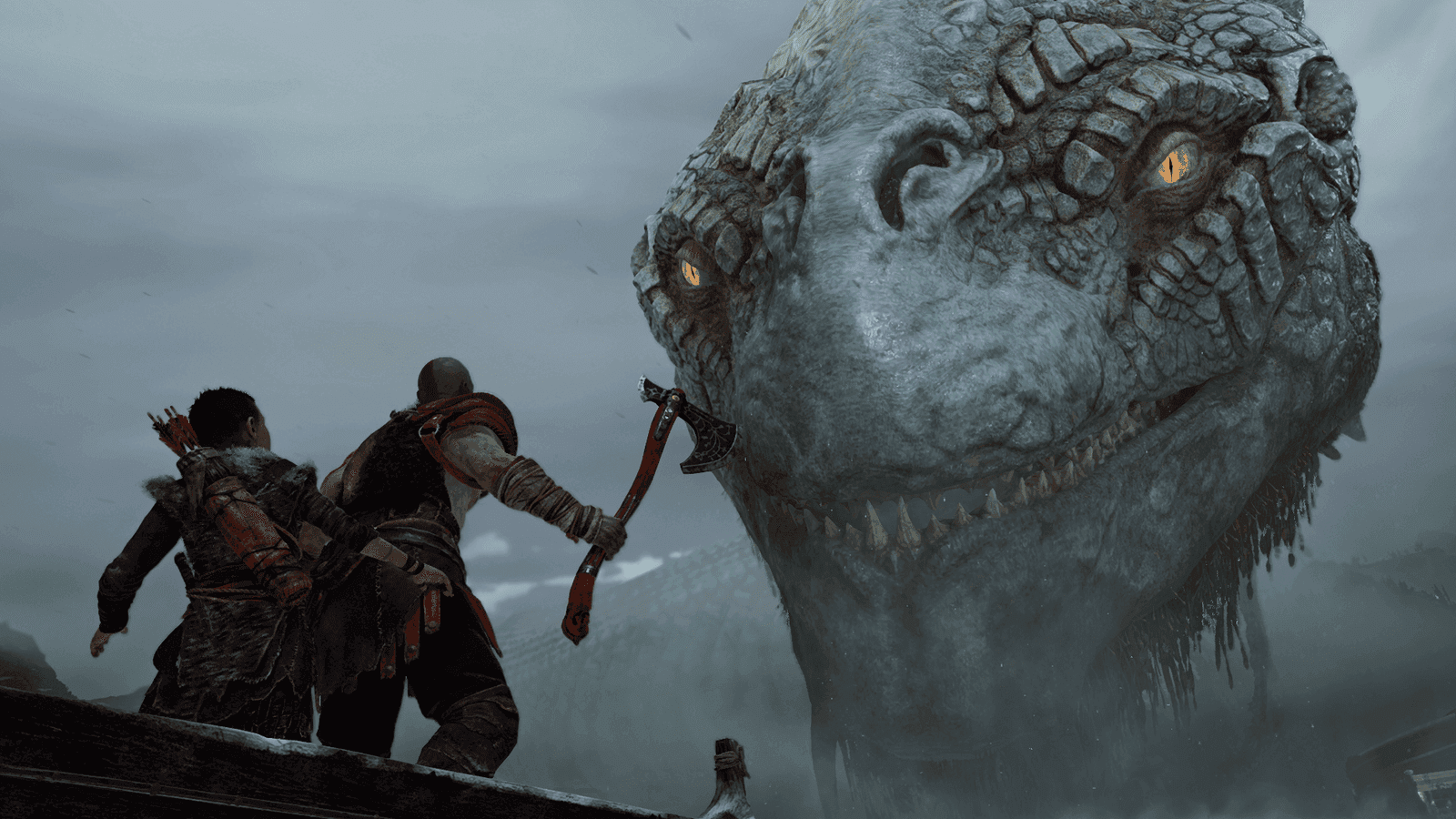
The duo must work together to take down massive Norse mythological threats.
The Leviathan Axe is a system unto itself. In combat, its versatility is staggering. A light attack is a swift, controlled chop, while a heavy swing carries the full, brutal weight you’d expect from a god. But the magic is in the throw. With a satisfying heft, you can pin a distant Draugr to a wall, creating a moment of breathing room to deal with a charging foe at your feet. The real genius, however, is the recall. Holding the button doesn't just summon it back—it becomes a guided projectile on its return path, often cleaving through other enemies for a devastating double-hit. This single mechanic creates a dynamic, multi-layered battlefield, forcing you to constantly assess positioning and threat priority in a way the old, ground-bound combos never did.
The shift from face-button mashing to shoulder-trigger combat is a quiet masterstroke. Light and heavy attacks on the triggers grant a tangible sense of weight and commitment to every swing, fundamentally altering the rhythm from frantic combo-chaining to measured, tactical engagement.
This deliberate pacing extends to the defensive layer. The over-the-shoulder camera pulls you in close, making every dodge and parry feel personal and urgent. Blocking with your shield is a necessity, but a perfectly timed parry—signaled by a brilliant golden flash and a sharp clang—creates a massive opening. This system borrows the strategic patience of Souls-likes but sands off the punitive edges, creating a dance that is challenging yet consistently fair. The RPG-lite elements, where enemy levels and your gear stats matter, further enforce this strategy-over-button-mashing ethos. You can't simply overpower a higher-level foe; you must out-think them.
Atreus is the perfect complement to this new tempo. He is never a liability to be protected, but a genuine tactical asset. A tap of a button sends arrows streaking at your locked target, dealing minor damage but, crucially, building up the enemy’s stun meter. This transforms him from a narrative sidekick into a core combat mechanic. Against a shielded enemy, you can command Atreus to pepper them with arrows, staggering them just long enough for you to land a heavy axe blow. His role evolves throughout the game, gaining magical summons and more powerful shots, but his foundational purpose—controlling the flow of battle and enabling your most powerful moves—is established from the first encounter.
This synergy opens up a brutal, improvisational flow. You might start a fight by throwing your axe to freeze one enemy in place, switch to unarmed combat to rapidly pummel another and fill its stagger bar, perform a visceral glory kill, then recall your axe through a third enemy just as it reaches you. The unarmed style is a fully realized subsystem, trading raw damage for incredible stagger buildup, offering a satisfying risk-reward loop that encourages weapon swapping mid-fray. It turns every encounter into a puzzle of efficient violence.
Where this otherwise impeccable system stumbles is in its boss variety. For every unforgettable, mythic showdown, there are two or three recycled troll or ogre fights that serve as mid-boss gatekeepers. These encounters often share the same arena layouts and, most damningly, identical finishing animations. The first time you wrench a giant’s stone club from its hands and smash it over their head, it’s cathartic. By the fifth time, it feels like a choreographed routine, a stark contrast to the creativity demanded of you in the core combat. This repetition is the combat’s one significant concession to the game’s sprawling scale, a noticeable seam in an otherwise meticulously crafted system.
Ultimately, God of War’s combat is a triumph of reinvention. It takes the series' foundational brutality and filters it through a lens of strategic depth and intimate feedback. The Leviathan Axe isn't just a cool weapon; it's the core of a gameplay loop that remains deeply engaging and physically satisfying for dozens of hours, proving that sometimes the most impactful evolution is not in adding more, but in making every single swing count.
World Design in God of War: Exploring the Nine Realms of Midgard
The most profound exploration in God of War isn’t of the Nine Realms, but of the tension between its two souls: the intimate, linear story of a father and son, and the sprawling, secret-filled world they inhabit. Santa Monica Studio’s genius lies in weaving these threads together, creating a semi-open structure that feels less like a checklist and more like a lived-in myth. This is a world that invites you to get lost, not by scattering icons across a map, but by presenting a landscape dense with history, mystery, and mechanical puzzles that feel like a natural extension of your journey.
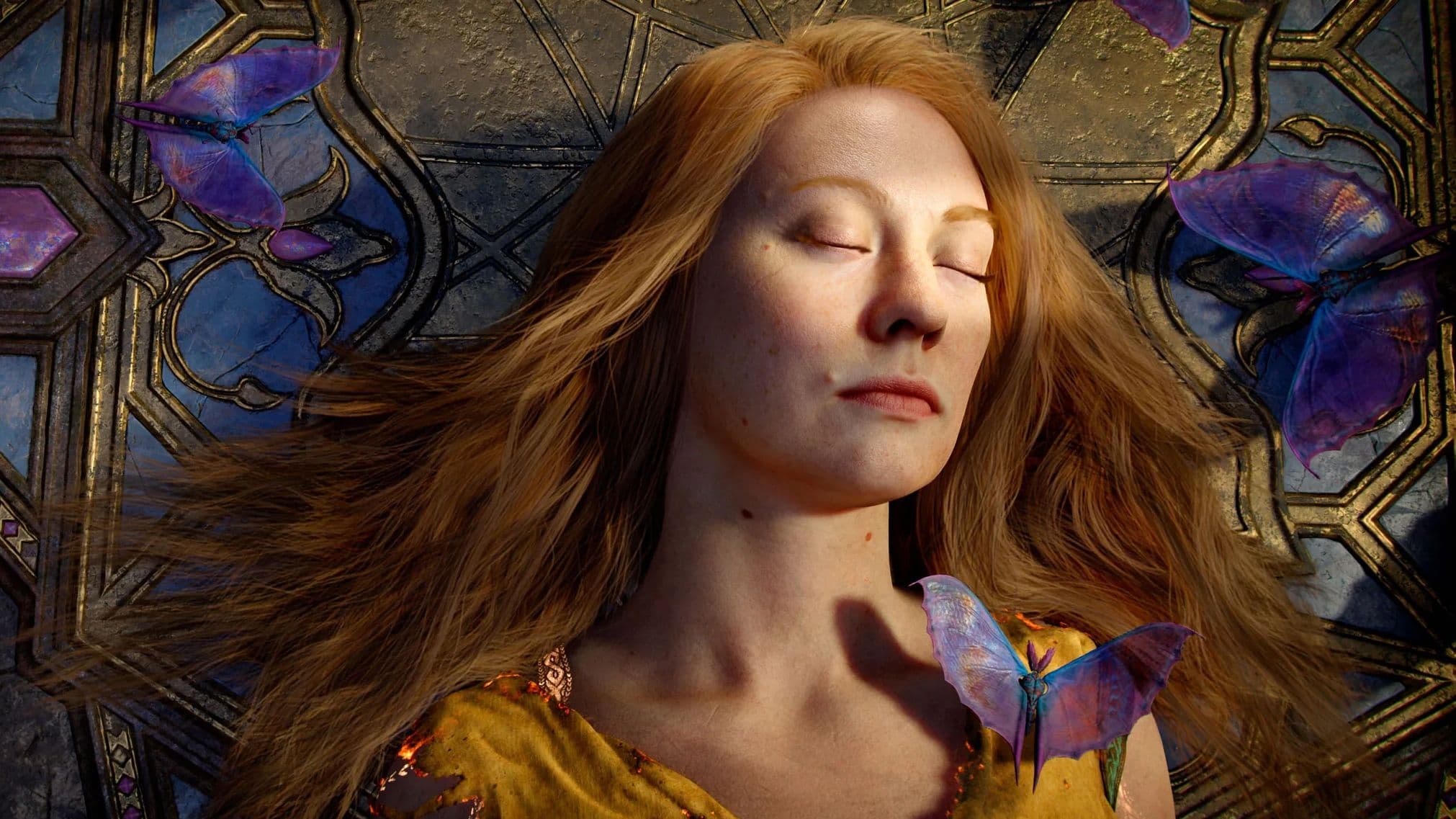
The world of Midgard is filled with intricate details and Norse lore.
The Lake of Nine is the masterstroke of this design. Serving as the central hub of Midgard, it isn’t just a body of water; it’s the game’s circulatory system. As you progress, the water level lowers in stages, revealing entire new landmasses, dungeons, and secrets that were submerged mere hours before. This single, dynamic mechanic organically gates exploration while creating a powerful sense of a world literally unfolding around you. Paddling your canoe across its misty expanse, listening to Mimir’s tales, becomes a rhythmic punctuation between intense story beats and optional delves. The lake connects the critical, linear story paths to a web of optional content—Nornir chest puzzles, Valkyrie hideouts, and side quests like the haunting “Favor” for the spirit of a dead giant. This structure gives God of War a remarkable duality: you can charge toward the mountain with narrative urgency, or you can lose an afternoon chasing a rumor to a forgotten shore, with both paths feeling equally valid and rewarding.
The environmental puzzles are where Kratos’s godhood feels most tangible. He doesn’t just solve them; he dominates them. Lifting a multi-ton stone slab to create a bridge, or using his axe to freeze a massive, spinning gear mechanism, transforms brute strength from a combat stat into a tool for interacting with the world itself.
This puzzle design is cleverly integrated with your arsenal, particularly the Leviathan Axe’s freezing ability. Early on, you’ll use it to halt waterwheels or freeze poison vents, but the complexity escalates. Later puzzles demand you throw the axe to pin a mechanism in one room, then navigate to another to manipulate a second lever before the ice melts. It’s a satisfying, tactile form of problem-solving that reinforces the axe as a multi-purpose tool, not just a weapon. The gear-gated exploration further deepens this connection, adopting a subtle Metroidvania philosophy. You’ll frequently spot glowing rune-locked doors or unreachable ledges early in your journey, only to return hours later with Atreus’s new electric arrows or a magical chisel that finally allows access. This design fosters a wonderful sense of anticipation and mastery, rewarding curiosity and memory with powerful loot or poignant story fragments.
However, this elegant structure has one significant friction point: backtracking. The fast-travel system, a network of mystic gateways, isn’t unlocked until roughly 20 hours into the adventure. For a game that so brilliantly encourages revisitation, this delay is a baffling misstep. In the early to mid-game, returning to the Lake of Nine’s far shores means a long, quiet paddle back across the water. While these journeys are often filled with character-building dialogue, the absence of a quicker option can feel punitive when you’re chasing a specific objective or trying to clean up side content. It’s a rare instance where the commitment to a “pure” journey momentarily undermines the player’s agency.
Yet, the sheer volume and quality of what’s hidden in those corners justifies the effort. With a 25-30 hour critical path that easily balloons to 50-60 hours for completionists, God of War’s world is dense, not vast. There are no empty fields to cross. Every diversion, whether it’s a hidden chamber behind a destructible wall or an optional boss fight against a terrifying Valkyrie, feels hand-crafted and consequential. The world design doesn’t just house content; it reinforces the narrative’s central theme of uncovering secrets—secrets about the realms, about Faye’s past, and ultimately, about Kratos himself. It ensures that your exploration is always in service of feeling more connected to this broken, beautiful world and the two souls trying to find their place within it.
RPG Systems and Progression: Customizing the God of War
The most jarring transition in God of War isn’t from Greece to Midgard; it’s the moment you open the menu and realize you’re not just a god of war, you’re a spreadsheet manager. This is the game’s most contentious layer—a deep but sometimes clunky web of RPG systems grafted onto its visceral action core. The intent is to empower you with meaningful choice and long-term progression, but the execution oscillates between brilliant character-driven moments and frustrating interface friction.
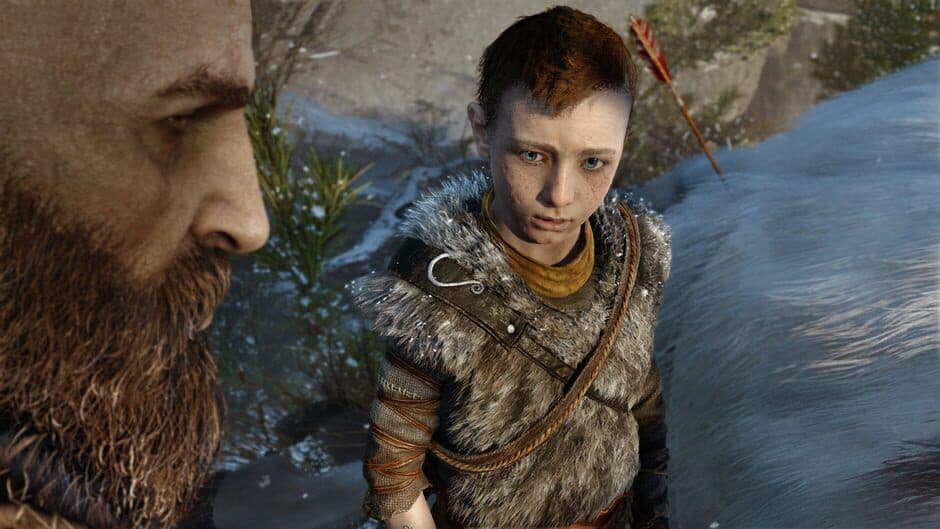
The game's presentation remains high-quality across all systems.
The foundational shift is immediate: enemies now have levels and health bars. Your effectiveness in combat is no longer solely a matter of skill; it’s intrinsically tied to the gear you wear. This gear-dependent philosophy transforms Kratos from an unstoppable force into a character who must be built. An early encounter with a Level 5 Draugr when you’re Level 2 is a brutal lesson in this new hierarchy—your axe swings feel like you’re hitting stone, and their blows carve through your health. This stat gatekeeping forces a more strategic approach, rewarding exploration for materials to craft better armor or a more powerful axe pommel. It’s a successful marriage of action and RPG, where your tactical combat decisions are supported by your build choices.
Where the system stumbles is in its sheer opacity. Stats like Luck and Runic are poorly explained, their hidden impacts on critical chance or cooldown reduction feeling like academic variables rather than tangible power. It’s easy to play for 20 hours, as one critic noted, before truly feeling comfortable with the math behind your murder.
This complexity is exacerbated by a clunky, overwhelming inventory. The crafting system involves multiple currencies—Hacksilver, Ancient’s Hearts, Smoldering Embers—that flood your resources tab with little context on their future value or drop sources. The interface for comparing and equipping new armor, talismans, and enchantments is a nested menu nightmare, making the simple act of swapping a piece feel like administrative work. This is the system at its most “half-baked,” as described in our research; the incentive to experiment with a new, untested armor piece is often outweighed by the hassle of navigating its cluttered menus.
Thankfully, the skill trees provide a clearer, more satisfying path to power. Separate trees for Kratos and Atreus allow you to specialize their combat roles. Investing in Kratos’s axe tree unlocks brutal new combo enders like Frost Rush, while Atreus’s tree transforms him from a nuisance archer into a tactical powerhouse, gaining shock arrows or summonable animal spirits. These upgrades feel earned and impactful, directly altering your combat flow in a way that raw stat increases do not. The runic attack system—special moves tied to cooldowns—further diversifies your arsenal, letting you unleash a devastating area-of-effect blast or a long-range axe throw. This is the RPG layer at its best: offering visible, playstyle-altering choices.
The saving grace for the entire economy is the phenomenal blacksmith brothers, Brok and Sindri. They are the narrative glue for the progression loop. Every upgrade visit is punctuated by their squabbling banter and growing personal stories. They don’t feel like transactional vendors; they feel like characters invested in your journey, turning the obligatory act of stat management into a moment of character development. This is a masterstroke—it humanizes the grind and ensures that even when you’re lost in menus, you’re never far from the heart of the story.
Ultimately, God of War’s RPG systems are a double-edged Leviathan Axe. They provide a compelling, long-term progression hook that deepens the combat and rewards exploration, but they are wrapped in an interface that can feel like an obstacle course. The game wants you to feel like a god being forged anew, and in its skill trees and blacksmith interactions, it succeeds brilliantly. Yet, it also occasionally makes you feel like an accountant deciphering a cryptic ledger. It’s a bold, if imperfect, evolution that gives the action weight, even if it sometimes burdens the player with its own.
Technical Prowess: The Cinematic 'One-Shot' Experience
The most audacious technical achievement in God of War isn’t its 4K textures or its stable framerate; it’s the single, unbroken camera shot that follows Kratos and Atreus from the opening cremation to the final, breathtaking vista. This “one-shot” conceit is a masterstroke of immersion, a design gambit that elevates the entire experience from a video game into a cinematic journey you inhabit. It’s not a gimmick—it’s the foundational lens through which every other technical triumph and occasional stumble is viewed.
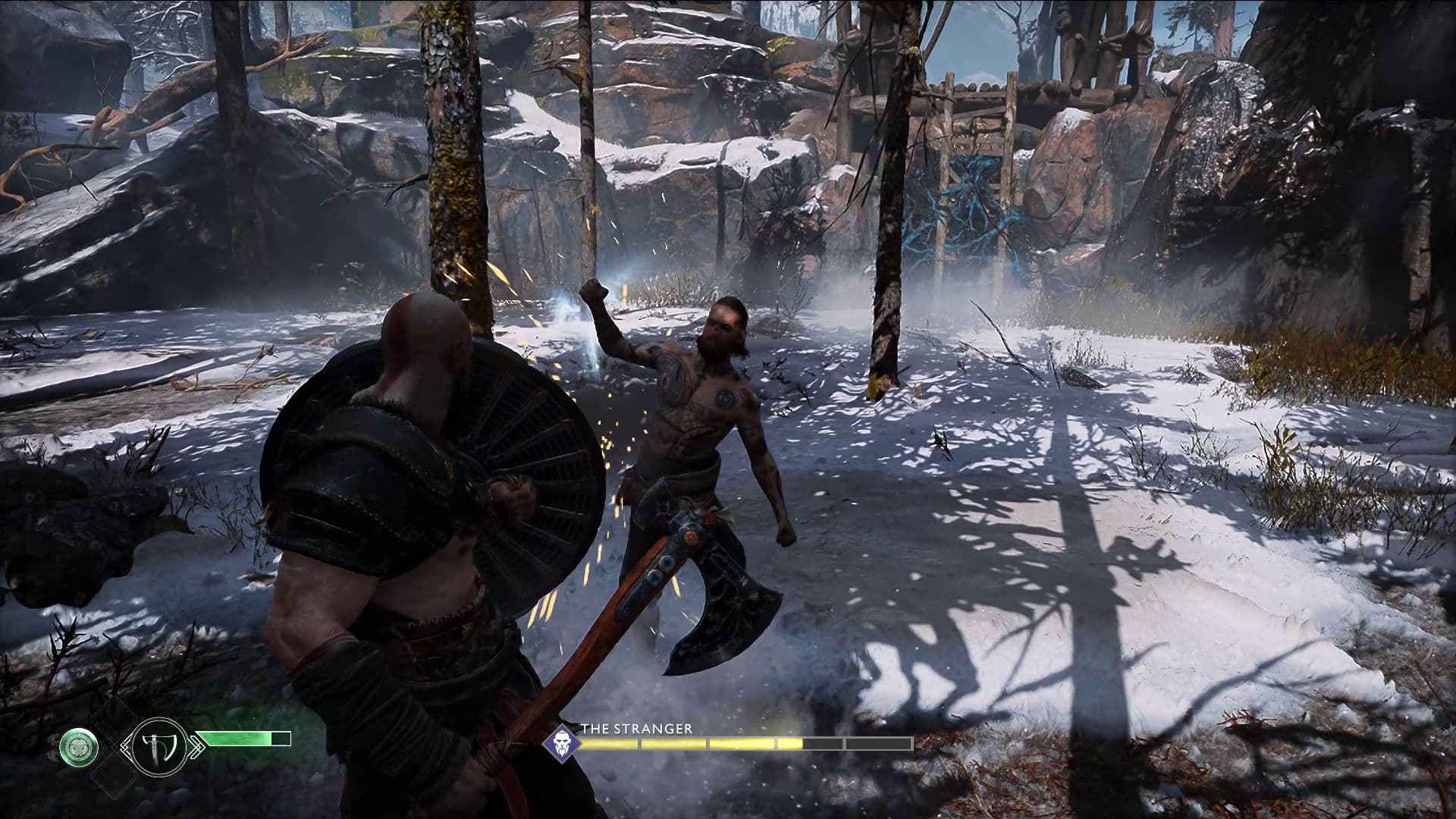
The PC version showcases incredible visual fidelity and detailed character models.
The camera is the silent third character on this journey. It never cuts away, never jumps to a flashback. Every revelation, every brutal kill, and every quiet moment of father-son dialogue happens in real time, right over Kratos’s shoulder. This creates an unparalleled sense of intimacy and consequence; you are never a spectator to this story, you are locked into its emotional current.
This commitment transforms the game’s structure. The absence of traditional loading screens forces the developers to disguise transitions with environmental interactions—squeezing through tight crevices, waiting for a massive gate to grind open, or paddling through a long, misty tunnel. Initially, these moments feel organic, often paired with crucial character dialogue from Mimir or Atreus. However, as the adventure stretches into its later hours, the repetition of these “hidden” loading sequences can become a noticeable rhythm. The seams start to show. You begin to anticipate the slow shimmy through a rock cleft, understanding it as a necessary technical buffer rather than a narrative beat. It’s a minor but persistent friction in an otherwise seamless flow, a concession to the hardware of its time that occasionally reminds you you’re playing a game.
Visually, the game is a Cornucopia of artistic and technical prowess. From the moss-drenched ruins of Midgard’s forests to the ethereal, golden light of Alfheim, each realm possesses a distinct visual identity that leverages HDR and detailed textures to stunning effect. On PC, this presentation reaches its definitive peak. Support for 4K resolution, uncapped framerates, and 21:9 ultra-wide monitors turns the journey into a panoramic epic. The implementation of Nvidia DLSS is particularly transformative; on hardware like an RTX 3060, players can target 90+ FPS at 1080p with the Quality setting, the upscaled image so sharp it’s nearly indistinguishable from native rendering. This performance leap makes the visceral combat feel even more responsive, and the cinematic camera moves with buttery smoothness that the original 30fps console target could never achieve.
This fluidity is married to a control scheme that fundamentally rethinks how a God of War should feel. The shift of light and heavy attacks from face buttons to the right shoulder button and trigger is a quiet revolution. It grounds every swing with a sense of physical weight and commitment. You don’t mash; you deliberate. Pulling the trigger for a heavy axe chop feels tangibly different from tapping the bumper for a quick slice, a tactile feedback loop that makes the strategic combat discussed earlier feel physically authentic. This scheme, combined with the over-the-shoulder perspective, completes the illusion that you are not just controlling Kratos, but sharing his space, his momentum, and his burdens.
Ultimately, the technical package of God of War is in service of a singular, cohesive mood. The camera binds you to the characters, the visuals awe you with the scale of their world, and the performance (especially on PC) ensures that not a single frame of this intimate epic is lost to stutter or lag. Even its few awkward transitions are born from a noble pursuit of seamlessness. It’s a testament to a studio firing on all cylinders, where every technical decision, from the pixel to the polygon, is made to deepen one of gaming’s most unforgettable journeys.
Final Verdict: Is God of War the Best Entry in the Series?
The ultimate test for any reinvention is whether it earns its place not just as a great game, but as the definitive entry in a storied franchise. Does God of War (2018) surpass the bombastic, rage-fueled spectacles that defined its past? The answer is an unequivocal yes, but not by simply being bigger or louder. It wins by being smarter, deeper, and more emotionally honest, transforming a legacy character into a modern icon while delivering a combat system and world that stand shoulder-to-shoulder with the best in the genre. This is the rare reboot that doesn’t just respect its heritage; it transcends it.
The game’s most profound strength lies in its exceptional character writing, which elevates the entire experience from a blockbuster action flick to a poignant character drama. The evolution of Kratos from a screaming caricature of vengeance into a stoic, grieving father struggling with his legacy is a masterclass in narrative restraint. This isn’t told through grand monologues, but through subtle moments: the way his hand almost reaches out to comfort Atreus before pulling back, or the gradual softening of his commands from “Do not be sorry. Be better” to quiet acknowledgments of his son’s growth. This focus allows God of War to tackle mature themes of grief, cyclical violence, and parenthood with a nuance the series never before attempted, successfully evolving the franchise from ‘popcorn action’ to what many have called an ‘Oscar contender’ in the vein of The Last of Us. The supporting cast, particularly the squabbling blacksmiths Brok and Sindri, provide not just comic relief but a humanizing anchor for the game’s progression systems, turning every gear upgrade into a moment of character development.
The Leviathan Axe is the single greatest argument for this game’s supremacy. Its perfect heft, the strategic depth of its throw-and-recall mechanic, and its seamless integration into both brutal combat and environmental puzzles create a tactile feedback loop that is, without hyperbole, best-in-class.
This combat feel, married to the game’s incredible production values, creates a consistently awe-inspiring experience. The “one-shot” camera binds you intimately to Kratos’s journey, while the shift to shoulder-button attacks grounds every swing with tangible weight. On PC, with support for 4K, ultra-wide displays, and performance that can hit 90+ fps on hardware like an RTX 3060 with DLSS, the presentation reaches its definitive peak. The value proposition here is immense: a 25-30 hour critical path that effortlessly expands to 50-60 hours for completionists, all crafted with a level of polish and narrative ambition that justifies its price point as a premium, high-quality single-player experience in an era often dominated by live-service models.
However, to claim perfection would be to ignore the seams where the game’s ambitious new systems occasionally chafe. The deep but convoluted RPG layer, while rewarding in the long term, is hampered by clunky loot menus and poorly explained stats like Luck and Runic. Navigating the nested inventory to compare a new piece of armor feels like administrative work, a stark contrast to the fluidity of combat. Furthermore, the enemy variety, especially in its boss design, doesn’t always keep pace with the combat’s sophistication. The thrilling, multi-phase fights against the major story bosses are undermined by the repetitive troll and ogre encounters that serve as frequent mid-bosses, complete with identical finishing animations that lose their impact after the third use. These, combined with some pacing issues in the mid-game—where the critical path can feel like a checklist of magical MacGuffins to fetch—are the concessions made for the game’s sprawling scale.
So, who is this for? God of War is a must-play for fans of narrative-driven action-adventures who crave a mature, character-focused story. It’s also the perfect entry point for newcomers wary of the original trilogy’s over-the-top tone, functioning as a brilliant soft reboot. Veterans of the series will find a profoundly evolved but still recognizable heart, especially in the late-game return of a certain iconic weapon. While the clunky menus and repetitive mini-bosses are genuine flaws, they are cracks in a monument, not foundational faults. They are the price paid for a vision this ambitious, and the overwhelming majority of the experience is so masterfully executed that those prices feel worth paying.
God of War doesn’t just claim the title of best in its series; it redefines what the series can be. It trades limitless rage for focused depth, spectacle for intimacy, and simple power fantasy for a complex journey about legacy. It is, quite simply, a masterpiece.
Pros
- A transformative narrative with exceptional character writing, turning Kratos into one of gaming’s most compelling protagonists.
- Combat centered on the Leviathan Axe is a modern masterpiece of feel, strategy, and tactile satisfaction.
- Stunning production values, from the seamless “one-shot” camera to breathtaking art direction, especially on PC.
- A dense, rewarding semi-open world filled with meaningful secrets and clever Metroidvania-style exploration.
- A massive, high-quality single-player experience offering tremendous value for its depth and polish.
Cons
- Clunky RPG menus and an overwhelming inventory system create frustrating friction between combat sessions.
- Noticeably repetitive mini-bosses (trolls, ogres) with reused animations undermine enemy variety.
- Some mid-game pacing issues as the story relies on a series of fetch-quests for magical items.
- The fast-travel system is unlocked very late, making backtracking before that point a chore.