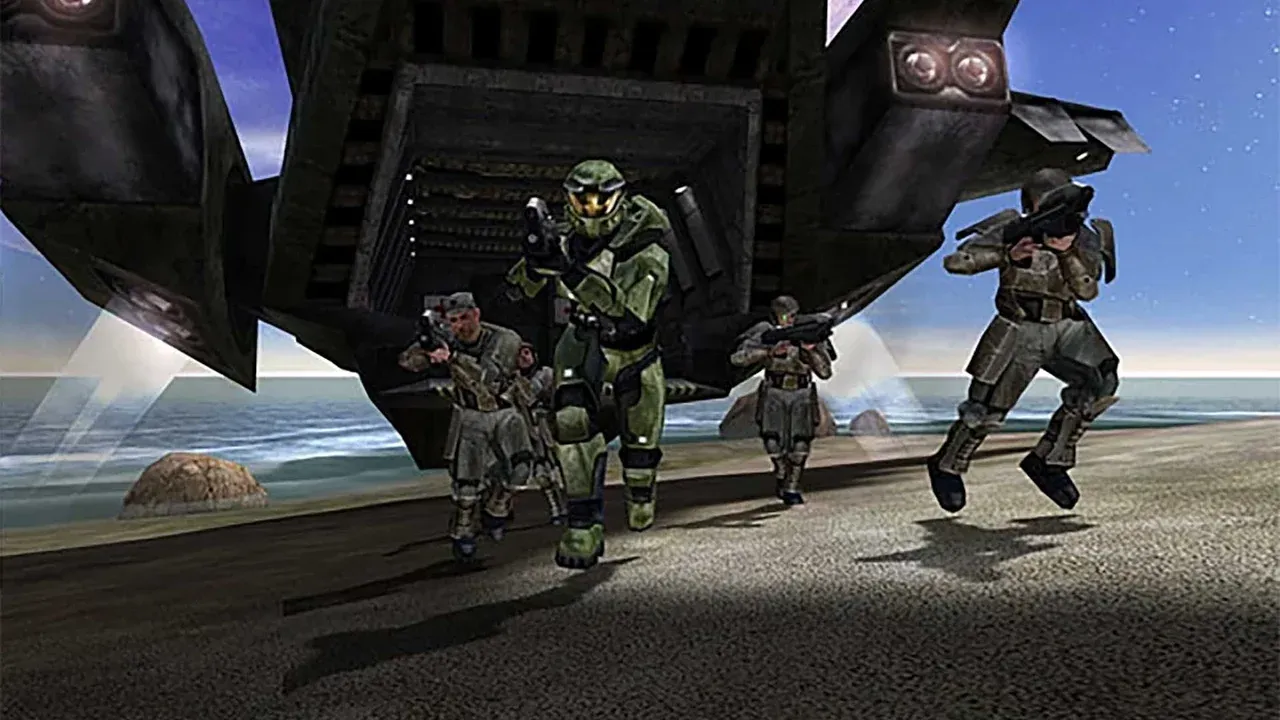
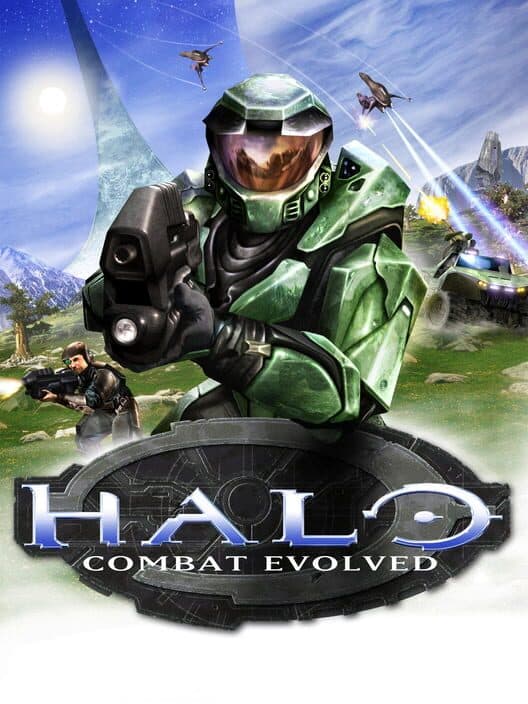
Halo: Combat Evolved Introduction: The Birth of a Console Legend
In 2001, a console launch was defined not by a piece of hardware, but by a singular piece of software. Halo: Combat Evolved arrived not as just another game, but as a statement of intent for Microsoft's fledgling Xbox, a system-defining epic that dared to ask if a first-person shooter could be a narrative and tactical powerhouse on a console. Its success in answering that question would reverberate for decades, but its journey to that moment is as crucial as the ring world it explores.
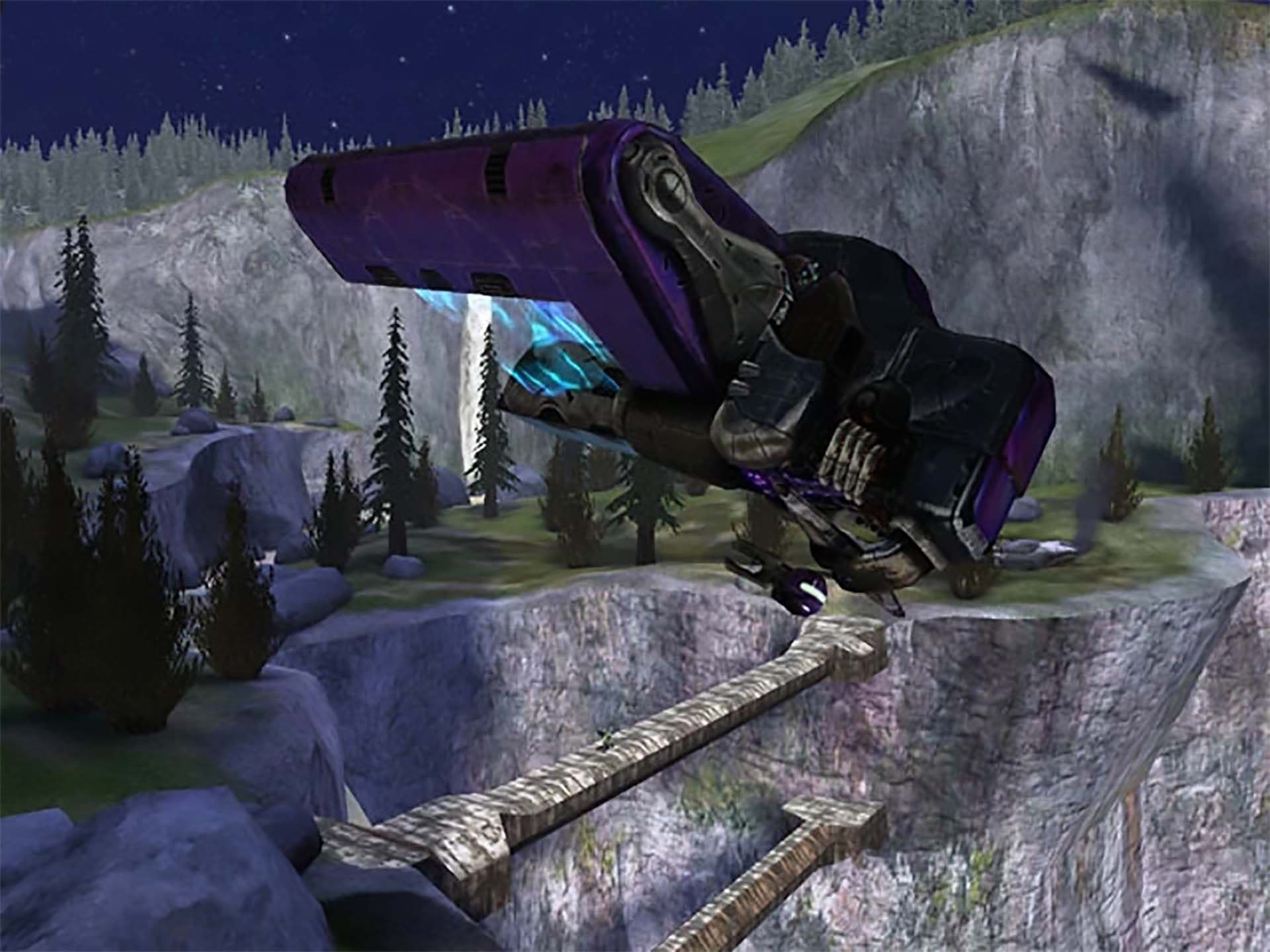
The 'Halo' level introduced players to the scale of the ringworld.
The game’s genesis is a story of industry upheaval. Originally conceived by Bungie as a third-person real-time-strategy title for Mac and PC, its transformation into a first-person shooter for Microsoft’s new console is a legendary pivot. This shift is central to understanding Halo’s identity; it carries the DNA of a PC shooter—the sprawling levels, the tactical depth—but is meticulously refined for the living room. The Xbox’s integrated hard drive, for instance, wasn't just a bullet point; it was the engine for Halo’s near-seamless world, allowing for on-the-fly loading of massive outdoor vistas without a disc access light in sight. This wasn't a port. It was a reimagining built from the ground up to showcase what the new console could do, making good on the promise that a console FPS could be more than a corridor shooter.
The narrative premise sets a deceptively simple stage: the year is 2552, and humanity is losing a desperate war against the theocratic alien collective known as the Covenant. You are the Master Chief, a cybernetically enhanced super-soldier awakened from cryo-sleep as the UNSC ship Pillar of Autumn is ambushed and crash-lands on a mysterious, colossal artifact: a 10,000-mile diameter ring world known as Halo. This opening salvo is masterful in its economy. It establishes the core conflict—humanity vs. Covenant—and the central mystery—what is Halo?—within minutes. The stakes are galactic, but the perspective is intimately personal, locked to the Chief’s helmet visor.
Where Halo’s storytelling truly excels is in its execution. It avoids lengthy expository cutscenes, instead weaving its plot through in-engine events, radio chatter from your AI companion Cortana, and the environmental storytelling of the ring itself. The discovery that Halo is not a refuge but a weapon, and the subsequent, shocking introduction of the parasitic Flood, were twists Bungie famously managed to keep secret before launch. This wasn't just a plot twist; it was a genre pivot that fundamentally altered the game's tone and gameplay, proving the story was more than a backdrop—it was the driving force.
This commitment to cinematic, integrated storytelling, paired with its technical ambition, cemented Halo: Combat Evolved as more than a game. It was an event. It argued that a console shooter could deliver a campaign with the scale, intelligence, and narrative heft of a PC classic, all while introducing mechanics—like regenerating shields and the two-weapon limit—that would become genre staples. The stage was set not just for a fight on a ring, but for a revolution in living room gaming.
Halo Combat Mechanics: Why the '30 Seconds of Fun' Loop Works
Halo: Combat Evolved didn’t just put a gun in your hands; it taught you how to think with one. This is where Bungie’s legendary “30 seconds of fun” design philosophy crystallizes into a perfect combat loop, built on three revolutionary pillars: intelligent AI, a strategic two-weapon limit, and the now-ubiquitous recharging shield. The result is a shooting experience that feels less like target practice and more like a dynamic, tactical conversation.
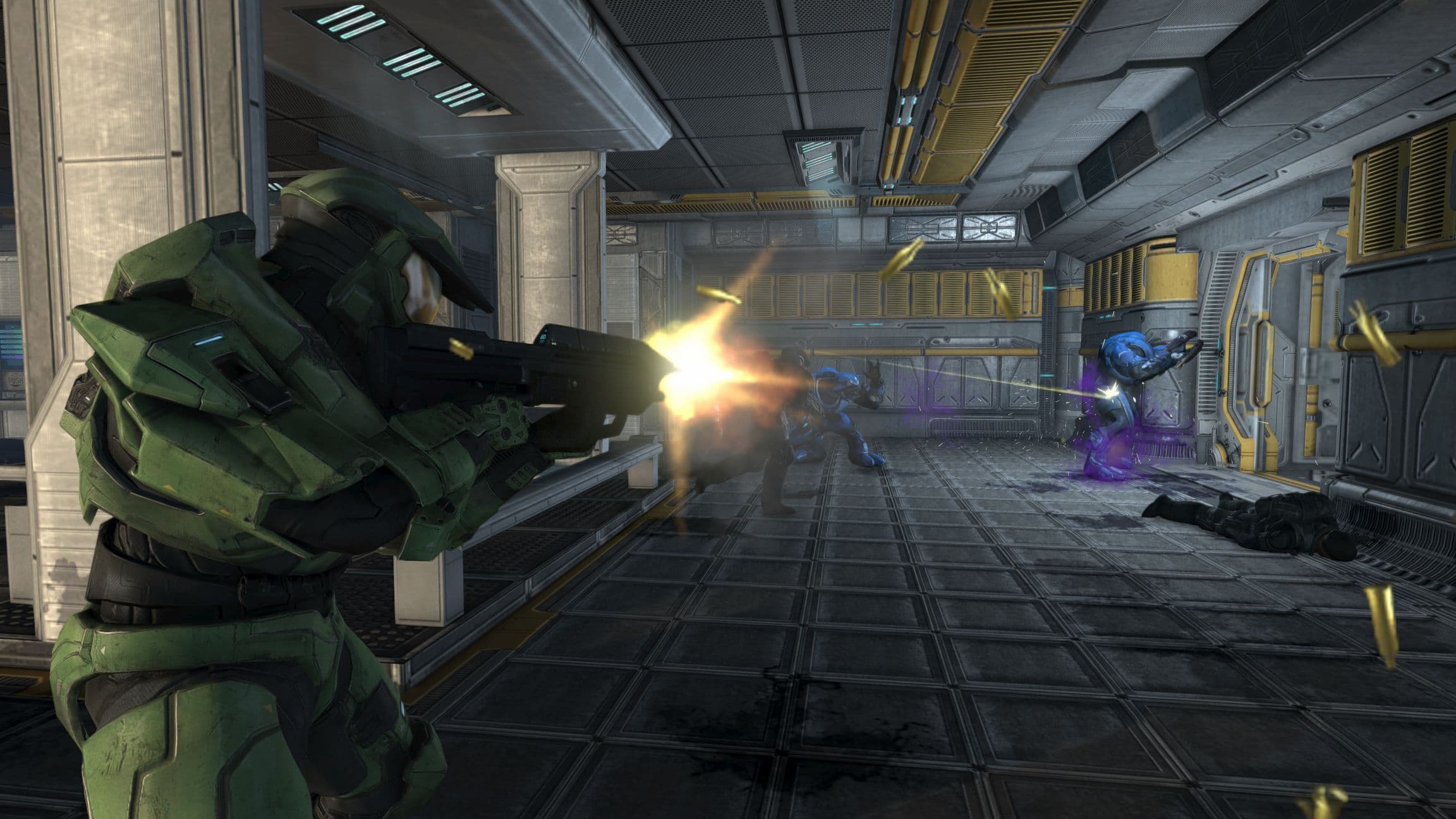
The core combat loop involves balancing weapon fire against enemy shields.
The Covenant are not cannon fodder; they are a thinking, reacting opposition that elevates every skirmish. Elites don’t just soak bullets—they duck behind cover to let their energy shields recover, aggressively flank your position, and charge with a plasma sword when cornered. Gunts scatter and panic when their leader falls, but can overwhelm you in numbers if you’re careless. This AI creates emergent, memorable moments: lobbing a grenade into a pack of Jackals only to hear one shriek a warning, sending them diving for cover. It forces you to respect every enemy on the field, turning simple firefights into puzzles of positioning and priority.
The genius of this system is that it’s perfectly complemented by your own limitations. The two-weapon limit isn’t an inventory hassle; it’s the core strategic layer. You’re constantly making meaningful choices: do you keep the Assault Rifle for suppressing fire and the Shotgun for close-quarters ambushes, or swap one for a Plasma Pistol to strip Elite shields faster? This limitation forces mastery. The oft-cited “overpowered” Magnum is a reward for precision, capable of dropping a Hunter with a well-placed shot, but its limited ammo keeps it from being a crutch. Even the quirky Needler, with its homing pink shards, has a defined role as a shield-buster against slower targets.
This delicate ecosystem is stabilized by the game’s most copied innovation: the recharging energy shield. By divorcing permanent health from moment-to-moment survival, Halo: Combat Evolved incentivizes aggressive, fluid play. Taking damage isn’t a permanent setback to be nursed with health packs; it’s a signal to find cover for a few seconds before re-engaging. This creates a rhythmic push-and-pull in combat, encouraging bold moves and smart retreats. It also seamlessly integrates melee combat—a satisfying, screen-shaking “butt-of-the-gun” strike—as a vital finisher or a desperate gambit when your rifle clicks empty.
Where this brilliant framework shows a slight seam is in enemy variety. Across its ten missions, you’re essentially fighting variations of four core Covenant types (Grunts, Jackals, Elites, Hunters) before the mid-game introduces the parasitic Flood. While their AI keeps encounters fresh, the visual and tactical palette can begin to feel familiar long before the credits roll. This isn’t a dealbreaker—the AI does heavy lifting—but it’s a constraint that becomes noticeable in the campaign’s later, more repetitive stretches.
Ultimately, Halo: Combat Evolved earns its reputation not through sheer volume of guns, but through the profound intelligence of their use. Every mechanic, from the shield to the weapon swap, feeds back into a loop that is endlessly engaging. It’s a masterclass in giving the player just enough tools to feel powerful, and just enough opposition to make them feel clever for using them well.
Vehicular Warfare in Halo: Seamless Transitions and Physics
The seamless shift from boots-on-the-ground marine to roaring across a canyon in a Warthog is the moment Halo: Combat Evolved truly transcends the corridor shooter. This isn’t a scripted set-piece you ride through; it’s a tool you commandeer, and its integration into the core sandbox is revolutionary. The game’s vehicles aren’t just a fun diversion—they are a fundamental expansion of the “30 seconds of fun” philosophy, transforming the battlefield’s scale and your tactical options in real time.
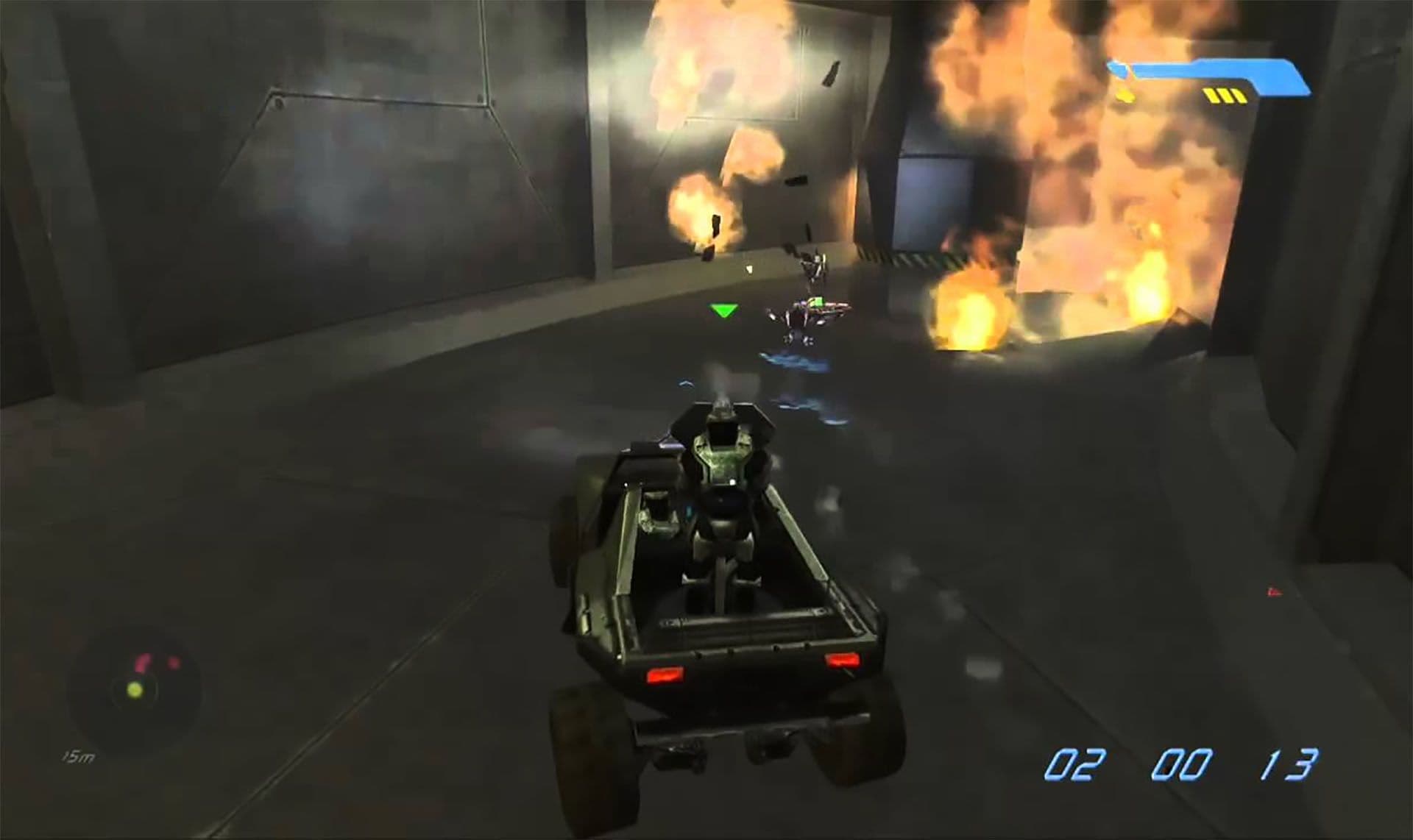
The iconic Warthog run demonstrates Halo's physics-driven vehicular gameplay.
The crown jewel is the Warthog. Its physics are a revelation, a masterclass in making a vehicle feel like a tangible, weighty object within the world. The way it bounces over rough terrain, its tires losing traction on sand, and the visceral, jostling camera for passengers aren’t just for show—they directly impact gameplay. A gunner’s accuracy is compromised by a rough ride, forcing the driver to find smoother paths or slow down for crucial shots. This creates a beautiful, unscripted co-dependence, especially when AI marines hop in. Seeing a squadmate take the turret or slide into the passenger seat without a loading screen sells the illusion of a living battlefield. The transition itself is key: you simply approach and press a button, swapping from first-person to a dynamic third-person chase camera in an instant. This fluidity makes vehicular combat feel like a natural extension of your arsenal, not a separate mini-game.
The vehicle roster, while small, is perfectly curated for distinct roles. The Warthog is your agile, team-oriented workhorse. The lumbering Scorpion tank is a rare, cathartic power fantasy. The Covenant’s Ghost offers blistering, strafing speed for hit-and-run attacks, and the Banshee provides aerial dominance. Each fills a niche, encouraging you to adapt your strategy on the fly. The game’s smart AI leverages this sandbox brilliantly; marines will autonomously man stationary turrets or hop into your vehicle’s passenger seat to provide covering fire, while Covenant enemies will scramble for their own Ghosts or try to board yours. This turns vehicle sections into chaotic, emergent battles where the battlefield is constantly in flux.
However, mastery requires patience, as the controls demand a learning curve the game never explicitly teaches. The Warthog’s handling is famously touchy, with a tendency to fishtail wildly if you treat the analog stick like a gas pedal. Similarly, the Banshee feels less like a fighter jet and more like a floating brick until you internalize its unique inertia. This isn’t a flaw in design so much as a deliberate choice—these vehicles have a weight and personality that punishes recklessness. The payoff for mastering them is immense, granting you the keys to the most exhilarating moments in the campaign, like the wide-open beach assault in The Silent Cartographer or the frantic escape in The Maw.
For all its pioneering brilliance, the vehicular integration isn’t without a cost. The Xbox hardware of 2001 occasionally buckled under the strain, with framerate dips during large-scale vehicle battles being a noted trade-off. Furthermore, the sandbox shines brightest in the game’s more open early and mid-game levels; when the campaign later funnels you into tight, Flood-infested corridors, the vehicles disappear, and with them, a layer of the game’s tactical soul. This contrast makes their presence in the first half of Halo: Combat Evolved all the more precious—a bold, groundbreaking proof of concept that the FPS genre could be about more than just the footsoldier’s view.
Level Design and Pacing: The Brilliance of the First Half vs. Repetitive Backtracking
The brilliance of Halo: Combat Evolved’s open sandbox is most perfectly crystallized in its early levels, only to be gradually eroded by a reliance on repetitive backtracking that defines the game’s divisive second half. This is the uncomfortable truth at the heart of the campaign: for every moment of emergent, tactical freedom, there’s a stretch of recycled corridor that tests your patience.

The final mission, 'The Maw', returns to the Pillar of Autumn, exemplifying the game's late-stage backtracking.
The peak arrives with missions like The Silent Cartographer. This is Halo: Combat Evolved at its most confident, dropping you onto a sun-drenched beach with a Warthog and a broad objective: find the underground control room. The path isn’t linear. You can charge the front door in a vehicle assault, disembark to clear bunkers on foot, or even scout the island’s perimeter for alternative entrances. The level design actively encourages experimentation, rewarding smart use of the sandbox—like using a hijacked Ghost to strafe enemy positions or positioning a marine sniper on a ridge for covering fire. This is the “30 seconds of fun” philosophy scaled into a miniature open world, and it’s masterful.
Where this design breaks down is in the game’s infamous middle third. Following the seismic narrative twist of the Flood’s introduction, the level philosophy shifts from open-ended sandbox to claustrophobic, repetitive corridor shooting. Missions like The Library and Keyes become exercises in endurance, tasking you with navigating near-identical, multi-floored hallways swarmed by the less-tactical, zombie-like Flood. The brilliant AI-driven dance with the Covenant is replaced by a war of attrition in grey, Forerunner hallways. It’s a stark, intentional tonal shift that succeeds in selling the horror of the Flood but fails to maintain the engaging gameplay loop that made the first half so special.
This is compounded by the game’s most criticized flaw: blatant backtracking. Entire segments, particularly in the latter stages, have you traversing the same environments in reverse, often with re-fortified enemy placements. What felt like a thrilling journey of discovery the first time becomes a tedious retread, highlighting the limited visual variety of the indoor spaces. The design intent—to create a sense of desperate, circular entrapment—is clear, but the execution feels less like clever recycling and more like padding in a campaign that otherwise boasts a substantial 16-plus hour runtime.
Yet, Halo: Combat Evolved understands the power of a finale. It rescues its pacing with The Maw, a pulse-pounding escape sequence that leverages every tool in your arsenal. Racing a Warthog through the crumbling, exploding corridors of the Pillar of Autumn while a timer counts down is an all-time great gaming set piece. It’s a chaotic, triumphant payoff that masterfully blends the vehicular mayhem and frantic combat the game pioneered, leaving you on a high note that, for many, justifies the preceding grind.
The campaign’s journey, then, is one of dramatic peaks and valleys. It’s hard to overstate how good the opening acts are—they are a blueprint for tactical, sandbox shooter design. It’s equally hard to ignore how the back half can feel like a slog. This unevenness doesn’t ruin Halo: Combat Evolved, but it does mean your memory of it will be powerfully shaped by which half you choose to dwell on.
The Audiovisual Experience: Atmospheric Sound and 30 FPS Visuals
The most immediate proof that Halo: Combat Evolved was built for a new generation of hardware isn't just in its polygons, but in its decibels. This is a game where the soundscape is as vital to survival as your trigger finger, and where the visual presentation, while locked to a steadfast 30 frames per second, paints a universe of startling depth and atmosphere through sheer technical artistry.
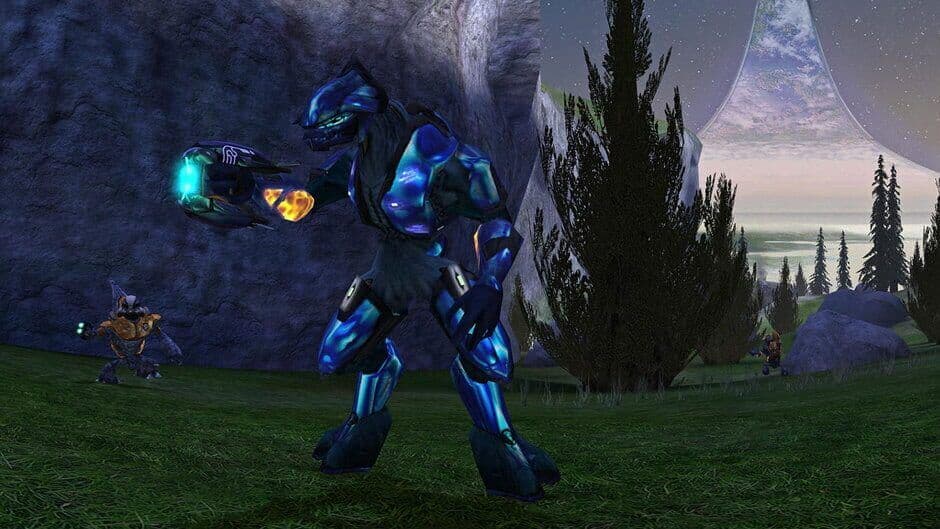
The 30 FPS visual presentation was a standard-setter for console shooters.
The audio design is a masterclass in functional immersion. In a game without a traditional mini-map, your ears become your primary radar. The distinct, chittering panic of a Grunt, the predatory growl of an Elite stalking your flank, and the telltale hum of a nearby energy shield recharge are not just atmospheric flourishes—they are critical gameplay information. This allows for strategic play without a HUD, letting you identify enemy types and their states purely by sound. The integration of 5.1 surround sound (a relative novelty for consoles in 2001) transforms this from a neat trick into a tactical necessity; you can pinpoint the direction of a cloaked Elite’s footsteps or the approach of a Banshee swooping in from behind with startling accuracy. This extends to your allies, whose reactive barks—the Australian-accented marine yelling "Frag out!" or a squadmate calling for covering fire—sell the illusion of a living, breathing fireteam fighting alongside you.
The soundtrack is the emotional engine of the entire experience. Martin O’Donnell’s score doesn’t just accompany the action; it defines it. The Gregorian chant that greets you on the main menu immediately establishes a tone of ancient mystery and solemn grandeur. In-game, the music dynamically shifts from haunting, string-laden exploration themes in the ring’s silent valleys to thunderous, percussive brass swells the moment you stumble into a Covenant ambush. It’s a score that knows when to hold back, building tension with near-silence, and when to hit with the force of a orbital MAC round, elevating key moments into cinematic events.
Visually, Halo: Combat Evolved leveraged the Xbox’s power to create a sense of place that few console games had achieved. The lighting effects are the star of the show. A muzzle flash in a dark corridor doesn’t just illuminate your weapon; it casts dynamic, fleeting shadows across the walls and enemies. The eerie glow of a plasma grenade stuck to a Hunter doesn’t just signal an imminent explosion; it bathes the immediate environment in a sickly purple light. These aren’t pre-baked effects; they are real-time calculations that make the world feel physically reactive. Combined with highly detailed textures for the era—the gritty metal of the Pillar of Autumn, the bark of trees on the ring’s surface—the game achieves a tangible, lived-in aesthetic that grounds its fantastical premise.
This visual fidelity came with a well-documented, and largely successful, trade-off: a rock-solid 30 frames per second target. For the vast majority of the campaign, this frame rate holds, providing a smooth and consistent canvas for the precise aiming the combat demands. The compromise becomes apparent only at the system’s limits. During the most chaotic vehicle sections, like a four-player Warthog battle in multiplayer or a large-scale encounter with multiple Banshees and explosions, the framerate can stutter. It’s a concession to ambition, a moment where the game’s desire to render its ambitious physics and particle effects momentarily outstrips the hardware. Yet, these dips are the exception, not the rule. For a launch title aiming to showcase a console’s graphical might, the consistent 30fps was a statement of stability in an era where such performance was not a given.
The presentation of Halo: Combat Evolved is where its identity as a console-defining technical showcase is most unambiguous. The sound design is not merely excellent; it is integral to the gameplay loop. The visuals prioritize atmospheric lighting and cohesive art direction over sheer pixel count, creating a world that feels expansive and real. And while the 30fps cap and occasional stutter show the seams of its ambition, they also highlight just how much Bungie was pushing the boundaries of what a living room shooter could look and sound like in 2001.
Multiplayer and Anniversary Legacy: Is Halo Still Worth Playing Today?
Halo: Combat Evolved wasn't built for the lonely hero. Its final, vital layer is forged in companionship and competition, a multiplayer suite that promised "LAN party" as a cultural event long before online console play was a given. While its foundation is legendary, the question of how it holds up today is inseparable from the value of its modern Anniversary remaster.
The original 2001 multiplayer was a marvel of ambition constrained by its era's technology. Up to four players could battle locally via split-screen, but the magic was unlocking the full 16-player potential via system link, daisy-chaining multiple Xboxes and TVs into a chaotic, living-room network. This is where iconic maps like Blood Gulch were born into legend, vast sandboxes that transformed the campaign's "30 seconds of fun" into an endless tug-of-war of sniper duels, Warthog flips, and desperate flag runs. The balance was sublime; even the mighty Scorpion tank had exploitable weaknesses, like a well-lobbed grenade underneath its hull. This wasn't just a deathmatch mode—it was a full-blown physics playground that rewarded creative use of the sandbox as much as twitch reflexes, fostering a generation of inside jokes and emergent custom games that felt like a precursor to the franchise's later Forge mode.
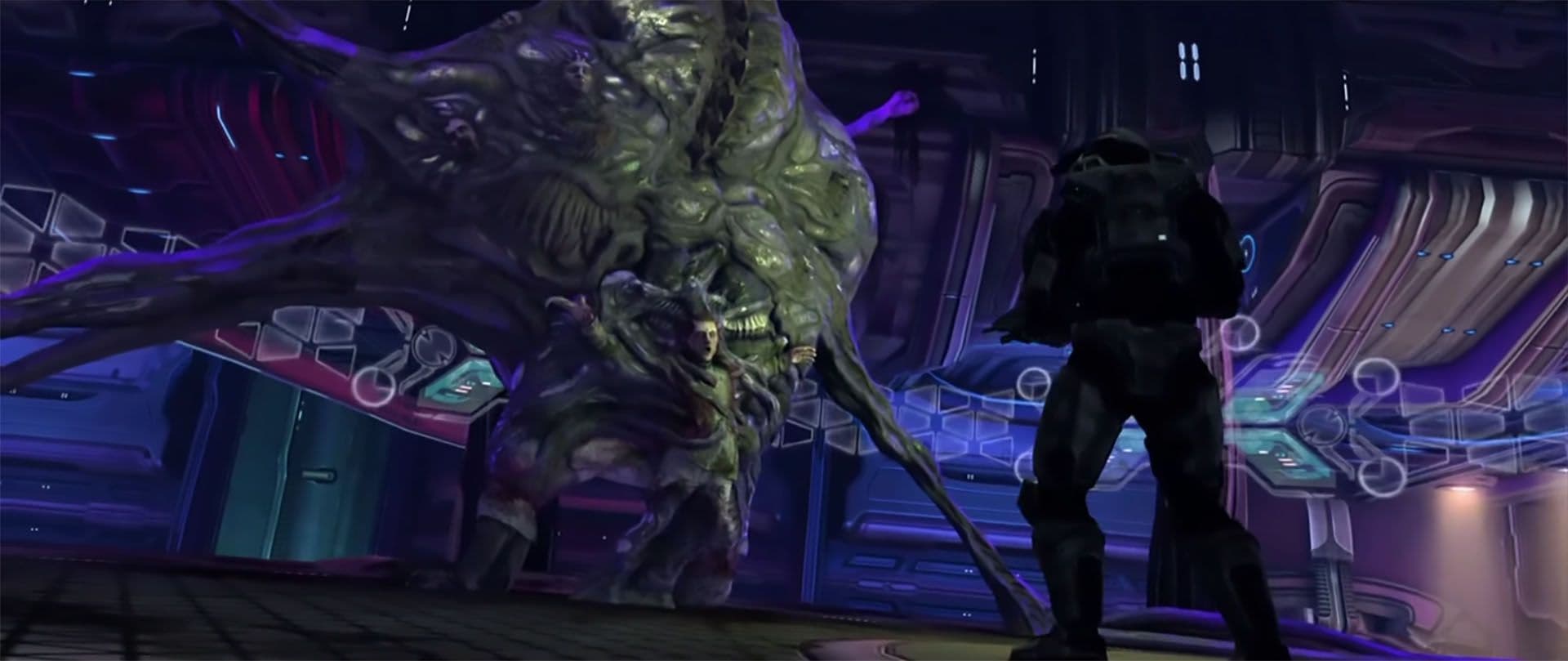
The legacy of Halo's campaign remains a major draw for players today.
The limitations, however, were as stark as Blood Gulch's open plains. The most glaring omission was the lack of AI bots, a feature present in contemporaries like Perfect Dark. Without them, a two-player split-screen session felt barren on these sprawling maps, and organizing a full 16-person LAN party was a costly logistical feat requiring multiple consoles, copies of the game, and televisions. More fundamentally, there was no online multiplayer in the 2001 release—a design decision that feels archaic today but was a painful reminder of the Xbox's original offline vision. The multiplayer was phenomenal, but it was a walled garden accessible only to those with enough friends, hardware, and floor space.
This brings us to the modern solution: Halo: Combat Evolved Anniversary. Released in 2014 as part of The Master Chief Collection and available on PC, this version isn't just a visual facelift; it's a crucial quality-of-life overhaul. The single most important feature is the ability to toggle between the original 2001 graphics and the Anniversary remaster with a single button press. This isn't a gimmick; it's a masterstroke of preservation that serves both nostalgia and clarity. You can admire the stunningly updated textures, dynamic lighting, and detailed character models, then instantly revert to the original's iconic, slightly chunky aesthetic to relive a memory or spot an enemy lurking in a famously dark corner. This seamless comparison highlights how faithfully the core geometry and gameplay were preserved.
The Anniversary package also retroactively fixes the original's biggest multiplayer hurdles by baking in modern online matchmaking and, crucially, incorporating the additional maps and modes first introduced in Gearbox's 2003 PC port. This PC version itself was a landmark, finally adding internet play and new content but notorious for its steep hardware requirements, struggling to maintain framerates on systems that breezed through other shooters of the era. Today, through the Anniversary edition, you get the best of all worlds: the classic gameplay, the expanded content, and modern online infrastructure, all running at a smooth 60+ FPS and 4K resolutions on capable hardware.
So, is Halo: Combat Evolved still worth playing? Absolutely, but with a clear-eyed understanding of its legacy. The campaign remains a rewarding, if uneven, journey that shines in co-op—playing through the Flood's onslaught with a friend turns a repetitive grind into a shared, chaotic struggle for survival. The Legendary difficulty is a brutal and masterful test of your understanding of every weapon and enemy behavior, offering immense replayability for the dedicated. The core combat and vehicular sandbox are timeless. For the purest historical experience, the original demands to be understood within its 2001 context—a groundbreaking but locally-bound phenomenon. For everyone else, Halo: Combat Evolved Anniversary is the definitive answer. It preserves the magic, removes the logistical friction, and presents this foundational chapter in the best light possible for a new generation.
Final Verdict: Does Halo: Combat Evolved Hold Up as a Masterpiece?
More than two decades later, Halo: Combat Evolved exists in a unique space: a game so thoroughly dissected and influential that its original context is almost a relic, yet its core pillars stand so robustly that they still define modern shooter expectations. The question isn't whether it's fun—the "30 seconds of fun" loop remains pure gaming bliss—but whether its aging architecture can support the weight of its legacy for today's player. The answer is complex, deeply tied to what you're looking to play for.
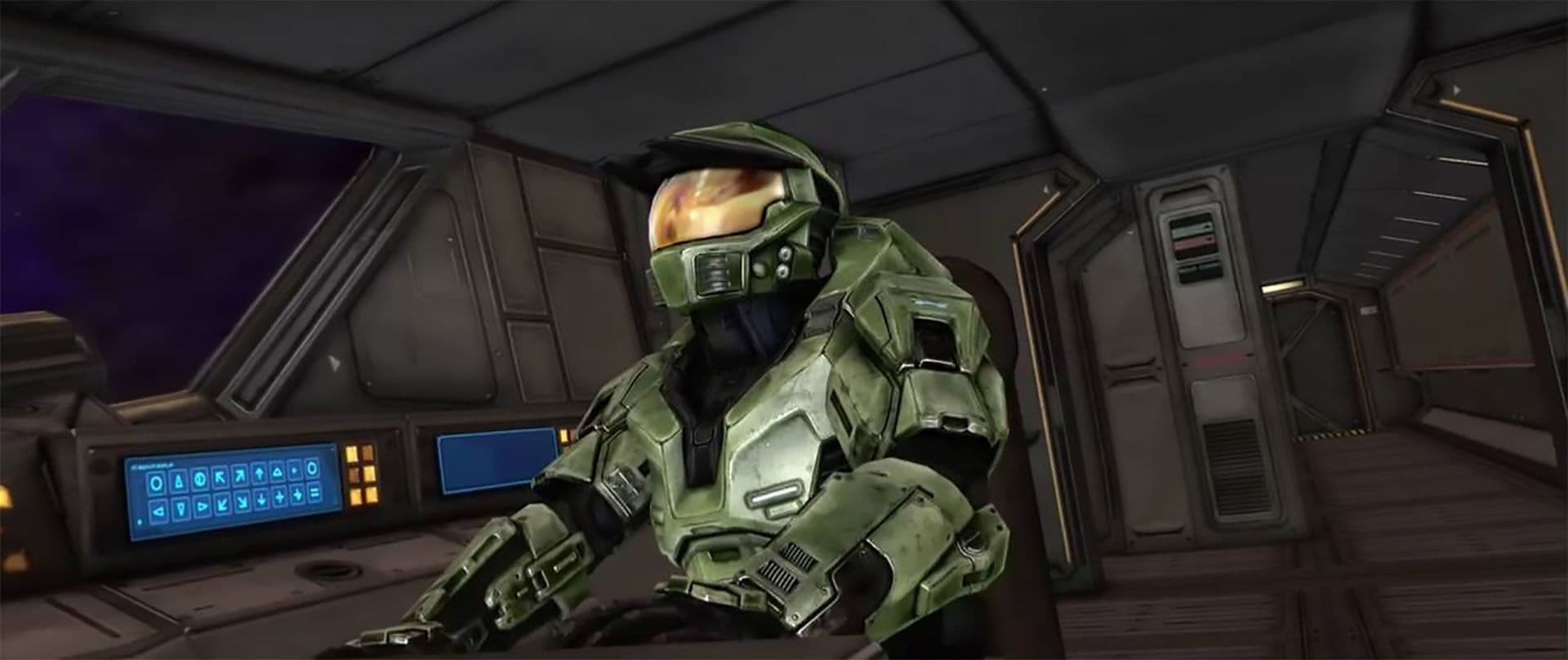
The game's conclusion solidifies its status as a narrative masterpiece.
The combat is, unequivocally, the soul of the experience and its most timeless achievement. Halo: Combat Evolved is a masterclass in creating a dynamic, tactical conversation between player and game world. The AI, from the shield-tanking Elites to the cowardly Grunts, isn't just clever—it's expressive, giving every enemy a personality you can predict and counter. This dance is perfected by the symbiotic relationship between your regenerating shield, the strict two-weapon limit, and the distinct, satisfying feedback of every weapon. This loop—taking damage, retreating to let your shields flicker back, swapping to a plasma weapon to strip an Elite's defenses, and finishing with a skull-rattling melee—is as rewarding in 2024 as it was in 2001. It’s a system so perfectly balanced that it spawned an entire generation of imitators.
Where this timeless core collides with the march of time is in the campaign's pacing and structure. The second half's notorious repetition, particularly the grueling, multi-floored slog through The Library and the recycled corridors of late-game backtracking, is a product of its era's ambition outpacing its content variety. It's a stark, dissonant shift from the open sandbox brilliance of The Silent Cartographer. While the intent—to convey a desperate, claustrophobic struggle against the endless Flood—is clear, the execution often feels less like a horror story and more like padding. This is Halo: Combat Evolved’s most significant barrier to a modern audience: a third-act grind that requires patience its opening hours never demand.
This leads to the game’s clear target audience today. For FPS historians and aficionados of tactical sci-fi shooters, it remains essential. To play Halo: Combat Evolved is to directly experience the DNA of modern shooters—recharging health, limited weapon slots, physics-driven sandboxes—in its raw, pioneering form. Conversely, players who prioritize constant novelty and seamless pacing may find its middle third a deal-breaking slog. Its value is now deeply entwined with its role as a historical document; appreciating its flaws is part of appreciating its seismic impact.
So, does the game’s 97 Metacritic score still hold water? Absolutely—as a measure of its impact at launch. It was a landmark, a console-defining revolution that felt like a glimpse into gaming’s future. Today, that score reflects its legacy more than its objective, frictionless perfection. The seams show: the 30fps cap, the occasionally clunky vehicle controls, the repetitive enemy and environment palettes. But to judge it purely by contemporary standards misses the point. Its genius wasn't just in what it did, but in what it enabled.
Halo: Combat Evolved isn’t just a great game you can still play. It is the foundational text for an entire era of first-person shooters. Its innovations are so ubiquitous they’ve become invisible. Playing it today is an education in design, a masterclass in creating a tactile, intelligent, and endlessly replayable combat sandbox, wrapped in a campaign that is, for better and for worse, a product of its ambitious, imperfect moment in time.
Final Verdict: A Masterpiece, With Footnotes
Pros:
- Foundational Combat Loop: The intelligent enemy AI, strategic two-weapon system, and satisfying weapon feedback create a tactical depth that remains best-in-class.
- Revolutionary Sandbox: Seamless integration of vehicles with memorable physics, particularly the Warthog, expands gameplay in groundbreaking ways.
- Immersive Presentation: The critical audio design and Martin O’Donnell’s iconic, dynamic soundtrack build an atmosphere few games have matched.
- Historical Significance: As the blueprint for the modern console FPS, it is an essential play for understanding the genre’s evolution.
- Enduring Co-op & Multiplayer: The campaign is a blast with a friend, and the core competitive/vehicle sandbox, especially via the Anniversary edition, remains uniquely fun.
Cons:
- Pacing Whiplash: The back half of the campaign, especially levels like The Library, descends into repetitive, corridor-based backtracking that tests patience.
- Dated Technical Constraints: The original's 30fps cap, lack of online multiplayer, and absence of AI bots are stark reminders of its era (largely solved by the Anniversary remaster).
- Limited Enemy Variety: Fighting the same four Covenant types for the first half of a lengthy campaign can make combat feel familiar long before the Flood arrive.
Score: 9/10 – A flawed masterpiece and a mandatory pilgrimage for any serious fan of the genre. Its impact is immeasurable, its best moments are eternal, and its worst are a reminder that even revolutions have growing pains.