

Marathon Gameplay: Bungie’s Signature Gunplay Meets Extraction Tension
Marathon opens with a simple, brutal promise: you are a disposable asset in a hostile world, and your only value is what you can steal. This is the extraction shooter ethos distilled to its purest, most unforgiving form, and it’s Bungie’s legendary gunplay that makes that threat feel viscerally real. The moment-to-moment shooting is the game’s bedrock, a masterclass in audio-visual feedback where every trigger pull is a tactile event. You don’t just hear a handcannon fire; you feel its theatrical buck and the sharp crack of its report. Pulse rifles have a rhythmic, almost musical recoil pattern, and watching an enemy’s shield crackle and shatter under a precise volley provides a dopamine hit that’s become Bungie’s signature. This isn't just competent shooting—it’s the finest first-person combat in the genre, built on thirty years of refining that perfect, short gameplay loop.
That combat feel is a fascinating hybrid of Bungie’s past and present. Movement has the deliberate, weighted cadence of classic Halo, with low-gravity jumps and distinct, heavy boot-falls that evoke a more methodical age of FPS design. Yet it’s seamlessly grafted onto modern conventions like aim-down-sights, sprinting, and sliding. The result is a pace that rewards tactical positioning and sharp perception over twitch reflexes, forcing you to think about angles and cover rather than relying on frantic movement tech. This deliberate speed makes every encounter feel consequential. However, the system is intentionally shackled by two key limitations: a punishing heat gauge that acts as a stamina meter, leaving you sluggish if you overextend with sprints and slides, and severe fall damage from surprisingly modest heights. These aren't bugs; they’re deliberate obstacles meant to curtail mobility and force caution, especially in the game’s vertical spaces. For veterans of high-speed shooters, it can feel restrictive. For Marathon, it’s the source of its unique, tension-filled rhythm.
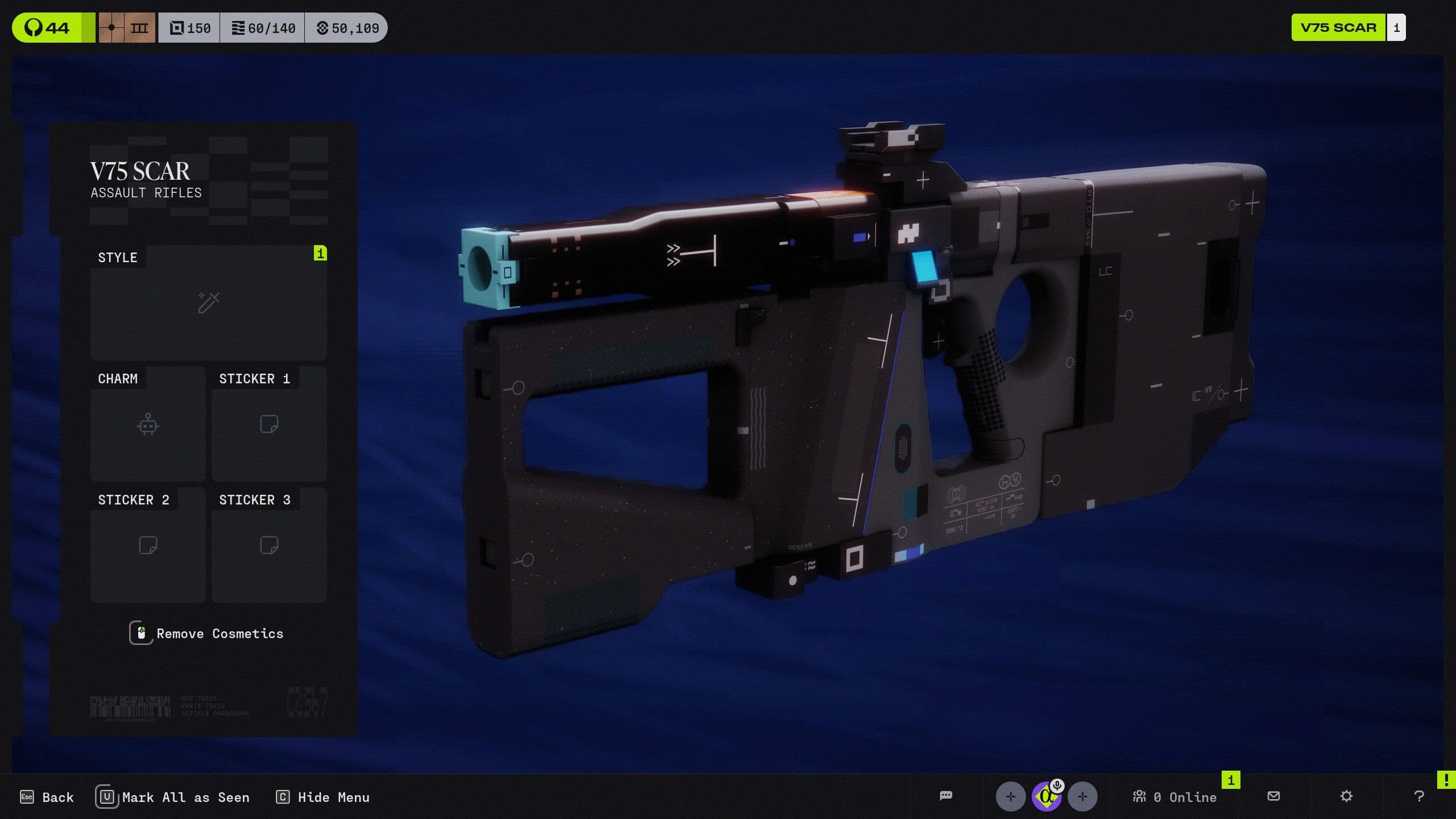
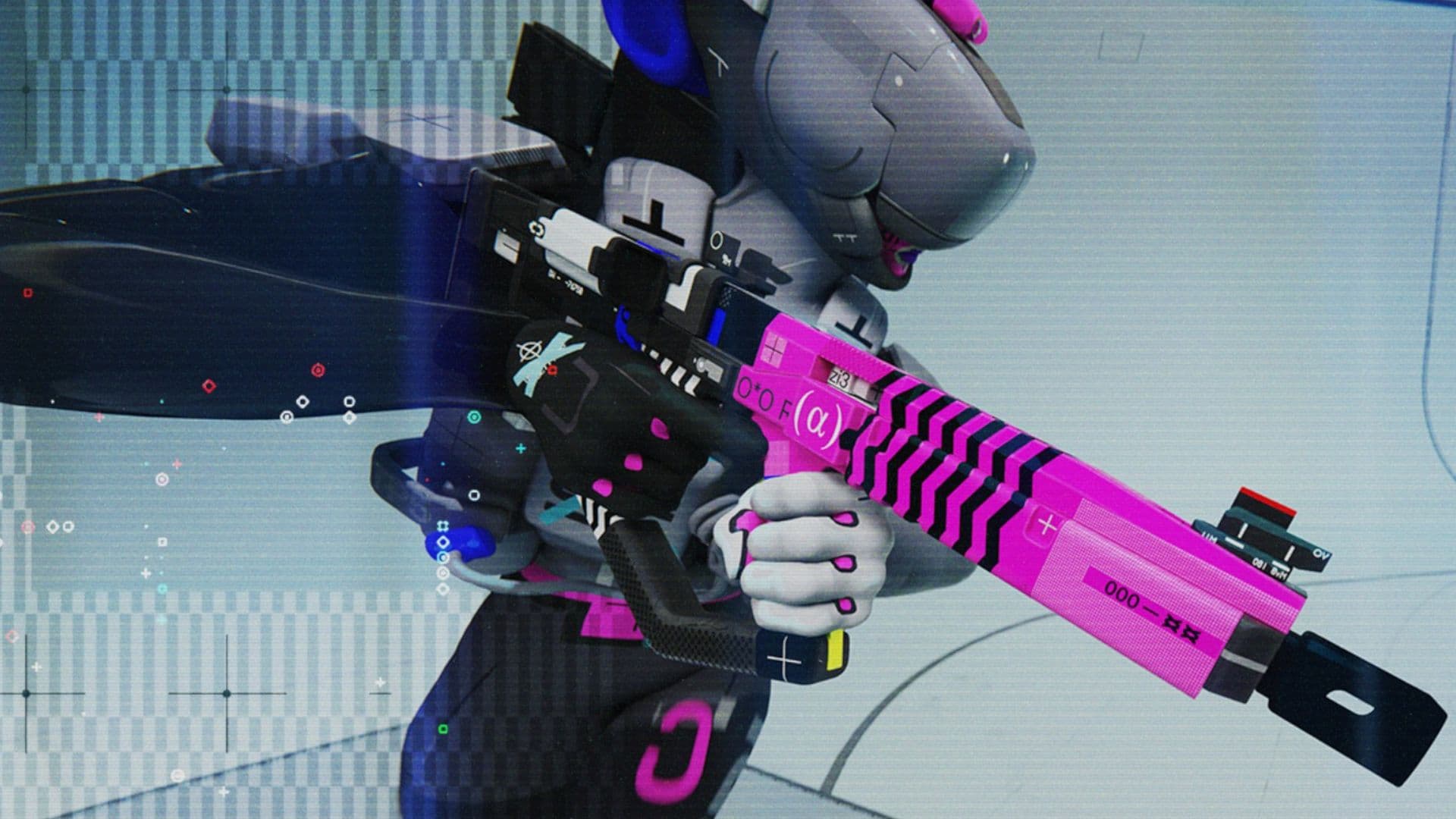
Bungie's weapon designs in Marathon blend high-tech functionality with bold colors.
Where this mechanical excellence truly sings is in player-vs-player encounters, which are the uncontested highlight of any match. The maps are claustrophobic pressure cookers, and the short time-to-kill (TTK)—typically requiring less than a full magazine to down a foe—means every peek, every missed shot, is potentially fatal. This isn't a looter-shooter with occasional skirmishes; it’s a disgusting pit of vengeful players mercilessly hunting each other on sight. The PvE elements—patrolling robots and environmental hazards—exist primarily as noise generators and complicating factors, herding players together and creating chaotic, multi-sided fights. The balance is clear: PvP is the star, and the excellent gunplay is the stage.
This lethal dance is given remarkable texture by the weapon variety. With 28 distinct guns at launch, Marathon avoids the pitfall of archetype bloat. Each tool has a defined niche. Volt guns uniquely drain and bypass shields, heavy ammo weapons hit with devastating authority, and precision rifles offer generous headshot multipliers. The powerful double-barrel WSTR shotgun or a high-tier sniper rifle feel like rare, game-changing treasures because they’re hard to acquire and feed on limited MIPS ammo. This creates a tangible power curve within a match and a compelling loot chase. Finding a mod that transforms the Volt Thrower into a tracking Needler-like horror, or an ammo-generating backpack, is the kind of discovery that makes the inevitable, crushing losses worthwhile. In Marathon, you don’t just fear other players—you covet what’s in their hands, and the gunplay ensures that taking it feels spectacular.
Runners and Shells: How Hero Shooter Elements Impact the Loop
Marathon’s hero shooter veneer is the most deceptive thing about it. On paper, six distinct Runner Shells with unique abilities promise a layer of strategic depth and team composition. In practice, they feel less like a defining feature and more like a collection of tactical tools—some sharp, others dull—bolted onto an extraction shooter chassis that fundamentally doesn’t need them to be compelling.
The six primary archetypes—Triage, Destroyer, Vandal, Thief, Recon, and Assassin—are competently designed but utterly generic. Their abilities map directly to hero shooter staples we’ve seen for a decade: a healing drone, a defensive shield, a movement dash, loot-vision, a ping, and invisibility. In a vacuum, they work. The Destroyer’s frontal shield creates memorable, last-stand moments in tight corridors, and the Assassin’s smoke grenade and cloaking enable devastating flanks that capitalize on the game’s tense, deliberate pace. Yet they lack the synergistic spark or transformative potential of classes in Bungie’s own Destiny. They are utilities, not identities. This becomes painfully clear with the Recon shell, whose ping ability is so short-ranged and situational that it feels vestigial compared to the raw power of the Destroyer’s shoulder-mounted rockets or the Thief’s wall-hacking loot detection.
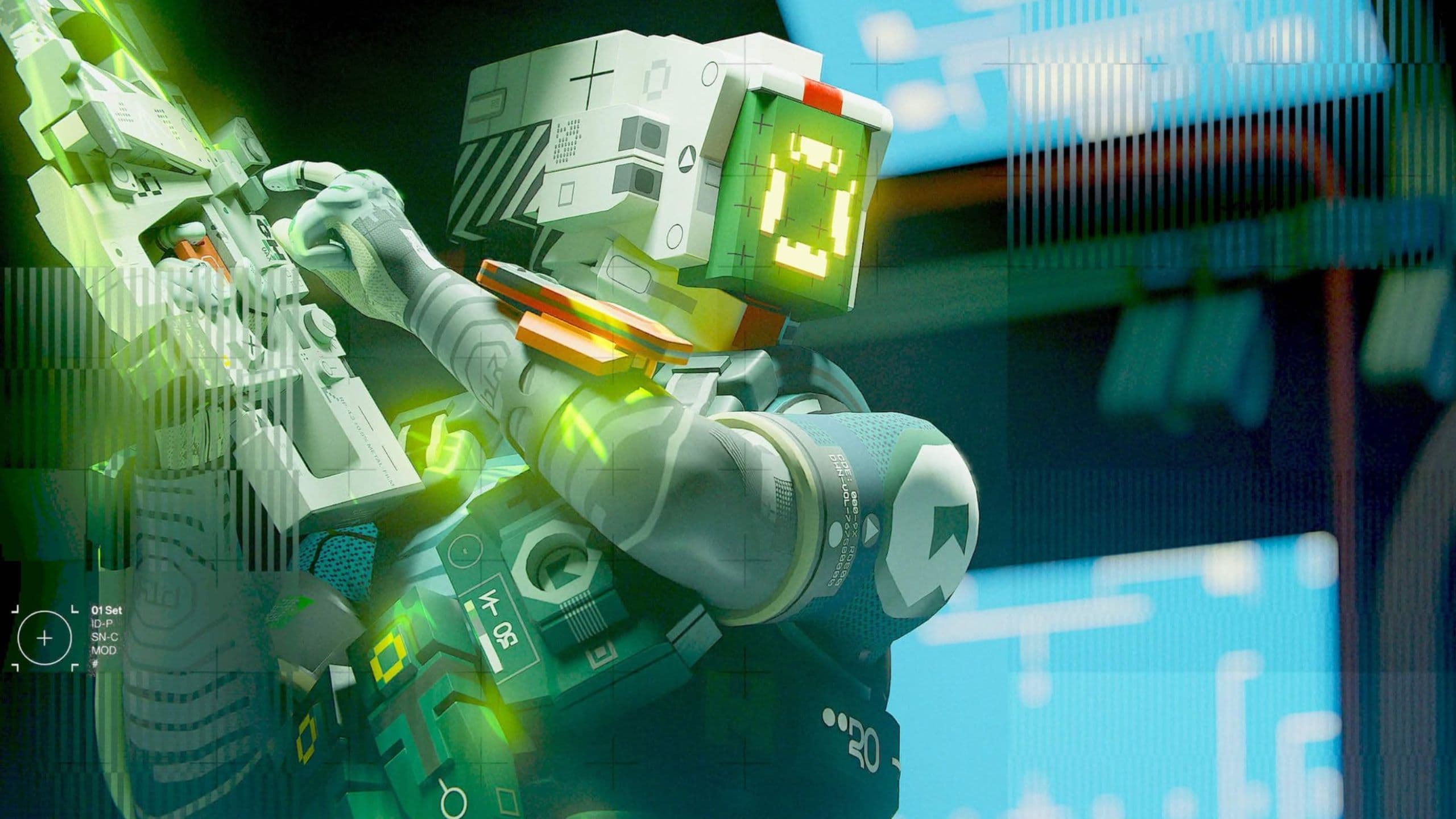
Customization options like the UESC skin allow for visual personalization of Shells.
Where the class design truly stumbles is in its glaring imbalance. The Assassin and Thief shells are currently viewed as overpowered, and for good reason. In a game with a short TTK and tense, information-based gameplay, permanent invisibility and the ability to see valuable loot—and by extension, player activity—through walls are disproportionately powerful. They warp the meta, making other support or frontline options feel like deliberate handicrafts. This imbalance extends to weapons, where the double-barrel WSTR shotgun reigns supreme in close quarters, its devastating power often reducing intricate gunfights to a binary game of who gets within its range first.
The true innovation in Marathon’s character design isn’t found in the main six, but in the seventh: the Rook Shell. Exclusive to solo play, the Rook transforms the experience from a squad-based tactical shooter into a tense survival-horror scavenger sim. Dropping into a match mid-game with a basic kit, your goal isn’t to dominate firefights but to survive as a “carrion bird.” Abilities like Single Mask (short-duration invisibility) and Recuperation (passive health regeneration) facilitate a ghost-like playstyle. You skulk around the edges of battles, blend in with the robotic CPU enemies to avoid notice, and pick through the aftermath of squad wipes for high-tier loot before making a stealthy extraction. It’s a brilliant, self-contained mode that acknowledges the brutal reality of playing alone and offers a compelling, lower-stakes alternative without compromising the game’s core tension.
The real depth of customization lies not in the shells themselves, but in the mod-based build crafting layered on top of them. Each shell has mod slots for body, shields, and its unique ability, while weapons offer up to four mod slots that can fundamentally alter their behavior. Finding a mod that makes your Volt Thrower fire homing needles, or equipping perks that reduce your heat generation and fall damage, is where your personal power fantasy is built. This system is deep and rewarding, allowing for significant tweaks to survivability and lethality. However, it’s hamstrung by the game’s infamous UI and opaque tooltips, forcing players to rely on color-coded tiers rather than clear descriptions. You often equip mods based on a guess of what sounds good, not on an informed strategic choice, which dilutes the satisfaction of a perfectly tuned loadout.
Ultimately, the Runner Shells feel like a system in search of a problem. Marathon’s exhilarating core—the gunplay, the loot chase, the extraction tension—is so strong that the hero shooter elements often fade into the background during a match’s most intense moments. They provide flavor and occasional tactical advantage, but they rarely feel essential. For a game built on the razor-sharp balance of risk and reward, having a few tools that are objectively better than others is a significant flaw. The shells don’t ruin the experience, thanks in large part to the ingenious Rook mode, but they also fail to elevate it in the way Bungie’s best class designs have in the past. They are the solid, unremarkable foundation upon which the game’s more interesting and bespoke systems are built.
Tau Ceti IV Map Design: Quality Over Quantity?
The true test of an extraction shooter isn't its gunplay, but its playground. Marathon’s answer is a curated collection of four distinct arenas that prioritize claustrophobic, vertical density over sprawling scale. This is a deliberate, brilliant choice that makes every match a pressure cooker, but it also highlights the game’s most frustrating physical friction.
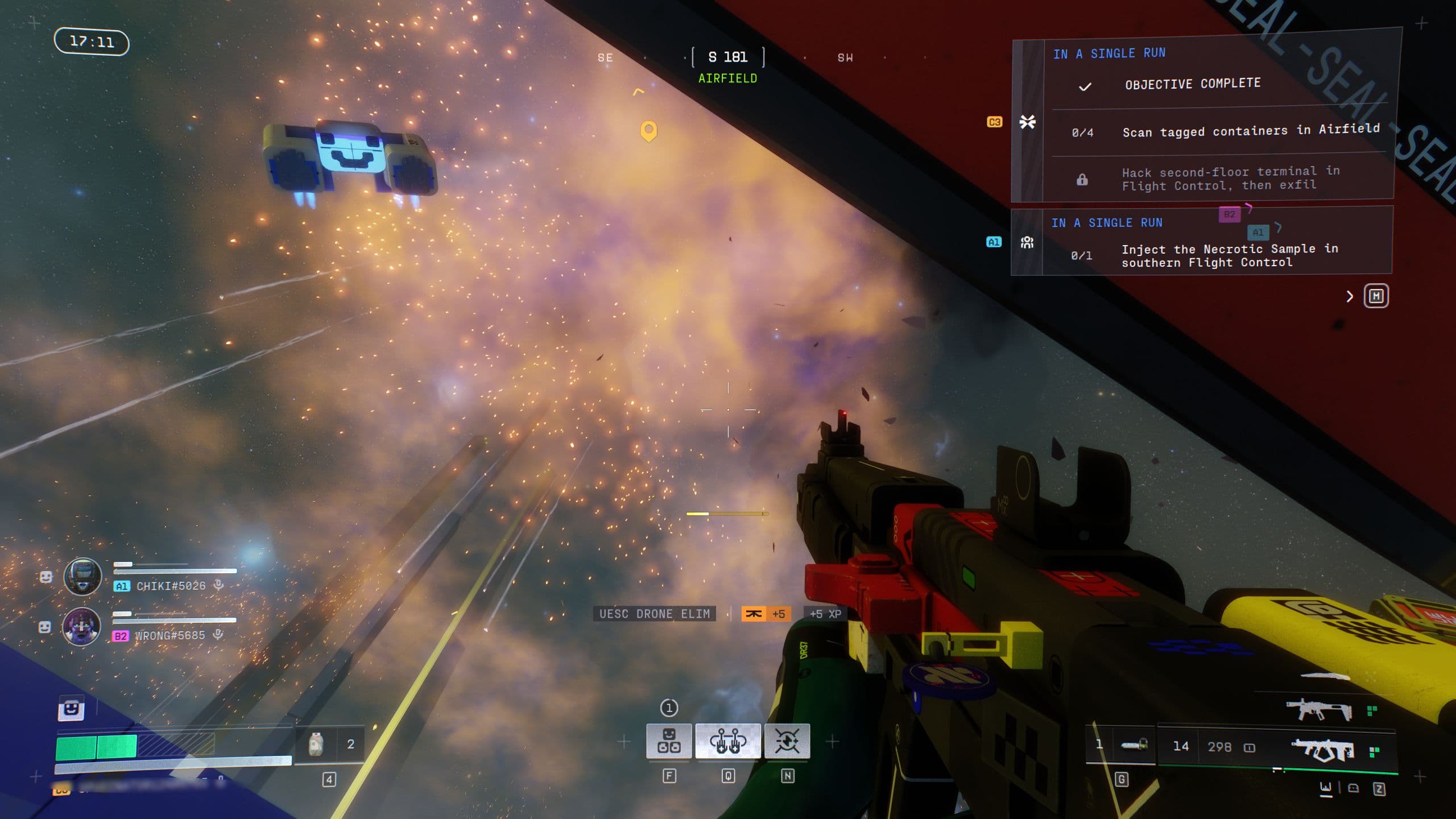
Environmental effects like the Heat Cascade add dynamic variety to Marathon's maps.
Perimeter serves as the gentle, if deceptive, introduction. Its aesthetic—clean corporate architecture clashing with the alien overgrowth of Tau Ceti IV—feels like a lost chapter from Prometheus. It’s a map designed for new squads to learn the rhythm of a run, with clear sightlines and a more forgiving layout. This is where you’ll first encounter the game’s Warden objectives and learn that “gentle” doesn’t mean “safe.” The tension is still present, just more spread out. Its counterpart, Dire Marsh, is the polar opposite: a brutalist swamp that is Marathon at its most hostile and atmospheric. This is the sniper’s dream and a close-quarters nightmare, where environmental storytelling becomes a lethal gameplay mechanic. A persistent, light-bending anomaly warps your vision, thick mist obscures distant threats, and poisonous flora punishes careless navigation. The map is a masterclass in using ambiance to amplify anxiety; rain muffles crucial audio cues, and laser trip mines turn quiet corridors into death traps. It’s stressful, oppressive, and utterly compelling—a map that doesn’t just host conflict but actively engineers it through its environment.
Where Marathon’s map design graduates from good to genre-defining is with Outpost, a dense, multi-layered UESC facility unlocked at level 12. This is arguably the best map in any extraction shooter. Its verticality is staggering, with gantries, collapsed floors, and ventilation shafts creating a true 3D battlefield. The entire match often revolves around the central Pinwheel megastructure, a three-pronged fortress that requires security keycards to breach. This creates a natural, high-stakes focal point where squads collide in intense firefights over the promise of the best loot. The design forces constant engagement, clever positioning, and map knowledge, making every decision consequential. It’s a masterpiece of condensed, conflict-driven design.
However, moving through these beautifully crafted spaces can be a fight against the geometry itself. The “bad geometry” noted in earlier sections manifests as seemingly innocuous ledges, pipes, or debris that snag your character during a frantic retreat, turning a tactical reposition into a death sentence. Inconsistent mantling exacerbates this; a ledge that should be vaultable one moment becomes an impassable wall the next. In a game where the heat gauge already limits mobility, these unintentional obstacles add a layer of pure frustration that undermines the precision of the gunplay. It’s the one area where Marathon feels technically unpolished, and in high-stakes encounters, it’s a flaw that resonates loudly.
This friction extends to mission clarity. While exploring these maps, you’ll often be guided by a single, floating icon for objectives. The game provides minimal explanation for what these icons represent or what interactive action is required. Is it a computer to hack, a item to scan, or a panel to overload? You’ll often spend minutes searching a room for a small, un-highlighted terminal, a pace-breaking scavenger hunt that deflates tension rather than building it. For a game that otherwise excels at immersive pressure, this UI spillage into the game world is a significant misstep. It doesn’t ruin the maps, but it tarnishes their polish, reminding you that you’re interacting with a sometimes-opaque game system rather than seamlessly inhabiting a hostile world.
Ultimately, the map philosophy in Marathon is one of quality and intentional density over sheer quantity. The limited count of four (including the endgame Cryo Archive raid) is a valid concern for long-term variety, but what’s here is so meticulously crafted and plays so differently that it sustains the core loop for dozens of hours. Each map isn’t just a backdrop; it’s an active participant in your run, shaping strategies, dictoring engagements, and, in the case of Dire Marsh, actively trying to kill you alongside the other Runners. They are the perfect arenas for Bungie’s lethal gunplay, even if getting stuck on a doorframe sometimes makes you want to scream.
The Marathon Endgame: Cryo Archives and Ranked Ambitions
An extraction shooter lives and dies by its endgame—the content that keeps players strapping in after they’ve mastered the basics and crave a higher-stakes gamble. Marathon understands this, offering not one, but two distinct paths for its most dedicated players: a punishing, lore-rich raid and a brutally competitive ranked ladder. Both are masterclasses in escalating tension, but they also expose the precarious foundation of a live-service model built on seasonal resets.
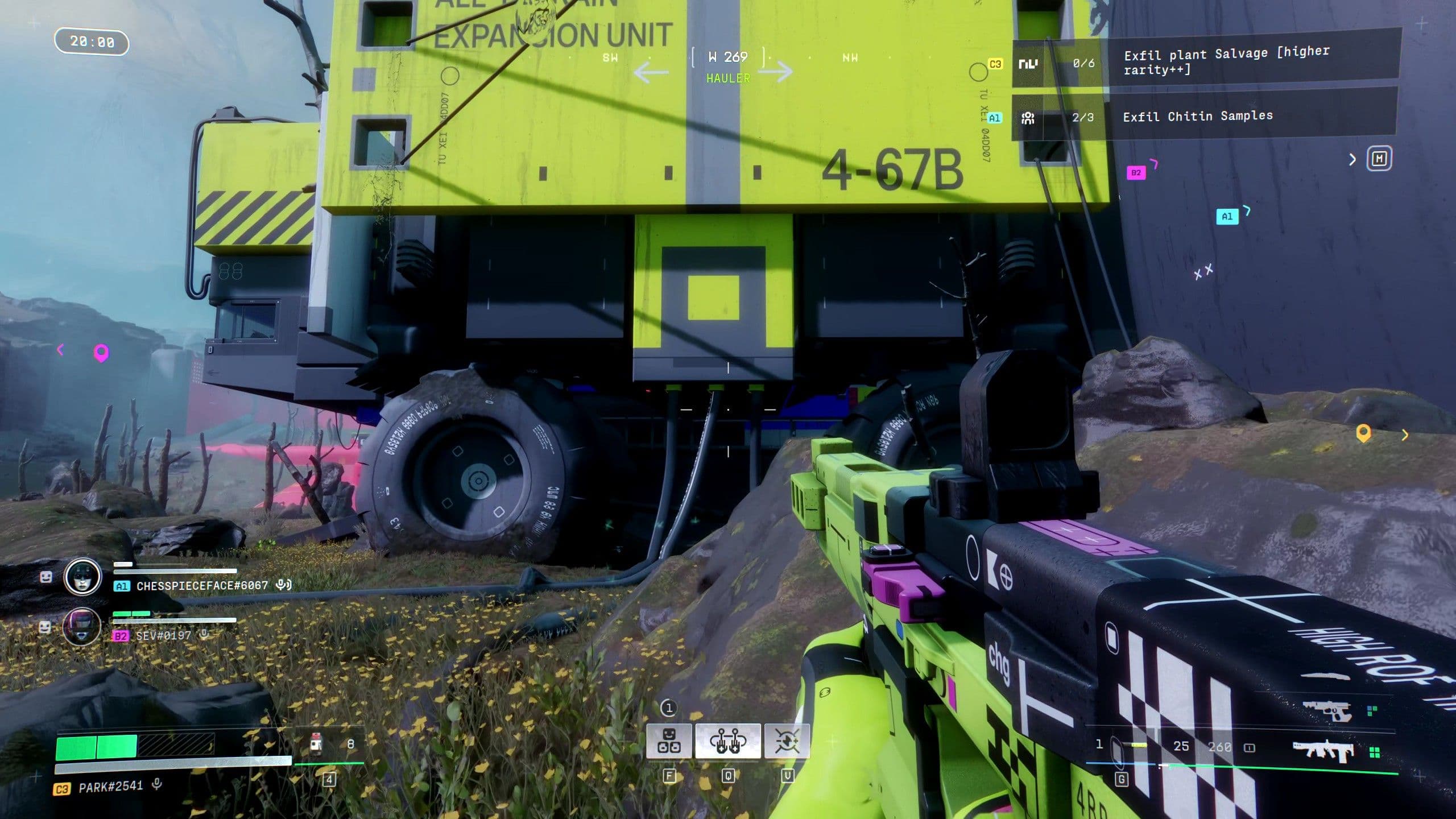
The Cryo Archive map introduces complex raid mechanics to Marathon's endgame.
The crown jewel of Marathon’s endgame is the Cryo Archive, a weekend-only raid mode that represents the game’s most ambitious fusion of PvE and PvP. Set aboard the derelict UESC Marathon from the original games, it’s a labyrinthine, 30-minute descent into a ship controlled by the rogue AI Durandal. The atmosphere is thick with dread and retro-futuristic decay, a perfect setting for its intense gameplay loop. This isn’t a casual run; it requires a minimum ante of 5,000 credits worth of gear just to enter, transforming every decision into a high-wire act of risk management. You’re not just fighting beefed-up NPCs and rival crews, but also solving environmental puzzles to access vaults, all while the clock relentlessly ticks down. The mode culminates in a showdown with the Compiler, a boss encounter that demands coordination and sharp shooting under pressure. A successful extraction from the Cryo Archive feels like a genuine heist pulled off against impossible odds, and the loot—the absolute best in the game—is a worthy prize. It’s a brilliant, badass piece of content that ties the game’s drip-fed lore directly into its most intense gameplay.
Where the Cryo Archive truly excels is in its environmental storytelling. The haunting score, the cryptic audio logs from a doomed crew, and the oppressive, artificial feel of the ship’s corridors do more to sell Marathon’s narrative of corporate hubris and AI rebellion than any cutscene could. It’s the moment the game’s otherwise optional lore becomes tangible and urgent.
For players who measure their worth not in loot, but in dominance, there’s the Ranked Playlist. This is Marathon stripped of any pretense of casual play, a mode that also requires a valuable gear investment to queue and pits you exclusively against the most skilled, ruthless players in the ecosystem. The rewards here are prestige cosmetics and the cold satisfaction of a high leaderboard placement—glory for its own sake. This mode leverages the game’s superb gunplay and short TTK to create a pure, unadulterated test of skill, positioning, and squad synergy. It offers near-limitless replayability for the competitive-minded, but it also creates a stark divide in the community, funneling the “tryhards” into their own arena and theoretically leaving the standard queues slightly less punishing for everyone else.
However, looming over both of these excellent endgame pillars is the specter of the seasonal wipe. Marathon employs a forced, full reset of player progress, perks, and inventory at the end of each season. While this is a common trope in extraction games to level the playing field and introduce a fresh economy, its impact here feels particularly severe. The pain isn’t just losing your hoarded loot; it’s resetting the hard-earned upgrades that mitigate the game’s core friction—the heat gauge, the punishing fall damage, the sluggish movement. Returning to a baseline Runner after months of feeling empowered is a bitter pill, one that may actively deter players from re-engaging at the start of a new season. When you’ve finally crafted the perfect loadout that turns you from prey into predator, having it dismantled by a calendar date can feel less like a refreshing challenge and more like a punitive erasure of your time.
This creates a fundamental tension in Marathon’s long-term appeal. The Cryo Archive and Ranked mode are powerful hooks, offering some of the most intense and rewarding experiences in the genre. But the forced seasonal reset asks players to endure the game’s steepest learning curve and most frustrating limitations on a recurring basis. For the truly hardcore, this cyclical grind is the game. For a broader audience, it risks feeling like a wall each season that they must painfully climb again before reaching the good part. Marathon has built a phenomenal endgame, but it’s one guarded by a gate that swings shut every few months.
Technical Performance and UI: A Stylish but Messy Interface
Marathon is a game of stark contrasts, and nowhere is this more apparent than in the clash between its breathtaking presentation and its bewildering interface. You can be utterly immersed in the haunting, retro-futuristic beauty of Tau Ceti IV one moment, and then feel a profound sense of friction the next as you fumble through menus that seem actively hostile to your understanding. This is a title that looks and runs like a AAA dream but often feels like navigating a poorly translated instruction manual.
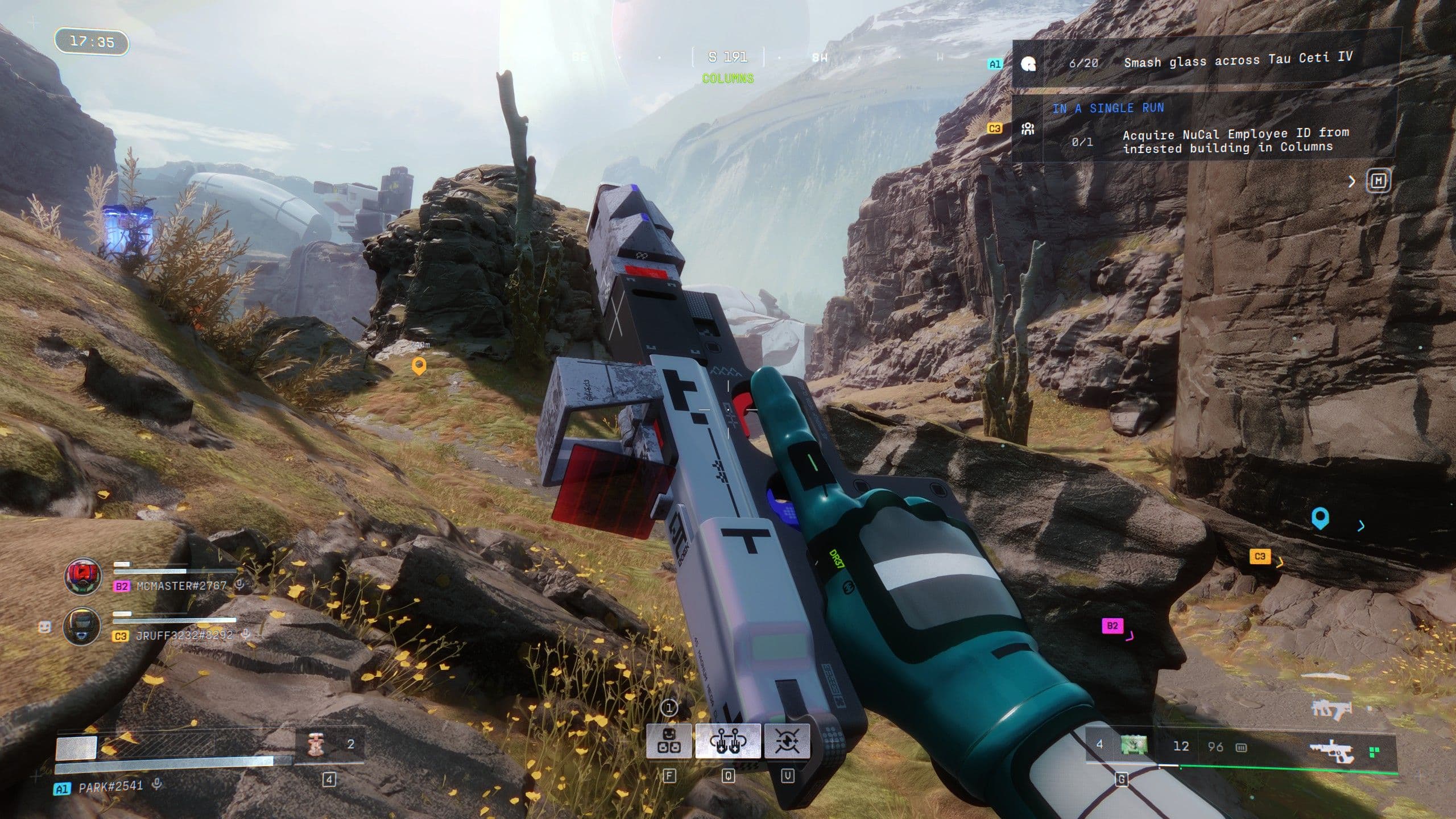
Marathon features a unique visual style defined by soft lighting and bold colors.
The visual design is an unqualified triumph. Marathon rejects the photorealistic sludge of modern shooters for a bold, stylized aesthetic built on a CMYK color palette of deep magentas, crisp cyans, and stark blacks. This isn't just an art choice; it's a functional one. The rounded edges of UESC architecture, the soft glow of alien flora, and the stark artificial lighting of facilities like Outpost create a world that is as readable as it is gorgeous. You can instantly distinguish a hostile Runner from the environment, identify loot at a glance, and track threats through the atmospheric mist of Dire Marsh. The unsettling, sterile loading screens and the creepy, artificial feel of the levels sell the game's transhumanist themes far more effectively than any exposition. This is a world that feels both meticulously crafted and unnervingly wrong, a perfect backdrop for its cutthroat gameplay.
Where this immaculate presentation shatters is the moment you open your inventory. The UI/UX design is, to put it bluntly, an incoherent mess. It presents players with a painful jumble of squares and rectangles, where crucial information is buried and key functions are obscured. The most egregious offender is the mod system. Every mod, whether it reduces your heat generation or turns your rifle into a tracking weapon, is represented by an identical, generic icon—a blank square. You must hover over each one, every single time, to decipher its function. In the heat of managing your loot between runs, this transforms a moment of strategic customization into a tedious chore of memorization by color tier alone.
This opacity cripples the onboarding experience. Marathon throws players into its deep systems with a lackluster tutorial that relies almost entirely on text prompts. Critical mechanics like the heat gauge, faction contracts, and the purpose of different mission markers are explained in a single, dismissive pop-up before you're set loose. The game assumes a level of genre literacy that many won't possess, and the confusing UI does nothing to bridge that gap. You'll spend your first hours not learning the maps or mastering guns, but simply trying to understand what the dozens of icons in your menu actually do. It’s a steep, unnecessary cliff that the game asks you to scale before you can even begin to enjoy its brilliant core.
The frustration is compounded on console. Menu navigation with a controller feels clunky and unintuitive, as if the entire interface was designed for a mouse and keyboard and ported over as an afterthought. Scrolling through dense lists of nearly identical mod icons, trying to compare stats on a small grid, and managing your vault space is a slow, cumbersome process. In a game where out-of-match preparation is as important as in-match execution, this friction actively discourages experimentation with builds and loadouts, pushing players toward simple, familiar setups to avoid the menu migraine.
Technically, however, the foundation is rock solid. On current-gen consoles like the Xbox Series X and capable PCs, Marathon performs with excellent stability, maintaining a high, consistent frame rate even during the most chaotic, particle-effect-heavy firefights in the Cryo Archive. The netcode feels responsive, and connection issues are minimal—a critical achievement for a PvP-focused title. It’s worth noting this performance comes with the inclusion of BattlEye kernel-level anti-cheat, a necessary but invasive measure for the competitive landscape Bungie is cultivating. The trade-off for a (hopefully) cleaner playing field is accepted, but it’s a part of the technical package players must consent to.
Ultimately, Marathon’s presentation is a tale of two disciplines. The art and engineering teams have delivered a masterclass in stylish, performant game design. The UX and systems teams, however, have wrapped that masterpiece in layers of obtuse, frustrating bureaucracy. You can see the incredible game Bungie built, but you have to fight through a poorly designed interface to play it. It’s the single biggest barrier between Marathon’s current state and true genre dominance.
Final Verdict: Is Marathon the Future of Extraction Shooters?
Marathon’s $40 entry fee is a statement of intent. It’s not a free-to-play live-service behemoth hedging its bets; it’s a premium product asking for an upfront investment of both money and, more importantly, your patience. For that price, you get a game that is, at its absolute best, a masterful synthesis of genre tension and foundational FPS excellence. It captures the obsessive “loot lust” of Escape From Tarkov—the heart-pounding thrill of finding a prestige-tier weapon in a rival’s pack—and distills the claustrophobic, high-stakes intensity of Hunt: Showdown into perfectly paced 15-minute matches. Where it surpasses both is in its bedrock: Bungie’s peerless gunplay. No other extraction shooter feels this good to simply shoot and move in. The rhythmic crack of a Hardline PR, the tactile satisfaction of a shield shattering under a Volt burst—this is the genre’s gold standard for moment-to-moment feel, and it alone justifies dozens of hours of play.
The world of Tau Ceti IV is both beautiful and dangerous.
This is a game built for a specific, hardened audience: coordinated trios and genre veterans who see a steep learning curve not as a barrier, but a ladder to master. Playing Marathon with a communicative squad is a transcendent tactical experience. Calling out flanks in Outpost’s vertical labyrinth, coordinating ability usage, and sharing the agony and ecstasy of a Cryo Archive extraction creates stories you’ll recount for weeks. For the solo player or the casual drop-in, however, Marathon can feel like an antagonistic wall. The punishing heat gauge, the severe fall damage, and the merciless PvP populace create an ecosystem where a single mistake often means losing everything you brought in. While the ingenious Rook Shell mode offers a brilliant, lower-stakes solo scavenger fantasy, the core trio experience is where the game’s systems truly harmonize.
The value proposition, then, hinges entirely on your appetite for that specific, brutal grind and your tolerance for its significant rough edges. You are paying for a diamond core—the gunplay, the map design, the endgame tension—that is currently buried in frustrating sediment. The incoherent UI turns loadout management into a chore of memorizing identical square icons. The lackluster tutorial throws you into deep systems with text-box lifelines. Getting caught on bad geometry during a frantic retreat feels like a betrayal of the game’s otherwise precise combat. And with only three core maps at launch (plus the Cryo Archive), the phenomenal quality of Outpost and Dire Marsh is shadowed by concerns over long-term variety, despite a roadmap promising more.
Marathon stands at a crossroads. It is simultaneously one of the most exhilarating and one of the most needlessly frustrating games in its genre. It has built a phenomenal playground for high-stakes conflict and draped it in a rich, unsettling lore that unfolds through environmental whispers and post-mission discoveries. Its endgame, from the heist-like tension of the Cryo Archive to the pure-skill proving ground of Ranked Play, offers a compelling reason to keep risking it all. But it asks you to forgive a lot to get there. It is not a casual recommendation. It is a hardcore commitment, a game that demands you meet it on its own unforgiving terms. If you have the crew and the perseverance to push past its opaque systems and embrace its vicious cycle of loss and triumph, Marathon isn't just a great extraction shooter—it's the new benchmark for how the genre should feel to play. For everyone else, the incredible gunplay may not be enough to overcome the friction.
Pros:
- Unparalleled Gunplay: Bungie’s 30-year legacy is felt in every weapon, from the rhythmic recoil of pulse rifles to the devastating impact of heavy ammo. It is the finest-feeling FPS foundation in the genre.
- Incredible Map Design: Maps like Outpost and Dire Marsh are masterclasses in dense, vertical, conflict-driving design that prioritize tense encounters over empty space.
- Deep, Atmospheric Lore: The drip-fed narrative of corporate greed and AI rebellion, especially within the Cryo Archive, provides a compelling, creepy backdrop that rewards exploration.
- High-Stakes Endgame: The Cryo Archive raid and Ranked Play offer intensely rewarding challenges that perfectly leverage the core loop’s risk-vs-reward tension.
Cons:
- Frustrating UI/UX: An incoherent, cluttered menu system with vague icons makes build-crafting and inventory management a chore, especially on console.
- Poor Onboarding: A barebones tutorial fails to explain complex systems, creating a steep, unnecessary cliff for new players to scale.
- Movement Geometry Bugs: Inconsistent mantling and getting caught on environmental clutter during combat undermines the otherwise precise gameplay.
- Limited Map Variety: With only three core maps at launch, the brilliant design can begin to feel familiar sooner than desired, placing pressure on the seasonal content pipeline.