Mistbound First Impressions: A Bold Expansion of the Guild Wars Universe
It’s a rare and risky move for an MMO studio to step off the treadmill of raids and expansions and gamble on an entirely new genre. With Mistbound, ArenaNet is doing exactly that, spinning its beloved Guild Wars universe into a digital collectible card game. This isn't a quick cash-in on a familiar name; it's a deliberate, multi-studio effort to transplant the heart of Tyria—its lore, its characters, its competitive spirit—into a new strategic vessel. The first impression is one of confident ambition, a game that respects its legacy while refusing to be shackled by it.
Mistbound marks the first CCG expansion for the Guild Wars universe.
The development pedigree signals this isn't a side project. Mistbound is officially licensed by ArenaNet, but developed by NCsoft and published globally by Bilibili. This structure is a fascinating hybrid: ArenaNet provides the creative soul and authenticity, while NCsoft and Bilibili bring the specialized expertise and resources for a live-service CCG. This collaborative model alleviates the pressure on ArenaNet's core teams, allowing them to focus on Guild Wars 2 and the rumored Guild Wars 3, while ensuring Mistbound is built by studios with a sharp focus on competitive digital strategy. It’s a smart, modern approach to franchise expansion.
Where Mistbound immediately earns goodwill is in its reverence for the source material. This isn't a generic card game with a Guild Wars skin slapped on. It draws deeply from Tyria's mythos, promising to feature iconic characters like Nika and Smodur as commanders, each with unique traits. The art and music are pulled directly from the franchise's established identity, creating an instant sense of place for veterans. This lore integration is more than fan service; it's the foundational promise that your strategic decisions will feel like commanding forces in a living, breathing world you already know, rather than moving abstract pieces on a sterile board.
The genius of this approach is that it builds a bridge. For the CCG veteran, it’s a novel tactical puzzle. For the Guild Wars fan who’s never touched a deckbuilder, it’s a welcoming, familiar gateway.
This dual appeal is core to the game's stated design philosophy, championed by figures like former Hearthstone pro Baek “Kranich” Hakjun: to be "easy to pick up, hard to master." The goal is to lower the initial barrier with intuitive unit placement and combat, hooking players with the fantasy, before revealing the deep strategic waters of its dynamic 5x3 grid. It’s a conscious bid to capture both the strategic CCG crowd and the massive, lore-invested Guild Wars community, a gamble that lives or dies on how well those two experiences are woven together.
Finally, the commitment to a cross-platform release on both PC and mobile is a statement of intent. This isn't a niche experiment; it's built for accessibility and longevity, designed to be played in quick sessions on a commute or in longer, thoughtful bouts at a desk. By launching on these platforms, Mistbound positions itself not just as a spin-off, but as a potential mainstay in the competitive CCG scene, asking players to consider Tyria as a setting for strategic duels for years to come. The ambition is clear, and the foundation—built on legacy, smart collaboration, and broad accessibility—is surprisingly solid.
Mistbound Gameplay Mechanics: How the 5x3 Tactical Grid Changes the CCG Formula
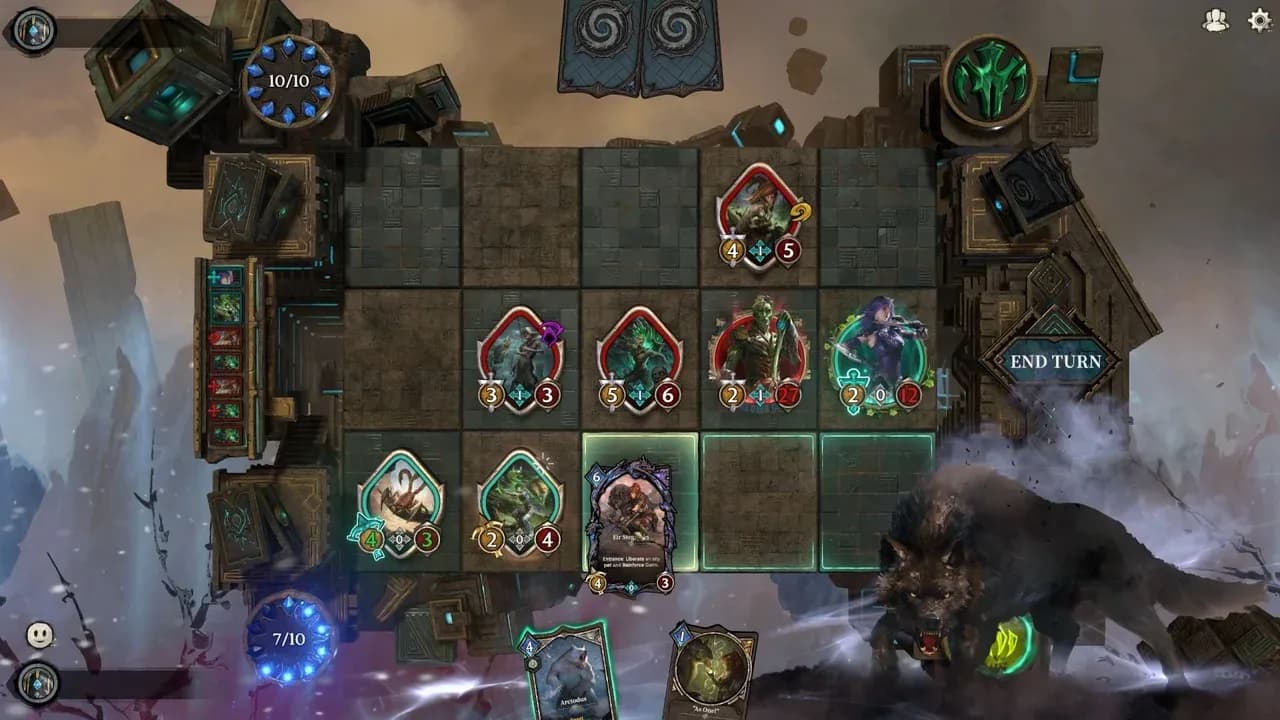
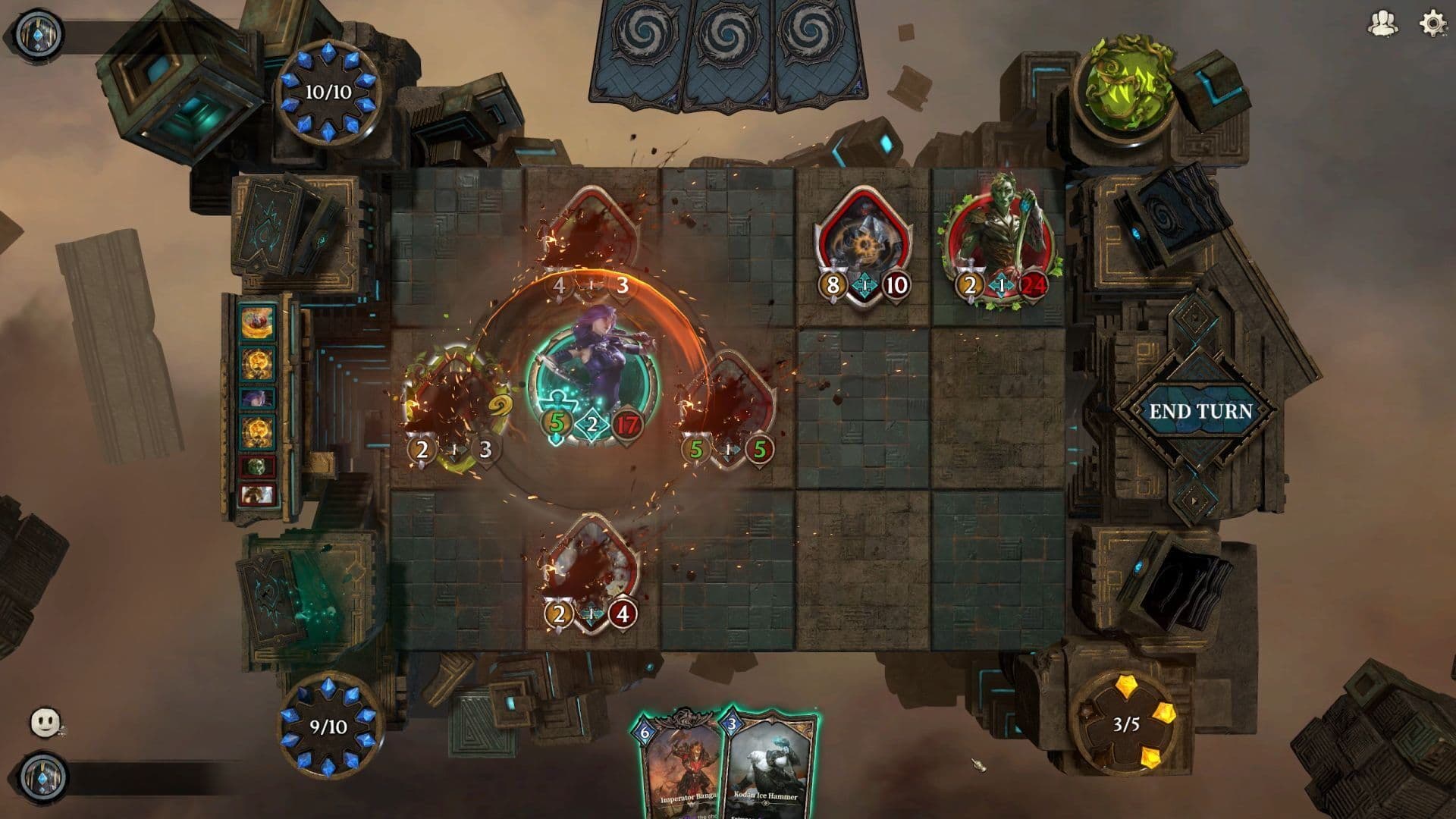
Forget everything you know about static card games. Mistbound doesn't just add a grid to a CCG; it fundamentally rewrites the rules of engagement, turning every match into a living chess match where positioning is as critical as the cards in your hand. This is where the game’s boldest promise—to bridge Guild Wars and deckbuilding—is realized not through lore alone, but through a genuinely novel mechanical core. The 5x3 tactical grid is more than a board; it’s the game’s primary language, and learning to speak it is an immense, rewarding challenge.
Official screenshot of the Mistbound tactical interface.
The genius of Mistbound’s Dynamic Movement Gameplay is its elegant inversion of genre norms. In a traditional CCG like Hearthstone, once a minion is placed, its strategic value is largely fixed to its lane. Here, every unit you deploy retains agency. They can advance, retreat, or shift laterally each turn, responding directly to your opponent’s formations. This transforms a simple trade calculation into a multi-turn game of anticipation and feints. Do you push your frontline to pressure their commander, or pull a wounded unit back to be healed by a support card next turn? This constant, low-level decision-making creates a thrilling, unpredictable rhythm that static games simply cannot match.
This is the moment Mistbound earns its strategic stripes: when you realize a lost game can be turned not by top-decking a miracle spell, but by orchestrating a three-turn repositioning that sets up a devastating flank.
This spatial complexity is masterfully layered with the Commander system. Choosing a commander like the swift, aggressive Nika or the resilient Smodur isn’t just picking a leader; it’s choosing the foundational rule that governs your entire strategy. Their unique passive and active abilities directly incentivize specific formations and movement patterns. Nika might reward you for having units on the opponent’s side of the board, while Smodur could bolster units holding defensive chokepoints. This elevates the grid from a generic battlefield to a personalized tactical canvas, where your commander’s fantasy directly shapes how you navigate it.
The depth is further amplified by the integration of Guild Wars professions. The ability to pair any profession with any commander isn’t just fan service—it’s the engine for staggering deck-building creativity. A Mesmer profession card might create illusions that benefit from Nika’s mobility, while a Guardian’s defensive wards could synergize with Smodur’s durability. This system ensures that strategic complexity arises from the emergent interaction between battlefield positioning, commander traits, and profession abilities, rather than from individually overpowered, convoluted cards. As producer Hwang Sunwoo noted, the complexity is expressed through the battlefield, preventing card text from becoming a novel while keeping the decision space vast.
For veterans, the true satisfaction comes from mastering advanced tactical options like flanking. Because units have facing and engagement ranges, maneuvering a fast unit around a stalemated frontline to attack a vulnerable support card from the side or rear isn’t just possible—it’s often the path to victory. This adds a tangible physicality to the combat that pure numbers-on-stats games lack. However, this very depth presents the game’s steepest learning curve. New players, even those intuitively grasping placement, can feel punished by an opponent who is simply three moves ahead in the spatial puzzle, seeing layers of the board they don’t yet perceive.
Ultimately, Mistbound’s gameplay is a masterclass in focused innovation. It takes one big idea—a dynamic grid—and builds every system around it to create a strategic experience that feels both fresh and deeply considered. It respects the CCG foundation of deck-building and resource management, but insists that the battle is won not just by what you play, but precisely where and when you choose to move it. This isn’t a half-step evolution; it’s a new direction for the genre.
Narrative and Atmosphere: Bringing the World of Tyria to the Tabletop
The heart of any Guild Wars experience isn’t just in its mechanics, but in the feeling of stepping into Tyria. Mistbound faces the daunting task of translating that sprawling, high-fantasy atmosphere into a card game’s intimate frame, and its success is a story of two distinct approaches. On one hand, it leverages the franchise’s immense legacy with reverence and technical polish. On the other, its narrative ambitions introduce an experimental, sometimes uneven, layer of psychological intimacy.
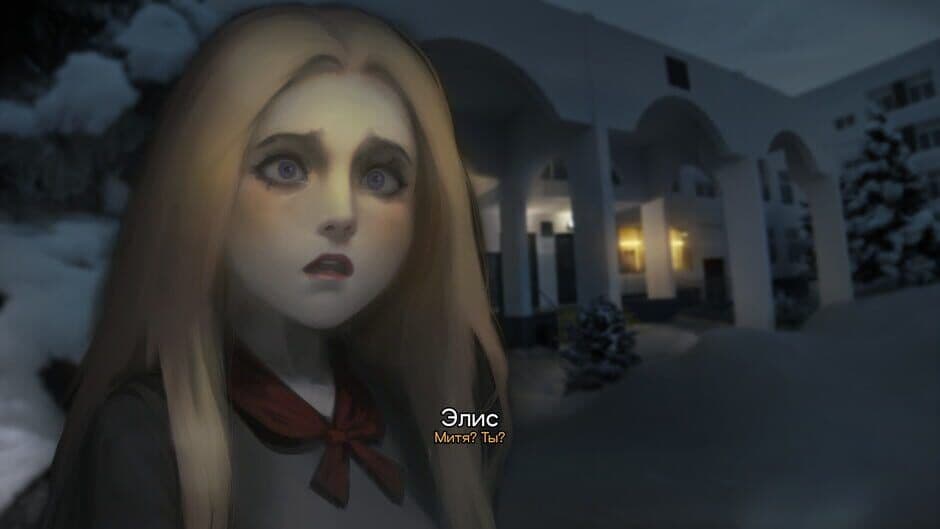
The digital tabletop provides a new way to experience the Guild Wars mythos.
Where Mistbound most confidently succeeds is in its direct translation of the Guild Wars universe. The game’s visual presentation is a masterclass in faithful adaptation, utilizing 3DCG character models that capture the iconic designs of commanders like Nika and Smodur with realistic anatomy and expressive detail. This isn’t generic fantasy art; it’s Tyria brought to the tabletop with a tangible sense of weight and presence. This fidelity extends to the audio, which draws upon the franchise’s celebrated musical library and employs detailed sound design—from the clang of steel on the grid to the distinct activation sounds of profession abilities—to create an immersive duelist’s arena. For veterans, this sensory authenticity is a powerful bridge, making every match feel like a tactical skirmish within a world they already love.
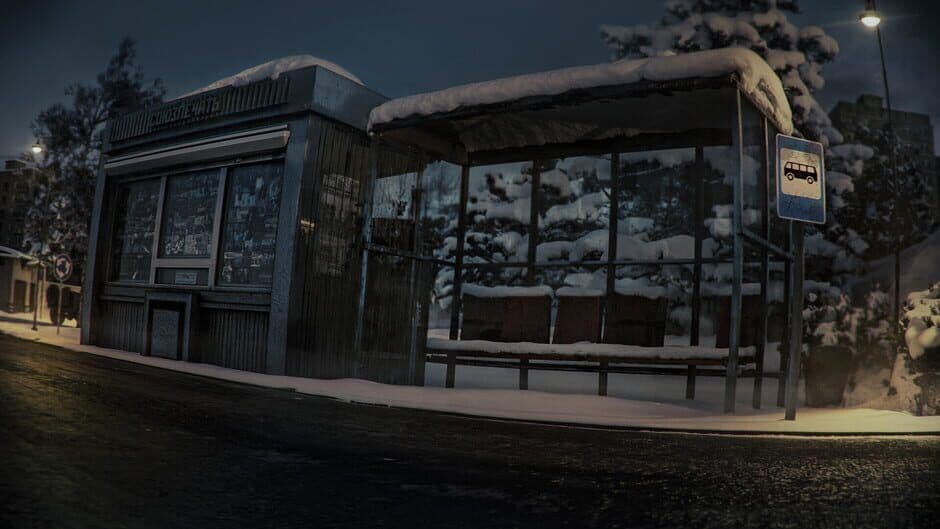
The game’s atmospheric design further cements this sense of place. While the core battlefield is a clear tactical grid, the environmental backdrops—hazy, mist-shrouded vistas reminiscent of the Maguuma Jungle or the Shiverpeak Mountains—serve as mood-setting canvases. This environmental storytelling is subtle but effective, using familiar geography and lighting to evoke the franchise’s signature blend of wonder and melancholy. However, early reports from testing phases noted an asset consistency issue, where some non-critical visual elements pulled from generic Unity Store assets created an occasional ‘uncanny’ or ‘cheap’ feeling against the otherwise bespoke art. This isn’t a deal-breaker—the developers have shown dedication to post-launch polish—but it’s a jarring reminder of the game’s hybrid development origins that can momentarily puncture the immersion.
This duality defines Mistbound’s narrative approach: one foot planted firmly in the epic, communal lore of Tyria, and the other stepping into the silent, surreal fog of personal trauma.
The game’s more experimental narrative layer, hinted at through its single-player modes and community-driven content, explores this latter path. Here, Mistbound employs color as a narrative tool, with the entire palette dynamically shifting to reflect a character’s inner emotional state. A scene drenched in cool, desaturated blues might convey profound grief, while warmer tones slowly seep in as hope returns. This is a bold, artistic choice that ties directly to themes of overcoming trauma, blurring the line between the game’s high-fantasy setting and a more intimate, psychological story. It’s a ambitious attempt to give emotional weight to the journey beyond just winning matches.
However, this is where Mistbound’s dual narrative ambitions can feel at odds with each other. The epic, commander-led battles on the dynamic grid deliver a specific kind of strategic storytelling—one of flanking maneuvers and last-minute heroics. The quieter, more personal narrative of loss and recovery explored in its single-player vignettes operates on a completely different wavelength. How seamlessly these two modes—the competitive tactical duel and the introspective visual novel—will be woven together remains the game’s biggest unanswered question. The potential for a rich, multifaceted experience is there, but it risks feeling like two compelling games sharing a title rather than one cohesive whole.
Technical State and Performance: Is Mistbound Ready for Competitive Play?
The most ambitious ideas in Mistbound can't shine if the foundation is shaky. This is where the game's Early Access status becomes its defining characteristic—a promise of future polish currently balanced against a present reality of rough edges and potential. The phased release strategy, planning the full story across three episodes, is a clear signal that this is a journey still being paved, and your experience will depend entirely on your willingness to walk that unfinished road.
Mistbound's digital tabletop environment during a standard match.
Mistbound's technical state is a study in contrasts. On one hand, the core strategic experience on the 5x3 grid is remarkably stable; matches flow smoothly, card animations are crisp, and the UI for deck-building and commander selection is intuitive. This is the polished heart of the game that makes competitive play immediately viable. However, surrounding this solid core are areas that feel distinctly unfinished. The UI/UX polish in some ancillary menus and single-player vignettes can be inconsistent. Transitions between modes sometimes lack fluidity, and certain interface elements—like stat breakdowns or mission logs—feel cluttered or under-designed compared to the sleek battlefield interface. These aren't catastrophic flaws, but they create a disjointed feel, reminding you that some parts of the experience were prioritized over others during this early development phase.
This is the Early Access gamble: you're buying into a brilliant tactical system that works today, trusting that the surrounding framework will be built tomorrow.
The more concerning issues lie in the combat jank reported during testing phases, particularly within the game's more action-oriented or survival-horror inspired single-player content. While the card-based grid battles are clean, other modes have exhibited problems reminiscent of other Early Access titles: imperfect hitboxes for melee attacks, punishing stamina management that feels arbitrary, and occasional one-hit kill mechanics that seem more buggy than deliberate. These elements clash directly with the precision demanded by the tactical grid, creating a frustrating dissonance. A game that asks you to calculate three-turn flanking maneuvers shouldn't also ask you to wrestle with a camera that clips into walls during a boss fight. The developers have shown dedicated post-launch support, quickly addressing major launch-day bugs with patches, which is encouraging. But the presence of these fundamental combat issues indicates the road to a cohesive, polished whole is longer than some might hope.
Hardware compatibility is another area where Mistbound makes clear, if restrictive, choices. The game's requirements are modest on Windows, needing only a 64-bit OS, a 1.2 GHz processor, 1 GB RAM, and 4 GB of storage—making it accessible to a wide audience. However, its stance on macOS is notably exclusionary: the game is explicitly not compatible with macOS systems using Intel processors. This is a significant limitation for a segment of the PC gaming community and suggests the developers are optimizing for a specific, modern architecture, potentially Apple Silicon, at the expense of broader accessibility. It's a trade-off that ensures performance for some but locks out others entirely.
When performance is achieved, it can be impressive. In its more atmospheric, environment-focused modes, Mistbound leverages its signature fog rendering to create a haunting, persistent sense of unease. On capable hardware, this effect is delivered with stable framerates, maintaining tension without technical distraction. This technical accomplishment in visual atmosphere is a strong counterpoint to the gameplay jank, showing the team's capability when focus is applied. The question for players is whether they can tolerate the current unevenness—the brilliant strategy married to the clunky action—while waiting for the patches that will, hopefully, bring all of Mistbound's ambitious parts up to the same high standard.
Final Verdict: Is Guild Wars Mistbound Worth Your Time?
The final verdict on Mistbound hinges on a single, critical question: can a game be two ambitious, distinct experiences at once? The answer is a fascinating, qualified yes—provided you know which version you're signing up for. This isn't a simple recommendation; it's a recommendation with an asterisk, a brilliant core idea wrapped in the growing pains of Early Access ambition.
Familiar creatures and sounds from Tyria are brought to life in this card game.
Mistbound is a game of two halves: one is a sharp, innovative CCG that redefines tactical positioning; the other is a moody, experimental narrative about grief that hasn't yet fully learned to walk.
Let's start with the undeniable triumph: the 5x3 tactical grid and its Dynamic Movement Gameplay. This is Mistbound's killer feature, and it delivers on its promise to reshape the digital card game genre. When you're locked in a ranked match, orchestrating a three-turn flank with Nika's swift units or holding a choke point with Smodur's resilient defenders, the game is peerless. It successfully carves a niche between the static board play of Hearthstone and the unit-by-unit tactics of a miniatures game. The value proposition here is immense for competitive players; the sheer number of positional permutations and commander-profession synergies promises near-infinite replayability. This is the game's steel spine, and it's already strong.
However, that spine supports a body with inconsistent musculature. The mechanical cohesion between this brilliant CCG core and the game's other experimental modes—the survival-horror inspired vignettes and narrative explorations—is Mistbound's greatest weakness. As noted in the technical analysis, the clunky combat hitboxes and punishing stamina mechanics in these sections feel imported from a different, less polished game. They actively compete with, rather than complement, the precision the grid demands. Similarly, the slow-burn narrative pacing of the single-player story, while atmospheric, operates on a completely different wavelength than the tense, rapid-fire decision-making of competitive play. It creates a tonal whiplash that the game's structure hasn't yet solved.
This duality extends to presentation. The rich franchise lore and faithful 3DCG models for iconic characters are a treat for fans, creating immediate immersion. Yet, this is undercut by moments of inconsistent asset quality, where generic store-bought props or environments briefly shatter the carefully crafted illusion of Tyria. It’s a jarring reminder of the game's hybrid development and Early Access status. The approachable learning curve for the CCG, wisely designed by veterans like Baek “Kranich” Hakjun, is another major pro, offering a gentle on-ramp to its deep strategic waters. But that accessibility doesn't fully extend to the other gameplay modes, which can feel obtuse and unrefined.
Weighing these elements against genre peers is telling. As a CCG, Mistbound stands as a bold, must-try innovation for strategy fans bored of static metas. Its movement system is a genuine leap forward. As a narrative-driven experience exploring themes of trauma, it's a promising but uneven entry, lacking the polish of dedicated story games. You are essentially evaluating two games in one package: a top-tier tactical card game and a rough-around-the-edges atmospheric adventure.
So, is Mistbound worth your time? The final score trending toward a 'Mostly Positive' 8/10 feels accurate, but with a crucial caveat. Your enjoyment is almost entirely dependent on what you seek. If you are here for a deep, strategic CCG that genuinely innovates, the current state of the grid gameplay is already compelling enough to recommend, especially with the developers' demonstrated post-launch support. If you are a Guild Wars lore enthusiast captivated by the world of Tyria, the faithful presentation and novel way to engage with its characters are powerful draws. But if your primary interest lies in the single-player narrative or a perfectly polished, cohesive package from day one, the current Early Access version demands patience. Mistbound is a brilliant proof of concept living inside an ambitious, unfinished framework. Buy it for the former, and be prepared to wait faithfully for the latter.
Pros:
- A genuinely innovative and deep tactical CCG core built around the dynamic 5x3 grid.
- Excellent, faithful integration of Guild Wars lore, characters, and atmosphere.
- An approachable learning curve for the card game that masks significant strategic depth.
- Strong post-launch support from a dedicated development team.
Cons:
- Severe mechanical dissonance between the polished CCG and clunky, janky combat in other modes.
- Inconsistent visual asset quality that can break immersion.
- A slow-burn narrative pace that may not align with the expectations set by the competitive gameplay.
- An Early Access experience that feels like two distinct, unevenly developed games sharing a title.