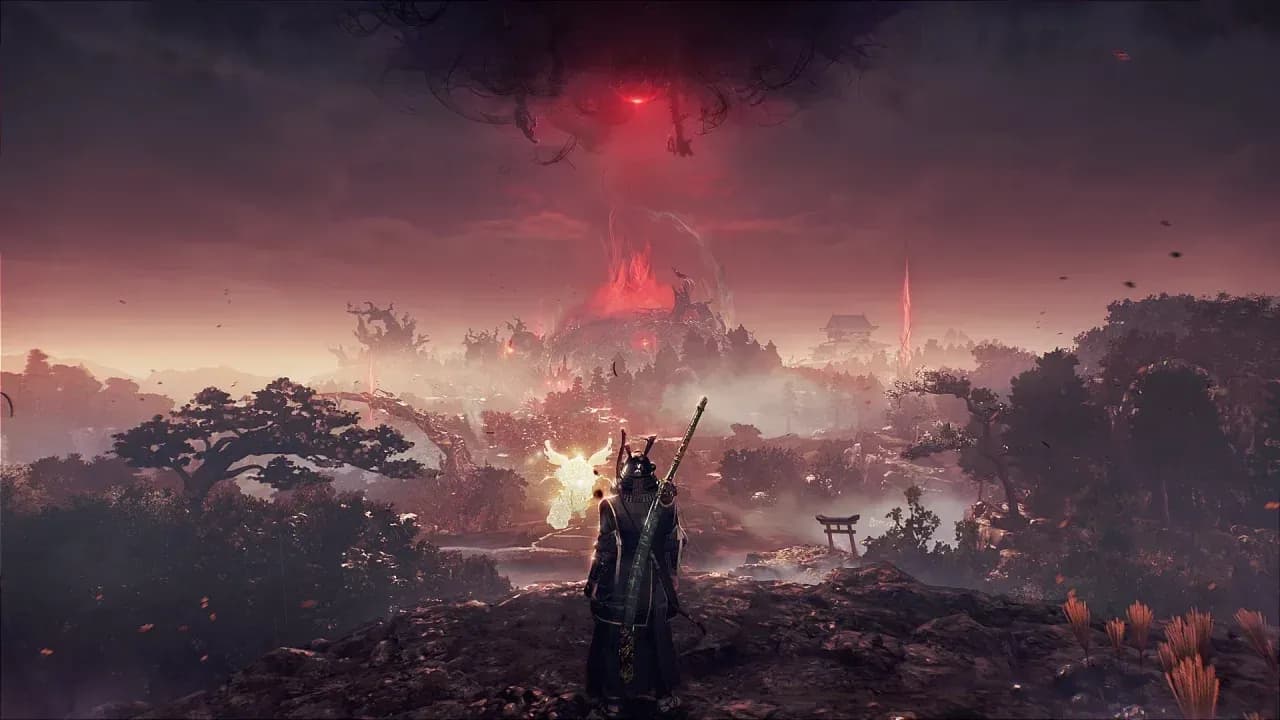
Nioh 3 First Impressions: A Bold Evolution of the Soulslike Formula
Nioh 3 doesn't just iterate on its predecessors; it attempts a paradigm shift. After two games of honing its lethal, loot-drenched combat in mission-based corridors, Team Ninja has thrown open the gates, trading linear levels for sprawling, interconnected fields. This is the series' Elden Ring moment—a bold, risky evolution that fundamentally reshapes the experience from the ground up. Developed by Team Ninja and launching February 6, 2026, for $69.99 on PS5 and PC, this third entry is a declaration of ambition, aiming to graft its complex action-RPG systems onto an open-world framework. The result is a game that feels immediately grander in scope, even if that newfound freedom reveals some familiar narrative weaknesses.
The shift to an open-field structure is the most significant change, moving away from the discrete, menu-selected missions of old. You now explore large, curated zones across different eras of Japanese history—from the mystical Heian period to the war-torn Sengoku and the twilight of the Edo and Bakumatsu periods. This isn't a seamless, singular world, but a collection of distinct maps you traverse via time-bending Mystical Veins. The intent is clear: to inject a sense of organic discovery and player-driven pacing into the Nioh formula. You’re no longer just running a gauntlet; you’re charting a course through a living, hostile landscape, deciding whether to tackle a story mission head-on or wander off to uncover a hidden shrine or a deadly world boss. It’s a design that promises the wonder of exploration, though as we’ll see, its execution is a double-edged sword.
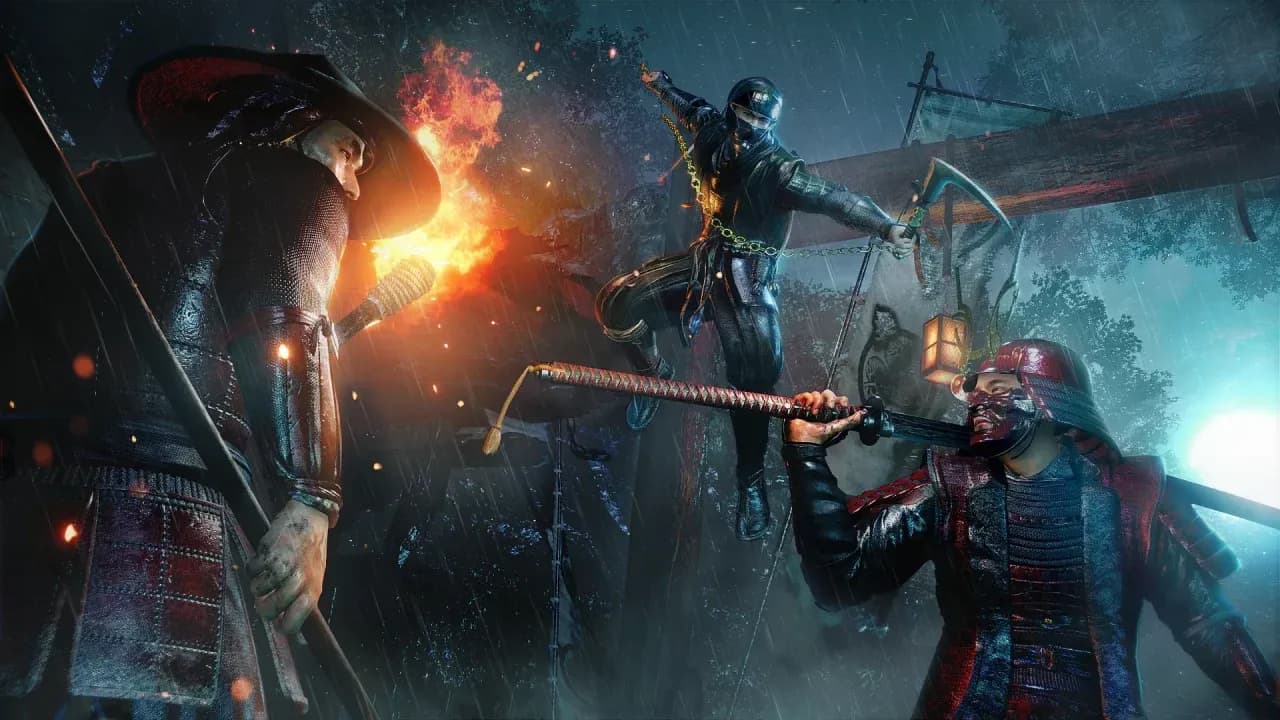
Nioh 3 introduces a narrative centered around a mysterious time-traveling warrior.
This is the heart of Nioh 3's new identity: a sprawling, time-hopping playground built for its deep combat, even if the story struggles to give that playground a compelling reason to exist.
Your guide through these fractured timelines is Tokugawa Takechiyo, the heir to the shogunate, who is betrayed and cast through time by his brother, Kunimatsu. Your mission is to become a temporal enforcer, repairing a history unraveled by a supernatural calamity known as the Crucible. The premise is a fantastic excuse to tour Team Ninja's dark-fantasy rendition of Japanese history, and the visual variety from era to era is a genuine strength—one moment you're in a sun-dappled forest, the next you're navigating the rain-slicked streets of a Bakumatsu-era port city under siege. Yet, the narrative engine driving this tour is disappointingly anemic. Takechiyo is a largely silent protagonist, a blank slate who observes the chaos around him with stoic detachment. This feels like a regression from Nioh 2's more defined Hide and a missed opportunity to build a character as memorable as the original's William; you’re given a voice actor in cutscenes, but he’s used so sparingly that his presence becomes a narrative non-sequitur. The plot takes over a dozen hours to find any meaningful momentum, and even then, it often feels like a thin pretext to shuttle you between spectacular battlefields.
This opening act establishes the central tension of Nioh 3: a masterclass in systemic action-RPG design struggling to find its footing within a new, more ambitious structure. The combat—which we’ll dive into next—is the undeniable star, refined and expanded with a brilliant dual-style system. But the world built to house it, while visually striking and full of tangible rewards for the curious, can sometimes feel like a beautiful vessel waiting for a more captivating story to fill it. Team Ninja has built a bigger, more open playground. Now the question is whether everything you do inside it feels as essential as the act of swinging a sword.
Nioh 3 Combat: Mastering the Dual Samurai and Ninja Styles
If the first section of Nioh 3 is about building a grander stage, this is where the spotlight finally hits its true stars. The game’s dual-style combat system isn’t just an evolution; it’s a masterful synthesis of nearly a decade of Team Ninja’s action-RPG experiments, forging a combat loop of unparalleled depth and fluidity. This is where Nioh 3 earns its reputation as a genre pinnacle, demanding mastery while rewarding it with a constant, exhilarating rush.
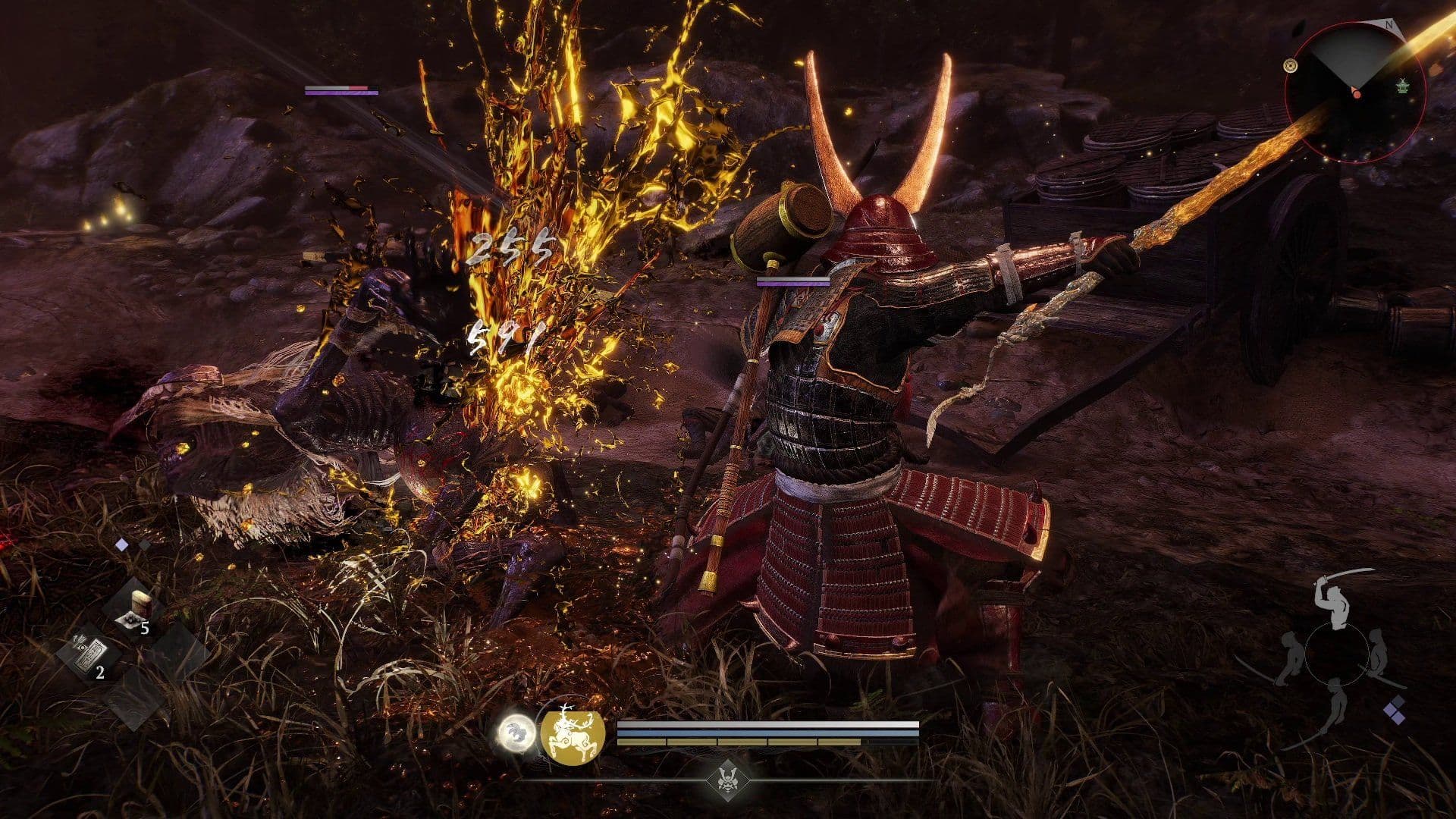
Dynamic combat in Nioh 3
The foundation is the seamless, on-the-fly switching between Samurai and Ninja styles, activated with a tap of the right trigger. This isn’t a cosmetic change—it’s a fundamental rethinking of your toolkit. The Samurai style is the series’ classic, refined heart. It retains the tactical, rhythmic dance of high, mid, and low stances, each altering your moveset, speed, and Ki consumption. The familiar Ki Pulse mechanic remains your stamina-management lifeline, rewarding precise timing after combos. This style grounds you in Nioh’s traditional identity, where a well-timed parry or a deliberate heavy strike from a high-stance Odachi feels like a decisive statement. It’s a system of immense depth, further deepened by the new Arts Gauge, which charges as you fight and fuels powerful Martial Arts attacks that bypass Ki costs entirely.
The Ninja style, by contrast, feels like a shot of adrenaline straight to the combat’s nervous system. It replaces the methodical Ki Pulse with the brilliant Mist mechanic—a swift dodge that leaves a decoy clone to draw aggro while your stamina regenerates naturally.
This single ability transforms your mobility and defensive options, allowing for rapid repositioning and setting up devastating rear attacks for which the style grants automatic critical hits. Armed with faster weapons like tonfas, kusarigamas, and a suite of Ninjutsu tools—from homing fireballs to paralysis shuriken—the Ninja is a blur of aggression. The design intent is genius: where the Samurai controls space, the Ninja exploits openings. Swapping styles mid-combo to extend a flurry or to perfectly deflect an unblockable red-glowing attack (a mechanic borrowed from Wo Long) becomes an instinctive, dopamine-fueled reflex. It’s a system that encourages audacity, making you feel less like a warrior choosing a class and more like a master employing a full arsenal.
This incredible flexibility extends to the staggering weapon variety. With 17 distinct types, from the elegant splitstaff to the brutal new razor-sharp claws, each feels like learning a new fighting game character. The depth is compounded by the fact that weapons are now locked to their respective style—you won’t wield a katana as a Ninja, for instance—which initially feels restrictive but ultimately reinforces each path’s unique identity and encourages dedicated build-crafting. You don’t just pick a weapon; you curate a loadout for two distinct personas, and the game’s generous, free respec system invites constant experimentation.
However, not every new idea lands with the same impact. The new Burst Break skill, intended as a powerful defensive counter, is a rare misfire. In practice, it feels underwhelming, often failing to deliver meaningful Ki damage or a reliable stagger window against tougher foes. When the core dance of Ki Pulses, deflections, and style-switching is so satisfyingly potent, this added mechanic ends up feeling superfluous—a button you press more out of obligation than strategic need. It’s a testament to the strength of the foundational systems that this one dull tool doesn’t blunt the overall experience.
Mastering Nioh 3’s combat is less about conquering a single style and more about conducting a symphony between them. The moment you flow from a Ninja’s kunai barrage into a Mist dash, cancel into a Samurai stance-switch, and finish with a Ki-Pulsed Martial Arts slam is the moment the game transcends its Soulslike inspirations. It offers a complexity and a sheer kinetic joy that is, quite simply, unmatched in the genre. This isn't just great combat for a Nioh game; this is some of the best real-time melee action ever committed to code.
Character Progression: Loot, Skill Trees, and Build Flexibility
The combat may be Nioh 3’s dazzling star, but its intricate web of RPG systems is the universe that gives it gravity. Here is where the game’s identity as a true action-RPG crystallizes, offering a dizzying, often overwhelming, yet ultimately rewarding playground for theorycrafters. This is a game that wants you to tinker, to min-max, and to fail spectacularly before finding a build that clicks—and it provides the tools to do so without punishment. Yet, for all its flexibility, it also demands you embrace a level of inventory management that can feel like a second job.
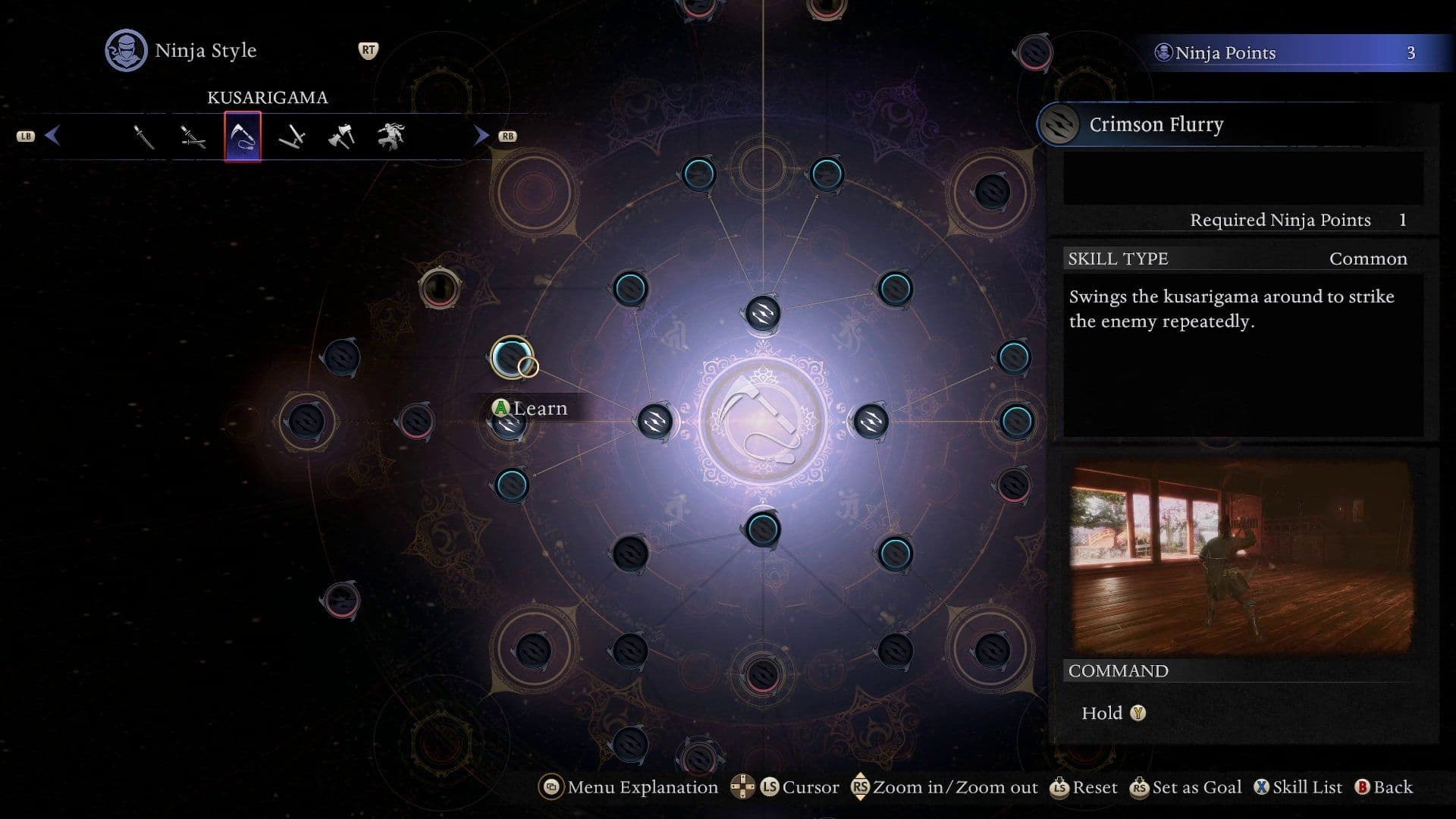
The deep Ninja skill tree offers numerous paths for character customization.
The core of this progression is the return of Soul Cores, now with a brilliant dual function. Each core, harvested from defeated yokai, not only provides a passive stat boost but also grants free, rechargeable charges of its associated spell or ability. This elegantly solves a common Nioh problem: hoarding powerful consumables for a “later” that never comes. Now, you’re encouraged to use that devastating lightning blast or healing aura because it refills at the next shrine. It’s a masterful quality-of-life tweak that actively changes how you engage with your toolkit, turning situational powers into core parts of your rotation. This philosophy of encouraging use over conservation extends to the game’s most liberating feature: a 100% free, on-demand respec for both stats and skills at any shrine.
This single decision transforms Nioh 3 from a game where you cautiously commit to a path into a sandbox of constant experimentation. Found a new Ninjutsu tool you love? Respec your Magic stat and reallocate Ninja Skill Points in seconds to build around it. Struggling with a boss weak to fire? Swap your Guardian Spirit and re-tool your Samurai Skill tree without losing a single resource.
This freedom is the game’s greatest gift to players, allowing you to fluidly adapt to challenges and discover synergies you’d never risk in a more punitive system. It perfectly complements the dual-style combat, inviting you to not just switch styles mid-fight, but to rebuild your entire character around new ideas between them.
However, this flexibility exists in tension with new restrictions. In a divisive design choice, specific weapons are now locked to their respective style. The beloved Splitstaff and kusarigama, for instance, are now exclusive to the Ninja, while the Odachi remains a Samurai’s tool. This reinforces each style’s unique fantasy—the Ninja is undeniably faster and more agile without stances—but it undeniably reduces the weapon-based build variety that was a hallmark of previous games. You can’t craft a slow, heavy-hitting Ninja or a lightning-fast, stance-dancing Samurai in the same way. The game asks you to commit to an archetype, which can feel limiting for veterans who enjoyed mixing and matching every weapon with every playstyle.
This commitment is deepened by the massive Sphere Grid-style skill trees for both Samurai and Ninja styles, plus individual trees for each weapon type. Unlocking everything is a 100-hour endeavor, but the real joy is in the focused customization. You don’t just get “Strong Attack II”; you unlock specific combo enders, enhanced dodges, or passive bonuses for switching styles. The depth is staggering, allowing you to morph a basic katana moveset into a personalized martial art. Paired with the returning Guardian Spirits and the new Living Artifact Yokai Shift—a temporary transformation that grants invincibility and elemental fury—the build-crafting potential is bottomless. You’re not just leveling up; you’re engineering a combat persona.
Yet, for all this sublime depth, Nioh 3 stubbornly clings to its most notorious flaw: loot bloat. Enemies hemorrhage gear, with every kill potentially dropping three pieces of armor and two weapons, most instantly obsolete. While new auto-dismantle and sell settings help, you still spend an inordinate amount of time in menus, managing a torrent of purple and blue items. This isn’t rewarding Diablo-style loot hunting; it’s inventory busywork that interrupts the stellar combat loop. When your most tense decision becomes whether to scrap a level 45 helmet for parts or sell it for a pittance of Amrita, the magic of finding a new weapon is utterly diluted. It’s the one system that feels actively hostile to the player’s time, a grind that exists not to empower your build, but to simply clear your clogged inventory.
Ultimately, Nioh 3’s character progression is a masterpiece of accessible depth shackled to an archaic loot system. The freedom to respec and the sheer volume of meaningful skills empower you to play exactly how you want, making every victory feel earned by your choices. But you’ll have to sift through a mountain of digital junk to protect that freedom—a taxing tax on an otherwise brilliant RPG framework.
The Open Field: Does Nioh 3 Benefit from its New Structure?
Nioh 3’s biggest gamble—its pivot to an open-world structure—is also its most fascinating contradiction. The game trades the series’ laser-focused, mission-based design for sprawling fields, promising freedom and discovery. Yet, stepping into these new landscapes reveals a world that feels both wonderfully curated and frustratingly formulaic, a beautiful stage where the script sometimes reads like a checklist.
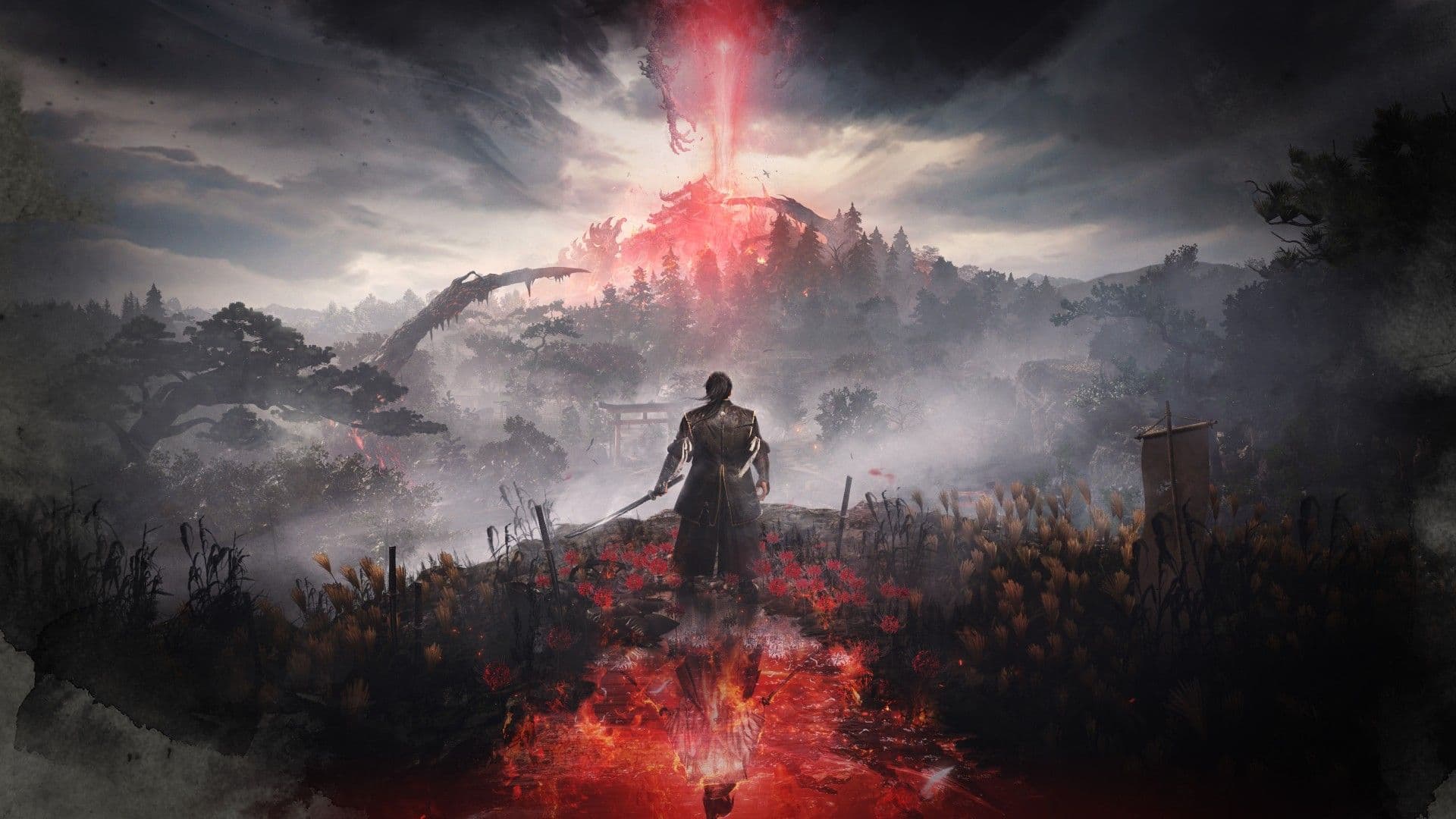
Nioh 3 features diverse environments ranging from lush forests to volcanic peaks.
The design itself is a smart hybrid. This isn’t a single, seamless continent like Elden Ring, but a collection of distinct “open-field” maps for each historical era. Each zone is a curated sandbox blending wide, explorable plains with intricate, legacy-dungeon-style areas tucked into cliffsides and caves. The addition of a dedicated jump button is transformative, enabling not just simple platforming but genuinely complex vertical exploration. You’ll scale castle walls, leap across rooftops in dense urban maps, and discover hidden caves high on a cliff face—moments that feel authentically adventurous and leverage Team Ninja’s newfound environmental design confidence. This verticality makes the world feel tangible and layered in a way previous Nioh games never could.
The reward for this exploration is tangible and meaningful, not just cosmetic. Scouring the environment for Kodama spirits and shooting down the fantastical, floating otters known as Chijinko directly boosts your healing elixir efficiency and unlocks new Ninjutsu and Martial Arts skills.
This loop is brilliant: exploration directly feeds back into your combat potency, making every detour feel worthwhile. Finding a hidden Kodama in a remote cave isn’t just ticking a box; it’s a permanent upgrade that might give you the edge in the next boss fight. This system respects the player’s time with concrete power gains, a stark contrast to the empty “collect-a-thons” that plague lesser open worlds.
However, the seams in this new structure begin to show in the more routine activities. While the main paths and hidden dungeons shine, the open fields are padded with repetitive side content. Enemy Bases to clear and generic “Myth” side quests dot the map with Ubisoft-style icons, their objectives often boiling down to “defeat all enemies in this camp.” The combat is good enough to carry these encounters for a while, but by the third or fourth era, the act of clearing yet another fortified village starts to feel like busywork. The world, for all its visual splendor across different time periods, can begin to feel like a beautiful skin stretched over a familiar, slightly tired skeleton.
This repetition is thrown into sharp relief by the game’s standout zones: the Crucible. These are optional, hellish nightmare realms where the rules change. Taking damage here doesn’t just reduce your health; it permanently locks a portion of your maximum health bar until you defeat specific, marked enemies within the zone. This creates a thrilling, high-stakes pressure cooker where every encounter matters, and the risk-reward calculus is constantly shifting. It’s a masterclass in focused, intense design that highlights what Nioh does best—demanding, strategic combat—and it ironically makes the more checklist-driven parts of the overworld feel even more mundane by comparison.
So, does Nioh 3 benefit from its new open structure? The answer is a qualified yes. The sense of scale, the joy of organic discovery fueled by a real jump button, and the excellently rewarded exploration are massive upgrades that give the series a new lease on life. You can easily lose 40-60 hours to the main story, with completionists looking at a staggering 100+ hours of content. Yet, that very scope is a double-edged sword. The freedom to tackle challenges at your own pace and power up through exploration makes the game more accessible than its predecessors, but it also exposes the repetitive underbelly of its side content. Nioh 3 builds a magnificent, rewarding playground, but sometimes forgets to fill every corner with compelling things to do.
Technical Performance and Visuals: A Stunning but Stuttering Japan
Nioh 3’s world is a breathtaking tapestry of Japanese history and myth, but pulling back the curtain reveals a performance that occasionally stutters under its own ambition. This is a game of stunning artistic highs and frustrating technical lows, where a masterfully crafted audiovisual presentation is sometimes betrayed by the hardware struggling to run it. The result is an experience that feels magnificent in a screenshot but can be inconsistent in motion.
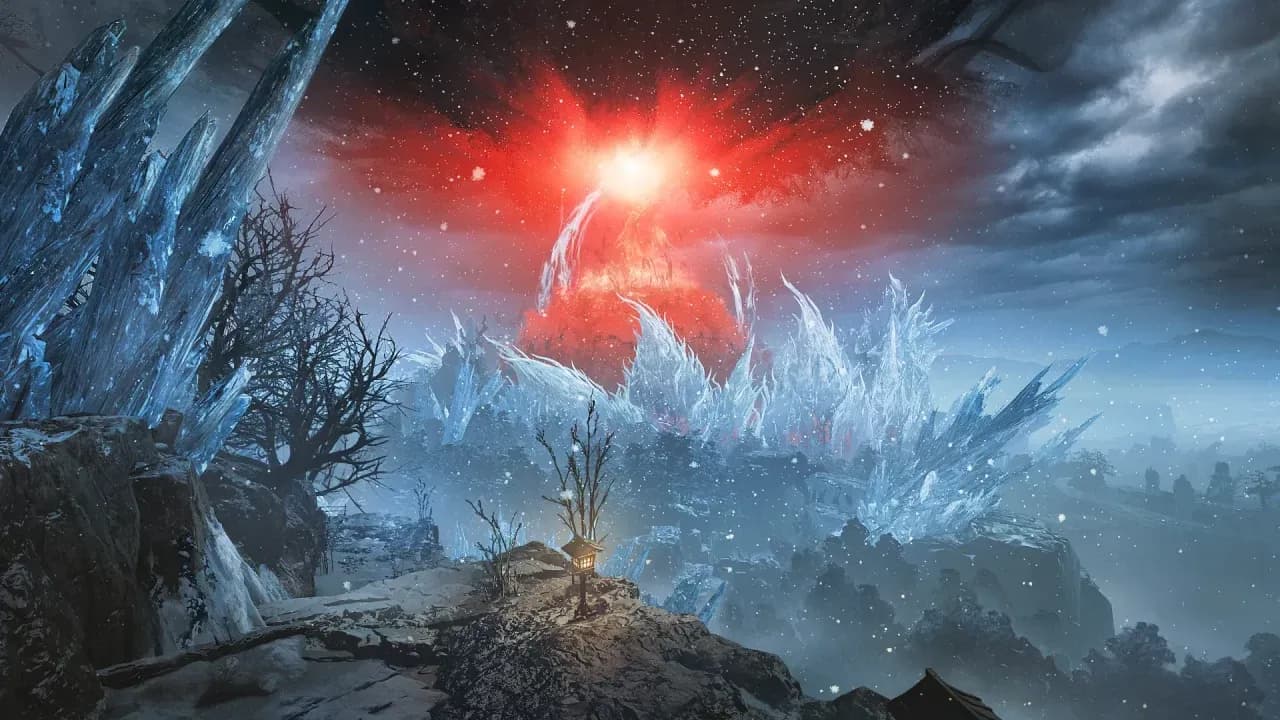
Diverse environmental biomes highlight the technical ambition of the game's art design.
The art direction is, without question, a triumph. Team Ninja has perfected its signature blend of historical authenticity and dark fantasy, rendering each era with a painter’s eye for detail and a monster designer’s flair for the grotesque. The shift from the ethereal, mist-shrouded forests of the Heian period to the rain-slicked, industrialized gloom of the Bakumatsu ports isn’t just a change of backdrop; it’s a complete atmospheric overhaul. Character and yokai design reach new series peaks. From the intricate armor of historical figures to the truly terrifying new bestiary—including demonic farmers and cavalry riding headless horses—every enemy feels like a folklore woodcut sprung to horrifying life. This visual splendor is the primary reason to explore every corner of the open fields, as the next vista or horrifying creature is often reward enough.
The audio presentation is equally meticulous where it counts. The clash of steel during a perfect parry has a visceral, weighty crunch, and the traditional Japanese score, blending haunting shamisen melodies with thunderous orchestral swells during boss fights, is a permanent playlist addition. It’s a shame, then, that the English voice acting often undermines this atmosphere with mispronunciations and flat delivery that feels tonally adrift; switching to the superb Japanese voice track is less a preference and more a necessity for immersion.
Where this beautiful facade cracks is in technical performance, an area where Nioh 3 feels uncharacteristically unpolished for a Team Ninja release. On the base PlayStation 5, the game’s target of a stable 60fps in performance mode is frequently missed. Dense, particle-effect-heavy combat in areas like the Ryotan Temple or during large-scale open-field encounters can cause noticeable frame rate drops and lag spikes, turning fluid style-switching into a choppy gamble. On PC, the issues are more pronounced and varied. Even on high-end rigs, players report optimization concerns, with performance failing to scale cleanly with power. More damning are the outright bugs: disappearing enemy health bars, foes becoming unresponsive, and—most alarmingly—a recurring fatal error that can crash the game upon quitting, posing a potential risk to save data. These aren’t universal, but their presence at launch sours an otherwise premium package.
This technical unevenness extends to the otherwise superb co-op Expedition mode. Being able to tackle the entire campaign with a friend, seamlessly exploring the open fields and dungeons together, fundamentally changes the game’s dynamic and is one of its greatest joys. However, this joy is periodically shattered by network instability. Sessions can suffer from frustrating disconnections or lag that desynchronizes precise combat timing, sometimes requiring a full game restart. Furthermore, the balancing act falters in co-op; while enemy health scales, humanoid bosses can often be trivialized by the simple act of having a second player to draw aggro, undermining the meticulously crafted duel-like tension of the solo experience.
Ultimately, Nioh 3 presents a paradox. It is one of the most visually arresting and sonically immersive games in its genre, a masterclass in art direction that consistently takes your breath away. Yet, it’s also a game that too often reminds you it’s a piece of software, with performance hiccups and bugs that break the spell it works so hard to cast. You’ll endure the stutters for the vistas and forgive the occasional bug for the chance to experience its world with a friend, but you’ll wish the technical execution matched the artistic vision.
Final Verdict: Is Nioh 3 the Ultimate Action RPG of 2026?
Nioh 3 is a masterpiece of systems and combat, but it’s not a perfect game. Its final score depends entirely on what you value in an action RPG. If you crave the genre’s deepest, most fluid melee combat paired with an almost overwhelming suite of build-crafting tools, you’ve found your holy grail. If you need a cohesive, compelling narrative and a flawlessly polished world to justify the 60-100 hour investment, the seams will start to show long before the credits roll. This is a game that soars on the strength of its moment-to-moment gameplay while asking you to forgive its less inspired connective tissue.
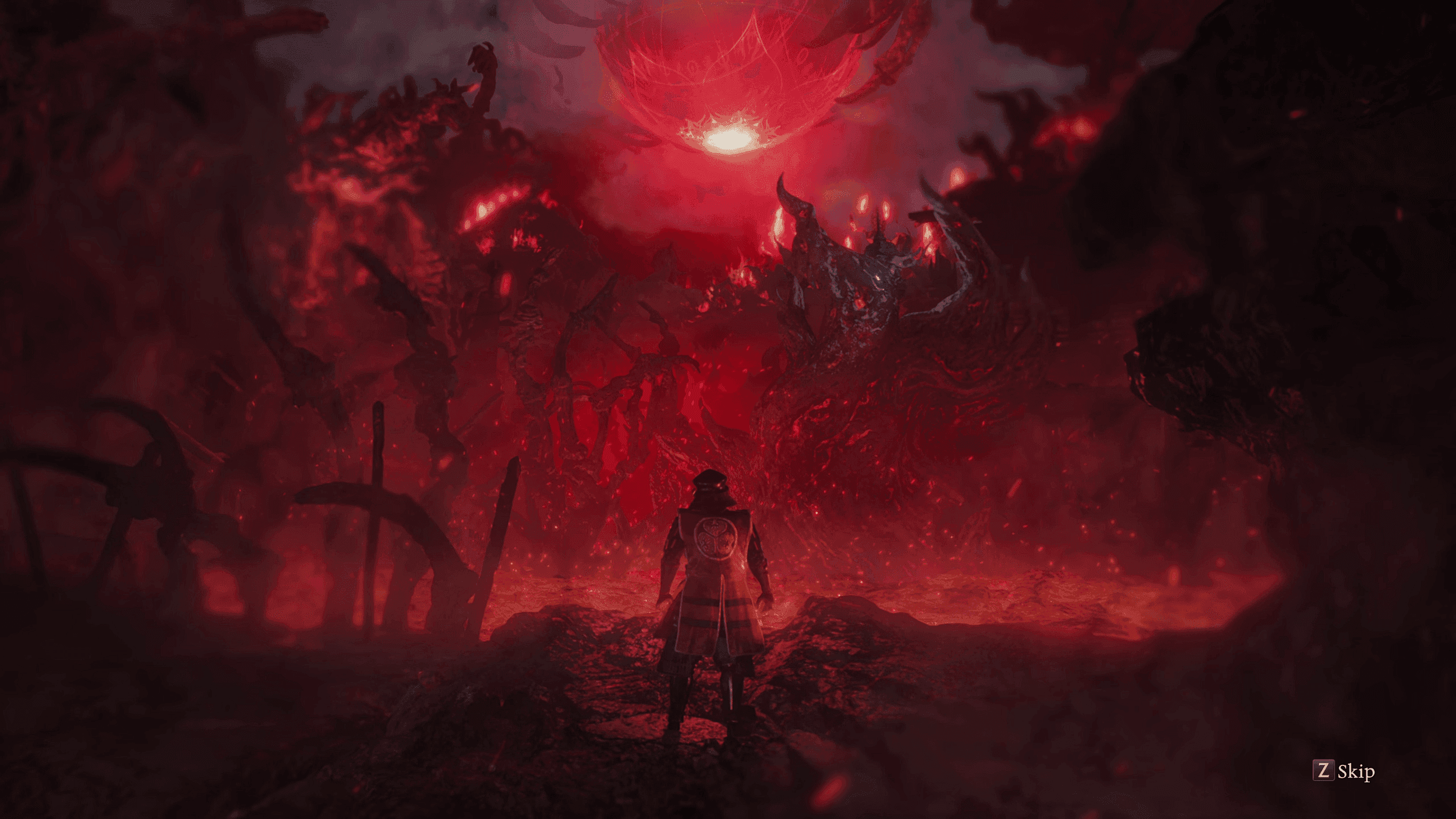
Nioh 3 blends cinematic storytelling with its signature challenging gameplay.
The journey’s pacing is its most inconsistent element. Nioh 3 is significantly more approachable than its predecessors, a direct result of its open-field design. Being stuck on a boss no longer means hitting a wall; you can simply leave, explore another region, power up through side content, and return with better gear and levels. This freedom is liberating and makes the game a fantastic entry point. However, it creates a lopsided difficulty curve. For the first 40 hours, many encounters—including some major bosses—can feel surprisingly manageable, even easy for veterans. The challenge then spikes sharply in the late game, where the difficulty often stems not from intricate new mechanics but from raw statistical checks—being one-shot by an enemy 30 levels above the zone’s recommendation. It’s a jarring transition that can disrupt the flow for players who enjoyed the earlier, more exploratory pace.
This unevenness is exacerbated by the game’s most glaring content flaw: enemy variety. While the new yokai designs are fantastic, there is a palpable over-reliance on recycled foes from Nioh 1 and Nioh 2. This is particularly egregious in the open world and among boss encounters, where you’ll face familiar faces more often than thrilling new ones. Fighting the same giant skeleton or blob yokai for the dozenth time, or discovering a “new” open-world boss is just a reskinned version of an enemy from a previous game, saps the sense of wonder the exploration works so hard to build. It feels like the immense effort poured into the dual-style combat and open zones came at the cost of populating them with enough fresh adversaries.
The narrative, unfortunately, is the weakest link in the chain. While the time-hopping premise is a great vehicle for visual variety, the story itself is a dizzying mess of undercooked plot threads and murky character motivations. Protagonist Takechiyo’s near-silent stoicism drains the drama from key moments, and the central conflict with his brother Kunimatsu fails to generate any real tension. Major plot developments are bizarrely gated behind optional fights, and the overall arc stretches far beyond its natural conclusion, leading to a final act that feels less like an epic climax and more like narrative padding. You play Nioh 3 for the combat and the build-crafting, not the tale it tells.
So, who is this for? Nioh 3 is a non-negotiable must-play for fans of Team Ninja’s specific brand of complex, loot-driven action and for Soulslike veterans hungry for a combat system that pushes beyond the genre’s norms. Its mechanical depth is peerless. Conversely, players who prioritize a strong, guided narrative or who are easily frustrated by inventory management and technical hiccups may find its flaws too prominent. It is a game of spectacular highs—those moments of perfect style-switching flow, of discovering a build that clicks, of conquering a Crucible—that demand you endure some noticeable lows.
Pros:
- Best-in-class combat with an incredibly deep and satisfying dual-style system.
- Unmatched build-crafting flexibility, supported by a 100% free and generous respec system.
- Exploration that is tangibly rewarded with permanent power upgrades.
- A staggering amount of content (60-100 hours) with excellent co-op integration.
- Stunning art direction and creature design that brings a dark-fantasy Japan to life.
Cons:
- A weak, poorly paced narrative that fails to engage.
- Significant enemy and boss recycling from previous games.
- Repetitive open-world side activities that feel like checklist padding.
- Persistent technical issues on some platforms, including frame rate drops and bugs.
- Archaic loot bloat that forces constant inventory management.