Richard Garriott to Reclaim Ultima Copyright from EA in 2027
Richard Garriott, creator of the classic CRPG series, is poised to reclaim the copyrights to the Ultima franchise from Electronic Arts in 2027, according to a report from Inside Games. This move leverages a provision in US copyright law that allows creators to terminate a grant of rights after 35 years.
Garriott, known by his in-game persona Lord British, sold his development studio Origin Systems and the Ultima rights to EA in 1992. Under that law, the 35-year window will open in 2027, enabling him to reclaim the copyrights to his original works, including seminal titles like Ultima VII: The Black Gate. "And so, I have been waiting… finally, the time has come!" Garriott told Inside Games.
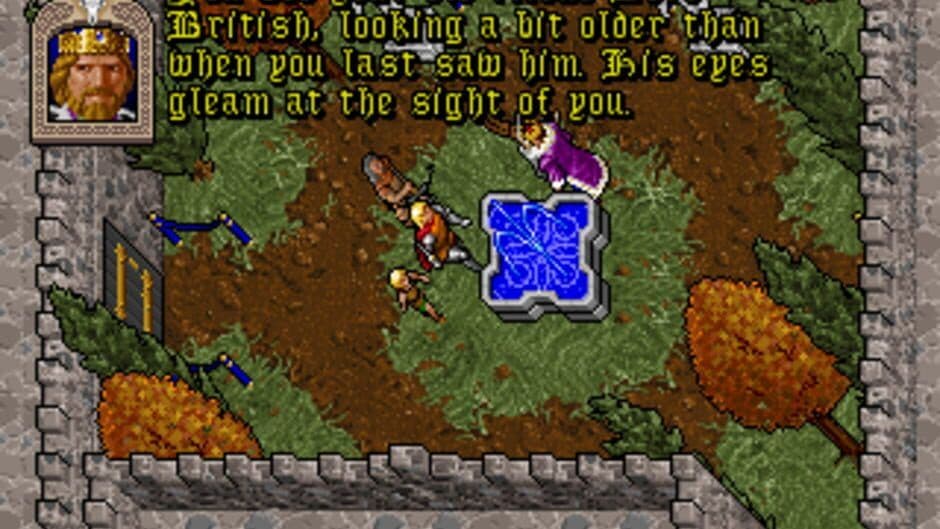
Exploring the world of Britannia in Ultima VII.
The reported plan sets the stage for a significant shift in control over one of gaming’s foundational RPG franchises, which has seen little meaningful development under EA's stewardship for decades. Garriott stated he has made repeated attempts to collaborate with EA on a revival, but talks consistently stalled.
The Legal Strategy: Trademark vs Copyright Distinction
Richard Garriott's path to reclaiming the Ultima series hinges on a critical legal distinction: copyright versus trademark, which will force him to release any new projects under a name like "Lord British's Ultima."
According to a report by Brian Gaar for Inside Games, Garriott is leveraging a provision in U.S. copyright law that allows creators to reclaim rights to their original works after 35 years. Since Garriott sold the Ultima rights and his development studio, Origin Systems, to Electronic Arts (EA) in 1992, the 35-year term concludes in 2027, making him eligible to file for copyright reclamation next year.
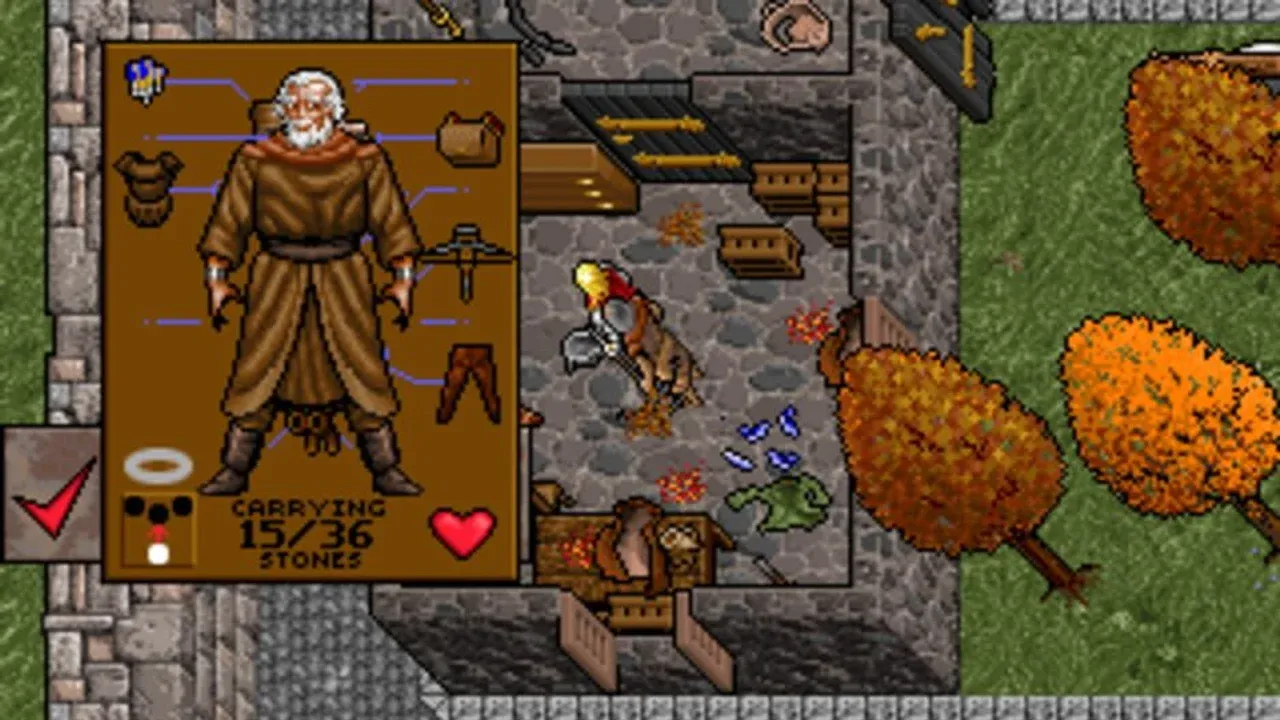
Managing the Avatar's party in the original Ultima VII.
This legal maneuver, however, only addresses copyright. As clarified in the report, copyright covers the specific source code, audiovisual elements, and creative content of the original games. EA will retain ownership of the "Ultima" trademark, which protects the brand name, logos, and key character names. This split ownership means Garriott cannot simply produce a new game titled "Ultima."
Garriott's stated strategy to navigate this split is to operate under a modified brand. He told Inside Games, "Lord British's Ultima will regain all the copyrights of my original work." This proposed title is designed to leverage the reclaimed copyrights for future projects while distinguishing them from EA's trademark-protected "Ultima" brand. The exact nature of these projects remains a future challenge, as Garriott noted, "What it will become is the next challenge."
A Legacy of Innovation: From Ultima VII to Modern CRPGs
A Legacy of Innovation: From Ultima VII to Modern CRPGs
Ultima’s influence on the modern role-playing genre remains profoundly evident, with its systemic depth and player freedom directly inspiring contemporary hits like Larian Studios’ Baldur’s Gate 3. According to sources within Inside Games, Ultima VII: The Black Gate is cited as a major inspiration for Larian's Divinity: Original Sin and Baldur's Gate 3.
Beyond the main series, the franchise pioneered genres with its groundbreaking spinoffs. Ultima Underworld, developed by Looking Glass Studios and published by Origin Systems, is widely credited as a foundational first-person dungeon crawler that presaged immersive sims and modern 3D RPGs. Later, 1997’s Ultima Online established the template for the massive multiplayer online role-playing game (MMORPG), creating a persistent, living world that influenced countless online games to follow.
Core to the series’ identity were its innovative game systems. The Ultima games, particularly Ultima IV onward, were renowned for their intricate virtue systems, where player choices and moral alignment directly impacted character progression and the game world. This focus on ethical gameplay and consequential decision-making set a standard for narrative depth in CRPGs.
This legacy stands in stark contrast to the series' dormancy under Electronic Arts. Despite the foundational work of Ultima Online, EA's stewardship after acquiring Origin Systems in 1992 resulted in only a few unsuccessful revival attempts, such as 2010’s Lord of Ultima and 2013’s Ultima Forever. The sustained success of studios like Larian and Owlcat Games, which iterate on the detailed, systemic, and player-driven design ethos championed by Ultima, underscores the enduring market demand for the type of experiences the franchise helped define.
Future Outlook: Dragon Con Reveal and the Road Ahead
Richard "Lord British" Garriott will provide the first concrete details on his plans for the Ultima series at Dragon Con later this year. According to a report by Brian Gaar for Inside Games, Garriott stated he will use the convention appearance to elaborate on his vision for the franchise's future once he has a clearer picture of the legal landscape.
The creator's roadmap is defined by a key legal deadline: 2027. In that year, a provision in U.S. copyright law will allow Garriott to reclaim the copyrights to his original Ultima works from EA, 35 years after he sold the rights in 1992. "And so, I have been waiting… finally, the time has come!" Garriott told Inside Games. However, EA will retain the "Ultima" trademark, meaning any new project cannot use that name alone.
Garriott has indicated his intent to navigate this trademark restriction by titling future works "Lord British's Ultima." He described the project's ultimate form as "the next challenge," according to the Inside Games report. The Dragon Con reveal is expected to outline how he intends to leverage the reclaimed copyrights to build upon the series' legacy.
This announcement comes as the market for detailed, systems-rich CRPGs—a genre Ultima VII helped define—is experiencing a major resurgence, evidenced by the success of titles like Larian Studios' Baldur's Gate 3. Garriott's Dragon Con presentation will be the first opportunity for fans to learn how he plans to re-enter this modern landscape and what the next chapter for his seminal creation will entail.