Cyberpunk 2077 Introduction: A Dystopian Vision Realized
Cyberpunk 2077 has spent years clawing its way out of its own grave. To review it now is to analyze two distinct entities: the broken, overpromised product that launched in late 2020, and the sprawling, fiercely ambitious RPG that has emerged from years of patches and a fundamental overhaul. This section isn't about forgiving a developer; it's about evaluating the final artifact. The game we have today is a testament to both the staggering potential that was always there and the painful cost of trying to realize it all at once.
At its core, Cyberpunk 2077 presents a classic, potent cyberpunk premise. You are V, a mercenary in Night City—a hyper-capitalist, dystopian megalopolis in a fractured California where megacorporations have eclipsed government power. The city itself is the game's truest star, a dense vertical jungle of neon, grime, and despair that draws from decades of genre iconography. After a heist gone catastrophically wrong, V becomes the unwilling host to an experimental biochip containing the digitized consciousness of Johnny Silverhand, a legendary terrorist and rockerboy played by Keanu Reeves. This isn't just a plot device; it's the game's central, brilliant narrative engine, forcing a symbiotic—and often adversarial—relationship that questions identity, legacy, and what's worth fighting for in a world that's already been sold.
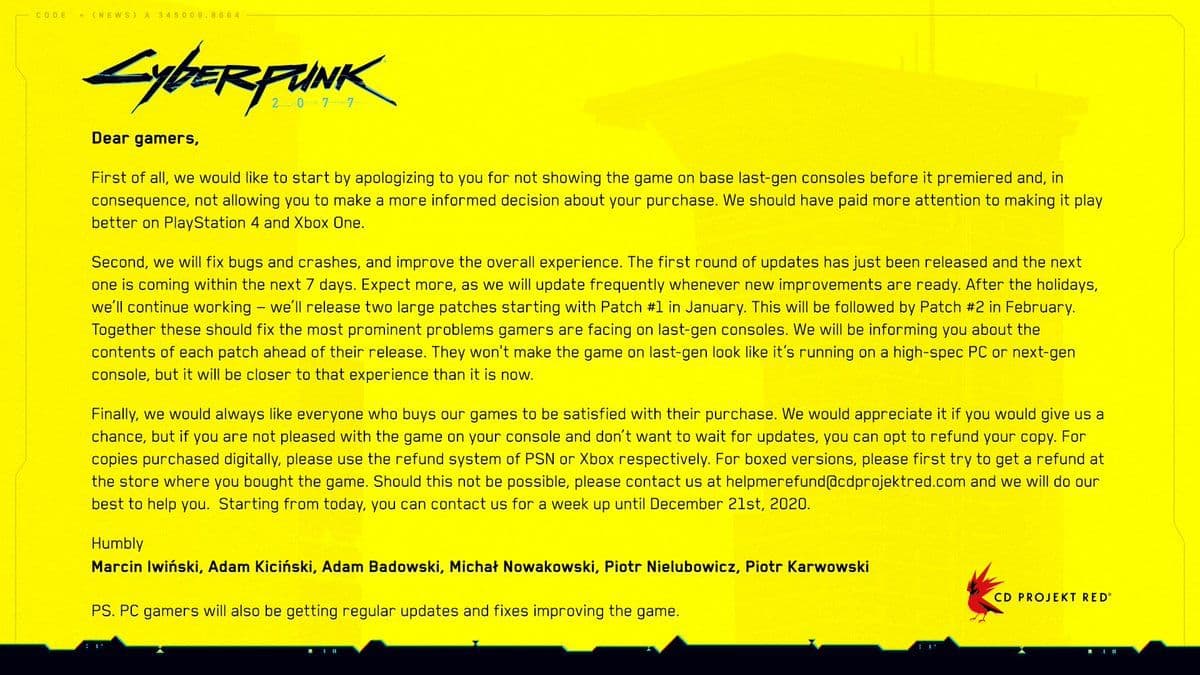
The game's journey began with a teaser trailer released nearly a decade before launch.
The game's transformation from launch disaster to its current polished state is perhaps the most remarkable story attached to it. The 2020 release was so technically broken on base PlayStation 4 and Xbox One consoles that it was pulled from the PlayStation Store, becoming a cautionary tale about hype, crunch, and the perils of last-gen support.
Today, following the massive Version 2.0 overhaul and subsequent updates, Cyberpunk 2077 is the experience it was marketed as, albeit one still carrying a few scars. The bugs that once defined it—characters stuck in T-poses, mission-breaking glitches, rampant physics freak-outs—have been reduced to occasional, often humorous physics hiccups. The core systems have been rebuilt, performance is stable on current-gen hardware, and Night City finally feels like a place you can inhabit rather than a slideshow you crash through. This redemption arc is crucial context; the game you can play now is fundamentally different and vastly superior to the one that launched.
Critically, it's essential to understand what Cyberpunk 2077 is and, just as importantly, what it is not. This is not a traditional first-person shooter grafted onto an open world, nor is it a pure immersive sim like Deus Ex. It is, first and foremost, a character-driven action RPG. Your efficacy in combat—whether with a gun, a blade, or a hacking virus—is governed by deep RPG systems: the five core attributes (Body, Reflexes, Technical Ability, Intelligence, Cool) and their sprawling perk trees. You can build a netrunner who never fires a shot, a chrome-plated samurai, or a tech-savvy gunslinger, and the game's systems will support that fantasy. This RPG DNA is the skeleton upon which everything else hangs, a fact that explains both its incredible flexibility and why its moment-to-moment gunplay doesn't feel as refined as a dedicated FPS.
The journey of Cyberpunk 2077 is a story of a vision realized through immense, painful effort. It’s a game that asks you to look past its infamous birth and see the dense, morally complex, and visually breathtaking world it has become—a world that was always there, just buried under a mountain of broken code and unmet expectations.
Cyberpunk 2077 Gameplay: Combat, Hacking, and Character Progression
The true magic of Cyberpunk 2077 isn't found in any single gun or hack, but in the symphonic chaos you can orchestrate with its systems. This is a game that respects player ingenuity, allowing you to approach a fortified gang hideout as a silent netrunner, a chrome-plated berserker, or a tactical assassin who never steps out of cover. The freedom is intoxicating, but it’s built upon an RPG foundation so deep that it can initially feel overwhelming—a steep learning curve that pays off in spades for those who invest the time.
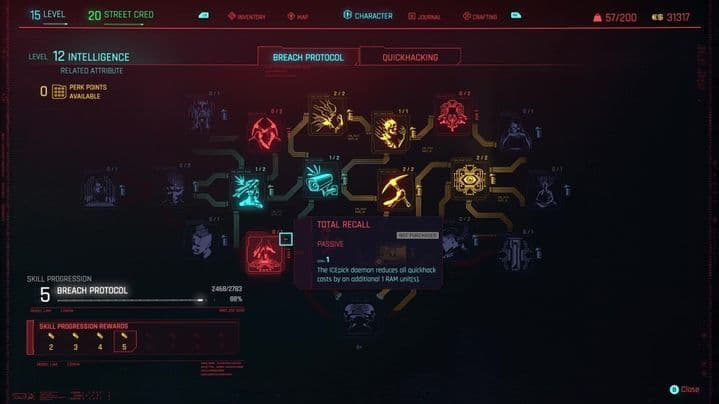
The perk system allows for deep character customization and playstyle variety.
Cyberpunk 2077’s progression is governed by five core attributes: Body, Reflexes, Technical Ability, Intelligence, and Cool. This isn’t a superficial stat sheet; these pillars unlock sprawling perk trees that fundamentally reshape how you interact with Night City. Investing in Body lets you rip open sealed doors or become a shotgun-tanking juggernaut, while high Intelligence transforms you into a digital deity who can breach security systems and fry enemies' brains from across the street. The genius lies in how these perks level up through natural use—the more you sneak, the better your stealth becomes—encouraging organic specialization without punishing experimentation. You can start as a blunt-force bruiser and, twenty hours later, evolve into a precision hacker, and the game’s systems will support that journey.
This flexibility is supercharged by Cyberware, the game’s most transformative mechanic. Visiting a ripperdoc to install new augmentations feels like a tangible power spike. The Mantis Blades aren’t just cool-looking melee weapons; they enable brutal, acrobatic executions and a completely different combat rhythm. The double-jump or charged-jump leg implants don’t just aid traversal—they unlock new vertical routes through missions, turning the city’s architecture into a playground. The Sandevistan operating system, which slows time to a crawl, can make you feel like a cyber-ninja straight out of an anime, effortlessly slicing through a room of enemies before they can raise their guns. These aren’t incremental upgrades; they are build-defining purchases that make your V feel uniquely yours.
Where this mechanical depth stumbles is in the opposition you face. For all your godlike power, the enemy AI often feels like a cardboard cutout army. Adversaries will take cover behind laughably thin objects, charge predictably into kill zones, and generally fail to present a tactical challenge on normal difficulty. This turns many firefights into a power fantasy where you’re testing your latest toys on helpless targets rather than engaging in a dynamic duel. It’s a significant disconnect: you’re playing a deeply complex RPG, but your enemies are often operating on FPS-lite logic.
The weapon arsenal does its best to keep things interesting. The distinction between Power weapons (ricocheting bullets off surfaces), Tech weapons (which charge to shoot through walls), and Smart weapons (with homing bullets) offers genuine tactical variety. Finding an Iconic weapon—a unique, named variant with a special twist—is always a thrill. However, this is where one of the system’s major seams shows. The crafting system feels like a vestigial limb. While you can upgrade your favorite Iconic gear, the act of crafting basic weapons and mods is rendered almost entirely pointless by the sheer volume of superior loot you find simply by playing. Critics rightly called it “dumb and useless”; it’s a menu-heavy chore that adds little to the core fantasy of being a cutting-edge mercenary in a world of disposable tech.
Hacking, or netrunning, is the system that comes closest to fulfilling the cyberpunk fantasy. The Quickhack menu allows you to pause time and remotely deploy digital viruses: you can blind enemies, overload their weapons, turn them against each other, or, at higher levels, force them to commit suicide. It’s immensely satisfying to clear an entire compound without ever being seen, watching through security cameras as your digital plague methodically incapacitates every guard. The Breach Protocol minigame that supports it is simple, almost to a fault, but it serves as a reliable gateway to systemic buffs and enemy debuffs. The hacking fantasy is complete and powerful—arguably too powerful, as a dedicated netrunner can trivialize most combat encounters, but that’s a welcome problem for a game built on player choice.
Ultimately, Cyberpunk 2077’s gameplay is a story of incredible potential occasionally hamstrung by uneven execution. The joy of assembling a perfect build and unleashing it on Night City is among the strongest in the modern RPG landscape. Yet, that joy is sometimes undermined by dumb AI, superfluous subsystems, and a power curve that leaves challenge in the dust. It creates a peculiar, compelling rhythm: you spend hours deeply engaged in fine-tuning your character’s capabilities, only to spend the next hour effortlessly demolishing everything in your path. Whether that’s a feature or a bug depends entirely on whether you’re here for the empowering power fantasy or a tense, tactical fight for survival.
Exploring Night City: World Design and Side Content
In Cyberpunk 2077, the open world is both its greatest achievement and its most persistent source of friction. Night City is a breathtaking monument to dystopian design, a dense, vertical jungle of neon and despair that feels genuinely overwhelming from the moment you step into its streets. Yet, for all its visual splendor, the city often feels like a magnificent diorama—a world to be admired and explored, but one whose inhabitants operate on a surprisingly shallow loop. The true soul of Night City isn't found in its reactive crowds, but in the profound, human stories tucked away in its side alleys and ringing on your ever-active phone.
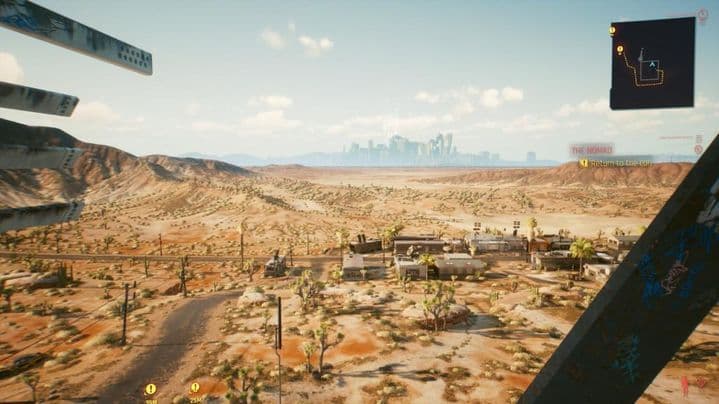
The expansive world design extends beyond the city into the Badlands.
The world-building here is exceptional, built on a foundation of staggering verticality and distinct district personalities. Watson’s tangled, multi-level marketplaces and fire escapes feel like a maze built by anarchic urban planners, while Heywood’s wider boulevards and graffiti-tagged walls tell a story of different societal strife. This isn't just backdrop; it's integrated into mission design. A gig might have you infiltrate a corporate office not through the front door, but by leaping across balconies three stories up, a path unlocked only if you've invested in the double-jump leg cyberware. The environmental detail sells the fiction relentlessly, from the grimy, lived-in interiors of V’s apartment block to the pervasive, sleazy in-universe advertisements for brands like Chromanticure. You don't just visit Night City; you feel its history of repeated destruction and rebuilding in every rusted beam and fresh coat of holographic paint.
This is where the game’s side content earns its legendary status. The optional Side Jobs and character-driven questlines are not filler; they are often the emotional core of the experience, rivaling and frequently surpassing the main narrative in depth. Helping Judy Alvarez liberate exploited dolls from a braindance ring, or aiding Panam Palmer’s Nomad clan in the desolate Badlands, creates bonds that feel more earned and impactful than the main story’s urgent, ticking-clock premise. These arcs are given room to breathe, allowing characters to be flawed, vulnerable, and human in a city that actively dehumanizes them. You remember these moments long after the credits roll, precisely because they weren't mandatory.
However, the moment you shift from these curated narrative experiences to interacting with the open world’s systemic layer, the illusion begins to fray. The NPCs and traffic exhibit what can only be described as ‘plastic’ behavior. Crowds, while dense and visually impressive, react in simplistic, often jarring ways, and the driving AI lacks the chaotic, believable life of a Grand Theft Auto title. You can commit a crime in the middle of a busy intersection and witness a bizarre, stilted ballet of panic rather than a coherent simulation. This isn’t a minor nitpick; it directly impacts immersion. Night City is a character in this story, but it often feels like a character reciting lines without understanding them, breaking the very atmosphere its art direction so painstakingly constructs.
Your chosen Lifepath—Street Kid, Nomad, or Corpo—initially promises a radical shaping of your story. The opening hours are distinct, offering unique perspectives and immediate goals that color your first impressions of the city. A Corpo V understands the boardroom backstabs from the inside, while a Nomad views the skyline with outsider suspicion. Yet, this narrative branching quickly converges. Beyond sporadic, special dialogue options that add flavor but rarely alter outcomes, the long-term impact of your origin story is disappointingly muted. You are funneled toward the same key relationships, the same existential crisis with Johnny Silverhand. It’s a masterclass in strong opening act design that doesn't commit to the structural overhaul such a choice implies, making it feel more like a narrative garnish than a foundational pillar.
Driving mechanics mirror this journey from initial frustration to eventual, qualified acceptance. Early-game vehicles handle like shopping carts on ice, making the mandatory chase sequences in the prologue a test of patience rather than skill. This does improve—dramatically. As your Street Cred rises and you gain access to high-end cars or unlock unique vehicles through quests, driving becomes smoother, even enjoyable. Post-launch updates have added features like a functional metro system and car autopilot, tacit acknowledgments that the act of traversal wasn't always the draw. These features transform driving from a chore into an opportunity for "digital loitering"—a chance to soak in the radio and the breathtaking skyline without fighting the wheel. It’s a fix that arrives at the destination of fun through clever design rather than perfected core mechanics.
Ultimately, exploring Night City is a tale of two experiences. One is meticulously crafted, hand-authored, and deeply human, found in the phone calls from friends needing help and the multi-part sagas of side characters fighting to retain their souls. The other is a systemic, reactive world that can’t quite live up to the standards set by its own aesthetic ambition or its genre peers. You play Cyberpunk 2077 for the former, learning to tolerate the latter as the price of admission to one of gaming’s most stunning and story-rich playgrounds. The city’s heart doesn’t beat in its crowded streets; it beats in the quiet moments between them, in the stories of people just trying to survive.
The Narrative Core: V, Johnny Silverhand, and Choice
At the heart of Cyberpunk 2077 lies a brilliant, messy, and deeply human contradiction: a story about a ticking clock that gives you all the time in the world to ignore it. This is a narrative anchored by one of gaming’s most compelling relationships—the fractious symbiosis between V and the digital ghost in their head, Johnny Silverhand—yet its structure often works against its own dramatic tension. The writing soars when it focuses on the intimate connections you forge in Night City’s shadows, but it stumbles when trying to balance its urgent, existential main plot with the sprawling freedom of an open-world RPG.
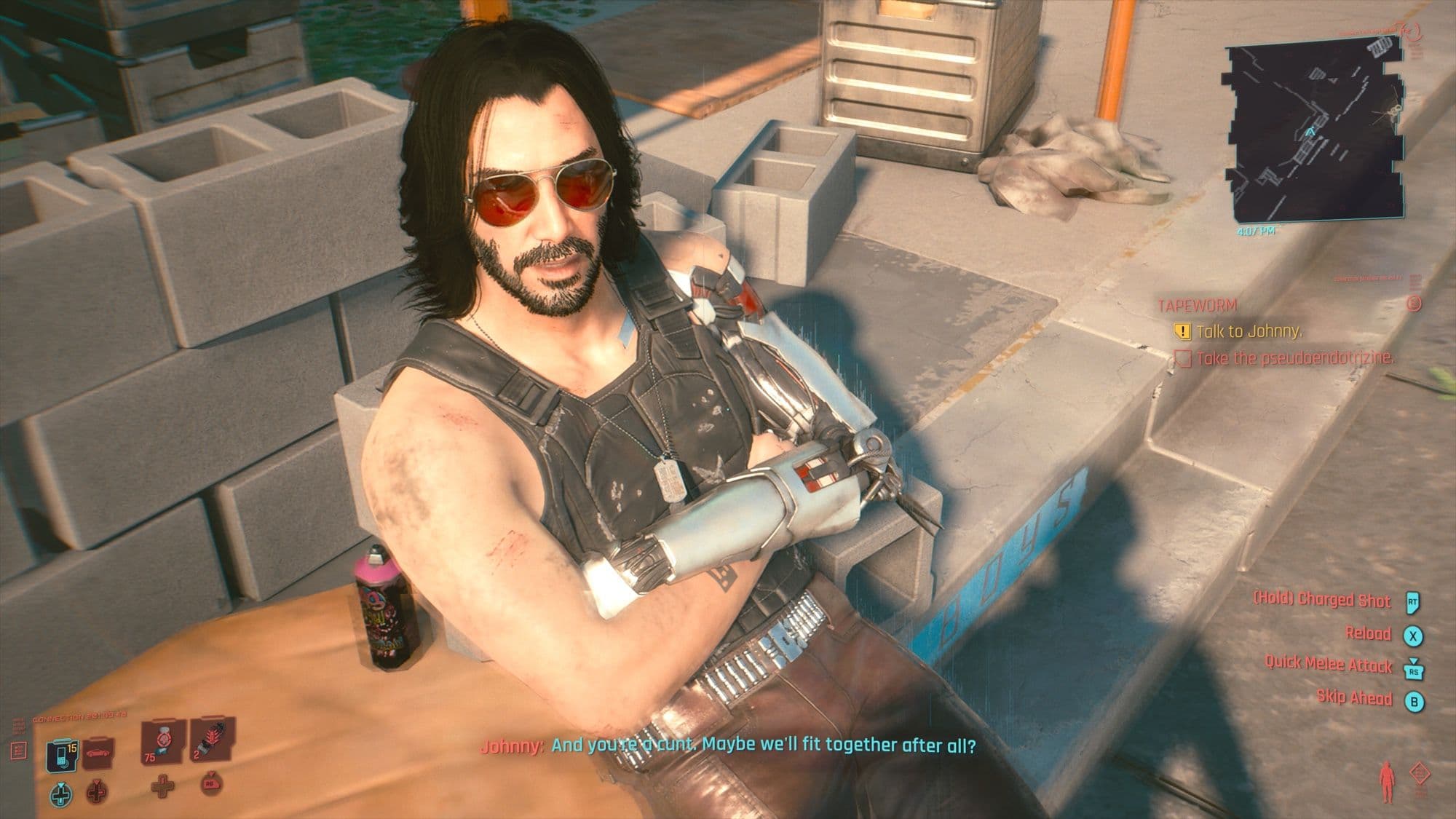
Johnny Silverhand's presence is a constant factor in V's narrative journey.
Johnny Silverhand, brought to life by Keanu Reeves, is the narrative’s volatile engine and its most divisive element. Reeves’ performance isn’t about theatrical range; it’s a masterclass in laconic, world-weary charisma that perfectly captures a relic raging against a world that moved on without him. His dry wit during your explorations and his passionate, anarchic tirades provide a constant, compelling counterpoint to V’s more immediate survival instincts. Where this casting choice falters for some is in the moments demanding raw, unhinged fury—the performance can feel restrained when the script calls for a terrorist’s venom. Yet, this slight disconnect often works in the story’s favor, hinting at the construct’s artificiality and the fading echo of the man he once was. He is less a traditional sidekick and more a corrosive, philosophical parasite whose goals gradually become entwined with your own.
The true narrative triumph of Cyberpunk 2077 isn’t Johnny, but the profoundly human relationships built on the periphery of his and V’s shared crisis. Characters like Judy Alvarez, the idealistic braindance techie fighting to free exploited workers, or Panam Palmer, the proud Nomad battling for her clan’s future, are written with a depth and vulnerability that makes them feel genuinely alive. Your interactions with them aren’t mere quest-giver transactions; they are multi-act stories of trust, betrayal, and hard-won loyalty. Losing your best friend, Jackie Welles, early on—a moment undermined by its rushed montage buildup—hurts precisely because the game then spends dozens of hours showing you what real, earned friendship looks like in this brutal city. These side narratives aren’t optional filler; they are the emotional core of the experience, often surpassing the main plot in resonance.
This excellence in character writing makes the game’s ludonarrative dissonance all the more glaring. The main story pounds a relentless drumbeat of urgency: a biochip is rewriting your brain, you’re coughing up blood, and Johnny’s presence is a constant reminder that you have weeks, maybe days, to live. Yet, the game simultaneously drowns you in distractions—side gigs, car races, boxing matches, and leisurely drives to admire the skyline. You can spend 40 real-world hours helping strangers and buying apartments while your character is supposedly dying by the minute. The game never imposes a mechanical timer, which is a merciful design choice for completionists, but it creates a jarring narrative friction. The tension isn’t between life and death, but between the story the game is telling and the story the player wants to experience.
When you finally engage with that central crisis, Cyberpunk 2077 delivers where it counts most: consequence. The choices you make throughout your journey—who you befriend, who you betray, the promises you keep—culminate in one of the genre’s most impactful finale systems. We’re not talking about a color-coded ending slide; we’re talking about seven distinct endings, some with multiple final missions, that are directly locked behind your relationships and key decisions. Helping Panam’s Aldecaldos or forging a specific bond with Johnny doesn’t just add a scene; it unlocks entirely new pathways to the game’s conclusion, complete with unique gameplay sequences and radically different emotional payoffs. This is the RPG promise fulfilled: your V’s world is uniquely shaped by your actions, leading to a finale that can feel nihilistic, bittersweet, or cautiously hopeful.
However, reaching that powerful finale requires navigating a main story that can feel surprisingly brief. A focused playthrough of the critical path can wrap in 15 to 25 hours, a stark contrast to the epic, 50-hour core narrative of The Witcher 3. This brevity isn’t inherently bad—it’s a tight, cinematic thriller—but it means that the profound weight of the endings is disproportionately carried by the side content you chose to engage with. If you beeline the main jobs, your connection to Night City and its inhabitants will feel thin, making the finale’s emotional stakes land with less impact. The game’s best narrative experience is an unbalanced recipe: a short main story that requires a long investment in optional material to achieve its full potency.
This unevenness extends to the game’s tone, which can lurch from nuanced, mature tragedy to edgy, juvenile set-dressing. One moment you’re navigating the delicate trauma of a braindance editor who has witnessed horrific abuse, and the next you’re tripping over a dildo club in a crime boss’s loot room or being bombarded by the sleazy, hypersexualized ads of Chromanticure. The world’s pervasive griminess often serves its dystopian themes, but it occasionally crosses into a kind of adolescent shock value that undermines the more thoughtful character drama. It’s a tension between the game Mike Pondsmith wrote as a “cautionary tale” and a game that sometimes can’t resist winking at the player with its own excess.
Ultimately, Cyberpunk 2077’s narrative is a patchwork of brilliance and baffling choices. It houses some of the most well-written characters and consequential endings in modern RPGs, all orbiting a central relationship that defines the experience. Yet, it struggles to harmonize its urgent, personal tale with the leisurely pace of open-world exploration, and its tonal control can slip at crucial moments. You play it for the quiet conversations with Judy on her rooftop, for the desperate alliance with Panam under the desert stars, and for the profound silence that follows your final, weighty choice. The journey to get there can be messy, but the destination is unforgettable.
Technical Performance: From Disaster to Next-Gen Showcase
The story of Cyberpunk 2077 is inseparable from its technical performance—a narrative of catastrophic failure and remarkable redemption that fundamentally shaped its legacy. To discuss the game today is to analyze a moving target, a title that has evolved from an unplayable mess on last-gen consoles into a legitimate next-gen showcase, albeit one that can’t quite erase every scar from its disastrous birth.
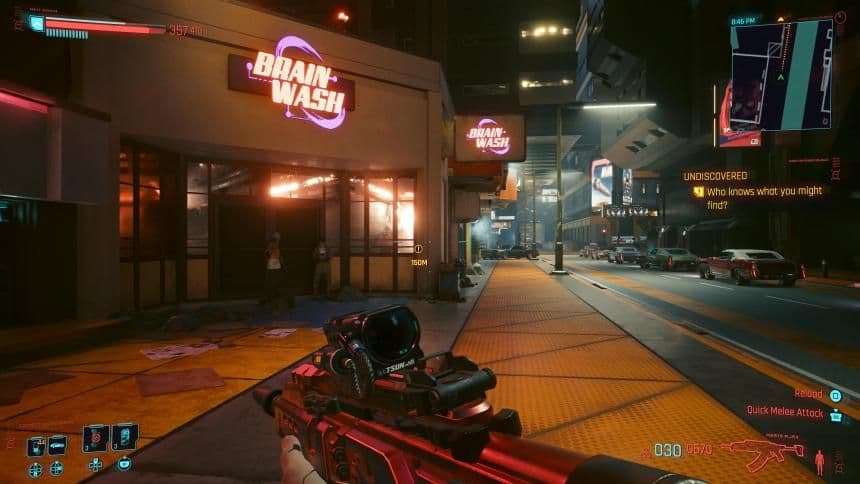
The PS5 version of Cyberpunk 2077 offers significant graphical and performance upgrades.
On high-end PCs and current-gen consoles, Cyberpunk 2077 now stands as a visual benchmark. The implementation of Ray Tracing and, more recently, Path Tracing transforms Night City from a static painting into a living, breathing organism. Neon signs don’t just glow; they cast authentic, colored light that bleeds onto rain-slicked asphalt and the chrome of a passing car. Reflective surfaces, from skyscraper windows to puddles in grimy alleyways, create a dizzying sense of depth and scale. This isn’t just graphical flair; it’s environmental storytelling that sells the oppressive, sensory-overload atmosphere of hyper-capitalism. The game’s art direction was always stunning, but these technologies finally render it with the fidelity it deserved.
The audio design is equally masterful, deserving of its own paragraph. The soundtrack is a character in itself, shifting seamlessly from the melancholy synthwave of exploration to thunderous, pulse-pounding combat tracks that make every firefight feel cinematic. The in-universe radio stations, featuring custom songs from artists like Run The Jewels, aren't just background noise—they are world-building, offering cynical commentary on Night City’s struggles that you absorb while cruising through its districts. The soundscape of crowded markets, distant sirens, and overheard conversations creates a constant, believable hum of life.
This polished experience is heavily platform-dependent. On PlayStation 5 and Xbox Series X, the game achieves a stable 60fps in performance mode, with drastically reduced load times that make dying a minor inconvenience rather than a 45-second penalty. The PS5 version leverages the DualSense controller effectively, with adaptive triggers providing tangible resistance when firing heavy weapons and haptic feedback translating the rumble of your car’s engine or the impact of melee strikes. However, the experience frays at the edges. On the Nintendo Switch 2, which targets 1080p with DLSS, the compromise is stark. While exploration is serviceable, driving through dense city areas strains the hardware, and large-scale combat can tank the frame rate below 20fps, significantly impacting playability. It’s a testament to the porting effort, but a clear reminder that Night City demands powerful hardware.
For all its improvements, Cyberpunk 2077 is not a bug-free experience, even in its current Version 2.12 state. The game-breaking, quest-halting catastrophes of launch are gone, replaced by a persistent layer of immersion-breaking quirks. You’ll still encounter the occasional T-posing NPC, a car spawning inside another, or physics objects deciding to defy gravity in a comical dance. More frustrating are lingering UI and system bugs: the Quickhack menu remains a cumbersome chore to navigate, sometimes failing to register swaps, and the game still occasionally flags random junk as a permanent quest item, cluttering your inventory. These aren’t dealbreakers, but they are persistent reminders of the game’s troubled foundation, poking holes in the meticulously crafted atmosphere at inopportune moments.
This is particularly noticeable in the UI/UX design, which feels built for a monitor, not a handheld screen. The text throughout menus, skill trees, and item descriptions is notoriously small, making navigation a strain on devices like the Steam Deck or Switch 2 without significant zooming. This, combined with the aforementioned clunky Quickhack menu and an inventory system that showers you with largely useless loot, creates a layer of friction between the player and the empowering fantasy. You’re a cybernetically enhanced god in the streets, but a fumbling librarian in your own menu.
Ultimately, the technical journey of Cyberpunk 2077 is a story of two truths. It is now a visually and sonically breathtaking experience that can justify a high-end PC or current-gen console purchase, fulfilling the next-gen promise that was so blatantly broken at launch. Yet, it is also a game that carries the ghost of its past in every minor glitch and interface annoyance, a permanent footnote to its own ambition. The transformation is impressive, but not quite complete.
Phantom Liberty and the Ultimate Edition: Is It Worth It?
Three years after its launch, the question isn't whether Cyberpunk 2077 is fixed, but whether its complete package—the rebuilt base game and its stellar expansion—is worth your time and money. The answer is a resounding yes, but with a crucial caveat: this is a game that demands you meet it on its own terms. The Ultimate Edition represents the final, definitive form of a project that has undergone one of gaming’s most dramatic redemptions, bundling the transformative Phantom Liberty expansion with the overhauled core experience. For anyone who waited, this is the payoff.
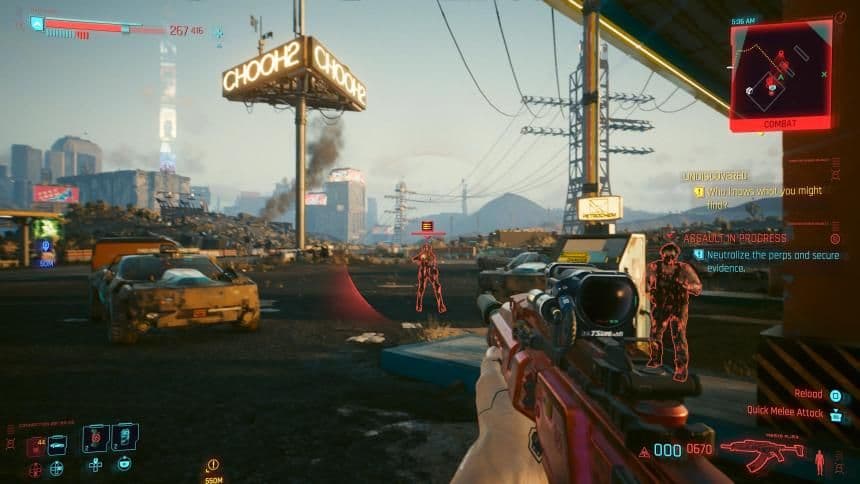
The next-gen upgrade significantly improved the game's stability.
The crown jewel of this package is, without question, Phantom Liberty. Set in the new, walled-off district of Dogtown, this expansion shifts the tonal dial from noir detective story to a full-blown, Bond-style spy thriller. The writing here is CD Projekt Red operating at its absolute peak, leveraging the hard-won lessons from fixing the base game. The central narrative, revolving around a crashed orbital shuttle and a rescue mission for the President of the New United States, is a masterclass in escalating paranoia and moral compromise. Where the main game’s urgency often clashed with its open world, Phantom Liberty tightens the screws with a relentless pace, where every alliance feels temporary and every safehouse could be compromised. The infiltration of Kurt Hansen’s black-tie party is a standout sequence, a perfect blend of social stealth, environmental storytelling, and tense decision-making that repeatedly challenges your allegiances.
The expansion’s secret weapon is Idris Elba as Solomon Reed, a disgraced FIA agent. His performance is a masterclass in restrained intensity, bringing a depth of motivation, regret, and weary professionalism that surpasses even the best characters in the base game. Where Keanu Reeves’ Johnny Silverhand is a charismatic, corrosive force, Elba’s Reed is a chillingly pragmatic one. Their dynamic—the idealistic terrorist versus the disillusioned government man—creates the game’s most compelling philosophical friction.
In terms of pure value, the Ultimate Edition offers a staggering amount of content. A completionist run through the main story, substantial side quests, and Phantom Liberty can easily cross the 100-hour mark. This isn't padded with generic busywork; the Cyberpsycho sightings and most gigs have unique narrative hooks, and the expansion adds a whole new skill tree, new vehicles, and high-level endgame content. For the price of a standard new release, you're getting what feels like two full games—one a sprawling, personal RPG epic, the other a tightly wound cinematic thriller. It’s a proposition that’s hard to argue against.
This immense package, however, crystallizes exactly who Cyberpunk 2077 is for. This is not a game for players seeking a finely tuned, competitive first-person shooter or a deeply systemic immersive sim. It is, first and foremost, a narrative-heavy RPG draped in a breathtaking cyberpunk aesthetic. Your enjoyment hinges on your investment in V’s relationships, your curiosity about Night City’s lore, and your appetite for customizing a powerful build to express your own version of the power fantasy. If you’re here purely for the gunplay, you’ll find it merely serviceable, propped up by excellent RPG progression. If you’re here for the stories of people fighting to retain their humanity in a city that’s sold its soul, you’ll find one of the richest worlds in the medium.
Cyberpunk 2077: Ultimate Edition is a flawed masterpiece, but a masterpiece nonetheless. The flaws—the occasional physics glitch, the enemy AI that never quite rises to meet your godlike power, the menu systems that feel like a chore—are the scars of a traumatic birth. They are visible, but they no longer define the experience. What defines it is the emotional weight of Judy’s quest for justice, the desperate camaraderie of Panam’s clan, the corrosive poetry of Johnny’s rants, and the gripping, morally gray espionage of Dogtown. This is a game that finally, triumphantly, delivers on the breathtaking ambition of its initial vision. It’s not perfect, but it is unforgettable.
Pros:
- A stunning, dense open world that remains a visual and atmospheric benchmark.
- Unparalleled flexibility in character builds, supported by deep RPG systems and transformative cyberware.
- Some of the best character writing and side content in any RPG, with emotional payoffs that linger.
- The Phantom Liberty expansion is a narrative triumph, featuring top-tier performances and a gripping spy-thriller plot.
- Massive value, offering well over 80 hours of high-quality content for completionists.
Cons:
- Lingering minor bugs and quirky physics can occasionally puncture immersion.
- Enemy AI and challenge level often fail to match the depth and power of the player’s toolkit.
- An overwhelming amount of loot and menu management can feel at odds with the slick power fantasy.
- The main story’s urgent tone remains in constant tension with the open-world’s leisurely pace.