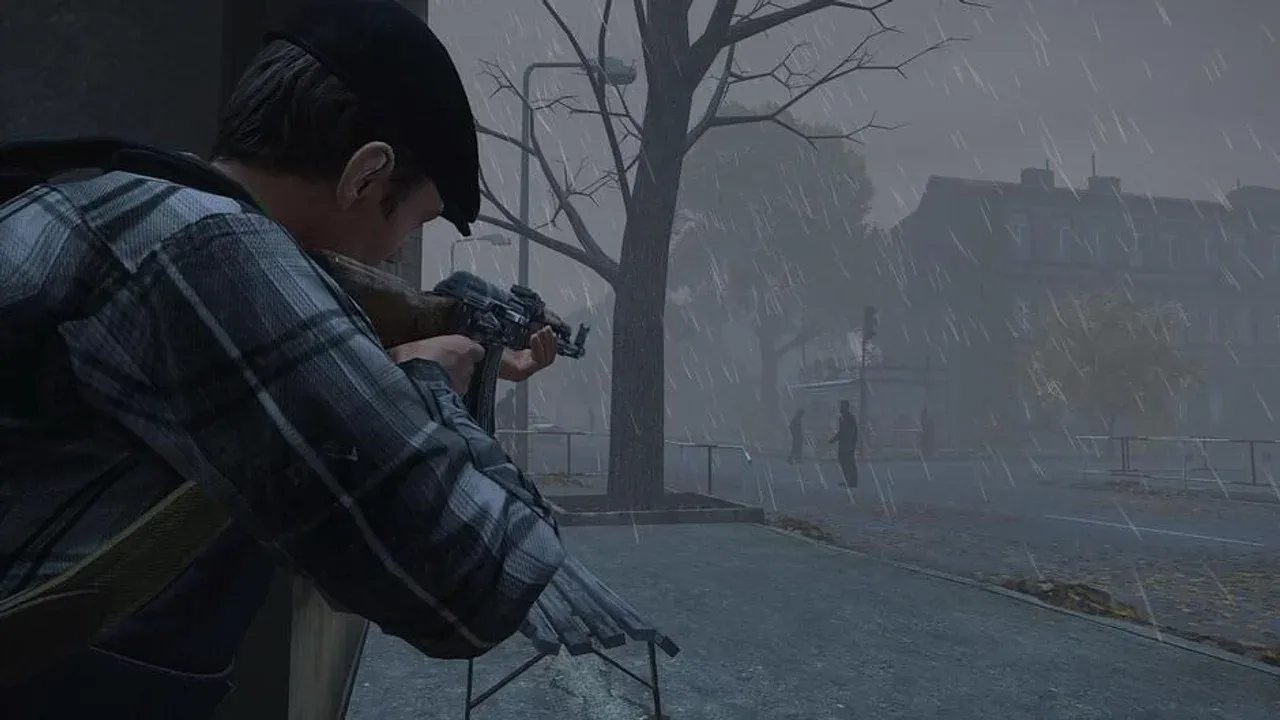
A raid becomes griefing before the first wall breaks. The deciding questions are why you are attacking, how you communicate it, how much force you bring, and whether the server allows that action at that moment. DayZRP, DayzUnderground, and StalkerZ enforce those questions differently, so the same breach can be valid on one community and a rule violation on another.
Rules First: Compare the Three Raid Gates
| Community | Motive and communication | Force and timing gate | Verify before you start |
|---|---|---|---|
| DayZRP | A raid must fit the roleplay situation; lowering a territory flag is itself treated as a raid action, and hostile activity must be communicated through the server's recognized in-game interaction. | Do not use flag decay or silent damage as a substitute for an authorized raid. | The target's territory status, the raid rule, and the required in-game communication. |
| DayzUnderground | A raid is a “Significant Action” that needs a realistic reason and a proportionate response. | Repeated purposeless raids, offline attacks, large-group pressure, joint raids, and exploit-based access can violate its broad “Don't Be a Jerk” rule. | Your reason, group size, allies, access method, and stopping point. |
| StalkerZ | Hostile initiations must be verbal and clear; a faction raid needs faction-leader approval in the attack log. | Faction raids are limited to once every 24 hours, or 72 hours for Free Stalkers, and the server must have at least 60 players when the raid starts. War raids use a separate ticketed time window. | Cooldown, population, attack-log approval, and any war ticket or defender condition. |
This table is the useful distinction: DayZRP makes the territory state and communication part of the roleplay, DayzUnderground judges motive and proportionality, and StalkerZ adds explicit administrative and numerical gates. “The gate takes damage” answers none of those questions.
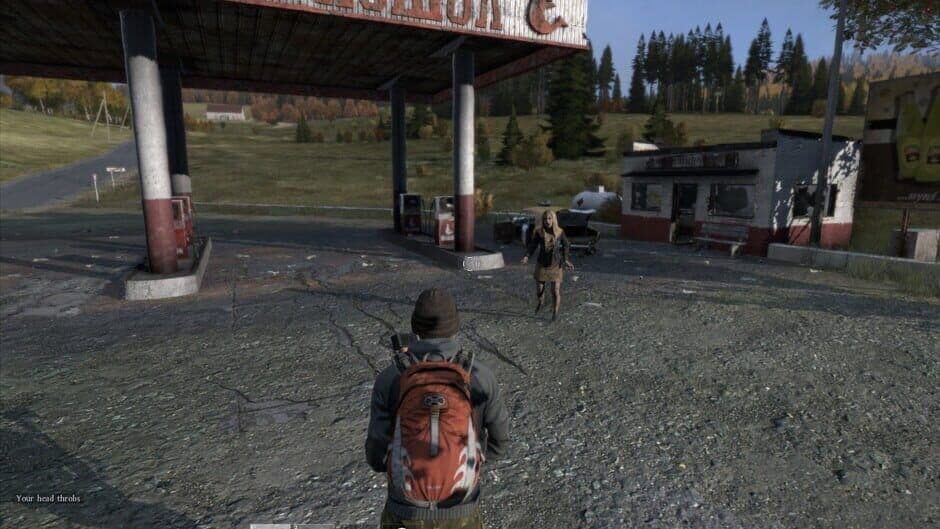
A tense encounter is the first rule a raid has to survive.
DayZRP: Treat Flag State and Communication as Raid Actions
DayZRP's published rules make the territory flag more than a base-maintenance object. Lowering another group's flag to make its base decay is treated as a raid action, not harmless upkeep. If the server's roleplay and raiding rules do not authorize that action, the fact that the game lets you touch the flag does not make it safe.
The communication requirement follows the same logic. A hostile interaction must be understandable to the people involved; silent destruction cannot replace the roleplay that gives the attack its context. Use the communication method DayZRP recognizes, make the hostile action legible to the defending side, and keep a recording of what was said and done.
Do not confuse communication with a universal warning or a defender's veto. The point is narrower: check what DayZRP requires before the attack, then satisfy that requirement before touching the territory or its defenses. Flag state, roleplay context, and raid permission are separate checks.
DayzUnderground: Keep Motive and Force Proportionate
DayzUnderground defines a raid or base attack as a “Significant Action” and asks for a realistic reason and a proportionate response. Its broad “Don't Be a Jerk” rule covers the cases a short tool list cannot: repeatedly hitting the same target without a larger story, intentionally attacking while the victim is offline, and dismantling a base for materials can all become rule violations.
The route to a base matters as much as the tools you carry.
Numbers are part of proportionality. DUG tells large squads to split up, rejects double-digit roaming and attacks, and warns that two large groups joining a raid is not equivalent to two small groups cooperating. The rule is not trying to make every fight equal; it prevents a numerical steamroll from removing all meaningful counterplay.
The access rules are concrete too. A raid may use a lock hammer, explosives, guns, melee tools, or a limited boost, but that boost is capped at one other player, a vehicle, or another structure. Shelters, tents, backpacks, fireplaces, and mannequins are excluded as substitutes for a legitimate route. DUG also encourages leaving a note after a raid, giving the target a lead for the next story beat instead of ending the interaction with unexplained destruction.
For DUG, write down the in-character reason, the people who are actually taking part, the method of entry, and the damage you intend to cause. If those four things do not line up, the raid is already outside the spirit of the rules.
StalkerZ: Verify Cooldown, Population, and Approval
StalkerZ's faction rules use a hard pre-raid gate. A faction may raid another faction's base once every 24 hours; the interval is 72 hours for Free Stalkers. The server population must be at least 60 when the raid begins, and the faction leader must approve the action in the relevant attack log.
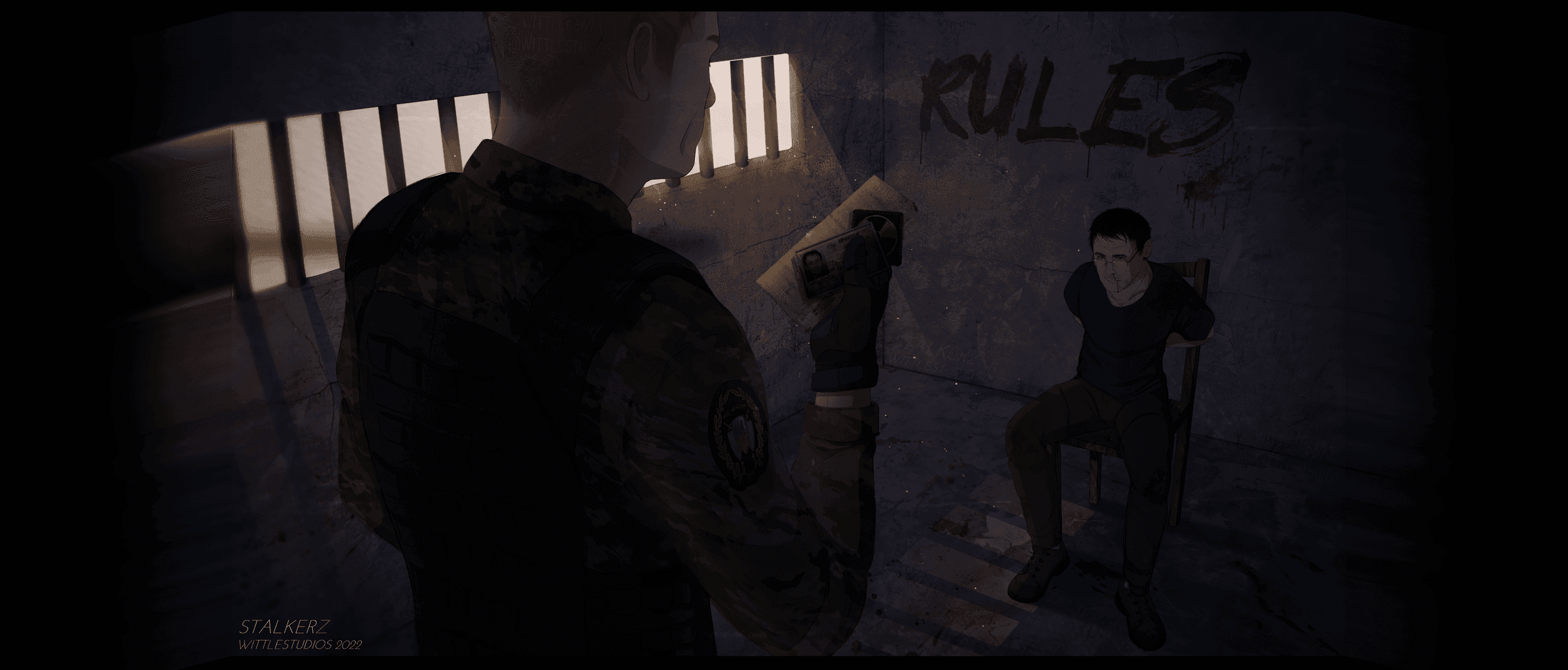
StalkerZ makes faction procedure part of the raid.
Treat each item as a condition, not background information. Check the population at the start, confirm the approval exists, and identify whether the target is a faction base, a faction garage, or a faction FOB. StalkerZ's rules do not treat those locations as interchangeable.
Faction wars add a separate procedure. Only one raid attempt is allowed, and the raid and assaults must use the agreed time window coordinated through a ticket. Both factions are expected to be online and defending during that window. The same rules require hostile initiations to be verbal and clear, so a valid time window does not remove the communication requirement.
Record the Rule Before You Record the Breach
Before a raid on any community server, save four pieces of information:
- the exact rules page and the rule that covers this target;
- the in-character reason and the narrow objective;
- the required approval, notice, population, cooldown, or time window;
- the point where the authorized action ends.
Then record the interaction, approval, and start condition while you play. This is not a substitute for following the rules; it is what lets staff distinguish a permitted raid from an exploit, an offline hit, or damage that continued after the objective was complete.
DayZRP asks whether the attack belongs inside its roleplay and communication rules. DayzUnderground asks whether the motive, numbers, and damage remain proportionate. StalkerZ asks whether the faction has cleared its approval and numerical window. Those are three different definitions of a raid, and the wall in front of you does not tell you which one applies.