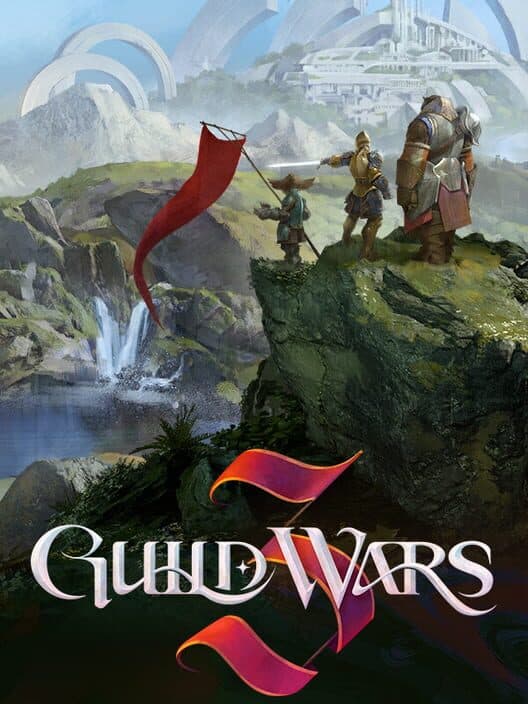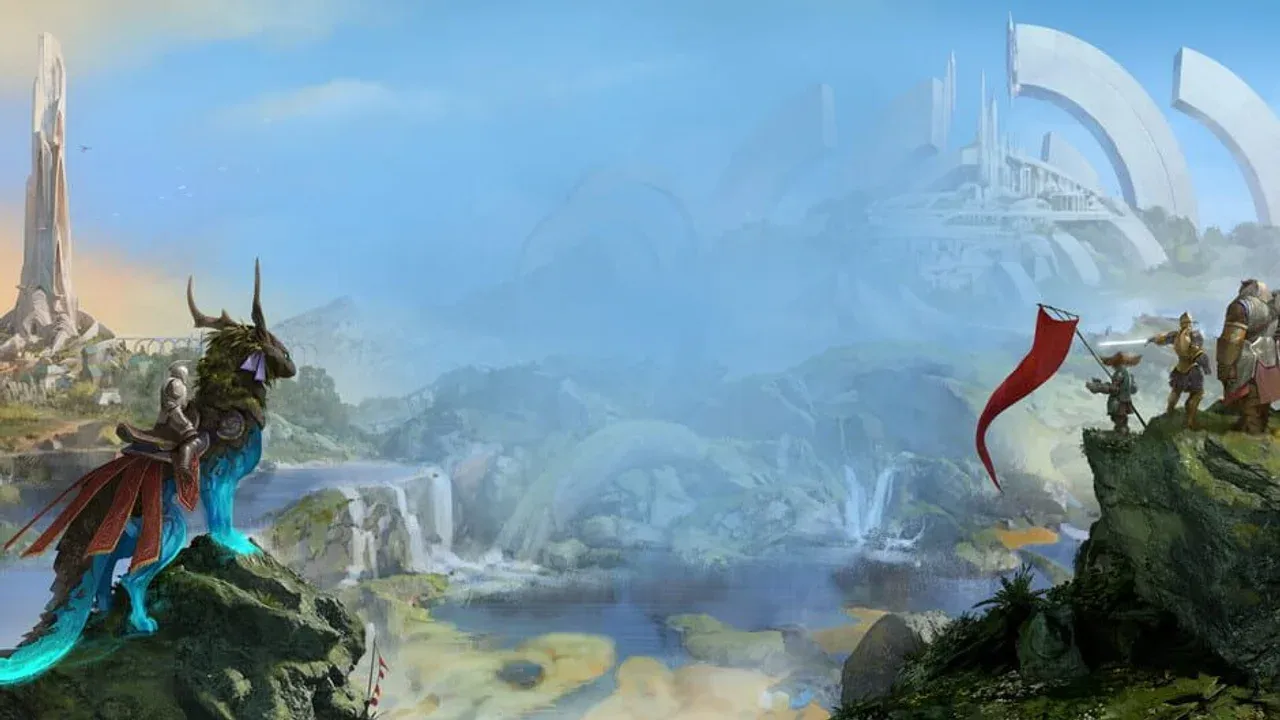
ArenaNet Confirms Guild Wars 3 Development and MMORPG Status
ArenaNet has officially confirmed the development of Guild Wars 3 and classified it as an MMORPG, according to a blog post published earlier this week by studio head Colin Johanson. This announcement ends years of speculation and confirms the next major installment in the long-running franchise.
The confirmation directly addresses a core question from the community regarding the game's genre. In the post, Johanson stated that Guild Wars 3 "lands near the middle of the MMO spectrum." He elaborated, "While it fits the definition of an MMORPG significantly more than Guild Wars Reforged does, it doesn't try to replicate the large-scale gameplay pillars that so uniquely define Guild Wars 2."
ArenaNet's vision for Guild Wars 3.
This official classification places Guild Wars 3 firmly within the MMORPG category, while also signaling a distinct design philosophy from its predecessor. The studio's intent, as explained by Johanson, is to create a different experience that allows all three Guild Wars titles to coexist. The announcement has ignited widespread discussion and speculation among players on social media regarding the game's potential direction.
The MMO Spectrum: How Guild Wars 3 Fits into the Franchise
Guild Wars 3 will position itself between the distinct designs of its two predecessors, according to ArenaNet's newly outlined "MMO spectrum." The studio's leadership has provided a framework to understand where the upcoming title fits within its own franchise's evolution.
In a recent blog post, ArenaNet studio head Colin Johanson categorized the series' existing titles. He described the original Guild Wars as a "cooperative online RPG" that the community adopted as an MMO, noting its mission-based structure and shared social hubs. Guild Wars 2, in contrast, was built from the ground up as "a true-blue MMO" that actively played with genre conventions. For Guild Wars 3, Johanson stated it "lands near the middle of the MMO spectrum."
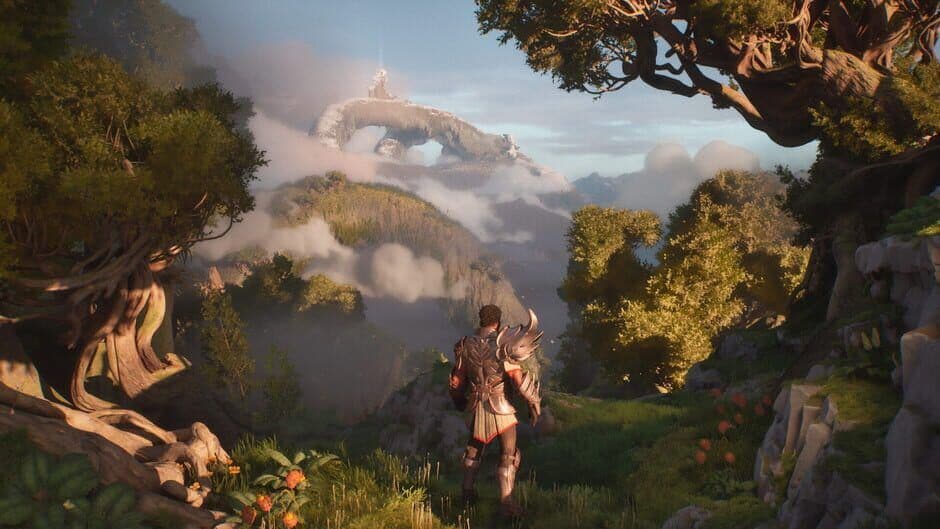
Guild Wars 3 gameplay mechanics in action.
The studio explicitly contrasted the new project with both prior games. "While it fits the definition of an MMORPG significantly more than Guild Wars Reforged does, it doesn't try to replicate the large-scale gameplay pillars that so uniquely define Guild Wars 2," the blog post explained. This deliberate positioning is intended to allow all three games to coexist as separate experiences.
Johanson openly acknowledged that these details remain "broad and vague," with only a rough concept of the game available at this early stage. The announcement has nonetheless ignited widespread player speculation across social media about the potential final shape of the project, given the vast mechanical differences between the first two entries in the series.
A Shared Universe: Coexisting Timelines in the World of Tyria
ArenaNet has confirmed that Guild Wars 3 will be set in the world of Tyria, but on a distinct narrative timeline, allowing it to run concurrently with its predecessors. According to a blog post from studio head Colin Johanson, the new game’s position on the “MMO spectrum” is a deliberate design choice to facilitate this coexistence.
The studio's plan explicitly involves three separate timelines and stories unfolding simultaneously within the same universe. "This ensures that all three of our games can coexist as different experiences on different timelines, telling different stories about the world of Tyria," Johanson wrote in the official announcement. This means the narrative of Guild Wars 3 will not supersede or replace the ongoing stories in Guild Wars 2 or Guild Wars Reforged.
This approach establishes a shared universe where each title offers a unique entry point and perspective on Tyria. Players will be able to engage with different eras, conflicts, and character arcs across the three live games. The strategy aims to expand the franchise's world-building without invalidating the established narratives and player investments in the existing titles.
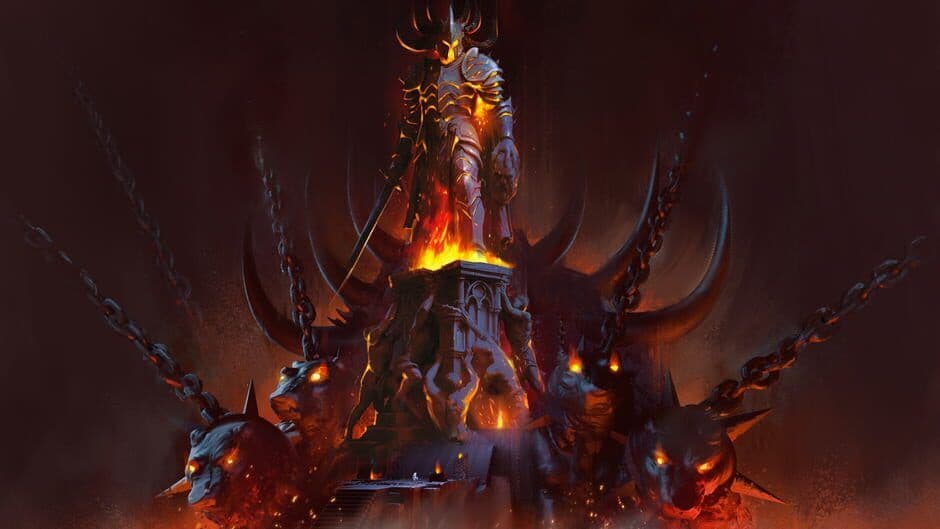
Narrative concept art.
Market Impact and the Future of the Guild Wars Series
The announcement of Guild Wars 3 arrives at a pivotal moment for the MMO genre, directly impacting a market landscape where, as PC Gamer's Harvey Randall noted, "loving MMOs … is an exercise in frustration, grief, and moving on." ArenaNet's confirmation that the new title will occupy a distinct, middle-ground position on the MMO spectrum ensures it will not directly compete with the persistent worlds of World of Warcraft or Final Fantasy XIV, nor will it cannibalize its own predecessor, Guild Wars 2. Instead, it seeks to carve out a new niche.
This strategy of coexistence, where three different games serve different playstyles within the same universe, is a direct response to player fatigue with the traditional "sequel-as-replacement" model common in live-service gaming. By positioning Guild Wars 3 as a complementary experience, ArenaNet is betting on retaining its established community while attracting players seeking a different pace and scale from a modern MMO. The studio’s blog post explicitly states this design ensures all three games "can coexist as different experiences."
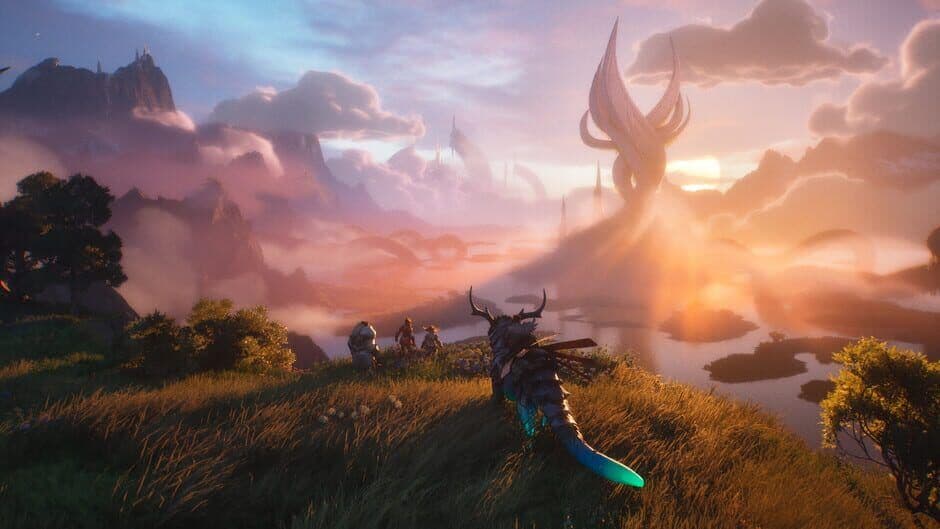
Guild Wars 3 gameplay demonstration.
Initial player sentiment, as reflected in rampant social media speculation, reveals both excitement and cautious curiosity. The vague nature of the announcement has led to a wide range of guesses about the game's final form, from a New World-like survival MMO to a spiritual successor to Guild Wars 1. This uncertainty underscores a broader market hunger for innovation within the genre's framework.
For the Guild Wars series, this signals a long-term commitment to Tyria as a multi-faceted setting. The franchise's future now hinges on successfully maintaining three active product lines, a complex but potentially rewarding endeavor that could set a new precedent for how MMO franchises evolve without abandoning their existing player bases.