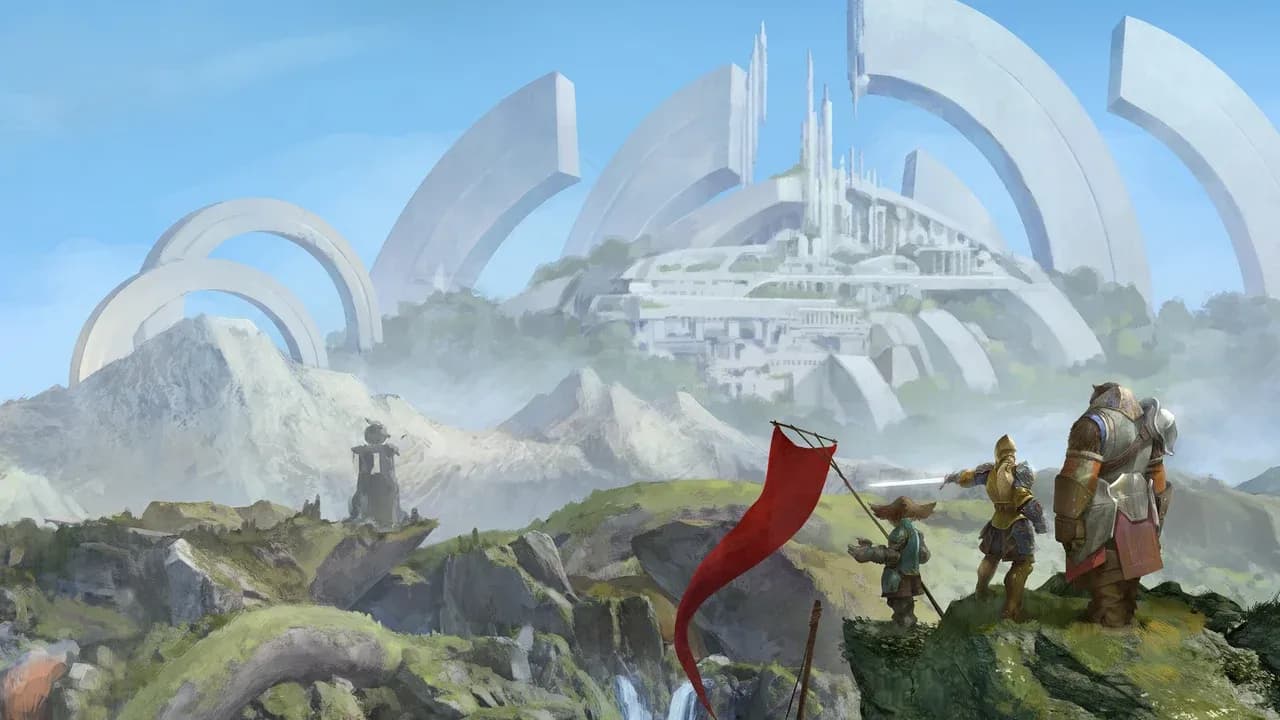
Guild Wars 3: A Bold Evolution or a Risky Departure?
Guild Wars 3 arrives not as a desperate successor, but as a confident declaration of intent. In an MMO landscape often defined by iterative sequels that replace their predecessors, ArenaNet’s most ambitious move is the one it makes before you even log in: the studio is committing to developing Guild Wars 3 alongside the ongoing support of both Guild Wars 2 and the remastered original, Guild Wars Reforged. This is a franchise betting on expansion, not succession. It’s a bold, almost unprecedented strategy in the live-service space, promising a unified but diverse Tyria where each game carves out its own distinct design philosophy and era. The risk of player-base cannibalization is real—history shows sequels can siphon a third of an active game’s audience—but the potential reward is a holistic ecosystem rather than a zero-sum game.
Guild Wars 3 is set to explore the franchise's distant past.
This vision is anchored by a brilliantly chosen setting. Guild Wars 3 is a prequel, set 1,200 years before the original Guild Wars in a version of Orr that is a verdant, magical wilderness, not the drowned, undead-cursed wasteland fans know. This is more than a lore deep-cut; it’s a masterstroke of accessibility. New players can step into this ancient frontier without the daunting homework of two decades of interconnected storylines, while veterans are offered the irresistible allure of exploring foundational myths and witnessing the origin of mysteries only referenced in older games. Both groups discover this world together, on equal footing. The studio’s promise that this is a world “both beautiful and fun to explore” is given immediate credence by this blank-slate approach—it’s a world built for discovery, not recap.
The decision to make Guild Wars 3 a prequel is its smartest design choice, transforming a potential lore burden into its greatest narrative and accessibility asset.
This prequel framework also informs the speculated shift in genre philosophy. Evidence points toward Guild Wars 3 leaning into an “MMOLite” or “CORPG” design, focusing on tightly authored, story-forward content for solo players or small “bands of adventurers.” The emphasis on a “joy of movement” and action-RPG combat, designed from the ground up for a PlayStation 5 controller, suggests a move away from the massive, chaotic meta-events of Guild Wars 2’s open world. Instead, we might see a return to the more instanced, build-centric group play of the original Guild Wars, modernized for an audience that craves impactful moment-to-moment gameplay over sheer scale. ArenaNet reinforcing Guild Wars 2’s large-scale World vs. World mode separately hints that Guild Wars 3 is being crafted for a different, possibly more focused, type of social play.
Ultimately, this opening gambit reveals a studio not running from its past, but thoughtfully curating its future. Guild Wars 3 isn’t here to kill Guild Wars 2; it’s here to offer a different conversation within the same universe. By setting its story in a forgotten age and designing for a potentially different social scale, it avoids direct competition with its siblings. The ambition is clear: to modernize the MMORPG template for an era that values responsiveness, respect for time, and visceral action, all while expanding the franchise’s reach to console players for the first time. Whether this tripartite strategy is a sustainable masterpiece or a logistical folly is the defining question hanging over the entire project. For now, it’s a thrilling premise.
Guild Wars 3 Combat: Can It Usher in a New Type of MMO Experience?
The most radical promise of Guild Wars 3 isn't its prequel setting or console debut, but its combat philosophy: to merge the visceral, moment-to-moment thrill of an action RPG with the cerebral, long-term strategy of a classic MMO. This is a hybrid system built on two foundational pillars—the kinetic joy of movement and the deep, granular legacy of skill collection. It’s a high-wire act, and where it succeeds or fails will define the entire experience.
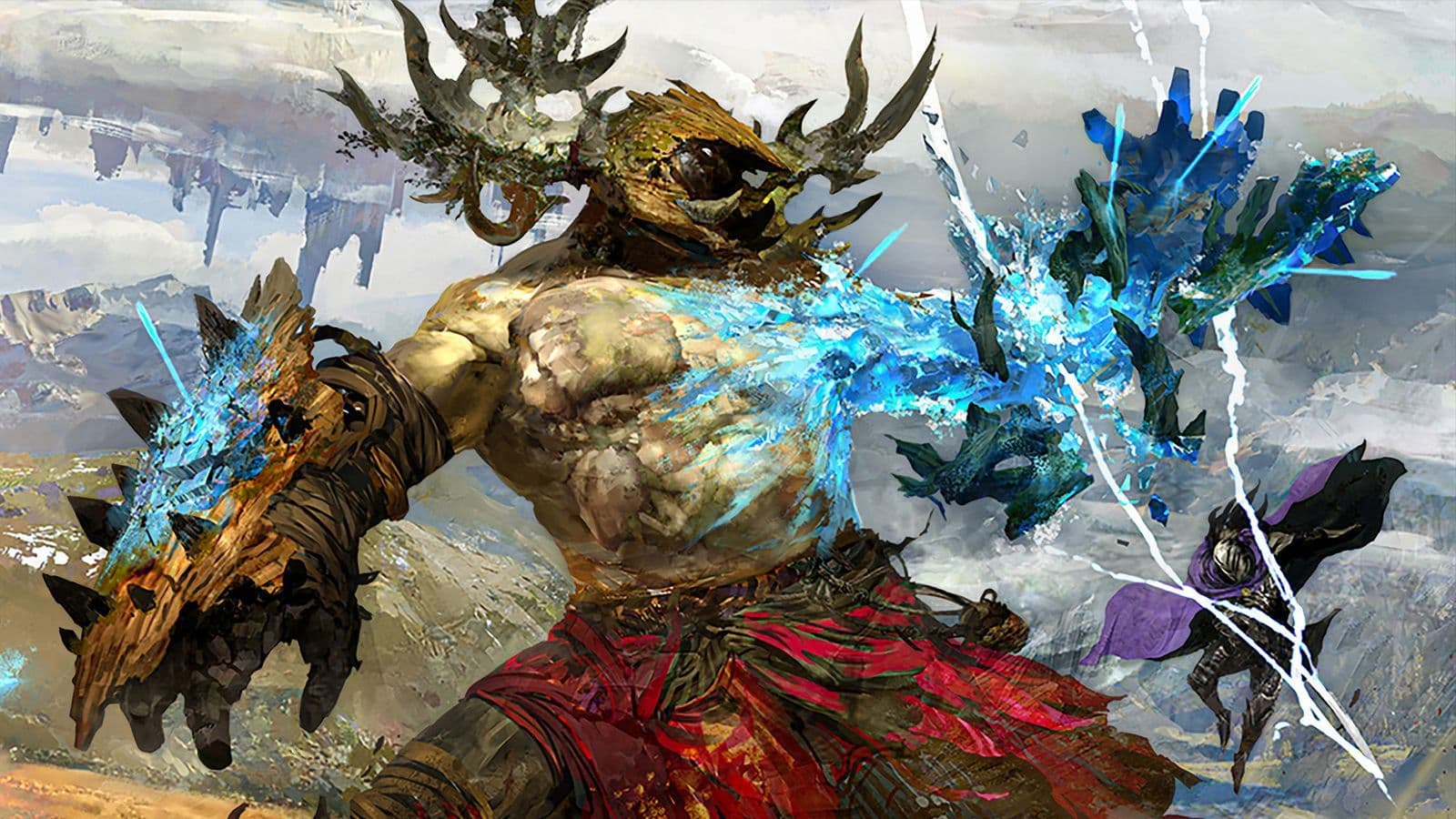
Guild Wars 3's hybrid combat system in action.
Let’s start with the good news, which for many veterans is the best news: the return of skill collection. This isn't a token nod to the past; it’s the full-throated revival of the original Guild Wars' defining mechanic. The promise of a vast pool of skills to hunt down, unlock, and experiment with—a system where your power isn't dictated by a level cap but by the breadth of your collection and the creativity of your combinations—is the single most convincing argument Guild Wars 3 makes to its core audience. In the original, reaching the level cap of 20 was trivial; the real game began in assembling a perfect eight-skill bar from over 1,300 options, with elite skills requiring you to track down and defeat specific world bosses. This transformed character building from a checklist into a treasure hunt and a puzzle. If Guild Wars 3 faithfully resurrects this, it will offer a strategic depth and player agency that has been largely absent from the genre for over a decade. Your build won't be a temporary stepping stone on a gear treadmill; it will be a personal statement, earned through exploration and mastery.
This deep build-crafting is then married to an action-oriented combat system designed to feel rewarding on both a keyboard and, crucially, a PlayStation 5 controller. ArenaNet isn't just adding controller support as an afterthought; they're building the combat from the ground up for dual-input parity, with an emphasis on positioning, momentum, and strategic skill use. The idea is that your movement—dodging, leaping, sliding—isn't just for traversal but is woven directly into your offensive and defensive capabilities. Landing a blow at the end of a sprint or a slide should, theoretically, carry more impact. This focus on kinetic feedback suggests Guild Wars 3 is targeting the muscle-memory satisfaction of games like Dragon's Dogma or Monster Hunter, a stark departure from the ability-bar cooldown management that defines most MMOs.
The potential here is immense: a combat loop where your tactical mind is engaged in skill selection and positioning, while your reflexes are tested in execution. It’s the dream synthesis of the franchise’s strategic soul and modern action expectations.
However, this hybrid approach carries significant risk, primarily around identity. The original Guild Wars was a slow, tactical, almost chess-like experience where positioning was deliberate and every skill use carried immense weight. By grafting that onto a faster, momentum-driven action framework, Guild Wars 3 risks diluting the very strategic patience that made its predecessor so compelling. Will "action-adventure" pacing leave room for the careful setup of combos and environmental manipulation? Or will it devolve into a flashier version of the ability-spam that plagues so many of its peers? The concern is that in chasing the "joy of movement," the game might sacrifice the "joy of deliberation."
This tension extends to the social layer. One of the most intriguing speculations is the return of a mercenary system—recruitable AI companions with their own progression trees, reminiscent of the original game's henchmen and heroes, but potentially modernized into a Dragon's Dogma-style pawn system. This would be a genius evolution, offering solo players the tools to experiment with team synergies and providing a constant sense of progression, even offline. It would perfectly complement the small-group "band of adventurers" focus and reinforce the build-crafting depth. Yet, it also highlights the "MMOLite" suspicion: if the best group content is designed for you and your AI companions, does Guild Wars 3 risk becoming a glorified co-op action RPG rather than a true massively multiplayer world?
In the end, Guild Wars 3's combat is its biggest gamble. It is attempting to please two masters: the veteran craving deep, collectible complexity and the modern player demanding immediate, controller-friendly action. If it balances these forces—if your hunted-for elite skill feels devastating not just on paper but in the crunch of a well-timed dodge-attack—it could indeed usher in a new type of MMO experience. If it stumbles, it will be a fascinating case of a game knowing exactly what its fans want, but perhaps misunderstanding how they want to feel it.
The Joy of Movement: How Traversal Defines the World of Orr
In a genre where moving from point A to point B is often a chore to be fast-traveled away, Guild Wars 3 makes traversal the main event. The promise of a “free-form joy of movement” isn't just marketing fluff—it’s the foundational philosophy that defines your relationship with the ancient, wild world of Orr. This isn't a landscape you simply pass through; it’ s a frontier you converse with, using a kinetic vocabulary of slides, leaps, and bounds that transforms exploration from filler into a core pillar of the gameplay loop. Where many MMOs treat their worlds as elaborate backdrops for combat encounters, Guild Wars 3 positions its world as the primary character, and your ability to move through it is the dialogue.
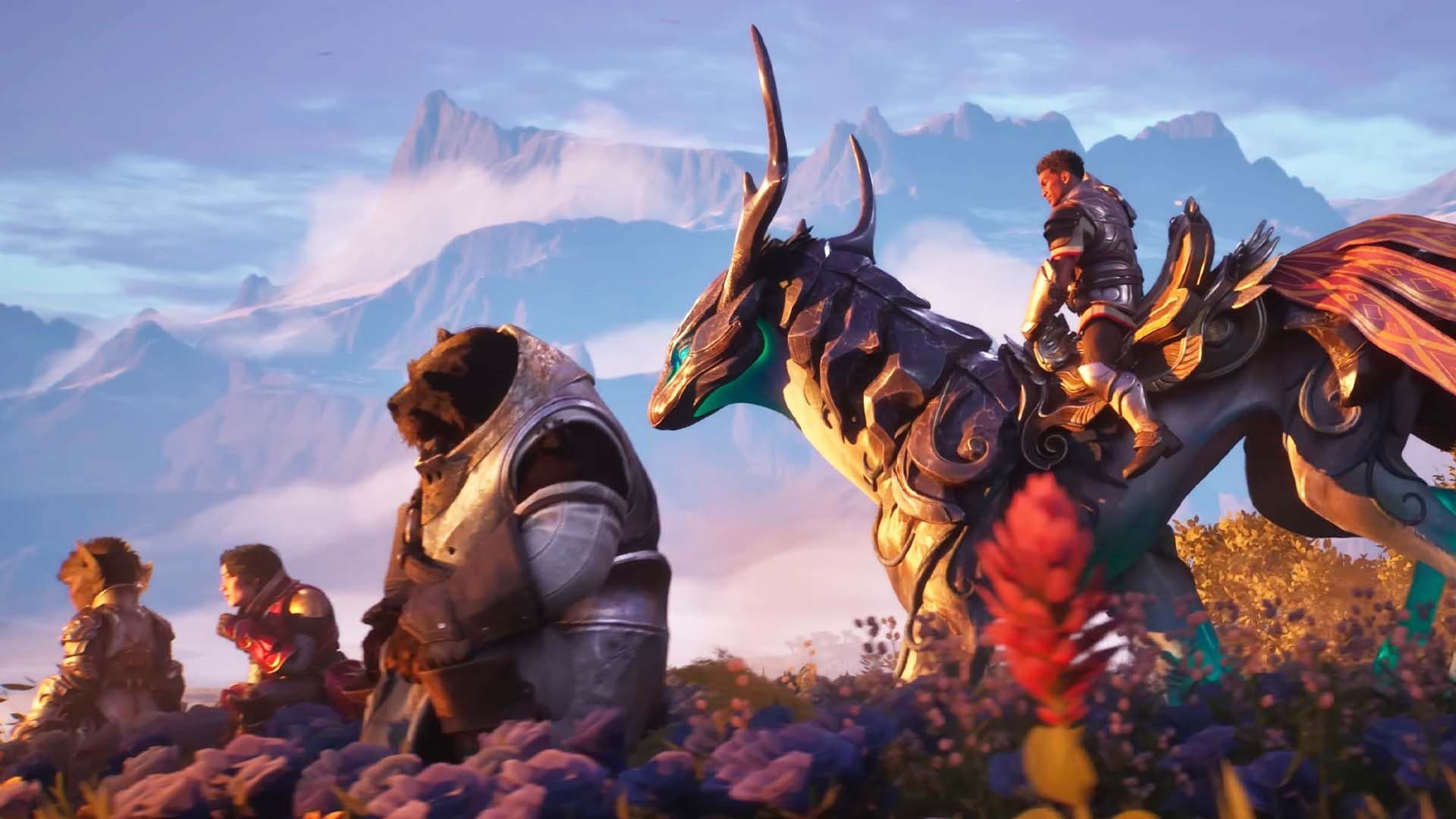
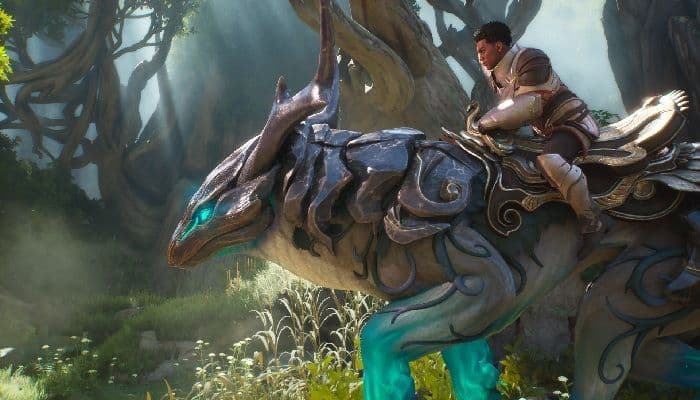
Mount-based traversal allows for fluid exploration across the vertical terrain of Orr.
This is most evident in the game’s momentum-based movement system. ArenaNet describes a “one-of-a-kind” mechanic where your speed and direction are preserved as you transition between actions—a sprint can fluidly become a slide, which can launch into a leap, carrying you across chasms or up cliff faces. This isn't just about adding a parkour button; it’s about creating a sense of physicality and flow that makes navigation an active, engaging skill. The intent is clear: to capture the exhilarating freedom of the best open-world action games and bake it into an MMO framework. When it works, it should feel less like navigating a UI map and more like mastering the terrain itself, where the most efficient path isn't a dotted line but a series of perfectly chained movements only you can see.
This momentum system is also the secret weapon of Guild Wars 3’s combat, promising that a well-timed dodge or a charging attack won’t just look cool—it will hit harder. Movement isn't divorced from combat; it’s the connective tissue.
Your primary partner in this dance with the landscape is your Seeker, the most notable of the Vael spirits. This entity serves a brilliant dual purpose: it is both a mount for covering vast distances and a spiritual tether to the land of Orr itself. As a mount, it’s not just a speed boost with a different model; it’s an extension of your movement vocabulary, presumably integrating into the momentum system for seamless transitions between foot and spirit travel. More importantly, as your connection to the world’s magic, the Seeker embodies your role as a Vaelwarden. You’re not a conquering hero or a wandering mercenary; you are a guardian sworn to protect the spirits and the land. This shifts the exploration paradigm from extraction—looting every node, clearing every point of interest—to stewardship. Your bond with the Seeker and, by extension, the other Vael spirits suggests that traversing Orr is about understanding and preserving its rhythms, not just dominating its geography.
The role of the Vaelwarden contextualizes the impressive variety of traversal tools. Gliding, leaping, and extensive mount riding aren't just a checklist of features borrowed from other games; they are the practical toolkit of a warden navigating a “sprawling wilderness frontier.” You’ll need to glide across canyons to reach a threatened spirit grove, leap between the branches of ancient trees to escape a corrupted beast, and ride your Seeker across open plains to intercept a rival guild. This variety, when woven into quests and world events that acknowledge your role as protector, has the potential to make every journey feel purposeful. The world isn't just big; it’s layered, demanding you use the right tool for the right environmental challenge.
However, the true test of this system won't be in its spectacle, but in its stamina. The risk with any movement-centric design is that the novelty of bounding across hillsides can curdle into repetitive commute once the honeymoon phase ends. Guild Wars 3 must ensure that the world of Orr is worth moving through—not just visually stunning, but dense with discovery, hidden pathways that reward a perfectly executed slide-leap, and spirits that react to your method of approach. If the traversal is deep and the world is shallow, the joy will be fleeting. But if ArenaNet succeeds in marrying this kinetic, joyous movement to a world that feels truly alive and worthy of a warden’s vigilance, then simply getting from one place to another in Guild Wars 3 could be more rewarding than the destination in most other games.
Respecting Player Time: Solving the 'Second Job' MMO Problem
The most radical promise of Guild Wars 3 isn't its combat or its world, but its foundational respect for you. In a genre notorious for demanding endless hours, ArenaNet has staked its reputation on solving the MMO's most insidious problem: the feeling that logging in is a second job. This isn't about dumbing down content; it's about surgically removing the friction that turns play into unpaid labor. From its monetization model to its daily loop, Guild Wars 3 is engineered for the player who has a life outside of Tyria.
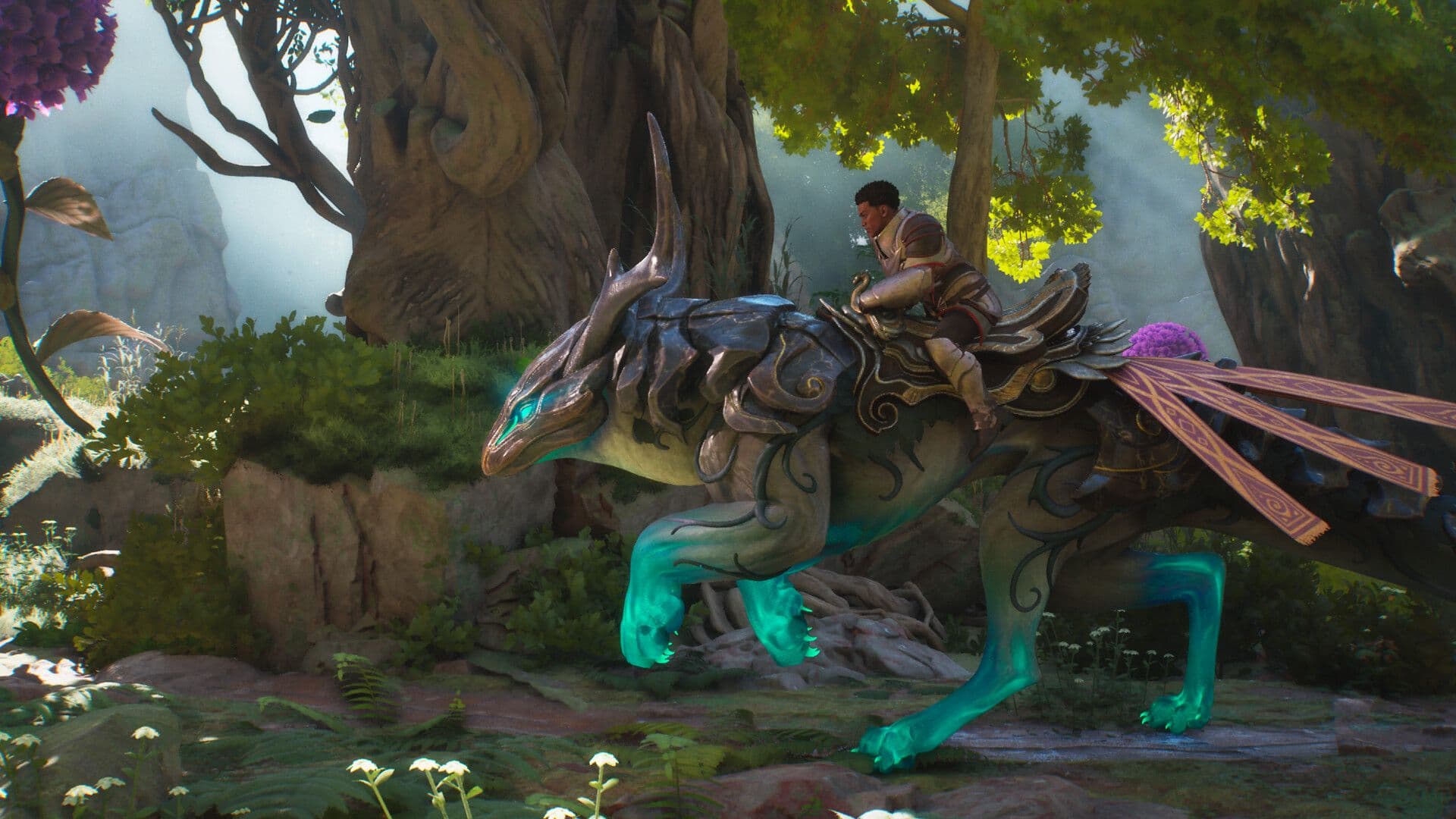
Guild Wars 3 aims to eliminate the 'second job' feel of traditional MMOs.
The commitment starts with the wallet. ArenaNet has doubled down on the franchise's legacy by confirming a buy-to-play model with no mandatory subscription and, crucially, no premium battle pass. In an era where live-service games often feel like a triple-layered subscription—buy the box, pay the monthly fee, grind the seasonal track—this is a defiantly player-friendly stance. It means your purchase is a ticket to a world, not a down payment on a grind. The financial model aligns perfectly with the stated goal of respecting player time; you're never pressured to log in just to "get your money's worth" from a subscription or to complete a FOMO-driven battle pass before it expires. This allows the game to be played "as much or as little as you want," transforming it from an obligation back into a hobby.
This philosophy is crystallized in the studio's direct acknowledgment of Guild Wars 2's greatest pain point: the soul-crushing "preparing to play" chore. Veterans know the drill—logging in only to face an inventory clogged with years of Halloween tonics, a dozen obsolete currencies, and forgotten consumables, spending precious minutes managing virtual junk before you can even think about having fun. Guild Wars 3 is being built from the ground up to avoid this exact friction. While specifics aren't detailed, the intent is clear: a streamlined systems approach where your play session begins with the fun part, not the administrative one. For players who quit Guild Wars 2 after thousands of hours precisely because of this burnout, it's the most compelling quality-of-life promise the sequel can make.
This respect extends beyond daily logistics into long-term engagement through the ingenious Hall of Monuments 2.0. This isn't a simple cosmetic transfer; it's a structured, phased system that will reward your Guild Wars 2 accomplishments with unique rewards in both games, starting with the core game and moving chronologically through expansions. It's a masterstroke that honors the investment of the existing community without making it mandatory for newcomers. More importantly, it provides a tangible bridge between the games, offering a meaningful progression path in Guild Wars 3 that acknowledges your legacy. Instead of abandoning your old heroes, you're building upon them, creating an account-spanning sense of continuity that few franchises attempt, let alone execute.
However, the true test of this "respect" mantra will be in the moment-to-minute design. Promising no grind is easy; delivering on it is where MMOs traditionally falter. Will the praised skill collection system—a return to hunting specific bosses for elite abilities—feel like a rewarding treasure hunt or a punitive time gate? Will the action-oriented combat, designed for shorter, more intense sessions, retain its depth and reward clever building, or will it incentivize a shallow, daily-checklist mentality? The risk is that in sanding down the friction, Guild Wars 3 might also sand away the satisfying texture of long-term investment. The potential is a game that understands modern life—a game you can drop into for a thrilling, self-contained hour of exploration and combat, and leave feeling accomplished, not behind. If it succeeds, it won't just be a good MMO; it will be a sanctuary from the genre's worst excesses.
Visuals and Technical State: A New Aesthetic for Tyria
Guild Wars 3’s visual presentation is a declaration of independence from its own history, trading the grounded, painterly textures of its predecessors for a stylized vibrancy that will be its most immediate point of contention. The world of ancient Orr is rendered with a luminous, almost ethereal clarity—sunlight dapples through impossibly lush canopies, magical energy pulses with a cartoonish glow, and character models possess a smooth, exaggerated fidelity. This isn't the dark, angular world of the original Guild Wars or the vibrant but earthy palette of Guild Wars 2; this is a frontier that looks like a living storybook. For some, this "Pixar-like" aesthetic will feel too clean, too bright for a setting described as a war-torn frontier where ancient magic tears at the fabric of the world. The tonal dissonance is real—it’s hard to feel the weight of a primal conflict when the visual language skews so heavily toward the fantastical and pristine. This artistic pivot is clearly a calculated play for broader accessibility and a fresh identity on console, but it risks alienating veterans who associate the franchise with a more tangible, grounded sense of place.
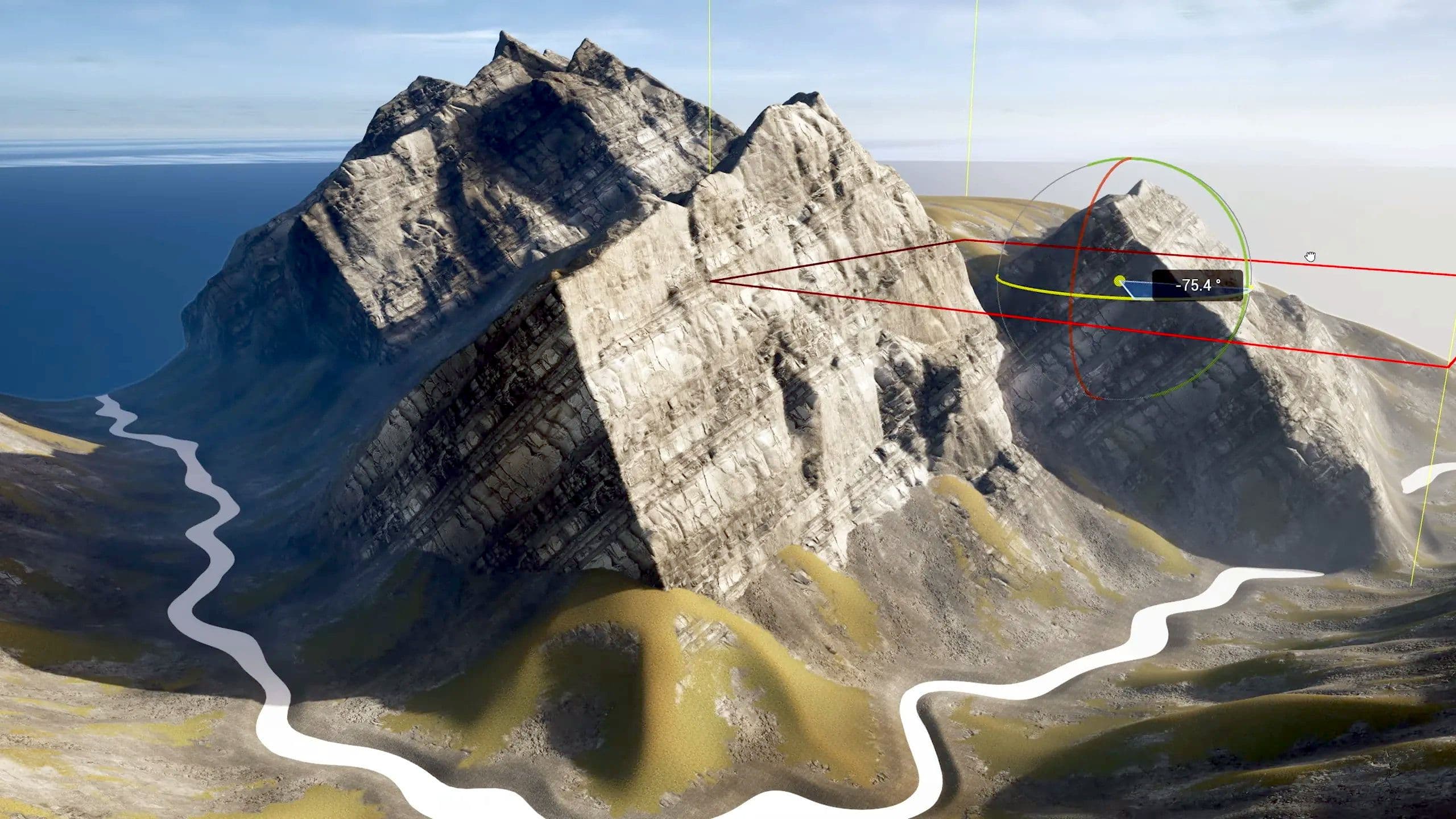
Next-generation engine features could define the technical state of Guild Wars 3.
This new aesthetic is powered by a significant technical leap: the shift to a modern engine utilizing physics-based rendering. This isn't just a resolution bump; it's a fundamental upgrade in how light and material interact, giving the vibrant world a tangible, consistent sheen that Guild Wars 2's aging engine could never achieve.
The move to physics-based rendering is where the art direction earns its technical stripes. This engine upgrade, also planned for Guild Wars 2, allows for materials to behave realistically under different lighting conditions. The metallic sheen on a Vaelwarden’s armor, the wet gloss of moss on ancient stone, the way magical light refracts through a crystal—these details gain a cohesive physicality that sells the world’s magic as part of its ecosystem, not just a visual effect slapped on top. It’s the difference between a world that looks painted and one that feels constructed. This technical foundation is crucial for selling the "joy of movement"; when you slide across a rain-slicked ruin or leap through a beam of celestial light, the environmental feedback needs to feel immediate and believable, and PBR provides that tactile foundation.
This modernized engine also explains the surprisingly modest PC system requirements. Targeting hardware like an RTX 2060 or Radeon RX 5700 with 16GB of RAM for 2027 suggests ArenaNet is prioritizing optimization and broad accessibility over chasing cutting-edge fidelity for its own sake. These are specs that have been the mainstream baseline for years, indicating the studio is leveraging stylized art to achieve a consistent, high-performance experience rather than pushing polygon counts to the limit. The goal seems to be a game that runs smoothly and looks striking on a wide range of setups, a smart strategy for an MMO aiming to build and retain a massive concurrent player base from day one. It also ensures parity with its PlayStation 5 debut, guaranteeing console players a experience that is visually identical and equally responsive, which is non-negotiable for the action-oriented combat.
The PlayStation 5 launch itself is more than a new platform—it’s a redefinition of the franchise’s sensory language. Guild Wars has always been a PC-centric, keyboard-and-mouse experience, but Guild Wars 3 is being built from the ground up with the DualSense in mind. This dictates more than control schemes; it influences the entire visual and interactive feedback loop. The clean, readable aesthetic, with its bold colors and clear silhouettes, makes perfect sense on a living room TV viewed from a couch. The immediate, momentum-driven combat needs a stable frame rate and crisp image clarity to feel responsive, which the PS5’s hardware can deliver. This console-first consideration is a double-edged sword: it demands a visual clarity that may sacrifice atmospheric grit, but it also forces a discipline in design that could benefit all players through better performance and more intuitive, controller-friendly interfaces. Guild Wars 3 isn’t being ported to console; it’s being born there, and its entire visual and technical identity bears that stamp.
Final Verdict: Is Guild Wars 3 the Future the Genre Needs?
Guild Wars 3 is a promise, not a product—a meticulously crafted manifesto for what a modern MMORPG could be if it prioritized player agency, kinetic satisfaction, and respect over obligation. After examining its pillars, the verdict hinges on a single question: is this a revolution or a beautifully packaged retreat into a niche? The answer is both, and that’s precisely why it’s the most important MMO on the horizon. It isn't trying to be a WOW-killer; it’s trying to be a genre-evolver, carving out a space for players who have aged out of the grind but not out of the dream of a vast, social world.
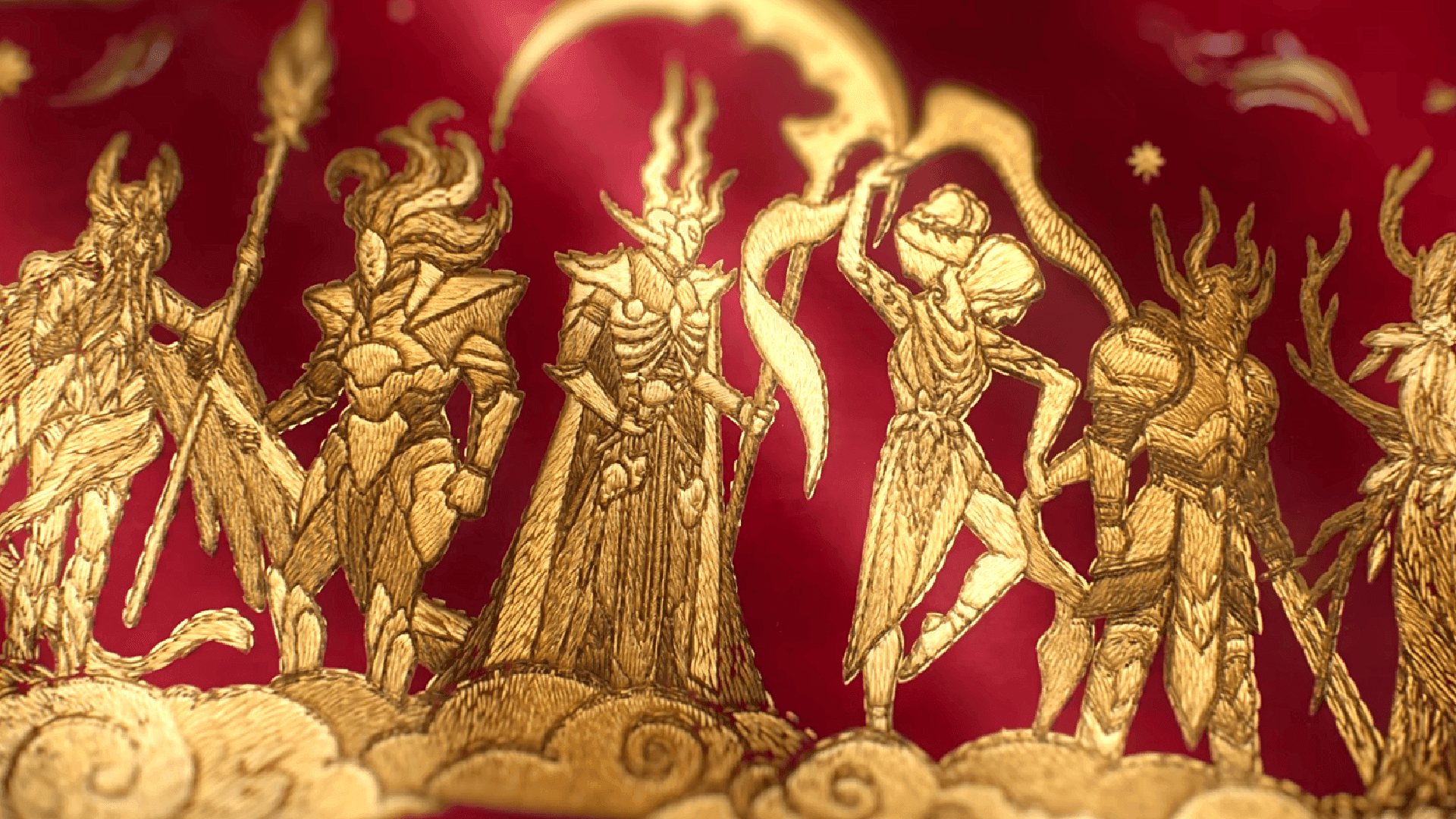
The rich mythology of Tyria continues to be a central pillar in Guild Wars 3.
The game’s ideal player is someone disillusioned with vertical treadmills and administrative bloat. This is for the veteran who cherishes the horizontal progression and build-crafting of the original Guild Wars, now married to the fluid, controller-friendly action of a premium single-player RPG. It’s for the Guild Wars 2 refugee who quit not for lack of love, but because logging in felt like sorting a digital garage before being allowed to play. Guild Wars 3’s core promises—the return of deep skill collection, a movement system that is itself a reward, and a buy-to-play model with no battle pass—are a direct antidote to these chronic genre ailments. It is explicitly designed for quality of time over quantity of hours, making it a potential haven for players with careers, families, or simply a lower tolerance for virtual busywork.
This focus is its greatest strength and its most glaring vulnerability. By targeting a specific, mature audience with refined tastes, Guild Wars 3 avoids the doomed "kitchen-sink" approach of trying to please everyone. But it also walks straight into the classic sequel trap: content volume.
The most legitimate concern hanging over Guild Wars 3 is whether it can launch with enough substance to satisfy players accustomed to the decades-deep content wells of its predecessors and peers. Guild Wars 2 and World of Warcraft offer thousands of hours of legacy content. A new game, no matter how brilliantly designed, starts at zero. If the ancient Orr frontier feels sparse after the initial story arc, or if the skill collection hunt lacks meaningful variety at launch, players may drift away before the live-service engine has time to warm up. ArenaNet’s entire "respectful" design philosophy will be tested here—will there be enough to do that feels rewarding, rather than just a checklist to pad the hours? The studio’s bet is that depth of systems (build-crafting, momentum-based traversal) will trump sheer volume of quests, a gamble that has sunk many ambitious MMOs before it.
This leads to the delicate ecosystem ArenaNet has built. The potential cannibalization of the Guild Wars 2 player base is not a side effect; it’s a calculated risk inherent in running three games concurrently. Historical data from franchises like Path of Exile shows a sequel can siphon a third of the active audience from its predecessor. Guild Wars 3 mitigates this with the brilliant Hall of Monuments 2.0, creating reward bridges rather than forcing a binary choice. Furthermore, by occupying a different design space—an action-forward, small-group "MMOLite" set in the distant past—it offers a distinct experience from GW2’s large-scale metas and ongoing modern narrative. They are meant to complement, not replace. Whether the community has the time, money, and loyalty to support two full-fat MMOs is the franchise’s billion-dollar question.
So, who should board the airship to ancient Orr? If your dream MMO values the intellectual puzzle of building a perfect character as much as the thrill of executing its powers, if you believe exploration should be a joyful skill in itself, and if you are exhausted by games that treat your time as an infinite resource, then Guild Wars 3 is being built for you. It is a confident, specific vision. It is not, however, a guaranteed home run. Its stylized, vibrant art will alienate some who preferred the franchise’s grittier past, and its success is inextricably tied to executing on systemic depth where others have failed. In a genre begging for innovation, Guild Wars 3 is not just what we need—it’s a bold blueprint for what comes next.
Pros:
- A triumphant return to deep, collectible skill-based building that makes character progression a personal treasure hunt rather than a gear checklist.
- An innovative, momentum-based movement and traversal system that transforms exploration from a commute into a core, joyful gameplay pillar.
- A profoundly player-friendly monetization model (buy-to-play, no subscription, no premium battle pass) that respects your time and wallet.
- Action combat designed for controller parity, promising visceral, kinetic satisfaction tailored for modern sensibilities and a console debut.
- A thoughtful prequel setting that provides a pristine entry point for newcomers while offering lore-rich discovery for veterans.
Cons:
- A divisive, "Pixar-esque" art style that may feel too bright and clean for the war-torn frontier setting, lacking the tonal grit of earlier series entries.
- The inherent risk of a smaller initial content pool compared to established, decades-old MMO competitors, placing immense pressure on systemic depth.
- Potential cannibalization of the dedicated Guild Wars 2 community, despite ArenaNet's plans for concurrent development and legacy reward bridges.
- The high-wire act of its hybrid design risks pleasing neither slow, tactical build-crafters nor pure action enthusiasts if balance isn't perfected.