PC (Microsoft Windows) Games
The PC (Microsoft Windows) platform represents not just a single device but a vast and evolving ecosystem of personal computing, anchored by the Microsoft Windows operating system. This became the dominant environment for PC gaming, offering an unparalleled combination of open architecture, extensive backwards compatibility, and constant technological evolution. Unlike locked-down consoles, the Windows PC is defined by its flexibility, where players can customize hardware to their exact specifications and software from a multitude of developers, large and small, finds a home.
Technically, the platform has no fixed specifications, advancing through successive generations of CPUs, graphics cards, and peripherals. Its key innovations are often software-driven, including the DirectX API suite which standardized game development for Windows graphics and audio, and digital distribution platforms like Steam that revolutionized how games are purchased and played. Input methods are equally diverse, supporting everything from keyboard and mouse—the definitive control scheme for genres like real-time strategy and first-person shooters—to virtually any gamepad, steering wheel, or flight stick.
The game library for Windows is historically the largest and most varied in the industry, encompassing everything from blockbuster AAA titles to niche indie experiments. While many major franchises are multi-platform, the PC has been the essential home for seminal series like Half-Life, World of Warcraft, and The Sims, as well as definitive versions of strategy titans like StarCraft and Civilization. It is also the birthplace of entire genres, such as the modern massively multiplayer online game and the battle royale, and a fertile ground for modding communities that extend games’ lifespans for years.
Its market position is one of sustained, entrenched dominance in the broader gaming landscape. While competing with consoles in the living room, the Windows PC occupies a unique space as a high-performance and highly customizable platform for enthusiasts and a ubiquitous standard for developers. Its lasting influence is the foundation of a global digital distribution economy and a driver of hardware innovation, continuously pushing the boundaries of graphical fidelity, simulation complexity, and player creativity in ways no fixed console can match.
- 83 games
- pc category
- PC abbr.
Roblox
+5

Meccha Chameleon
Cyberpunk 2077
+4
The Witcher 3: Wild Hunt
+2
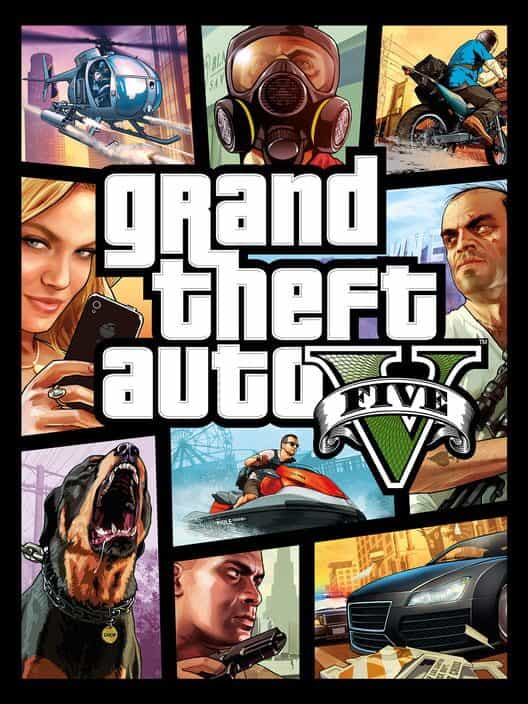
Grand Theft Auto V
+1

Red Dead Redemption 2
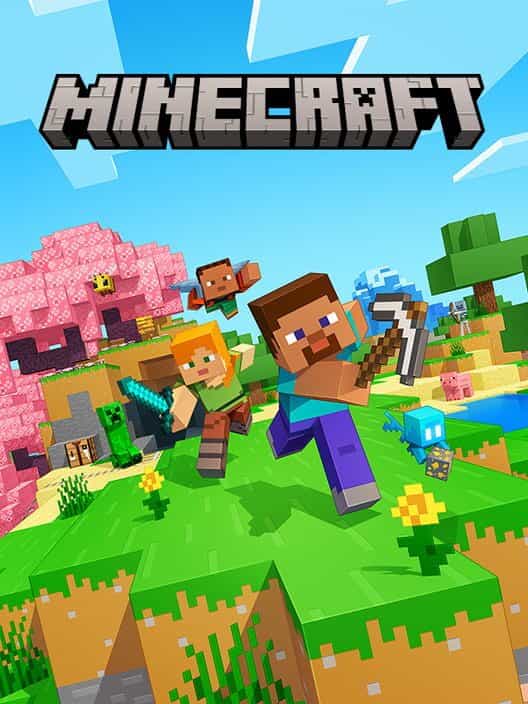
Minecraft
+10
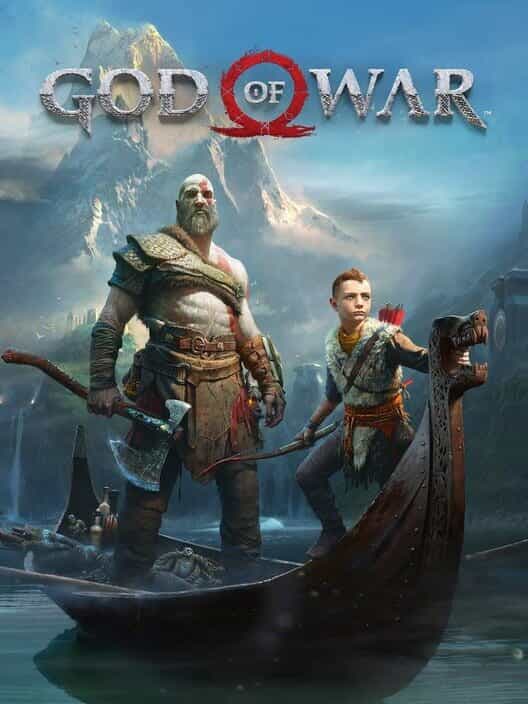
God of War
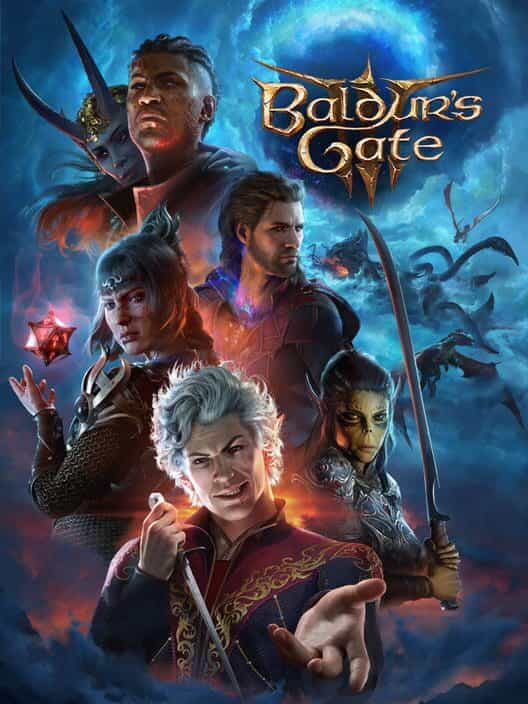
Baldur's Gate III
+2
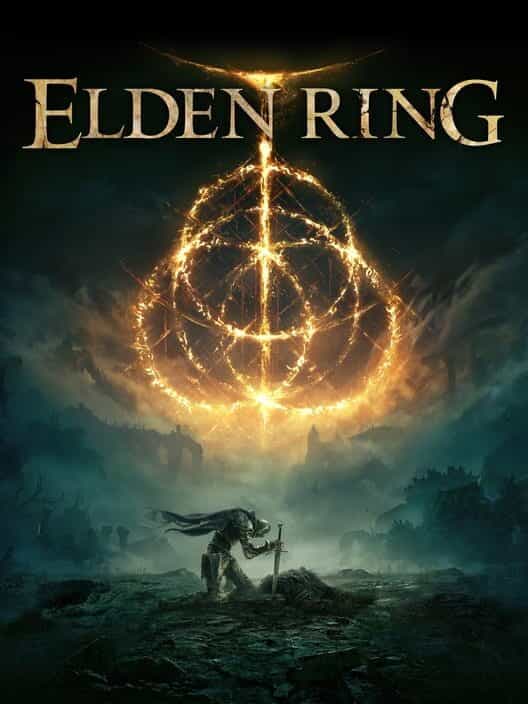
Elden Ring
+2
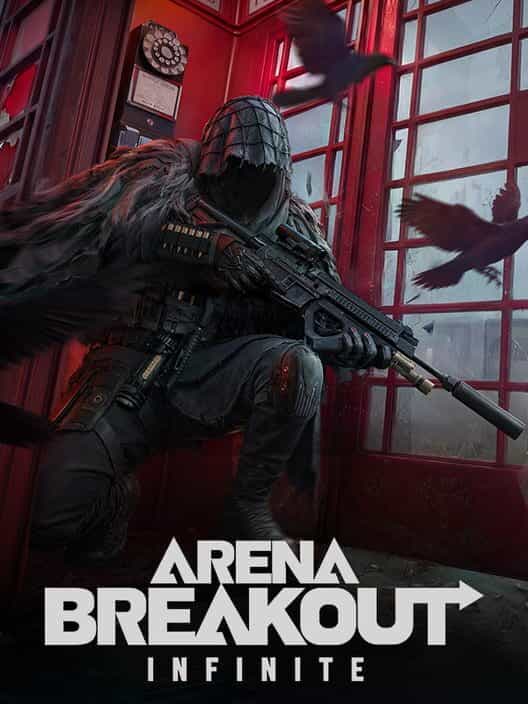
Arena Breakout: Infinite
Rust
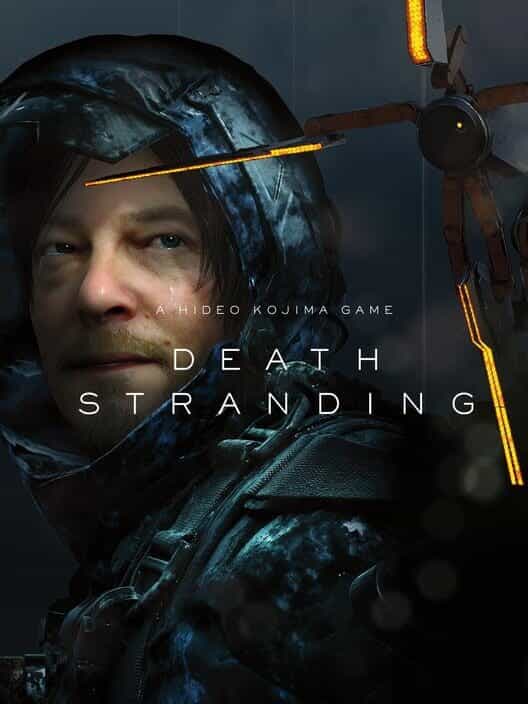
Death Stranding
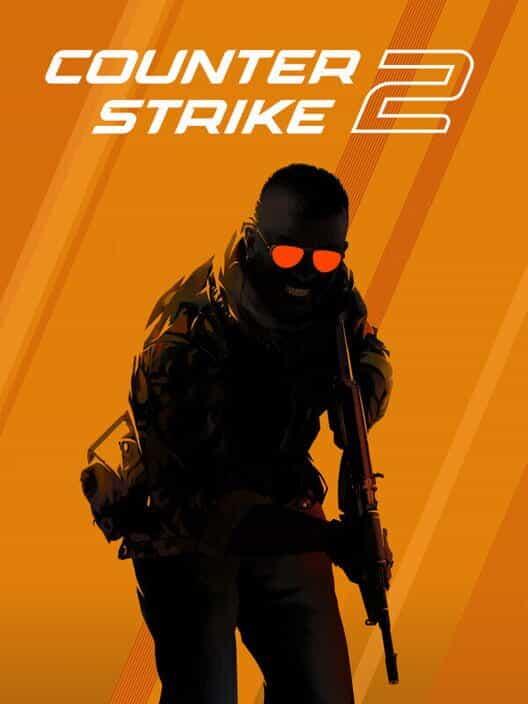
Counter-Strike 2
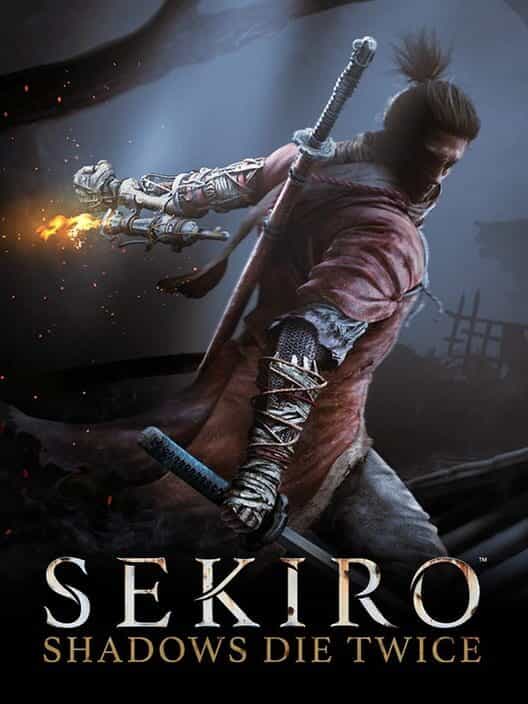
Sekiro: Shadows Die Twice
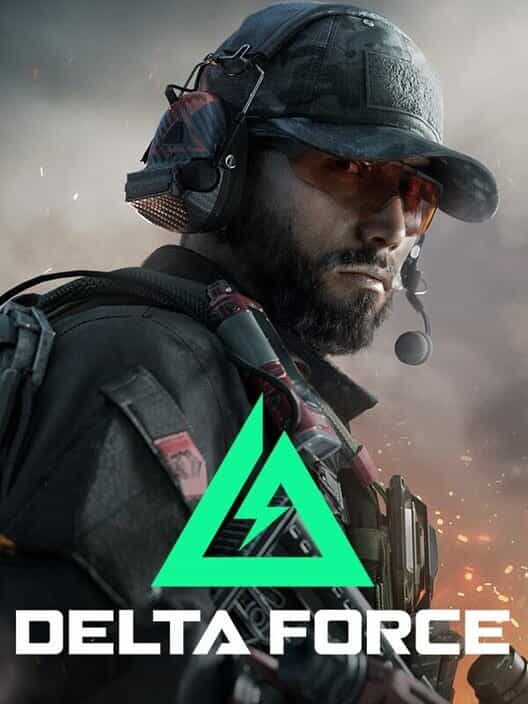
Delta Force
+1
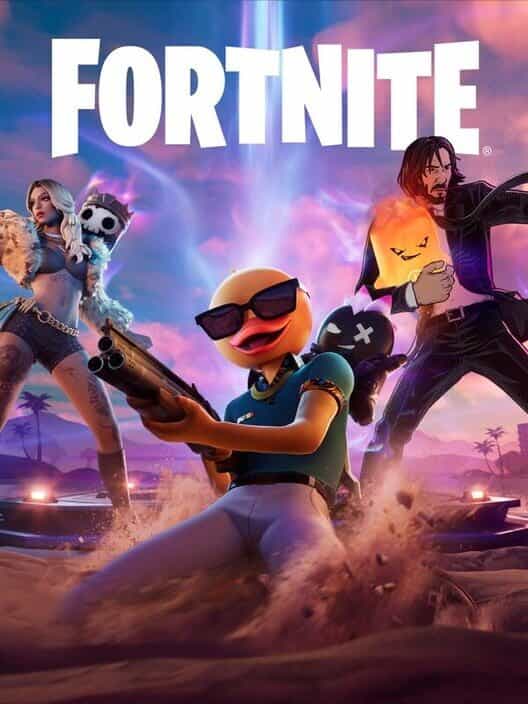
Fortnite
+6
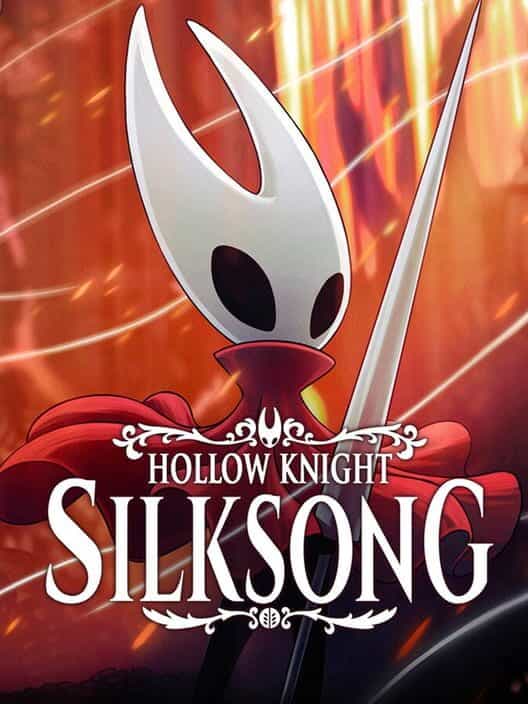
Hollow Knight: Silksong
+5

Subway Surfers
+1
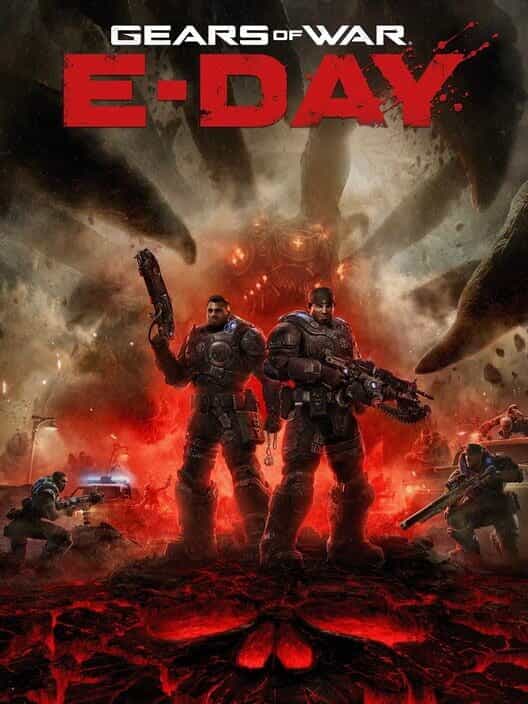
Gears of War: E-Day

Hollow Knight
+6
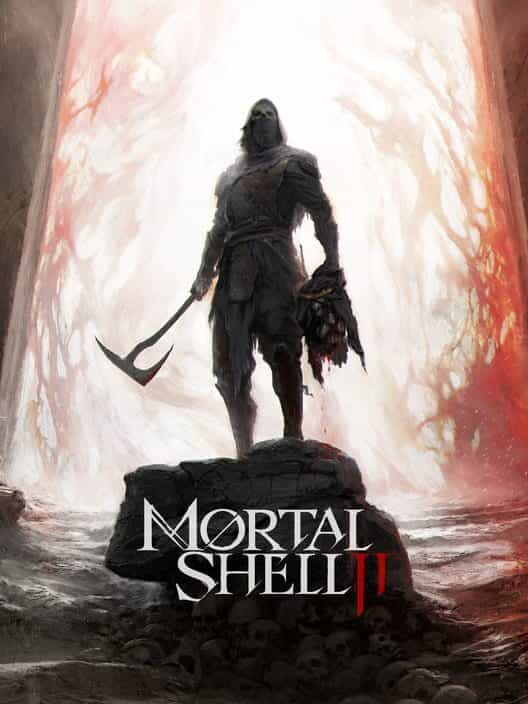
Mortal Shell II
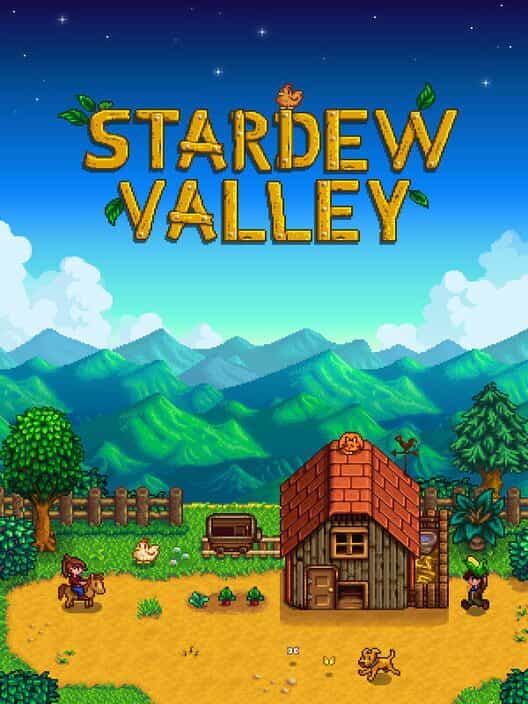
Stardew Valley
+7
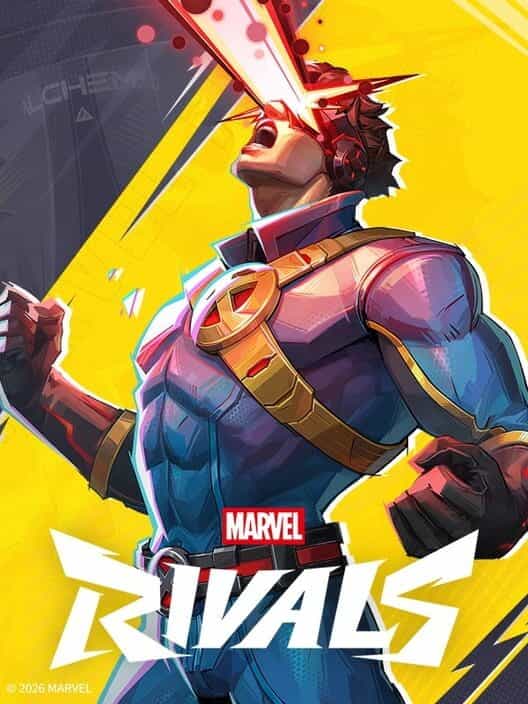
Marvel Rivals
+1
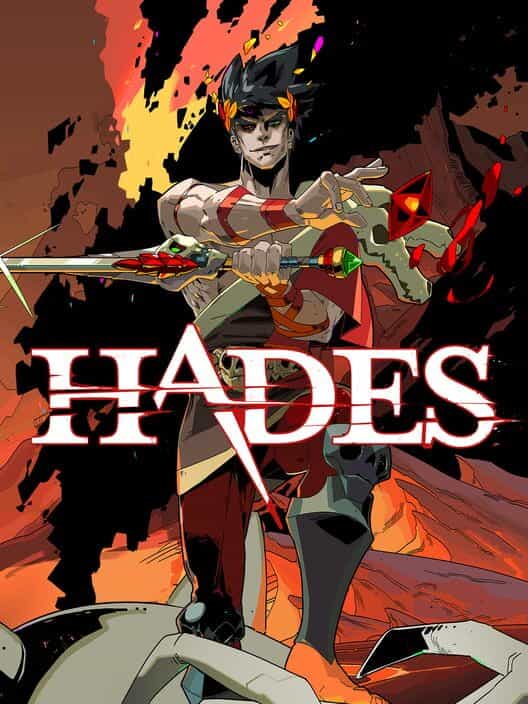
Hades
+4
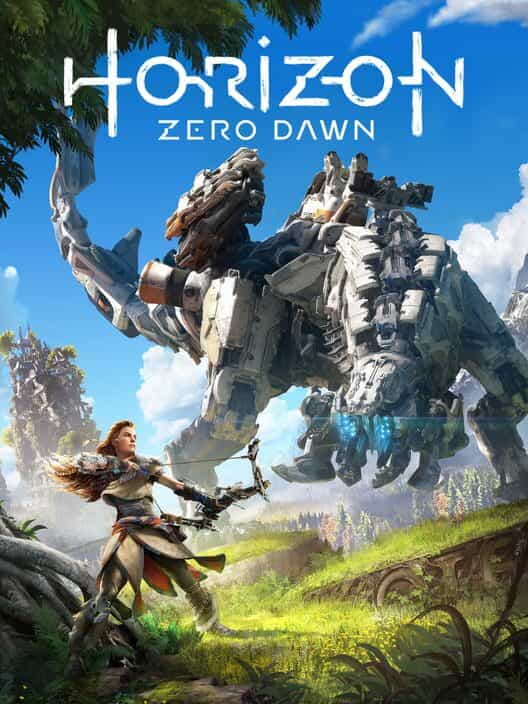
Horizon Zero Dawn
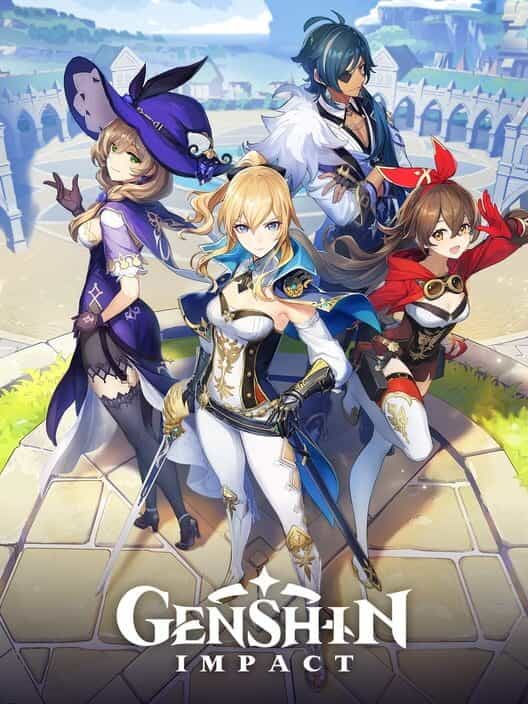
Genshin Impact
+2
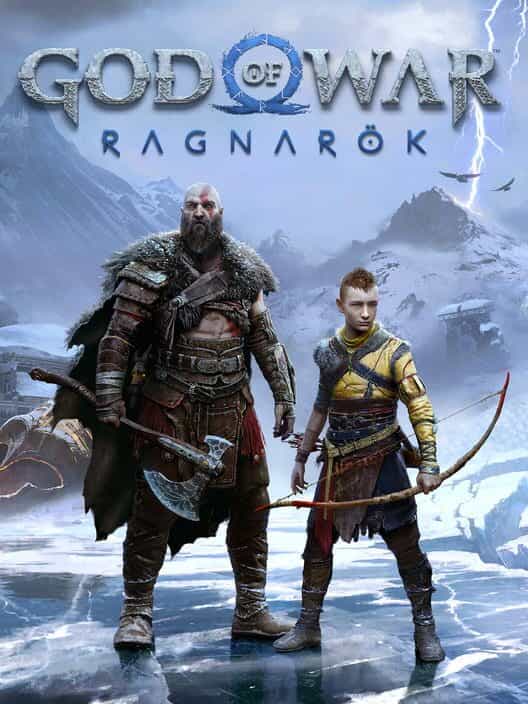
God of War Ragnarök
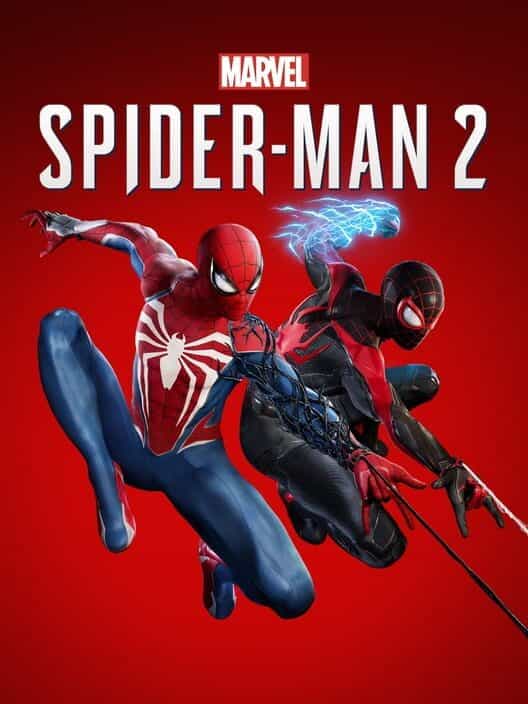
Marvel's Spider-Man 2
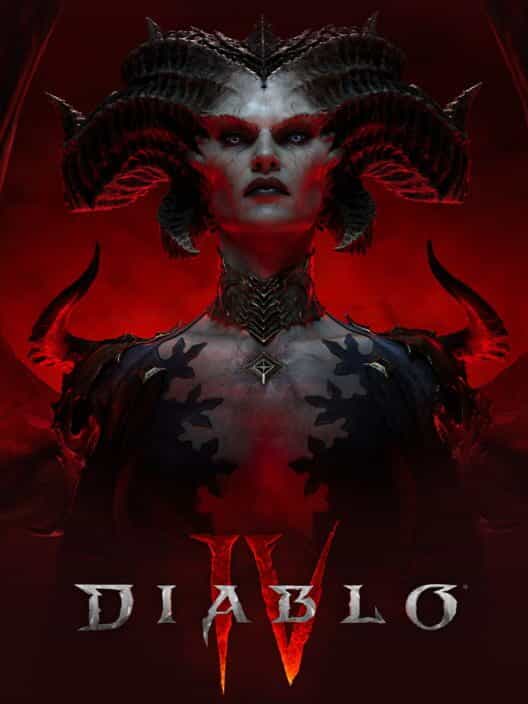
Diablo IV
+1
State of Decay 3
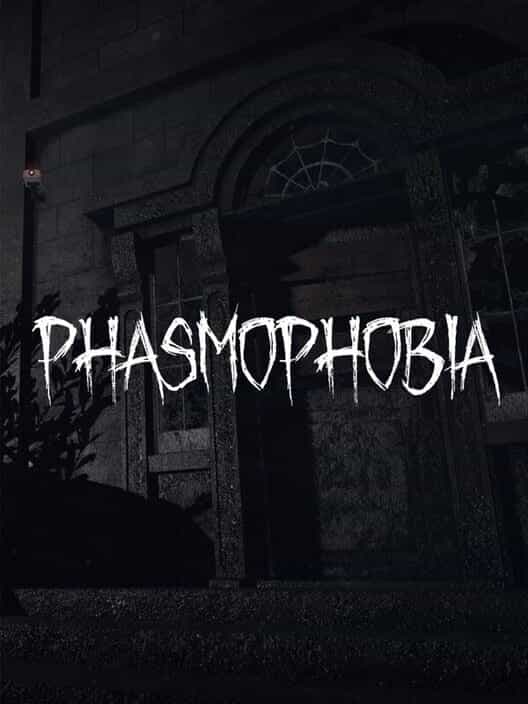
Phasmophobia
+4
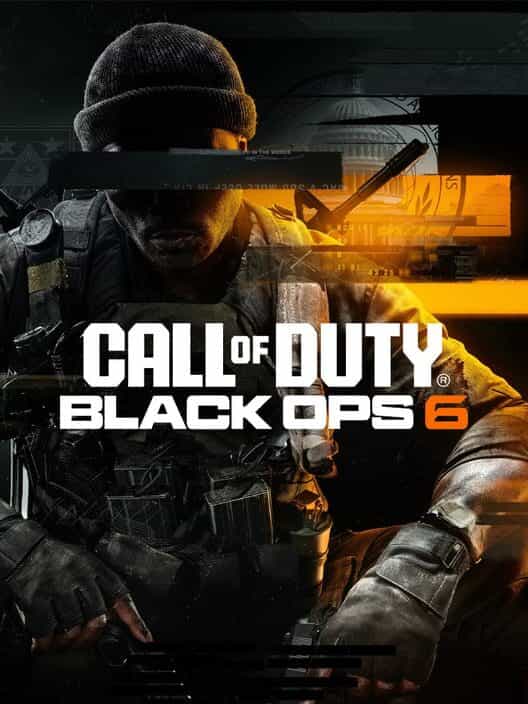
Call of Duty: Black Ops 6
+1
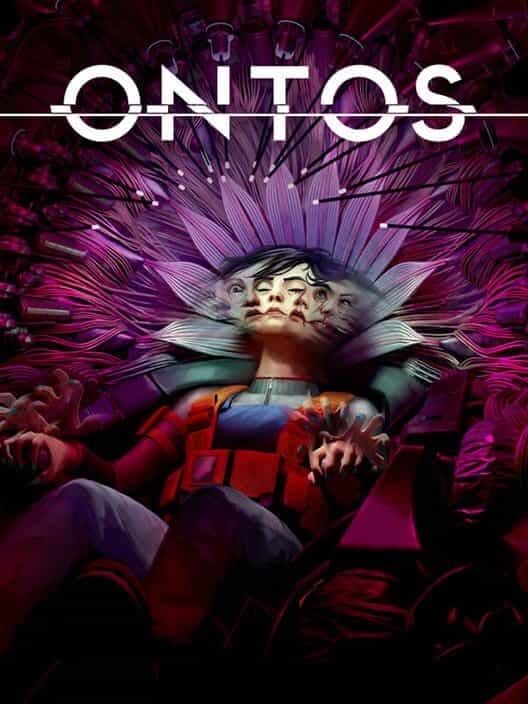
Ontos
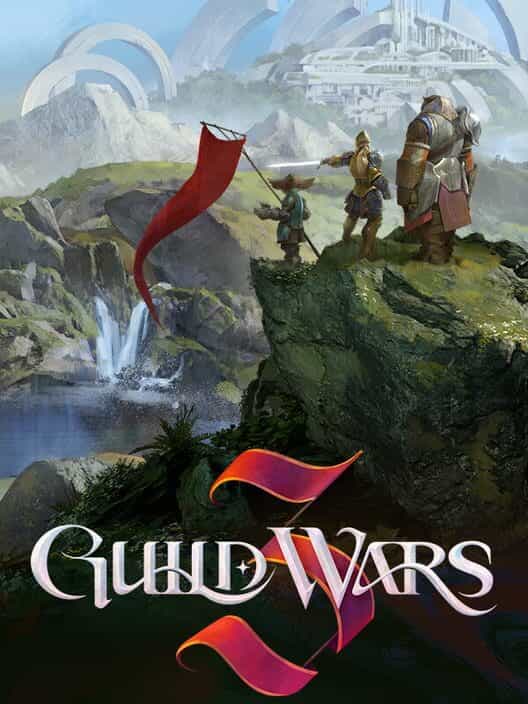
Guild Wars 3
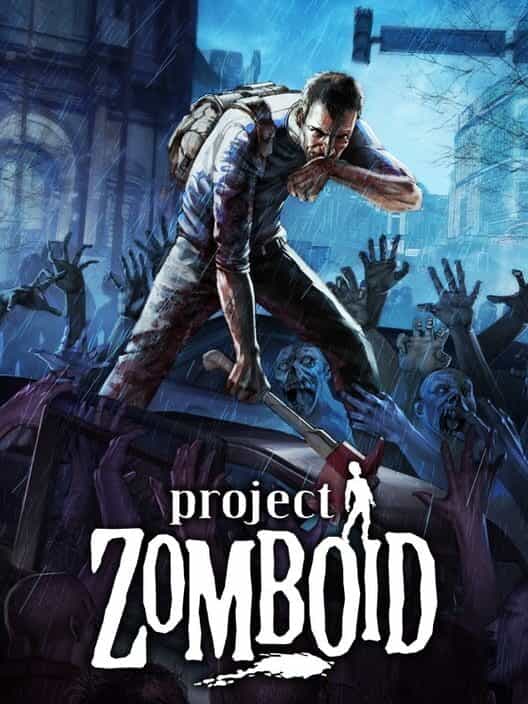
Project Zomboid
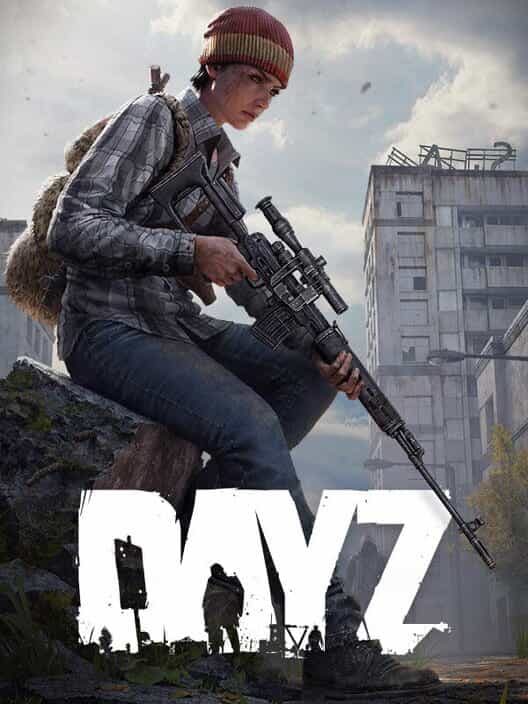
DayZ
+2
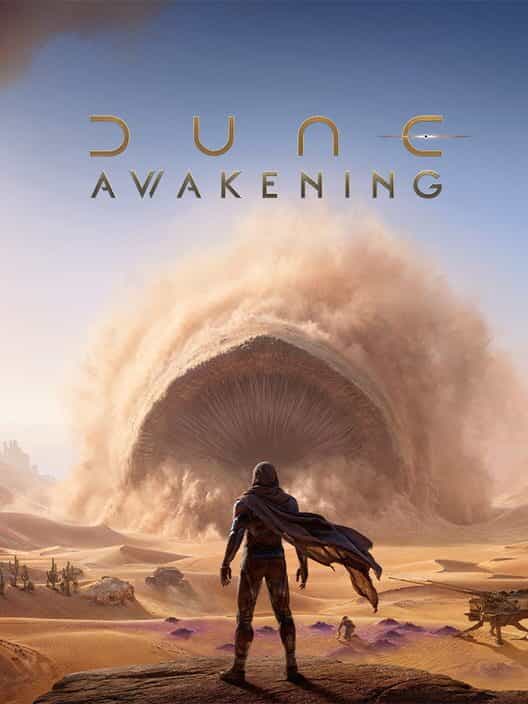
Dune: Awakening
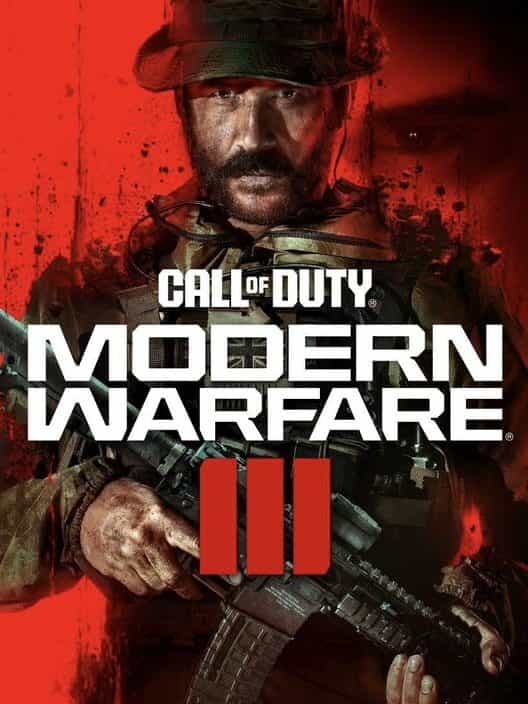
Call of Duty: Modern Warfare III
+1
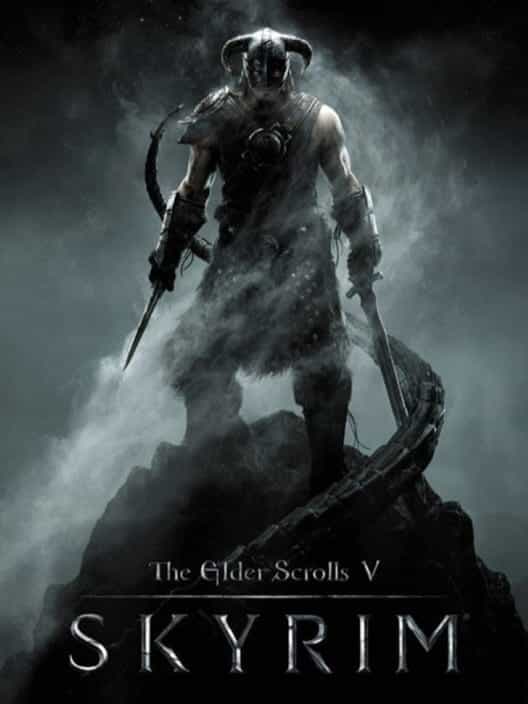
The Elder Scrolls V: Skyrim
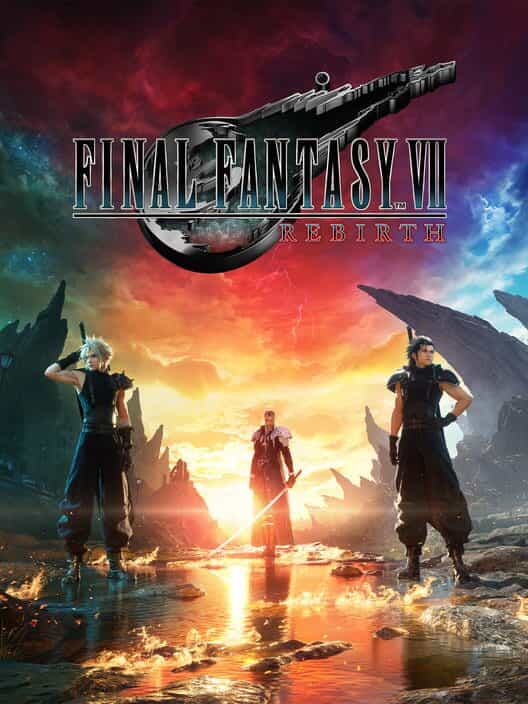
Final Fantasy VII Rebirth
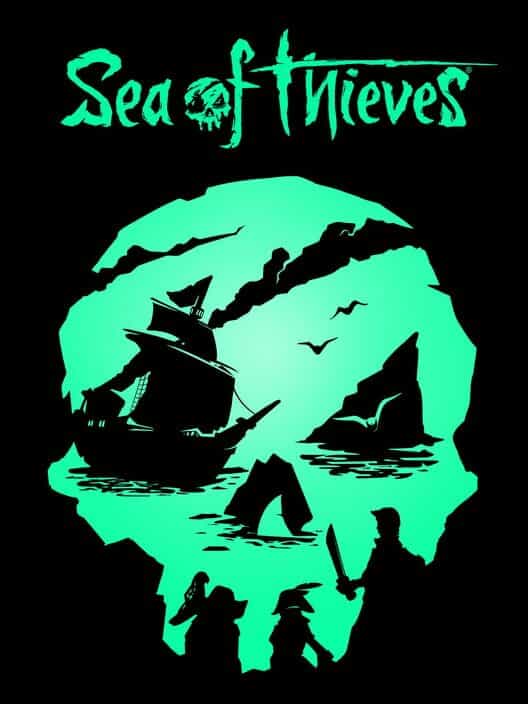
Sea of Thieves
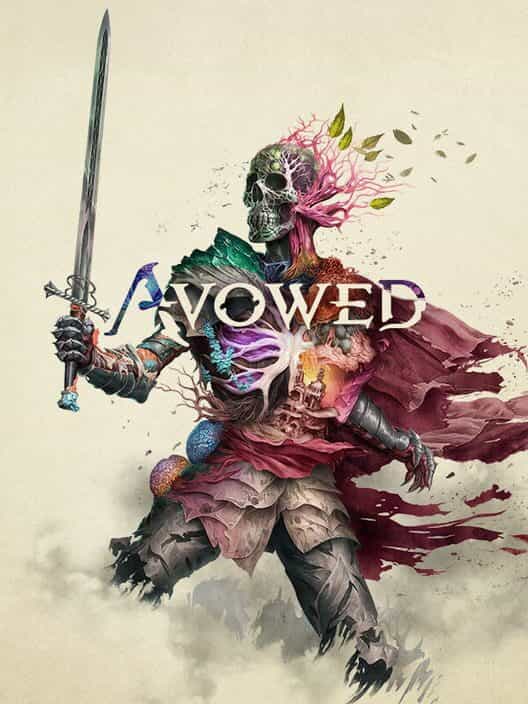
Avowed
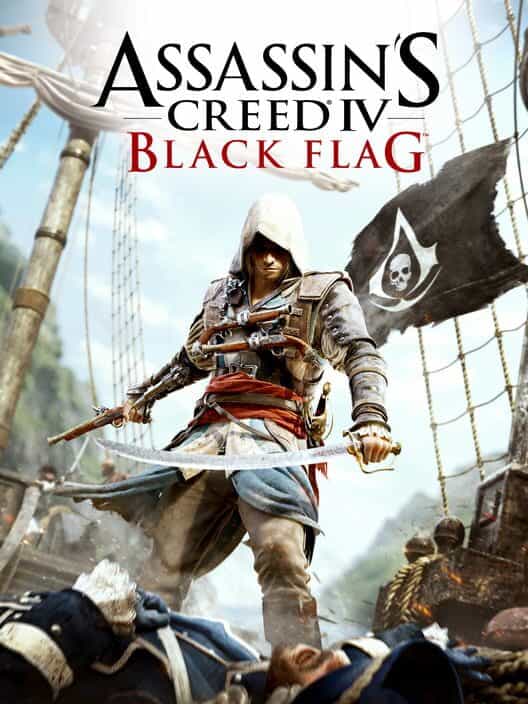
Assassin's Creed IV Black Flag
+4
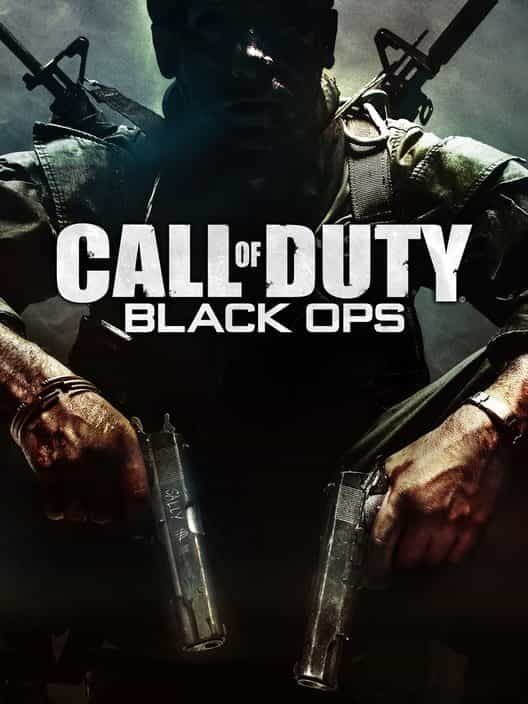
Call of Duty: Black Ops
Deltarune
+2
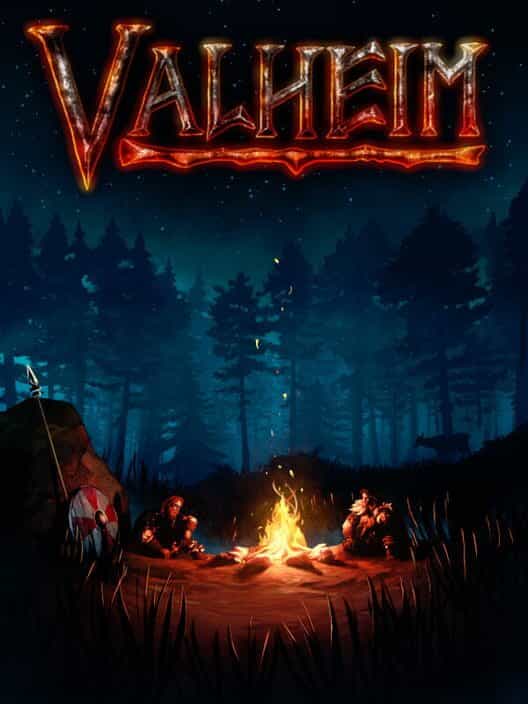
Valheim
+3
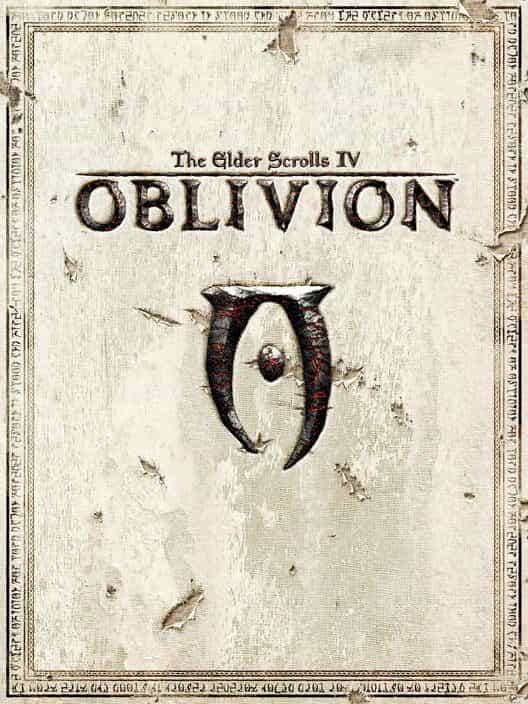
The Elder Scrolls IV: Oblivion
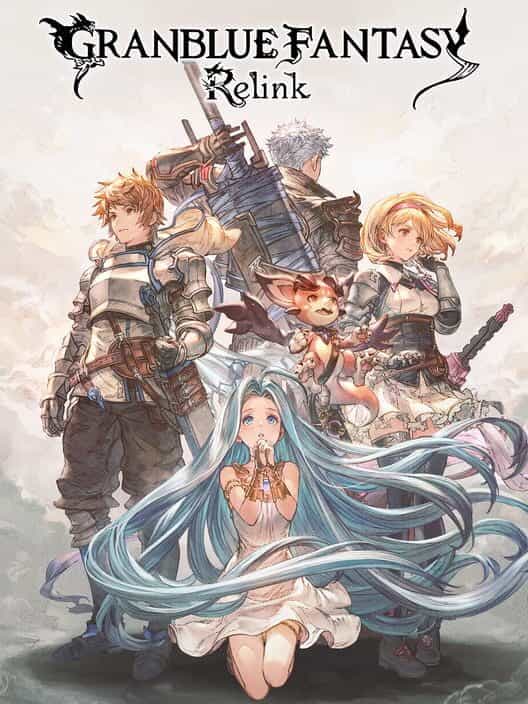
Granblue Fantasy: Relink
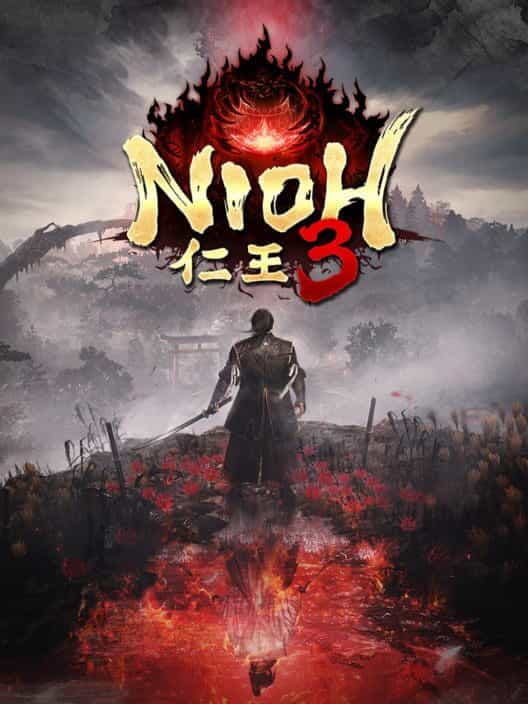
Nioh 3
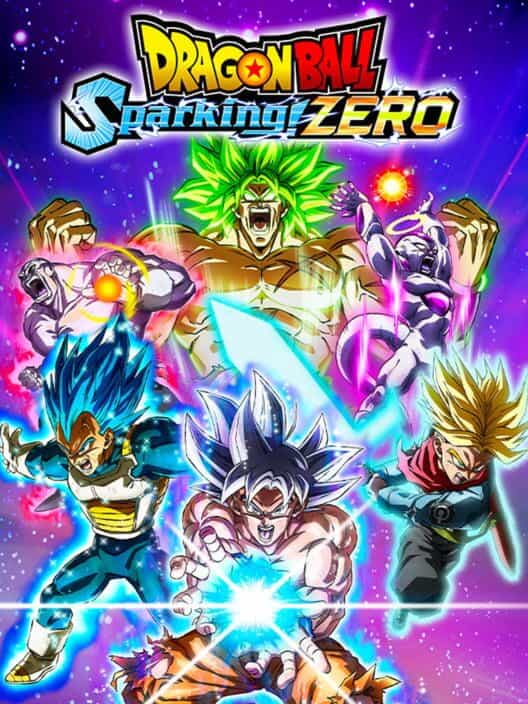
Dragon Ball: Sparking! Zero
+1
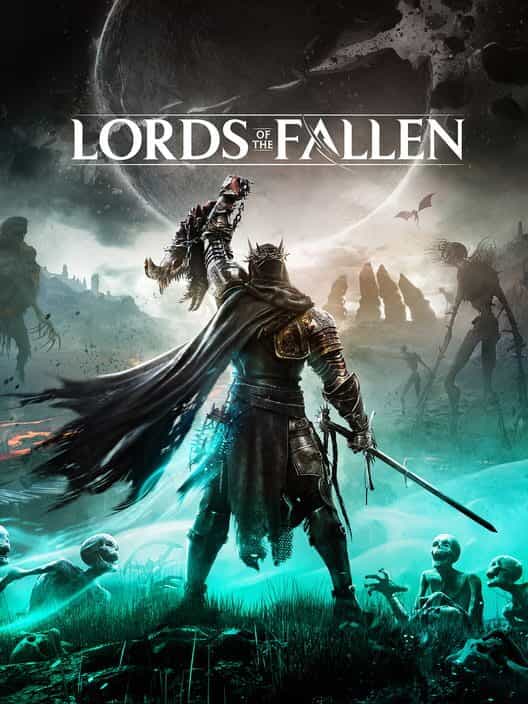
Lords of the Fallen
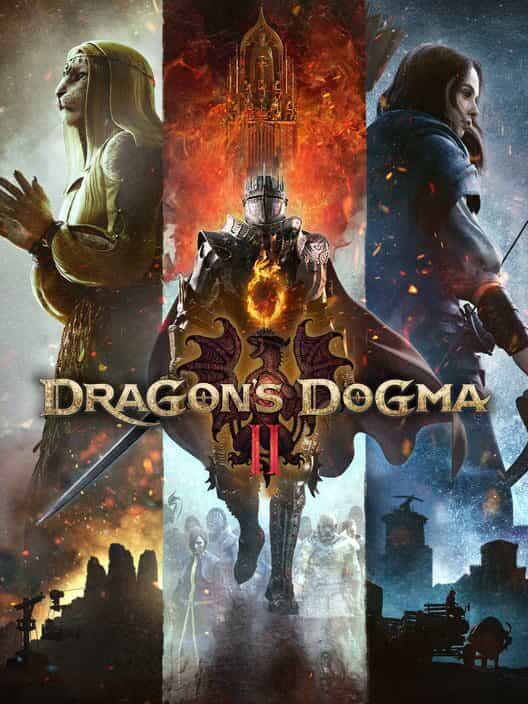
Dragon's Dogma II
The Witcher IV
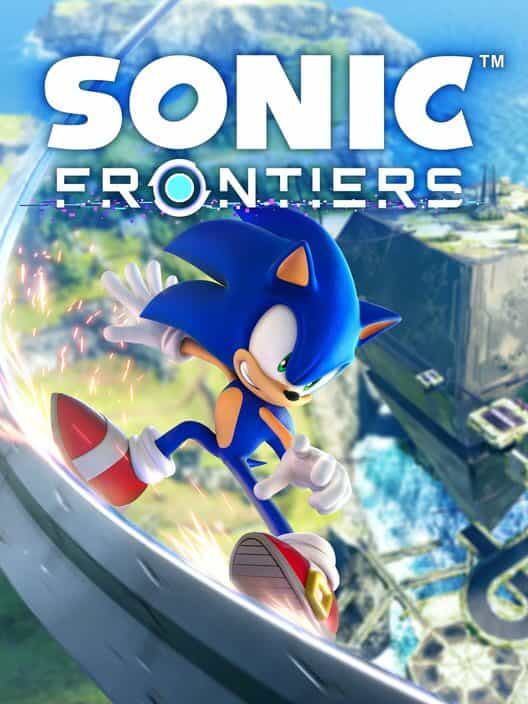
Sonic Frontiers
+2
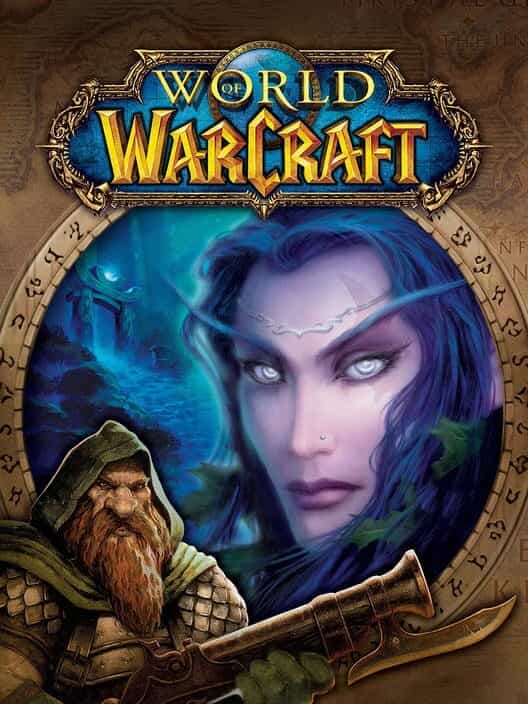
World of Warcraft
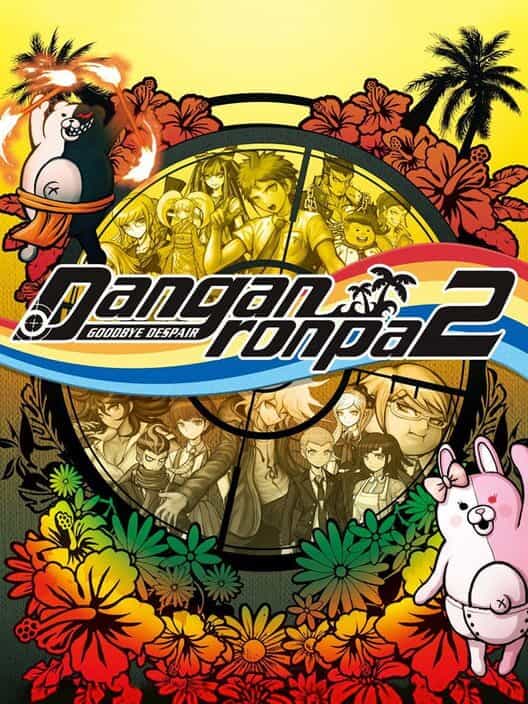
Danganronpa 2: Goodbye Despair
+3
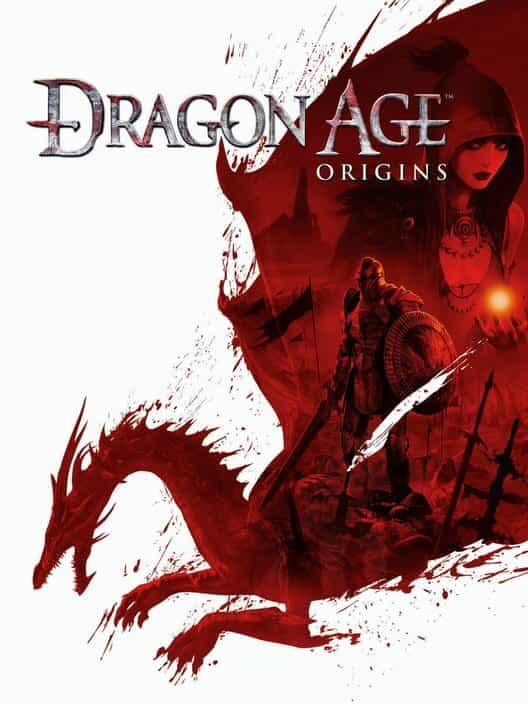
Dragon Age: Origins
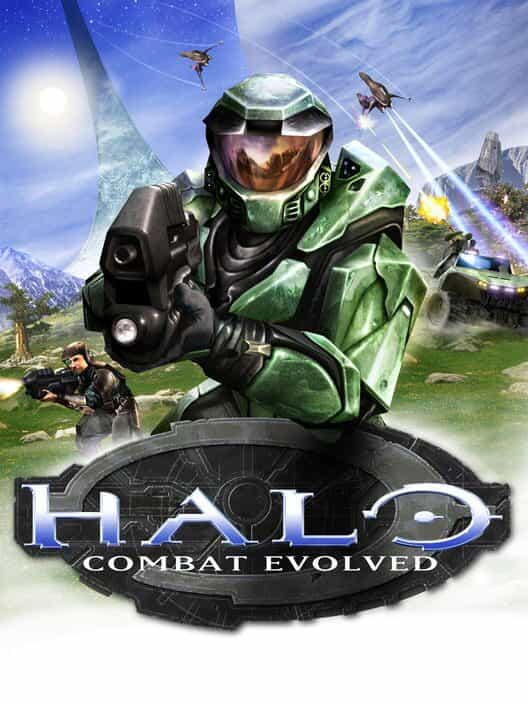
Halo: Combat Evolved
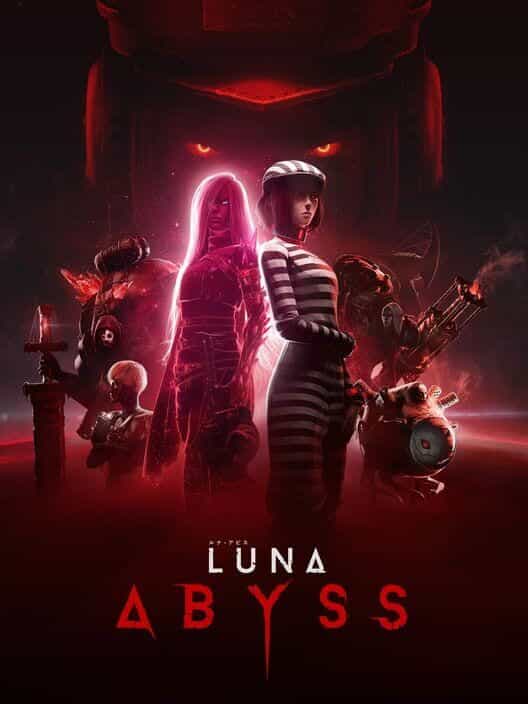
Luna Abyss

Fatal Fury: City of the Wolves
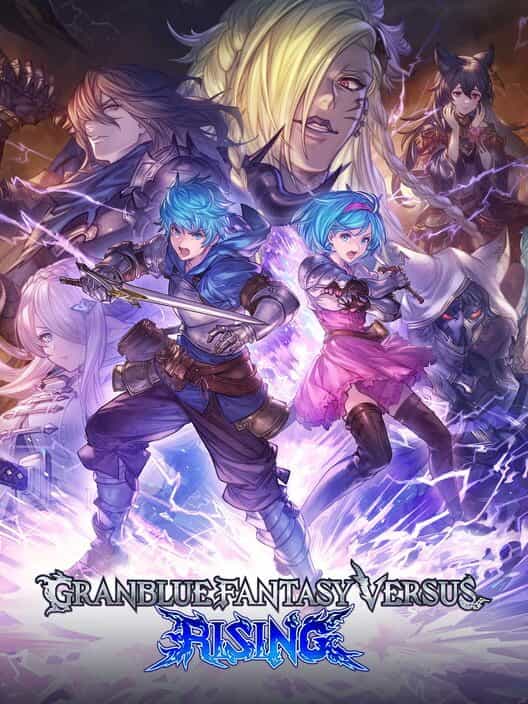
Granblue Fantasy Versus: Rising
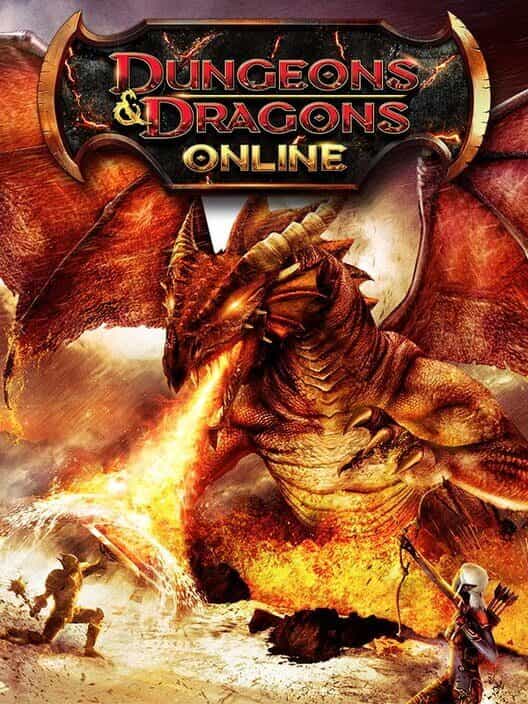
Dungeons & Dragons Online
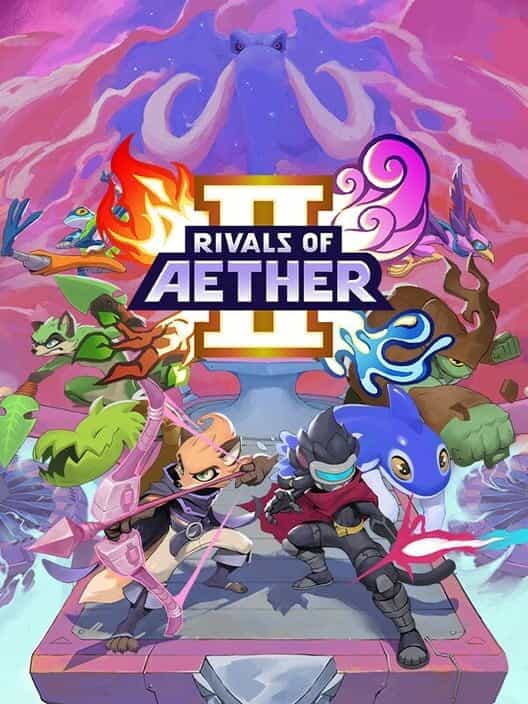
Rivals of Aether II

Star Wars: Eclipse
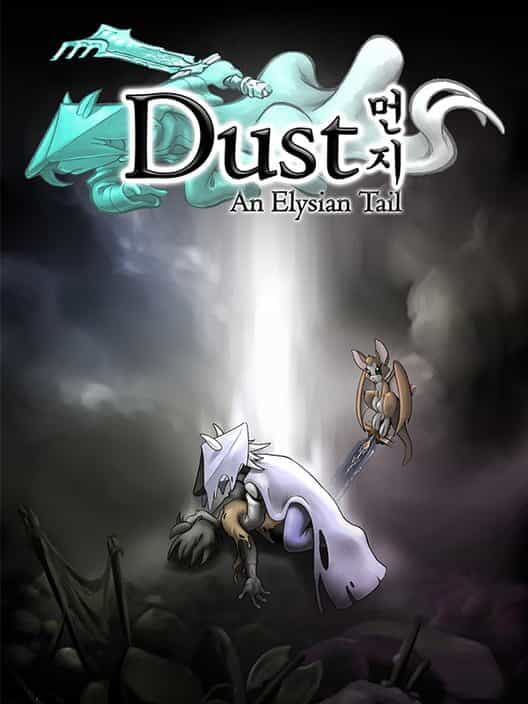
Dust: An Elysian Tail
+3
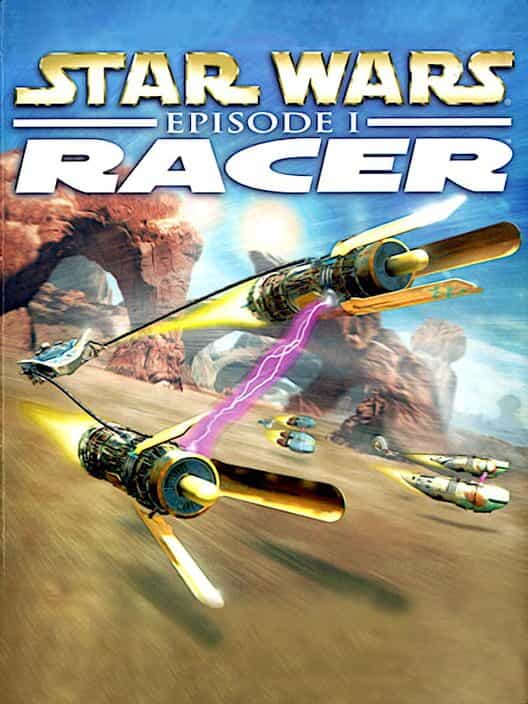
Star Wars: Episode I - Racer
+3

Sonic the Hedgehog
+3

Marvel's Blade

Total War: Medieval III

Prologue: Go Wayback!
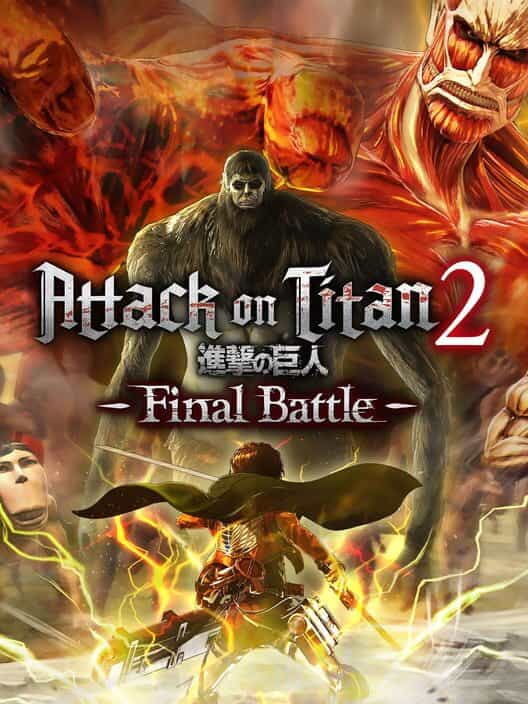
Attack on Titan 2: Final Battle
+1

Mistbound
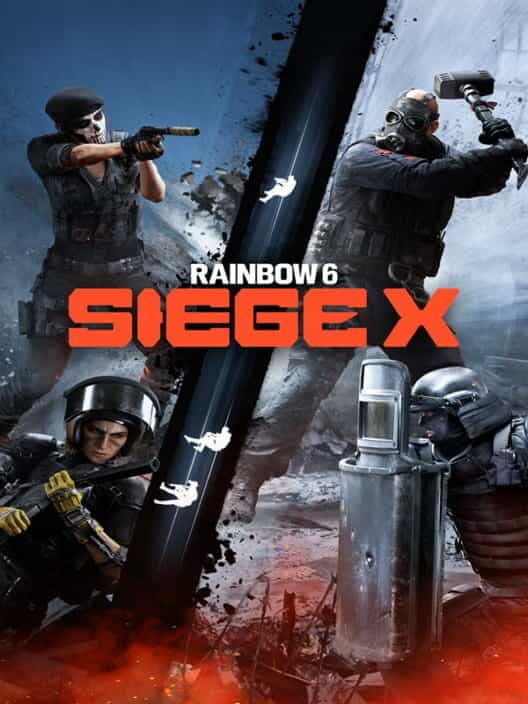
Tom Clancy's Rainbow Six Siege X
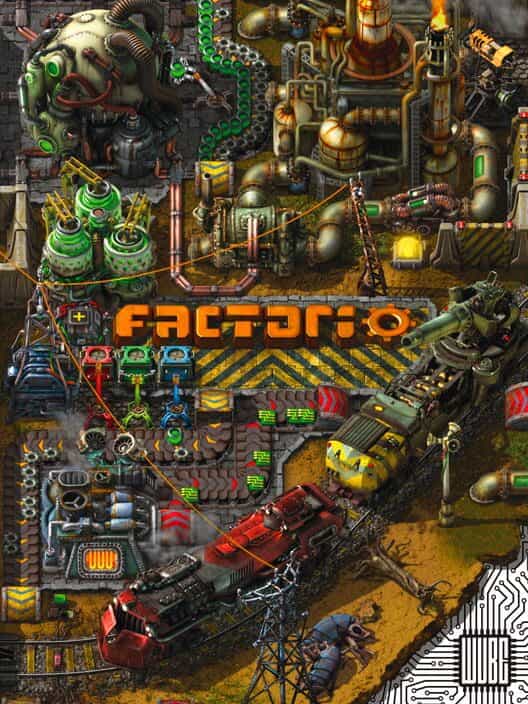
Factorio
+1
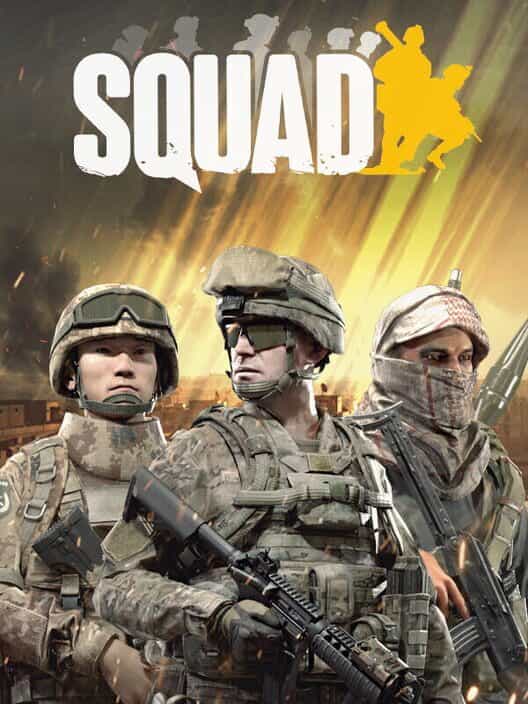
Squad
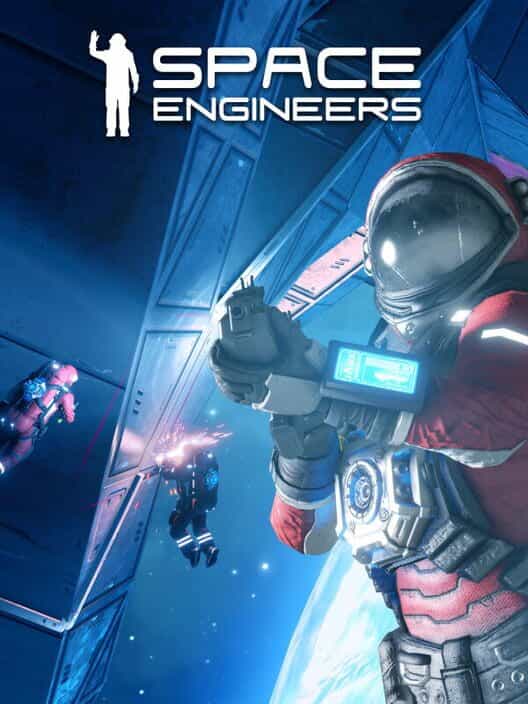
Space Engineers
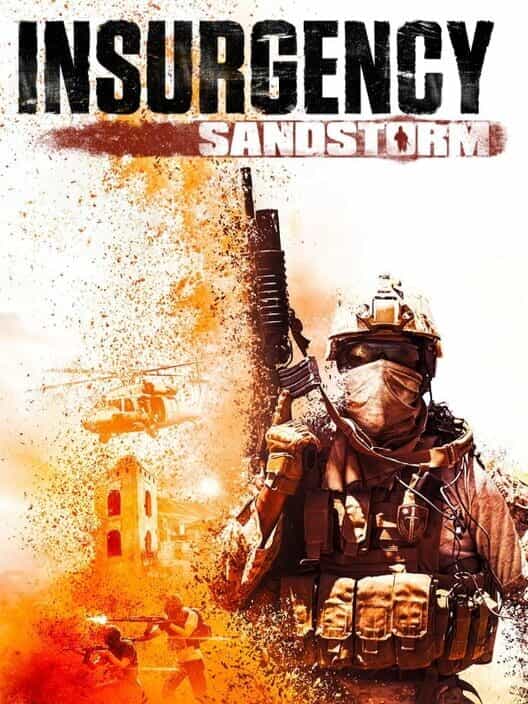
Insurgency: Sandstorm
+1
Barotrauma
Eco
Arma Reforger