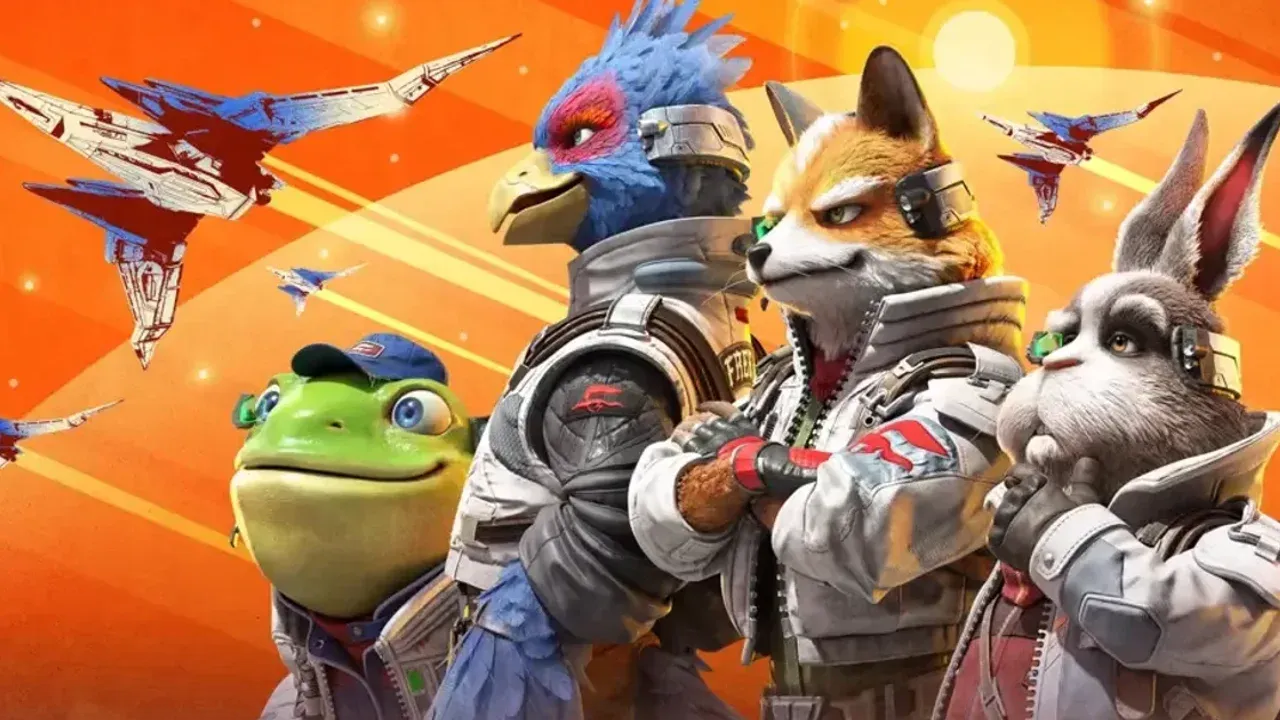
Star Fox Remake: A Cinematic Revival of a Nintendo 64 Legend
The Star Fox remake for the Nintendo Switch 2 arrives with a clear, almost defiant mission statement: to be the most faithful, high-fidelity version of a 1997 Nintendo 64 classic. Developed by Velan Studios, this isn't a reimagining or a reboot; it's a cinematic reconstruction of Star Fox 64, a project that polishes every facet of the original to a modern sheen while wrestling with the inherent tension between nostalgia and progress. The result is a game that feels simultaneously like a loving tribute and a blockbuster tech demo, one that asks whether a perfect restoration of a 90-minute arcade shooter can truly be considered a modern masterpiece.
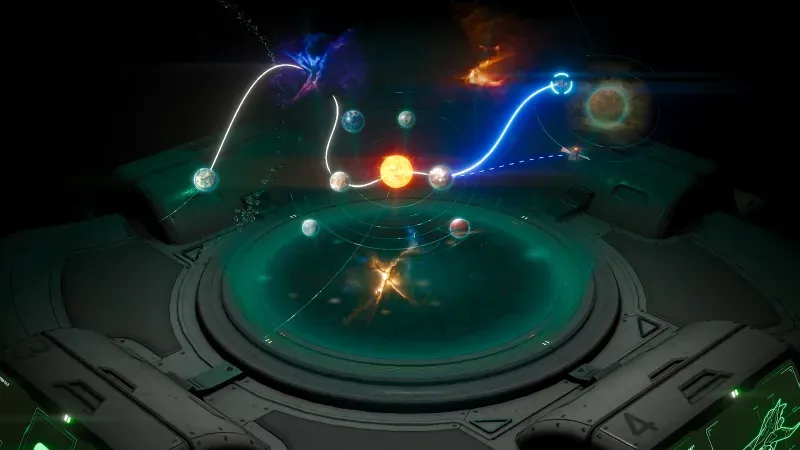
The Star Fox remake on Switch 2 brings the N64 classic into the modern era.
Velan Studios’ approach is one of reverence, replicating the original's seven-planet campaign and branching paths with near one-to-one precision. This isn't Star Fox reimagined as an open-world epic or a narrative-heavy RPG; it’s the same tightly choreographed rail shooter you remember, now rendered in stunning 4K at a locked 60 frames per second. The visual leap is the most immediate and persuasive argument for this remake’s existence. The neon space fields of Sector X, the claustrophobic ocean depths of Aquas, and the besieged cityscape of Corneria are transformed from low-polygon memories into breathtaking, high-fidelity spectacles. Explosions are catastrophic, laser fire streaks across the screen with HDR-enhanced brilliance, and capital ships loom with terrifying detail. This is the Switch 2 flexing its graphical muscles, and it’s a convincing flex.
This visual overhaul is so comprehensive it fundamentally alters the experience. What was once a triumph of imagination over hardware limitations is now a triumph of hardware over imagination, trading the charming abstraction of the N64 for a photorealistic spectacle that positions Star Fox as Nintendo’s closest brush with a Star Wars-level cinematic space opera.
The commitment to fidelity extends beyond the environments to the characters themselves, a decision that proves more divisive. Fox McCloud, Falco Lombardi, and the crew have been redesigned with a more grounded, "realistic" aesthetic. While technically impressive—every strand of fur is rendered—the shift can be jarring, leaning into an uncanny valley that some original fans and even the character’s designer have questioned. More successful is the expansion of the game’s previously minimalist story. New, fully voiced cutscenes bookend each mission, fleshing out the lore of James McCloud’s betrayal and giving the team more personality during debriefs aboard the Great Fox. While these additions sometimes mistake verbosity for depth, they provide a narrative throughline that the original only hinted at through radio chatter.
The auditory experience receives a similarly lavish treatment. Koji Kondo’s iconic score has been re-orchestrated with a full ensemble, injecting choral swells into boss themes and lending the entire adventure a grand, space-opera weight that the synthetic MIDI of 1997 could only suggest. The sensation of barreling through the asteroid field of Meteo or facing down Star Wolf is now underscored by music that feels genuinely epic. This, combined with the razor-sharp sound design of laser impacts and enemy alerts, creates an audio landscape that is as immersive as the visuals are dazzling.
Launching on June 25, 2026, with a $50 digital/$60 physical price point, this Star Fox remake positions itself as both a premium showcase for the Switch 2 and a gateway for a new generation. It succeeds spectacularly on the first count, offering a technical tour de force. On the second, it presents a more complicated proposition: a meticulously preserved artifact from gaming’s past, dressed in the most expensive clothes money can buy. The core question it poses isn’t about quality—this is, by every measurable metric, the definitive way to see and hear Star Fox 64—but about whether such faithful preservation can ever feel like a true step forward.
Arwing Combat and Controls: Does the Flight Gameplay Still Soar?
At the heart of Star Fox lies a simple, timeless pleasure: the sensation of piloting a nimble starfighter through impossible odds. The remake’s most significant triumph isn’t its visual spectacle, but how it modernizes that core fantasy. The leap from the N64’s single analog stick to a modern dual-stick flight system is transformative. The left stick handles your Arwing’s positioning with fluid grace, while the right stick gives you direct, precise control over your aiming reticle. This separation of movement and targeting is a masterstroke, turning what was once a test of coordinated thumb movement into an intuitive dance. You’re no longer just pointing your ship; you’re independently lining up shots while weaving through a meteor shower, a change that makes Star Fox feel more responsive and empowering than ever before.
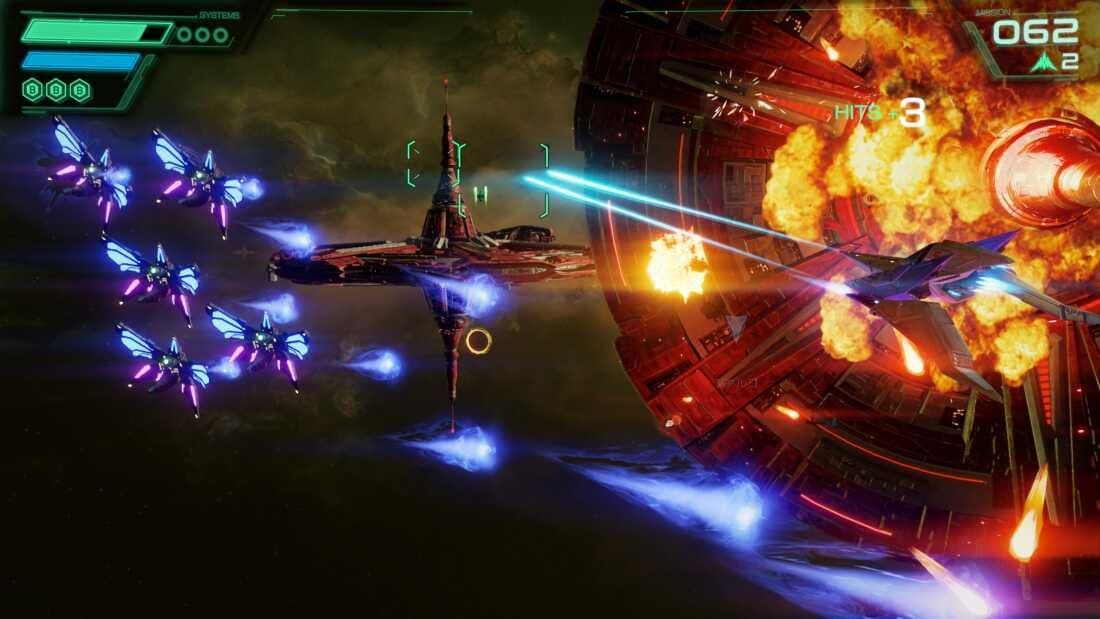
Star Fox combat involves intense skirmishes that test the game's flight controls.
This newfound precision elevates every classic maneuver. Executing a barrel roll to deflect incoming fire or performing a somersault to shake a tail feels instantaneous and satisfying, a direct result of the Switch 2’s hardware and Velan Studios’ refined input mapping. The strategic G-DIFFUSER mechanic—a recharging resource for boosting and braking—becomes a crucial tool rather than a novelty. In the frantic escape through a crumbling Space Armada, tapping the brake to slip through a closing bulkhead or dumping your boost meter to outrun a pursuing missile adds a layer of tactical depth to the on-rails chaos. The ability to toggle seamlessly between third-person and first-person cockpit views with a button press is more than a visual gimmick; it’s a practical choice. The third-person view offers better situational awareness for navigating tight corridors, while the cockpit view provides a narrower, more focused reticle for picking off distant targets on the horizon, allowing you to adapt your approach on the fly.
For purists seeking an even more immersive challenge, the Joy-Con ‘Mouse Mode’ is a revelation. Detaching the right controller to aim with physical gestures in first-person view is initially disorienting, but it quickly becomes the most engaging way to play. The sensation of physically tracking a Star Wolf fighter across the screen and squeezing off a charged shot is unparalleled, turning dogfights into a thrilling test of hand-eye coordination.
However, this otherwise stellar flight model stumbles in its most critical moments: delivering feedback. During intense boss battles, particularly in the visually busy All-Range Mode, the game suffers from a distinct lack of “tactile crunch.” You can be pelting a massive enemy with laser fire and see health bars deplete, but the auditory and visual confirmation of impact—the satisfying thump of a direct hit—is often lost in the orchestral swell and particle effect overload. There were moments, especially against the multi-stage final boss, where I was genuinely unsure if my shots were connecting or merely glancing off shields. This prioritization of cinematic flair over gameplay clarity is a tangible step back from the N64 original’s more immediate, if simpler, feedback loop. For a game built on precision and rhythm, this ambiguity during high-stakes encounters is a frustrating flaw.
Ultimately, Star Fox’s controls are a story of successful evolution with one curious regression. The modernization of the core piloting experience is near-perfect, offering both accessible depth for newcomers and a high skill ceiling for veterans chasing high scores. Yet, by allowing its cinematic presentation to occasionally obscure the fundamental language of combat—the clear signal of a hit—the game momentarily undermines the very mastery its excellent controls enable. It soars, but sometimes you can’t quite feel the wind.
Branching Paths and Replayability: The Arcade Loop in 2026
The enduring appeal of Star Fox has always been its arcade DNA—a short, intense burst of action designed to be replayed until your thumbs ache. The 2026 remake understands this core truth, structuring its entire experience around this loop. A first-time playthrough on the default path clocks in at a brisk 60 to 90 minutes, a design choice that feels both refreshingly concise and potentially anachronistic in a modern landscape of hundred-hour epics. This is not a game you finish; it’s a game you master. The true campaign length is measured not in a single run, but in the dozens of attempts it takes to uncover every secret path, achieve every medal, and unlock the coveted Expert route. My own playtime easily quadrupled as I chased these goals, a testament to the game’s successful preservation of its original, compelling grind.
The arcade-style mission structure encourages multiple playthroughs.
This pursuit is guided by the remake’s refined and transparent branching structure. The original’s 16 total levels remain, with their alternate routes now unlocked through clearly communicated objectives rather than obscure trial-and-error. Where the N64 version demanded players memorize enemy spawns or consult a guide to find the warp to Meteo, the Switch 2 version’s Challenge Mode explicitly tasks you with saving all your wingmen or destroying a hidden generator. This is a masterful quality-of-life improvement that respects the player’s time without diluting the satisfaction of discovery. It transforms the hunt for secrets from a frustrating chore into a structured series of skill tests, ensuring that each replay has a clear, achievable purpose.
The new Challenge Mode is the single best addition for veteran pilots, acting as a curated masterclass in Star Fox’s design. With up to six specific objectives per planet—from achieving a flawless no-damage run to defeating a boss within a time limit—it forces you to engage with every nuance of a level’s choreography. Where I once mindlessly blasted through Sector X, I now meticulously track the spawn patterns of every drone to maximize my score. This mode doesn’t just add content; it fundamentally deepens your appreciation for the game’s construction, making the arcade loop feel newly vital in 2026.
This replayability is theoretically bolstered by the inclusion of the Landmaster tank and Blue-Marine submarine, vehicles designed to break up the Arwing-only monotony. In practice, they highlight the series’ long-standing struggle with ground-based gameplay. The Landmaster mission, chasing a train across the surface of Macbeth, is a visual spectacle, but controlling the clunky tank lacks the fluid grace of flight. The submarine segment in the murky depths of Aquas is atmospherically impressive, yet its slow, deliberate torpedo combat feels like a jarring pace-breaker in a game built on speed and agility. These sections serve as brief, novel distractions, but their mechanics are demonstrably less refined and satisfying than the core Arwing piloting praised earlier. You tolerate them to see new scenery and progress the branching paths, not because they offer a compelling alternative gameplay fantasy.
Ultimately, Star Fox’s approach to replayability is a double-edged sword. For players who relish the pursuit of high scores, secret routes, and pure mechanical mastery, the loop is as potent as ever, enhanced by the excellent Challenge Mode. Yet, for anyone expecting a campaign that evolves or expands in a modern sense, the reliance on repeating the same short, gimmick-laden levels—with occasional dips in vehicle quality—can feel like padding dressed in a cinematic gown. The game earns its longevity through skillful repetition, not through narrative or mechanical expansion. Whether that’s a feature or a bug depends entirely on your appetite for an arcade classic, meticulously preserved and polished to a blinding sheen.
Multiplayer and Social Features: Dogfights and AR Avatars
The most radical departure from the original Star Fox formula isn’t found in its 4K textures or orchestral score, but in its attempt to build a social ecosystem around a strictly single-player arcade classic. The remake’s multiplayer and social features are a fascinating, if uneven, experiment that showcases the Switch 2’s technical gimmicks while struggling to justify themselves as more than a curious side attraction.
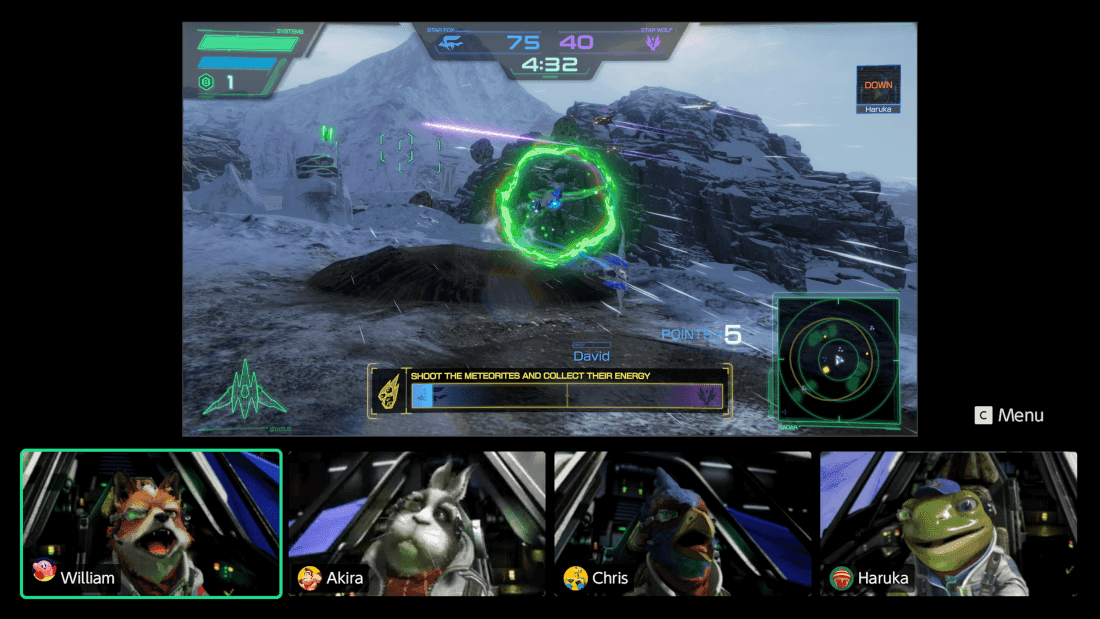
The new 4v4 Battle Mode utilizes AR face-tracking for social GameChat.
The centerpiece of this effort is the new Battle Mode, a 4v4 online dogfight arena that transplants the Arwing’s satisfying flight model into objective-based skirmishes. Modes like a zone-capture “King of the Hill” and a cargo-retrieval “Capture the Flag” are smartly designed to force movement and conflict, preventing the passive circling that plagues many flight combat games. The addition of power-ups—like decoy drones to mislead pursuers or teleport boosts for sudden repositioning—adds a layer of strategic depth that the original’s bare-bones deathmatch lacked. In its best moments, weaving through the industrial girders of a Sector X-inspired map while coordinating with three wingmen to secure a point captures a thrilling, Star Wars: Squadrons-lite energy that the series has always hinted at but never fully realized.
This potential is precisely what makes Battle Mode’s limited scope so frustrating. With only three distinct maps at launch, each locked to a single game type, the novelty wears thin alarmingly fast. The core mechanics for a stellar multiplayer experience are all here—tight controls, distinct team identities (Star Fox vs. Star Wolf), and solid netcode—but it feels like a proof-of-concept rather than a fully featured mode. You’ll have experienced everything it has to offer in an afternoon, with no progression system or ranked play to sustain long-term interest.
The local co-op “pilot and gunner” mode is the definition of a clever gimmick. Using the Switch 2’s detachable Joy-Cons, one player steers the ship with traditional controls while the other uses motion-based “Mouse Mode” to independently aim and fire the lasers. On paper, it sounds like a recipe for chaotic, uncoordinated play. In practice, it’s an absolute blast—a uniquely cooperative twist that turns navigating a dense asteroid field into a hilarious, shout-filled exercise in communication. The gunner’ independent reticle allows for covering fire in directions the pilot isn’t facing, creating moments of genuine synergy. However, its utility is hamstrung by being confined to the main campaign. This brilliant idea feels wasted without dedicated co-op missions or the ability for both players to have their own ships, relegating it to a fun novelty for a single playthrough rather than a transformative way to experience the game.
The most bizarre and endearing addition is the AR Avatar system within the Switch 2’s GameChat. By using a compatible USB camera, the game can map your real-time facial expressions—a raised eyebrow, an open mouth, a puffed cheek—onto the animated portrait of your chosen pilot during multiplayer matches. Watching Slippy Toad’s face contort to mirror your own grimace after a narrow escape is equal parts ridiculous and charming. It’s a textbook Nintendo “why not?” feature: utterly inconsequential to gameplay, but dripping with the kind of playful personality that makes their experiments memorable. It won’t sell systems, but for those who engage with it, it adds a layer of silly, personalized fun to the online dogfights.
A more practical and consumer-friendly feature is the robust GameShare support, which allows up to three players with standard Nintendo Switch consoles to join a local or online session with just one copy of the Switch 2 game. This is a smart, modern evolution of the DS-era download play, dramatically lowering the barrier for local multiplayer and ensuring the Battle Mode arenas don’t feel completely barren at launch. It’s a small but significant nod to the game’s arcade heritage, prioritizing easy pick-up-and-play with friends over monetized barriers.
Ultimately, Star Fox’s suite of social features feels like a collection of promising tech demos in search of a unifying vision. The Battle Mode has a fantastic foundation but not enough content, the co-op is brilliantly executed but severely limited, and the AR is delightful but trivial. They are charming flourishes on the edges of the masterpiece, never threatening to become the main event. For a game built on the replayability of a 90-minute campaign, these additions provide a few more reasons to return—but they highlight a future for the franchise in multiplayer that this remake only tentatively explores.
Technical Performance and Art Direction: The Switch 2 Showcase
The Switch 2's power is immediately evident in the breathtaking spectacle of Star Fox, but a closer look reveals the cost of its cinematic ambitions. This is a game that prioritizes visual fidelity above all else, delivering a locked 60fps performance that makes the Lylat System a technical marvel, yet stumbles in the finer details of its art and sound, creating a presentation that is simultaneously stunning and strangely sterile.
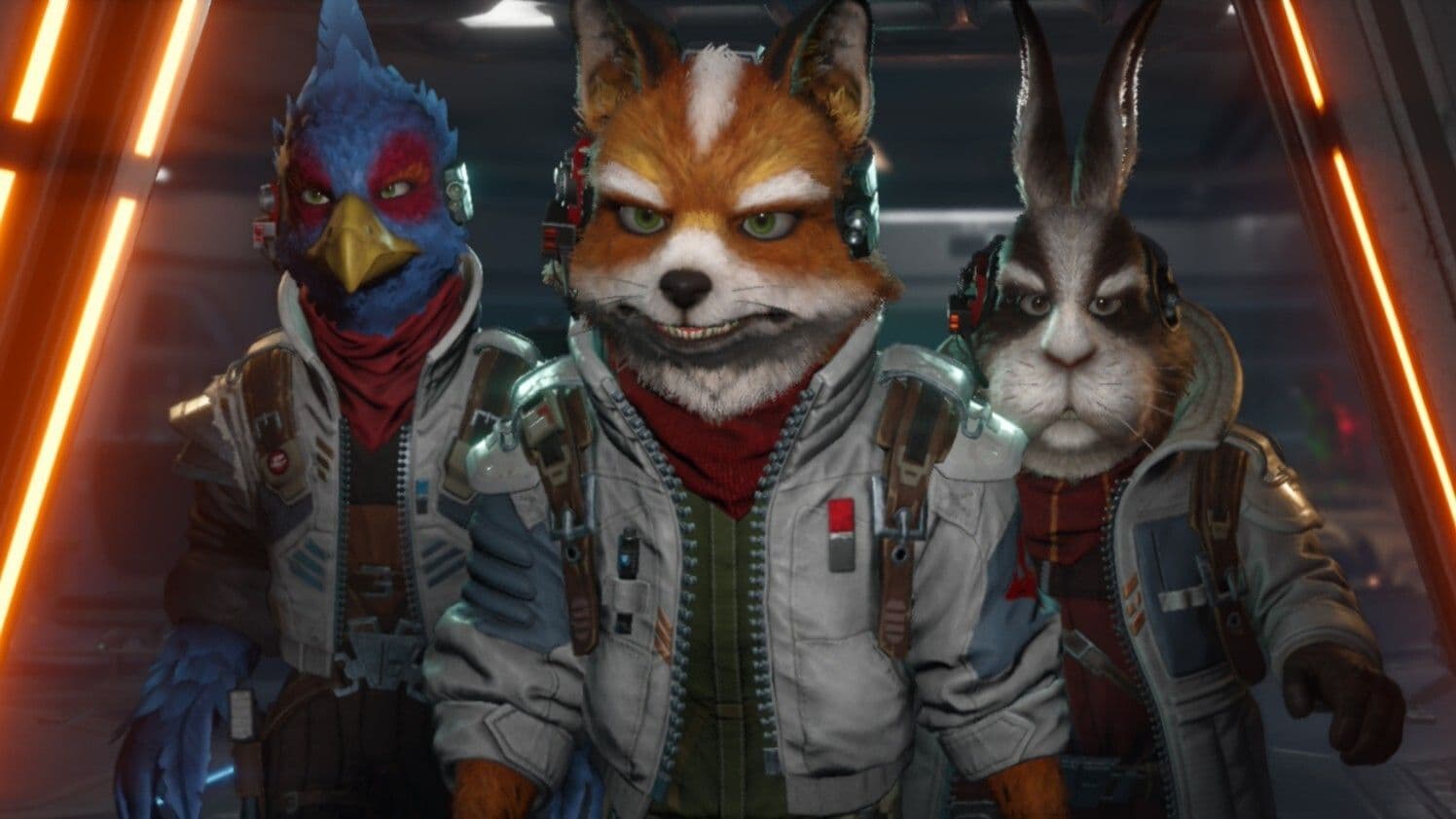
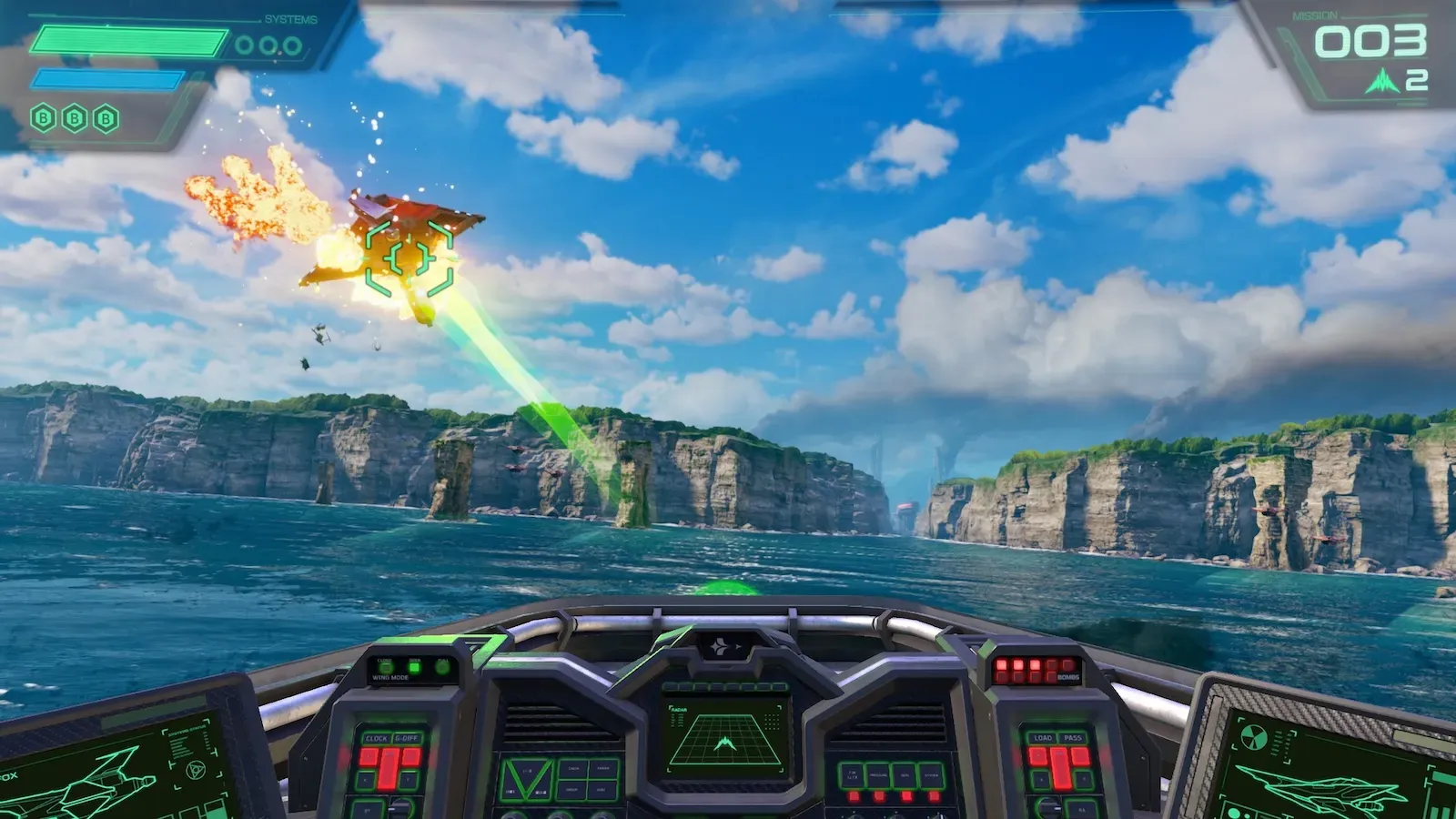
The detailed cockpit interiors demonstrate the technical leap on new hardware.
Velan Studios' visual overhaul is, for the most part, a staggering success. The leap from the N64's low-polygon abstraction to a 4K, HDR-native presentation transforms space combat into a genuine spectacle. The deep blacks of the void make laser fire and explosions pop with visceral intensity, while planets like the fiery Solar or the murky Aquas are rendered with an atmospheric density that was impossible in 1997. This technical stability is the bedrock of the experience; the rock-solid framerate ensures that even the most chaotic dogfights against Star Wolf remain perfectly readable, a non-negotiable requirement for a game built on twitch reflexes and precision. This is the Switch 2 flexing its muscles, and it’s a convincing argument for the remake’s existence.
Where the presentation falters is in its character redesigns, a polarizing shift toward a more grounded, "realistic" aesthetic for Fox and his crew. While technically impressive—every strand of fur is meticulously rendered—the shift drains the cast of their cartoonish vitality. The infamous "dead eyes" critique is valid; these characters often stare blankly through cutscenes, their expressions lacking the exaggerated, mouth-flapping charm of the original. Slippy Toad, in particular, looks uncomfortably slick, trading his endearing goofiness for a generic amphibian design. It’s a clear attempt at maturity that often lands in the uncanny valley, prioritizing graphical horsepower over the expressive personality that defined these characters.
This tonal dissonance extends to the audio. The re-orchestrated soundtrack is a triumph, with Koji Kondo’s iconic themes swelling with a grandeur that fully realizes the space opera fantasy. However, the newly recorded voice acting is a significant step backward. The original’s hammy, exaggerated deliveries—Falco’s sarcastic sneer, Slippy’s panicked wail—were packed with character. Here, they’ve been sanded down into more "refined" performances that sound bored rather than characterful. When a boss feigns surrender, the original’s playful "gotcha" moment is replaced with a stilted, unconvincing line reading that deflates the drama. The game wants to be taken seriously, but in smoothing out its quirks, it loses a vital part of its soul.
Further immersion-breaking quirks linger. The decision to use a dithering effect in space sections to mimic the N64’s short draw distance is an ugly, unnecessary homage, making capital ships pop into existence in a jarring, pixelated haze. More distracting is the persistent "green glow" from the Arwing’s cockpit instruments that bathes Fox in an unnatural light during every cutscene, a bizarre lighting choice that feels more like a technical artifact than a stylistic one. These are small blemishes on an otherwise gorgeous canvas, but they highlight a development philosophy that sometimes values nostalgic reference over pure visual coherence.
The one area where the expanded presentation unambiguously succeeds is in world-building. The Holoviewer and Codex features are a treasure trove for lore enthusiasts, finally providing detailed backstories for planets, characters like Bill, and the history of the Lylat conflict. It’s a welcome addition that adds substance to the spectacle, rewarding repeated playthroughs with tangible narrative depth. Yet, it exists in stark contrast to the main story cutscenes, which often reiterate information the player already knows. The expanded lore feels like a genuine enrichment of the universe, while the cinematic sequences too often feel like they’re checking a "modern blockbuster" box. Star Fox on Switch 2 is a breathtaking technical showcase that proves you can polish a classic to a mirror shine, but in the process, it reminds us that some of the original’s magic was in its rough, expressive edges.
Final Verdict: Is Star Fox the Definitive Way to Play a Classic?
This is where the remake’s identity crisis crystallizes. Star Fox is a masterclass in preservation, a breathtaking technical showcase that polishes every facet of a beloved classic. Yet, it’s also a prisoner of its own reverence, a game so faithful to its 1997 blueprint that it feels caught between eras—a blockbuster production wrapped around an arcade relic. Your final verdict depends entirely on which side of that divide you stand.
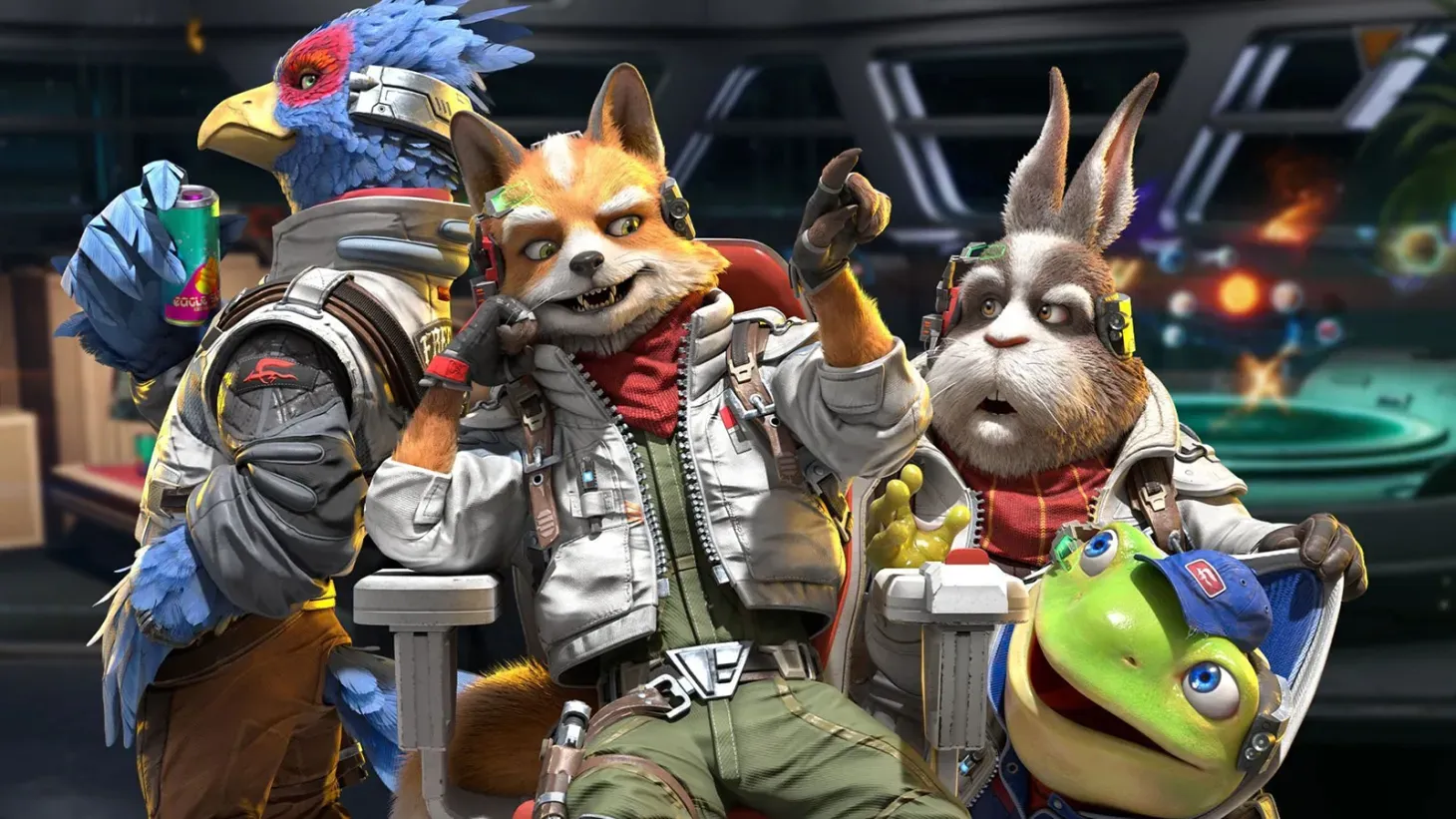
The campaign's finality is captured in this mission summary.
The Star Fox remake is an unequivocal triumph for newcomers and nostalgia-seekers. For players whose only exposure to Fox McCloud is through Super Smash Bros. or The Super Mario Galaxy Movie, this is the perfect, frictionless entry point. The modernized dual-stick controls are intuitive, the Challenge Mode elegantly teaches the secrets of its branching paths, and the cinematic presentation delivers the space opera spectacle the series always promised. For veterans, the sheer joy of seeing Corneria’s cityscape or the Asteroid Belt rendered with this fidelity, backed by a thunderous orchestral score, is powerful enough to justify the price of admission. However, for players skeptical of the arcade shooter genre’s short-burst, score-chase philosophy, Star Fox will feel fundamentally antiquated. No amount of 4K gloss can disguise the fact that its core campaign is a 90-minute experience designed for repetition, not narrative expansion.
The value proposition hinges on your appetite for that arcade loop. If chasing high scores, uncovering every alternate route, and mastering the Challenge Mode’s brutal objectives sounds like a compelling 20-hour journey, this package is rich with content. If you measure a game’s worth by the length of a single, evolving story campaign, you’ll feel short-changed the moment the credits roll on your first run.
This places the 2026 remake in a fascinating position within the series canon. It unquestionably surpasses the misguided gimmicks of Star Fox Zero, delivering the pure, unadulterated flight fantasy that game obfuscated. Yet, a debate will rage among purists about whether it truly dethrones the Nintendo 64 original. This version wins on spectacle, accessibility, and technical polish. But the original, with its immediate tactile feedback, iconic (if cheesy) voice performances, and charmingly abstract visuals, possesses an intangible magic that this remake’s pursuit of cinematic “maturity” sometimes smothers. It’s a more consistent and complete package than Star Fox 64, but not necessarily a more beloved one.
Pros:
- A Visual and Aural Spectacle: The 4K/60fps presentation is a Switch 2 showpiece, with HDR making space combat pop and Koji Kondo’s re-orchestrated score achieving genuine grandeur.
- Addictive, Masterful Core Loop: The pursuit of high scores, hidden paths, and Challenge Medals transforms a short campaign into a deeply rewarding skill-based grind.
- Definitive Modern Controls: The dual-stick flight model and optional Joy-Con Mouse Mode make piloting the Arwing more intuitive and satisfying than ever before.
- Robust Replayability Tools: The transparent branching paths and excellent Challenge Mode provide clear, engaging goals for repeated playthroughs.
Cons:
- The Arcade-Length Core Campaign: A single playthrough can be completed in under two hours, a design ethos that will feel anemic to players expecting modern campaign length.
- Polarizing Artistic Direction: The shift toward “realistic” character models drains the cast of cartoonish charm, often landing in the uncanny valley with oddly lifeless eyes.
- Inconsistent Voice Work: The newly recorded dialogue sands down the original’s iconic hamminess, resulting in performances that are often less expressive and characterful.
- Missed Multiplayer Potential: The excellent 4v4 Battle Mode is hamstrung by only three maps, and the lack of 4-player split-screen is a disappointing omission for a series with that heritage.
Star Fox on Switch 2 is the definitive way to experience a classic, if not necessarily the definitive way to feel it. It is a five-star restoration housed in a four-star game. For those who crave its specific brand of arcade perfection, polished to a mirror sheen, it is an easy recommendation. For anyone else, it remains a breathtaking, conflicted museum piece—a reminder of a bygone era of game design, preserved in amber and lit by the most beautiful neon lights in the galaxy.