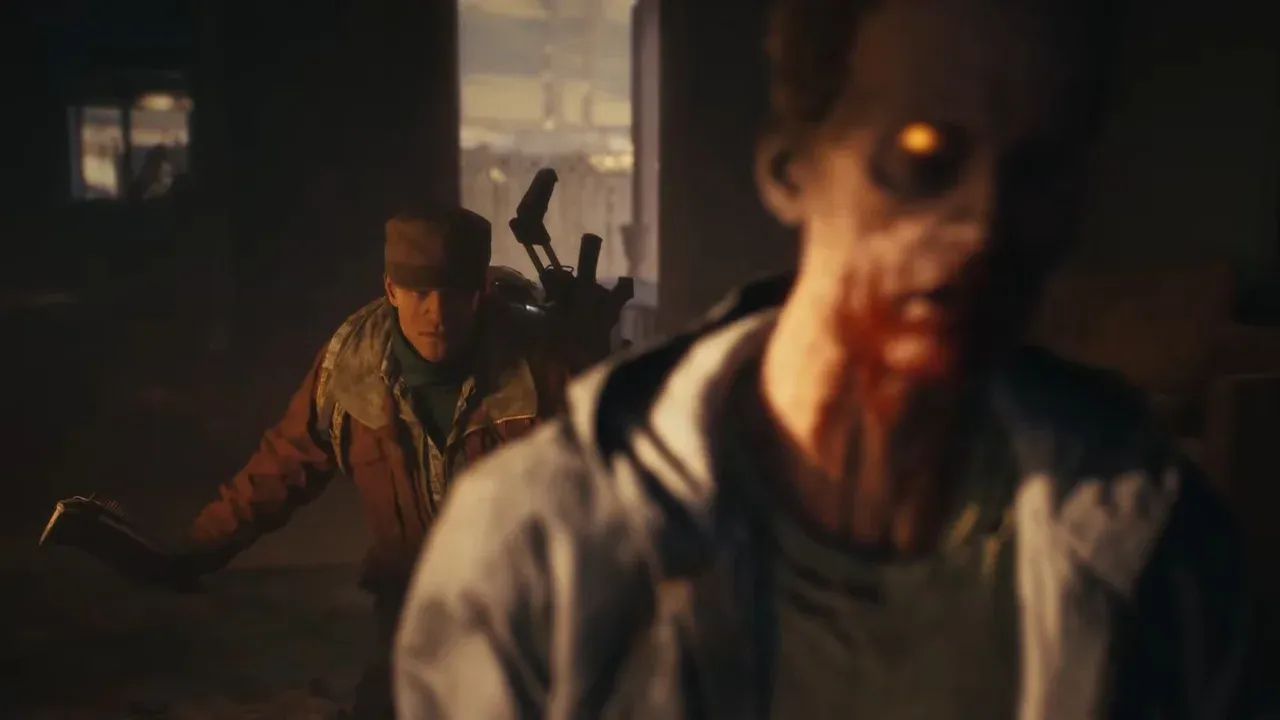

State of Decay 3: A Massive Leap for the Zombie Survival Sandbox
The State of Decay series has always felt like a brilliant, rough-hewn prototype for a genre it helped define. Its ambition outpaced its polish, a quirk that became part of its scrappy charm. With State of Decay 3, Undead Labs is swinging for the fences, aiming to transform that cult classic framework into a definitive AAA survival experience. This isn't just a sequel; it's a declaration of intent, backed by a studio six times larger than the one that shipped the original game and a development cycle long enough to suggest a fundamental reimagining. The result is a game that feels like it's wrestling with its own legacy, trying to marry the punishing, personal stakes of the first game with the sprawling systemic sandbox of the second, all while building it on a foundation of Unreal Engine 5. The ambition is palpable, and the early evidence suggests they might just pull it off.
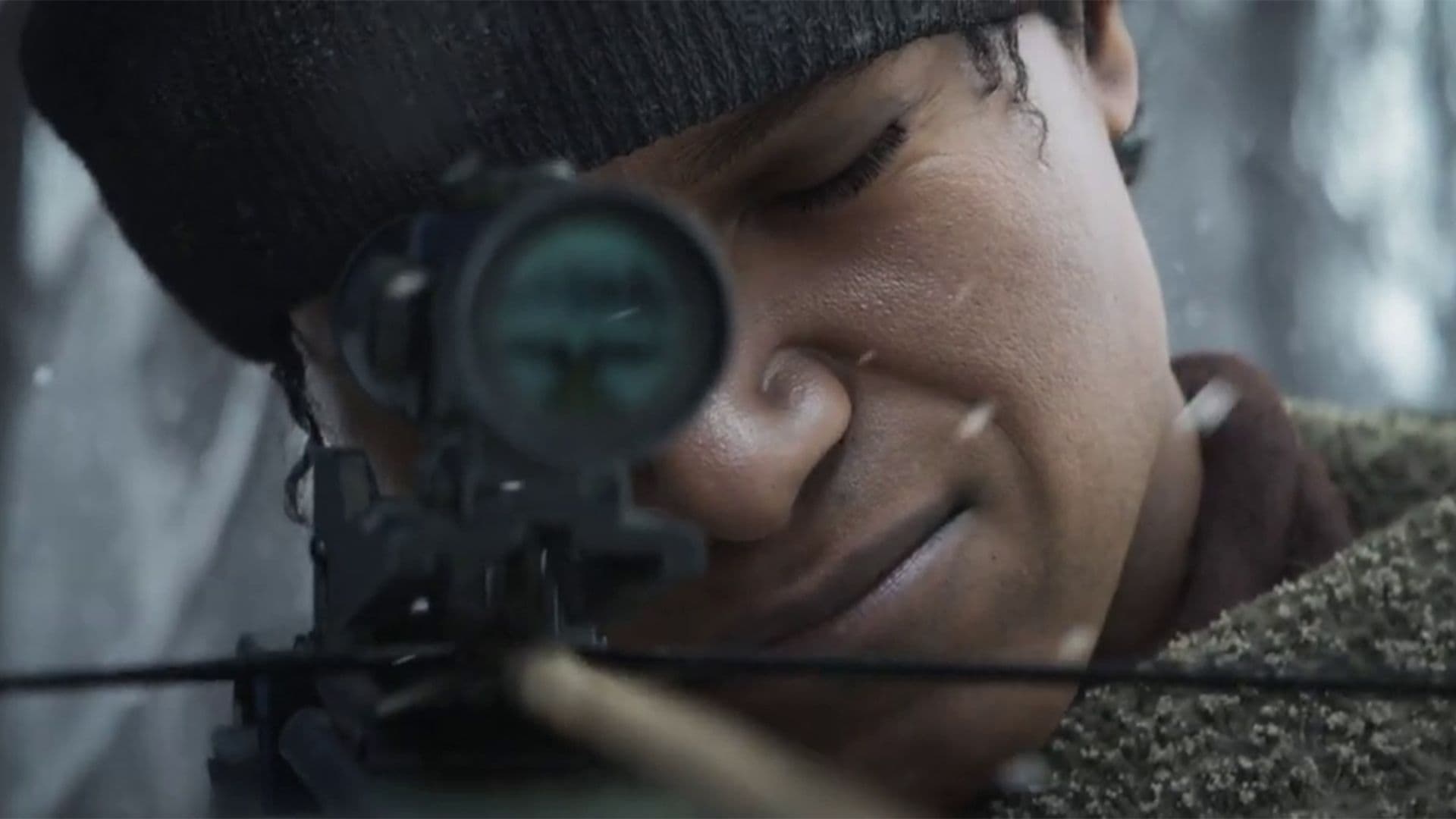
State of Decay 3 represents a significant leap in scope for the survival franchise.
The leap in production values is the most immediate signal of this new era. Where State of Decay 2 often felt unrefined—a fun but janky co-op sandbox—the goal for the third entry is to achieve a polished "AAA feel." This isn't just about higher-resolution textures; it's about a cohesive, atmospheric presentation that can sustain the weight of its own narrative and mechanical ambitions. The shift to Unreal Engine 5, developed in collaboration with The Coalition (the studio behind Gears of War), promises a world of greater visual fidelity, more dynamic lighting, and denser, more reactive environments. The intent is clear: to make the apocalypse feel not just dangerous, but tangible, where the creeping dread of a snowy forest or the oppressive clutter of an abandoned factory carries as much narrative weight as any scripted event.
This push for AAA polish is more than cosmetic; it’s foundational to the game’s core promise of merging systemic depth with emotional weight. You can’t make players care about a community member’s permadeath if the world they inhabit feels like a cardboard diorama.
Driving this ambition is a studio that has scaled up dramatically to meet the challenge. Undead Labs has expanded its team to six times its original size, a necessary evolution to handle a map reportedly four times larger than those in State of Decay 2 and to implement a "truly shared" open world. This scale isn't just about acreage; it's about density of experience, complex AI behaviors for both zombies and human enclaves, and the deeply interlocking survival systems that were the hallmark of the second game. The risk, of course, is that a bigger team and a longer development cycle can sometimes dilute a series' soul. Yet, the stated design philosophy from studio head Philip Holt is reassuringly focused: to combine the systemic, replayable sandbox of State of Decay 2 with the intimate, character-driven emotional stakes of the original.
This synthesis of series identity is State of Decay 3's central thesis. The original game excelled at making you feel every loss, where a survivor's death was a personal blow followed by a stark, unceremonious eulogy. The sequel expanded the toy box with richer base-building, more varied zombies, and seamless co-op, but for some, the emotional connection frayed amidst the mechanics. The third game seeks to have it both ways: the lethal, tactical combat and intricate resource management of a deep survival sim, woven into a narrative where your community remembers its fallen, and every recruitment or betrayal carries lasting consequence. It’s an attempt to build a world where the systemic and the sentimental are not just coexisting, but feeding directly into one another, making the ultimate survival fantasy one defined as much by human drama as by stockpiled cans of food.
Survival Gameplay in State of Decay 3: Harder, Smarter, and More Tactical
State of Decay 3 forces you to respect its apocalypse. This isn’t a world where you can casually loot a pharmacy and blast your way out; it’s a tactical puzzle where every bullet, bandage, and footstep carries a cost. The survival gameplay loop has been hardened into a more demanding, intelligent system that punishes complacency and rewards methodical planning. This is where the game shifts from a sandbox into a genuine survival simulator.
The combat overhaul is the most immediate and impactful change. Where previous entries could sometimes devolve into frantic, weightless brawls, State of Decay 3 introduces a deliberate, risk-reward cadence. Melee combat now features distinct quick and power attacks, forcing you to consider stamina and enemy openings rather than spamming a single button. Firearms, however, are where the true lethality spike hits hardest. A small-caliber headshot is no longer a guaranteed kill—a fundamental shift that upends years of genre muscle memory. Without the Sharpshooter skill to boost headshot damage, that pistol you scavenged in the first hour becomes a tool for staggering, not dispatching. This design choice is brutal, especially in the early game, where ammo is scarce and every zombie feels like a towering threat. It forces a desperate, tactical scramble for more powerful modified rifles or shotguns, making every successful firearm acquisition feel like a monumental victory rather than just another item check.
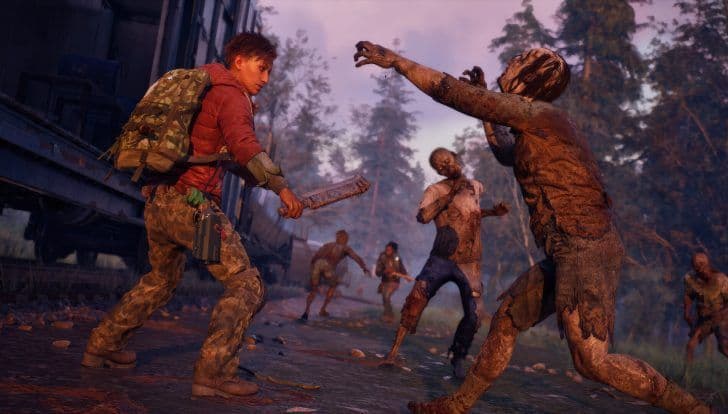
Melee combat in State of Decay 3 requires careful timing and resource management.
This increased zombie durability transforms the entire flow of exploration. You can no longer treat a wandering Screamer as a minor nuisance; its cry now summons a smaller, aggressive pack of runners, turning a stealthy infiltration into a chaotic retreat in seconds. The world feels actively hostile.
This lethality demands a smarter approach to engagement, which is where the game’s refined stealth and aggression systems shine. State of Decay 3 heavily emphasizes environmental awareness, baiting enemies with noise, and the strategic use of suppressors and molotovs. Clearing an area isn’t about brute force; it’s about scouting sightlines, isolating threats like Bloaters (which can now be stealth-killed if caught before they fully inflate), and knowing when to disengage entirely. The game brilliantly uses its resource scarcity to enforce this caution. You’ll frequently find yourself backing out of a promising loot location because your bandages are low and your primary weapon is down to its last few rounds, creating a palpable tension that was often missing before.
This tactical pressure is compounded by a survival economy that is deeper and more layered than ever. Maintaining your community isn’t just about food and medicine; it’s a constant juggling act of Parts, Duct Tape, Propellant, and Herbs—materials that have multiple, overlapping uses in repair, crafting, and facility maintenance. You can’t just hoard a generic “resource” pile. Need to fix the rain collector at your base? That requires specific components found in certain types of locations. This location-based looting system, where you navigate major points of interest to find plastic in a warehouse or pills in a clinic, makes scavenging a deliberate, exploratory act rather than a menu-driven chore. The economy is punishing, but intelligently so; it directly ties your need to venture into danger to the specific, tangible needs of your home, creating a compelling push-and-pull.
The culmination of all these systems is best seen in the redesigned Plague Nests. These are no longer simple target-practice objectives. They are structured, multi-stage tactical missions where you must first destroy connecting plumes and nodes to expose an encased heart. The 72-minute alpha footage of clearing a chemical factory infestation shows this perfectly: a cycle of careful advance, resource depletion, tactical withdrawal for healing, and cautious re-engagement. It’s a mini-campaign, not a checkbox. This is State of Decay 3’s survival gameplay at its best—harder, yes, but smarter and infinitely more satisfying for it. Every victory feels earned because every mistake is so brutally, and thoughtfully, punished.
Is the Shared World of State of Decay 3 Truly Next-Gen?
The promise of a “truly shared open world” is the most ambitious pillar of State of Decay 3, and it’s also the one where the game’s next-gen aspirations most clearly collide with the brutal realities of scale. Building a world four times larger than its predecessor isn’t just about giving players more room to roam; it’s about ensuring that every square mile of that expanded territory justifies the journey. Here, the game’s design shows both its sharpest innovations and its most visible growing pains.
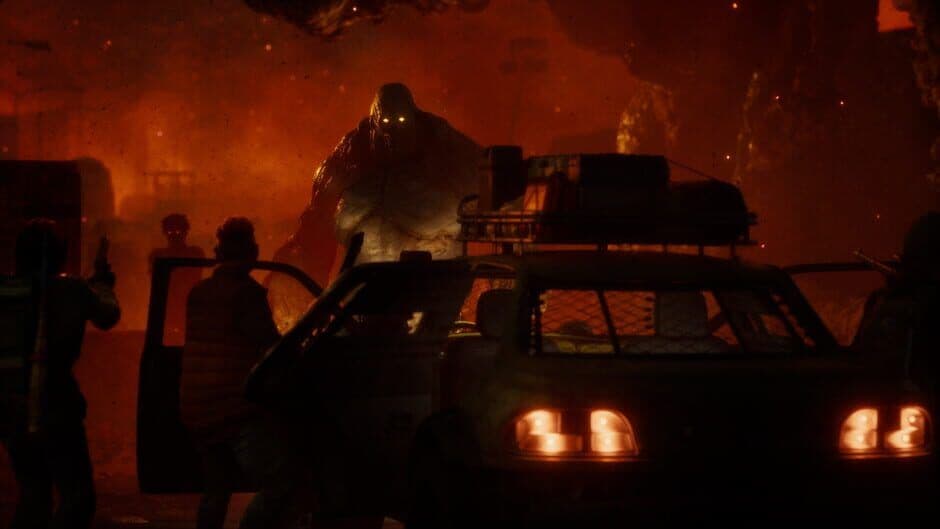
Official screenshot of the State of Decay 3 environment.
The quadrupled map size is a staggering commitment that fundamentally reshapes the survival fantasy. In State of Decay 2, you could often see your next objective from your current vantage point. In State of Decay 3, the horizon is a genuine question mark. This vastness allows for a more deliberate, risk-based approach to exploration. You can choose to cautiously fortify a network of settlements near safer zones or venture into high-risk, high-reward territories teeming with evolved threats. The world feels less like a curated theme park and more like a reclaimed wilderness, where the journey itself—the fuel consumed, the ammo spent, the infections risked—becomes a core part of the survival narrative. This scale is a double-edged sword, however. Without meaningful density, a larger map risks feeling empty and tedious. The early alpha footage hints at this tension, with stretches of travel that showcase the impressive environmental detail of Unreal Engine 5 but also underscore the need for dynamic events and environmental storytelling to fill the space between major points of interest.
The new Plague Nests are the perfect embodiment of this ambitious scale meeting smarter design. They are not static targets to be bombarded; they are environmental puzzles and tactical campaigns. Each nest features plumes and nodes that must be systematically destroyed to expose the encased heart at its core.
This structural shift transforms clearing an infestation from a repetitive chore into a multi-stage mission that demands reconnaissance, resource management, and adaptive tactics. The alpha footage of the chemical factory cleanup is a masterclass in this new approach: players scout the layout, engage in limited skirmishes to deplete defenses, retreat to regroup and heal, and then push forward again. It turns what was once a simple combat check into a miniature, player-driven story of attrition and perseverance. This design makes the world feel dynamically hostile; the zombie threat is no longer a background element but an active, systemic presence that must be engaged with on its own complex terms.
This philosophy of deliberate engagement extends to the revamped looting system. State of Decay 3 moves away from container-by-container searches toward a location-based scavenging model. You don’t just “loot a house”; you navigate the entire point of interest, learning that clinics yield medical supplies, warehouses hold construction materials, and residential areas might have precious food caches. This system brilliantly ties exploration to tangible need. Knowing you require specific Electrical Parts to upgrade your workshop sends you on a targeted expedition to an industrial park, making every outing feel purpose-driven rather than a generic grind. It rewards environmental literacy and turns the map’s landmarks into meaningful destinations, helping to justify the expanded scale with deeper interaction.
Managing survival across this vast territory is facilitated by the ability to build and maintain up to three settlements. This is a logical evolution for a community years into the apocalypse, representing a shift from mere survival to establishing a resilient network. You’re no longer managing a single vulnerable outpost; you’re running a micro-civilization, balancing resources between bases, securing supply lines, and deciding where to concentrate your best defenders. This expanded base management deepens the strategic layer, forcing you to think in terms of territory control and long-term logistics. It makes the world feel truly lived-in and owned, as your influence physically reshapes the landscape with fortified safe houses and cleared zones.
However, the ambition of this shared world is currently tempered by the raw state of its technical execution. The early alpha build, while revealing the impressive core design, is also a candid showcase of the work left to do. Players can expect significant bugs, graphical elements, and moments of rough animation that break immersion. The “AAA feel” that has been a key studio goal is, in these builds, a promise rather than a reality. These issues are expected in an alpha, but they underscore the monumental challenge Undead Labs faces: polishing a world of this systemic complexity and physical scale to a sheen that matches its sophisticated design. For the shared world of State of Decay 3 to feel truly next-gen, its technical performance must eventually become as seamless and immersive as its gameplay ideas are bold.
Co-op and Community: The Emotional Weight of Permadeath
The true genius of State of Decay 3 isn't just that you can lose a survivor; it's that the game forces the entire community, and by extension you, to remember them. This is where the series’ long-stated ambition to fuse systemic depth with emotional weight is put to its ultimate test, and the results transform co-op from a simple feature into the game’s most potent narrative engine. The personal connections forged in shared struggle, and the devastating permanence of their severing, create a multiplayer experience with more raw, emergent storytelling than most scripted campaigns.
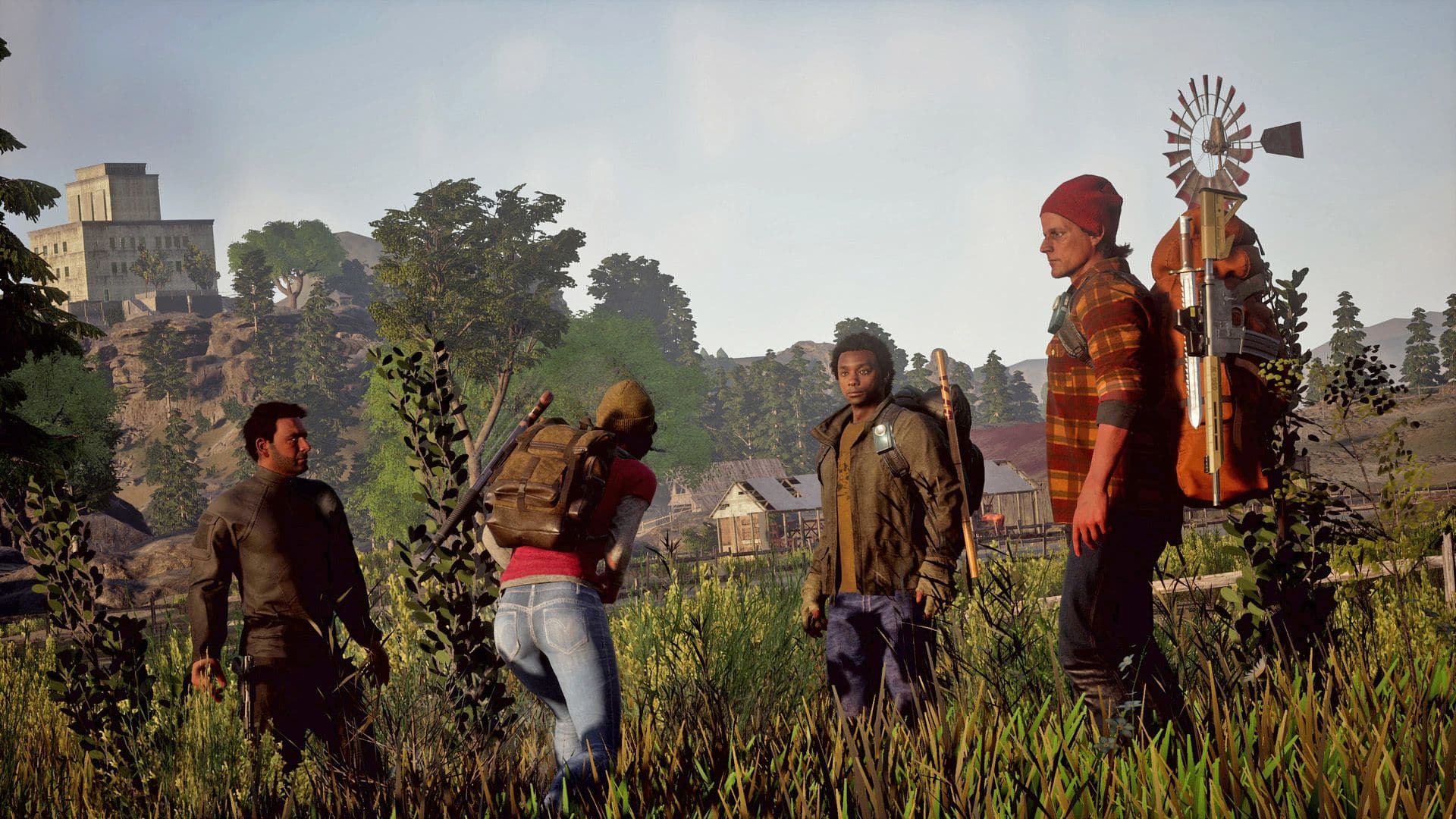
Multiplayer improvements allow for a more cohesive 'dream team' experience.
The four-player online co-op is brilliantly flexible, a design choice that respects player agency and creates organic drama. You and your team can stick together to tackle a massive Plague Nest as a united front, or you can split up to cover more ground—one player scavenging for Propellant in a distant industrial park while another fortifies the base’s walls, and a third rescues a besieged enclave. This freedom to pursue individual goals within a shared world means that a session’s story isn’t dictated by a quest log, but by urgent, overlapping needs shouted over voice chat. The collaborative base-building and resource strategies are the glue; deciding as a group whether to spend your collective Parts on a new workshop or save them for weapon repairs is a constant, low-stakes negotiation that builds a sense of shared ownership. This isn't drop-in/drop-out mayhem; it's the quiet, sustained collaboration of running a household under siege, and it fosters a camaraderie that pure combat never could.
This foundation makes the impact of permadeath profoundly different in co-op. Losing a survivor you’ve personally guided from incompetence to expertise is a private tragedy. Losing one your friend spent twenty hours perfecting, while you were the one who accidentally attracted the Juggernaut, is a shared, guilty trauma that the game’s narrative systems are designed to underscore.
State of Decay 3 ensures sacrifice is meaningful by weaving loss directly into the community's memory. Fallen members aren't just erased from a roster; they are memorialized. The game promises that both NPCs and players will remember them, with their absence affecting community morale and potentially triggering unique, somber dialogue from other survivors. This transforms a mechanical setback—the loss of a high-level Sharpshooter—into a narrative event. The empty bed in the barracks, the missing voice on the radio during a supply run, the temporary dip in your group's efficiency: these are the subtle, persistent consequences that make death feel like a wound to the community's body, not just a reset of a progress bar. It’s a system that validates the emotional attachment the game so carefully cultivates.
That attachment is the slow-burn heart of the experience. As in previous games, survivors in State of Decay 3 develop unique, hard-won expertise over time. The medic you’ve carefully kept alive through a dozen infestations becomes your only reliable source of advanced healing. The mechanic who started with a knack for engines becomes the cornerstone of your vehicle fleet. This specialization makes them irreplaceable assets, and that practical value is the hook that snags your emotional investment. You don’t just care about "Survivor #4"; you care about Maria, the quiet gardener who became your group's stealth specialist and always had an extra bandage. When a Bloater ambush or a desperate last stand claims her, the loss is layered: it’s a tactical blow that sets your community back hours, and a personal one that silences a character you’ve built a story with. This is the brutal alchemy the series has always chased, and here, with more polished systems and deliberate narrative reinforcement, it finally crystallizes.
For all its emotional potency, this design is a high-wire act. The very flexibility that makes co-op so rewarding can, in moments of failure, lead to a dissonant experience. If a player loses a beloved survivor due to a bug or a moment of reckless play by a teammate, the "meaningful sacrifice" can curdle into simple frustration. The game’s success hinges on its systems—from the tactical combat to the stable netcode—being polished enough to feel consistently fair. When they work, the shared struggle and shared loss in State of Decay 3 create stories you’ll talk about for years. When they falter, they risk breaking the fragile spell of immersion that makes the permadeath more than just a punishing mechanic. It’s the ultimate gamble for Undead Labs: building a multiplayer game where the best and worst memories are permanently etched into its world.
Final Verdict: Is State of Decay 3 the Ultimate Survival Fantasy?
State of Decay 3 does not ask for your money upfront; it asks for your time, your attention, and your willingness to care deeply about a community of fictional survivors. This is the ultimate test of its value proposition, and it’s one the game is uniquely positioned to pass thanks to its day-one availability on Game Pass. For subscribers, the barrier to entry is not financial, but emotional—are you ready to invest dozens of hours in a world that will punish your mistakes with permanent loss? This model is perfect for a game of such daunting scale and systemic density, allowing players to dip a toe into its punishing waters without a purchase commitment. For those buying outright, the calculus is more demanding. At a projected 80+ hours for a completionist run through its quadruple-sized map, the sheer volume of content justifies the price, but only if its specific brand of tactical, community-focused survival is precisely what you crave.
The target audience for this game is not the casual zombie slayer. State of Decay 3 is built for the player who finds satisfaction in logistics, who relishes the slow, tense build-up of a supply run more than the explosive payoff, and who views a survivor's death not as a reload prompt but as a narrative turning point. It’s for the fan of games like Project Zomboid, where survival is a meticulous simulation of calories, mood, and infection. Where State of Decay 3 diverges is in its focus on communal, rather than purely individual, survival. Managing the morale, health, and specialized skills of a dozen survivors adds a layer of strategic management that pure simulation games often lack. However, this complexity comes with a high difficulty floor. The early hours, where a single zombie can require multiple pistol shots to kill and resources are desperately scarce, will ruthlessly filter out players looking for a more forgiving power fantasy. This is a game that demands patience and punishes impulsivity.

State of Decay 3 aims to be the ultimate co-op survival experience.
This places State of Decay 3 in a fascinating genre space: it lacks the pure, physics-driven chaos of something like Deep Rock Galactic, but surpasses it in long-term strategic co-op investment. Your team isn’t just completing a mission; you’re building a legacy.
In terms of pure co-op synergy, the game’s flexible shared world—where players can split up to tackle separate objectives for the same community—creates a more organic and sustained partnership than many mission-based titles. You’re not just allies for 20 minutes; you’re co-leaders of a fragile micro-nation. This generates stories that are uniquely yours, a strength few games in the genre can match. The trade-off is a slower, more deliberate pace. You won’t find the constant, adrenaline-fueled action of a Left 4 Dead; instead, you’ll share the quiet tension of a successful stealth extraction or the collective grief of a permadeath that reshapes your community’s future.
The pros of committing to this world are substantial. The massive map offers a genuine frontier to explore, where high-risk territories promise rare resources and evolved threats. The improved combat, with its emphasis on stamina management, weapon modification, and smart engagement, transforms every encounter from a brawl into a tactical decision. Most importantly, meaningful permadeath is no longer just a marketing bullet point; it’s a narrative engine that makes your community’s history feel tangible and earned. The systemic depth—from location-based looting to the multi-settlement management—ensures high replayability, as different community compositions and base locations will tell wildly different stories.
Yet, the cons are significant and must be weighed honestly. The high difficulty floor will be a hard stop for many. The potential for repetitive infestation clearing is real, especially in the late game when the core loop of scout-destroy-retreat could begin to feel formulaic if the new Plague Nest designs don’t offer enough variety. Most pressingly, the technical polish concerns observed in early alpha builds loom large. For a game selling a “AAA feel,” a launch marred by persistent bugs, unstable performance, or broken co-op connectivity would be catastrophic, as it would directly undermine the fragile trust and immersion its best systems rely on.
State of Decay 3 is not for everyone, but for its specific audience, it aims to be nothing less than definitive. It is a bold, uncompromising vision of the survival genre, one that values the emotional weight of a single loss over the power fantasy of killing a thousand zombies. If its final polish matches its ambitious design, it will stand as a landmark achievement. If it stumbles, it will remain a fascinating, flawed experiment that pushed the genre forward. Either way, it demands to be experienced.
Pros:
- A vast, quadruple-sized open world that encourages genuine exploration and risk assessment.
- Deeply tactical combat and survival systems that reward patience and punish recklessness.
- Permadeath mechanics that are meaningfully woven into narrative and community morale.
- Exceptionally flexible and emotionally potent four-player co-op within a shared, persistent world.
- High replayability driven by systemic depth, character specialization, and multi-settlement management.
Cons:
- A punishing difficulty curve and complex resource economy that will alienate casual players.
- Potential for grind and repetition in late-game infestation clearing and resource loops.
- Technical execution and “AAA polish” remain a significant question mark pending final release.
- The sheer time investment required can feel daunting, even for genre veterans.