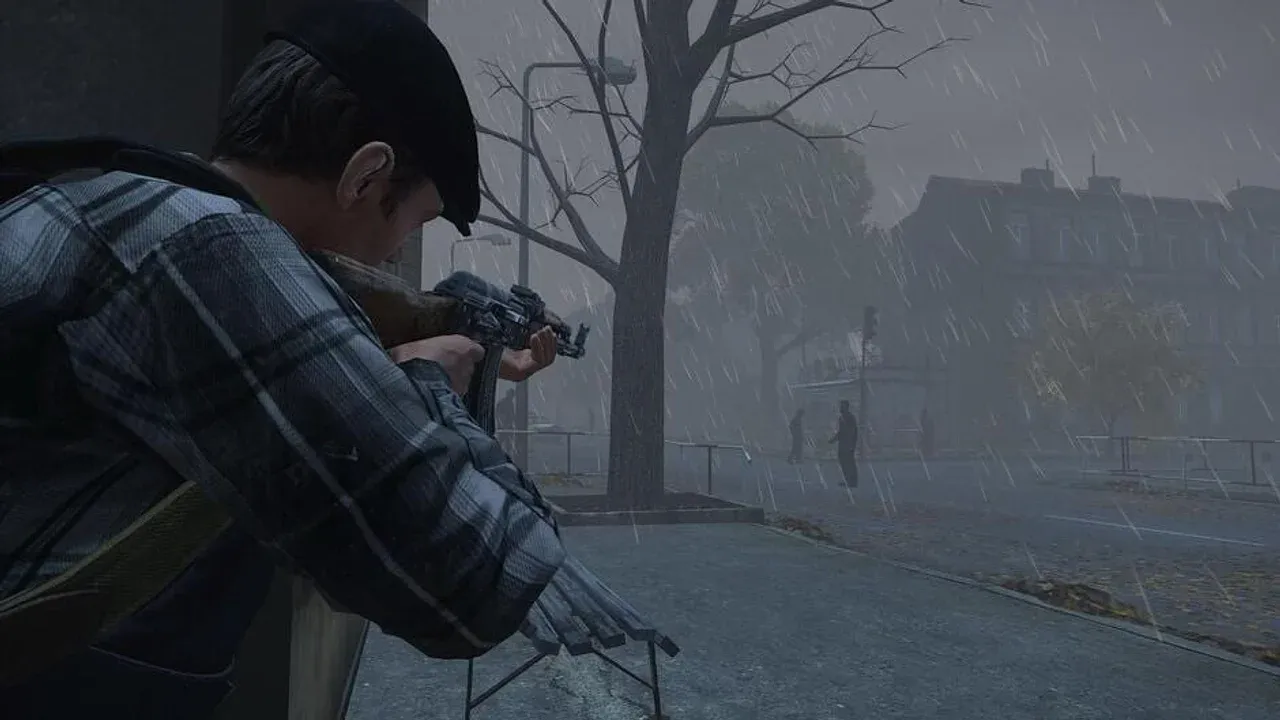
DayZ’s history is not a clean handoff from mod to finished product. The mod supplied a powerful rule—make a persistent life worth protecting—while the standalone spent five years replacing the technical foundations underneath it in public. That combination explains both the game’s troubled development and its influence: DayZ exported a way to create stories, then showed other developers how far that idea could travel.
The Mod Made Loss the Main Mechanic
DayZ began as a mod for ARMA 2: Combined Operations in spring 2012, created by Dean Hall. ARMA 2 supplied the military sandbox, but Hall’s design changed what the sandbox was for. Instead of treating a mission as a disposable match, DayZ made the survivor, equipment, and route through Chernarus persist between encounters.
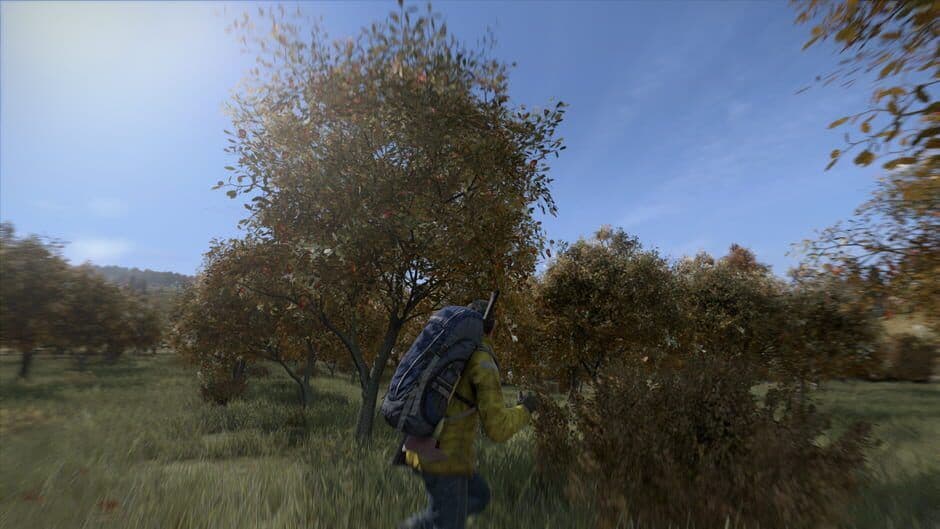
The standalone keeps the mod’s journey through a persistent Chernarus.
Hall later explained the appeal through two connected ideas: ownership and loss. A character who can persist tomorrow makes today’s gear feel valuable; permanent death gives every fight the power to erase that investment. The rule is simple, but it changes how players read one another. A stranger is not only a target or teammate; they are a possible threat to a life that already has history.
That is why the mod’s most important contribution was social rather than zoological. The infected created pressure, but players supplied the turns in the story: a trade, a betrayal, a rescue, or a needless firefight. DayZ made those outcomes possible without scripting them.
Bohemia Chose a Rebuild Over a Quick Port
On August 7, 2012, Hall announced that DayZ would become a standalone game with Bohemia Interactive, while the mod continued in parallel. The announcement promised fast iterations and a community alpha modeled on Minecraft’s development process. Players were being invited into development, not merely asked to wait for a boxed version.
The standalone also became a technical redesign. In a 2013 interview, Hall described the team as radically reimagining the mod as a full game, moving toward MMO server technology and adding new gameplay systems. A later development update explained the delay in similar terms: the team had chosen to redevelop the game rather than package a slightly improved version of the mod.
That distinction matters because it separates two kinds of influence. The mod proved that persistent survival could create unusually strong player stories. The standalone tried to make those stories reliable at scale, with a new inventory, a different network architecture, and a world that could be supported for years. The rewrite was not a detour from DayZ’s identity; it was the attempt to make that identity durable.
Early Access Put Architecture in Front of Players
The standalone alpha entered Steam Early Access on December 16, 2013. Its launch notice called the build a bare-bones alpha and warned that serious bugs, connection problems, and interruptions were part of the process. That honesty set the terms: the public was not testing a finished game’s balance. It was watching core systems take shape.
The changes that followed reached deeper than new loot. Bohemia Interactive later highlighted redesigns to the inventory, multiplayer architecture, and map, along with 24 updates to the main public branch in the first year. The team also began rewriting the core engine toward Enfusion, linking performance and visual improvements to the tools used for future content and modifications.
This is the part of DayZ’s legacy that shaped development practice. Early Access became a place where a game’s networking, interfaces, and world rules could be rebuilt while players were already using them. The model did not make the rebuild painless, but it made the rebuild visible—and made player participation part of the product’s history.
A Five-Year Alpha Became a Modding Platform
By the November 2018 beta, the rebuild had changed the scale of what DayZ could support. The update combined engine and network work with base building, improved vehicles, more detailed infected and animal AI, a reworked Chernarus, private servers, and Steam Workshop tools. Together, those changes moved the game from a fragile survival loop toward a platform for persistent communities.
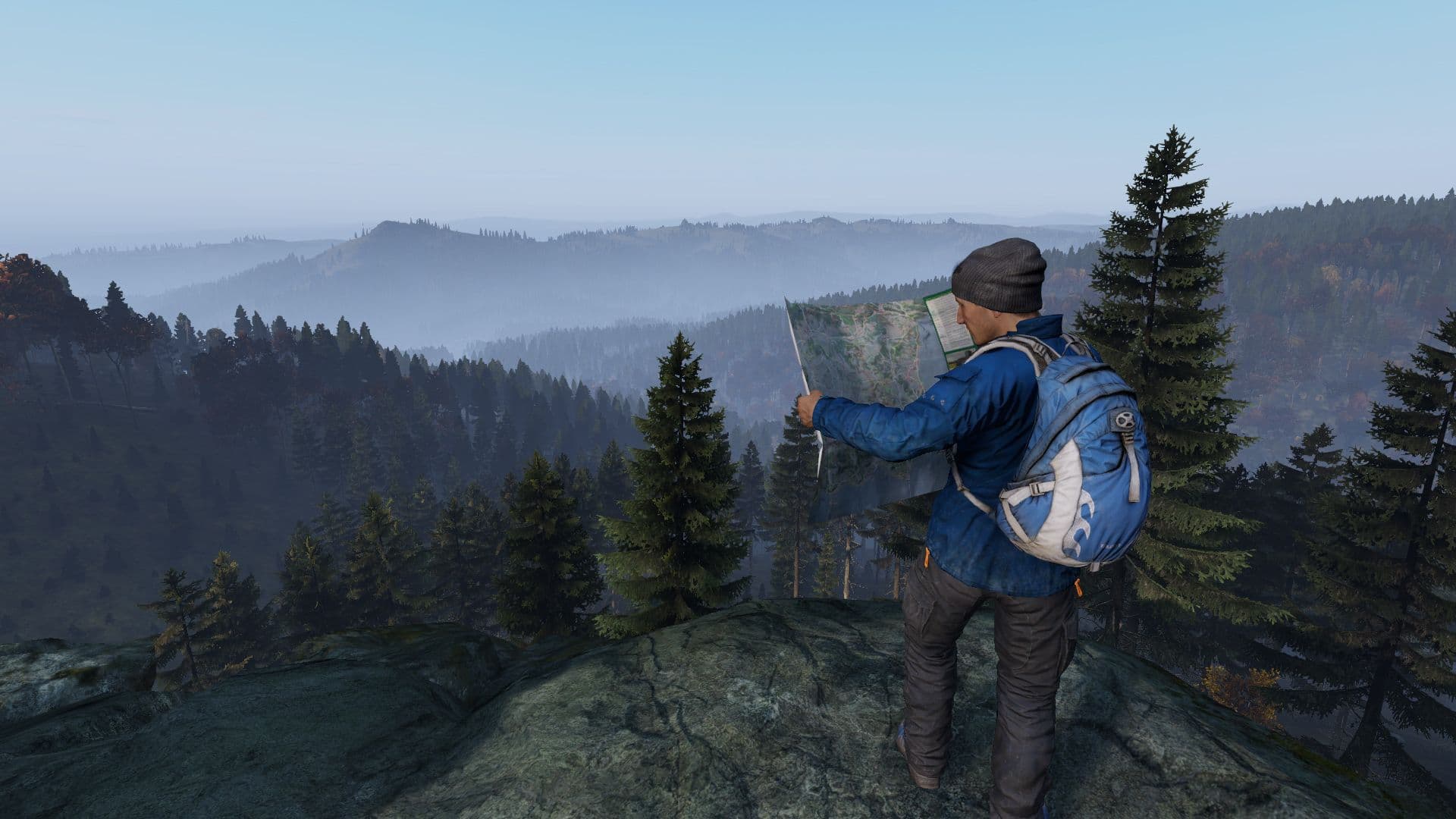
Base building and vehicles show the platform DayZ became.
The modding tools were the clearest expression of that shift. DayZ had started by extending Bohemia’s military sandbox; now the standalone was exposing more of its own sandbox to creators. Private servers and Workshop support gave communities room to change rules and content without discarding the survival framework.
DayZ 1.0 followed on December 13, 2018, after five years of Early Access alpha development. The date marked the end of the public alpha, not the end of the game’s evolution. The important achievement was that the original design survived the engineering work: a character could remain valuable, a server could become a community, and the world could keep producing unscripted problems.
DayZ’s Influence Left Chernarus
The clearest evidence of DayZ’s genre impact is not a vague list of games that resemble it. It is the direct lineage from the mod’s open-ended scavenging to battle royale. Brendan Greene told PC Gamer that Battle Royale began in the DayZ mod, and in an Unreal Engine interview he described loving its looting, PvP, and nonlinear progression before building something new from those parts.
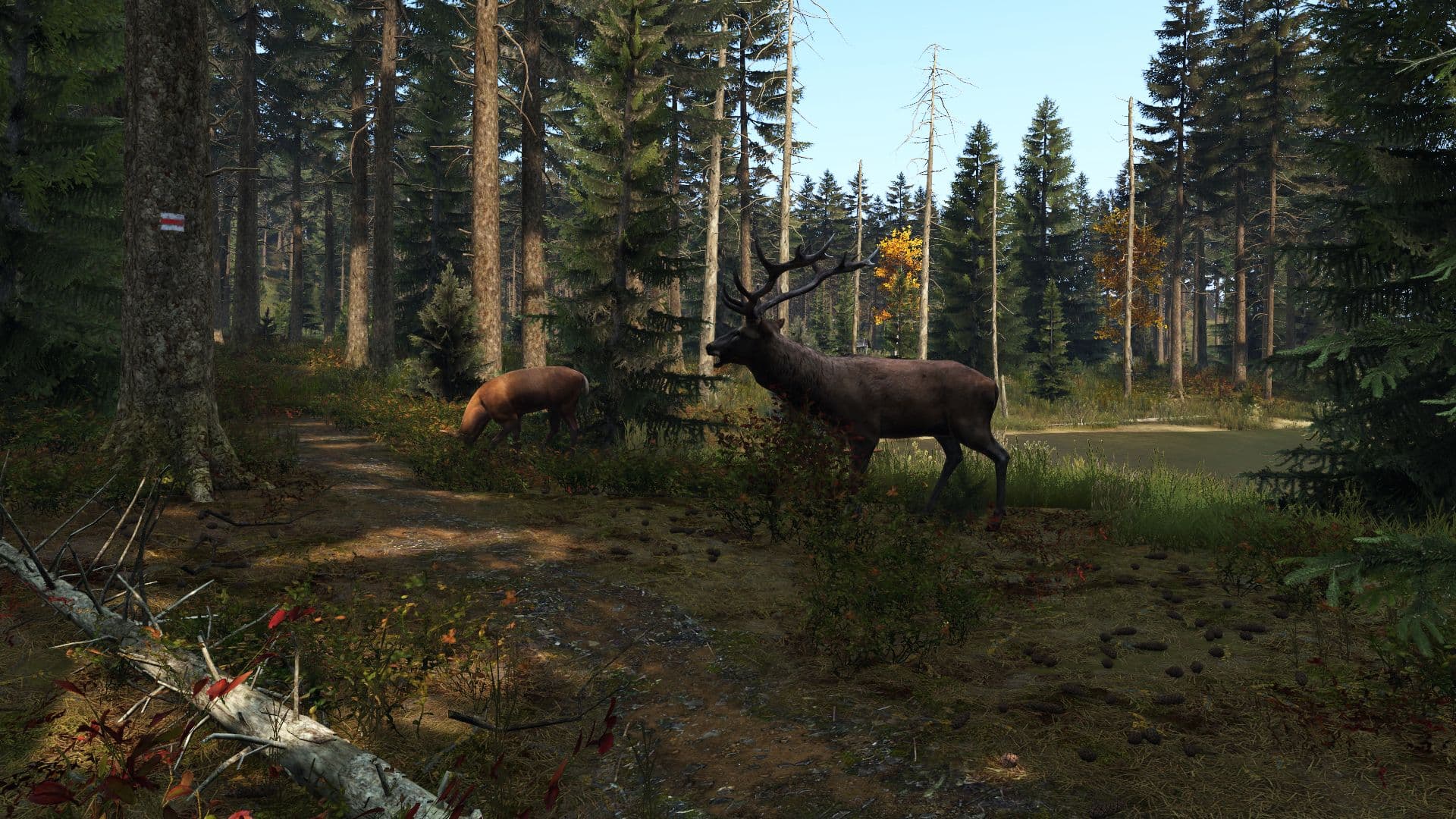
The standalone rebuild expanded the world beyond infected and loot.
That path led from a DayZ modification to Greene’s later work on PLAYERUNKNOWN’S BATTLEGROUNDS. The battle royale format changed the objective and compressed the time scale, but it carried forward a recognizable structure: enter a dangerous space, search for an advantage, decide which encounters are worth risking, and let elimination make each decision consequential.
DayZ’s influence is therefore more specific than “survival games became popular.” It demonstrated that persistence, scarcity, and player-authored conflict could be separated from one fixed story and recombined in new formats. The standalone’s long public rebuild gave that design room to spread. Its most important export was not the infected; it was a framework for turning systems and other people into narrative.