Roblox First Impressions: A Digital Playground Powering Imagination
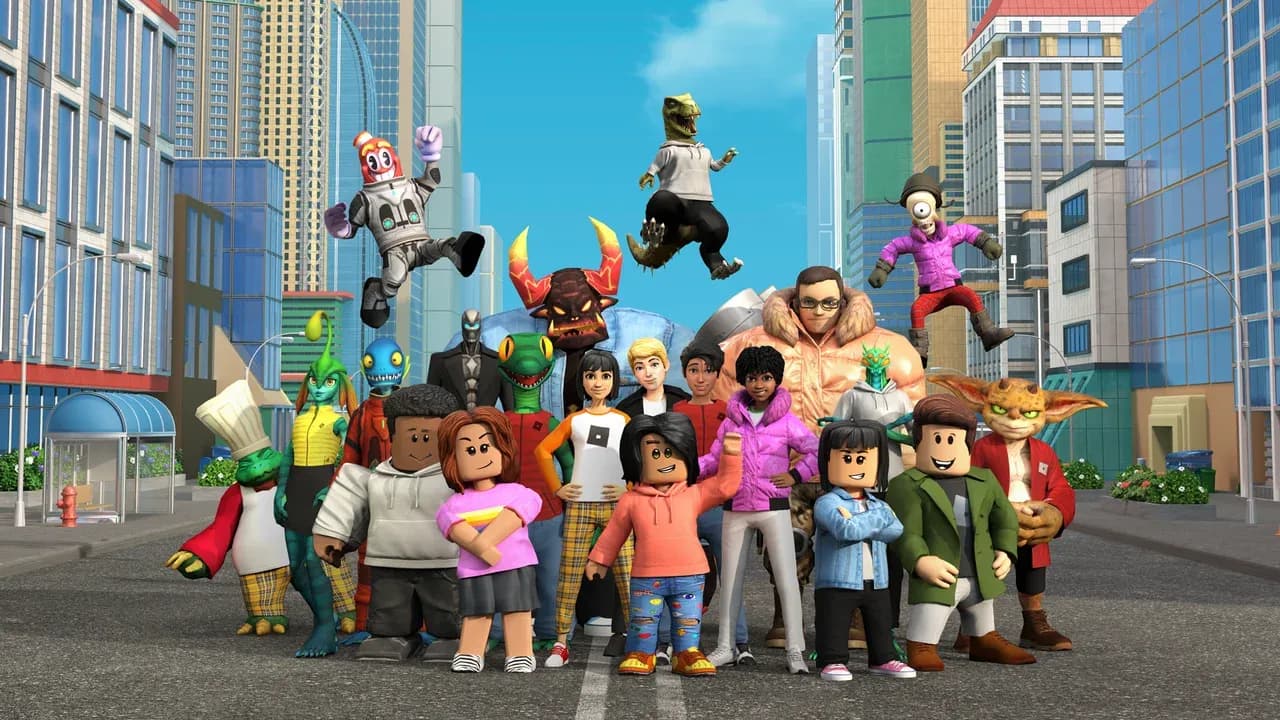
To call Roblox a video game is to fundamentally misunderstand it. This is a digital nation-state, a sprawling, user-generated metaverse where the primary activity is not playing a game, but experiencing a platform. Its official slogan, “powering imagination,” isn’t marketing fluff—it’s the operational manual. Roblox positions itself as a “human co-experience” platform, a term that perfectly captures its dual identity: it’s a social hub and a creative engine where millions of users, primarily younger audiences, log on not for a curated story, but to see what their peers have built today. This distinction from traditional titles like Minecraft is critical; while both leverage creativity, Roblox’s core is the seamless integration of creation, socialization, and consumption into a single, persistent digital space.
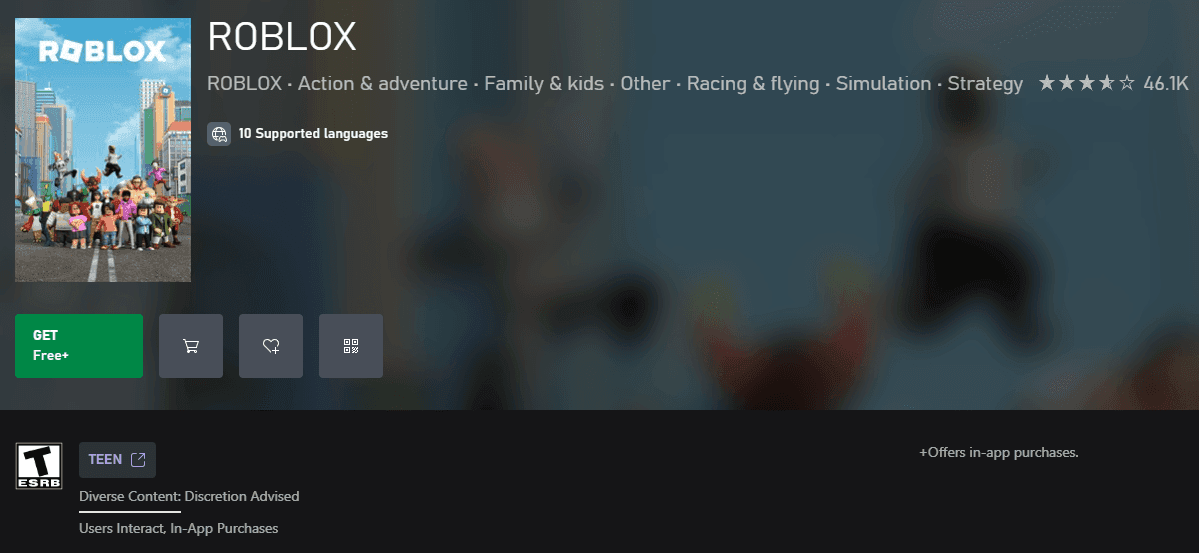
Roblox is accessible across a wide variety of devices, from consoles to mobile and VR.
The scale is almost incomprehensible. You aren’t booting up a game; you’re accessing a portal to millions of distinct “experiences,” a term Roblox uses that feels more accurate than “games.” In one session, you could be managing a restaurant in a life simulator, competing in a polished first-person shooter like Phantom Forces, or exploring an expansive RPG like Meep City. This staggering variety is the platform’s greatest initial hook and its defining characteristic. The content is boundless because it’s built by a global community ranging from solo teenagers to professional studios, with new experiences launching daily. This creates a living platform where trends shift weekly and there is literally always something new to try, a feat no traditional developer could ever match.
This vastness is both Roblox’s superpower and its inherent chaos. There is no unified “Roblox game” to critique—only an ocean of content of wildly varying quality, from professional-grade productions to the buggy, earnest first attempts of new scripters.
Accessibility is engineered into its DNA. To engage with this universe, you can use nearly any screen you own. Roblox supports full cross-platform play across PC, Mac, iOS, Android, Xbox One, PlayStation 4/5, and even VR headsets like Meta Quest and HTC Vive. This omnipresence is a masterstroke, ensuring your social graph and digital identity travel with you. The experience is designed to be picked up and put down across devices, making it a constant companion rather than a dedicated living room commitment. While technical performance varies wildly across these platforms—a topic for a later section—the mere fact that you can start building a theme park on a school laptop and later visit it on a PlayStation 5 is a testament to its platform-first ambition.
Officially, Roblox carries an ESRB rating of T for Teen and a PEGI guidance of 7+, with the crucial descriptor “Diverse Content: Discretion Advised.” In practice, its heart beats for a younger demographic. The platform’s aesthetic, its most popular content creators on YouTube, and its foundational tools in Roblox Studio are overwhelmingly tailored to engage children and teenagers. The internal architecture reflects this: accounts for users under 13 have online chat disabled by default and are automatically filtered away from “Moderate” maturity content. However, labeling it strictly a “kids’ game” is reductive. Its economy, complex trading systems, and sophisticated development tools foster a user base that includes professional adult developers and entrepreneurs. Roblox successfully operates on two levels: a playful digital playground for the young, and a legitimate, if unorthodox, creative and economic platform for the old. Navigating this duality is the central challenge—and fascination—of the entire Roblox experience.
Roblox Gameplay and Creativity: The Power of User-Generated Content
Where Roblox truly earns its revolutionary reputation is in the engine room, not the amusement park. This is a platform that has successfully gamified the act of creation itself, offering a loop where playing a polished shooter can inspire you to build your own, using tools powerful enough to make that dream feasible. The gameplay is the infinite scroll of user-generated content; the creativity is the democratized suite of tools that fuels it. This symbiotic relationship is the platform's beating heart, and it results in a digital ecosystem of staggering scale and bewildering inconsistency.
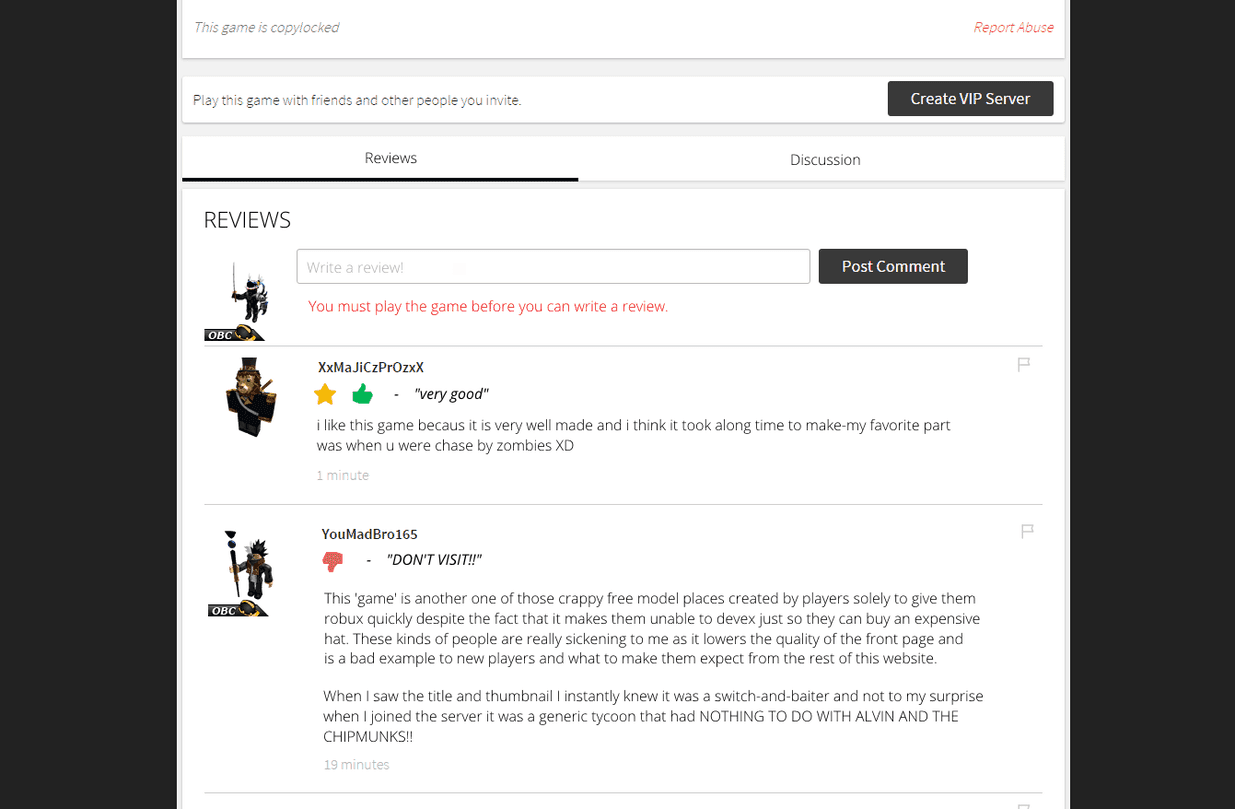
Community feedback and reviews are central to the core loop of playing and improving Roblox games.
The sheer genre diversity is, frankly, unmatched in gaming. In a single evening, you can go from managing a complex tycoon empire to surviving a horror maze, then unwind with a session of Meep City roleplay or a competitive round of Phantom Forces. This isn't just a library of games; it's a cross-section of the entire gaming industry's output, filtered through the lens of a passionate community. The constant churn of new "experiences"—with daily launches from solo developers and studios alike—means there is always a new trend to chase, a fresh concept to explore. This endless novelty is a powerful hook, but it comes with a significant caveat: the signal-to-noise ratio is astronomically low. For every gem, there are oceans of low-effort "brainrot" games, cash-grab simulators, and buggy first attempts. Finding quality requires patience, word-of-mouth, or sifting through reviews on sites like BloxReview.com, turning discovery into an active scavenger hunt rather than a curated experience.
The true genius of Roblox isn't in hosting millions of games; it's in providing the tools that make creating the million-and-first feel within reach for a teenager with a laptop.
This is where Roblox Studio enters as the platform's crown jewel. This free development suite for Windows and Mac is a legitimate game engine, capable of producing everything from simple obstacle courses to visually striking, mechanically complex worlds. Its power lies in its graduated learning curve. A novice can drag-and-drop free community assets—pre-made buildings, terrain, and items—to assemble a playable space within minutes, experiencing the immediate joy of creation. From there, the path deepens into real scripting with Lua, animation, and UI design, skills with tangible real-world application. Tutorials from creators like AlvinBLOX on YouTube demystify the process, fostering a generation of young developers. The developer forum thread for "Sword Random [BETA!]" exemplifies this journey: a new scripter receives blunt, constructive feedback on monetization, map design, and GUI bugs, engaging in the iterative process that defines professional game development. Roblox Studio transforms players into creators, making the platform self-perpetuating.
This creative freedom is seamlessly woven into the social fabric. The cross-platform "Party" system lets you instantly jump into any experience with friends, regardless of whether they're on phone, console, or PC. This frictionless social integration is a masterclass in community building, ensuring that the primary draw is often who you're with, not what you're playing. You're not just downloading a game; you're entering a persistent digital commons where your avatar and friend list are your passport. This fosters a powerful sense of shared space and collective experience, turning Roblox into a virtual hangout where playing a game is just one of many possible activities. However, this very social depth necessitates the robust parental controls and moderation systems that will be examined in a later section, as an open door to friends can also be an open door to risks.
Ultimately, the gameplay and creativity loop of Roblox is a testament to emergent, user-driven design. It provides the canvas and the paints—Roblox Studio, the asset library, the social infrastructure—and then steps back to see what humanity will create. The result is messy, uneven, and occasionally brilliant. It means you might spend an hour in a janky, half-finished sword-fighting game one moment, and the next, lose an entire afternoon to a shockingly deep RPG that rivals professional indie titles. This volatility is the price of admission for a platform that truly powers imagination, for better and, sometimes, for worse.
The Roblox Economy: Robux, Trading, and Monetization
If the sprawling chaos of Roblox is its playground, then the Robux economy is its beating heart—and its most contentious battleground. This is where the platform’s revolutionary promise of empowerment collides with the sobering reality of a marketplace designed to extract value from its youngest users. The virtual currency is the universal lubricant for everything from avatar fashion to game-breaking power, and its implementation is a masterclass in both opportunity and exploitation.

Game pages provide essential context before players commit Robux to an experience.
The core currency, Robux, is straightforward to acquire but psychologically slippery. Prices range from $4.99 for 400 Robux to $199.99 for 22,500, a pricing ladder that normalizes incremental spending. This currency isn't just for cosmetics; it’s the key to the kingdom. It buys access to exclusive games, special abilities, and, most critically, the ability to trade and sell virtual items for potentially real-world profit. This exchangeability is a double-edged sword: it legitimizes the economy, allowing dedicated creators to earn a living, but also fuels a secondary market of speculation and desire that can feel overwhelming for a child. The optional subscription, Roblox Premium ($4.99-$19.99 monthly), further entrenches spending by offering a monthly Robux stipend and unlocking essential features like expanded group membership and trading privileges. It’s a savvy, almost mandatory upgrade for anyone serious about engaging with the platform’s social and economic layers.
Where the economy turns from engaging to ethically fraught is in the hands of individual game creators, who wield Robux with little oversight. The developer forum feedback for "Sword Random [BETA!]" lays it bare: one critic lambasts the ability to literally "buy wins" with a starter pack or VIP pass, while Premium users spawn with 200 Health, creating a pay-to-win chasm in a sword-fighting game. Another slams the 1.5x speed game pass as a essential stat locked behind a paywall. This isn't an isolated case; it’s a systemic temptation within a platform that provides the tools but not strong ethical guardrails. When a creator’s first instinct is to monetize victory itself, it corrupts the playful competition that should be Roblox’s foundation.
This aggressive microtransaction culture dovetails dangerously with the presence of loot boxes—paid random items that offer randomized rewards. While Roblox requires creators to disclose odds for these items, the psychological pull of the gamble, especially on younger players, is undeniable. The platform has introduced restrictions for UK users under 18 in response to these concerns, a tacit admission of the risk. Compared to the structured, skill-based progression of games like Minecraft, this layer of chance-based spending feels predatory, training a generation to equate spending with opportunity rather than effort.
Yet, to focus only on the pitfalls is to miss the economy’s genuinely transformative potential. This is the same system that allows a savvy teenager to build a virtual clothing brand like KESTREL, selling digital apparel for Robux that can be cashed out. It enables groups like Mad Studios to fund and develop polished games like The Mad Murderer through game passes and developer products. For a dedicated creator, Roblox Studio isn’t just a toy; it’s a startup incubator. The path from dragging free assets into a world to scripting a complex game, selling access, and earning real income is a legitimate entrepreneurial journey. This is Roblox’s compelling paradox: the same currency that gatekeeps fun in one game can fund a creative career in another.
Ultimately, the Roblox economy is a perfect mirror of the platform itself: unstructured, user-driven, and rife with contradictions. It empowers and exploits in equal measure. It can teach real-world lessons about digital commerce, design, and investment, while simultaneously exposing children to the sharpest edges of consumer psychology. Navigating it requires more than parental spending locks; it demands a critical conversation about value, fairness, and what we’re really buying when we convert dollars into Robux.
Safety and Moderation: Is Roblox Safe for Children?
To ask if Roblox is safe for children is to ask the wrong question. The correct, more uncomfortable inquiry is: How much work are you, as a parent or guardian, willing to do to make it safe? The platform provides an extensive, even industry-leading, toolbox for safety, but it operates on the fundamental principle that the parent is the final moderator. This places a burden of vigilance that many may not be prepared for, transforming the digital playground into a space that requires constant curation.
The foundation of this system is its internal content labeling. Roblox categorizes its millions of experiences into maturity levels: Minimal, Mild, Moderate, and Mature. Accounts for users under 9 are automatically barred from Moderate content, while those under 13 are restricted to Minimal and Mild by default. On paper, this is a sensible, automated filter. In practice, its reliability is the system's greatest weakness. A 2025 report highlighted instances of "suggestive behaviours" and "sexually suggestive outfits" in games rated Mild, which are accessible to the platform's youngest users. The cited example, Boys and Girls Club Roleplay, was later removed, but its initial presence underscores a critical flaw: in an ocean of user-generated content, moderation is reactive, not preemptive. The labels are a guide, not a guarantee, and the sheer volume means inappropriate material can slip through until reported. This forces parents into an active surveillance role, previewing games and reading reviews rather than trusting the platform's own categorization implicitly.
The platform’s official ESRB descriptor, "Diverse Content: Discretion Advised," is the most honest warning label in gaming. It acknowledges that Roblox is less a curated garden and more a vast, wild forest—some paths are clearly marked, but you might still stumble into a thorny patch.
This is where the parental controls, accessible through a linked parent account, become non-negotiable. When properly configured, they are robust. You can remotely disable all chat, restrict Experience Chat to friends only, set hard spending limits on Robux, and use content labels to block entire maturity categories. For children under 13, these controls are comprehensive and relatively straightforward. The system shines in its transparency for teens (13-17), allowing parents to view chat histories and purchase logs if the teen invites them to link accounts—a clever design that balances oversight with a growing need for autonomy. However, this sophistication is also the control's biggest hurdle: it requires a parent to create their own account, navigate the settings, and understand the difference between Experience Chat and private Direct Chat. It’s a system that rewards the tech-savvy and engaged but can easily be bypassed by a disengaged or overwhelmed guardian.
The risks evolve with the features. The introduction of voice chat for age-verified users increases immersion but also the danger of hearing inappropriate language or, more worryingly, the sharing of personal information. Perhaps more insidious is the common tactic of users attempting to move conversations off-platform to Discord, Snapchat, or Instagram, where Roblox's moderation and parental controls hold no sway. This highlights the platform's fundamental limitation: it can only police what happens within its own walls. The social engineering aspect—a stranger befriending a child in a Meep City apartment and suggesting they "chat somewhere better"—is a threat no automated filter can fully address. It demands ongoing conversations about digital street smarts, teaching kids to recognize and report these maneuvers.
Finally, the ecosystem is rife with scams, primarily targeting a child's desire for status and currency. Promises of "free Robux" or exclusive items via phishing links are endemic, with AI making these scams more convincing. These cons aren't just in obscure corners; they can appear as ads within experiences or be promoted by compromised accounts of friends. Falling for one can mean a drained Robux balance or a hijacked account. While Roblox advises against sharing passwords and clicking suspicious links, the onus is again on the user—and by extension, the parent—to cultivate a healthy skepticism. It’s a harsh, early lesson in internet economics: if an offer seems too good to be true, it almost certainly is.
So, is Roblox safe? The answer is a qualified "it can be," but safety is a verb, not a state. It requires utilizing every tool in the parental control suite, having frank conversations about online behavior, and accepting that you are the final layer of defense in a creatively anarchic, user-driven world. The platform provides the locks, but you must remember to turn the key.
Technical Performance: A Mixed Bag Across Platforms
Roblox's promise of a seamless, cross-platform metaverse is undercut by the reality that your hardware and connection quality will define your experience far more than your imagination. The technical performance of this digital nation-state is its most glaring contradiction: a platform engineered for universal access that often struggles to run smoothly on the very devices it's most popular on.
The mobile experience, where a significant portion of the player base resides, is particularly fraught. User reviews consistently cite buggy login and sign-up processes, sudden app freezes when switching accounts, and punishing battery drain. This isn't just an inconvenience; it directly undermines the platform's "play anywhere" ethos. When a session can be abruptly terminated by a crash or your device becomes a hand-warmer after thirty minutes, the frictionless social hangout Roblox aims to be becomes a chore. The community's plea for a "Lite Mode" for lower-end devices speaks volumes—it's an admission that the full Roblox client can be too demanding, forcing a choice between accessibility and performance that the platform's minimalist aesthetic shouldn't necessitate.
Network stability is another persistent gamble, independent of your own internet connection. Players report random lag spikes and ping increases in specific experiences while others run flawlessly, pointing the finger not at their own Wi-Fi but at the individual game's optimization—or lack thereof. Since every experience runs on its creator's scripts and servers, there's no uniform performance standard. You might enjoy buttery-smooth racing in one game only to suffer from teleporting players and rubber-banding in another popular RPG. This inconsistency turns discovering new games into a technical Russian roulette, where a promising concept can be rendered unplayable by backend issues completely outside your control.
The platform's strength—decentralized creation—becomes its Achilles' heel in performance. There is no quality assurance pass, no certification process that guarantees a game won't melt your phone or lag your console. You are trusting the technical skill of a potentially teenage developer with your afternoon.
Certain platform-specific limitations further fragment the unified experience. The Xbox version, for instance, notably lacks the ability to make new friends within the Roblox app itself. You can only see and play with friends you've already added via other platforms like PC or mobile. This bizarre omission cripples the social spontaneity that is Roblox's lifeblood on a console built for community, forcing a cumbersome multi-device workaround just to expand your circle. It's a stark reminder that for all its cross-platform ambition, Roblox can feel like a suite of different apps with varying feature sets, not a single cohesive service.
Where Roblox deserves measured praise is in its commitment to iterative improvement. The developer regularly releases updates aimed at improving general speed, reliability, and bug fixes, as noted in its patch notes. This ongoing maintenance is non-negotiable for a live service of this scale, and it demonstrates a recognition of the technical debt accrued by such a vast, user-generated ecosystem. However, these updates often feel like they're chasing problems rather than preventing them, addressing the symptoms of mobile freezes or login bugs without fundamentally overhauling the client to prevent them in the first place. The technical foundation of Roblox is engaged in a constant, visible struggle to keep up with the explosive creativity it hosts—a race where the finish line moves further away with every new experience uploaded.
Roblox Final Verdict: A Revolutionary but Flawed Metaverse
Roblox is, without question, the most important digital playground of its generation—a revolutionary platform that has redefined what a game can be. Yet, to recommend it without caveats is to ignore the fundamental tension at its core: its unparalleled creative freedom is inextricably linked to its greatest risks and frustrations. This isn’t a product you simply buy and play; it’s a living ecosystem you must learn to navigate, curate, and, if you’re a parent, actively police. The final verdict, then, hinges not on a score, but on your willingness to engage with that complexity.
The value proposition is staggering. For the price of zero dollars, a user gains access to an infinite library of genres, a legitimate game engine in Roblox Studio, and a persistent social world that travels across every screen they own. This free-to-play foundation is genuine; countless high-quality experiences, from deep RPGs to polished shooters, require no Robux to enjoy for hours. The educational potential is real and profound—watching a child progress from dragging free assets into a world to scripting a functional game in Lua is to witness the development of tangible, marketable skills. Compared to peers, Roblox’s versatility is unmatched. It absorbs the creative sandbox of Minecraft and expands it into a full-blown social and economic platform, offering a path from player to publisher that the defunct Club Penguin could never envision. Its true genius is this virtuous cycle: playing inspires creation, and creation fuels the platform for the next player.
However, that boundless freedom is a double-edged sword. The platform’s greatest strength—user-generated content—is also the direct source of its most persistent flaws: inconsistent quality, predatory monetization, and unavoidable safety gaps.
The infinite replayability promised by millions of games is undermined by the sheer volume of low-effort “experiences.” Finding the gems requires wading through oceans of cash-grab simulators and buggy prototypes, turning discovery into work. More critically, the lack of centralized design oversight means the aggressive microtransactions condemned in earlier sections—like buying wins in “Sword Random [BETA!]”—are not bugs, but features of the platform’s hands-off economy. Similarly, the robust parental controls are a reactive shield, not a proactive filter; they can block a Mature-labeled game, but they cannot preemptively catch the suggestive content that slipped into a Mild-rated roleplay experience. The safety is in the tools, not a guaranteed state.
Therefore, the final recommendation is inherently conditional. Roblox is a must-experience platform for any creatively inclined young person or social gamer seeking a dynamic, ever-evolving digital hangout. Its capacity to empower and educate is revolutionary. But for parents, it is a must-manage platform. It demands an engaged, tech-savvy guardian who will link accounts, configure chat restrictions, set spending limits, and have ongoing conversations about digital street smarts. It is not a babysitter. It is a powerful, chaotic, and profoundly influential tool. Hand it to a child with supervision and guidance, and it can unlock worlds of imagination. Hand it over blindly, and you’re leaving them to navigate the wildest, most unregulated frontier on the internet.
Pros:
- Unmatched Scale & Value: A genuinely free portal to millions of games across every genre, offering infinite variety.
- Educational Powerhouse: Roblox Studio is a legitimate on-ramp to game design, coding, and digital entrepreneurship.
- Seamless Social Fabric: Cross-platform Parties and persistent identity make it the ultimate digital hangout for friends.
- Creative Empowerment: Transforms players into creators, fostering a vibrant, self-sustaining ecosystem.
Cons:
- Inconsistent Quality: The signal-to-noise ratio is extremely low, burying gems under mountains of low-effort content.
- Aggressive Sub-game Monetization: Pay-to-win mechanics and psychological loot boxes are common in individual experiences.
- Persistent Safety Burden: Parental controls are robust but require active management; moderation cannot preempt all risks.
- Technical Volatility: Performance is a gamble, especially on mobile, dependent on individual creators’ optimization skills.