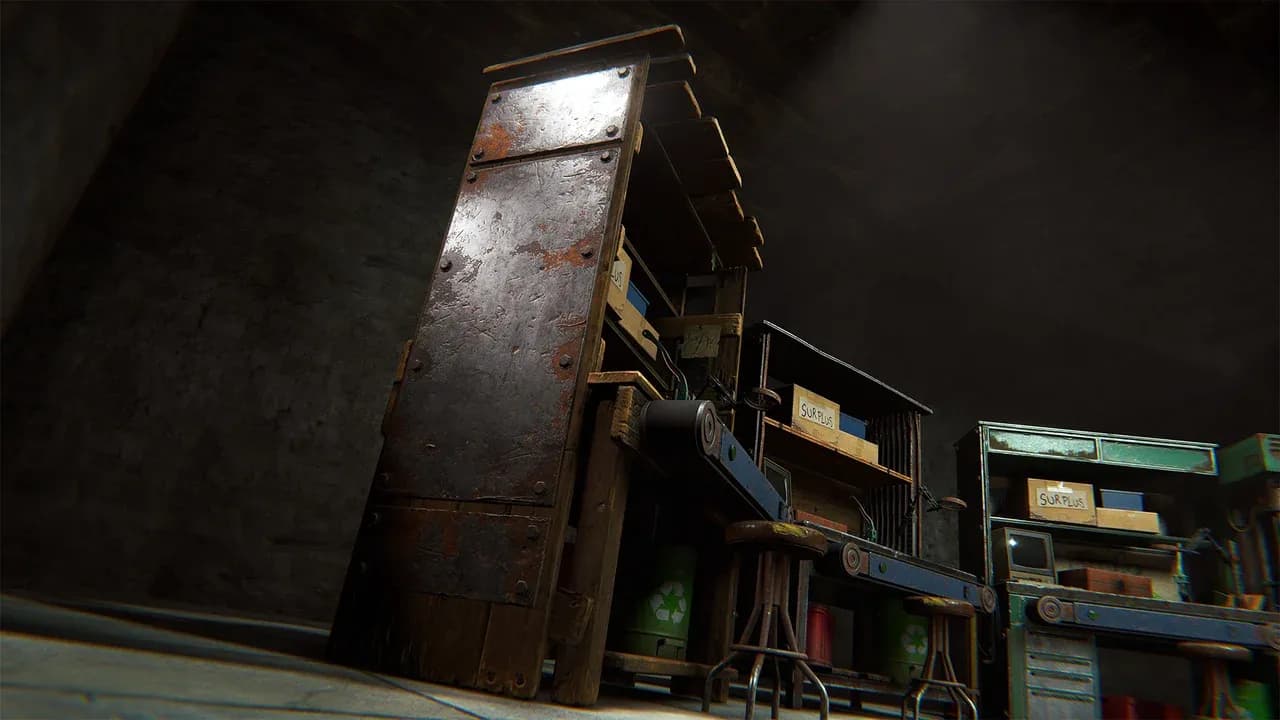
Rust components are useful in two different forms: as parts in your next craft, or as materials returned by a Recycler. Treating rarity as the deciding factor leaves boxes full of “valuable” parts while the Scrap and High Quality Metal you need now remain locked inside them.
Use a minimum reserve instead. Count the components for the items you can realistically unlock and fund before your next loot run, add any replacement kits you deliberately budgeted, and protect that total. Everything beyond it is surplus. This works on current vanilla PC Rust because it recognizes a crucial split: Gears, Metal Springs, and Metal Pipes have expensive Workbench Level 3 crafting fallbacks, while Tech Trash and weapon bodies remain uncraftable.
Build the Reserve from a Real Craft
Start with the finished item, not the component. A solo with Garage Door learned and three empty frames needs six Gears because each door uses two. That is the minimum reserve. If the same player also budgets one replacement door, the number becomes eight. Team size, expected deaths, and wipe stage enter the calculation through named crafts—not through a universal stack target.
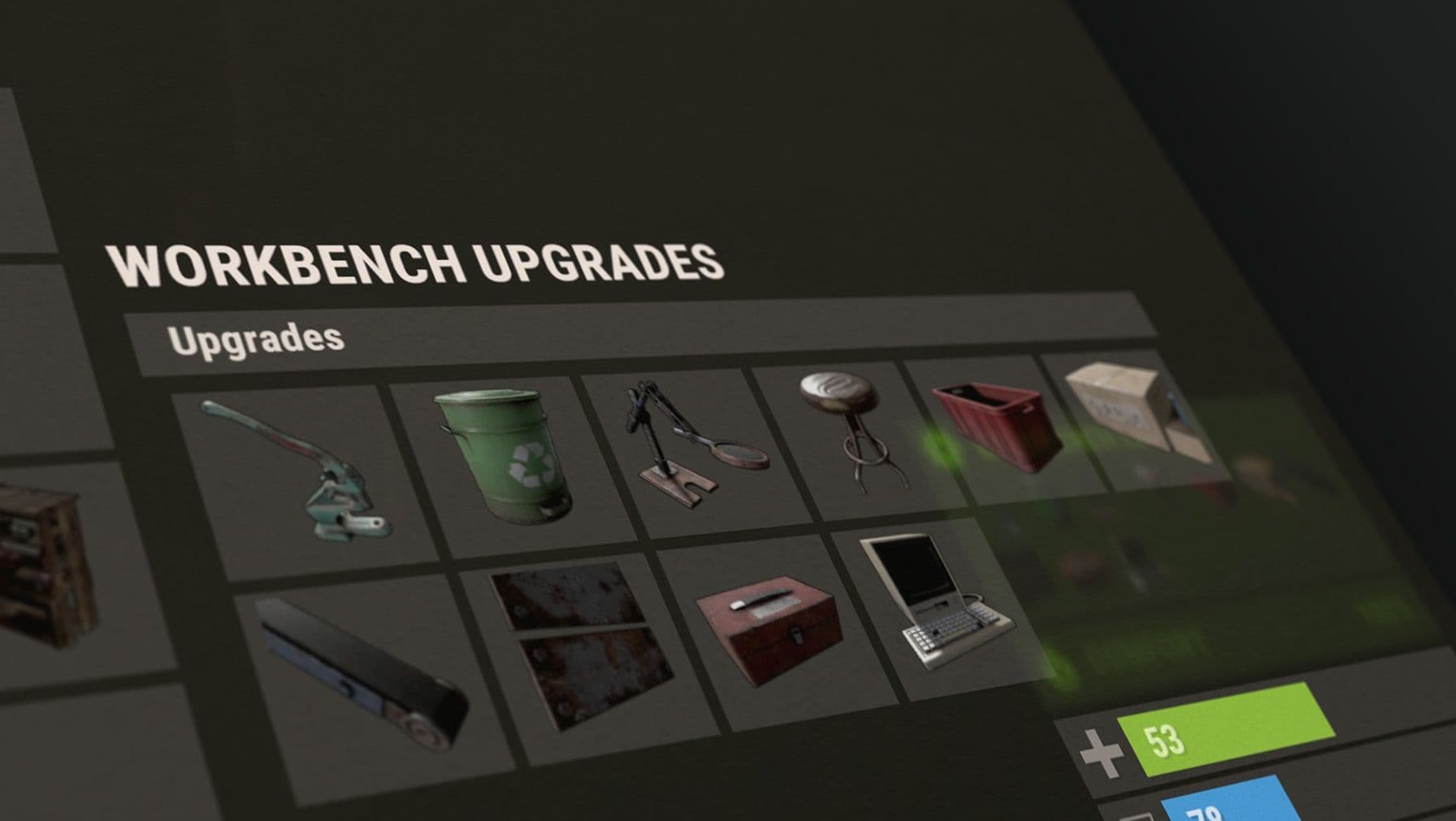
A reserve starts with a funded craft, not a full component stack.
Use this formula:
minimum reserve = next funded crafts + explicitly budgeted replacements
“Funded” matters. A future Assault Rifle does not reserve Springs merely because its blueprint sits somewhere on the tech tree; the weapon also has to be a realistic use of your current materials. Recalculate after crafting, changing weapon plans, or adding base projects. The reserve can grow, shrink, or disappear without the component itself changing.
Keep Gears, Springs, and Pipes for Named Builds
Gears, Metal Springs, and Metal Pipes deserve a cautious cut because they repeatedly gate defenses, power, and weapons. Their Workbench Level 3 recipes prevent a total dead end, but buying back a casually recycled part is expensive.
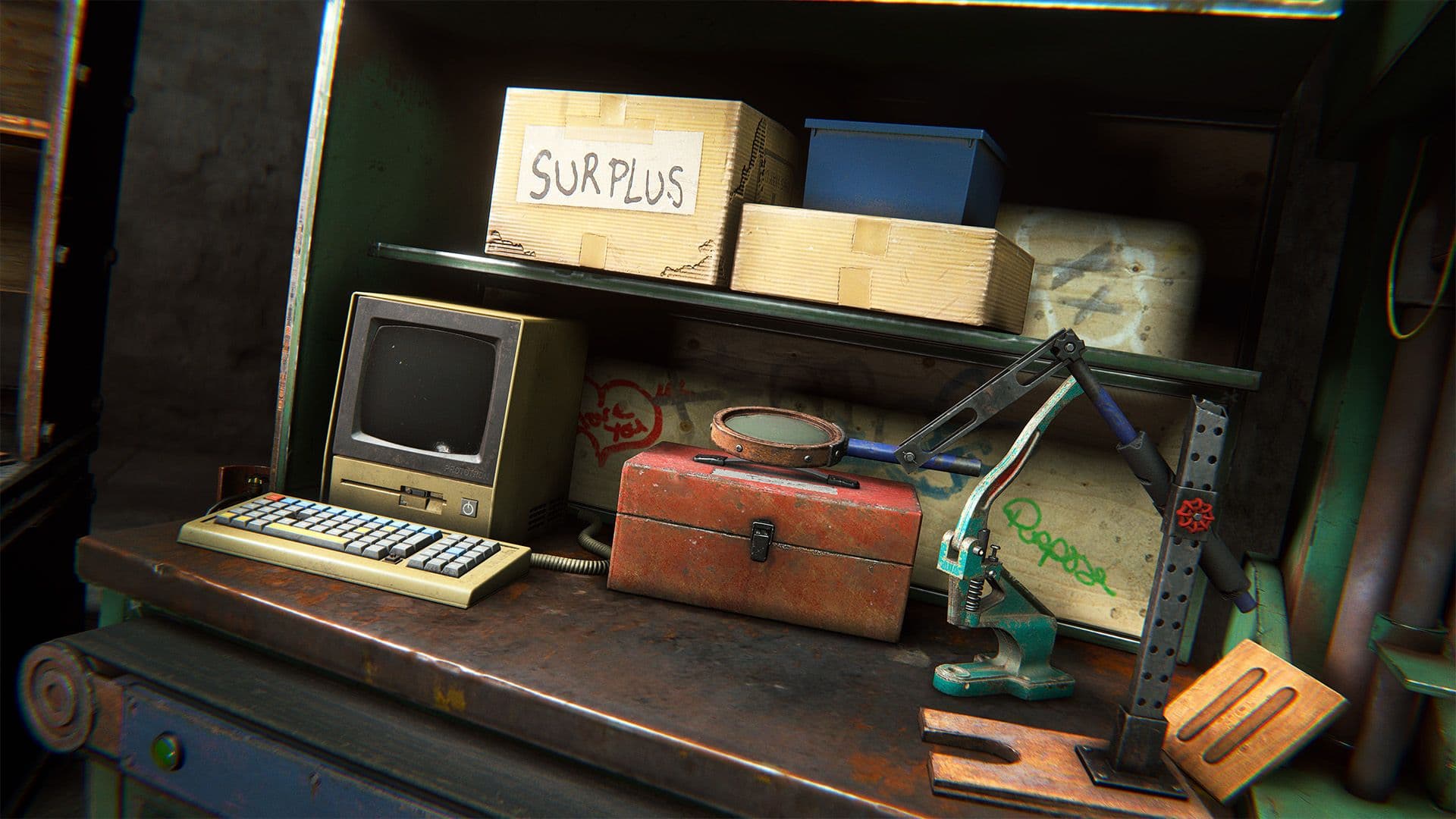
Separate named crafting reserves from true surplus before a recycler run.
| Component | Reserve triggers | Workbench Level 3 replacement cost | Standard Recycler | Safe Zone Recycler |
|---|---|---|---|---|
| Gears | 2 per Garage Door; 3 per Wind Turbine or Vending Machine | 100 Scrap + 25 Metal Fragments | 12 Scrap + 15 Metal Fragments | 8 Scrap + 10 Metal Fragments |
| Metal Spring | 4 per Assault Rifle; 2 per MP5A4; 1 per Bolt Action Rifle | 50 Scrap + 2 High Quality Metal | 12 Scrap + 1 HQM, plus a 20% chance of 1 more | 8 Scrap + an 80% chance of 1 HQM |
| Metal Pipe | 3 per Bolt Action Rifle; 2 per Double Barrel Shotgun | 20 Scrap + 2 High Quality Metal | 6 Scrap + 1 HQM, plus a 20% chance of 1 more | 4 Scrap + an 80% chance of 1 HQM |
The table exposes the trade. Three planned Garage Doors reserve six Gears. Two planned Assault Rifles reserve eight Springs and two Rifle Bodies. A Bolt Action Rifle reserves one Spring, three Pipes, and one Rifle Body. Do not round any of those bills up to a full stack unless the extra items belong to a named replacement or second project.
Keep defense and weapon bills separate. When priorities change, you can release one pile without accidentally consuming the other.
Give Tech Trash a Raid or Automation Budget
Tech Trash is uncraftable, but “uncraftable” does not mean “never recycle.” Its jobs span raiding, power, automation, and weapon attachments, so the useful reserve depends on which system you are actually building.
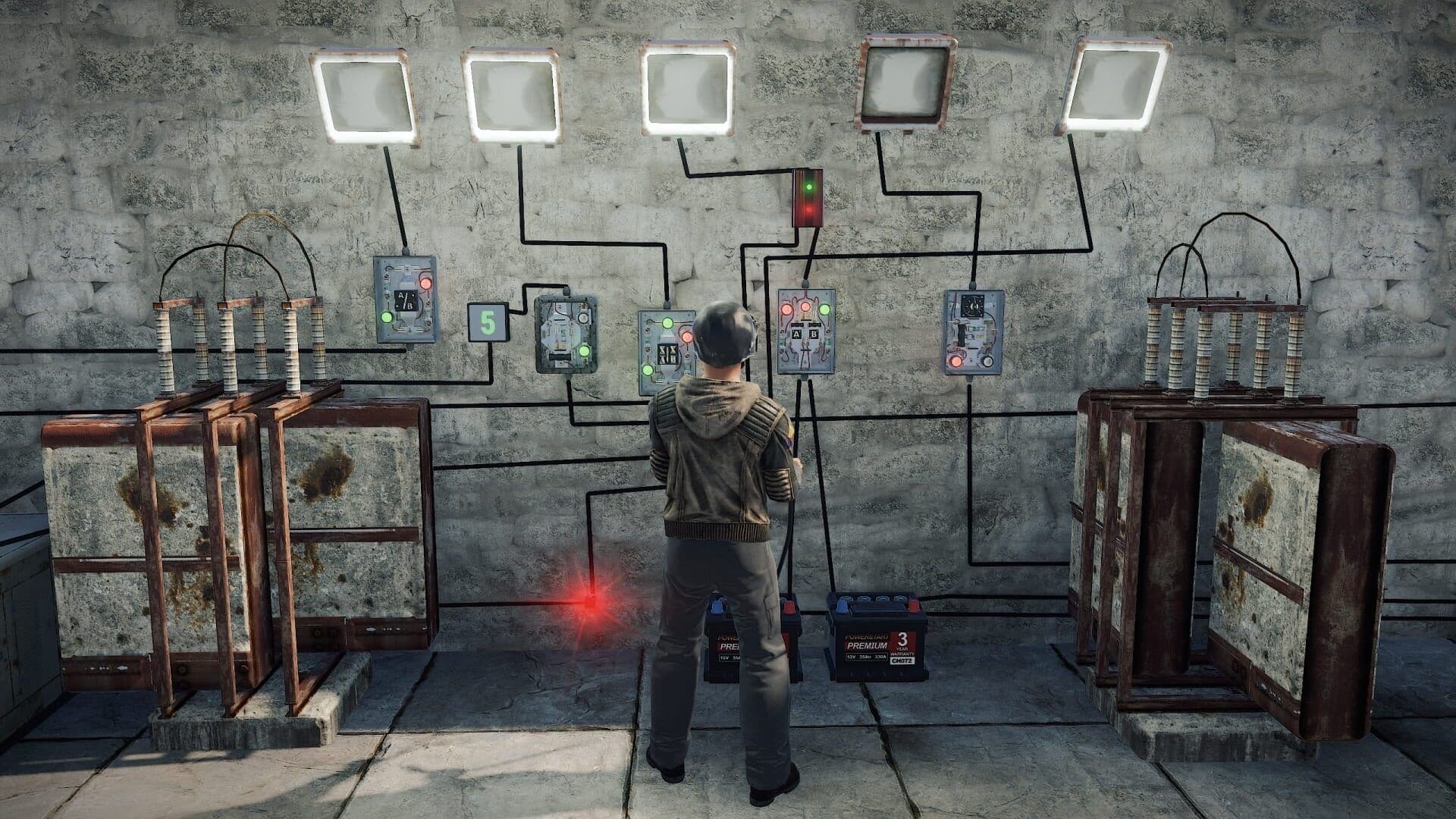
Tech Trash earns its place when a funded power or automation project needs it.
| Tech Trash required | Example crafts |
|---|---|
| 2 | Timed Explosive Charge, Large Rechargeable Battery, Industrial Crafter |
| 1 | Large Solar Panel, Smart Alarm, Smart Switch, Storage Monitor, Seismic Sensor, Holosight, Weapon Lasersight, Targeting Attachment |
One piece returns 24 Scrap and 1 guaranteed High Quality Metal at a standard Recycler, with a 20% chance of a second HQM. A Safe Zone Recycler returns 16 Scrap with an 80% chance of 1 HQM. That conversion is strong enough that an unnamed pile has a real cost.
Suppose you own eight Tech Trash and can fund a two-C4 raid. The two charges use four Tech Trash, so reserve four. If no battery, automation, or attachment project is also funded, the remaining four are surplus: a standard Recycler guarantees 96 Scrap and 4 HQM from them, with four separate 20% chances at one additional HQM. Keeping all eight would defer those resources for a project you have not chosen.
Match Weapon Bodies to the Gun You Can Craft
Rifle, SMG, and Semi Automatic Bodies are uncraftable, but each belongs to a different weapon lane. These weapon bodies should be reserved by gun family, not rarity. A rare body outside your lane may advance you more as Scrap and materials than as an unsupported future gun.

Weapon bodies matter when they match the gun family you can craft now.
| Body | One body can craft | Standard Recycler | Safe Zone Recycler |
|---|---|---|---|
| Rifle Body | Assault Rifle, Bolt Action Rifle, HMLMG | 30 Scrap + 1 HQM, plus an 80% chance of 1 more | 20 Scrap + 1 HQM, plus a 20% chance of 1 more |
| SMG Body | Custom SMG, MP5A4, Thompson | 18 Scrap + 1 HQM, plus an 80% chance of 1 more | 12 Scrap + 1 HQM, plus a 20% chance of 1 more |
| Semi Automatic Body | Semi-Automatic Pistol, Semi-Automatic Rifle, SKS | 18 Scrap + 90 Metal Fragments + 1 HQM, plus an 80% chance of 1 more | 12 Scrap + 60 Metal Fragments + 1 HQM, plus a 20% chance of 1 more |
A Thompson player keeps one SMG Body per planned gun. If no SAP, SAR, or SKS is funded, an extra Semi Automatic Body has no immediate weapon job and can become the resources shown above. A SAR player makes the opposite cut. This is not a permanent allegiance to one weapon family; it is the decision for the next crafting window.
Bank the Reserve Before Chasing the Higher Yield
Rust labels standard Monument Recyclers at a 60% yield rate and Safe Zone Recyclers at 40%. Those percentages describe the share of recyclable material value, not a market price or a promise that every output will divide cleanly. Individual item pages show the actual rounded quantities and probability rolls used in the tables above. A standard Recycler also takes five seconds per item.
Choose the machine with a bank-first rule:
- Use a Safe Zone Recycler when your inventory still contains reserved components or other loot whose loss would delay the next funded craft.
- Use a Monument Recycler after banking the reserve, on a surplus-only run. Its higher yield is then the only part of the plan at risk.
- Split a large surplus into smaller trips if losing the whole batch would force you to abandon the project its output is meant to fund.
This rule gives the extra 20 percentage points a clear price. You never carry six reserved Gears or the Rifle Body for tonight's gun through another contested stop merely to improve the return on unrelated surplus. Bank the keep pile, take only the decided surplus to the chosen machine, collect the output, and leave.