How to Begin Your First Day in Stardew Valley
You wake up in a quiet farmhouse, a simple box of seeds on the floor, and a whole new life waiting outside your door. Your first day in Stardew Valley is your foundation, and with a few smart moves, you can set yourself up for a thriving farm and a profitable season.
Daily activities during the first week of spring.
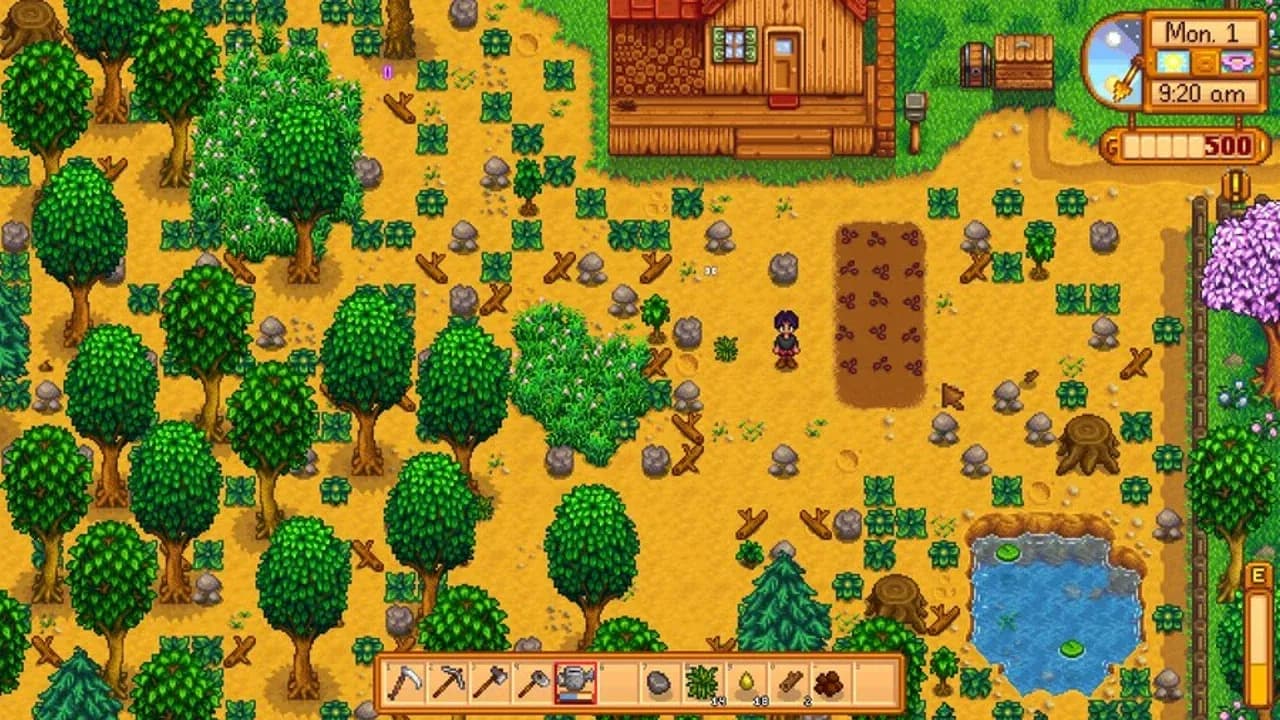
The moment you step outside, your main goal is clear: get crops in the ground. Head back inside and check the box on the floor of your Farmhouse to find your starter kit: Parsnip Seeds x15, a gift from Mayor Lewis. He’ll be waiting for you outside to give a quick town introduction, but trust me—planting comes first. Your farm, The Farm west of Pelican Town, is overgrown, but you only need to clear a small patch for now.
Here’s your planting routine for Day 1:
- Use your Scythe (it’s in your inventory) to clear grass and weeds. This tool costs no energy, so clear what you need.
- Use your Hoe to till the soil into dark, plantable patches.
- Open your inventory, select the Parsnip Seeds, and plant them in the tilled soil.
- Fill your watering can at the farm’s pond and water every single seed.
On Day 1, only clear the bare minimum of land you need for planting. Your Energy Bar (bottom right UI) is precious—save it for tilling, watering, and maybe chopping a few trees for wood later.
Watering is a daily chore, so get used to it. If you run out of energy, foraging for Spring onions near the sewer or eating any foraged items you find will give you a small boost to keep going. The key is to get those parsnips growing; they’ll be ready in just 4 days, giving you your first real income.
By the time the sun sets on your first day, you should have a tidy little plot of parsnips, a bit of foraged food in your pocket, and the satisfying knowledge that your Stardew Valley journey is properly seeded. Head to bed before 2 AM to save your progress, and rest up—tomorrow, there’s a whole town to meet.
Best Energy Management and Land Clearing Strategies
Day 2 is where your Stardew Valley adventure truly begins—your farm is a wild canvas, and your energy bar is your most precious paint. Running out of steam before noon can grind progress to a halt, but with smart strategies, you can clear land and gather resources all week long. Let’s turn that overgrown plot into a productive powerhouse.
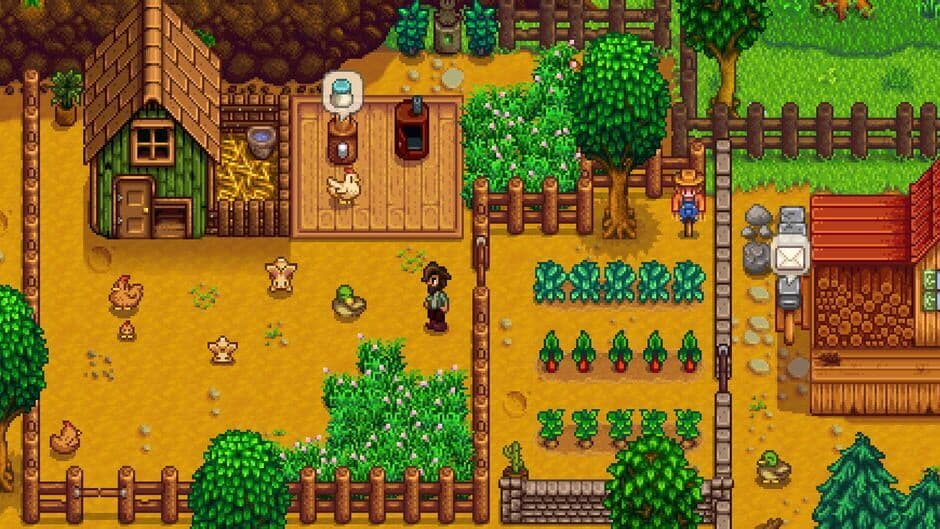
In-game view of farm resource management.
Your starting tools—the Axe, Pickaxe, Hoe, and Watering Can—are your keys to the kingdom. Press [X] to use any of them, with each swing costing 2 energy. This cost adds up fast, so every action needs to count. On Day 1, don’t try to clear your entire farm. Instead, focus on a small, manageable plot for your first crops and the immediate paths you’ll use daily.
Prioritize clearing with your Scythe whenever possible. Cutting weeds, grass, and fiber costs zero energy, making it the most efficient way to tidy up large areas early on.
Your first lifeline for energy is foraging. Head to the Cindersap Forest, specifically the south-east corner near the sewer, to find Spring Onions. These are free, renewable energy sources in early spring—eat them on the spot to keep chopping and mining. Also, keep an eye out for Acorns, Maple Seeds, and Pine Cones as you clear trees. These are not trash; they’re ingredients for Field Snack crafting.
Open your Inventory, navigate to the Crafting tab, and you’ll find the recipe for a Field Snack. It requires 1 Acorn + 1 Maple Seed + 1 Pine Cone and restores 45 energy. Crafting these is a fantastic way to convert common forage into a substantial energy boost, letting you work well into the evening.
Here’s the golden rule for your first week: energy spent should make you money or save future energy. Chopping wood for a Chest (50 Wood) is a great investment for storage. Breaking stones with your Pickaxe to clear the path north to the mountains sets up future mining trips. Every swing should have a purpose.
If you’ve ever collapsed exhausted by the farmhouse at 1 PM, you’re not alone—everyone hits that wall. The trick is to mix high-energy tasks with free activities. After watering your parsnips, go forage in the forest. After a mining trip, spend the evening fishing (which costs very little energy per cast). This rhythm keeps you productive from 6 AM to 2 AM.
With these strategies, you’ll master the economy of energy and time. Save those forageables, craft Field Snacks, and use your tools wisely. You’ll have a tidy, expanding farm and plenty of stamina to tackle the profitable days ahead.
How to Navigate Pelican Town and Meet NPCs
Now that your farm is taking shape, it's time to venture into the heart of Stardew Valley: the charming, bustling community of Pelican Town. This isn't just a scenic stroll—it's where you'll meet the villagers, unlock essential shops, and start your first major quest.

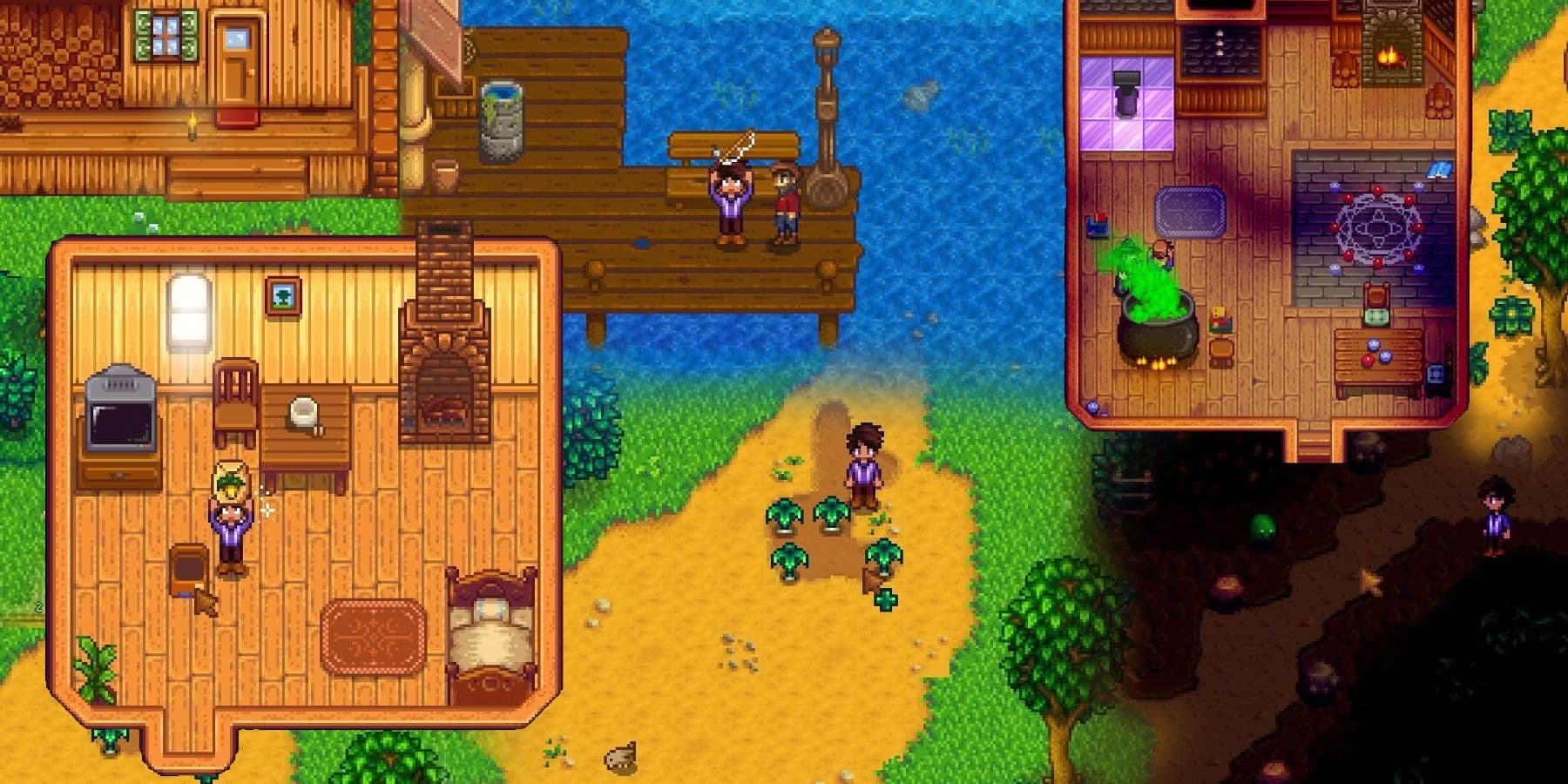
Navigating the world of Stardew Valley.
Your first stop should be Pierre's General Store in the center of Pelican Town. Here, you'll meet Pierre, the local shopkeeper who sells seeds and essential upgrades. His store is open from 9am to 5pm daily, but it's closed on Wednesdays, so plan your visits accordingly. Inside, you can buy the 24-slot backpack for 2,000g—trust me, this is your first major purchase goal. The extra inventory space is a game-changer for foraging and mining later on.
Visit Pierre's early in the day. If you finish your farm chores by noon, you'll have plenty of time to shop and still explore the rest of the valley.
Next, head south from town to The Beach. This is where you'll find Willy at his Fish Shop. He's the friendly fisherman who will gift you the Bamboo Pole on Spring 2, kicking off the fishing mechanic. The beach is also a great early source of forageable shells like Cockles and Mussels, which you can sell for a quick profit.
Don't forget to explore Cindersap Forest, located southwest of Pelican Town. This lush area is home to Marnie's Ranch (where you'll buy animals later) and the mysterious Wizard Tower. It's also packed with forageables like Leeks and Dandelions, especially in spring.
Finally, make your way to the Mountain area north of town. Here, at the Carpenter's Shop, you'll find Robin. She’s the town carpenter who can upgrade your farm buildings and sells essential resources like Wood and Stone. Her shop hours are 9am to 5pm, but she takes Tuesdays off.
As you meet everyone, you'll trigger the "Introduction" quest, which asks you to meet 28 people. Don't panic—you don't need to finish this in one day. Just talk to anyone you see; a simple greeting counts. This quest is your perfect excuse to learn the town layout and NPC schedules.
With the key shops located and the villagers met, you're no longer just a farmer—you're part of the community. Let's get to know your neighbors.
Stardew Valley Day 2 to Day 4: Fishing and Foraging
Now that you've met the townsfolk and gotten your bearings, it's time to diversify your income beyond the farm. Days 2 through 4 in Stardew Valley are your golden window to master two essential skills: fishing and foraging. This is where your wallet starts to thicken, funding those crucial early-game upgrades.
Mastering the controls for fishing and gathering.
Your First Cast and Foraging Hotspots
Head straight to The Beach on the morning of Spring 2. Here, you'll find Willy at his Fish Shop. He'll hand you the Bamboo Pole for free—your gateway to a steady income stream. The fishing mini-game is simple but requires a bit of practice: press [Y] to cast your line into any water body, then press [Y] again when you get a bite. A small bar appears; your goal is to keep the green bar behind the fish icon by tapping [Y] to raise it or releasing to let it fall. It feels tricky at first, but the rhythm clicks quickly.
Start fishing in the mountain lake or the forest pond. The fish there, like Carp, are slower and easier to catch, letting you level up your skill with less frustration.
While moving between fishing spots, keep your eyes peeled on the ground. Spring in Pelican Town is bursting with forageables that are pure, free profit. You'll commonly find Wild Horseradish, Daffodil, Leek, and Dandelion scattered around town, in Cindersap Forest, and along the mountain path. Just walk over them to pick them up—they don't cost any energy! These are perfect for gifting to certain villagers or selling directly to Pierre.
Building a Reliable Income Stream
Trust me, dedicating these days to fishing pays off massively. Each fish you reel in earns you gold and, more importantly, Fishing XP. As your skill levels up, you'll unlock better rods, bait, and tackle, making the mini-game easier and the catches more valuable. A good afternoon of fishing can easily net you 1000g or more, which is a game-changer for buying that first backpack upgrade or saving for better tools.
Don't forget to mix in some foraging runs. Clear your farm in the morning when your energy is high, then spend your lower-energy afternoons fishing and gathering. This combo ensures you're always making progress and money, even when you're too tired for heavy labor.
By the end of Day 4, you should have a solid grasp on the fishing mini-game, a pocket full of gold from sold fish, and a stockpile of foraged goods. You've now unlocked two of the most reliable early-game moneymakers, setting a strong financial foundation for the rest of your first season. Let's go get that backpack.
Stardew Valley Day 5 to Day 7: Mining and Community Center
This is where your Stardew Valley adventure truly begins to branch out. By your first week's end, two major storylines—the mysterious Community Center and the deep, dangerous Mines—will be unlocked, setting you on a path of restoration and exploration that defines the game's heart.
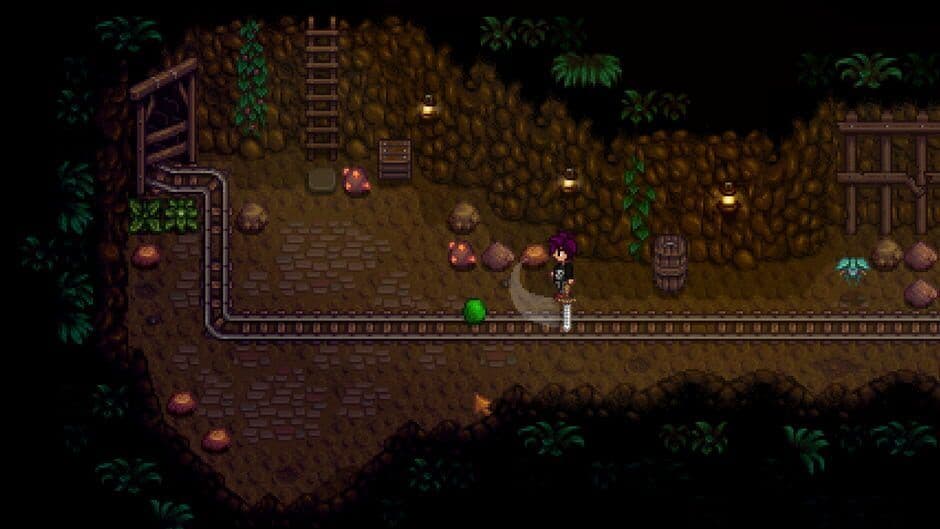
The charming world of Stardew Valley.
Unlocking the Community Center and the Junimos
On Day 5, head into Pelican Town from the Bus Stop between 8 AM and 1 PM on a sunny day. You’ll trigger a cutscene with Mayor Lewis in front of the old Community Center, located north of Pierre's General Store. He’ll ask you to investigate a "rat problem" inside.
This cutscene only triggers from Spring 5 onward, so if it's raining on Day 5, just try again on Day 6.
Enter the run-down building and head to the lower-left room to find a glowing scroll written in a strange language. After reading it, you’ll soon receive a letter from the Wizard. Head to his tower in the southwest corner of Cindersap Forest to meet him. After a magical cutscene, you’ll gain the ability to understand the language of the Junimos—adorable forest spirits who live in the Community Center and want your help restoring it.
They ask you to complete Bundles, collections of specific items donated in each room. You can view your progress anytime by clicking the golden scroll icon in your inventory. Completing these Bundles is the core of Stardew Valley's main story, rewarding you with unique items and permanently improving the valley.
Your First Foray into The Mines
Also on Day 5, you’ll receive a letter that the landslide blocking the path northeast of the Mountain Lake has been cleared. Head up there to find The Mines.
Inside the entrance, you’ll meet Marlon, the leader of the Adventurer's Guild. He’ll give you a rusty Sword and explain the basics of Combat. Press [X] to swing your sword and [Y] to block or use a secondary ability. The deeper you go, the tougher the monsters and the better the rewards.
Your primary goal here is to gather resources, especially Copper Ore. You’ll find these reddish-brown nodes on Floors 1-39—break them open with your Pickaxe. Smelting five Copper Ore with one Coal in a Furnace (a recipe you get from Clint) creates a Copper Bar, essential for tool upgrades and crafting.
⚠️ Watch out: Your health is shown by the red bar next to your energy. If it hits zero, you’ll pass out, lose some money and items, and wake up at the clinic. Don't push too deep too fast!
Connecting Your Efforts: The Museum and Early Bundles
As you mine, you’ll also find Geodes (break them open at Clint’s blacksmith shop) and Artifacts. Donate these to Gunther at the Museum in Pelican Town. He rewards you for each donation, often with useful seeds, cash, or decorative items for your farm.
The first room you can work on in the Community Center is the Crafts Room. Its bundles are all about foraged items, many of which you may already have from your first few days, like Wild Horseradish and Daffodil. Completing a bundle here is a huge morale boost—a cute Junimo will hop out, collect your donations, and give you a reward on the spot.
With the Community Center's mystery unveiled and the depths of The Mines waiting, you're no longer just a farmer—you're a restorer and an adventurer. Stock up on food for energy, keep your sword handy, and get ready to dig into the real story of Stardew Valley.
First Week Rewards and Progress Milestones
Look back on your farm as the sun sets on Day 7—that once-overgrown field is now a plot of thriving parsnips, your tools are worn from honest work, and your pockets hold the seeds of a new life. This first week in Stardew Valley is about more than survival; it’s about laying a foundation you can build on for years to come. Let’s tally up your rewards and see just how far you’ve come.
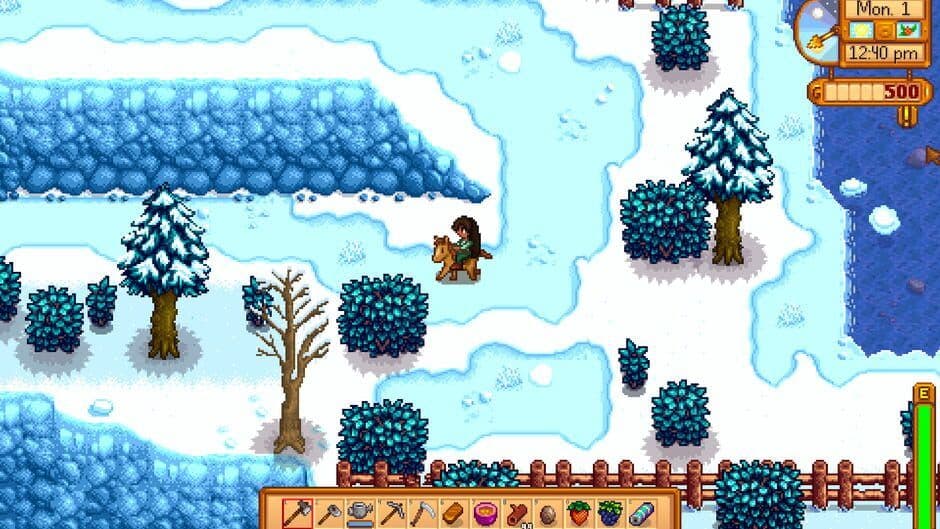
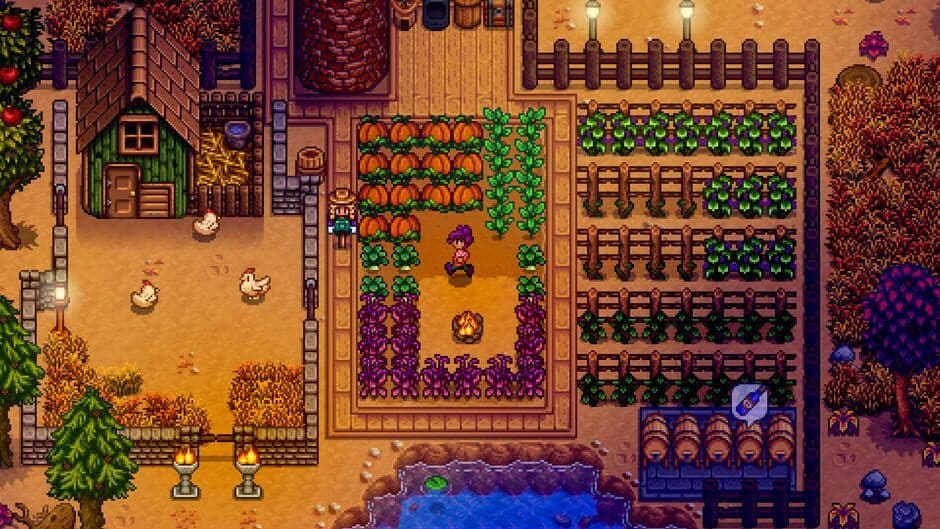
Stardew Valley gameplay.
By now, you should have your first batch of Parsnips ready for harvest. After 4 days of growth, these are your first real farm income. You can sell them for a tidy sum of gold at the Shipping Bin near your Farmhouse—just walk up and press [A] to place items inside for overnight sale—or eat a few to top up your energy for an extra task. More importantly, harvesting them boosts your Farming skill, which is your ticket to bigger things.
Speaking of skills, you’ve likely earned your first few Leveling Up notifications. At the end of each day, your skills increase based on your activities: farming, mining, foraging, fishing, and combat. Every time you level up, that skill’s proficiency increases, and you’ll start the next day with a full energy bar—a perfect reward for a hard day’s work. This system is the engine of your progress, unlocking new crafting recipes with each level.
Your new crafting options are game-changers. At Farming Level 1, you unlock the Scarecrow recipe. This isn’t just decoration; it protects an 8x8 area of crops from pesky crows, securing your investment. For your overflowing inventory, crafting a Chest is essential. It requires 50 Wood, but having a dedicated storage spot next to your house for tools, forage, and resources will save you countless trips back and forth.
Place your first chest right outside your farmhouse door. It’s the perfect drop-off point at the end of a long day, keeping your inventory clean and organized for tomorrow’s plans.
So, what does a successful first week look like? You’ve cleared land, planted and harvested your first crops, met the town, learned to fish and forage, braved the mines, and unlocked the Community Center’s mystery. You have a steady source of food and income, a place to store your treasures, and the knowledge to protect your future harvests. You’re no longer just a newcomer—you’re a farmer. The rest of Pelican Town is waiting to see what you do next.