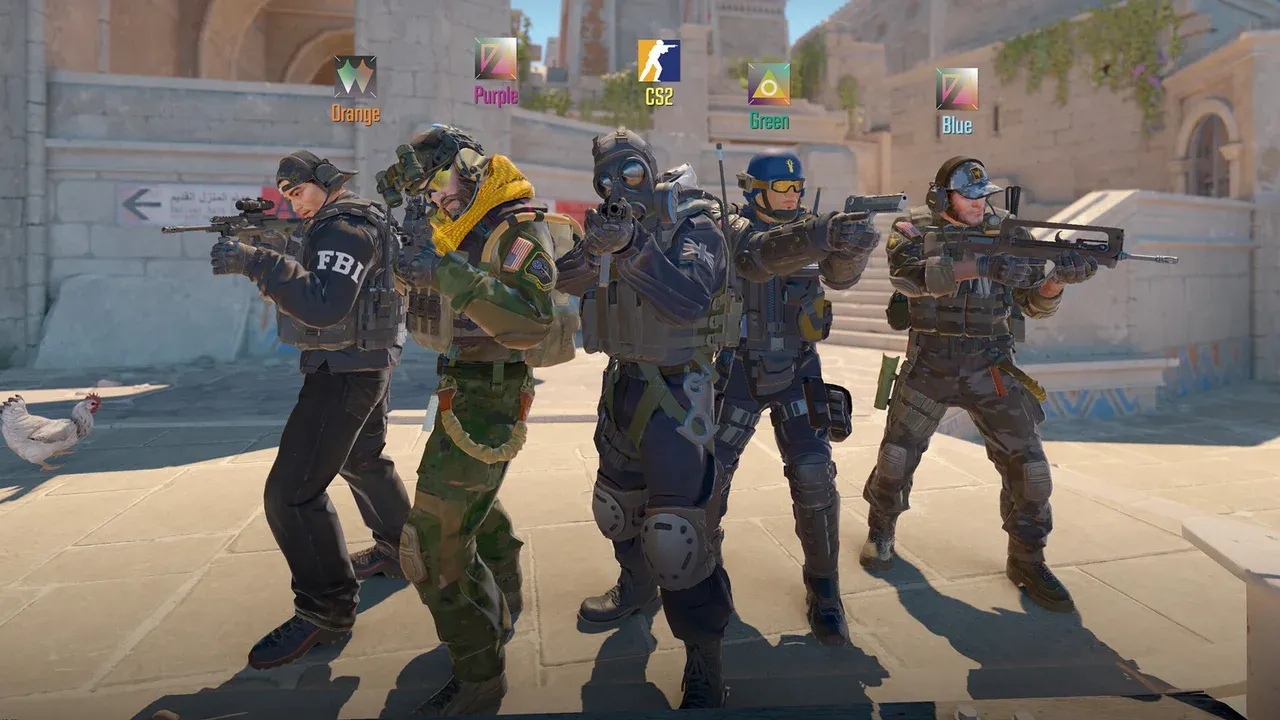
Counter-Strike 2 First Impressions: A Technical Leap for a Tactical Legend
Replacing a legend is a thankless task, especially when that legend is Counter-Strike: Global Offensive, a game that defined a decade of competitive FPS design. On September 27, 2023, Valve did exactly that, releasing Counter-Strike 2 as a free-to-play, mandatory upgrade. This wasn't a sequel in the traditional sense, but a foundational engine swap, moving the entire ecosystem from the aging Source engine to the modern Source 2. The result is a game that feels immediately familiar yet undeniably different, a technical leap that modernizes the skeleton of a tactical legend while sparking immediate debate about what was gained and what was lost in the transition.
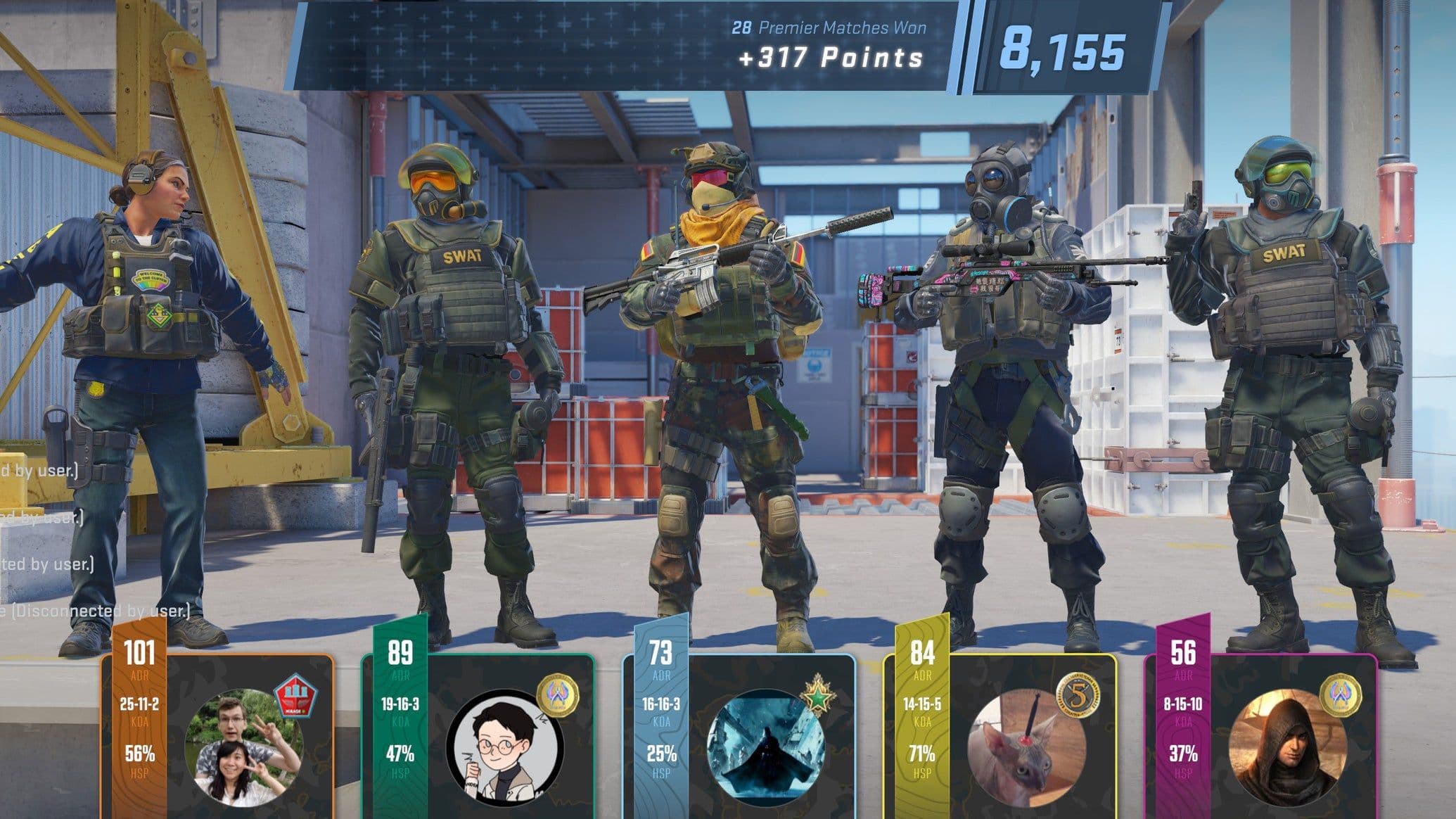
The Source 2 engine provides enhanced lighting and post-processing effects.
Valve's decision to completely replace CS:GO, rather than run it in parallel, was a bold and calculated move to prevent player base fragmentation. For the average player, the transition was seamless: all settings, keybinds, and crucially, every cosmetic item from their CS:GO inventory carried over. This preservation of player investment was a masterstroke, ensuring the game's massive, skin-obsessed economy transitioned without a hitch. However, the forced migration came with a significant caveat: the original CS:GO was rendered inaccessible on the main Steam branch, relegated to a legacy version for community servers only. This "replace, don't coexist" strategy guaranteed Counter-Strike 2 would inherit CS:GO's colossal player count overnight, but it also meant accepting the new game's flaws as the only option, a point of contention for many veterans.
The most immediate and universally praised improvement in Counter-Strike 2 is its visual overhaul. Maps are brighter, more colorful, and rendered with physically-based materials that add a tangible sheen to marble floors and make graffiti wrap convincingly around curved tunnel walls.
This isn't just a graphical facelift for prettiness' sake; it's a clarity-focused redesign. The updated lighting on maps like Nuke and Inferno eliminates murky shadows where players could hide, creating a more visually legible battlefield. Textures have more depth, and environments feel less like flat backdrops and more like tangible spaces. For a game where spotting a pixel of an enemy's shoulder can mean the difference between a round win and a respawn screen, this increased fidelity directly translates to fairer gameplay, rewarding sharp eyesight over graphical ambiguity.
Yet, this technical leap came with a tangible cost in content. At launch, Counter-Strike 2 felt noticeably sparse compared to the feature-rich CS:GO it replaced. Valve removed all 167 of CS:GO's in-game achievements and several beloved maps, including Train and Cache, from the official matchmaking pool. Fan-favorite casual modes like Arms Race and the battle royale-inspired Danger Zone were conspicuously absent (with Arms Race only returning months later via a patch). For the community that had spent years mastering every nook of Train or enjoying the chaotic fun of Arms Race, this launch state felt like a step backward, a "foundation seemed sparse and shaky" as one critic noted. The game was undeniably modernized under the hood, but the living-room furniture was still in boxes.
This sense of reduction extended to platform support. Counter-Strike 2 is exclusive to 64-bit Windows and Linux, discontinuing support for macOS, DirectX 9, and 32-bit operating systems. For the vast majority of PC players, this was a non-issue—a necessary cut to fully leverage modern hardware. But for the dedicated Mac gaming community and those on older systems, it was a hard exclusion. They weren't just losing an update; they were losing access to Counter-Strike altogether, a bitter pill that contributed to the wave of negative user reviews at launch. It was a clear statement from Valve: Counter-Strike 2 is built for the future, and that future has no backward compatibility for certain segments of its past audience.
Counter-Strike 2 Gameplay: Refined Mechanics and the Smoke Revolution
The soul of Counter-Strike has always lived in the quiet tension between rounds, in the meticulous planning of grenade trajectories and the gamble of a peek. Counter-Strike 2 understands this implicitly, leaving the foundational gunplay and movement largely untouched—a wise move for a formula this refined. Instead, it focuses its most significant innovations on reshaping the tactical sandbox itself, with a single change that ripples through every match: the volumetric smoke grenade. This isn't just a graphical upgrade; it's a fundamental rewrite of a two-decade-old rulebook.
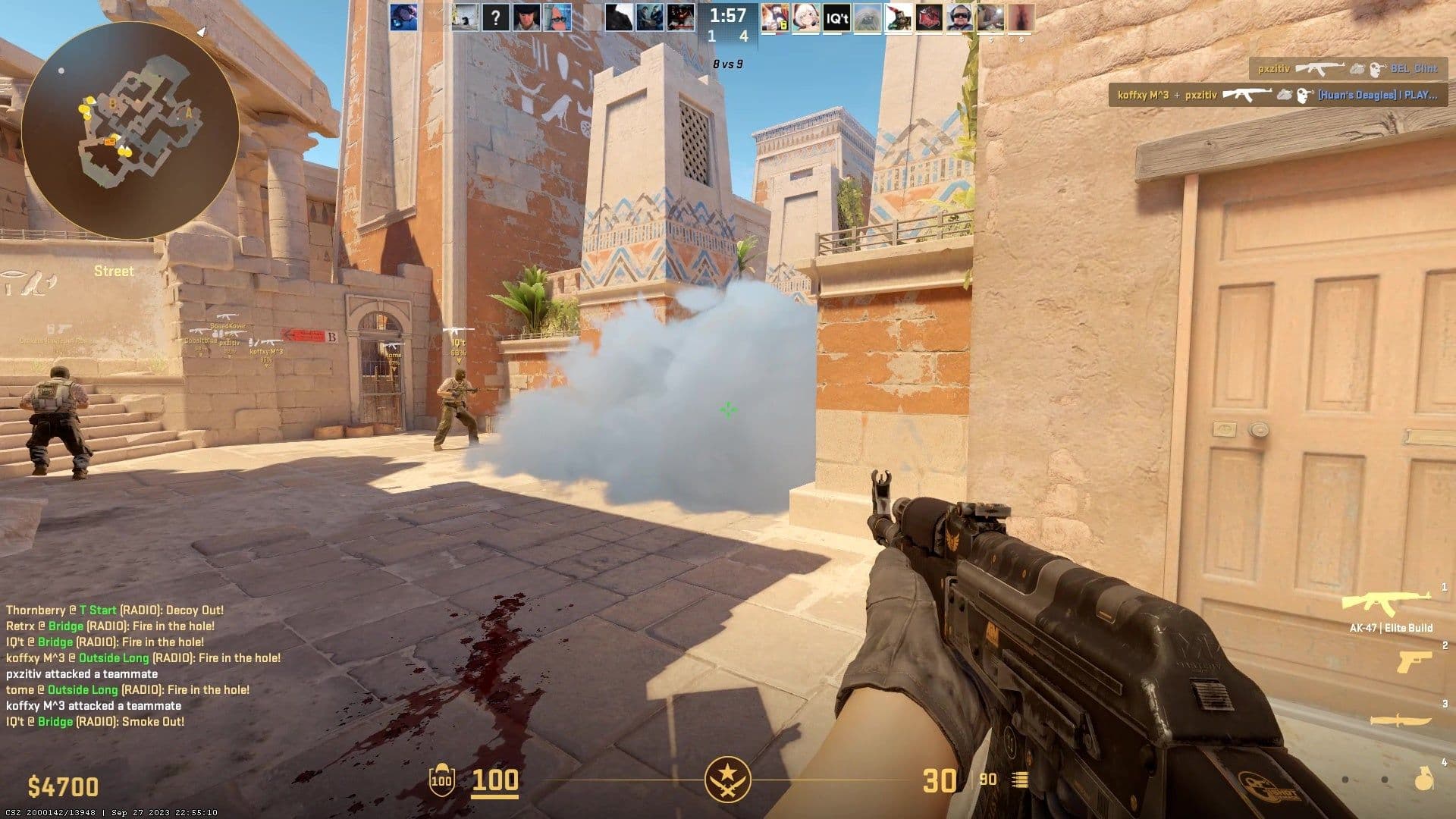
New volumetric smoke physics allow players to interact with sight blockers in real-time.
The new smoke system is Counter-Strike 2's most transformative feature. Gone are the static, impenetrable grey pillars of CS:GO. Now, smoke behaves like a physical entity, pouring dynamically from the canister to fill spaces naturally—curving around arches, seeping through door cracks, and hugging geometry. The tactical implication is immediate: you can no longer blindly trust a smoke as a one-way wall. The real revolution, however, is interactivity. Bullets and explosions now affect the cloud. A spray of gunfire will cause it to bobble and swirl, potentially revealing a silhouette. More strategically, a well-placed frag grenade can blast a temporary hole in the smoke, creating a fleeting, explosive sightline.
This turns every deployed smoke into a dynamic battlefield, a temporary zone of controlled chaos where information is constantly negotiated rather than absolutely denied. It rewards proactive play and punishes passive camping behind the cloud.
This smoke revolution dovetails with another structural shift: the move from an MR15 to an MR12 format, where standard matches now end when a team wins 13 rounds. This truncation from CS:GO's first-to-16 structure heightens the importance of every single round. Early-round momentum is more valuable, and economic decisions carry greater weight, as there are fewer opportunities to recover from a string of losses. The pace feels more aligned with modern competitors, and while purists may mourn the loss of those epic, elongated battles, the change mercifully shortens one-sided stomps and makes every match feel intensely consequential from the outset.
Valve also reined in the weapon-buying meta with a revised loadout system. Players are now restricted to a pool of 15 total weapons per match—five pistols, five mid-tier weapons (SMGs and shotguns), and five rifles. This isn't a limitation of choice, but a curation of it. It eliminates niche, rarely-used weapons from clogging the buy menu and subtly shapes the round-by-round economy. You can't simply buy the same rifle every round; you must plan your progression through the tiers based on your team's financial health. It's a elegant simplification that streamlines decision-making under pressure, a small but meaningful quality-of-life adjustment for both newcomers and veterans.
Speaking of quality-of-life, small interface tweaks demonstrate a welcome attention to teamwork. The buy menu now shows tiny dots under weapon portraits to indicate what your teammates have purchased, fostering better team economy at a glance. More importantly, the addition of a refund button during the buy period is a godsend for misclicks—a tiny change that prevents immense frustration. These refinements, alongside the seismic shift of the smoke mechanics, prove that Counter-Strike 2's gameplay evolution is both bold in its reimagining of core utilities and thoughtful in its smoothing of long-standing rough edges. The tactical heart beats stronger than ever, but now it has new tools to play with and a more polished interface to manage them.
The Sub-Tick Debate: Does Counter-Strike 2 Feel as Precise as CS:GO?
The most controversial question facing Counter-Strike 2 isn't about its maps or modes, but its fundamental feel. Does it handle with the same surgical precision that made CS:GO the gold standard? Valve’s answer is the sub-tick server architecture, a technical overhaul designed to make traditional tick rates obsolete by synchronizing player actions and server responses with unprecedented precision. In theory, this means your perfectly timed headshot should register exactly when you click, regardless of whether the server is running at 64Hz or 128Hz. The reality, however, has been a persistent, gnawing sense among the game’s most dedicated players that something is subtly, yet fundamentally, “off.”
CS2 features low input latency and sub-tick updates for improved responsiveness.
Professional players and long-time veterans have been vocal about a perceived degradation in responsiveness. Reports consistently cite movement feeling slightly less crisp and weapon spray patterns feeling less consistent than in CS:GO. This isn't about raw input lag—Counter-Strike 2 supports Nvidia Reflex to keep latency exceptionally low—but about the subjective feel of control. The disconnect likely stems from the sub-tick system’s new approach to sequencing events. In the old model, actions were processed in discrete, predictable ticks. The new system is more fluid, but that fluidity can manifest as a sensation of your character being slightly ahead of or behind your inputs, especially during complex movement or rapid sprays. For a community that has spent thousands of hours calibrating muscle memory to CS:GO’s rhythm, this change feels like playing a familiar instrument that’s been retuned by a quarter-step.
The promise of sub-tick is a fairer, more accurate game, but its initial execution has created a paradox: a system engineered for precision that, to its most sensitive users, feels less precise than the one it replaced.
This debate bleeds directly into discussions of hit registration and hitboxes. Some critics have described Counter-Strike 2’s hitboxes as feeling “unfinished,” with players reporting frustrating deaths where they were fully behind cover or landing shots that visually appeared to connect but dealt no damage. While some of this can be attributed to the sub-tick system reconcilating perspectives between players (the infamous “peeker’s advantage” is a constant in online shooters), the frequency of these anecdotes points to a real issue. When a game’s entire reputation rests on the integrity of its gunplay, even occasional moments of questionable hit registration erode player trust. It’s the difference between blaming yourself for a missed flick and blaming the game—the latter is a far more dangerous sentiment for a competitive title.
The technical instability compounds these core gameplay concerns. Where CS:GO was renowned for its rock-solid reliability, Counter-Strike 2 has been plagued by random errors and disconnections during its signature 45-minute competitive matches. These aren't rare occurrences; they are frequent enough that players have come to expect at least one crash or vacate error in a Premier session. The impact is catastrophic. A disconnected teammate can turn a winnable round into a guaranteed loss, or an undeserved victory can leave a bitter taste if the opposing team suffers a dropout. This lack of stability is arguably a greater sin than any missing map, as it directly corrupts the competitive integrity the game strives to uphold.
For all its ambition, the sub-tick system in Counter-Strike 2 represents a high-stakes gamble that is still paying out. The design intent—to create a more accurate and accessible competitive standard—is laudable. Yet, for its core audience of professionals and veterans, the current execution has made the game feel less, not more, responsive. When combined with hit registration doubts and unstable servers, it creates a scenario where the game’s most critical pillar—its flawless-feeling technical gameplay—feels like it’s on shakier ground than its predecessor. Valve has built a more modern engine, but it has yet to fully replicate the impeccable feel that made the old one legendary.
Competitive Ecosystem: Premier Mode and the New Ranking Hierarchy
If the sub-tick debate is about the game’s feel, the new competitive ecosystem is about its soul. For years, CS:GO’s ranking system was both a badge of honor and a source of frustration, with its 18-tiered hierarchy often feeling opaque and slow to adjust. Counter-Strike 2 dismantles this legacy structure, replacing it with a dual-track system that aims for both granularity and clarity. The result is a competitive ladder that is more transparent in its goals but, in practice, creates a stark divide between the game’s dedicated core and everyone else.
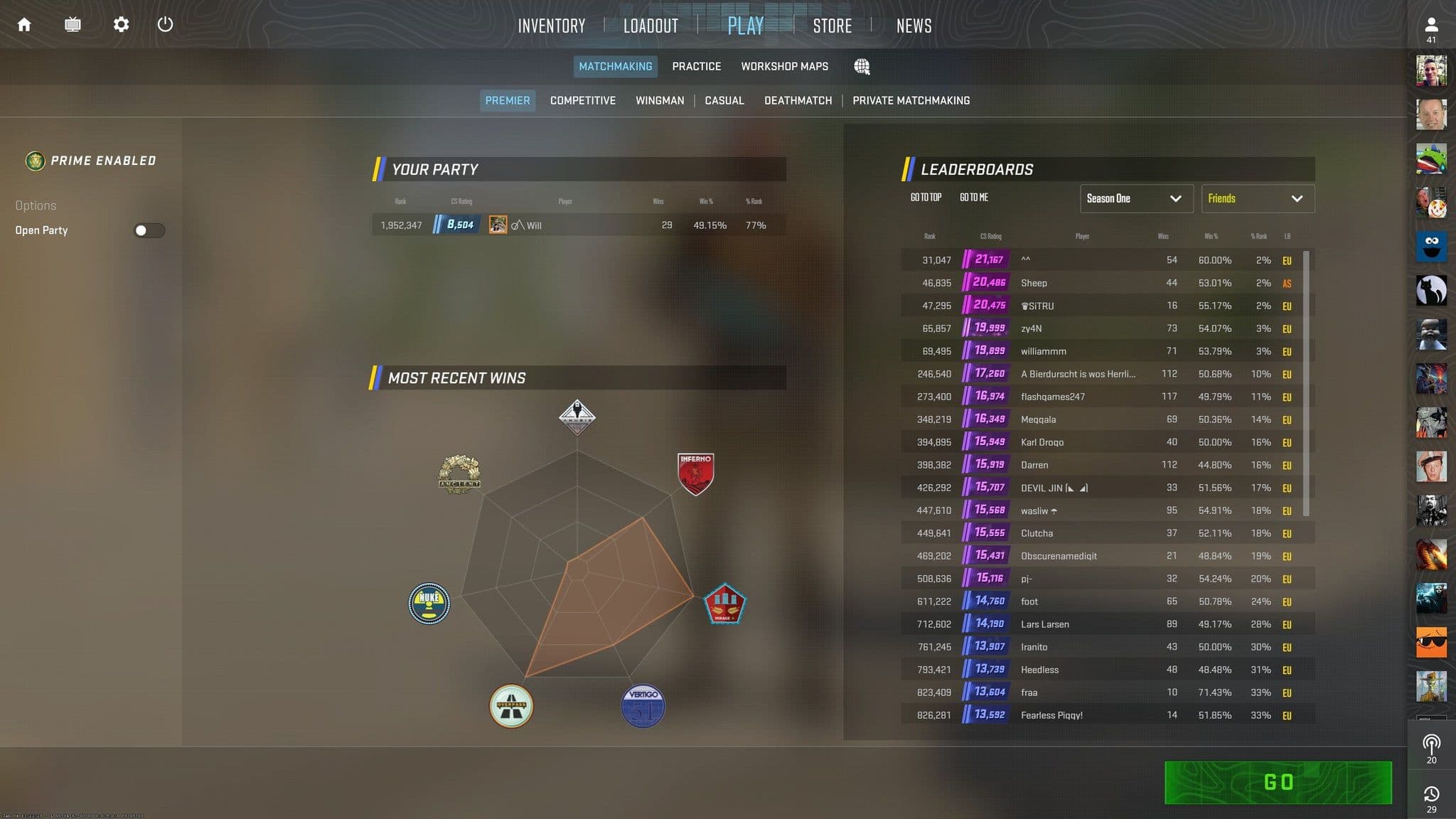
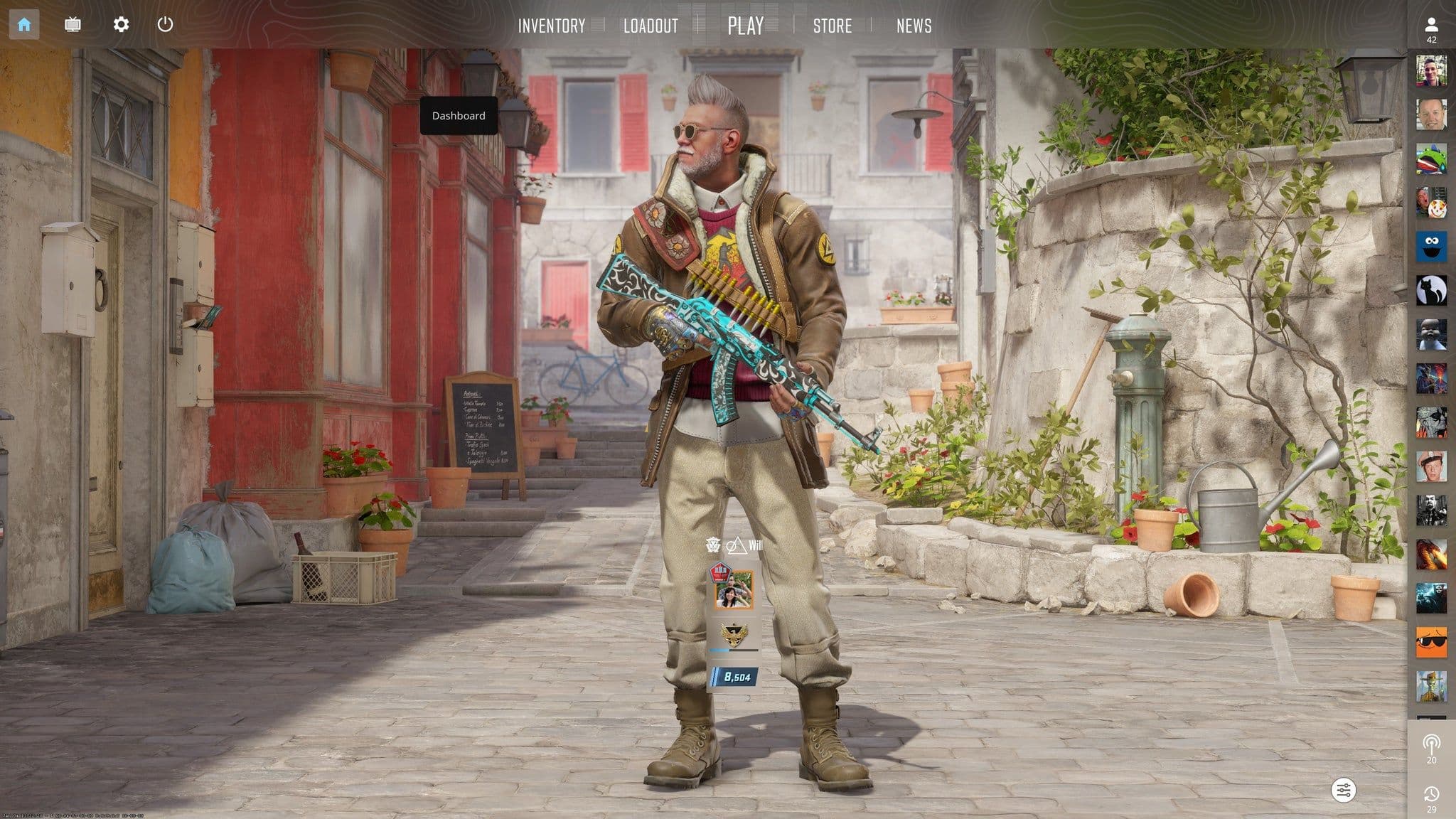
The Premier mode dashboard provides a comprehensive look at competitive performance and ladder standing.
The flagship Premier Mode is where Counter-Strike 2 makes its most significant competitive statement. This is no longer the pick-up-and-play ranked queue of old. It’s a curated, high-stakes environment that begins with a map veto system, where teams vote to whittle a seven-map pool down to the single battlefield for their match. This alone adds a layer of pre-game strategy, rewarding map knowledge and team coordination before a single bullet is fired. The real shift, however, is the ranking outcome: your performance is now distilled into a single, numerical CS Rating. This clean, Elo-style number replaces the mysterious badge, offering a precise measurement of your standing on global and regional leaderboards. The intent is brilliant—it turns progression into a transparent, ladder-climbing grind familiar from games like Valorant, where every win or loss has a clear, quantifiable impact on your digital worth.
Where Premier Mode truly innovates is in its map-specificity, but this intelligence is curiously split across two modes. In standard Competitive, you now earn an individual rank for each map, a system that brilliantly acknowledges a player’s varying skill across different layouts.
This is a masterstroke of matchmaking logic. It prevents a Dust II specialist from being thrown into a high-stakes Vertigo match at a rank they can’t sustain, leading to more balanced and enjoyable games for everyone. It also provides players with a clear, personalized roadmap for improvement: if your Mirage rank is 5,000 but your Ancient rank is 10,000, you know exactly where to focus your practice. However, this thoughtful design is frustratingly absent from the flagship Premier Mode, which uses a single, all-encompassing CS Rating. This creates a dissonance—the game recognizes skill is map-dependent in one queue but ignores it in its most prestigious one, forcing players to be generalists in the mode that matters most.
Access to this elite ecosystem comes at a price, both literal and figurative. To even queue for Premier Mode, players must purchase Prime Status. This optional upgrade, free for former CS:GO owners but a paid barrier for new players, gates the competitive endgame behind a paywall, ostensibly to deter cheaters and smurfs. In theory, it creates a more committed player pool. In practice, it creates a two-tiered community and represents a significant onboarding hurdle for newcomers who must pay to access the “real” ranked experience. Prime Status also unlocks the Weekly Care Package, a progression loop that awards two cosmetic items—weapon skins, cases, or graffiti—for leveling up your profile. While this provides a reliable drip-feed of free cosmetics, it’s a stark reminder that Counter-Strike 2’s most tangible rewards are still overwhelmingly tied to its economy, not its gameplay mastery.
This brings us to the ecosystem’s greatest failure: its hostile neglect of new players. Counter-Strike 2 offers virtually no guidance on its most critical mechanics. There is no tutorial explaining how the economy works, why you should save a round, or how smoke grenades now behave. There’s no in-game help for dialing in aim sensitivity, configuring your crosshair, or understanding the strategic purpose of each game mode. Newcomers are dumped into a Casual queue filled with veterans and left to decipher a decade of accumulated meta-knowledge on their own. This isn’t just a lack of polish; it’s a fundamental design philosophy that treats accessibility as an afterthought, reinforcing the game’s intimidating reputation and ensuring its player base remains a hardened, insular community. The competitive ecosystem Valve has built is sophisticated and deep, but it feels engineered solely for those already living inside it.
Missing Pieces: The Casual Experience and Community Content
For a game that prides itself on being a competitive fortress, Counter-Strike 2 has curiously neglected the casual village that surrounds it. The launch felt like a surgical extraction of the competitive core, leaving behind a hollowed-out shell of community content and alternative fun. This isn't just a matter of missing maps; it's a fundamental shift in philosophy that has made the game's ecosystem feel sterile and incomplete.
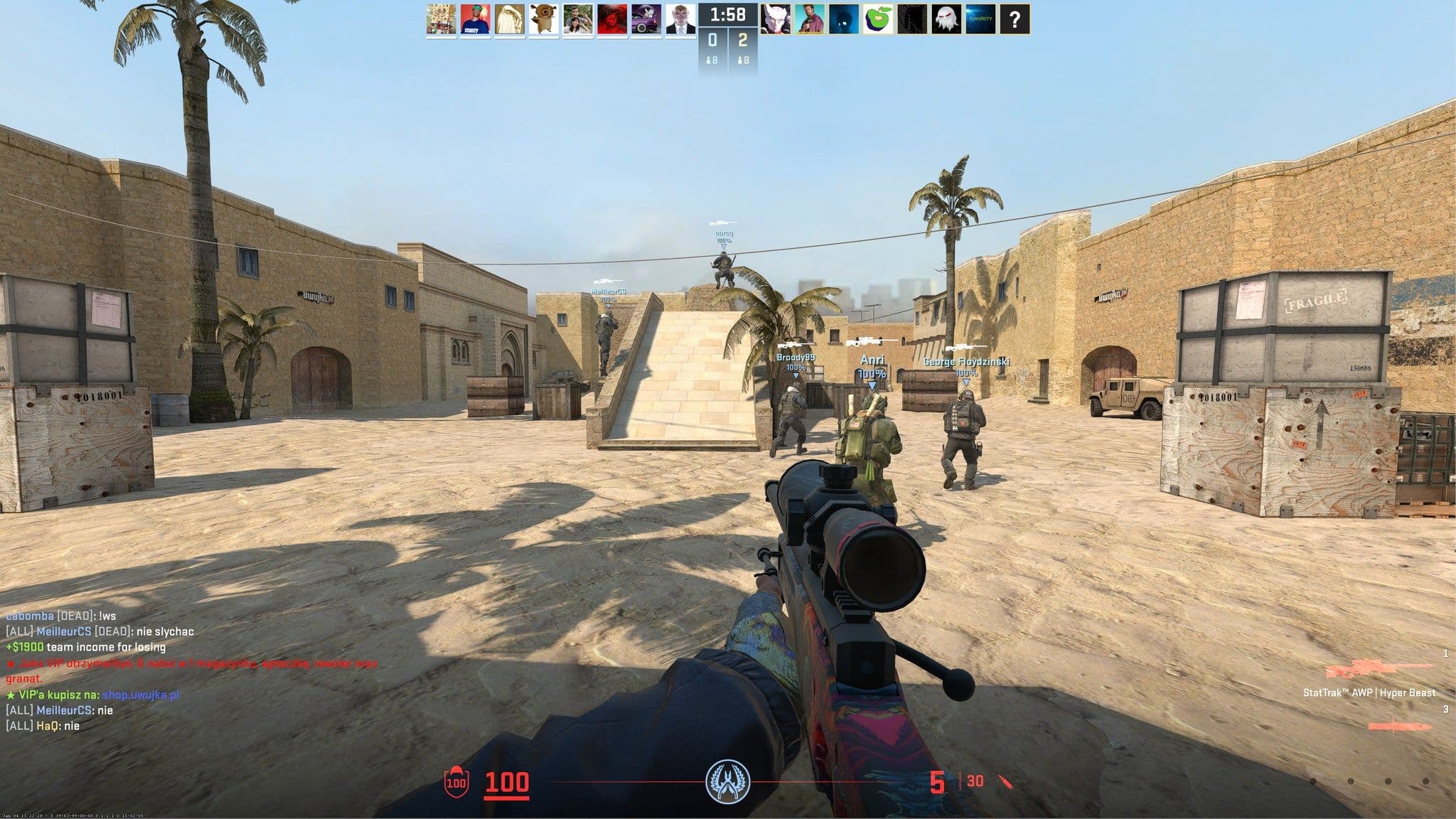
Community-made maps like this custom AWP arena are vital to the casual CS2 experience.
The most glaring omissions are the beloved alternative game modes. Arms Race, the frantic, weapon-progression party mode, was absent at launch, only returning months later via a patch. The battle royale-inspired Danger Zone remains entirely missing, a curious fate for a mode Valve invested considerable effort into. For players who weren't seeking the punishing rigor of Premier mode, these were essential playgrounds—places to unwind, experiment, and enjoy Counter-Strike without the weight of a CS Rating. Their removal, even temporarily, sent a clear message: this iteration is for the serious competitor first, and the casual tourist second. The five supplementary modes (Wingman, Casual, Deathmatch, the returned Arms Race, and Retakes) feel like a bare-minimum concession, a curated list where the chaotic, creative spirit of community-driven mutations has been sanitized.
This curation extends to the custom server scene, which has been significantly diminished. The vibrant, anarchic ecosystem of CS:GO—with its surf servers, zombie survival mods, and aim-training labyrinths—has been replaced by a more sterile browser offering a fraction of the variety.
The community was the lifeblood that kept CS:GO feeling fresh for over a decade, offering unique maps and objectives that expanded the game far beyond its original design. In Counter-Strike 2, that retro PC spirit of experimentation is muted. While the tools for map and asset creation exist in the Source 2 engine, the avenues to share and enjoy those creations feel narrower. For a game built on a legacy of modding, this feels like a self-imposed limitation, trading a warm, player-driven chaos for a cooler, developer-controlled order.
The audio landscape, however, represents a clear upgrade in one area and a puzzling regression in another. The weapon sounds are a triumph—each gun now has a distinct, weighty character. The AK-47's report is a sharp, authoritative crack, while the AWP's thunder feels like it carries physical force. This isn't just aesthetic; it provides better environmental feedback, helping players intuitively gauge distance and direction of firefights. Yet, this improvement is undermined by a critical flaw in audio precision. Multiple critics note that sound cues can be misleading, often lacking the pinpoint accuracy of CS:GO. You might hear footsteps clearly from the left, but the enemy emerges from a right-side corridor. This unreliability in a game where sound is half the information you have corrupts a core tactical pillar. It turns careful listening into a gamble, forcing players to distrust their ears in moments where trust is everything.
This instability in the foundational experience is mirrored in the social one. The notorious toxicity of the Counter-Strike community persists, arguably amplified by new systems. The ability to freely place stickers on weapons, a seemingly innocuous customization feature, has been exploited to spell out racial slurs—a depressing reminder of how tools for expression can be twisted into weapons of harassment. While mute and report functions exist, the burden of policing a match's social health still falls on the players, and a single disruptive individual—blasting loud music, spewing vitriol, or quitting at 0-2—can ruin the carefully built tension of a 45-minute match. For a game that demands intense teamwork, its community mechanics do little to foster it, often actively sabotaging it.
The result is a bifurcated experience. Counter-Strike 2 is a polished, demanding arena for the dedicated competitor, but for the casual player or the community creator, it feels like a platform still under construction. The revolutionary smokes and refined ranking systems are impressive, but they exist within a walls that are higher and a courtyard that is emptier. Valve has built a formidable competitive fortress, but they've yet to rebuild the vibrant, messy town that once thrived outside its gates.
Final Verdict: Is Counter-Strike 2 the Definitive Tactical Shooter?
So, here’s the uncomfortable truth about Counter-Strike 2: it is simultaneously the definitive tactical shooter experience and a platform that has yet to fully earn that title. This paradox defines its final verdict. The value proposition is undeniably immense—a free upgrade that modernizes a legend while preserving every player’s hard-earned cosmetic inventory, a masterful move that ensured the game’s billion-dollar economy transitioned without a hitch. The technical foundation, built on the Source 2 engine, delivers the crispest, most visually legible battlefields the series has ever seen, and the volumetric smoke mechanics are a genuine, genre-elevating innovation. This is the game’s core, and it is exceptional.
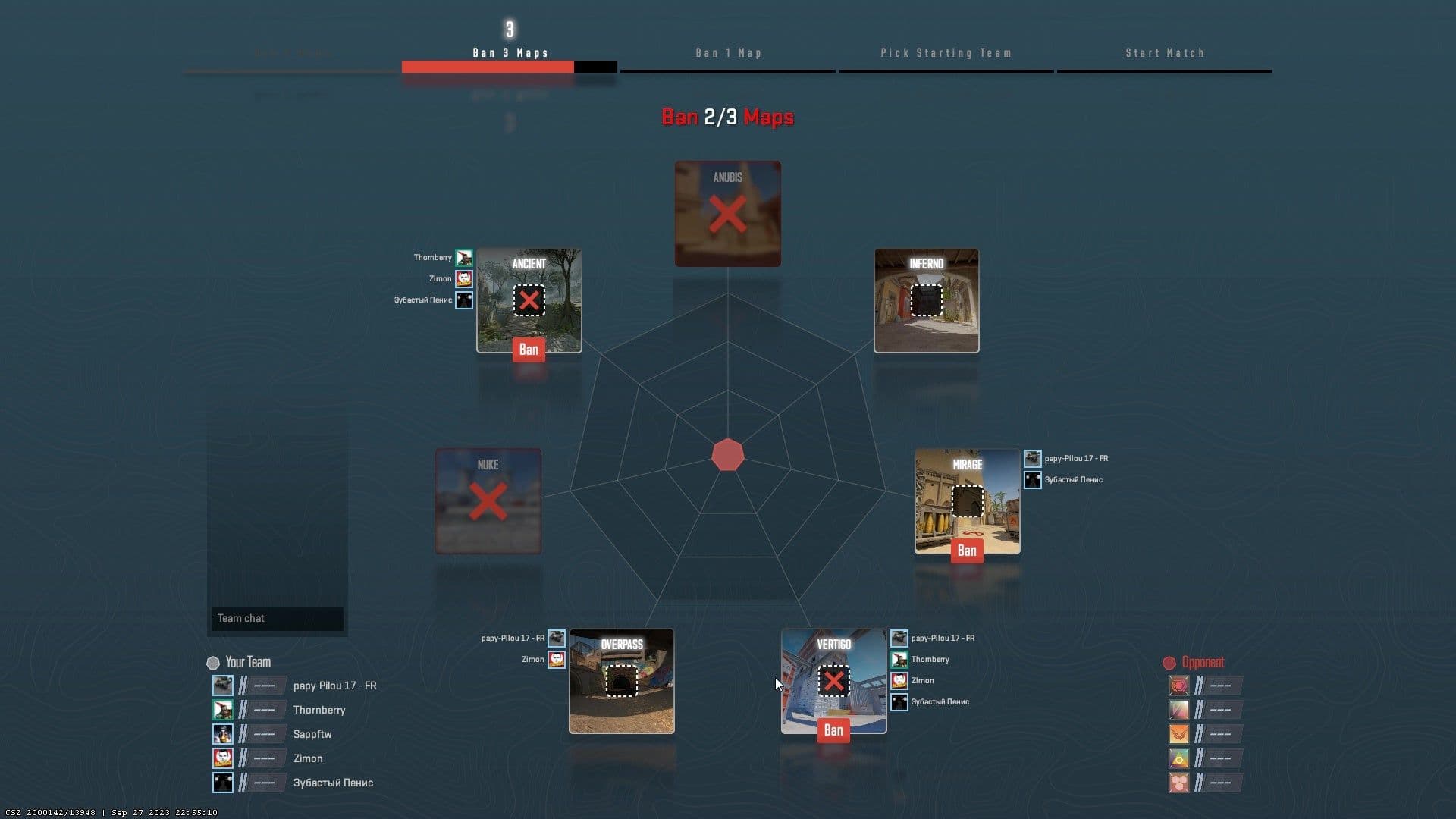
Streamlined match administration makes the competitive grind more accessible.
The commercial reality underscores its dominance: an estimated US$1 billion in loot box revenue by the end of 2023 speaks to an engaged, invested player base that sees the long-term value, technical warts and all.
Yet, that “long-term” view is essential. Counter-Strike 2 launched not as a finished product, but as a promise—a superior engine in need of its full complement of parts. The removal of legacy maps like Train and Cache, the initial absence of modes like Arms Race, and the diminished custom server scene created a sterile, incomplete ecosystem that felt like a downgrade from the vibrant, messy CS:GO it replaced. For casual players and community creators, this launch state was a betrayal of the series' mod-driven soul. Combined with persistent technical instability—random disconnections and the divisive, often unsatisfying feel of the sub-tick networking—the package felt frustratingly raw for a game replacing an 11-year-old standard.
This leads to the crucial question of audience. Counter-Strike 2 is built, first and foremost, for the hardcore competitive player and the tactical FPS purist seeking the absolute highest skill ceiling. The refined Premier Mode with its numerical CS Rating, the map-specific ranks, and the profound depth added by interactive smokes all cater to this elite tier. If your goal is to grind the ladder, study utility lineups, and compete in the most demanding FPS arena on the planet, this is your game. The gunplay, when it works as intended, remains peerless. However, if you valued CS:GO for its variety, its community creativity, or its reliability, Counter-Strike 2 has been a harder sell, asking for patience as Valve rebuilds features around its new core.
The comparison to Valorant is inevitable and telling. Riot’s shooter offers a contrasting philosophy: 128-tick servers that feel consistently responsive, robust anti-cheat, a gentler onboarding process, and a clear, seasonal content roadmap. Counter-Strike 2 counters with pure, unadulterated mechanical depth, a legacy of map knowledge, and a ruthless commitment to a purer form of tactical combat stripped of hero abilities. Where Valorant provides a polished, predictable competitive service, Counter-Strike 2 offers the raw, untamed sport. Your preference hinges on whether you prioritize flawless-feeling infrastructure or uncompromised tactical purity, even if that purity currently comes with occasional technical hiccups.
Ultimately, Counter-Strike 2 is the definitive tactical shooter by default—there is simply nothing else that matches its depth, history, and competitive gravity. But it earns that title more through the sheer weight of its legacy and the brilliance of its foundational improvements than through a flawless execution of its own ambitious vision. It is a game of breathtaking highs—those moments where a perfectly timed smoke clear wins a round—and frustrating lows, like a match-deciding disconnect. It is the best in its class, yet it still has a class of its own to finish building. For the committed competitor, it’s an essential, if sometimes exasperating, evolution. For everyone else, it’s a formidable fortress that is still under construction, its gates open but its outer walls still being raised.
Pros:
- The core tactical gunplay remains the genre’s gold standard, offering an unmatched skill ceiling.
- Volumetric smoke grenades are a revolutionary addition that fundamentally reshapes utility-based strategy.
- The visual overhaul on the Source 2 engine provides exceptional clarity, making player models distinct and environments tangible.
- The new Premier Mode and map-specific ranking systems create a more transparent and nuanced competitive ladder.
Cons:
- The removal of legacy content (maps, modes) at launch made the ecosystem feel sparse and incomplete compared to CS:GO.
- The sub-tick server architecture, while ambitious, has created a divisive and often less satisfying feel for movement and shooting among veterans.
- Persistent technical issues, including random disconnections and audio cue inaccuracies, undermine competitive integrity.
- A stark lack of onboarding or tutorials makes the game notoriously hostile to new players.