Rust Review: The Brutal Reality of Survival Gaming
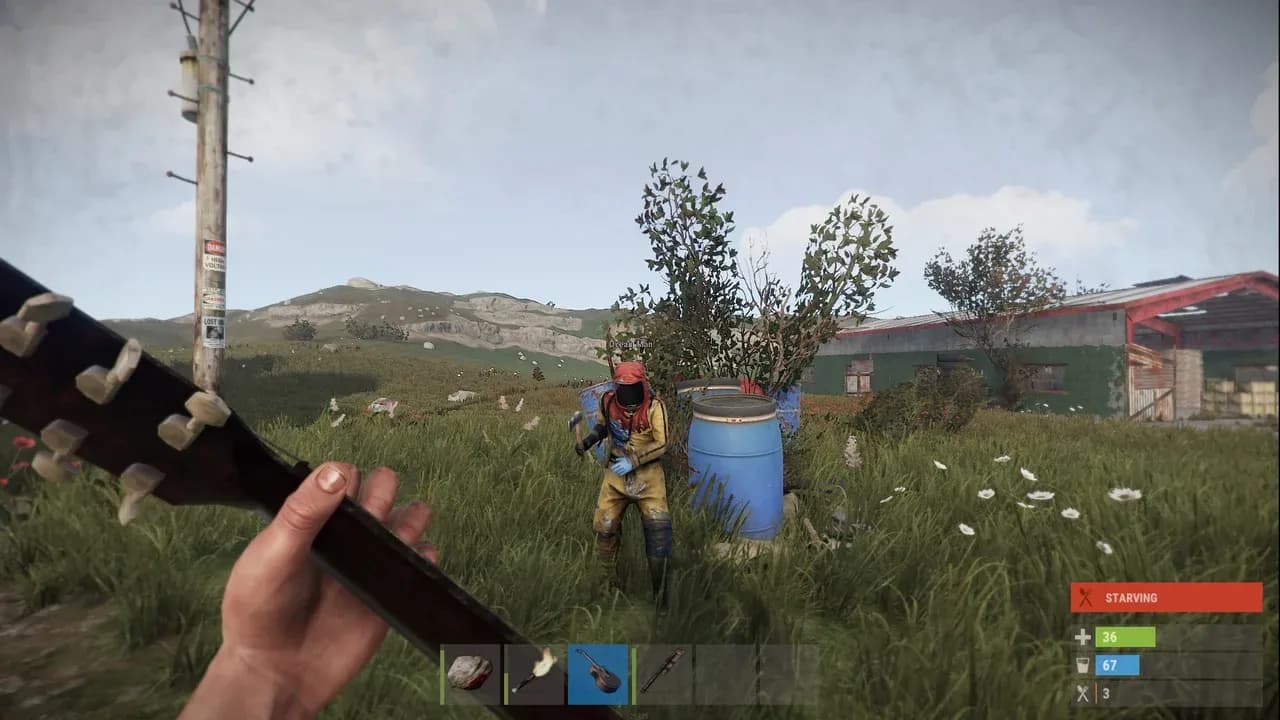
There’s a moment in Rust, often on your first night, when you understand its entire philosophy. You’ve spent an hour scavenging cloth and wood, you’ve built a small wooden shelter with a lock on the door, and you’re huddled around a campfire, crafting your first set of basic tools. Then you hear footsteps outside, the crunch of gravel, and the door explodes into splinters. A fully armored player with an assault rifle stands in the doorway, says nothing, and puts a bullet in your head. Welcome to the social experiment. This is the brutal, uncompromising reality that has defined Rust for over a decade, elevating it from a rough-hewn survival clone to the genre’s most punishing and compelling standard-bearer.
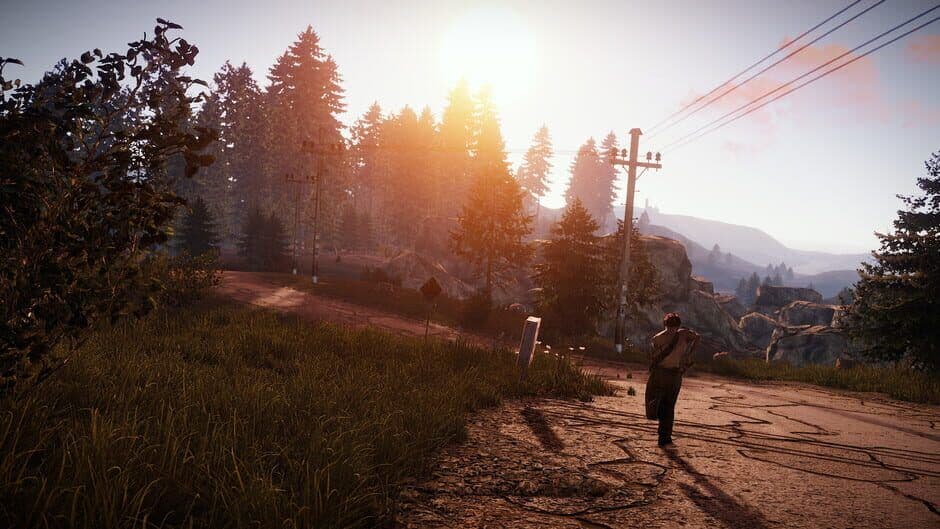
The expansive and dangerous world of Rust.
The journey to this point is a story of remarkable evolution. Rust launched into Steam Early Access in 2013 as a derivative, zombie-infested survival game, often dismissed as a DayZ clone with worse graphics. What followed was a decade of relentless iteration from Facepunch Studios. They scrapped the zombies, refined the building and crafting systems into something deeply intricate, and transformed the world into a player-driven ecosystem of staggering complexity. Today’s Rust is a feature-rich titan boasting electricity, industrial automation, helicopters, and submarines—a far cry from its humble origins. This metamorphosis is powered by Facepunch’s unparalleled commitment to consistent, monthly content updates, a development cadence that has added everything from new monuments to entirely new gameplay systems like the tech tree, ensuring the game never grows stagnant for its veteran players.
This consistency is Rust’s greatest strength and its most daunting barrier. The sheer volume of systems—from farming and animal husbandry to complex electrical circuits—creates a sandbox of near-limitless possibility, but it also builds a wall of knowledge that new players must scale.
That wall is where the infamous Rust experience crystallizes. The game is a masterclass in high-stakes survival and social Darwinism. There is no tutorial, no safe zone, and no non-lethal progression. Every interaction is a risk calculus: is that naked player with a rock a harmless newbie or a scout for a larger group? The design intent is to create unparalleled tension, where a successful farming run back to base with a full inventory of sulfur is as heart-pounding as any scripted thriller sequence. This loop defines the genre because it is entirely player-generated; the stories of betrayal, revenge, and fleeting alliances are written by the community, not the developers. For those who thrive in this ecosystem, no other game provides the same raw, unfiltered adrenaline.
However, this very design makes Rust famously inaccessible. The steep learning curve isn’t just about understanding crafting recipes; it’s about internalizing a ruthless, often-toxic social contract. The prevalent ‘kill on sight’ (KOS) mentality, combined with the potential for dozens of hours of work to be erased in a single raid by a more established group, can be a soul-crushing experience for the unprepared or casual player. The game demands significant time investment not just to learn, but to compete. On a high-population server, logging off for a day can mean returning to a raided, empty base. This creates a brutal but intentional filter: Rust is not for everyone, and it makes no apologies for that. It is a game that rewards paranoia, persistence, and a high tolerance for loss, establishing a tone of harsh, uncompromising reality from the very first spawn on the beach.
Rust Gameplay Mechanics: From Rock and Torch to Rocket Launchers
The magic of Rust isn't in the moment you fire your first gun; it's in the staggering journey of creation that precedes it. This is a game where you begin as a caveman, bashing a tree with a rock to gather wood, and can end as an industrialist, flying a helicopter to an oil rig you’ve wired to automatically process crude into fuel. That chasm between primitive and modern is bridged by one of gaming’s most compelling, and punishing, progression systems.
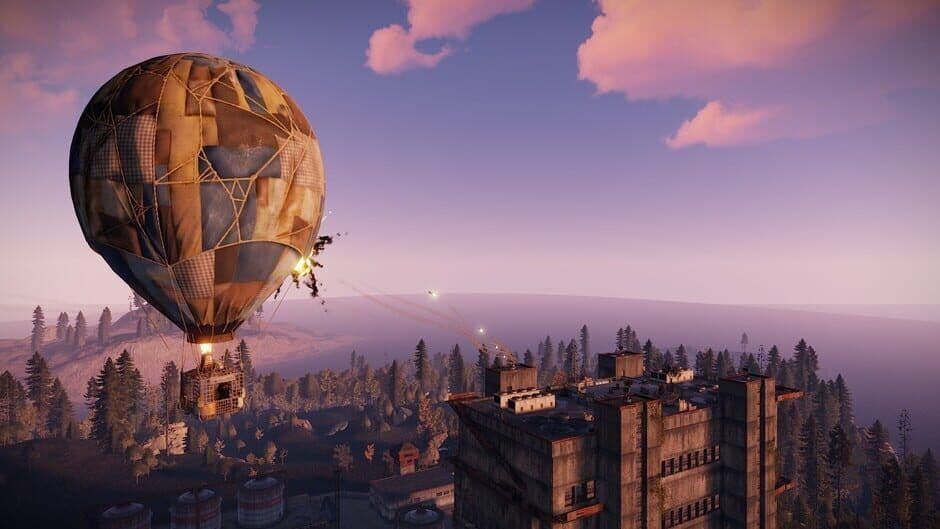
Survival elements in Rust.
The climb is defined by two pillars: crafting and research. The initial loop is tactile and deeply satisfying. You scavenge cloth for a sleeping bag, hunt animals for a furnace, and smelt your first metal ore to craft a revolver. This tangible sense of advancement, where every new tool or weapon directly expands your capabilities, is masterfully executed. The real genius, however, lies in the blueprint system. Finding a high-tier item like an Assault Rifle is only half the battle; you must then research it at a workbench using scrap, a universal currency found by recycling components at monuments. This creates a brilliant risk-reward economy. Do you use your scrap to research that rifle, or to unlock essential building upgrades? The RNG of finding items to research can be frustrating—spending hours without seeing the one component you need—but it successfully prevents established groups from instantly mass-producing top-tier gear from day one, artificially extending the server’s competitive lifespan.
This system creates Rust’s most defining tension: your progression is a physical, stealable asset. That scrap in your box, those uncrafted components, represent hours of dangerous labor. Losing them isn't just a setback; it's the erasure of tangible time.
This leads directly to the infamous Rust grind, a monumental time investment that is the game’s greatest barrier and, for some, its primary draw. On a vanilla, high-population server, reaching a point of competitive parity with established groups can demand a 40-hour work week. Farming thousands of sulfur for explosives, mining endless metal ore for building upgrades, and maintaining your stockpiles against decay is a second job. The game’s design actively punishes inactivity; if you don’t log in to refill your tool cupboard with resources, your base will slowly decay. This creates a relentless pressure to play, cementing Rust as a lifestyle game rather than a casual experience. For players who can meet that demand, the payoff—owning a section of the map, dictating its economy, and engaging in high-stakes warfare—is unparalleled. For everyone else, it’s an insurmountable wall.
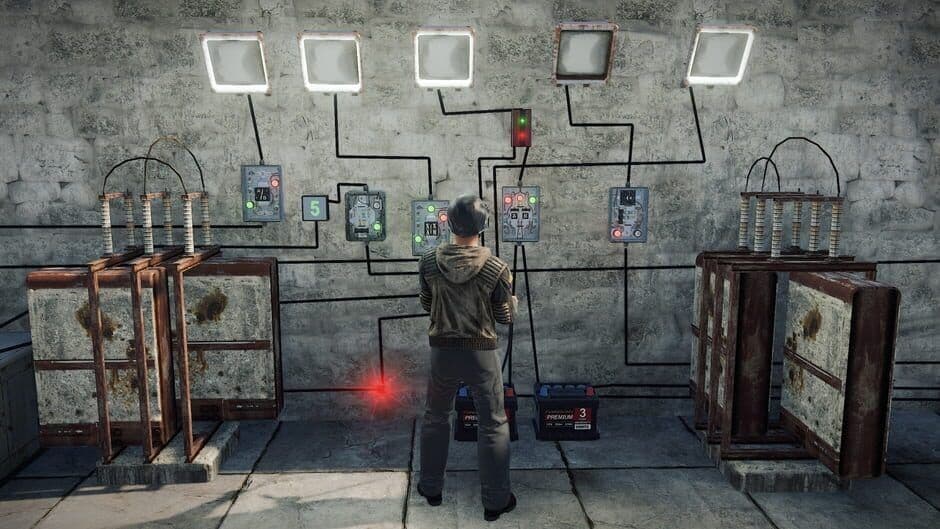
Your defense against that pressure is the game’s exceptionally robust base building system. More than just placing walls, building in Rust is a strategic discipline of resource management, trap design, and architectural creativity. The flexibility is astonishing: you can create multi-tc honeycombed fortresses, elaborate shopfronts to trade with other players, or automated trap bases that seal intruders inside. The system’s depth allows for constant meta-evolution, as players devise new builds to counter popular raiding techniques. This isn't just shelter; it's a direct expression of your power, paranoia, and ingenuity on the server’s landscape.
All of this culminates in the most controversial mechanic in survival gaming: offline raiding. The brutal reality is that your meticulously designed fortress is most vulnerable when you’re not there to defend it. Raiders can spend hours quietly grinding through your walls with explosives while you sleep, looting everything and leaving a smoldering crater. The impact is catastrophic, often resulting in the complete loss of days or weeks of progress. While defenders argue it’s a necessary counter to impenetrable online defenses, the experience of logging in to total annihilation is a uniquely demoralizing form of player attrition. It’s the ultimate enforcement of Rust’s harsh philosophy, ensuring that no success is ever permanent and that paranoia is your most vital resource.
Combat and PvP in Rust: High Stakes and Heart Rates
The gunshot that echoes across a valley in Rust isn't just a sound effect; it's a promise of violence and a siren call for loot. This is where the game's core social experiment reaches its most brutal and exhilarating conclusion. Combat is the final arbiter of every interaction, the ultimate expression of power, and the primary engine for heart-pounding tension that few other games can replicate.
First-person perspective in Rust.
The gunplay itself has undergone a quiet revolution. For years, Rust was defined by punishing, memorization-based recoil patterns—a skill ceiling that rewarded hundreds of hours of practice on target servers. The recent shift to a more modernized, predictable spray system is a deliberate accessibility play. It lowers the initial barrier to effective shooting, making mid-range engagements less about robotic pattern control and more about positioning and burst discipline. This is a net positive for the health of the servers, preventing veteran players with god-like spray control from dominating every engagement with laughable ease. However, it comes with a cost: some of the raw, high-skill expression that defined the old combat meta is gone, flattening the skill gap in a way that dedicated PvP purists still lament.
Weapon balance, however, remains a persistent thorn. The AK-47 continues to be the undisputed king of the wipe. Its damage output, versatility, and availability once researched create a stark power cliff. The moment a group on your server unlocks the AK, the entire meta shifts. Primitive weapons like the crossbow or compound bow, while deadly in the right hands during the first 48 hours, become near-useless against armored opponents, relegated to a hunting tool. This creates a compressed mid-game where the goal isn't tactical variety, but a frantic race to the same top-tier loadout. The game's own impressive arsenal of firearms—from SMGs to bolt-action rifles—often feels like a scenic route to the inevitable AK meta, undermining the potential for diverse combat encounters.
This imbalance feeds directly into the most criticized aspect of Rust's PvP ecosystem: the 'Zerg' problem. A clan of ten players will not only out-farm and out-build a solo player; they will drown them in a tide of AKs and rockets. The individual skill of a soloist is often irrelevant against overwhelming numbers and resources.
This dynamic is crystallized in the art of raiding. More than just blowing a hole in a wall, raiding is a high-stakes strategic puzzle. You calculate the cheapest path to your target's loot rooms using explosive ammo, satchel charges, or rockets, each with different sulfur costs and splash damage profiles. The defender's counter-play—auto-turrets, shotgun traps, and maze-like base design—creates a beautiful, unscripted arms race. The tension of being on either side of a raid is unmatched; as an attacker, every explosion is an investment you might not recoup, and as a defender listening to your walls being chipped away, the panic is visceral. Yet, this brilliant system is undermined by the prevalence of offline raiding. The strategic puzzle becomes a mundane math problem when no one is home to defend, turning what should be a climactic siege into a tedious, one-sided demolition. It protects the raider's investment but robs the game of its most dramatic player-versus-player moments.
Despite these systemic issues, Rust achieves something magical in its moment-to-moment high-stakes gameplay. The adrenaline rush of moving valuable loot—a stack of research scrap or a freshly found assault rifle—across the map is the game's true masterpiece. Your senses heighten; every rustle in a bush could be a player, every distant gunshot a threat vector. This isn't tension manufactured by a scripted jump-scare, but by the very real knowledge that another human being wants what you have and is willing to erase your progress to get it. A successful, pulse-pounding run back to the safety of your airlock is a triumph. A failed one is a story you'll tell with a grimace. This emotional rollercoaster, where every journey outside your base is a potential narrative, is the uncompromising heart of Rust's PvP, and it remains powerfully addictive for those with the fortitude to endure its losses.
The World of Rust: Procedural Maps and Monument Design
The world of Rust is a character in its own right—a silent, indifferent stage upon which its brutal social drama unfolds. Its procedural generation ensures no two wipes are ever identical, but it’s the deliberate handcrafted landmarks scattered across this shifting landscape that truly define the experience, creating a treacherous geography of risk and reward.
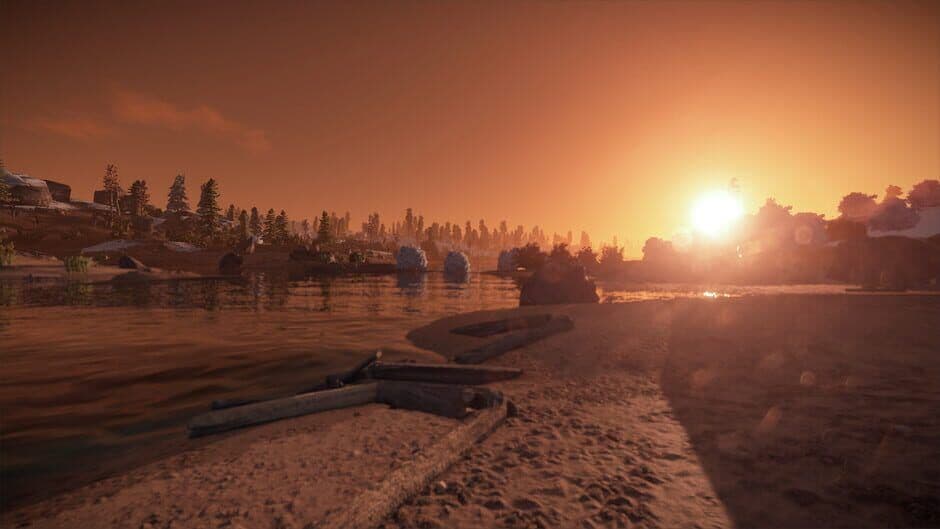
Industrial design elements in Rust.
The true genius of Rust’s environmental design lies in its Monuments. These are not just scenic backdrops; they are meticulously crafted PvP arenas and economic engines. Each one serves a distinct purpose and demands a specific tactical approach. The Launch Site, a sprawling, irradiated complex, is a labyrinth of tight corridors and verticality, perfect for ambushes and close-quarters firefights over the high-tier military loot inside. In contrast, the Oil Rig sits isolated in the ocean, a multi-level fortress where combat is funneled through choke points, and escape is a harrowing swim or helicopter flight away. These spaces are masterclasses in organic encounter design. You don’t need a quest marker to find action; you simply head to a monument, because you know that’s where the loot—and the players guarding it—will be. They create predictable points of conflict, turning the map into a living, breathing territory control game.
This monument-centric design is the primary driver of Rust’s emergent narratives. The fight to control Dome for its quick HQM yield, or the tense, silent looting of Supermarket while listening for other players, creates stories that are authored by the players, not the developers.
The canvas for these monuments is a procedurally generated map, which is both Rust’s greatest strength and a persistent source of minor frustration. The replayability benefit is obvious: a new seed forces you to relearn resource clusters, strategic base locations, and travel routes every month. This prevents the game from becoming a stale, memorized routine. However, the algorithm isn’t perfect. You can get a “bad” map—one where the crucial Snow Biome is a tiny sliver, making its exclusive resources scarce, or where monuments are clustered awkwardly together, creating a single, overcrowded warzone while vast swathes of the map remain empty. While this randomness keeps veterans on their toes, it can occasionally undermine the balanced flow and resource distribution that makes a server feel fair.
Your survival in this world depends less on your eyes and more on your ears. Rust’s sound design is arguably its most refined and critical system. This isn’t ambient music for atmosphere; it’s a tactical HUD. The distinct, echoing crack of a Bolt Action Rifle tells you the direction, distance, and weapon type of a potential threat. The crunch of gravel underfoot can mean someone is sneaking up on your wood base. The hum of a nearby electric generator or the thwump of a shotgun trap gives away a neighbor’s position. This auditory clarity forces a hyper-awareness that is vital for survival, making even a solo foraging trip a tense, immersive experience. You’re not just playing a game; you’re listening to it.
Visually, Rust presents a curious dichotomy. Its overall aesthetic—the grimy, industrial decay of its monuments against the natural beauty of its biomes—is cohesive and effective. A sunrise over the forest or a fog rolling into the mountains can be genuinely striking. Yet, when scrutinized, the visual consistency shows its age. Texture quality in some older assets, like certain rock formations or building interiors, feels dated compared to modern survival peers. The transition between biomes can sometimes be jarringly abrupt, a sharp line between desert and snow rather than a gradual fade. It’s a reminder of the game’s long evolution, where new, higher-fidelity content exists alongside legacy art. It rarely breaks immersion, but it does prevent Rust from being a graphical showcase.
Finally, the environment itself is an active adversary through its environmental hazards. Radiation zones, most notably around high-tier monuments, enforce a gear gate; you need a radiation suit or pills to enter, adding a layer of preparation and vulnerability (as the suit offers little protection). The cold of the snow biome will slowly kill a naked player, making warm clothing or a lit campfire a necessity for resource gathering there. Even the wildlife—bears that can maul an unprepared player, or wolves that relentlessly chase you—serves as a chaotic, unpredictable element that can turn a simple journey into a frantic fight. These systems are elegantly simple: they don’t create deep survival mechanics, but they effectively herd players, dictate gear choices, and add another layer of danger to an already hostile world. In Rust, the land itself is trying to kill you, and it’s a perfect fit for the game’s merciless philosophy.
Technical Performance and Community: The Good, The Bad, and The Toxic
Even the most meticulously designed game engine can’t shield you from the other players using it. Rust is a technical marvel in its sheer scope and a cautionary tale in its community dynamics, where the line between a feature and a bug is often drawn by the person holding the flamethrower.

Let's start with the hardware. Rust is famously demanding, a game that treats recommended system requirements as a polite suggestion. Its sprawling, entity-rich world—packed with hundreds of player-built structures, active electrical components, and persistent loot—is a RAM and CPU nightmare. On a standard high-population server, you can expect 16GB of RAM to be the absolute minimum, with 32GB providing a far smoother experience to handle the background asset streaming. The game’s shift to requiring an SSD isn’t just for faster load times; it’s a necessity to prevent hitching when traversing the map or when a raiding party triggers dozens of explosions, each calculating structural damage in real-time. Performance during these large-scale events is the ultimate stress test: frame rates can plummet as particle effects, debris physics, and multiple player models collide, turning a climactic siege into a slideshow on anything but high-end hardware. This isn’t a slight against optimization—it’s the tax you pay for a world this complex and dynamic.
This technical burden creates an invisible barrier to entry. Playing Rust on subpar hardware isn't just a visual compromise; it's a direct competitive disadvantage in a game where split-second reactions decide who keeps their loot.
The human element, however, presents a far more volatile performance issue. Rust’s community is its most infamous and defining feature. The game’s design explicitly incentivizes betrayal, aggression, and the erasure of others' progress, which naturally curates a player base with a high tolerance for—and often an active enjoyment of—psychological warfare. The 'kill on sight' (KOS) mentality is the default language on official servers. Verbal abuse, both in voice chat and through spray-painted base decorations, is commonplace. Griefing extends beyond simple raiding to include walling off resource nodes, camping spawn beaches, and building spiteful external tool cupboards to prevent others from expanding. This isn't an emergent bug; it's the logical endpoint of a system that places no mechanical value on cooperation and every value on domination. For new players, this can be a soul-crushing gauntlet that turns the first ten hours into a cycle of spawn, die, and question your life choices.
Thankfully, the ecosystem has self-corrected through server variety. The vanilla experience is just one flavor in a vast modded buffet. 2x or 3x gather rate servers dramatically reduce the oppressive grind, making the game viable for adults with jobs. Solo/Duo/Trio servers enforce group size limits, leveling the playing field against massive zergs. No-raid servers or PvE-focused communities remove the constant threat of annihilation, allowing players to engage with the game’s deep building and exploration mechanics in relative peace. These modded havens are not a lesser way to play; they are essential pressure valves that make Rust accessible to a wider audience, proving that the core survival and crafting loops are compelling even without the constant specter of player-on-player violence.
This brings us to the shadow war waged in the background: the fight against cheaters. In a game where loot is god, the temptation to use external aids is high. Facepunch’s deployment of Easy Anti-Cheat (EAC) and their consistent, sometimes controversial, ban waves represent a critical, ongoing battle. On well-moderated community servers, admins act as a rapid-response force, dealing with scripters using aimbots or fly hacks that would otherwise ruin a wipe. While no anti-cheat is perfect, and new exploits emerge with depressing regularity, the active stance against cheating is a non-negotiable pillar supporting Rust’s competitive integrity. Without it, the already brutal power disparity between a legitimate player and a cheater would render the core progression meaningless.
Ultimately, your experience in Rust is less about the game Facepunch shipped and more about the slice of it you choose to inhabit. Do you brave the thunderdome of an official server, accepting its technical demands and social toxicity as the price for the pure, unfiltered experience? Or do you find a modded community that sandpapers down the roughest edges, tailoring the brutality to your tolerance? This flexibility is, ironically, the game's saving grace and a testament to its robust foundation. The engine can handle both the anarchic warfare of a vanilla wipe and the collaborative city-building of a PvE server, proving that the true power of Rust lies not in its code, but in how players choose to rewrite its rules.
Final Verdict: Is Rust Worth Playing in 2024?
After a decade in the crucible, Rust emerges not as a game to be casually recommended, but as a phenomenon to be respected. It is a masterpiece of uncompromising, player-driven tension and a monument to punishing design, a title that will define your gaming month or infuriate you within an hour. The final verdict hinges entirely on a single, brutal question: are you willing to submit to its rules?
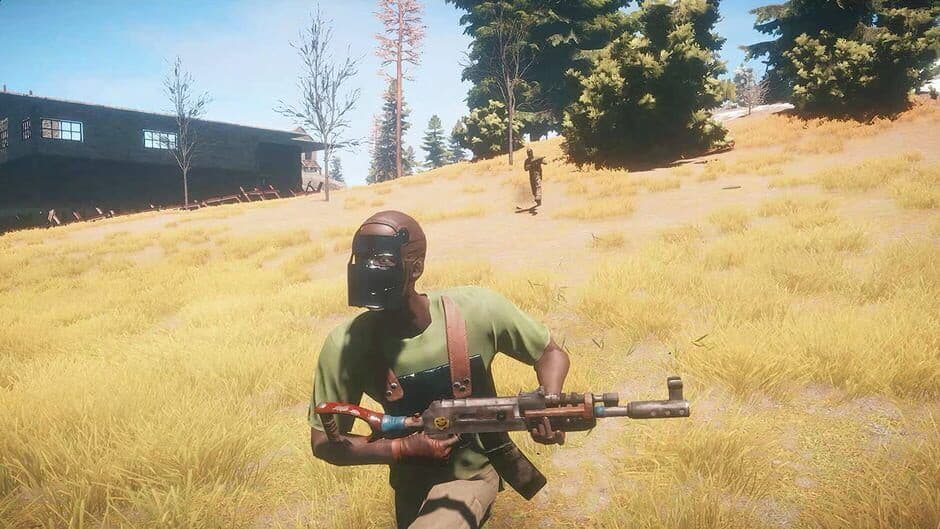
Player interaction is a double-edged sword in the Rust community.
Rust’s value proposition is staggering, yet deceptive. For a single purchase, you gain access to hundreds, even thousands, of hours of content, powered by Facepunch’s relentless monthly updates that have added helicopters, submarines, and complex electricity. This isn’t DLC-locked content; it’s a living game that evolves for free. However, that “content” is almost entirely player-generated. The value you extract is directly proportional to the time and emotional resilience you invest. A 40-hour work week on a vanilla server might see your group establish a formidable compound. For a solo player with a day job, those same 40 hours could be a cycle of rebuilding from repeated raids, never touching the late-game tech. The game’s price is a bargain, but the real cost is measured in patience and perseverance.
This calculus makes Rust’s target audience exceptionally narrow. It is the ultimate lifestyle game for competitive groups and players with significant, schedulable free time. For them, the grind isn't a bug; it's the feature that filters out the casuals, ensuring every victory is hard-won.
For everyone else—the casual soloist, the player seeking cooperative PvE, or someone with a low tolerance for griefing—vanilla Rust can feel like a beautifully crafted prison designed specifically for their frustration. The game’s infamous community toxicity and the crushing weight of offline raids aren’t accidental; they are the logical, almost mathematical conclusion of its systems. To enjoy Rust, you must either embrace this brutal social contract or strategically circumvent it through the vibrant ecosystem of modded servers. These community-run havens—with faster gather rates, group limits, or PvE rules—aren’t a compromise; they are the essential pressure valve that proves the core crafting and building mechanics are genius, even without the constant threat of annihilation.
Final Score Rationale: 8/10 – A Flawed Titan
Rating Rust on a traditional scale feels almost reductive. It is simultaneously one of the most compelling multiplayer experiences ever created and one of the most frustrating. It earns its high score not by being universally enjoyable, but by being peerlessly effective at what it sets out to do: create raw, unfiltered, high-stakes human drama. The adrenaline of a successful loot run, the strategic depth of its building meta, and the sheer scale of its progression are unmatched in the genre. Yet, it is brutally inaccessible, technically demanding, and often morally exhausting. It is a game to be admired from a distance by most, and lived in by a devoted few. In 2024, Rust remains the definitive, punishing heart of the survival genre—a masterpiece you should approach not with excitement, but with solemn preparedness.
Pros:
- Unrivaled Tension: The player-driven risk of losing everything transforms a simple journey across the map into a heart-pounding narrative generator.
- Deep, Creative Systems: The building and electricity mechanics offer a sandbox of near-limitless possibility for fortresses, traps, and automation.
- Constant Evolution: A decade of consistent, free monthly updates has transformed the game into a feature-rich titan, ensuring long-term novelty.
- High Replayability: Procedural maps and monthly server wipes create a forever-shifting battlefield that never grows completely stale.
Cons:
- Extreme Time Sink: Remaining competitive on a standard server demands a lifestyle commitment, punishing casual play or inactivity.
- Toxic Community Ecosystem: The design incentivizes and cultivates a prevalent ‘kill on sight’ mentality, griefing, and verbal abuse, especially on official servers.
- Brutally Punishing for New Players: The lack of tutorial, steep knowledge wall, and power disparity make the initial hours a demoralizing gauntlet.
- Performance Heavy: Requires high-end hardware (32GB RAM, SSD) to run smoothly during the large-scale raids that define the endgame.