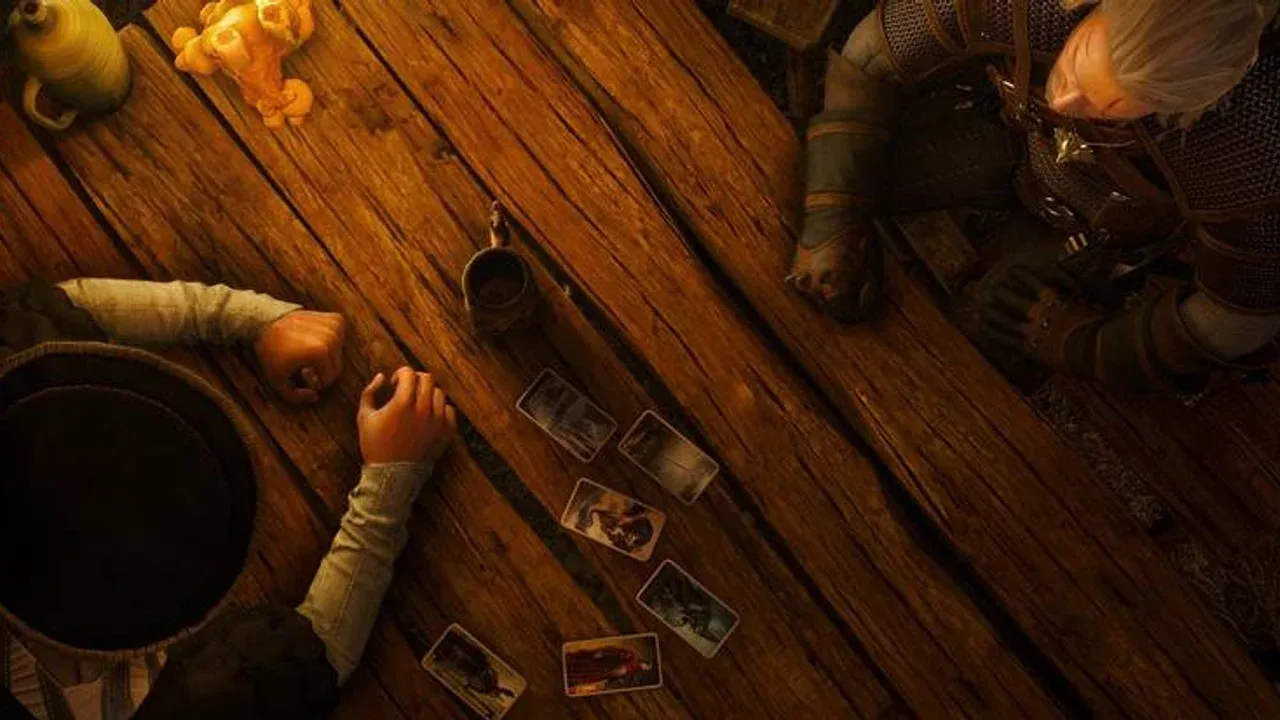
The Witcher 3 Gwent Point of No Return Criteria
Why This Section Exists: Before you even shuffle your first deck in White Orchard, you need to understand the unforgiving nature of Gwent card collection. Unlike most open-world collectibles, Gwent cards are tied to specific characters, quests, and story moments that can vanish forever. This section establishes the core rules of the hunt for the “Card Collector” achievement and identifies the single most critical narrative juncture for any aspiring Gwent master.
The Card Collector Achievement: A Fragile Pursuit
The “Card Collector” achievement requires you to acquire all 199 unique Gwent cards available in the base game. This is not a passive scavenger hunt; it is an active, time-sensitive investigation. Approximately 11 of these cards are permanently missable, locked behind characters who can die, quests that auto-fail, and narrative points of no return. The achievement itself is flagged as “Missable” for this very reason. Unlike finding every Place of Power or clearing every monster nest, Gwent collection demands foresight. You cannot simply backtrack after the main story; the world state changes, vendors disappear, and opponents perish. This transforms Gwent from a fun diversion into one of the game’s most demanding and meticulously planned challenges.
Your Essential Tool: A Miraculous Guide to Gwent
Your primary compass in this endeavor is the “A Miraculous Guide to Gwent” book, won from the scholar at the White Orchard Inn during the prologue. This magical tome provides a vague but crucial overview: it lists the number of cards remaining to be found in each major region (Velen & Novigrad, Skellige, etc.). While it doesn’t give exact locations, it serves as an essential checklist. If your guide says “0 cards left in Velen/Novigrad,” but the achievement hasn’t popped, you know the missing card is likely a random reward from a “player of no particular renown.” Conversely, if it shows a number, you have a clear, unresolved questline or merchant to find. Never sell this book. Consult it regularly between major story beats to ensure you’re on track before advancing the plot.
The Grand Cut-off: Sailing to the Isle of Mists
All roads in the missable Gwent guide lead to one pivotal moment: accepting the main quest “The Isle of Mists.” When you sail to that Skellige marker, the game will explicitly prompt you to save, signaling a massive point of no return. This act auto-fails a swath of quests across Velen and Novigrad. For the card collector, this is the single greatest threat to your completion run.
The cards tied to these now-failed quests become permanently inaccessible. Crucially, this includes cards awarded from quests like “A Dangerous Game” (which grants three powerful unique cards) and “A Matter of Life and Death” (where you can win the Dandelion card). Furthermore, if you haven’t completed certain character questlines—like those for Zoltan or Lambert—before this point, you will miss your chance to win their signature cards forever. The Isle of Mists cut-off doesn’t just advance the story; it slams shut a dozen doors to your card collection. The rule is absolute: before you even think about that voyage, you must have cleared every outstanding Gwent-related side quest and beaten every unique opponent in Velen and Novigrad.
The Takeaway: Treat Gwent collection as a parallel, urgent storyline. Your main quest priority should be “Collect ‘Em All” until the Isle of Mists looms on the horizon. Use the Miraculous Guide as your bible, and let the fear of missing out (FMO) guide your actions. The open world is yours to explore, but its Gwent opponents are on a timer.
White Orchard: The First Missable Opportunity
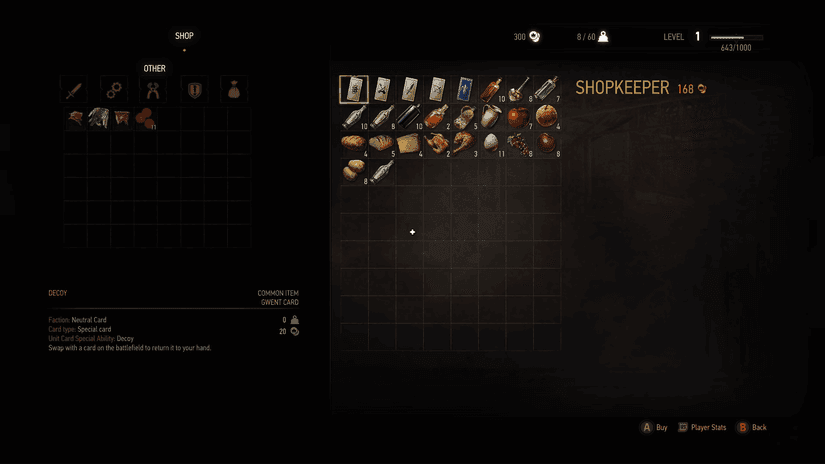
Tracking missable Gwent cards in the White Orchard prologue.
White Orchard: The First Missable Opportunity
The tutorial area of White Orchard is a deceptive trap for aspiring Gwent masters. It’s a small, self-contained sandbox meant to teach you the basics, but rushing through its main story to chase Ciri is the single biggest mistake you can make for your card collection. The moment you complete the Griffin contract and Vesemir suggests heading to Vizima for the “Imperial Audience,” you trigger a soft point of no return. Almost every side quest in the area auto-fails, and with them, your first and easiest chance to acquire foundational cards. Unlike the complex political webs of Novigrad or the character-driven cut-offs in Velen, White Orchard’s missables are a pure test of patience and thoroughness. Here are the cards you must win or buy before you ride out.
The Scholarly Duelist: Zoltan Chivay
Your very first Gwent opponent isn't a fearsome lord or a cunning merchant—it's a frightened scholar named Aldert Geert hiding in the White Orchard tavern. Beating him awards the Zoltan Chivay neutral hero card, a powerful 5-strength unit immune to most special effects. This is more than just a strong early-game card; it’s a linchpin for the “Gwent: Old Pals” questline. If you skip this match, the card isn't simply lost forever. A morbid failsafe exists: Aldert Geert later appears as a corpse hanging from the Hanged Man's Tree in Velen, and you can loot the card from his body. However, relying on this macabre backup plan is a needless risk. Win the card properly here and secure a key piece of your neutral collection from the start.
The Innkeeper's Arsenal: Weather Cards & Decoy
The White Orchard innkeeper, Elsa, is your primary card vendor in the prologue. She sells the essential special cards that form the backbone of any competitive deck: Biting Frost, Impenetrable Fog, Torrential Rain, and Decoy. Most critically, she sells one of only three Decoy cards available in the entire base game. This card, which allows you to pick up a unit from your own battlefield to replay it, is arguably the most powerful tactical tool in Gwent. While extra copies of the weather cards can be found randomly later, the Decoy is a finite resource. Furthermore, the innkeeper also sells key Northern Realms unit cards like Catapult, Blue Stripes Commando, and Crinfrid Reavers Dragon Hunter, which are crucial for building a functional starter deck. Ignoring her stock because you're eager to leave the "boring" starting area is a strategic blunder you’ll feel for dozens of hours.
The Rescuee's Cache: The Merchant by the Bridge
After you slay the Griffin, you rescue a merchant who sets up shop just west of the Woesong Bridge. This merchant is a critical safety net. Following patch 1.04, he sells the same core Gwent cards as the innkeeper. If you somehow forgot to buy cards from Elsa before the "Imperial Audience" quest locks her out, this merchant is your one and only chance to purchase those Decoy and weather cards before leaving White Orchard. Think of him as the game's merciful, final check on your negligence. However, you should not rely on this. Complete your business at the tavern first, then use this merchant as a convenient second stop to fill any remaining gaps in your collection. His presence underscores a key rule for the entire game: always exhaust a merchant's Gwent stock when you first meet them.
Why This Section Matters More Than Any Other
While later sections detail high-stakes tournaments and character-specific cards, White Orchard is about building your foundation. Missing the Zoltan card or a Decoy here doesn't just mean one less card in your deck; it weakens your ability to compete in the early-game matches in Velen that yield even better cards. A poor starter deck can make winning the Bloody Baron's unique card or beating the innkeepers of Velen significantly harder, creating a domino effect of failure. White Orchard teaches the cardinal rule of Gwent collection in The Witcher 3: treat every new area as a self-contained collection challenge. Clear it out completely before advancing the main story. Your future self, staring at a near-complete deck but missing a single card from a character long gone, will thank you.
Velen: The Bloody Baron's Fate and Gwent

Unique cards are often rewarded by major Velen characters.
Velen: The Bloody Baron's Fate and Gwent
This section is where Gwent collection meets one of the game’s most pivotal narrative crossroads. The questline involving Phillip Strenger, the Bloody Baron of Crow’s Perch, is not just a masterclass in storytelling; it’s a critical, missable checkpoint for card hunters. His fate directly determines your access to his unique Gwent card, making this one of the first major “point of no return” moments for collectors.
Why it’s here: The Baron’s card is a powerful early-game asset, but acquiring it is locked behind a strict narrative deadline. Failing to win it from him before concluding his story will permanently lock you out of the “Collect ‘em All” achievement.
The Point of No Return: “Return to Crookback Bog”
Your window to challenge the Bloody Baron closes the moment you complete the main quest “Return to Crookback Bog.” This quest is the culmination of his personal storyline and is listed among the many quests that auto-fail upon sailing to the Isle of Mists. However, the cut-off for the Baron himself is even earlier—once you finish his quest, he will either leave Crow’s Perch permanently or meet his end, taking his card with him. According to the primary sources, completing this quest is essential before the Isle of Mists to resolve his story, but you must play him before you trigger that resolution.
How to Secure the Card
The method is straightforward: you must defeat the Baron in a game of Gwent at his office in Crow’s Perch. He plays a challenging Northern Realms deck heavy on Spy cards, serving as a genuine skill check for early-game Gwent players. Winning nets you his leader card, “Foltest: Lord Commander of the North” (or “Foltest: The Siegemaster” depending on your game version), a versatile leader ability that clears weather effects from your entire side of the board. This is a tremendous boon for the early and mid-game. The critical takeaway is that this must be done during the “Family Matters” questline, before you embark on the journey to the bog to find his wife, Anna.
Consequences of Missing the Opportunity
If you progress the story without claiming his card, it is lost forever. Unlike some missable cards that can be found in alternate locations (like the Baron’s own notes if he’s gone), the Baron’s unique leader card has no backup acquisition method. This single oversight can derail the entire “Collect ‘em All” side quest and its associated achievement. It underscores a core principle of Witcher 3 Gwent collection: always challenge key NPCs to Gwent the first moment you are able. The Baron is the most severe and early example of this rule in action.
The Takeaway for Collectors
The Bloody Baron’s questline is the game’s first major test of your priorities. Will you rush to help a man in crisis, or will you sit him down for a round of cards while his world falls apart? For a completionist, the answer must be the latter. Ensure you seek him out in his study early and often during your visits to Crow’s Perch. Consider his Gwent match not as a frivolous distraction, but as a non-negotiable step in the “Gwent: Velen Players” quest chain. His fate may be one of the game’s most memorable narratives, but for the card collector, the true tragedy is leaving his office without that Foltest card in your deck.
Novigrad: High Stakes and Masquerade Balls
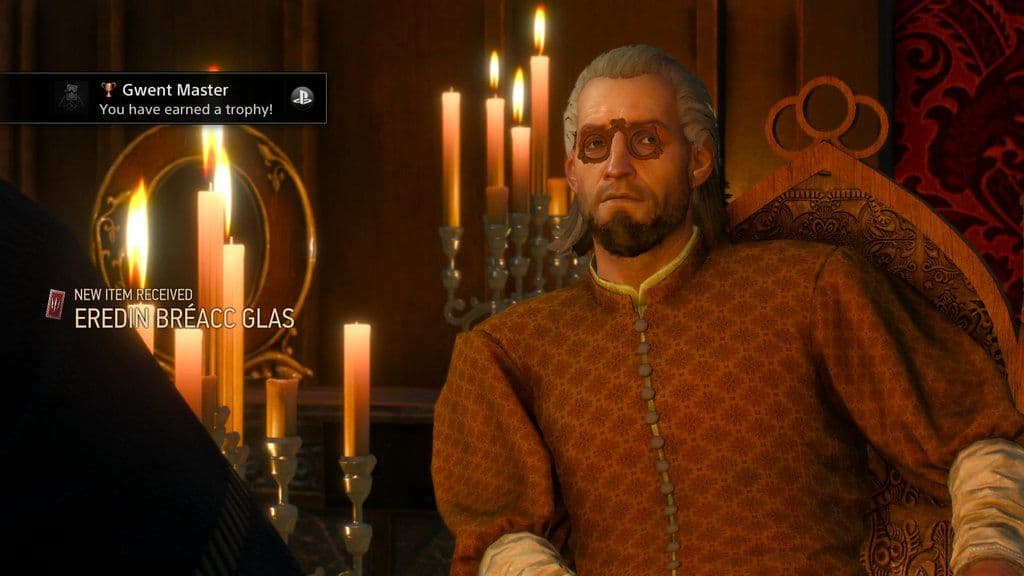
The High Stakes tournament in Novigrad is a major source of rare Gwent cards.
Novigrad: High Stakes and Masquerade Balls
The sprawling city of Novigrad isn't just a hub for main story intrigue; it's the glittering, high-stakes capital of Gwent in the Northern Realms. This section is where your card-collecting ambition meets its first true tests of skill, timing, and social navigation. Missing the opportunities here doesn't just cost you a card—it can permanently lock you out of the "Collect 'Em All" achievement. The events are tied to specific, lavish quests that act as their own points of no return.
Why it's here: This section covers the cards locked behind Novigrad's most exclusive social events. Failure to engage correctly means these powerful cards vanish into the narrative ether, unlike common vendor purchases.
• A Matter of Life and Death & Vegelbud Estate
This is your first major Gwent exam within a quest. “A Matter of Life and Death” is a Triss Merigold side quest that culminates in a masquerade ball at the Vegelbud Estate. Here, hidden behind the revelry, is an optional but utterly missable Gwent tournament. To enter, you must speak to the Croupier by the Gwent table upon arriving at the estate. Winning all three matches against increasingly tough opponents is the only way to obtain three unique cards: Dandelion (Neutral, 2 Power, Commander's Horn), Vampire: Bruxa (Monsters, 4 Power, Muster), and Milva (Scoia'tael, 10 Power, Morale Boost). If you bypass the tournament or lose a match, these cards are gone forever, failing the "Collect 'Em All" quest. This is a harsher cutoff than most, as there’s no vendor backup; the cards exist solely as tournament rewards. Compared to simply buying a card from a merchant, this demands deliberate participation and a deck strong enough to win on the first try.
• Passiflora & High Stakes Quest
If the Vegelbud tournament is a mid-term, “Gwent: High Stakes” at the Passiflora brothel is the final exam. This quest is the pinnacle of base-game Gwent, requiring a 1000-crown entry fee and a tournament-ready deck. The stakes are immense: lose a single match, and you're ejected from the tournament with no retry, forcing a reload. Successfully navigating its four rounds rewards you with several unique cards, including leader cards like Foltest: The Steel-Forged from Bernard Tulle. The quest is notoriously easy to fail, making manual saves before each round non-negotiable. Its difficulty surpasses every other Gwent quest; where “Old Pals” lets you retry opponents, “High Stakes” offers no mercy. Furthermore, it's a soft narrative cutoff. While not auto-failed by the Isle of Mists, it’s strongly advised to complete it before the late-game political quest “Reason of State,” as key participants like Dijkstra become unavailable. It tests not just your deck-building (a spy-heavy Northern Realms deck is recommended) but your mastery of advanced tactics like sacrificing a round for card advantage.
• Related & Often Missed: The Elusive Mysterious Elf
While not tied to a lavish ball, another card fitting this section's theme of "exclusive acquisitions" is the Mysterious Elf. This powerful Neutral hero card is obtained by completing the “Shock Therapy” quest at Gedyneith in Skellige, which involves coercing a druid. It’s included here because, like the cards above, it’s a one-off reward from a specific character interaction, not a random drop or purchase. Missing this side quest means missing the card permanently. It underscores a key principle for Gwent completionists: in Novigrad and beyond, unique cards are often prizes for finishing specific character-driven stories, not just for winning random matches.
Takeaway: Novigrad teaches you that Gwart isn't just a tavern pastime; it's integrated into the city's social fabric. To conquer it, you must engage with its quests as seriously as its narrative. Always save before tournaments, prioritize quests like “A Matter of Life and Death” and “High Stakes” before major plot advancements, and never assume you can come back later. The city’s rewards are great, but its penalties for inattention are permanent.
Zoltan and Dandelion: The Friends in Need Questline
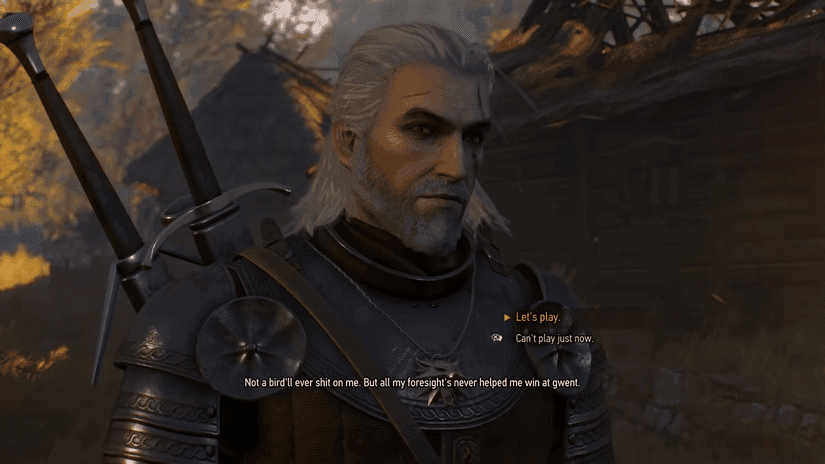
Finding NPCs who offer unique Gwent rewards.
Zoltan and Dandelion: The Friends in Need Questline
While many Gwent cards are won through simple matches, the most memorable—and some of the most powerful—are earned by helping Geralt’s closest friends in their personal troubles. This section focuses on the questline that begins with A Dangerous Game, a narrative-rich adventure that rewards you not just with coin, but with three of the game's rarest and most impactful Hero cards. It’s a perfect example of how The Witcher 3 weaves its collectible card game into the heart of its character-driven storytelling.
Why it’s here: This questline is non-negotiable for the "Collect 'Em All" achievement and represents a major point of player choice with permanent consequences for your deck. Missing it or making the wrong choice at its climax can lock you out of essential cards permanently.
A Dangerous Game: The Heist for Hero Cards
Unlocked after the main quest “A Poet Under Pressure” (or “The Play's The Thing” in some guides), this quest sees Zoltan Chivay recruit Geralt for a high-stakes recovery job. Zoltan owes a debt and needs three specific, priceless Gwent cards to pay it off. What unfolds is a mini-caper across Novigrad’s underworld, involving a dead fence, secret museums, and Gwent matches with lives on the line. The cards in question are Isengrim Faoiltiarna (10-power Scoia’tael Hero), John Natalis (10-power Northern Realms Hero), and Fringilla Vigo (a key 6-power Nilfgaardian Ranged card). The quest brilliantly forces you to engage with Gwent as more than a minigame; it’s a narrative device, a motive for theft, and a bargaining chip.
The climax presents the quest’s most critical choice: after chasing the treacherous bandit Duke through the sewers, Zoltan offers Geralt the spoils. You can either take 350 crowns (or 150/200, as sources vary) or the three rare Gwent cards. You must choose the cards. This is not a subjective tip; it is an absolute requirement for the Card Collector achievement. These cards are unique and cannot be acquired elsewhere in the base game through normal play. Choosing the gold is the single most common point of failure for players attempting to complete their Gwent collection, turning a fun side story into a permanent missable tragedy.
The Dandelion Card: A Reward for Patronage
While not part of the same quest chain, helping Geralt’s bard friend Dandelion yields another unique and excellent card. This is earned by completing the secondary quest “Cabaret,” which involves helping Dandelion reopen his tavern, The Rosemary & Thyme. Upon successfully finishing this quest line—which includes rescuing Priscilla and dealing with underworld threats—Dandelion will gratefully offer you a game of Gwent. Beating him rewards the Dandelion Hero card.
This card is a powerhouse for the Northern Realms deck. As a 10-strength Hero card with the Morale Boost ability, it strengthens all other non-Hero units in its row by 1. In a faction that already thrives on Tight Bond synergies and row-stacking, Dandelion can single-handedly swing a round. More importantly, this card is missable. The “Cabaret” questline, like many in Novigrad, will auto-fail if not completed before sailing to the Isle of Mists. Helping your flamboyant friend isn’t just good for his story; it’s a strategic necessity for building a top-tier deck.
The Takeaway: The quests tied to Zoltan and Dandelion are where Gwent transcends being a simple pastime and becomes embedded in the game’s core RPG mechanics. “A Dangerous Game” offers a thrilling heist with a permanent reward choice, while aiding Dandelion is a test of loyalty with a powerful payoff. For card collectors, these are not optional adventures—they are essential chapters in the hunt for every card. Prioritize them before the point of no return at the Isle of Mists, and always, always choose the cards over the coin.
The Kaer Morhen Cut-off: Lambert and Geralt
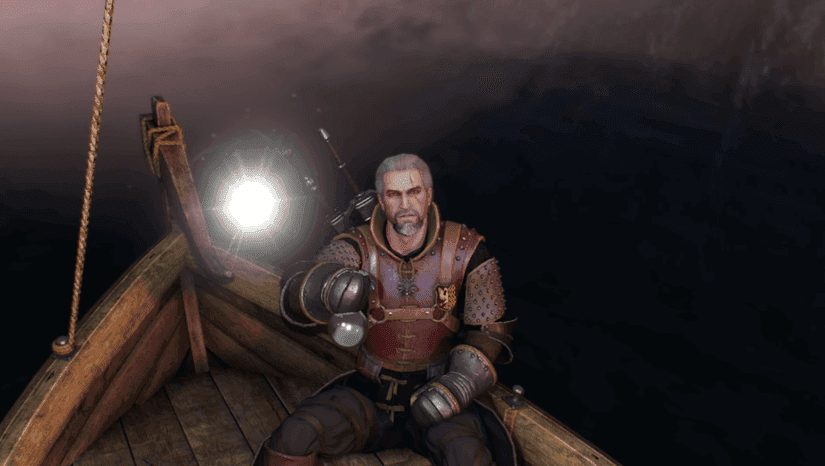
The Isle of Mists serves as the primary cut-off point for many side activities.
The Kaer Morhen Cut-off: Lambert and Geralt
This is the last call for Gwent with your fellow witchers before the world goes to hell. The journey to the Isle of Mists is the single most significant point of no return in The Witcher 3, auto-failing a massive swath of quests across Velen and Novigrad. While many players know this locks out major storylines, it’s also the final curtain for the Gwent: Old Pals questline, specifically the matches against Lambert and the acquisition of the powerful Geralt of Rivia hero card. If you sail for that island before settling your card-game debts, you’re leaving two of the game’s best and most unique cards permanently on the table.
Why Lambert is a Must-Play Before the Isle of Mists: Lambert is not just any opponent; he’s a missable gatekeeper. The cantankerous witcher can be challenged during the quest Following the Thread, but if you miss that window, your only remaining chance is at Kaer Morhen itself before the battle preparations begin in earnest. The moment you trigger the Battle Preparations quest by returning from the Isle of Mists, Lambert becomes preoccupied with the impending Wild Hunt assault and will refuse to play. Defeating him rewards a unique card (often a useful Neutral card like Vesemir) and is a required step to unlock the final match in the Old Pals chain. Think of him as the penultimate boss before the grand prize—skip him, and the entire questline fails to reach its conclusion.
The Geralt of Rivia Card: Your Reward for Persistence: The ultimate reward for completing the Old Pals questline is the Geralt of Rivia hero card, a 15-strength behemoth with the Muster ability for the Neutral deck. This card is acquired by defeating Thaler, but that match only becomes available after you’ve beaten Zoltan, Roche, and Lambert. If you haven’t played Lambert before the Kaer Morhen battle, the chain breaks, Thaler’s match never unlocks, and the Geralt card becomes unobtainable. This is especially critical because, as noted in research, the Gwent: Playing Thaler quest itself can also auto-fail if Thaler is killed during the Reason of State quest later on. Therefore, securing the match with Lambert before the Isle of Mists is a non-negotiable prerequisite for obtaining one of the game’s strongest cards.
The Strategic Takeaway: The cut-off here is absolute and tied directly to the main quest's most dramatic turning point. Your priority before sailing to the Isle of Mists must be to locate Lambert (either during Following the Thread or at Kaer Morhen if you've already progressed) and defeat him. This ensures the Old Pals quest remains active, paving the way to challenge Thaler and claim the Geralt card. In the meta of Gwent collection, this section represents the final, friendship-based hurdle before the endgame—fail to clear it, and your deck will forever lack the legendary White Wolf himself.
Late Game Acquisitions: Triss and Final Matches
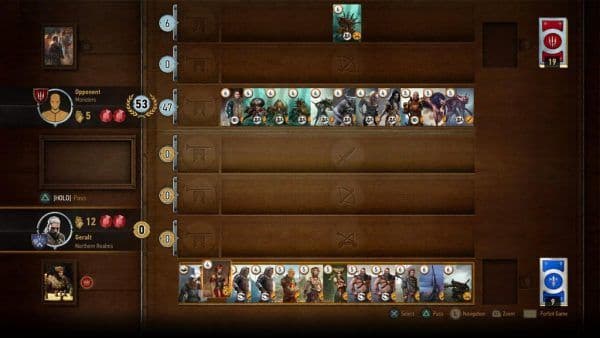
Check all remaining vendors to ensure no basic cards were overlooked.
Late Game Acquisitions: Triss and Final Matches
This section covers the last clutch of high-value Gwent cards that become available just before the game's narrative crescendo. Missing these opportunities means your deck will be permanently incomplete, as the point-of-no-return quests that follow lock them away for good. While earlier sections covered foundational cards, the ones here are the final, powerful pieces for your ultimate deck.
Why it's here: The "Isle of Mists" quest is the most significant point of no return in the base game, auto-failing a massive list of quests across Velen and Novigrad. For a Gwent collector, this means several last-chance matches vanish if not played beforehand. The cards in this section are your final call to arms before sailing into the fog.
Triss Merigold
- Card Type: Neutral Hero
- Power: 7
- Acquisition: Won from Lambert during the quest "Gwent: Old Pals."
The fiery sorceress makes her Gwent debut not through a merchant or random drop, but as a reward from one of Geralt's closest allies. To get this card, you must complete the "Gwent: Old Pals" quest chain, which involves tracking down and playing a series of key characters like Zoltan, Roche, and Thaler. The final match is against Lambert, who can be found either at the Nowhere Inn in Novigrad's Bits or later at Kaer Morhen. This quest must be completed before you sail to the Isle of Mists, as Lambert becomes unavailable for Gwent afterward during the preparations for the Battle of Kaer Morhen.
As a Neutral Hero card with 7 strength, Triss is a solid, resilient addition to any deck. Her Hero status makes her immune to Scorch, weather effects, and enemy special abilities, providing a reliable power spike that can't be easily countered. While not the absolute strongest Hero card available, she is a versatile anchor for any faction deck and a non-negotiable component for anyone pursuing the "Card Collector" achievement. Takeaway: Finish the "Old Pals" questline before the Isle of Mists to secure this reliable, faction-flexible powerhouse.
The Final High-Stakes Matches (Pre-Isle of Mists)
While Triss is the standout named card, the period just before the Isle of Mists is your last chance to challenge several minor players whose unique cards will be lost forever. This isn't about a single card, but about cleaning up your collection.
Key Opponents to Find:
- All Remaining Merchants and Innkeepers: Any vendor you haven't played in Velen, Novigrad, or Oxenfurt will become inaccessible after the Isle of Mists quest concludes, as the world state progresses dramatically. This is your last chance to farm their random card drops and buy any remaining cards from their inventories.
- Quest-Specific Characters: Ensure all side quests with Gwent components are finished. For example, if you haven't completed the "A Dangerous Game" quest (from Section 5) to win Zoltan's card, or played the herbalist in White Orchard for the Thaler card (Section 2), those windows are about to slam shut permanently.
Why this matters more now: Earlier missables often involved single, high-value cards. This late-game cutoff threatens to wipe out dozens of potential acquisitions at once. The game does not telegraph this clearly; you simply lose access to vast regions and their inhabitants. Takeaway: Treat the decision to start the "Isle of Mists" quest as your final Gwent audit. Consult your in-game Gwent book, "A Miraculous Guide to Gwent," and scour the map for any remaining players. Once you sail, there's no turning back for your card collection.