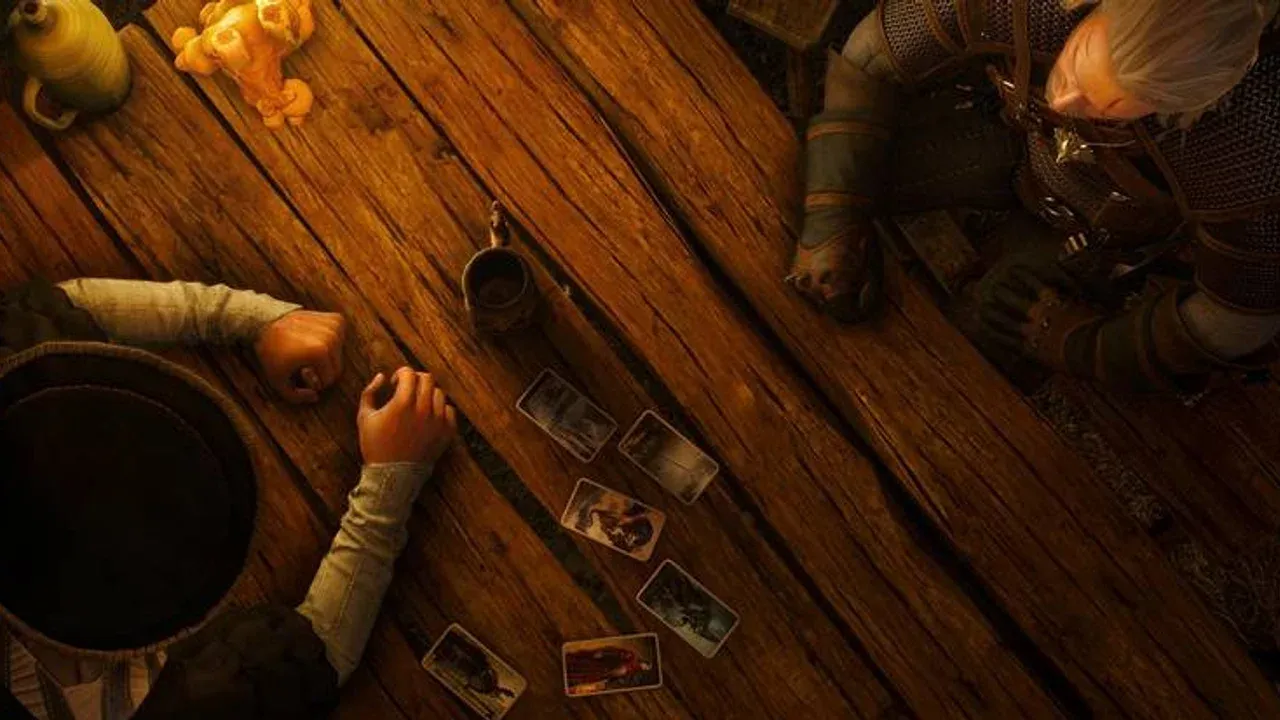
Gwent Basics and the Collect 'Em All Quest Guide
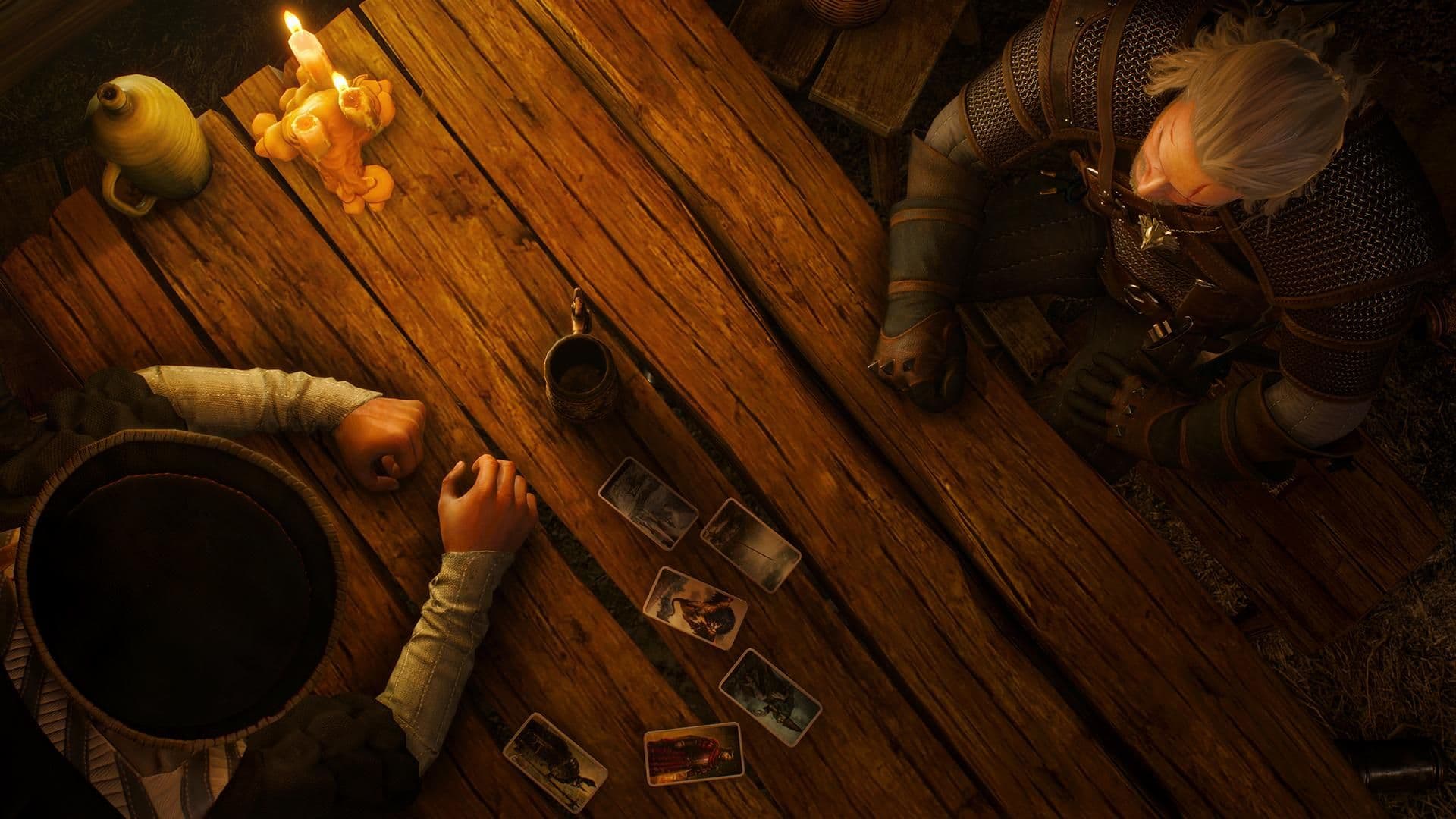
Mastering the basics of Gwent is essential for the Collect 'Em All quest.
Gwent Basics and the Collect 'Em All Quest Guide
Why it's here: Before you can master the art of Gwent, you must understand its core systems and the monumental task of collecting every card. This section is your foundational primer, focusing on the mechanics that govern every match and the single, sprawling quest that will guide your journey across the Continent.
Gwent is not merely a card game within The Witcher 3; it is a parallel campaign of strategy, collection, and conquest. The journey to a complete deck begins with a simple act: beating the scholar Albert Geert in White Orchard. This victory not only grants you a small taste of glory but, more importantly, awards you the ‘A Miraculous Guide to Gwent’ book. This is your most critical piece of gear for the collection quest. Unlike a sword or armor, its utility is informational, automatically updating to show you how many cards you’re missing in each major region (Velen & Novigrad, Skellige, etc.). It transforms an overwhelming scavenger hunt into a manageable, region-by-region checklist, making it indispensable for any completionist.
Your character progression in Gwent is defined entirely by deck building. You start with a modest, faction-scattered deck of 30 cards, heavily weighted toward the Northern Realms. From there, every merchant you visit, every blacksmith you challenge, and every side quest you complete is a potential step toward a more powerful arsenal. Building your deck isn't about gaining experience points; it's about strategically acquiring cards that synergize. Replacing a generic 5-power Foot Soldier with a 10-power Hero card, or adding a game-changing Special card like Decoy or Commander's Horn, is your true level-up. This progression is measured not in skill trees but in the raw power and flexibility of the cards you hold.
Central to high-level deck building is understanding the unique skill/ability system of Hero cards. These powerful units, identifiable by their golden border, are more than just high-strength plays. Their defining trait is immunity to all Special cards and effects. This means Biting Frost won't reduce their strength, a Commander's Horn won't double it, and, most crucially, they cannot be removed from the board by a Scorch card or tricked into your opponent's hand with a Decoy. This absolute resilience makes them the anchors of any strategy. When you place a Hero card, that power is locked in—a reliable pillar around which you can build riskier, combo-dependent plays with your non-Hero units. Recognizing which of your opponents' cards are Heroes allows you to strategize around them, while prioritizing the acquisition of Heroes for your own decks is a key to late-game dominance.
The overarching goal that ties this all together is the ‘Collect ‘Em All’ secondary quest. To complete it, you must gather 120 unique Gwent cards (with an additional 79 possible duplicates). The quest log may list it as suitable for Level 1, and while you can start immediately, finishing it is an endgame endeavor. The primary acquisition methods are threefold: purchasing from vendors, winning cards from specific NPCs via quests, and winning random cards from first-time victories against any playable character. The quest is notoriously strict; missing a single card-granting opportunity can fail it. Critical fail points include advancing main quests like ‘Reason of State’ or ‘The Battle of Kaer Morhen’ before finishing their associated Gwent quest chains, which permanently locks you out of opponents. The key takeaway is to play everyone, everywhere, as soon as you can. Your ‘Miraculous Guide’ is your bible—consult it often to track your progress and isolate the regions where you still have work to do.
Northern Realms: Early Game Deck Strategy and White Orchard
Your journey to becoming a Gwent legend begins not with a bang, but with a shrewd, methodical deck build. While the Monsters deck overwhelms with swarm tactics and the Nilfgaardian Empire boasts superior spy networks, the Northern Realms faction is your perfect starting point. It’s the most balanced and strategically forgiving deck, offering a clear path to mastery from your very first match in White Orchard. This section will lay the foundation for your entire Gwent career, detailing the core strategy and the unmissable cards you can acquire before you even face the Griffin.
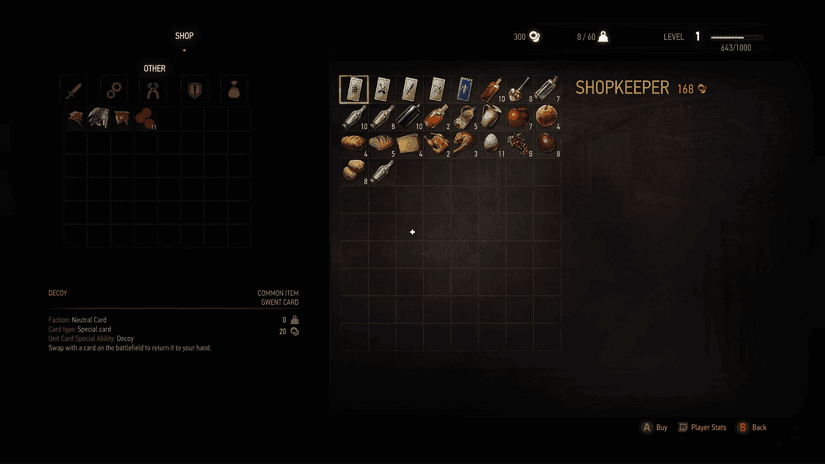
Collecting essential Gwent cards in the White Orchard region.
The Northern Realms Early-Game Strategy: Siege Superiority
The Northern Realms deck excels in one area from the get-go: Siege units. Your starting deck includes multiple Trebuchets (6) and Ballistae (6), along with the Foltest: King of Temeria leader card, which doubles the strength of your entire Siege row. This creates a powerful, straightforward win condition.
Your early-game strategy should revolve around baiting and blitzing:
- Round 1 - The Bait: Use your weaker Close Combat and Ranged cards to force your opponent to commit valuable cards. Don’t be afraid to lose this round strategically if it means draining their hand.
- Round 2 or 3 - The Blitz: Deploy your leader ability and unload your Siege units, backed by a Commander’s Horn if you have one, to create an overwhelming point total in a single turn. This "all-in" approach is devastating against early NPC decks.
Compared to the other starting decks, Northern Realms is less reliant on complex synergies (like Monsters’ Muster) and has more reliable unit strength than the Scoia’tael. It teaches the fundamental Gwent tenets of card advantage and round management better than any other faction.
White Orchard: Your Essential First Stop
Before you chase the Bloody Baron or Yennefer, your first and most critical Gwent destination is the ravaged village of White Orchard. Failing to secure the cards here is the single biggest mistake a new player can make, as some are missable.
Why it's here: White Orchard vendors sell the foundational cards that transform your basic deck into a competitive force. Ignoring them means playing with a severe handicap in Velen.
- The Innkeeper: Located at the White Orchard inn, this is your primary source. You must buy every card from him before completing the questline and leaving the area. His inventory includes:
- Decoy #1: One of the most powerful Neutral cards in the game. It allows you to return a card from your side of the board to your hand, enabling you to reuse Spy cards or save a powerful unit from a losing round.
- Blue Stripes Commando #3: Adds to your existing Commandos, strengthening the Tight Bond pairs in your deck.
- Catapult #1 & Crinfrid Reavers Dragon Hunter #1: More Siege and Ranged power, directly boosting your primary strategy.
- The Merchant by the Bridge: After the prologue, a merchant sets up shop near Woesong Bridge. He sells the Foltest: Lord Commander of the North leader card. This leader ability clears all weather effects—a vital tool before you have multiple Clear Weather cards.
Takeaway: Exhaust both vendors' card stocks in White Orchard. The Decoy and extra leader card are non-negotiable purchases for any serious player.
The Spy Card Advantage and Where to Find Them
The single most important advanced tactic in Gwent is the use of Spy cards. These units are played on your opponent’s side of the board, giving them points, but they allow you to draw two extra cards from your deck. This is the ultimate engine for generating card advantage, letting you outlast your opponent.
The Northern Realms deck has access to two excellent early-game Spy cards, and you should hunt them down immediately upon reaching Velen:
- Prince Stennis (Spy, 5 Strength): You start with this card in your base deck. It’s your workhorse Spy. Always play it if you draw it, especially in a round you plan to lose.
- Thaler (Spy, 1 Strength): This is your first major upgrade. While Thaler is technically purchased from an innkeeper in Arinbjorn, Skellige, the critical Spy you can get early is Sigismund Dijkstra.
Sigismund Dijkstra (Spy, 4 Strength) Location: Win a game of Gwent against the Bloody Baron in Crow’s Perch during the quest Gwent: Velen Players. This is a missable card! Play him before the Baron’s personal questline concludes. Dijkstra is a stronger, more efficient Spy than Stennis and is a cornerstone of the Northern Realms strategy.
Why Spies are Essential: While the Monsters deck might flood the board, and the Scoia’tael can move units, no faction can match the raw card-drawing power of a well-timed Spy. Using a Decoy to pick up your own Spy and replay it can net you a four-card swing, virtually guaranteeing victory. Securing Dijkstra in Velen is your first step toward building a truly dominant deck.
Final Recommendation for the Early Game: Build your deck with a high unit count (22-24 units, 6-8 Special cards). Focus on high-strength Siege units, include all your Spies and Medics (like your starting Dun Banner Medic), and use your Decoy to maximize their value. With the cards from White Orchard and your first Spy from Velen, you’ll be ready to challenge the tougher players of Novigrad and beyond.
Velen and Novigrad: Regional Quests and Tournament Play

The High Stakes tournament in Novigrad is the ultimate test for Gwent players.
Velen and Novigrad: Regional Quests and Tournament Play
This is where Gwent transitions from a casual pastime to a serious pursuit. Leaving White Orchard, you enter the heart of the Northern Realms, where the density of players and the quality of their decks skyrocket. This section covers the critical mid-game card acquisition phase and the ultimate test of your deck-building skills: the Passiflora tournament. Missing a step here can permanently lock you out of the “Collect ‘Em All” achievement.
Why it’s here: Velen and Novigrad represent the core Gwent experience. Here, you’ll solidify your deck, complete pivotal quests for unique cards, and face the game’s most formidable opponents outside of Skellige. This is the proving ground before you take your deck to the high seas or the imperial court.
The Bloody Baron & Velen’s Gwent Players: Foundational Wins
Your first major stop in Velen should be Crow’s Perch, not just for the main story, but for the Bloody Baron’s unique card, Sigismund Dijkstra. This is your first major missable warning. You must beat the Baron at Gwent before the quest “Family Matters” concludes. Once his personal story resolves and he leaves Crow’s Perch, his card is gone forever. This powerful spy card (9 strength, Nilfgaard) is a cornerstone for any deck that can run it. The related quest, “Gwent: Velen Players,” is your roadmap to several other key cards in the region, including Vernon Roche (won from the lad Haddy) and Letho of Gulet (from the Boatwright in Oreton). Completing this quest chain rewards you with the Monsters leader card Eredin: Destroyer of Worlds, a solid upgrade for your early Monster deck. Consider Velen your deck-building workshop; the cards you win here form the robust skeleton you’ll flesh out in Novigrad.
Reward for regional completion: Beyond individual powerful cards, finishing “Gwent: Velen Players” grants the leader card and ensures you’ve tapped the region’s best non-merchant sources. The quartermaster at Crow’s Perch also sells key cards like Decoy and Blue Stripes Commandos, making this fortress a one-stop shop for early deck enhancement.
Novigrad’s Quest-Gated Cards: The Big City Players
Novigrad is a labyrinth of politics and side quests, many of which gate essential Gwent cards. The quest “Gwent: Big City Players” is non-negotiable. It directs you to defeat four key figures: the banker Vimme Vivaldi (reward: Vesemir), the crime lord Sigismund Dijkstra in his bathhouse (reward: Esterad Thyssen), the noble Marquise Serenity at the Passiflora (reward: Morvran Voorhis), and a Scoia’tael merchant near the Loggers’ Hut (reward: Ciri). Here lies another critical missable point: Dijkstra’s Ciri card. You must play and beat him before the quest “Reason of State” progresses, as political machinations can make him permanently unavailable. Similarly, the quest “Gwent: Old Pals” nets you cards from Zoltan, Vernon Roche, and Lambert. Lambert is especially missable; you can play him at The Nowhere Inn in Novigrad or during the Kaer Morhen reunion, but if you advance past the Battle of Kaer Morhen without winning his card (Triss Merigold), it’s lost.
Reward for quest completion: These quests reward you with some of the game’s strongest Neutral Hero cards (Ciri, Triss, Vesemir) and powerful faction-specific spies and heroes. They transform your deck from a collection of random units into a cohesive, reactive force.
High-Stakes Tournament at the Passiflora: The Ultimate Test
The “Gwent: High Stakes” quest at Novigrad’s Passiflora is the pinnacle of mid-game Gwent and the source of the most concentrated set of missable cards in the base game. The entry fee is a steep 1000 crowns, but the stakes are far higher: winning requires you to defeat four opponents in a row without a single loss. A defeat boots you from the tournament, locking its unique rewards forever. The prizes are four powerful leader card variants: Foltest: The Steel-Forged (Northern Realms), Emhyr: The Relentless (Nilfgaard), Francesca: Queen of Dol Blathanna (Scoia’tael), and Eredin: Bringer of Death (Monsters).
Missable Warning: This is a point-of-no-return event. Save your game before each match. The opponents—Bernard Tulle, Sasha, Fineas, and Count Tybalt—wield optimized, high-power decks. Do not attempt this until your own deck is brimming with heroes, spies, and tight bonds, ideally after completing the Novigrad quest chains. The reward is not just the cards, but also a massive cash prize and the title of Gwent Master.
The Vegelbud Estate & A Dangerous Game: Uniquely Missable Loot
Two other Novigrad quests offer cards that vanish if handled incorrectly. During the main quest “A Matter of Life and Death” at the Vegelbud Estate, you can participate in an optional mini-tournament in the courtyard. You must beat all three players to earn the unique cards Dandelion and Milva. If you progress the party storyline without winning these rounds, the cards are lost.
Even more critical is the side quest “A Dangerous Game” with Zoltan. It culminates in a choice: keep the rare cards or sell them for a sizable sum of gold. You must choose the cards. The gold is trivial to acquire later, but the cards Fringilla Vigo (Nilfgaard), Isengrim Faoiltiarna (Scoia’tael), and John Natalis (Northern Realms) are irreplaceable. Furthermore, this quest has a hard fail timer—it must be completed before “The Isle of Mists,” or it auto-fails, locking the cards away.
Takeaway for Velen & Novigrad: This region is defined by deadlines and prerequisites. The cardinal rule is to treat Gwent quests with the same urgency as time-sensitive contracts. Before advancing any main story quest that seems to shift the world state (like “Family Matters,” “Reason of State,” or “The Isle of Mists”), check your Gwent quest log. The cards you secure here are the essential tools you’ll need to conquer the legendary players of Skellige and beyond.
Skillege and Faction Synergies: Monsters and Scoia'tael
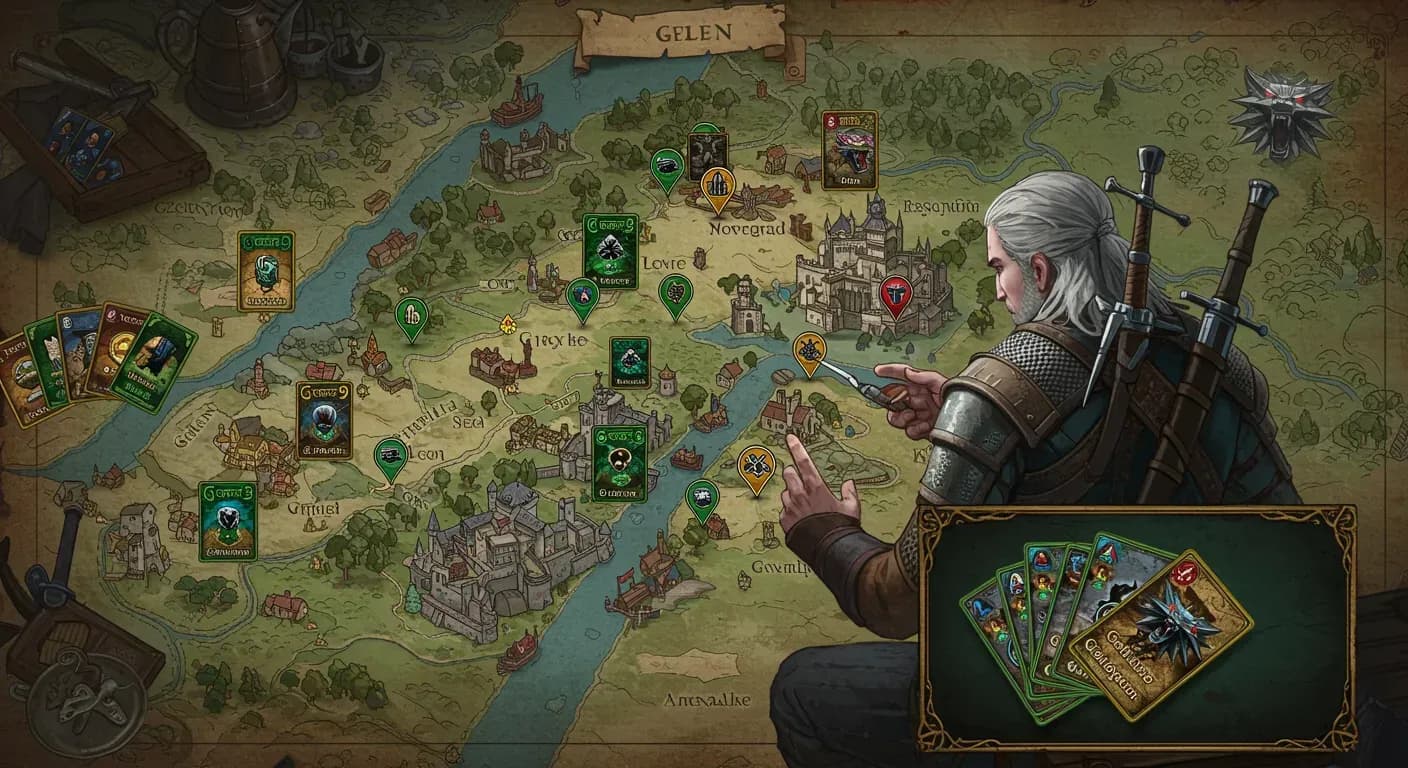
Strategizing Gwent deck collection
Skellige and Faction Synergies: Monsters and Scoia'tael
Having conquered the taverns of Velen and Novigrad, your journey into Gwent's deeper strategies leads you to the rugged shores of Skellige and the complex, synergistic factions of Monsters and Scoia'tael. This section is for the player who has moved beyond the straightforward power of Northern Realms and wants to master decks that win through cunning, overwhelming numbers, and clever board manipulation. Here, we break down the mechanics of the game's more intricate factions and pinpoint where to find the cards that make them tick.
The Monsters Faction: Overwhelm with Muster
Why it's here: The Monsters deck is the embodiment of brute force and swarm tactics. Its core identity is the Muster ability, a game-changing mechanic that defines its aggressive playstyle. Unlike other factions that rely on careful card draw, Monsters can flood the board from a single card in your hand.
- Muster Explained: When you play a card with the Muster ability (like a Ghoul, Nekker, or the powerful Crone trio), it automatically summons every other copy of that card from your deck directly onto the same row. This can instantly add 15-20 points to your side from a single play, forcing your opponent to waste multiple cards or a precious Scorch to counter it. The key is to build your deck with multiple copies of high-value Muster units.
- Faction Bonus & Strategy: The Monsters' faction ability—keeping one random unit card on the board after a round ends—complements this perfectly. It allows you to commit heavily to win Round 1 with a Muster swarm, yet still retain a powerful unit to pressure your opponent in Round 2. The best leader for this strategy is often Eredin: Commander of the Red Riders, as his ability to play any Weather card instantly can shut down an opponent's stacked row after you've secured your own.
- Key Card Locations: To build this deck, you'll need triples. Key Muster cards like the Crones (Brewess, Weavess, Whispess) are won from specific players in Novigrad and Oxenfurt. The Arachas Behemoth is found in Skellige, and various vampire cards (Fleder, Garkain) are scattered across high-level merchants and players in Velen. This deck is less about finding one rare vendor and more about systematically hunting down multiple copies.
Takeaway: The Monsters deck is high-risk, high-reward. It can produce unbeatable rounds but is vulnerable to board-wiping Scorch cards and clever passing. It's best for players who enjoy aggressive, all-in strategies.
The Scoia'tael Faction: Agility and Control
Why it's here: If Monsters are the brute, Scoia'tael are the guerilla tacticians. This faction excels in flexibility, reaction, and controlling the flow of the match through its unique Agility ability and strategic advantage.
- Agility & Synergy Tips: The Agility ability allows a unit to be placed on either the Melee or Ranged row. This makes Scoia'tael incredibly resilient to Weather cards, as you can simply shift your power to an unaffected row. To maximize this, pair Agile units like Dol Blathanna Scouts or Vrihedd Brigade Veterans with the Francesca Findabair: The Beautiful leader card, which doubles the strength of your entire Ranged row. This creates a powerful, weather-proof stack.
- Faction Bonus & Playstyle: Scoia'tael's faction ability—choosing who goes first—is deceptively powerful. It allows you to dictate the pace. Against a spies-heavy Nilfgaard, you can go second to reap their spy's card draw. Against Monsters, you might go first to force them to commit cards before you. This deck also features useful Medic and Muster cards (like the Elven Skirmisher), but its soul is in outmaneuvering the opponent.
- Key Card Locations: The heart of a strong Scoia'tael deck is its leader and heroes. Francesca Findabair is acquired by beating the druid, Morenn, in a quest on Ard Skellig. Essential high-power Agile heroes like Iorveth and Saesenthessis are prize cards from major quests and Skellige players. Focus on completing the "Gwent: Skellige Style" quest chain to secure these linchpins.
Takeaway: Scoia'tael rewards thoughtful, adaptive players. It's weaker in raw point-slam than other factions but stronger in tactical control and weathering the storm—both literally and figuratively.
Weather Cards: The Great Equalizer
Why it's here: No discussion of faction strategy is complete without mastering the Neutral Weather Cards. These are the essential tools for disrupting your opponent's strategy and are particularly potent when you understand the factional weaknesses.
- Utility and Count: There are three damaging weather cards: Biting Frost (sets all Melee to 1), Impenetrable Fog (Ranged to 1), and Torrential Rain (Siege to 1). You should almost always include one of each in your deck, as they only take up three slots but can completely negate a 50+ point row from an unprepared opponent.
- Strategic Use: Weather is a control tool, not a points generator. Use it to:
- Counter Faction Strengths: Rain against Northern Realms' siege lines, Frost against Monster swarms, or Fog against Scoia'tael's Agile/Ranged focus.
- Force Card Waste: Play weather on a row your opponent has heavily invested in, forcing them to burn a Clear Weather or Commander's Horn to recover.
- Enable Your Scorch: Reducing a row's units to 1 strength makes them equal, allowing your Scorch card to destroy the strongest unit on the board—which could now be your own 8-strength card, wiping their entire row.
- The Essential Fourth: Always include one Clear Weather card. It not only saves your own units but can be played as a bluff to make your opponent think you're clearing a weather effect you never intended to play.
Takeaway: A player who ignores weather is a player who will lose to a well-built Monsters or Nilfgaardian deck. These four special cards are non-negotiable for any competitive deck, acting as your insurance policy against overwhelming force.
Final Verdict: As you sail into Skellige, shift your mindset from simply playing strong cards to executing a synergistic strategy. Will you overwhelm with the monstrous swarm, outmaneuver with elven agility, or control the battlefield itself with biting frost and torrential rain? Mastering these factions transforms you from a card player into a Gwent tactician.
The Endgame: Nilfgaardian Power and Neutral Hero Cards

Side quests are a vital source for building a competitive endgame deck.
The Endgame: Nilfgaardian Power and Neutral Hero Cards
After mastering the fundamentals, navigating regional quests, and understanding the unique synergies of other factions, it’s time to assemble the ultimate Gwent arsenal. This final stage of your collection journey is about power—absolute, unyielding, and elegant. Here, we focus on the late-game dominance of the Nilfgaardian Empire deck and the game’s most formidable individual cards: the Neutral Heroes.
The Nilfgaardian Empire: The Pinnacle of Control
While the Northern Realms offer a solid early-game foundation and factions like Monsters rely on overwhelming swarm tactics, the Nilfgaardian deck is the strategic endgame. It doesn’t win with flashy, one-turn combos; it wins by methodically stripping away your opponent’s options and outvaluing them at every step. Its core identity is built on two unparalleled strengths: Spy cards and Medic abilities.
This creates a devastating engine of card advantage. Nilfgaard has access to the most and best Spy cards in the game, like the Mysterious Elf (a 0-strength Hero Spy that simply draws you two cards) and Shilard Fitz-Oesterlen. Playing a Spy gives your opponent points, but it refills your hand, allowing you to bleed their best cards in a round you plan to lose. Then, in the following round, your array of Medics—like Menno Coehoorn (a 10-strength Hero with Medic) and Etolian Auxiliary Archers—can resurrect those very same powerful units from your discard pile, effectively playing them twice.
This strategy is complemented by formidable Tight Bond pairs (like Impera Brigade Guards and Young Emissaries) for explosive point swings and a roster of high-strength Hero cards that are immune to weather and special effects. The end result is a deck that feels unstoppable in the hands of a patient player. It’s less about reacting to your opponent and more about forcing them to play your game.
Key Cards to Hunt:
- Letho of Gulet (10 Strength, Hero): The ultimate brute-force card. Win it from the Boatwright in Oreton, Velen during the “Gwent: Velen Players” quest.
- Menno Coehoorn (10 Strength, Hero, Medic): A perfect synthesis of raw power and the deck’s core mechanic. Acquire it from the Innkeeper at the Crossroads in Velen.
- Mysterious Elf (0 Strength, Hero, Spy): Perhaps the single best card in the entire game. A risk-free double draw. Find it by defeating Gremist at the druid’s circle in Gedyneith, Skellige.
Neutral Hero Cards: The Crown Jewels of Your Collection
Transcending faction loyalty are the Neutral Hero cards. These are the most powerful individual units in Gwent, boasting the highest strength values and complete immunity to all weather and special cards like Scorch. They are the final pieces for any elite deck, and collecting them is a rite of passage. Here’s where to find the legendary trio:
- Geralt of Rivia (15 Strength): Appropriately, the White Wolf himself is the strongest unit card in the game. You’ll earn his card by defeating the spy Thaler at the Seven Cats Inn near Novigrad, typically during the “Gwent: Old Pals” questline.
- Ciri (15 Strength): Matching Geralt in power, Ciri’s card is won from the Scoia’tael merchant at the camp just south of the Loggers’ Hut near Novigrad, as part of the “Gwent: Big City Players” quest.
- Yennefer of Vengerberg (7 Strength, Medic): While not the strongest in raw points, Yennefer’s Medic ability makes her one of the most strategically valuable Heroes in any deck. Challenge and defeat Stjepan, the innkeeper at The Alchemy in Oxenfurt, to claim her card.
The Verdict: Your journey from a novice with a starter deck to a Gwent legend culminates here. The Nilfgaardian Empire offers a masterclass in control and resource generation, a deck that rewards meticulous strategy over brute force. Meanwhile, slotting Geralt, Ciri, or Yennefer into any deck is an instant power upgrade. Pursue these cards not just to complete your collection, but to truly command the table. When you finally lay down a perfect Nilfgaardian spy chain or drop a 15-strength Hero immune to all tricks, you’ll know you’ve reached the endgame.