Valheim’s 1.0 achievements are easy to misunderstand because the most important rule is not an achievement condition. It is a timestamp. Iron Gate says the system starts tracking when you download the 1.0 version, so a veteran world can remain playable while its old victories still count for nothing toward the new list. That turns the launch into a planning problem: preserve a clean character and world, then let slow goals grow alongside the ordinary work of surviving.
The full list is not public yet. Iron Gate has confirmed more than 50 achievements and shown a partial set of icons, while current interview coverage reports additional examples such as long survival, farming, building, fishing, sailing, boss, and collection goals. This guide uses two confidence levels: confirmed rules determine how you protect the run; reported preview examples determine which routines are worth starting early, but not which numbers you must grind.
Treat 1.0 as a New Achievement Run, Not a Save Conversion
Your existing saves remain usable, but they do not become completed achievement saves when 1.0 arrives. Iron Gate says achievement tracking begins when 1.0 is downloaded, with no retroactive credit for victories already recorded. Its example is Eikthyr: even if your character has defeated the boss repeatedly, that kill must happen again after tracking begins.
That makes an old world a continuity option, not a conversion shortcut. Areas you explored before 1.0 may not generate the new biome content properly, while unexplored areas receive the updated generation. You can keep a familiar world for its builds and history, but audit it before assigning it achievement work.
The important distinction is between a save that remains playable and a save that is suitable for achievement hunting. A character or world with a cheat history cannot simply be made clean by waiting for 1.0, so the launch is a new start line for tracked progress even when the world itself is old.
Treat the download date as that start line for achievement tracking, then choose the character–world pair for tracked progress before you begin. The next checklist item is making that choice safe for every player who shares it.
Build Your Clean Character and World Before You Chase Counters
Once you choose the post-1.0 start line, make the character–world pair boring on purpose. Most devcommands, including spawning, permanently mark the current character and world. A character used with cheats before 1.0 remains marked as well, so your experienced main character may be perfectly suitable for ordinary play but unsuitable for a clean achievement run.
Decide which character and world count as the achievement pair, then write those names down before anyone plays on them. A short shared note covering the server, characters, known inventory, and agreed rules prevents later arguments about what happened when.
Treat spawned items as contamination, too. Spawned items are marked, and picking one up can temporarily block an otherwise clean character until the cheated items are discarded. Keep a record of any cheated items that appear on a shared server. For example, if a friend enables commands and drops materials for everyone, do not casually collect them and continue the run. Stop, identify the items, and have the group agree whether the clean session is still viable before anyone resumes achievement progress.
Hammer-mode is a temporary cheat state, but that is not permission to use it casually during the run. Freefly is the stated exception to the broader devcommand rule; it should remain a deliberate exception your group understands, not a reason to experiment with other commands. Mods are not officially supported at 1.0, so keep modded play, command testing, and building experiments in a separate sandbox character and world.
Use one clean character–world pair, keep cheats and mods outside it, and make every shared-server player follow the same rule.
Let Farming, Building, and Travel Grow the Long Counters
A clean character–world pair only makes progress eligible; it does not make long goals convenient. The official preview still withholds the unlock conditions, so the following numbers are reported planning signals, not confirmed requirements.
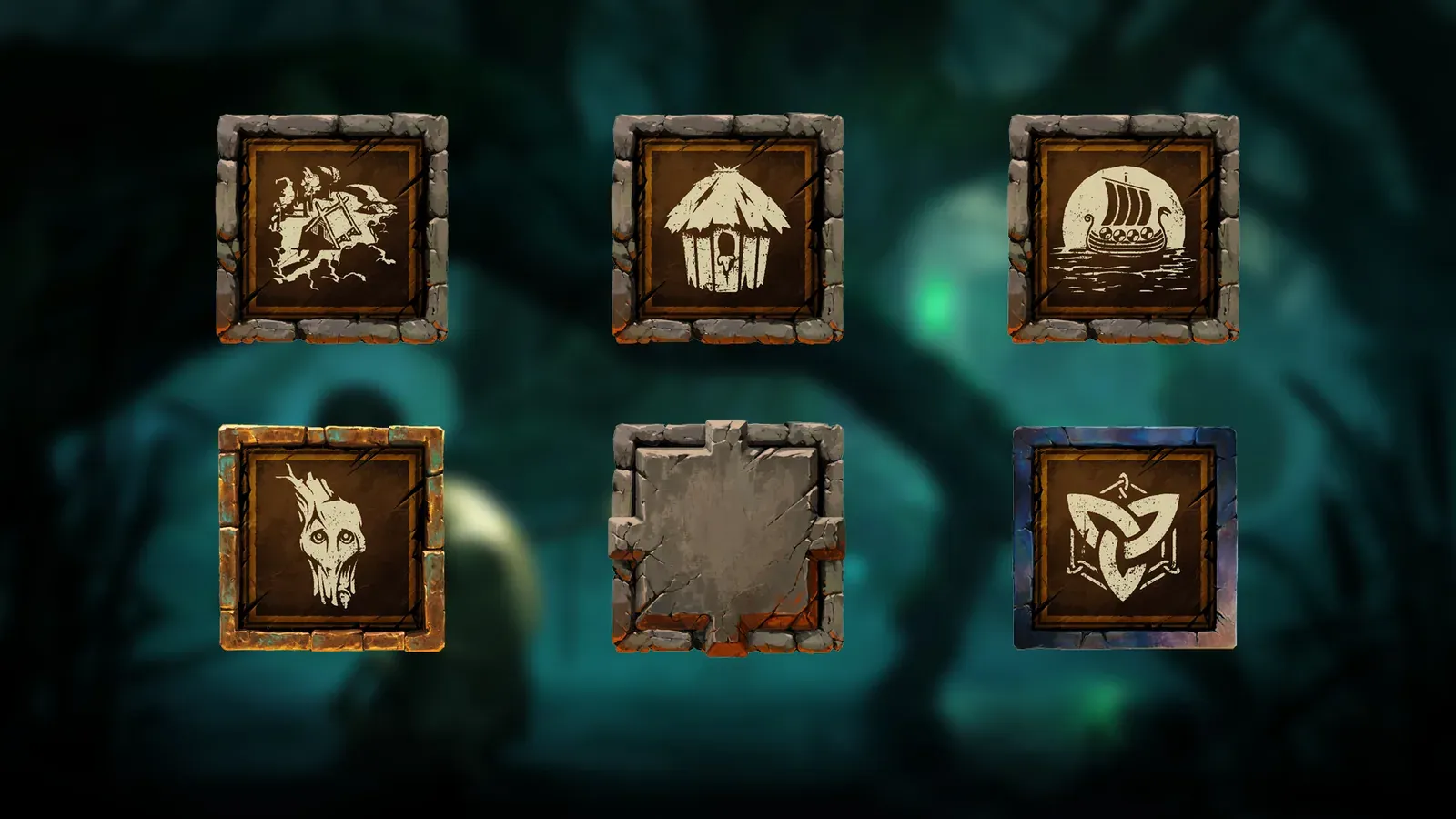
The public reveal shows the achievement system’s visual language, not the full unlock list.
Reported preview examples worth allowing to grow during normal play include:
- Settlement routines: surviving 100 days, consuming 500 foods, harvesting 250 berries and 250 mushrooms, a beehive or farming category associated with a reported figure of 500, constructing 500 structures, chopping 500 trees, cooking 100 dishes, harvesting 500 crops, and reaching comfort 20.
- Opportunistic tasks: catching a 4-star fish, which is a specific catch rather than a counter you can advance by repeating one easy action.
Iron Gate has not confirmed those numbers, so do not build a farm or place disposable structures solely to reach them.
The useful response is to let likely cumulative categories grow as side effects of normal progression. Plant crops whenever you establish a farm, keep beehives producing while you build a food routine, cook varied meals as your supplies change, chop nearby trees during construction, and count ordinary base upgrades toward your structure total. The reported 100-day example also rewards simply continuing the run instead of rushing to finish every other category immediately.
Postponing everything creates a poor endgame schedule: farming, food preparation, forestry, and building all become separate chores competing for the same play sessions. You may end up planting or harvesting purely to reach an unconfirmed number, cutting trees you do not need, or placing disposable structures just to increase a counter. Starting those routines early costs little because they already belong to a normal settlement; grinding them later costs time and can pull the group away from exploration and progression.
Fishing belongs on a separate opportunistic line. A reported 4-star-fish example is a specific catch rather than an obvious cumulative counter, so it cannot be advanced simply by eating more food or fishing at random for a fixed total. Keep fishing available during coastal travel and downtime, but do not let an unconfirmed fish condition dictate the whole route.
Make a lightweight shared checklist with rows for days survived, food, berries, mushrooms, beehives or farming, crops, trees, structures, cooked dishes, comfort, and fishing. Update it after ordinary sessions, but leave every reported figure marked as provisional.
Split Solo, Co-op, Sailing, and Completion Goals Across the Run
The reported preview points to goals that do not always fit the same session. Current coverage mentions defeating a boss with friends and defeating a boss alone, alongside Sailor- or Captain-style circumnavigation, all bosses, all minibosses, creature types, all fish, and trophies. These are reported preview examples, not a confirmed final list or set of conditions, so use them to schedule your run rather than to lock in exact requirements.
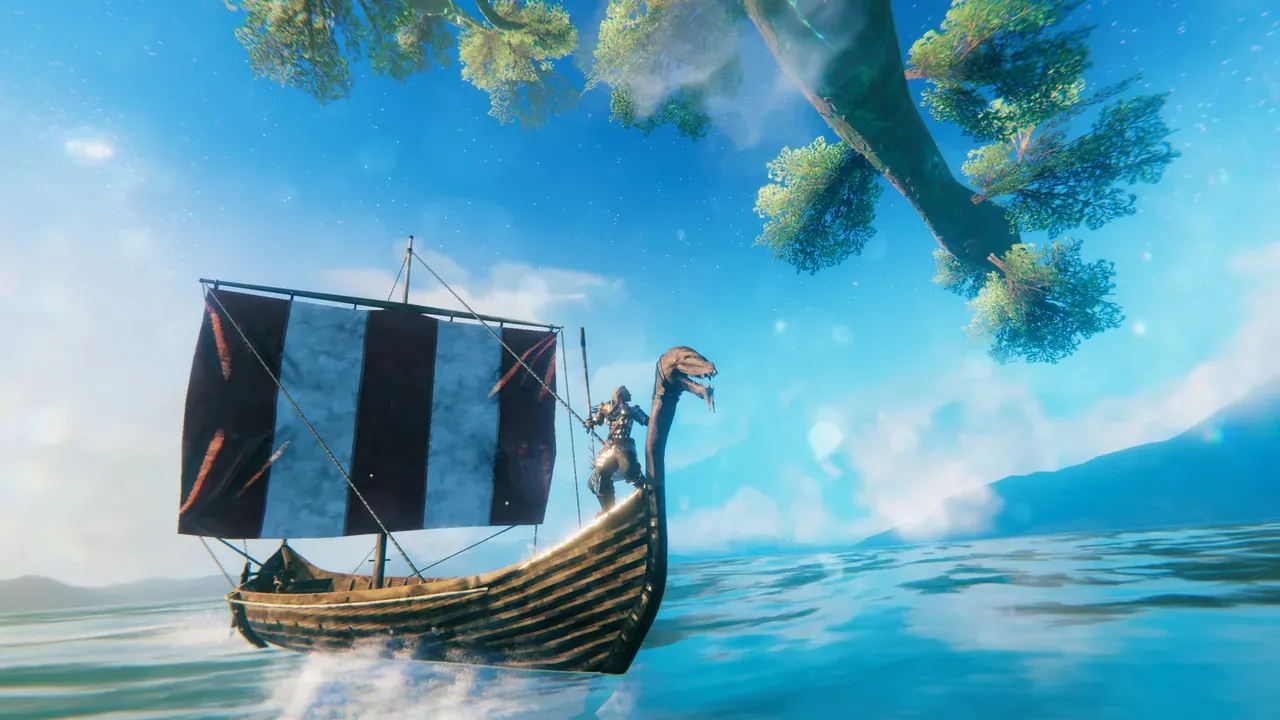
Assign a helmsman before using a long voyage to combine sailing, fishing, and exploration goals.
A co-op group should separate shared boss attempts from solo attempts. Valheim supports one to ten players, but it is not yet clear whether each achievement will credit the character who performs the action, everyone present, the world, or some combination. If one player handles a boss while the others watch, that may resemble the reported “with friends” goal, but it should not be treated as a solo attempt. If someone later wants the solo version, schedule a dedicated fight with that player handling the encounter alone if the final conditions resemble the preview.
The same ownership question applies to completion goals. Choose in advance which player is responsible for tracking boss kills, minibosses, creature types, trophies, and fish, then record who actually performed each action and who was present. Do not assume that one player’s collection, another player’s kill, and a shared world will automatically combine into a completed achievement. Until the credit rules are published, a small group log is safer than relying on memory.
Sailing can serve several goals at once if you assign roles deliberately. Pick a helmsman for the circumnavigation attempt, record the route and major stops, and let the rest of the group fish, hunt unfamiliar creature types, and search for trophies along the journey. That makes a long voyage useful even if the final Sailor- or Captain-style condition turns out to belong to the player steering rather than everyone aboard. Keep the fishing objective opportunistic, since an “all fish” goal may require a broader collection effort than one trip can provide.
For a clean schedule, divide the run into three kinds of ownership: dedicated solo boss attempts, group progression and boss fights, and exploration or collection sweeps. A player can participate in all three, but the group should know which attempt is meant to establish which category. This avoids discovering at the end that the party completed every boss together while the player pursuing a solo goal never had a qualifying attempt.
Until Iron Gate publishes the final conditions, treat presence, steering, fighting, and collecting as separate facts in your notes. That gives your group flexibility while protecting the goals most likely to be inconvenient to repeat.
Reserve Deep North and Launch-Day Goals for 1.0
Iron Gate’s release announcement sets September 9, 2026 as the launch date for Valheim 1.0 and the Deep North. Reserve any achievement tied to that final biome or post-download progression for the tracked run. You can plan routes, organize supplies, and decide who will play beforehand, but leave the qualifying attempt itself until 1.0 is installed.
Iron Gate says you can head straight to the Deep North, but recommends starting over because new content generates properly only in areas that were not explored before 1.0. That recommendation is guidance, not a requirement to abandon your world, so choose between continuity and a clean launch deliberately.
For example, keep your established world as a legacy world and legacy build server, then create the clean character–world pair your group will use when 1.0 downloads. On launch day, let that new run handle the Deep North and any new progression goals, while the legacy world remains available for its bases, screenshots, and memories. You preserve continuity without treating old exploration or victories as tracked achievement progress.
Before launch, finish only the preparation that does not need achievement credit: identify and back up the saves, record which world contains your builds, choose the clean characters, and decide whether the group will start fresh or use an unexplored region of an existing world. Mark September 9 as day zero in your shared notes. After downloading 1.0, confirm the run you are using, then begin the Deep North route and any launch-dependent attempts from that point.
Make the legacy-world versus clean-launch decision before the first tracked action, then leave the Deep North goals untouched until the 1.0 download starts the run.