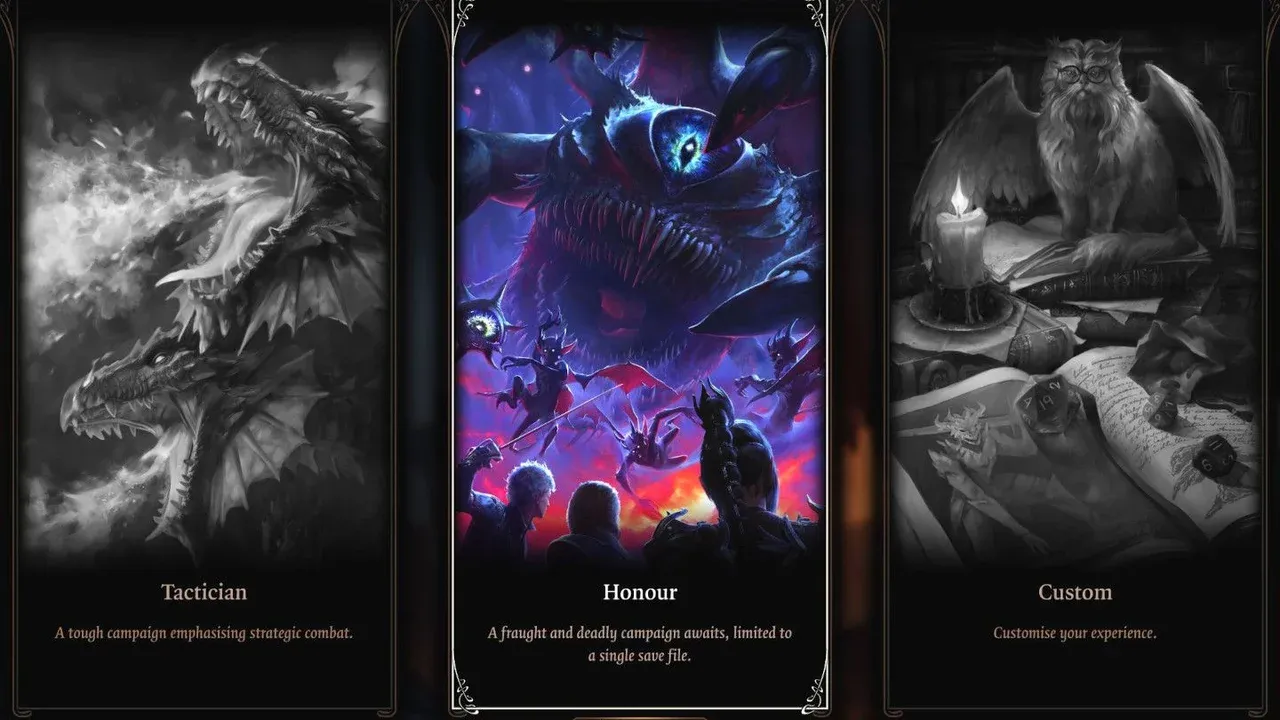
Baldur's Gate 3 Honour Mode Mechanics and Rules
Welcome to the ultimate test of your skills in Baldur's Gate III. Honour Mode isn't just a harder difficulty; it's a fundamentally different way to play, where every decision is carved in stone and a single mistake can end your entire campaign. This section breaks down the core rules that make Honour Mode the punishing, exhilarating challenge it is.

Legendary Actions make boss fights significantly more challenging in Honour Mode.
The Iron-Clad Rules of Honour Mode
At its heart, Honour Mode in Baldur's Gate III is defined by two unshakeable principles: permanence and consequence. The most critical rule is the Single Save File. From the Main Menu > Difficulty Selection, you'll choose Honour Mode, and from that moment on, your adventure lives on one file that overwrites itself as you progress. The game autosaves on exit and prevents manual reloading, so there's no save-scumming a bad roll or a failed conversation. Every choice is final.
This leads directly to the Game Over State. If your party suffers a Total Party Wipe, your save doesn't just reload—it converts to Custom Mode. This ends your run and permanently disables the Honour Mode achievement and rewards. It's a true permadeath for your campaign, making survival the number one priority.
⚠️ Watch out: The game over screen isn't just a reload. It's a hard stop. If you wipe, you're starting from scratch.
A Sharper, Smarter World
Honour Mode doesn't just make enemies hit harder; it makes the entire game world more reactive and dangerous. The most significant combat changes come from Legendary Actions and Legendary Resistance.
During Boss Combat, major enemies now have unique Legendary Actions. These are powerful reactions that trigger once per round, often on your turn, and can completely upend your strategy. For example, a boss might counterattack immediately after being hit or summon reinforcements when damaged.
To make spellcasters think twice, bosses also possess Legendary Resistance. This grants them a +10 bonus to Saving Throws and can be triggered 3 times per long rest. That means your high-level Hold Monster or other debilitating spells have a much lower chance of sticking, forcing you to rely on raw damage or more creative tactics.
A Tighter Action Economy
The final pillar of Honour Mode's difficulty is a Strict Action Economy. In standard Combat, effects like the Haste spell and a Fighter's Extra Attack feature could stack, allowing for devastating multi-attack combos. In Honour Mode's Tactician+ rules, this is no longer the case. Haste and Extra Attack no longer stack for additional spell casts or extra attacks, reigning in some of the most powerful burst damage strategies and making each action choice more deliberate.
Because you can't rely on action-stacking for damage, focus on control spells, environmental advantages, and maximizing the value of every single action and bonus action in your turn.
Understanding these core mechanics is your first step toward conquering Honour Mode. It's a brutal, high-stakes way to play Baldur's Gate III, but with careful planning and respect for these rules, you can turn this challenge into your greatest victory.
Best Party Build and Preparation for Honour Mode
Honour Mode in Baldur's Gate III is unforgiving, but with the right team, you can turn that brutal challenge into a manageable—and triumphant—adventure. Your party composition is your first and most important line of defense against permadeath. Here are the builds and preparation steps that will give you the resilience and firepower to survive.
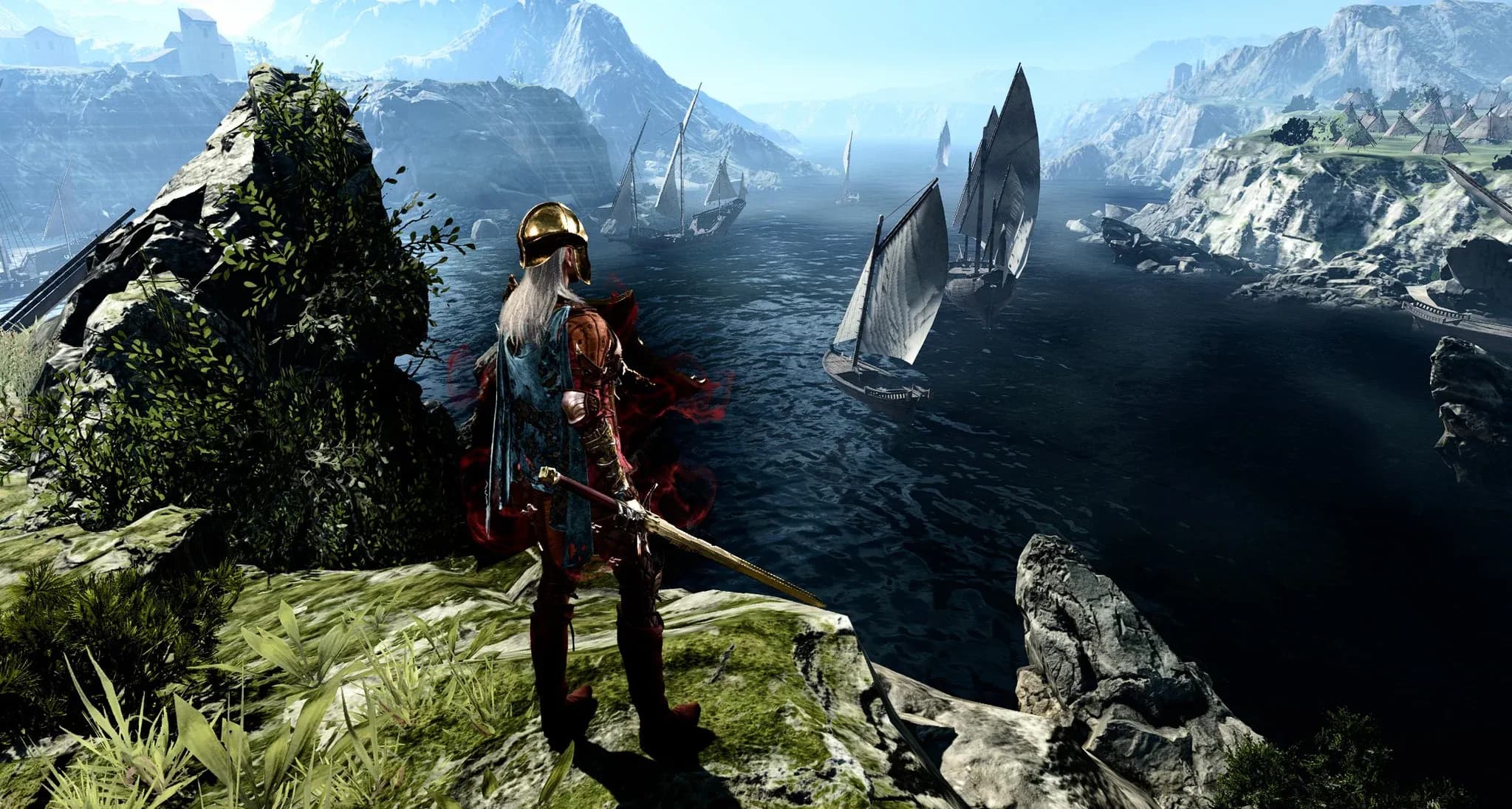
Resilient Cleric builds are essential for surviving Honour Mode's toughest encounters.
Core Party Builds for Honour Mode
Think of your party as a well-oiled machine: you need a dedicated support anchor, a damage-dealing engine, and a versatile controller who can also hit hard. These four builds form a near-unbeatable core.
The 'Camp Cleric'
This isn't a frontline fighter—it's a strategic hireling or companion you keep in your camp. Their sole job is to cast long-lasting buffs after every long rest and then stay behind. Have them cast Aid at the highest possible level (ideally 6th), Warding Bond on your main damage dealer for damage resistance, and Heroes' Feast for a massive HP boost and poison immunity. This setup significantly increases your party's effective health pool before you even step into danger.
Tavern Brawler Thrower
For consistent, high-accuracy damage, few builds compare. Start as a Berserker Barbarian and take at least three levels of Thief Rogue for the extra Bonus Action. The Tavern Brawler feat is mandatory—it doubles your Strength modifier on attack rolls with thrown weapons. Equip a Returning Pike early on, and upgrade to the legendary trident Nyrulna later. In combat, simply Left Click to Throw; your weapon returns every time, allowing you to attack three or four times per turn with incredible accuracy.
Swords Bard Archer
This build offers phenomenal ranged damage and unparalleled skill utility. Take 10 levels in Bard, choosing the College of Swords subclass, and 2 levels in Fighter for Action Surge. With your Slashing Flourish (Ranged), you can target two enemies with a single attack. Combined with your Extra Attack, Action Surge, and a bonus action off-hand shot, you can unleash a barrage of four to six attacks in your opening turn, all fueled by your high Charisma for social checks.
Radiant Orb Cleric
Your frontline bulwark and crowd controller. A Life Domain cleric wearing Luminous Armor is ideal. Cast Spirit Guardians (a Level 3 Spell) and wade into groups of enemies. Every time you deal radiant damage (which Spirit Guardians does), the armor applies stacks of Radiant Orbs to enemies, giving them a cumulative -1 Attack Roll penalty. This debuff can quickly render entire groups nearly harmless, turning the tide of difficult encounters.
⚠️ Watch out: For the Camp Cleric, remember that Warding Bond splits damage. If your bonded ally takes a huge hit, your Cleric in camp will also take damage and could die, breaking the bond. Keep them healthy!
Essential Pre-Combat Strategy
Beyond builds, your mindset needs a safety net. This is where the 'Safety Valve' strategy comes in.
Before initiating any risky fight, position one party member roughly 30m away from the combat area. If things go horribly wrong and your three engaged characters die, the distant fourth member can use their Bonus Action to Flee Combat. This prevents a Total Party Wipe and allows you to resurrect your fallen allies at Withers back at camp. It feels cheesy, but in Honour Mode, it's a lifeline.
With this party—a fortified Camp Cleric, a relentless Throwzerker, a dazzling Bard Archer, and a debuffing Radiant Orb tank—you’ve built a team capable of weathering Baldur's Gate III's worst. Stock up on those essential buffs, position your safety valve, and you're ready to face the Legends.
Act 1 Boss Legendary Actions and Strategies
Act 1 is where your Baldur’s Gate III Honour Mode run is most fragile. You’re low on resources, and a single legendary reaction can turn a tough fight into a total party wipe if you’re caught off guard. Knowing what these bosses can do outside their turn is your key to survival.

Understanding the Owlbear Mother's attack patterns is crucial for Act 1 survival.
Here’s how to counter the first major threats you’ll face, starting with a classic early-game challenge.
The Owlbear Mother
Deep in the Owlbear Nest, this fight can go from a brawl to a desperate two-on-one in a flash. Her legendary action, Call for Consort, triggers when she is attacked, summoning an Owlbear Mate to join the fray. This new combatant can become Enraged, making it a serious secondary threat.
If you want the Owlbear Cub without the legendary action hassle, avoid the nest entirely. You can find the cub later at the Goblin Camp after the goblins capture it.
The strategy here is simple but brutal: focus fire. Use all your actions to burst down the mother before the mate can act. Control spells like Sleep or Hold Person are less reliable here, so prioritize raw damage. If you can’t kill her in the first round, be ready to use terrain to your advantage and focus the new arrival immediately.
Auntie Ethel & The Phase Spider Matriarch
These two bosses punish specific actions, forcing you to change your usual tactics.
At the Riverside Teahouse, Auntie Ethel gains Weird Magic Surge. Whenever she casts a spell, she’ll summon illusory copies of herself. The number of copies scales with her level, quickly flooding the battlefield. The counterplay is to limit her spellcasting. Use Silence to create a zone where she can’t cast, or focus on abilities that apply the Silenced condition. If copies appear, remember they’re illusions—a single hit will dispel them.
Meanwhile, in the Whispering Depths, the Phase Spider Matriarch has a devastating trap. Her Gossamer Tomb is a legendary reaction that triggers when one of her spiderlings is attacked. It entombs a creature in explosive webs that detonate for 8d10 Poison damage if another spiderling is attacked. This makes careless AoE spells a huge risk.
⚠️ Watch out: Her Gossamer Tomb makes killing spiderlings dangerous. Either ignore them and focus solely on the matriarch, or use area control to keep them away before wiping them all out in a single turn to avoid multiple explosions.
Grym, The Adamantine Guardian
The boss of the Adamantine Forge is a brutal gear check, and his new trick makes him even deadlier. Grym’s legendary action, Adamantine Reverberation, activates when he is struck. It grants him 10 Temporary Hit Points and doubles his movement speed. When those temporary hit points are removed, it triggers an explosion dealing 4d8 Thunder damage and pushing back anyone nearby.
This turns a war of attrition into a potential disaster. The classic forge hammer strategy still works, but you must account for his speed. The key is positioning and the superheated condition.
Grym Positioning is everything. Use one character to stand on the Lever at the forge’s edge. When Grym is in the center, [Left Click] Activate the Valve to pour lava, making him Superheated and vulnerable to bludgeoning damage. Keep him in the lava to maintain this state. Your hammer operator must then hit the Mould Lever to slam the forge hammer down on him. His increased movement from Adamantine Reverberation means you may need to use shoves or threatening attacks to keep him in position.
With these strategies, you’ll turn Act 1’s legendary surprises from run-enders into manageable challenges. Control the action economy, respect their new reactions, and you’ll pave a solid path toward the darker trials of Act 2.
Act 2 Boss Legendary Actions and Strategies
Welcome to the Shadow-Cursed Lands. In Baldur's Gate III, this desolate region is home to some of the game's most punishing Honour Mode encounters, where bosses don't just hit harder—they react to your every move with devastating Legendary Actions. If you've felt the sting of a sudden party wipe here, you're not alone. This is where preparation meets precision.

Using light-based magic is a key strategy for surviving Act 2 boss encounters.
The Thorm Family's Deadly Retorts
The Thorm family, twisted by the curse, each guard their domain with unique and punishing Legendary Actions that can turn a controlled fight into chaos in an instant.
At the House of Healing in Reithwin Town, you'll face Malus Thorm, the surgeon. His Legendary Action: Vicarious Punishment is a brutal reaction. When he's attacked, he can reflect any negative status effect (like Bleeding or Burning) back onto the attacker and deal additional Psychic damage. This makes him incredibly dangerous for parties relying on damage-over-time effects or debuffs.
⚠️ Watch out: Before engaging Malus, cleanse any persistent debuffs from your party. Attacking him while your character is Poisoned or Blinded can result in that condition being slapped right back on you, alongside a hefty chunk of Psychic damage.
In the Tollhouse just west of Reithwin, Gerringothe Thorm awaits, obsessed with gold. Her Legendary Action: Sublimation is what makes this optional fight a potential run-ender. When she loses a piece of her golden armor, she forces all creatures within 15 feet to make a Constitution saving throw. Fail, and you're turned to solid gold, incapacitated for four turns. Her damage also scales with how much gold you're carrying, so here's the trick most guides miss: deposit the vast majority of your party's wealth in your camp chest before you even think about approaching her.
Shar's Gauntlet and the Invisible Threat
Deep within the Gauntlet of Shar, you can broker a deal or battle the orthon Yurgir. If you fight him, beware his Legendary Action: Blinding Ambush. When Yurgir is hit by an attack while he is invisible, he can use this reaction to potentially Blind the attacker. Since he naturally turns invisible at the start of combat and after moving, you'll likely trigger this unless you can see him. This can cripple your frontline fighters and spellcasters alike.
Bring abilities that reveal invisible creatures, like Faerie Fire or the See Invisibility spell. Forcing Yurgir to fight while visible neutralizes this deadly reaction and lets you focus fire without fear of being blinded.
The Apostle of Myrkul: The Ultimate Test
Your final confrontation in Act 2 is a multi-stage epic against Ketheric Thorm, first on the Roof of Moonrise Towers and then in the Mind Flayer Colony below. In his final form as the Apostle of Myrkul, he gains the Legendary Action: Gaze of the Dead. After being struck, he can retaliate against the first creature that hit him with a beam dealing 4d8+5 Necrotic damage, with a chance to Frighten the target. This punishes your opening salvo and can disrupt your formation.
The real key to this fight, however, is shutting down his healing. The Apostle constantly heals from nearby necromantic energies.
Strategy: Apostle of Myrkul
To prevent the boss from healing, you must apply the Bone Chill condition. This can be done via the Bone Chill cantrip (available to Sorcerers, Wizards, and Warlocks) or by using Arrows of Ilmater. This condition explicitly prevents the target from healing, which is absolutely critical for surviving this marathon fight in Honour Mode. Assign one party member specifically to maintain Bone Chill on the Apostle every round.
The Shadow-Cursed Lands test your mastery of Baldur's Gate III's combat mechanics. By respecting these Legendary Actions—disarming Malus's reflections, bankrupting Gerringothe, revealing Yurgir, and chilling the Apostle's bones—you'll turn these terrifying encounters into victories. You've got this.
Act 3 Boss Legendary Actions and Strategies
Act 3 is where your Baldur's Gate III Honour Mode run truly earns its stripes. The city's most formidable foes are waiting, and they’ve saved their most devastating tricks for last—their Legendary Actions can turn a single attack into a party-wiping catastrophe if you’re not prepared.

Strategic party composition is necessary to counter specific Act 3 boss mechanics.
Here, we’ll break down the deadliest reactions you’ll face and the strategies to survive them.
The Deadliest Reactions in the City
The bosses of Baldur's Gate III's final act don't just hit hard—they punish you for daring to hit them. Understanding their trigger conditions is half the battle.
Viconia DeVir awaits in the House of Grief. Her Legendary Action: Heartwrench is a brutal punishment. When she or an ally is struck by a creature with the Heartform Mapped condition, she can retaliate with a staggering 10d12 Psychic damage from up to 18m away. The key is to never let her get this shot off. Focus fire to eliminate her before her turn, or use spells like Silence and control effects to lock her down, as her other Legendary Action, Sanctuary of Loss, can make her allies untargetable.
Raphael, the devil of the House of Hope, is a master of manipulation. His Legendary Action: Beguiling Rebuke is a fight-definer. When struck, he can immediately attempt to Beguile not just his attacker, but their allies as well. A Beguiled character cannot attack him at all. He can do this up to four times per round.
Spread out your damage. Have one character focus on destroying the Pillar of Souls while others chip at Raphael. This limits how often he can use Soul Ascension, his other devastating reaction. Never let your entire party wail on him at once.
Orin the Red, the Chosen of Bhaal in the Temple of Bhaal, is a duel of aggression. Her shared Legendary Action: Murderous Retort lets her strike back immediately after being hit. More terrifying is Bhaal's Edict. If she doesn't use her Legendary Actions on her turn, Bhaal places a curse on a random creature: kill another creature by the end of your turn, or die instantly. This forces brutal, fast-paced decisions.
Lord Enver Gortash at Wyrm's Rock Fortress leverages his political power defensively. His Legendary Action: Tyrannical Branding allows him to Brand his attacker after being struck. While branded, you become more vulnerable to his traps and allies. The strategy is to neutralize his supporting Hellfire Steel Watchers first; they draw attacks and actions away from Gortash himself, reducing the triggers for his punishing reactions.
Ansur, the Wyrmway's hidden guardian, embodies draconic fury. His Legendary Action: Draconic Wrath (Lightning) means the next creature to attack him risks eating a Lightning Breath for 12d6 damage. You must bait this reaction with a single, low-priority attack or a summoned creature before committing your heavy hitters.
Surviving the Final Gauntlet
The common thread with all these Act 3 bosses is that they reward patience and punish brute force. The old tactic of "focus fire the boss" can quickly backfire when every hit triggers a catastrophic reaction.
⚠️ Watch out: Crowd control is your best friend. Spells like Hold Monster, Tasha's Hideous Laughter, and Hypnotic Pattern can prevent a boss from using their Legendary Actions on their turn, which is critical for disabling mechanics like Orin's Bhaal's Edict.
Always have a plan to mitigate their specific retaliation. For Viconia, that’s burst damage and control. For Raphael, it’s target prioritization (Pillars first). For Gortash, clear the board. And for all of them, remember that your own action economy is sacred—use Haste potions, Bloodlust elixirs, and your fighter's Action Surge to outpace their deadly reactions.
Master these rhythms, and you'll turn their greatest strength into a predictable pattern you can dismantle. The city is yours for the taking.
How to Avoid a Total Party Wipe in Baldur's Gate 3
This is the moment every Baldur's Gate III Honour Mode run fears: your party is bloodied, spell slots are gone, and the boss still has half its health bar. A total party wipe here means the end of your golden dice dreams. But it doesn't have to be. With the right emergency protocols and a few key items, you can pull victory from the jaws of defeat and save a run on the brink.

Equipping high-defense armor is the first step in surviving lethal encounters.
Your Lifeline: The Safe Character Protocol
The single most important tactic for preventing a full wipe is to never commit your entire party to a fight. Before engaging any dangerous encounter, ungroup one character and leave them at a safe distance, preferably hidden or even back at camp. This creates an automatic failsafe. If your three active fighters go down, you'll still have one person standing who can flee, return to camp, and pay Withers, the skeletal scribe in your camp, 200 gold to resurrect the fallen. It’s always better to be out a few hundred gold than to lose dozens of hours of progress.
Make your safe character someone with high mobility or access to Invisibility. If things go south mid-fight, they can swoop in, use a Scroll of Revivify, or help someone else escape.
Essential Consumables for Crisis Management
When the fight turns against you, these items are your emergency buttons. Stock up on them religiously.
- Potion of Speed: Found in your Consumables inventory, this is your "go harder" button. Press [I] to open your inventory and [Left Click] to drink it for an extra Action that turn. Use it to burst down a key target or get a crucial heal off. Just remember the Lethargic condition that follows—plan to end the fight before your next turn.
- Elixir of Bloodlust: Drink this Consumable before a tough fight. Its effect grants an extra Action whenever you reduce a creature to 0 HP, letting a high-damage character chain kills and potentially clear the field.
- Globe of Invulnerability: This Level 6 Evocation spell (available as a scroll or to high-level Wizards) is the ultimate "pause" button. It creates a 3m dome where all creatures inside are immune to damage. Drop this when you’re about to eat a massive area attack or to protect a downed ally while you revive them.
- Invisibility Potion: This Consumable is your "get out of jail free" card. If a fight is clearly lost and only one character remains standing, drinking this will allow them to safely Flee Combat without being attacked, preserving your run.
Strategic Retreat and Recovery
Sometimes, the best strategy is to live to fight another day. If a battle is going poorly:
- Use crowd control (like Hold Person or Web) or area denial (like Wall of Fire) to create space.
- Have your most mobile character disengage and use Dash or Misty Step to reach fallen allies.
- Use a Scroll of Revivify or even a simple Healing Potion thrown at their feet to get them up.
- Once multiple members are up, consider a full retreat to regroup, rest, and re-engage on your terms.
Remember, Withers at camp is always your final safety net. A 200-gold resurrection fee is a small price to pay for salvaging an Honour Mode campaign. Keep a fund reserved for this exact purpose.
⚠️ Watch out: Legendary Actions can punish you for healing or reviving allies in their presence. Time your recovery for the end of an enemy's turn when their reaction is spent.
With these protocols in your back pocket, you can face Baldur's Gate III's toughest fights with confidence, knowing you have a plan for when—not if—things go sideways. Stay prepared, stay calm, and your Honour Mode run will survive to see the end credits.
Honour Mode Rewards and Completion Loot
You've made it. The credits are rolling on your Honour Mode run in Baldur's Gate III, a feat that separates the tacticians from the legends. After navigating a single save file, surviving over 30 reworked boss fights, and living with every dice roll, your reward is more than just a story—it's permanent bragging rights.

Only the most dedicated players will earn the Golden D20 reward.
Your primary trophy is the Golden D20. This isn't just a cosmetic trinket; it's a skin applied to all dice rolls in all your future playthroughs. Every time you click that dice button from now on, you'll see that gleaming gold finish—a constant, shiny reminder of your successful Honour Mode completion.
To officially claim it, you must watch the final credits without your save ever converting to Custom Mode. Doing this also unlocks the Foehammer achievement on your platform of choice (Steam, PS5, or Xbox). This digital badge is the game's way of certifying your run met the strictest criteria.
Don't skip the epilogue! Head to the High Hall during the Epilogue Party and speak to all your companions. This finalizes your Honour Mode run and is the key trigger that unlocks the Golden D20 reward for your account.
If you've struggled through multiple attempts to reach this point, you're in celebrated company—many have fallen in Act 1 or 2. That's what makes this victory so sweet. With the Golden D20 unlocked and the Foehammer achievement secured, you've conquered Baldur's Gate III at its most pure and punishing. Wear that gold with pride.