
How to Choose Your Starting Class in Baldur's Gate 3
Your adventure in Baldur's Gate III begins not on the beach, but in the character creator—a sprawling menu that can feel overwhelming. Don't panic. This is where you forge the foundation of your hero, and understanding a few core mechanics is the key to building a character that feels powerful and fun to play. Think of this as your crash course on the essential stats and proficiencies that will shape your entire journey.

Understanding Ability Scores is crucial for building an effective character.
Understanding Your Core Stats
At the heart of your character are six Primary Ability Scores: Strength, Dexterity, Constitution, Intelligence, Wisdom, and Charisma. Each class relies on one or two of these as its main stats, which the game helpfully marks with a star. For example, a Wizard lives and dies by their Intelligence, while a Barbarian thrives on Strength and Constitution.
Always aim for an even number in your main ability score (like 16) during character creation. Odd numbers (like 17) give you the same bonus as the even number below them, so those extra points are better spent elsewhere.
Your ability score determines its modifier—a bonus (or penalty) added to almost every dice roll you make. A score of 16 gives you a +3 modifier, meaning you add +3 to attack rolls, skill checks, and more. This is why your class's primary score is so crucial: it directly fuels your effectiveness in combat and dialogue.
Building a Resilient Character
Two other critical mechanics are tied to these scores: Saving Throw Proficiencies and Armor and Weapon Proficiencies.
Your class grants you proficiency in two specific Saving Throws—like a Barbarian's proficiency in Strength and Dexterity saves. When a spell or effect targets you, you'll roll a saving throw to resist or reduce the damage. Being proficient means you add your proficiency bonus to that roll, making you much tougher against certain threats. Constitution saves, for instance, are vital for maintaining concentration on spells.
Armor and Weapon Proficiencies determine what gear you can use effectively. If you're not proficient with a weapon, you won't add your proficiency bonus to attack rolls. If you wear armor you're not proficient with, you'll have disadvantage on most rolls and can't cast spells. Your class choice defines your starting proficiencies, so a Fighter can jump into heavy armor immediately, while a Wizard should stick to robes.
Planning for the Future
Finally, let's talk about Multiclassing. When you reach the Level Up menu, you can press [X] to add a new class to your existing one, blending abilities from both. However, you must meet specific ability score thresholds to do so (like 13 Strength to multiclass into or out of Paladin). It's a powerful tool for creating unique hybrids, but it also splits your progression, so plan carefully.
⚠️ Watch out: Dumping a stat to 8 can have serious consequences outside of combat. That -1 penalty will apply to frequent dialogue checks and skill rolls, potentially locking you out of story paths.
With a grasp on these fundamental mechanics—Primary Ability Scores, Saving Throws, Proficiencies, and Multiclassing—you're equipped to make informed choices. Your race, background, and skills add further depth, but nailing these basics means you'll start your adventure on solid ground, ready to face whatever the Forgotten Realms throws at you.
Best Barbarian and Fighter Builds for Baldur's Gate 3
When the battle lines are drawn and you need a character who can stand their ground and dish out punishment, look no further than the frontline juggernauts of Baldur’s Gate III. The Barbarian and Fighter are your anchors, turning Strength and durability into an art form.
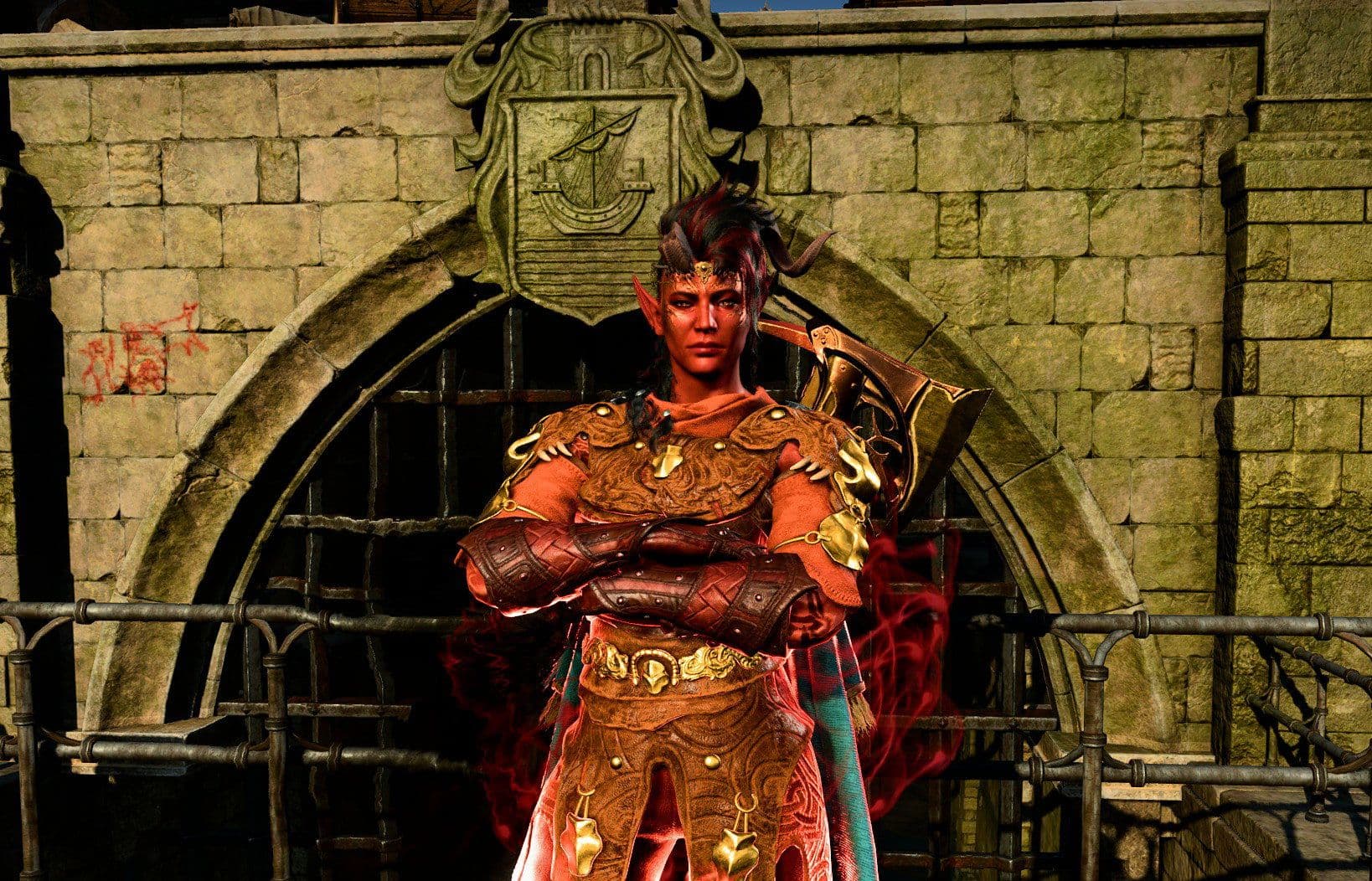
Karlach is the quintessential Barbarian companion for frontline physical builds.
The Unstoppable Barbarian
The Barbarian is your high-HP tank and melee damage dealer, a force of nature fueled by primal fury. Their defining feature is Rage. As a [Bonus Action] click to activate, entering a Rage increases your damage with melee attacks and, crucially, grants resistance to physical damage types like Bludgeoning, Piercing, and Slashing. This makes you incredibly hard to put down while you're swinging a greataxe. Your primary ability score is Strength, which powers your attacks, and you’ll want a high Constitution to bolster your already impressive health pool.
Manage your Rage charges wisely—they are a limited resource per Long Rest, but activating one is almost always the first thing you should do in a tough fight.
The Versatile Fighter
If the Barbarian is a focused storm, the Fighter is a master of all martial arts. As a versatile combatant with the most weapon and armor proficiencies in Baldur's Gate III, a Fighter can be built around Strength for heavy two-handed weapons or Dexterity for finesse weapons and ranged combat. Their iconic ability is Action Surge. Use it as an [Action] click to activate to gain one additional action this turn. This lets you attack twice more, use a potion, or perform any other action in a clutch moment, making Fighters kings of burst damage and adaptability.
Building Your Frontline Powerhouse
Research points to a powerful multiclass path that combines the best of both worlds: start as a Fighter and later dip into Barbarian. Begin as a Half-Orc for their Savage Attacks (extra damage die on critical hits) and Relentless Endurance (prevents being downed once per Long Rest). Take the Great Weapon Fighting style to reroll 1s and 2s on your damage dice. Aim for Fighter Level 5 to get Extra Attack, and choose the Battle Master subclass at Level 3 for its controlling Maneuvers.
For Feats, prioritize Great Weapon Master at Level 4 for its massive damage potential, and Savage Attacker at Level 6 for more reliable damage rolls. After Fighter Level 6, start taking Barbarian levels to gain Rage and Reckless Attack (granting Advantage on your attacks). At Barbarian Level 3, choose the Berserker subclass to upgrade your Rage into Frenzy, granting a powerful bonus action attack.
This build gives you incredible staying power, devastating single-turn potential with Action Surge, and the raw, relentless damage output to crush any enemy in your path.
With a Barbarian's resilience and a Fighter's precision, you're not just entering the fray—you're dominating it. Let's go.
How to Play Paladin and Cleric in Baldur's Gate 3
In Baldur’s Gate III, the divine call to battle is answered by two distinct champions: the righteous Paladin and the faithful Cleric. While both channel holy power, they do so in dramatically different ways—one smites foes with divine fury from the front lines, while the other commands the battlefield with sacred magic from the rear. Mastering these classes means understanding not just their individual strengths, but how they can be fused into one of the game’s most formidable and flavorful multiclass combinations.

The War Domain Cleric offers a perfect blend of martial prowess and divine support.
The Righteous Avenger: The Paladin
If you want to be the unbreakable beacon on the battlefield, the Paladin is your calling. Your primary stats are Strength for landing crushing melee blows and Charisma, which fuels your spellcasting and, more importantly, empowers your protective Auras. These passive auras, which radiate from you to nearby allies, can grant bonuses to saving throws, making your entire party significantly harder to cripple with enemy spells.
The Paladin’s signature move, and your key to obliterating priority targets, is Divine Smite. This powerful feature lets you expend a spell slot to supercharge a successful melee attack with a massive burst of Radiant damage. You can set it to trigger automatically as a [Reaction] when you land a critical hit, or manually activate it as an [Action] for guaranteed burst. There’s no feeling quite like seeing a fiend or undead enemy evaporate under the holy light of a max-level smite.
The Divine Channel: The Cleric
For those who wish to shape the flow of battle through prayer and potent magic, the Cleric stands as the premier support caster. Your power comes from Wisdom, which determines the potency of your spells and your ability to resist magical effects. Clerics are defined by their choice of Domain at creation—options like War, Light, or Life—which grants unique spells, abilities, and often heavy armor proficiency, allowing you to tailor your role from a heavily-armored frontline striker to a backline blaster or dedicated healer.
A classic and incredibly useful tool in the Cleric’s arsenal, especially in the undead-infested corners of Faerûn, is Turn Undead. As an [Action], you can channel divine energy to force undead creatures within sight to flee in terror for several turns. This isn’t just a panic button; it’s a powerful control tool that can completely neutralize deadly packs of ghouls or shadows, giving your party crucial breathing room.
A Match Made in the Heavens: The Cleric/Paladin Multiclass
Here’s where the magic happens. In Baldur’s Gate III, these two classes synergize phenomenally well, both mechanically and for roleplay. A popular and devastating build combines the Cleric (War Domain) with the Paladin (Oath of Vengeance).
- Why It Works: The War Domain Cleric gives you martial prowess, bonus action attacks via War Priest, and spells like Guiding Bolt and Spirit Guardians. The Vengeance Paladin contributes Divine Smite for burst damage, Extra Attack at level 5, and Vow of Enmity to gain advantage on a key foe. Together, you become a hybrid tank/damage-dealer/support caster who rarely has a wasted turn.
- The Build Core: A typical split is 7 levels in Cleric and 5 in Paladin. This gets you high-level Cleric spells like Spirit Guardians—a devastating area-of-effect aura—and the Paladin’s Extra Attack. For ability scores, aim for Strength 16, Wisdom 16, and Constitution 14.
- A Beautiful Roleplay Detail: There’s a fantastic hidden perk for roleplayers. If you start as a Cleric and choose a deity, then multiclass into Paladin, your character will officially become a Paladin of that same god in the game’s eyes, unlocking special dialogue options and making your holy warrior fantasy feel truly cohesive.
When building this multiclass, if you want Heavy Armor proficiency, choose your first level in Paladin or select a Cleric Domain that grants it (Life, Nature, Tempest, or War). Starting as a Paladin also ensures you get all martial weapon proficiencies.
Whether you stand as an immovable bulwark of faith or a versatile conduit of divine will, mastering the Paladin and Cleric—separately or together—will make you an indispensable pillar of any party. With your smites ready and your spells prepared, you’re equipped to face any evil Baldur’s Gate III can conjure.
Best Rogue and Ranger Stealth Builds for Baldur's Gate 3
In Baldur's Gate III, if you dream of moving unseen, striking from the shadows, and leaving enemies wondering what hit them, the Dexterity-based classes are your calling. The Rogue and the Ranger are masters of stealth and precision, but they approach it from different angles. This guide will show you how to harness their combined power, whether you prefer to play a pure specialist or blend their strengths into a devastating multiclass assassin.

A powerful Rogue and Barbarian multiclass build for consistent damage.
The Core Classes: Rogue and Ranger Explained
Let’s start with what makes each class tick. The Rogue is your quintessential stealth expert and lockpicker, relying on high Dexterity for everything from landing attacks to staying hidden. Their signature move is Sneak Attack. This isn't just a regular hit—it's a [Reaction] you can toggle or an [Action] you click to deal massive extra damage, but only if you have Advantage on the target or a loyal ally is standing right next to them. This makes positioning and teamwork crucial for a Rogue's success.
The Ranger, on the other hand, is a wilderness specialist who blends martial prowess with nature magic. They also prioritize Dexterity (for archery or dual-wielding) and Wisdom (for their spells). One of their most valuable tools is Hunter's Mark. Use a [Bonus Action] to click and mark a target; every subsequent weapon hit you land on them deals extra damage. The best part? If the marked foe falls, you can reapply the mark for free, making it perfect for picking off enemies one by one.
Pure Power: Excelling as a Single Class
Playing a pure Rogue or Ranger lets you maximize their unique identities. For the Rogue, your gameplay loop revolves around using Cunning Actions (Hide, Dash, Disengage as a Bonus Action) to control the battlefield, setting up that perfect Sneak Attack. Subclasses like the Thief, which grants an extra Bonus Action, or the Assassin, designed for devastating opening strikes, define your role.
As a pure Ranger, you become a relentless hunter. The Gloom Stalker subclass is a standout for stealth builds, granting bonus movement and an extra attack on your first turn, perfectly complementing a life in the shadows. You’ll use spells like Pass Without Trace to make your whole party stealthier and rely on your Fighting Style (like Archery for +2 to hit) to ensure your arrows always find their mark.
The Ultimate Synergy: Rogue/Ranger Multiclass Builds
Here’s where things get truly exciting. Multiclassing a Rogue with a Ranger, specifically the Gloom Stalker, creates one of the most feared stealth combatants in Baldur's Gate III. The most popular split is 7 levels of Rogue (Assassin) and 5 levels of Ranger (Gloom Stalker).
This combo is a masterpiece of synergy. The Gloom Stalker's Dread Ambusher gives you a powerful extra attack on your first turn, while the Assassin's features guarantee critical hits against surprised enemies and restore your actions when combat starts. Add the Ranger's Extra Attack at level 5, and you have a character who can unleash a volley of attacks, each benefiting from Sneak Attack and Hunter's Mark, before most enemies even get to move.
For this multiclass, start as a Rogue for the extra skill proficiencies, then take 5 levels in Ranger to get Extra Attack quickly. Your first turn in combat is your most powerful weapon—use Invisibility potions or the Pass Without Trace spell to get a surprise round and maximize your damage.
Gearing Your Shadow Hunter
Your equipment should enhance your strengths: stealth, initiative, and landing critical hits. In the early game, look for items like the Gloves of Archery and the Titanstring Bow. Later, legendary items like Gontr Mael or The Dead Shot become key for ranged builds, while melee-focused variants might seek out piercing weapons like Bloodthirst to exploit vulnerabilities.
Don’t neglect utility. Rings like the Caustic Band for extra damage or the Shade-Slayer Cloak to improve critical chance while hiding can make the difference between a good strike and a fight-ending one.
Whether you choose the refined focus of a single class or the explosive first-turn potential of a multiclass, mastering the Rogue and Ranger gives you control over the battlefield from the shadows. With your high Dexterity ensuring you strike first and strike hard, you're ready to become the ghost your enemies will never see coming.
How to Master Wizard and Sorcerer Magic in Baldur's Gate 3
In Baldur's Gate III, wielding raw magical power is a thrill, but channeling it effectively is an art. The Wizard and the Sorcerer are the game's premier arcane spellcasters, yet they approach magic from fundamentally different angles. One is a meticulous scholar with an answer for every situation; the other is a born prodigy who bends spells to their will. Your choice determines whether you'll have a toolkit for every problem or a specialized hammer for a few very important nails.

The Sorcadin build combines Sorcerer Metamagic with Paladin combat prowess.
The Wizard: Master of Arcane Knowledge
Your journey as a Wizard begins with Intelligence as your primary ability score. This isn't just for casting—it governs your spell save DC, making your control and damage spells harder for enemies to resist. The Wizard's true power lies in their spellbook. Unlike other casters, you don't just "know" a set number of spells. You start with a selection and can learn infinitely more by scribing them from scrolls you find throughout your adventure. This makes the Wizard the ultimate utility caster, capable of adapting to any challenge with the right preparation.
Your key to endurance is Arcane Recovery. Think of it as your magical second wind. Out of combat, you can click this [Action] to recover a chunk of your expended spell slots once per day. This ability is your lifeline on longer adventures, letting you conserve precious camp supplies and stay in the fight.
If you recruit Gale (the Wizard Origin character), you can let him handle all the scroll-scribing for your party. This frees you up to play a Sorcerer and still have access to the full Wizard spell library through a companion.
The Sorcerer: Font of Innate Power
If the Wizard is a librarian, the Sorcerer is a natural talent. Your magic comes from within, fueled by Charisma. This makes you incredibly persuasive in dialogue and a fearsome presence on the battlefield. Your spell list is smaller and fixed—you can't learn from scrolls—but you never need to prepare spells. Every spell you know is ready to cast at any time.
Your signature feature is Metamagic. This system lets you spend Sorcery Points to twist the fundamental rules of your spells as you cast them. You access these options through a [Toggle] menu when casting. Want to hit two enemies with a single-target spell like Hold Person? Use Twinned Spell. Need to cast Fireball without roasting your friends? Careful Spell lets them automatically succeed on the save. This on-the-fly customization is what makes the Sorcerer a dynamic and powerful specialist.
Choosing Your Path: Specialist vs. Generalist
Here’s the heart of the decision in Baldur's Gate III:
- Play a Wizard if you love having an answer for every puzzle. You’ll have rituals for utility, a massive spell list for control, damage, and buffs, and the flexibility to change your prepared spells after every rest. You're the party's Swiss Army knife.
- Play a Sorcerer if you want to be a master of a few key spells. You’ll take a handful of powerful options and use Metamagic to make them work in situations they normally couldn't. You're the specialist who does one thing incredibly well.
⚠️ Watch out: Multiclassing between these two is famously difficult. They use different primary abilities (Intelligence vs. Charisma), and splitting your levels means you'll lag behind in accessing higher-level spells. It’s almost always better to commit fully to one.
Whether you choose the studied precision of the Wizard or the raw, adaptable power of the Sorcerer, you're stepping into the role of Faerûn's most potent arcane force. Master your chosen path, and you'll reshape the battlefield to your will.
Best Warlock and Bard Charisma Builds for Baldur's Gate 3
If you want to talk your way out of a hostage situation or blast a goblin off a rooftop with pure force, you’ve come to the right place. In Baldur's Gate III, the Warlock and Bard are the undisputed kings of the social scene, turning every conversation into a win and every combat into a performance.
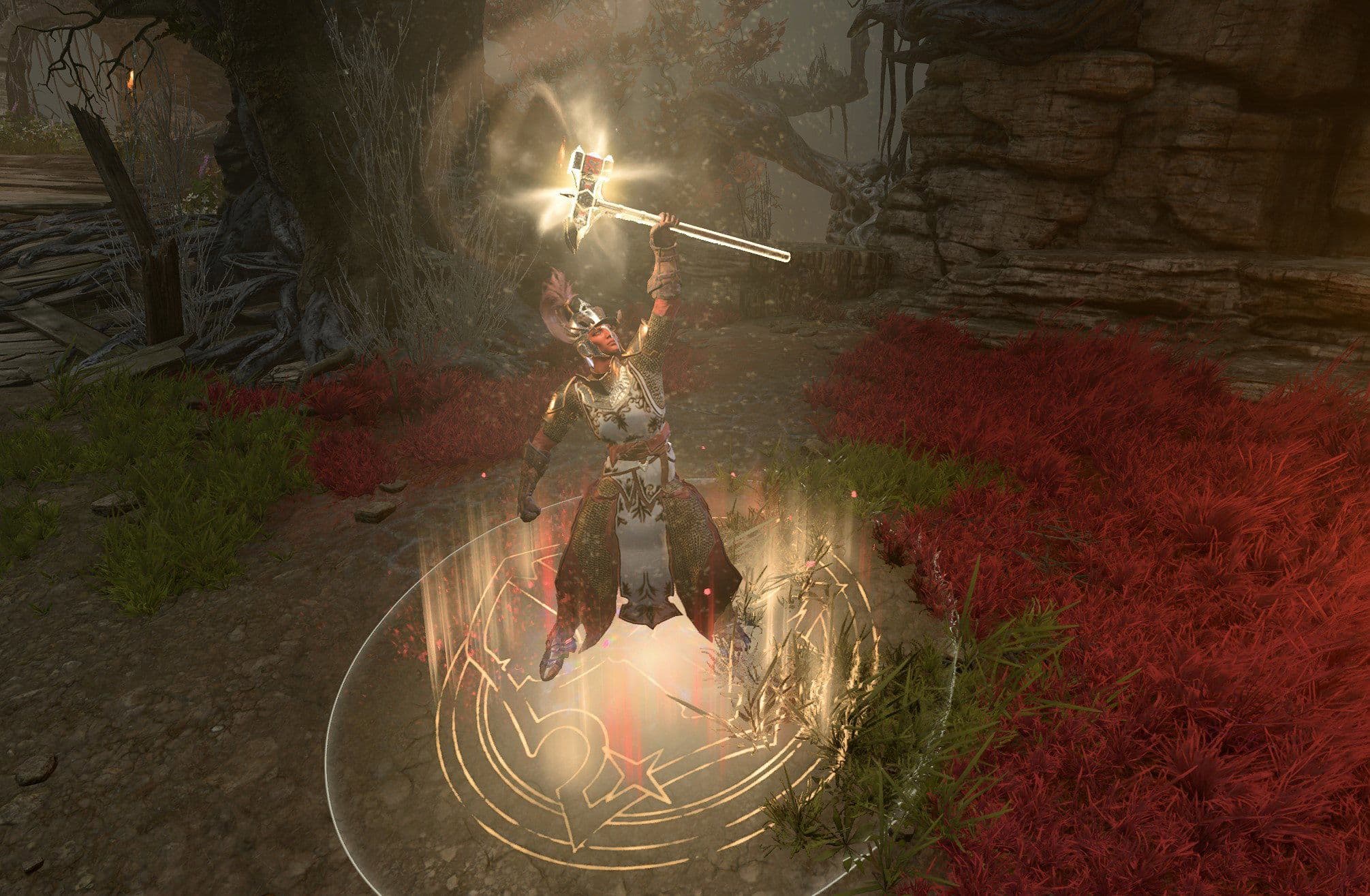
The Lockadin multiclass uses Charisma for both spellcasting and melee attacks.
Mastering the Warlock’s Pact
The Warlock is a unique beast among spellcasters; while others worry about hoarding spell slots, you play a different game. This class relies on powerful Cantrips and spells that recharge on Short Rest, meaning you can be much more aggressive with your highest-level magic knowing a quick breather with the party brings your power back.
The star of the show is undoubtedly Eldritch Blast. As a Warlock, use this [Cantrip] click to fire as your primary damage source that scales with level. Unlike other cantrips that just get a damage boost, Eldritch Blast eventually fires multiple beams, allowing you to hit several targets or focus all your energy on one boss.
Grab the Agonising Blast invocation as soon as possible. Adding your modifier to every single beam makes this the most reliable ranged damage in the game.
The Bard: The Ultimate Jack-of-all-Trades
If the Warlock is the sniper, the Bard is the conductor of the entire battlefield. This class is the ultimate jack-of-all-trades, excels in dialogue and party buffs, and ensures your team never misses a beat. Whether you are picking a lock or convincing a boss to simply give up, the Bard has a tool for the job.
Your most iconic tool is Bardic Inspiration. Use this [Bonus Action] click to buff ally to provide them with a bonus die to their next roll. It can turn a missed attack into a hit or save a friend from a deadly spell. If you choose the College of Lore subclass, you can even use these dice as Cutting Words to distract enemies and make them fail their own attacks.
The "Bardlock" Multiclass Synergy
Combining these two is where the magic really happens. By taking a few levels in Warlock for that sweet Eldritch Blast and the rest in Bard, you cover the Bard’s usual weakness: a lack of consistent offensive damage.
At the Last Light Inn within the Shadow-Cursed Lands, make sure to speak with Alfira, the tiefling bard, who provides the Potent Robe if you rescue her friends. This item is a game-changer for this build, as it adds even more damage to your cantrips based on your social stats.
⚠️ Watch out: Many of the best Bard spells require Concentration, so if you’re using Hex from your Warlock side, you’ll have to choose your moments carefully.
With this setup, you’ll have the silver tongue to navigate the trickiest political waters of Baldur's Gate III and the raw power to blast through anyone who doesn't take the hint. Go ahead—take center stage.
How to Use Druid and Monk in Baldur's Gate 3
Welcome to the wild side of Baldur's Gate III. If you’re drawn to the idea of a character who can shapeshift into a bear one moment and then unleash a flurry of unarmed strikes the next, you’ve found your classes. The Druid and Monk offer two of the game’s most unique and dynamic playstyles, focusing on transformation and martial artistry over heavy armor and conventional weapons.
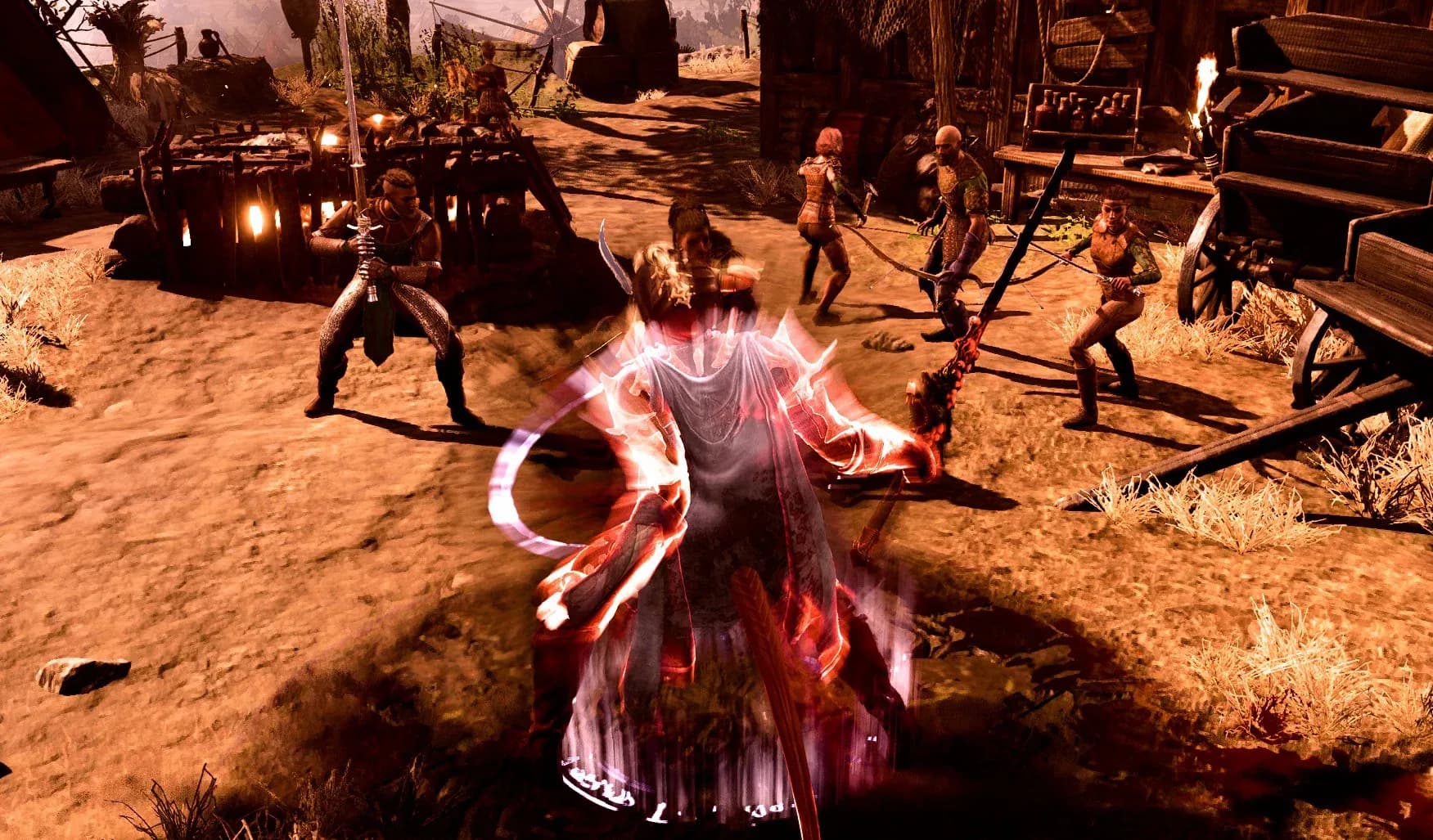
Wildheart Barbarian build overview
Mastering the Druid: Nature’s Shapeshifter
The Druid is a master of versatility, blending potent spellcasting with the primal power of transformation. Your primary ability is Wisdom, which fuels your spellcasting and many of your class features. This makes you a premier support caster who can also wade into melee when the situation calls for it.
Your signature ability is Wild Shape. As a Druid, you can use an [Action] to click and transform into a variety of animal forms, each with its own HP bar and special attacks. This isn’t just for scouting—it’s a powerful combat tool. Need a tank? Become a bear. Need to fly across a chasm? Become a raven. It’s your Swiss Army knife for any situation.
Use Wild Shape proactively. Cast a powerful concentration spell like Spike Growth or Call Lightning before transforming. You can maintain the spell while in animal form, controlling the battlefield and dealing damage simultaneously.
At level 2, you’ll choose a Druid Circle that defines your path. The Circle of the Moon enhances your Wild Shape with more powerful beasts and the ability to transform as a bonus action, making you a formidable frontline fighter. The Circle of the Spores offers a different take, focusing on necrotic damage and summoning fungal zombies, while the Circle of the Land grants you additional spells and natural recovery, akin to a Wizard’s Arcane Recovery.
Unleashing the Monk: The Art of Unarmed Combat
Where the Druid commands nature, the Monk commands their own body. This class is a whirlwind of unarmored combat, using speed, precision, and spiritual energy called Ki. Your primary abilities are Dexterity (for attack accuracy and defense) and Wisdom (which boosts your Armor Class and many Ki abilities).
Forget heavy armor—Monks thrive without it. Your Unarmored Defense class feature lets you add your Wisdom modifier to your Armor Class while not wearing armor. Your core combat loop revolves around your basic attack followed by Flurry of Blows. After you make an attack with a Monk weapon or an unarmed strike, you can spend 1 Ki point as a [Bonus Action] to click and perform two additional unarmed strikes. This rapid combo is your bread and butter for stacking damage.
⚠️ Ki Management: You start with a small pool of Ki points that recharge on a Short Rest. Early on, it’s easy to burn through them. Use Flurry of Blows and Stunning Strike strategically on high-priority targets, not on every turn.
At level 3, you’ll select a Monastic Tradition. The Way of the Open Hand is a fantastic beginner choice, enhancing your Flurry of Blows to knock enemies prone, push them away, or stagger them. The Way of Shadow transforms you into a supernatural ninja, granting spells like Pass Without Trace and Darkness for stealth and control. The Way of the Four Elements lets you spend Ki points to unleash elemental attacks, blending magic and martial arts.
Synergistic Multiclass Paths
One of the most powerful aspects of Baldur's Gate III is the ability to blend classes. For Monks and Druids, a few combinations stand out.
- Monk (Way of Open Hand) / Rogue (Thief): This is arguably one of the strongest martial builds in the game. Taking three levels in the Thief subclass grants you an extra Bonus Action. Pair this with the Monk’s Flurry of Blows, and you can unleash a devastating number of attacks in a single turn. The Tavern Brawler feat, which adds your Strength modifier twice to unarmed attack and damage rolls, makes this build truly monstrous.
- Monk (Way of Shadow) / Ranger (Gloom Stalker): This build creates the ultimate ambush predator. Three levels in Gloom Stalker Ranger give you a powerful opening attack via Dread Ambusher and enhanced initiative. Combined with the Shadow Monk’s ability to teleport between areas of darkness, you can eliminate key targets before the fight even properly begins.
- Druid (Circle of Spores) / Monk: A more niche but fun combination. The Druid’s Symbiotic Entity feature grants temporary HP and adds necrotic damage to your weapon attacks. While wild shape doesn’t synergize with Monk features, staying in your normal form and using this bonus damage on your Flurry of Blows can create a durable, damage-over-time brawler.
Whether you choose to embody the untamed force of nature or the disciplined power of mind and body, mastering the Druid and Monk will give you a uniquely dynamic and rewarding experience in your Baldur's Gate III adventure.
Baldur's Gate 3 Class Rewards and Progression
Your journey through Baldur's Gate III isn't set in stone. The beauty of the game's progression is that your story, and your character's class, can evolve as you play, letting you refine your party or correct a choice that isn't clicking. Here’s how the most powerful tools for character progression work.

The Bardadin build offers a strong mix of melee smites and magical control.
The first and most flexible tool is Withers, a mysterious NPC you can find in the Dank Crypt on the Ravaged Beach early in Act 1. This skeletal figure provides a crucial service: for 100 gold, he will completely respec your character or any companion. This lets you rebuild from level 1, changing your class, subclass, ability scores, and even appearance. It’s perfect for trying out a new build or fixing a character you’re not enjoying.
Your core progression comes from leveling up, which introduces two major choices. The first is your Subclass, which is a specific specialization you select at Level 1, 2, or 3, depending on your class. This choice grants unique features that dramatically define your playstyle—like a Paladin choosing the Oath of Vengeance for relentless pursuit or a Wizard picking the School of Evocation for safer area-of-effect spells.
Don’t stress over your subclass choice at character creation. You can experiment freely with Withers for a small gold fee once you find him.
The second major choice comes at Level 4, 8, and 12 when you get to select a Feat. During the level up screen, you’ll [Select] this option, which grants a permanent stat boost or unlocks a powerful new ability. Some feats, like Ability Score Improvement, are straightforward boosts to your core stats. Others, like War Caster or Sentinel, can fundamentally change how you approach combat, giving you new reactions or making you a battlefield controller.
Your class in Baldur's Gate III is less of a rigid path and more of a living story. With the freedom to respec and the power to specialize, you’re equipped to craft the perfect hero—or villain—for your adventure.