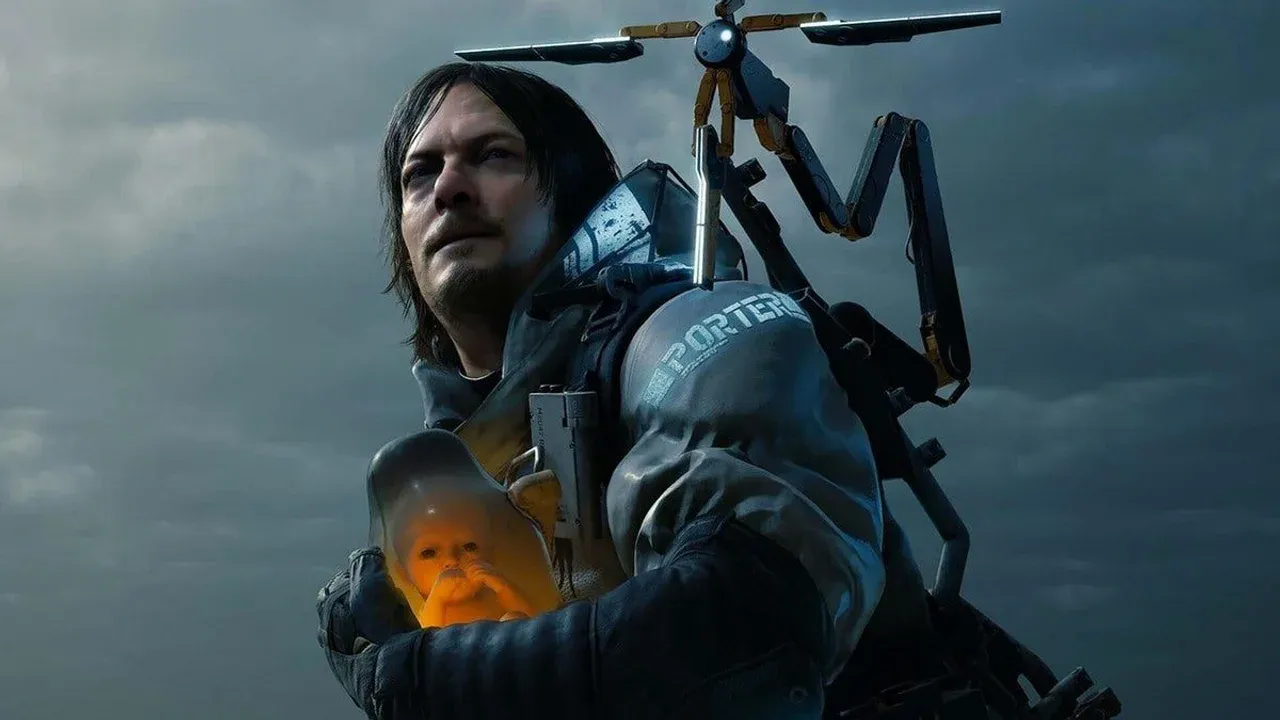
The Death Stranding Premise: Is Being a Post-Apocalyptic Mailman Actually Fun?
Death Stranding is a game that dares you to quit in its opening hours, only to reward you for staying with one of the most singular and strangely satisfying loops in modern gaming. The central premise—being a glorified post-apocalyptic mailman—is the first and most critical hurdle. This isn't a power fantasy; it’s a job simulator where the primary antagonist is terrain itself. Hideo Kojima’s infamous “Strand game” classification is less a new genre and more a warning label: this is an extreme courier simulator, where the dramatic tension comes from navigating a cliffside with a top-heavy load, not from a climactic boss fight. The question of whether that’s “fun” is the wrong one. The right question is whether it’s engaging, and for a significant stretch of its 40-50 hour main journey, the answer is a resounding, if hard-won, yes.
The initial 6 to 10 hours of Death Stranding are, by most accounts, an abysmal slog. You are under-equipped, the world feels oppressively empty, and the game drip-feeds mechanics with glacial patience. This isn’t a tutorial; it’s a trial by fire where a simple delivery to the Wind Farm can turn into a catastrophic loop of being caught by BTs, losing your cargo, and hearing your Bridge Baby wail in terror. It feels like busywork designed to test your commitment rather than your skill. The design intent is clear—to make you feel Sam’s isolation and frustration—but the execution risks alienating players before they ever glimpse the game’s true potential.
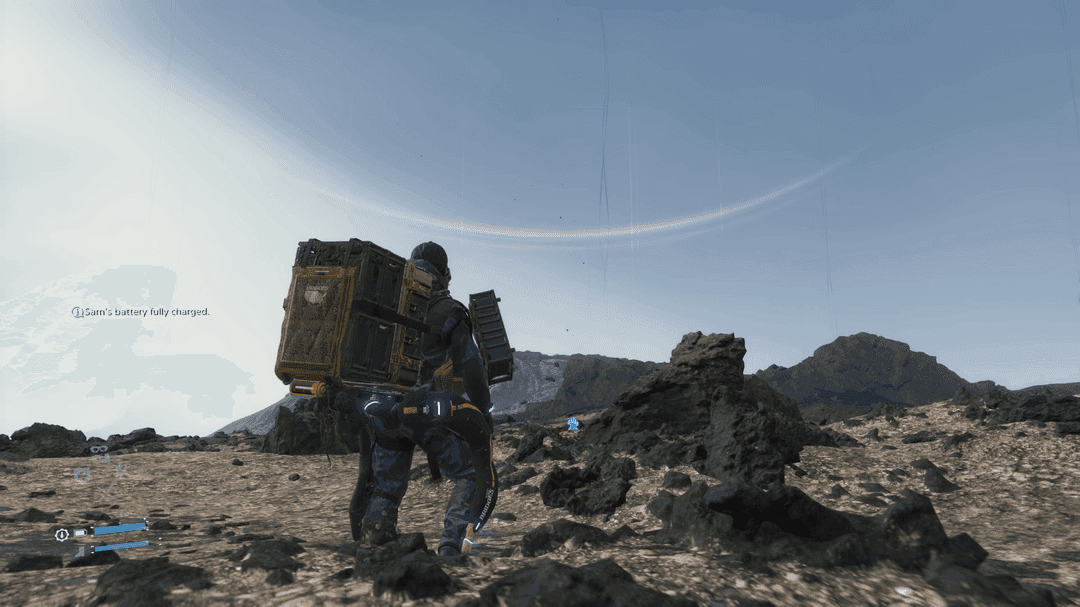
The core gameplay loop of Death Stranding centers on the unconventional 'fun' of long-distance deliveries.
However, this tedious opening acts as essential context for the game’s greatest trick: the Stockholm Syndrome effect. By making you intimately familiar with every rock, river, and treacherous slope on foot, the eventual reward for overcoming them becomes exponentially more satisfying. When you finally unlock the ability to construct a bridge across that raging river, or pave a highway over the barren plains, the relief isn't just practical—it’s emotional. You aren't just optimizing a route; you're civilizing a wilderness that personally wronged you. The core loop of planning a delivery, meticulously balancing your cargo, and executing the trek transforms from a chore into a compelling puzzle. The flood of social media-style Likes upon a successful delivery, while seemingly absurd, effectively gamifies this validation, feeding an addictive “just one more delivery” cycle that can easily turn a 30-hour story into a 100-hour completionist odyssey.
This is the paradoxical heart of Death Stranding’s identity. The struggle isn't a bug; it's the core feature. The game argues that meaning is derived from effort, and connection is forged through shared hardship. The opening hours are a brutal, deliberate filter. If you can endure the initial friction of being an underpowered porter, you’ll be rewarded with a profound sense of ownership over the world and your place in it. This is where Death Stranding earns its divisive reputation—not through its bizarre story, but by asking you to find fulfillment in the mundane, and discovering that, against all odds, you can.
Death Stranding Gameplay: Mechanics of Traversal and Cargo Management
In Death Stranding, the simple act of walking is the most complex and rewarding system you’ll master. This isn’t traversal as a means to an end; it’s the entire point. The game transforms a mundane action into a tense, physics-based puzzle where every slope, river, and gust of wind demands your full attention. You don’t just press forward on the stick—you manage a delicate interplay of balance, momentum, and cargo integrity that makes the journey itself the game’s most compelling narrative.
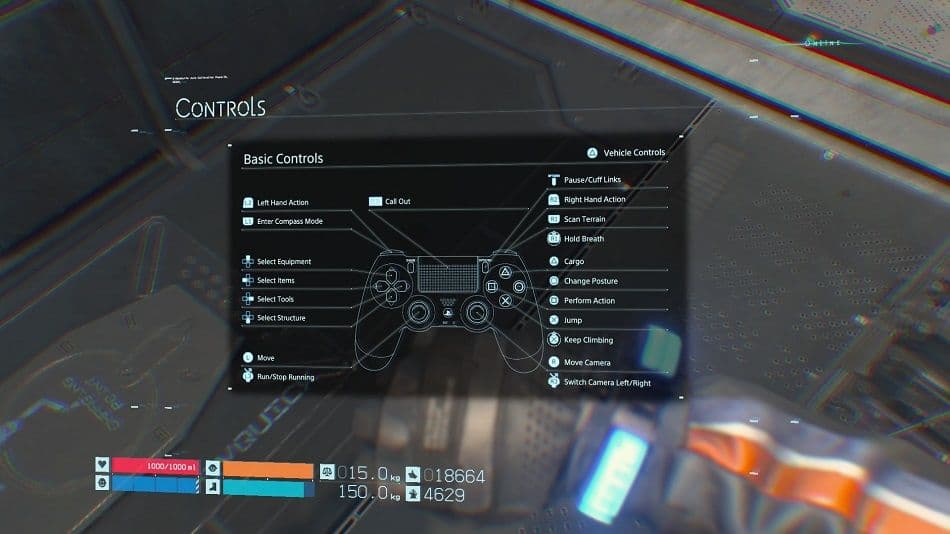
Balancing weight is a core mechanic of traversal.
The genius of Death Stranding’s traversal lies in its granular physicality. Sam’s movement is governed by a hidden terrain rating, and his center of gravity is a live calculation based on the weight, height, and placement of every item on his back. A top-heavy stack of resin containers will turn him into a teetering mess on a steep incline, while a wide, low-slung load might offer stability at the cost of snagging on every rock. The DualShock triggers become your lifeline, constantly adjusting Sam’s posture to prevent a catastrophic tumble. This isn’t an abstract stamina bar—it’s a tactile simulation of strain. You feel the difference between a light sprint across a plain and the agonizing, trigger-holding crawl up a rain-slicked mountain with 200kg of sensitive cargo. The environmental hazards are relentless: Timefall rain rapidly deteriorates your containers and gear, deep rivers with strong currents can sweep you and your precious load away, and a misplaced step can send packages cascading down a cliff. This constant, low-grade tension forces a state of hyper-awareness that few other games demand.
This is where Death Stranding’s cargo management graduates from inventory tetris to high-stakes engineering. Planning a delivery isn’t just about the destination; it’s about solving the three-dimensional puzzle of how to pack your gear to survive the specific terrain between you and it.
Your toolkit evolves to meet these challenges, but rarely trivializes them. Early-game reliance on ladders and climbing ropes feels appropriately desperate—you’re a scavenger making do. Unlocking powered exoskeletons or floating carriers later provides tangible relief, but introduces new constraints like battery management and width clearance. The much-anticipated vehicles, while a welcome boost to cargo capacity, often highlight the world’s deliberate hostility. Trucks and reverse trikes get bogged down on anything but the gentlest slopes or the player-constructed highways, making them tools for specific corridors rather than universal solutions. This forces a meaningful choice: do you take the truck on the long, safe road, or brave the treacherous shortcut on foot with a more fragile, hand-carried load? The friction is intentional.
Where the system occasionally stumbles is in its inconsistency. The same physics that create emergent, thrilling stories—like desperately bracing against a blizzard that turns Sam into a “giant sail”—can also lead to frustration when Sam trips on a pebble the size of a baseball. The line between “challenging simulation” and “fussy annoyance” is thin, and Death Stranding treads it constantly. Yet, when everything clicks—when you survey a daunting valley, plot a route using your tools, perfectly balance your cargo, and execute the delivery with seconds to spare—the satisfaction is profound. It’s the satisfaction of solving a problem with your own wits and preparation, a feeling that turns a glorified fetch quest into a personal accomplishment. This meticulous dance with the landscape is the core of Death Stranding’s identity; it’s the arduous labor that makes the eventual connections feel earned.
The Social Strand: How Asynchronous Multiplayer Redefines Connection
Death Stranding’s greatest innovation isn't its walking or its story—it’s the quiet revolution of its asynchronous multiplayer. In a game about profound isolation, the most memorable moments are those where you feel the ghostly presence of another soul. This is the Social Strand, a system where you never see another player, yet their generosity becomes the emotional backbone of your entire journey. It transforms a solitary slog into a shared struggle, redefining connection in a medium built on direct competition or co-op.
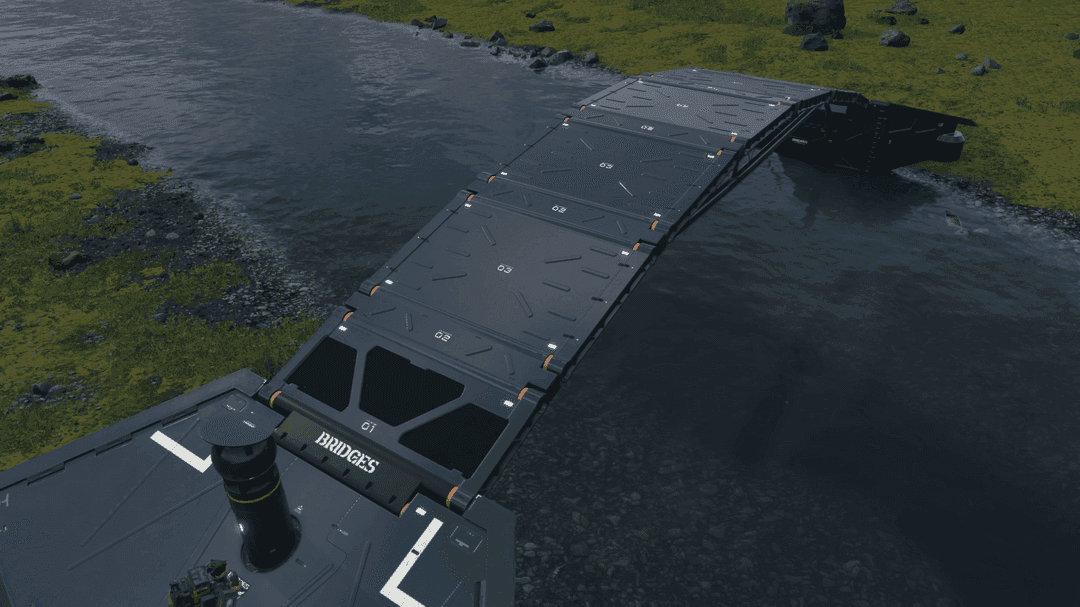
Player-built structures like bridges are shared across the asynchronous multiplayer network.
The magic is in the timing. You’re halfway up a brutal mountain pass, your boots are degraded, your stamina is shot, and a Timefall storm is closing in. Just as despair sets in, you crest a ridge to find a player-built safehouse or a generator placed perfectly to recharge your exoskeleton. This isn’t a scripted event; it’s a gift from a stranger who endured this same hellscape and left a lifeline. The system fosters a powerful, almost altruistic drive to “pay it forward.” You’ll find yourself diverting precious resources to complete a bridge’s final stretch or placing a ladder at a tricky cliff face, not for a tangible reward, but for the hope that your Likes counter will tick upward—a silent thank you from a fellow porter. This gamified validation, often dismissed as a shallow social media parody, is ingeniously recontextualized. In a broken world, a “Like” isn’t vanity; it’s a vital sign of solidarity, proof that your effort mattered to someone else.
This is where Death Stranding’s world evolves from a static landscape into a living, communal project. The barren plains between Lake Knot City and the Distribution Center South of Lake Knot are the ultimate canvas. Early on, it’s a 20-minute trudge through BT territory and rivers. Then, you discover the auto-pavers. By donating ceramics and metals—often scavenged from MULE camps or recycled from your own old gear—you slowly construct a highway, one section at a time. The first time you see a completed stretch, built with materials from dozens of anonymous players, is a breathtaking moment of collective triumph. The world literally becomes more civilized through shared labor.
However, this system has a double edge. The same generosity that saves you can, in later stages, undermine the very friction that makes the journey meaningful. Finding a complete zipline network spanning an entire mountain range eliminates a harrowing traversal puzzle, turning a tense expedition into a passive sightseeing tour. The online component can become intrusive, cluttering pristine vistas with a forest of signs and leaving vehicles abandoned in key pathways. This forces a meta-choice on the player: do you embrace the chaotic, helpful clutter of the community, or do you limit connections to preserve the intended desolation and challenge? It’s a design tension the game never fully resolves.
Ultimately, the Social Strand is a masterclass in indirect interaction. You help others by delivering their lost cargo, which appears shimmering on the landscape, returning it to any distribution center for a boost in connection rank. You collaborate by donating to those shared structures, knowing your name will be on the builder’s list. The genius is that it mirrors the narrative’s core theme: we build bridges not because we must cross them, but because we know others will follow. In its best moments, Death Stranding makes you feel lonely and connected in the same breath, crafting a uniquely melancholic form of camaraderie that lingers long after the credits roll.
Combat and Stealth: Facing BTs and MULEs in a Fractured America
Death Stranding’s world is a hauntingly beautiful one, but its serenity is a thin veneer over genuine terror. The game’s primary threats—the spectral BTs and the cargo-obsessed MULEs—force you to engage with two distinct, and often uneven, forms of conflict. One is a masterclass in atmospheric horror, while the other feels like a clumsy afterthought grafted from a different game entirely.
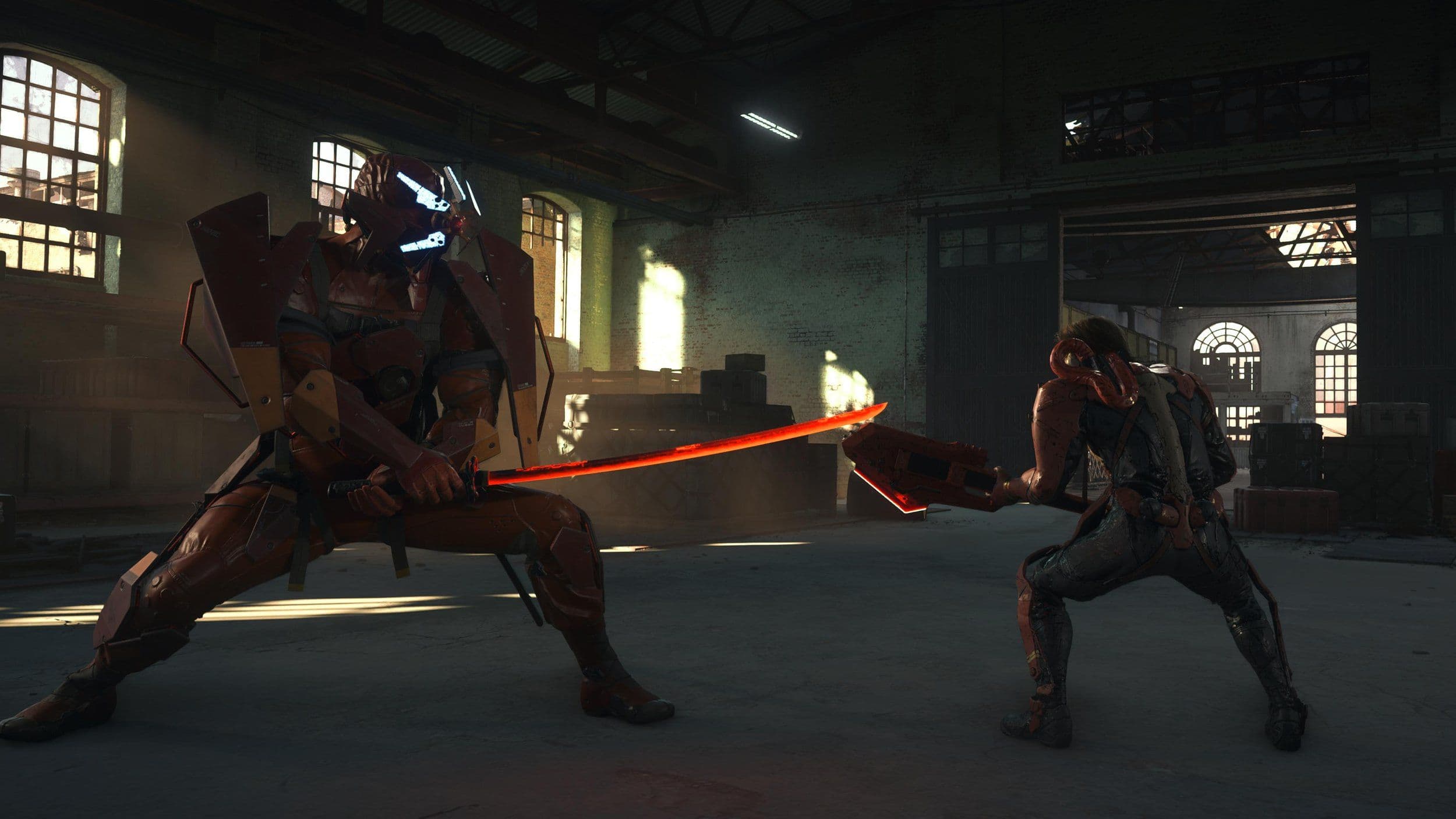
Combat encounters with BTs have evolved in the sequel.
The BT encounters are where the game’s tension peaks, transforming peaceful hikes into heart-pounding stealth sequences. The mechanics are brilliantly simple: your Bridge Baby alerts you to their presence with a panicked chirp and a visual scan, forcing you to freeze, hold your breath with R1, and inch forward while a ghostly handprint inches toward your face. The sound design here is impeccable—the wail of your BB, the squelch of tar, the sudden dead silence when you’re spotted—creating a palpable dread. This isn't combat; it's survival horror where your only weapon is patience. The fear of triggering a voidout—a catastrophic explosion that leaves a permanent crater in the world—lends genuine weight to every misstep. An early trip to the Wind Farm, where a wrong move leads to being dragged into a tar pit by a monstrous whale, is a traumatic rite of passage that teaches you more about the stakes than any cutscene could.
Where this horror breaks down is when stealth fails and the game pivots to direct confrontation. The clunky combat against BT bosses feels like a jarring genre shift. Firing hematic grenades or blood-soaked rounds at giant, tar-covered creatures is mechanically simple and visually arresting, but lacks the strategic depth of the traversal or the tactile feedback of a dedicated shooter. These fights, often repeated, become spectacles rather than challenges, undermining the very fear the BTs initially cultivated.
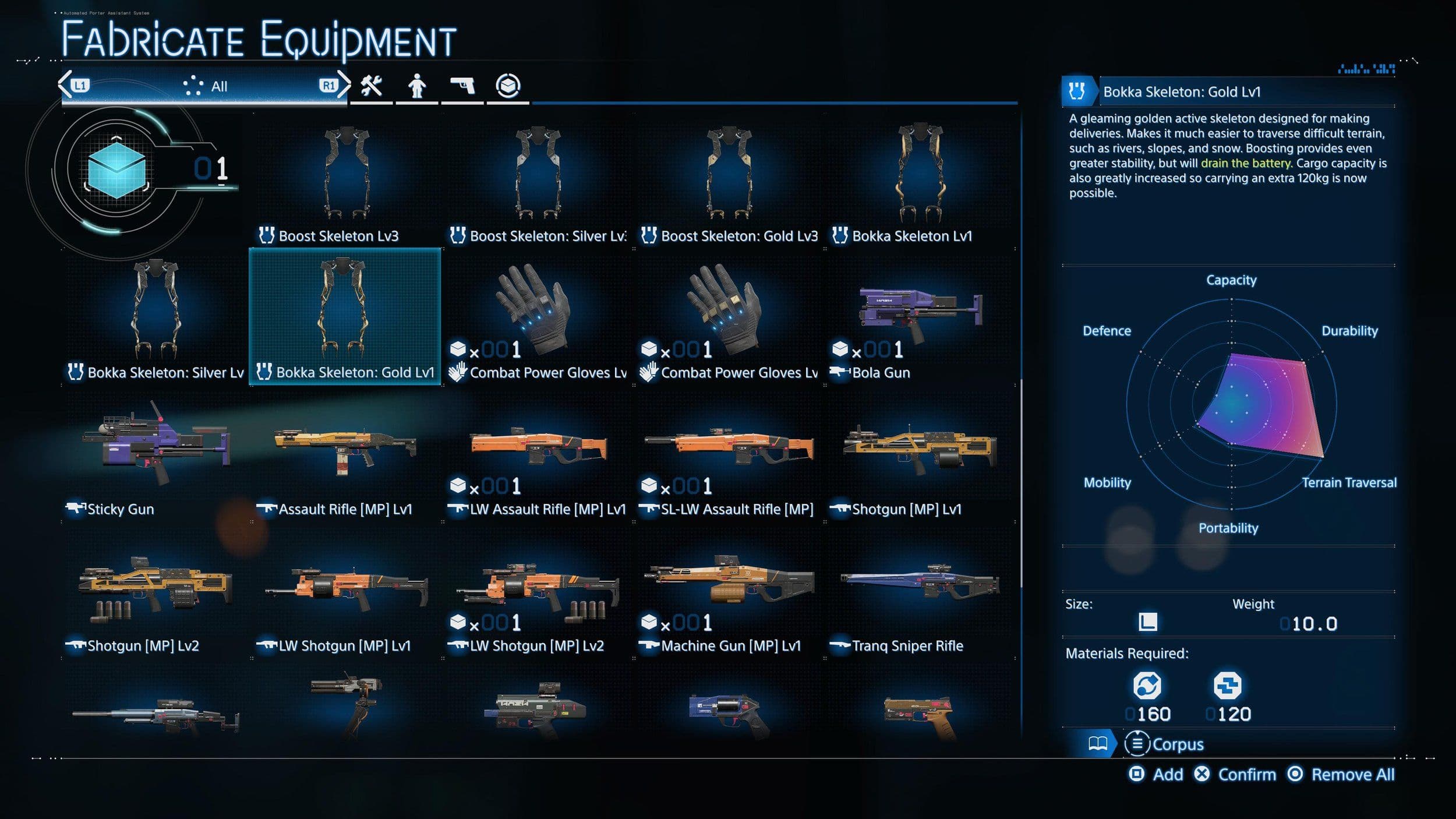
This dissonance is even more pronounced when dealing with human foes. The MULE antagonists—former porters driven mad by an addiction to delivering cargo—are a fascinating meta-commentary on completionist gaming culture. They haunt delivery routes, not to kill, but to steal your packages to satisfy their own compulsive loops. Thematically, it’s a clever critique. In practice, engaging with them highlights the game’s weakest systems. Hand-to-hand combat is sluggish and unsatisfying, a far cry from the fluid CQC of Kojima’s Metal Gear Solid past. While tools like the Bola Gun offer non-lethal solutions, the gunplay itself feels unwieldy and imprecise, making these sections feel like tedious interruptions to the more compelling journey.
This is where Death Stranding’s unique non-lethal emphasis becomes its most interesting, and most underutilized, rule. Killing a human enemy doesn’t just fail a mission; it risks creating a BT and triggering a voidout, forcing you to manually transport the corpse to an incinerator. It’s a brilliant systemic consequence that reinforces the world’s fragile ecology and makes violence feel “dirty and messy,” as one reviewer noted. However, the game later undermines this by providing an arsenal of “non-lethal” assault rifles and shotguns, effectively turning Sam into a one-man army and diluting the unique puzzle of pacifying a camp without lethal force. The tension shifts from “how do I solve this ethically?” to “which overpowered tool will I use,” stripping the encounters of their intended moral weight.
The boss battle quality ultimately encapsulates this section’s split personality. The climactic fights against figures like Higgs are long, scripted sequences that prioritize cinematic spectacle over engaging mechanics, often devolving into tedious shooting galleries. The final boss, in particular, has been criticized as a five-minute chore. These moments feel divorced from the game’s core identity—the careful planning, the environmental mastery, the quiet tension. They are the loud, conventional action beats in a game that is otherwise revolutionary for its silence, and they stand out precisely because they falter where the rest of the experience soars. In Death Stranding, you fear the journey, not the destination, and its combat systems never quite learn that lesson.
Narrative and Presentation: Hideo Kojima’s Cinematic Ambition
If Death Stranding’s gameplay is a deliberate, meditative trudge, its narrative is a full-throttle, unapologetic cinematic odyssey. This is Hideo Kojima unchained, for better and for worse. The story is a dense, exposition-heavy epic about phantom whales, umbilical cords, and the afterlife, delivered with the subtlety of a doctoral thesis narrated during a hurricane. It’s a testament to the phenomenal cast and technical wizardry that this bizarre concoction lands with any emotional weight at all.
Elle Fanning delivers a standout performance as Tomorrow.
The narrative structure is perhaps the game's most frustrating design choice. Death Stranding front-loads and back-loads its story with a vengeance, creating a cavernous lull in the middle. The opening hours are a relentless barrage of proper nouns—chiralium, DOOMS, repatriates—delivered in lengthy, static cutscenes that feel less like storytelling and more like a lore dump. Just as you’re drowning in pseudoscience, the game abandons you. For a solid 20-hour stretch in its midsection, the plot grinds to a near-halt, replaced by the silent, repetitive rhythm of delivery after delivery. This creates a jarring dissonance; you’re supposedly on a mission to save humanity, yet you’re spending days ferrying pizzas and custom chiral printers. While this emptiness thematically mirrors Sam’s isolation, it’s a pacing flaw that tests narrative momentum to its breaking point. The payoff comes in a final act that is equally overwhelming, cramming revelations, emotional climaxes, and metaphysical explanations into a marathon of cinematics. It’s a structure that demands immense patience, rewarding it with powerful moments but punishing anyone expecting a consistently unfolding plot.
Where the script often stumbles into self-serious jargon, the performances consistently elevate it into something human and compelling. This is a masterclass in motion capture and voice acting, making the absurd feel authentic.
The technical presentation is nothing short of stunning. Powered by Guerrilla Games’ Decima Engine, the game renders a hauntingly beautiful, desolate America with photorealistic texture work and staggering draw distances. From the moss-covered ruins of a city to the oppressive, tar-drenched beaches of the afterlife, every environment feels tactile and immense. This visual fidelity is matched by the character models, which achieve an uncanny level of realism. You can see the fatigue in Sam’s eyes, the subtle tremor in Fragile’ RRs hands, and every pore on Cliff’s face. This commitment to visual authenticity grounds the supernatural spectacle, making the world feel tangible even when the plot does not.
The cast is uniformly exceptional, often transcending the occasionally clunky dialogue. Norman Reedus embodies Sam’s gruff, traumatized exterior with a physicality that speaks volumes in the quiet moments between deliveries. However, it’s the supporting roles that steal the show. Mads Mikkelsen as Cliff is a magnetic, tragic presence, his performance in the surreal, war-torn flashbacks providing the game’s most emotionally resonant and visually striking sequences. Léa Seydoux brings a weary strength and vulnerability to Fragile that makes her more than just a plot device, while Tommie Earl Jenkins as Die-Hardman delivers a late-game monologue that is arguably the single most powerful piece of acting in the entire experience, a raw and devastating performance that justifies hours of cryptic build-up.
The writing itself is the most divisive element. Kojima’s love for convoluted pseudoscience and over-explanation is in full force. Mysteries are often solved not through discovery, but through characters stating the answer in exhaustive detail. The dialogue can swing from poignant to painfully on-the-nose within the same scene, with characters like Deadman literally explaining the themes of connection as you’re experiencing them. This “deliciously ridiculous” approach, as one critic aptly called it, will either be a charming signature or an insufferable indulgence depending on your tolerance for Kojima’s particular brand of melodrama.
Finally, the audio landscape is a character in itself. The sound design is impeccably immersive—the patter of Timefall on your hood, the squelch of tar, the distant cry of a BT, and the panicked chirping of your BB build an atmosphere of constant, low-grade anxiety. It’s the soundtrack, however, that provides the soul. The melancholic, atmospheric songs of Low Roar are deployed with impeccable restraint, often swelling to life during a long, solitary trek across a breathtaking vista. These aren’t just background tracks; they are emotional punctuation marks. The moment a gentle synth line accompanies your first triumphant approach to a distant city after a grueling journey is a feeling few games can replicate, transforming a simple walk into a profound, cinematic moment. It’s here, in the quiet harmony of stunning visuals, a perfect musical cue, and hard-earned progress, that Death Stranding’s lofty cinematic ambition truly, undeniably soars.
Final Verdict: Is Death Stranding a Masterpiece or a Misstep?
Death Stranding is not a game you play; it’s an experience you submit to. Its final verdict hinges entirely on whether you accept its foundational bargain: that the profound reward of connection is worth the grueling, often tedious labor required to forge it. This is a title that challenges the very definition of “fun” in AAA gaming, substituting immediate gratification for a slow-burn, meditative satisfaction that feels earned in your bones. It’s a masterpiece of atmosphere and intention, but also a misstep in pacing and genre convention, leaving you with a work that is as easy to passionately defend as it is to angrily dismiss.
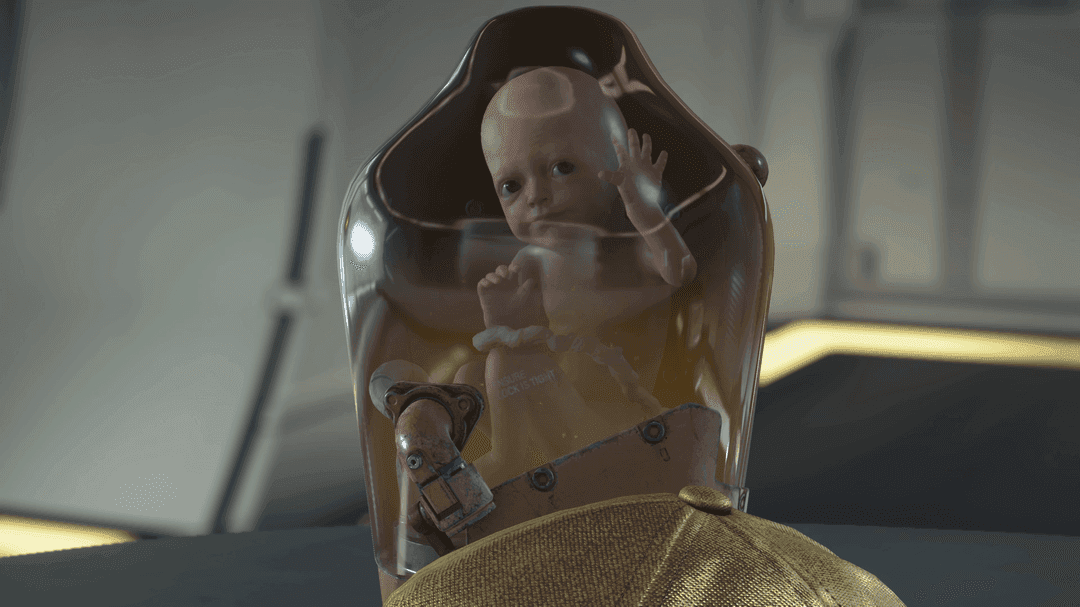
Death Stranding's unique mechanics often lead to polarized player opinions.
Death Stranding is the most important game you might hate, or the most frustrating game you might love. There is no middle ground.
Your enjoyment is directly proportional to your tolerance for deliberate friction. This is a game for the patient explorer, the player who finds zen in meticulous planning and catharsis in overcoming self-imposed logistical challenges. If your ideal gameplay loop involves unlocking new combat abilities and conquering arenas, Death Stranding will feel like a 50-hour administrative chore. But if you’ve ever lost hours in a truck simulator optimizing a route, or felt a deep sense of ownership from building infrastructure in a survival game, then Kojima’s vision will resonate on a profound level. It’s a hard pass for action junkies, but a mandatory pilgrimage for students of experimental design.
When placed alongside its genre peers, Death Stranding’s radical departure becomes stark. Compared to the tactical playground of Metal Gear Solid V, its combat is an afterthought. Stacked against the curated adventures and vibrant combat of Horizon Zero Dawn, its world can feel barren and repetitive. This isn’t a failure of execution, but a rejection of convention. Where those games polish established formulas to a mirror shine, Death Stranding dismantles them, asking you to find meaning not in vanquishing foes or uncovering map markers, but in the simple, arduous act of rebuilding. It’s less a game and more of a philosophical sim, using its mechanics to argue that connection is the ultimate resource, and that it must be painstakingly gathered and shared.
The value proposition is clear: this is a unique AAA experience that offers a breath of fresh air in an industry often dominated by safe sequels and familiar loops. You are paying for an authored, uncompromising vision—a 40-to-100-hour thought experiment about isolation and community. For that alone, it is worth engaging with, even if you ultimately reject its methods. The highs—the first time a Low Roar track swells as you crest a hill, the communal triumph of completing a stretch of highway, the raw power of Die-Hardman’s final confession—are singular moments in modern gaming. They are made possible, and arguably more potent, by the lows you endure to reach them.
Death Stranding is a game of staggering contradictions. It is a technical marvel wrapped around a self-indulgent story, a lonely journey defined by the kindness of strangers, and a tedious chore that transforms into a therapeutic ritual. It is not for everyone, but for those it captures, it becomes more than a game—it becomes a poignant, personal parable about persistence. You don’t simply finish it; you survive it, and in doing so, you understand its core message: the most meaningful destinations are always reached by the hardest roads.
Pros:
- A revolutionary social feature that turns asynchronous multiplayer into a powerful engine for altruism and shared world-building.
- An incredibly rewarding sense of progression tied directly to player skill and perseverance, making every new tool and cleared path feel genuinely earned.
- Top-tier technical presentation, from the hauntingly beautiful Decima Engine landscapes to the career-best motion capture performances from its stellar cast.
Cons:
- A brutally slow and frustrating opening act that risks alienating players before the core loop has a chance to captivate.
- Clunky, underbaked combat systems that feel like intrusive relics from a more conventional action game.
- A narrative that is often self-indulgent, with bloated exposition and a pacing structure that leaves the middle hours feeling narratively vacant.