
How to Understand the Four Attributes in Disco Elysium
Disco Elysium doesn’t begin with a clean slate—it begins with four broad attributes that define what kind of detective you are. At character creation, these attributes establish your skill baselines, shaping the dialogue, exploration, and survival options available throughout the game.
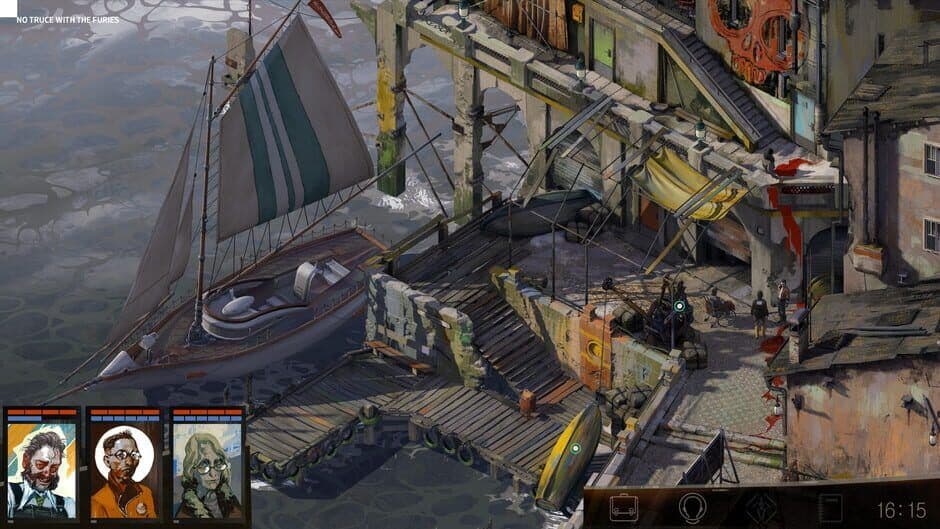
The character creation screen defines your starting attributes.
Intellect
Intellect establishes the starting values for Logic, Encyclopedia, Rhetoric, Drama, Conceptualization, and Visual Calculus. A higher Intellect gives you a stronger foundation for intellectual checks, helping you approach conversations and investigations through deduction, knowledge, argument, deception, creativity, and forensic reasoning.
When leveling, invest skill points into these individual skills to improve intellectual checks. You don’t need to make Intellect your focus, but a low investment can leave you with fewer analytical options when investigating complicated situations.
Psyche
Psyche establishes the starting values for Volition, Inland Empire, Empathy, Authority, Suggestion, and Esprit de Corps. These skills shape your mental and social checks, giving you tools for reading emotions, maintaining resolve, influencing people, and understanding the professional instincts of an RCM officer.
Invest skill points into Psyche skills when you want a detective who relies on intuition, emotional insight, morale, or persuasion. Psyche can open powerful dialogue paths, but remember that a strong social approach is not always the safest or most cooperative one.
Physique
Physique establishes the starting values for Endurance, Pain Threshold, Physical Instrument, Electrochemistry, Shivers, and Half Light. This attribute supports physical and instinctive checks, from enduring hardship and using raw strength to responding to bodily impulses, urban sensations, and threats.
Raising Physique skills gives you more ways to survive dangerous situations and pursue forceful or instinctive solutions. It also encourages a more visceral style of detective work—useful in Disco Elysium, though not every problem should be solved by following your most aggressive impulse.
Motorics
Motorics establishes the starting values for Hand/Eye Coordination, Perception, Reaction Speed, Savoir Faire, Interfacing, and Composure. These skills govern sensory, reflex, and technical checks, allowing you to notice details, react quickly, handle tools, move with style, and maintain a controlled appearance.
Invest skill points here for a detective who depends on observation, precision, fast responses, mechanical understanding, or physical poise. Motorics is especially valuable when you want to inspect the world closely instead of waiting for other skills to explain it.
Don’t treat an attribute as a permanent identity. Your starting values define your early strengths, but investing skill points lets you reshape the detective as you play.
The four attributes are the framework beneath all 24 skills in Disco Elysium. Intellect, Psyche, Physique, and Motorics each point toward a different way of investigating the world, and the best choice depends on whether you want a cerebral detective, a people-reader, a tough survivor, or a sharp-eyed technician. Once you understand that foundation, the rest of this guide can show you how each skill and internal voice builds on it.
How to Use Skill Checks in Disco Elysium
The detective work in Disco Elysium often comes down to a single roll—or to noticing that you never needed one at all. Skill checks can reveal hidden information, unlock new dialogue, or create consequences, so learning when to push your luck is just as important as knowing which skill is involved.

Passive checks occur automatically in the background based on your skill levels.
Passive Skill Checks
Passive skill checks happen automatically during dialogue, exploration, or an interaction. When the relevant skill is sufficiently high, it supplies information or an observation without a roll. A passive check might add context to a conversation, point out something in the environment, or reveal a detail your character would otherwise miss.
If an important passive check fails to appear, raise the relevant skill or use modifiers to meet the passive threshold. In Disco Elysium, improving a skill can do more than help with active rolls—it can change what your detective notices in the first place.
White Active Checks
White active checks appear during dialogue or an interaction and have a recoverable failure. The game makes a 2d6 roll and compares the result with the displayed difficulty. If you fail, the check can usually be reopened later instead of being lost forever.
To improve a failed white check, gain skill levels, change clothing, use Thoughts, or apply a new modifier. Check back after making one of these changes, because a conversation or investigation may give you another opportunity to try. This is where patience pays off: you do not always need to force the first attempt.
Red Active Checks
Red active checks are tied to specific dialogue or interactions with a one-time consequence. A 2d6 roll determines success or failure, and the attempt generally cannot be retried. Failure may alter what happens next, so treat these checks as commitments rather than experiments.
Save difficult red checks for when the relevant skill and modifiers are favorable. If the odds look poor, continue investigating and improving your position before selecting the option. You may not get another chance once the roll is made.
Check Modifiers and Difficulty
Before an active roll, inspect every listed modifier and the displayed target. Quest progress, dialogue choices, clothing, Thoughts, drugs, and other conditions can raise or lower the target. Favorable choices and equipment can turn a dangerous check into a reasonable one, while a poor setup can make an otherwise suitable skill look unreliable.
Treat white checks as opportunities to prepare, not tests you must pass immediately. For red checks, pause and review the listed modifiers before committing—Disco Elysium rarely rewards rushing a one-time decision.
The key distinction is simple: passive checks reward investment and reveal information automatically, white active checks can usually be revisited, and red active checks demand careful timing. Once you understand the target, the modifiers, and the consequence of failure, Disco Elysium’s dice stop feeling random—you’ll know exactly when to roll and when to wait.
How to Understand the 24 Voices in Disco Elysium
In Disco Elysium, your skills are more than numbers on a character sheet—they’re a committee living in your head. During dialogue, investigation, and key decisions, individual skills interrupt with distinct perspectives, facts, instincts, or arguments, changing what you notice and which responses become available.
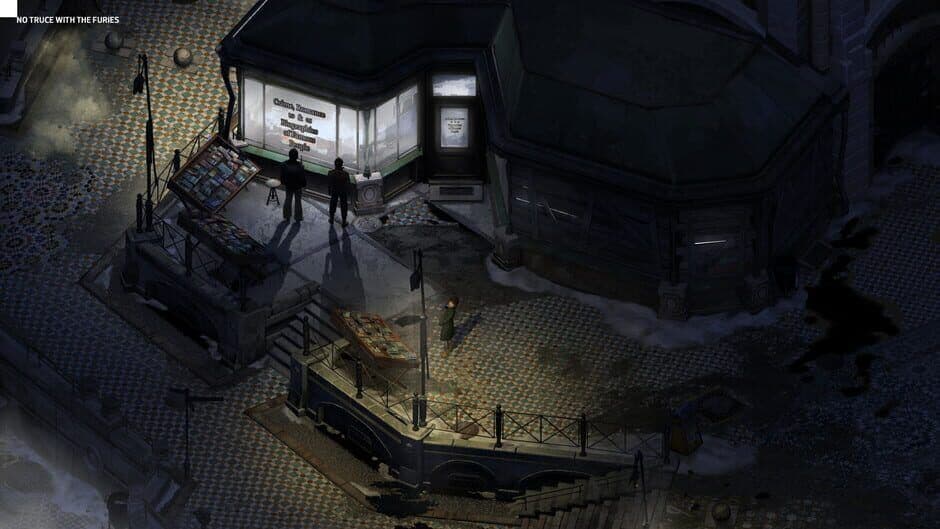
Skills intervene to alter available information and dialogue choices.
Skills Speak as Internal Characters
Each skill has a recurring personality and a specialized subject. Logic may push for a clean deduction, while Half Light might interpret the same moment as a threat; Shivers can offer an atmospheric impression, and Empathy may focus on someone’s feelings. These voices frame how the protagonist understands the world and unlock related options, rather than simply granting numerical bonuses.
That makes every skill valuable in the right situation, but no skill is universally best. The most useful voice depends on what you’re investigating and the role-play style you want: a careful detective, an instinctive survivor, a persuasive officer, or someone who follows stranger ideas wherever they lead.
How Skill Interventions Work
When a skill's passive threshold is met, it can automatically add a thought, clue, warning, or response to the conversation. You may suddenly learn something about a person, notice a detail in the environment, or receive an extra line that changes how you can answer. These interventions are often optional information, but they can reveal opportunities that a different build would never see.
If an important intervention is missing, improve the skill or use equipment when possible. Raising the relevant skill can open more of these internal comments, while equipment can help you reach the required threshold. You won’t always know what you missed, so returning to an earlier conversation after improving a skill can uncover a new angle.
Don’t treat silence as proof that there’s nothing else to learn. If a conversation feels unusually thin, try coming back after improving the skill most relevant to the subject.
When the Voices Disagree
A situation may offer competing interpretations, with different voices recommending rational, emotional, physical, or instinctive choices. One skill might tell you to question a contradiction, another might urge compassion, and a third might insist that the safest move is to act immediately. The game lets you decide which advice to follow instead of forcing one “correct” personality onto your detective.
Treat suggestions as fallible viewpoints. Check the surrounding evidence instead of accepting every voice as truth, especially when an instinct sounds confident but the situation does not support it. Following a skill’s advice can create an interesting role-playing moment, but ignoring it can be just as revealing—and may lead to information or choices you would otherwise miss.
Once you understand the 24 voices in Disco Elysium, building your character becomes a way to shape the detective’s entire perspective. Listen closely, compare conflicting advice, and let the skills guide your choices without surrendering control; that balance is where the game’s best discoveries happen.
How to Level Skills in Disco Elysium
In Disco Elysium, leveling is less about making every skill powerful and more about deciding which voices deserve your trust. A carefully saved point can reopen a crucial white check, while reckless specialization can leave you brilliant in one conversation and dangerously helpless in the next.

Equipping different clothing items provides various skill bonuses.
How Skill Points and Skill Caps Work
You gain skill points through leveling up or selected progression rewards. Spend them to raise individual skills, which can unlock new checks, improve your odds on active checks, and sometimes let you retry a white check that previously failed. If a useful white check or important passive threshold is just out of reach, resist the urge to spend immediately—reserve points until you know which skill will make the difference.
Every skill has a skill cap, so you cannot raise one ability indefinitely through ordinary investment. Your current cap determines how far that skill can be developed, while other progression systems can help you push beyond your usual limits. Before investing, check whether the point will improve a skill you actively need or merely make an already-dominant voice louder.
Raising a skill also strengthens its internal voice. That can be valuable because the skill may offer more information, warnings, or dialogue options, but a highly specialized voice can also become more intrusive and persuasive. Balance specialized strengths with enough coverage to avoid missing essential information from other parts of the investigation.
Thought Cabinet, Equipment, and Drugs
The Thought Cabinet gives you another way to shape your detective. You discover Thoughts during exploration and dialogue, then accept them to equip conceptual modifiers. After their research completes, they can alter skills, checks, XP, money, or other systems.
Plan around both sides of a Thought: accepting one may create a temporary research cost, but its final effect can reshape your build. A Thought that slows you down now may pay off later, while an attractive bonus can still be a poor choice if it worsens a weakness you rely on. Keep an open slot when possible so you can accept a useful discovery instead of being forced to discard or delay it.
Equipment can cover gaps without permanently spending skill points. Change clothing before a difficult check when it provides a favorable modifier, then switch back afterward if another situation demands a different strength. Drugs can also modify your capabilities temporarily, but use them deliberately rather than treating every boost as free power—their effects and drawbacks can change the risks around your next decision.
Before attempting a difficult white check, look for three solutions in this order: raise the relevant skill, change your equipment, then consider a Thought or drug. This keeps your permanent points available for skills you’ll use repeatedly.
Protecting Health and Morale
Low Physique or Psyche can make certain failures especially dangerous. Some failed situations reduce Health or Morale, and reaching zero in either can cause a game-over. That makes extreme specialization risky: a detective who dominates mental conversations may still collapse when a physical failure attacks Health, while a physically capable build can be vulnerable when a psychological setback drains Morale.
Carry healing consumables before taking reckless checks, especially when your survival resources are already low. If a failure would threaten Health or Morale, improve the relevant skill first, equip a better modifier, or wait until you have recovery available. Disco Elysium rewards experimentation, but it does not require you to gamble your entire investigation on one low-probability attempt.
With smart skill points, flexible equipment, carefully chosen Thoughts, and a reserve of healing consumables, your Disco Elysium build can stay focused without becoming fragile. Specialize enough to give your strongest voices room to shine, but keep your weaknesses covered so one bad roll does not end the case.
How to Use Intellect Skills in Disco Elysium: Logic, Encyclopedia, and Rhetoric
In Disco Elysium, your mind is never quiet—especially when the Intellect skills start arguing over what really happened. Logic, Encyclopedia, and Rhetoric all make you a sharper detective, but each one solves a different kind of problem.
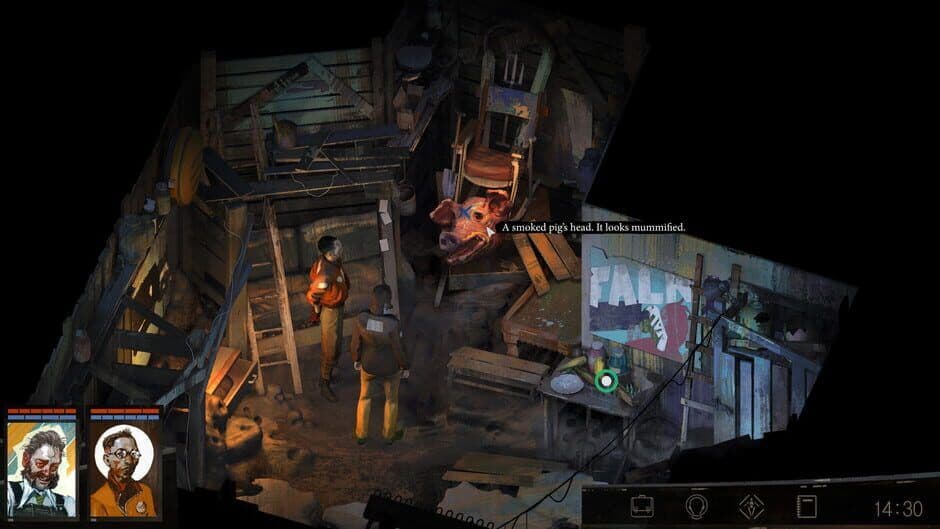
Rhetoric allows players to navigate complex social situations.
Logic: Find the Connection
Logic handles analysis, deduction, and arguments. It supplies rational connections, exposes contradictions, and supports analytical dialogue or checks. When a suspect’s story does not add up, Logic is the voice most likely to point out the inconsistency and suggest a more structured line of questioning.
Use Logic when you want to test evidence, connect separate clues, or follow an analytical dialogue option. It can help turn scattered observations into a conclusion, but do not treat every conclusion as automatically correct. High Logic can over-intellectualize a situation, forcing a neat theory onto evidence that may be emotional, accidental, or incomplete.
Encyclopedia: Bring Revachol’s Past to the Conversation
Encyclopedia draws on knowledge, history, and cultural references. It recalls factual information about Revachol, people, and institutions through passive dialogue, often adding context without requiring you to choose a specific response. These interruptions can explain a historical reference, identify an organization, or provide background that makes a conversation easier to understand.
Invest in Encyclopedia for lore and context rather than assuming it directly solves practical problems. Knowing what an institution represents may clarify a character’s words, but it will not necessarily open a locked path or win an argument. In Disco Elysium, knowledge is valuable—even when it only gives you a better understanding of the world.
Rhetoric: Control the Argument
Rhetoric focuses on debate, politics, and verbal argument. It identifies weak arguments and unlocks persuasive or confrontational dialogue options, making it useful when a conversation turns into a contest of ideas or confidence. If someone makes a claim that does not withstand scrutiny, Rhetoric may expose the flaw and give you a chance to challenge it.
Use Rhetoric to push a debate forward, question political reasoning, or select dialogue that pressures another character. Combine it with social skills when winning an argument requires more than factual reasoning: spotting a weak point is one thing, but persuading someone to accept your position is another.
Treat each Intellect voice as a perspective, not a guaranteed answer. Logic can build an elegant but incorrect theory, Encyclopedia can bury you in context, and Rhetoric can encourage an argument that was better left alone.
With Logic for deduction, Encyclopedia for Revachol’s history and culture, and Rhetoric for debate, you can approach conversations from three distinct angles. Build around the voice that matches your detective, then verify its advice against what you actually know—this is how you get more from Disco Elysium’s turn-based investigations without letting one clever thought take over the case.
How to Use Intellect Skills in Disco Elysium: Drama, Conceptualization, and Visual Calculus
Disco Elysium turns your detective’s mind into a noisy, argumentative partner—and these three Intellect skills make that inner monologue especially unpredictable. Drama can help you lie, Conceptualization can send you chasing strange ideas, and Visual Calculus can rebuild a crime scene from what remains.

The game's art style reflects the fractured nature of the protagonist's mind.
Drama: Acting, Lies, and Detecting Deception
Drama focuses on acting, lies, and detecting deception. It helps the protagonist perform convincingly and recognize when someone may be lying, making it useful when a conversation calls for a carefully delivered story rather than a straightforward answer.
Use Drama for deceptive role-play when you want to bluff, impersonate confidence, or steer someone toward a false conclusion. Its advice can also flag suspicious behavior, but don’t treat every theatrical warning as proof. Drama offers suspicion—not confirmed evidence—so compare its interpretation with what the conversation and investigation actually establish.
Let Drama suggest that someone is lying, then look for supporting details before committing to an accusation. A convincing performance can open a path, but pushing a weak theory may close others.
Conceptualization: Creative and Unusual Solutions
Conceptualization deals with art, symbolism, and abstract ideas. It generates creative interpretations and unusual dialogue options, so it’s valuable when you want to approach Disco Elysium as an eccentric thinker instead of solving every problem through strict deduction.
Follow Conceptualization when you want artistic or eccentric solutions. Its insights may be subjective, though, and a striking interpretation is not automatically an objective explanation. If a conversation starts turning an ordinary detail into a grand theory, pause and decide whether you’re pursuing a useful lead or simply indulging the idea.
Visual Calculus: Reconstructing the Scene
Visual Calculus handles spatial reconstruction and forensic deduction. It reconstructs events, trajectories, and crime-scene details from visual evidence, giving you a way to examine what happened by reading the arrangement and physical clues around you.
When Visual Calculus contributes to an investigation, inspect the relevant scene before acting. Then combine its deductions with Logic or Perception rather than relying on a single reconstruction. This approach helps you separate a plausible sequence of events from a conclusion that still needs more evidence.
In Disco Elysium, these skills reward different detective instincts: Drama reads performance, Conceptualization creates meaning, and Visual Calculus rebuilds physical events. Whether you’re role-playing a practiced liar, an artistic dreamer, or a forensic investigator, trust the voices—but verify what they tell you.
How to Use Psyche Skills in Disco Elysium: Volition, Inland Empire, and Empathy
In Disco Elysium, your Psyche skills shape the detective’s inner life—keeping him standing, interpreting strange impressions, and reading the people around him. These three voices can quietly change a conversation before you ever reach a major decision, so pay attention when they interrupt.

Volition acts as your primary defense against mental collapse.
Volition: Protect Your Resolve
Volition represents willpower, self-control, and morale. Its voice provides stabilizing internal dialogue, supports resolve-based checks, and helps protect Morale when the case, your choices, or a conversation starts wearing you down.
A strong Volition makes the detective more dependable under pressure. It can also warn you when your confidence is slipping, giving you a chance to reconsider a risky response or prepare for the consequences of failure. Keep morale-restoring healing available because failure or damage can still threaten survival, even when your Volition is strong.
Treat Volition’s interventions as a safety net, not an excuse to ignore Morale. Keep recovery available before pushing through emotionally demanding parts of Disco Elysium.
Inland Empire: Follow the Uncanny Carefully
Inland Empire draws on intuition, dreams, and the uncanny. It surfaces emotional or supernatural-feeling impressions and unexpected connections, often revealing possibilities that more analytical skills would overlook.
These impressions can point you toward unusual ideas, hidden meanings, or details that feel impossible to explain. Still, treat its visions as clues or possibilities and corroborate them before relying on them. Inland Empire is excellent at expanding your interpretation of a scene, but its confidence does not automatically make every impression true.
This makes the skill a natural fit for players who enjoy Disco Elysium’s stranger, more surreal lines of investigation. Follow the lead when it opens an interesting option, then compare it with what you have actually observed before committing to a major choice.
Empathy: Read the Room
Empathy focuses on reading feelings and emotional states. It interprets another person's mood, motives, and unspoken reactions to unlock emotionally informed dialogue, helping you understand what someone is feeling even when they refuse to say it directly.
Use that information to choose a response rather than assuming empathy guarantees cooperation. Knowing that a character is afraid, defensive, or hiding something can help you approach the conversation more effectively, but the final response still matters. Pair Empathy’s emotional reading with the rest of the evidence instead of treating one impression as the complete truth.
In Disco Elysium, these voices work best together: Volition helps you hold yourself together, Inland Empire offers unusual possibilities, and Empathy explains the emotional temperature of a conversation. Build around the kind of detective you want to play, keep Morale recovery close at hand, and let each voice inform your choices without allowing any single one to make them for you.
How to Use Psyche Skills in Disco Elysium: Authority, Suggestion, and Esprit de Corps
In Disco Elysium, the Psyche skills that shape social encounters aren’t interchangeable. Authority pushes people back, Suggestion guides them where you want them to go, and Esprit de Corps connects you to the police institution—and each voice can open doors or slam them shut.

Esprit de Corps connects you to the heartbeat of the RCM.
Authority: Command, Dominance, and Respect
Authority is the voice of command, dominance, and respect. It enables forceful dialogue and challenges perceived weakness or disobedience, making it useful when you need to confront someone, demand answers, or refuse to be pushed around.
Use Authority selectively. Intimidation can escalate conflict or close off cooperative options, especially when a calmer approach might have earned more information. In Disco Elysium, winning the exchange isn’t always the same as getting the best outcome.
Suggestion: Persuasion, Charm, and Manipulation
Suggestion handles subtle persuasion, charm, and manipulation. It detects desires and creates socially persuasive dialogue choices, helping you appeal to what someone wants instead of overpowering them.
Pair Suggestion with information from Empathy or Rhetoric when possible. Empathy can reveal how a person feels, while Rhetoric can help you understand the argument around them; Suggestion then turns that knowledge into an approach. Always account for the target’s resistance—an appealing line is not guaranteed to work.
Treat Suggestion as a read on someone’s desires, not an automatic win button. If the game gives you a clue about what a character wants, use it to shape your response rather than blindly forcing the persuasive option.
Esprit de Corps: Police Culture and Teamwork
Esprit de Corps represents police culture, teamwork, and institutional knowledge. It provides insight into fellow officers and the RCM while supporting partnership-focused dialogue, which makes it especially useful for understanding professional context and your place within the force.
Use Esprit de Corps to learn how the RCM and its officers might view a situation, but don’t assume every institutional judgment is correct. The skill offers a police-minded perspective—not objective truth—and Disco Elysium often rewards you for questioning the assumptions behind official thinking.
Together, these three Psyche voices give your detective a flexible social toolkit. Authority helps you challenge, Suggestion helps you influence, and Esprit de Corps helps you understand the RCM’s perspective. Build around the voice that matches your roleplay, then use the others as supporting tools when a conversation demands a different approach.
How to Use Physique Skills in Disco Elysium: Endurance, Pain Threshold, and Physical Instrument
In Disco Elysium, your body has opinions—and sometimes it shouts louder than your detective instincts. The Physique skills turn physical weakness, pain, and raw strength into useful information and new solutions, but each voice has its own risks.

The game's unique art style.
Endurance: Survive What the Case Throws at You
Endurance represents stamina, toughness, and bodily reserves. It improves survival-oriented checks and can contribute to Health-related resilience, making it especially valuable when physical failure would be dangerous. Raise Endurance when you want your detective to withstand demanding situations, or use healing items before attempting a risky physical check.
Endurance is more than a number that keeps you standing. Its internal voice can push you to recognize when your body is running out of reserves, so pay attention when it warns you that a situation may be physically unsafe. If a check could threaten your survival, improve Endurance or prepare healing first rather than gambling on a low margin.
Treat Endurance as your safety net. When a physical failure could cost Health, raise the skill or use healing items before you commit.
Pain Threshold: Listen to Pain Without Worshipping It
Pain Threshold measures tolerance and interpretation of pain. It lets the protagonist endure, dismiss, or learn from physical suffering in dialogue and checks, which can open perspectives that a more cautious detective might miss. A high Pain Threshold can help you keep moving when pain would otherwise interrupt the investigation.
Do not confuse tolerating pain with avoiding Health damage. Pain Threshold may help you endure the experience or understand what your body is telling you, but it does not make physical harm disappear. When the game presents a painful choice, use the skill's warning as information—not automatic permission to ignore the consequences.
Physical Instrument: Solve Problems With Muscle
Physical Instrument governs raw strength, athletic force, and bodily action. It unlocks feats of strength and physically direct dialogue, giving you forceful solutions when reasoning, persuasion, or finesse do not feel like enough. This is the skill for a detective who trusts their body to move, lift, push, and overpower obstacles.
Brute force still has limits. Physical Instrument may help you impose yourself on a situation, but brute force may not solve investigative or social problems. If you are trying to uncover evidence or convince someone to cooperate, remember that strength is only one possible answer—and sometimes the wrong one.
With Endurance protecting your reserves, Pain Threshold helping you interpret suffering, and Physical Instrument providing direct physical power, Disco Elysium’s Physique voices become a practical toolkit rather than simple muscle checks. Build them when you want a tougher, more instinctive detective, but choose each physical solution deliberately.
How to Use Physique Skills in Disco Elysium: Electrochemistry, Shivers, and Half Light
In Disco Elysium, the Physique voices don’t simply tell you how strong you are—they expose your impulses, instincts, and connection to Revachol itself. These three skills can uncover useful information, but they can also push you toward reckless choices if you follow every urge without thinking.

Physique skills can be both a blessing and a risk to your health.
Electrochemistry: Manage Your Cravings
Electrochemistry deals with drugs, alcohol, pleasure, and bodily cravings. Its interventions can identify substances, explain their effects, and encourage chemical or hedonistic choices when an opportunity appears. That makes it valuable for a detective who wants to understand—or indulge—the more self-destructive side of Disco Elysium.
Use consumables deliberately because intoxication and dependency-related choices can create drawbacks. Electrochemistry may point out an appealing shortcut, but recognizing a substance does not mean taking it is the right move. Check what you are trying to accomplish before giving in to the voice: a temporary boost may not be worth the consequences of a careless choice.
⚠️ Watch out: Electrochemistry is persuasive by design. Treat its enthusiasm as a craving, not an order, especially when a substance could complicate your next decision.
Shivers: Listen to Revachol
Shivers represents Revachol's atmosphere and urban intuition. This skill provides sensory impressions about the city and can reveal location-specific or environmental information, giving Disco Elysium an unusually personal way to guide your investigation. When Shivers speaks, it can feel as though the city itself is drawing your attention toward something.
Follow its clues by exploring the described surroundings rather than treating every impression as a concrete fact. Shivers is excellent at suggesting where to look or what kind of atmosphere surrounds a place, but the impression still needs to be tested through investigation. If it nudges you toward an area, search that environment and compare what you find with the rest of the evidence.
Half Light: Control the Fight-or-Flight Response
Half Light focuses on fear, aggression, and threat response. It detects danger and unlocks intimidating or primal reactions, which can help you recognize when a conversation or situation is becoming hazardous. In the right moment, that warning may keep you from walking blindly into trouble.
The risk is escalation. Control escalation because acting on fear can provoke violence or produce harmful dialogue consequences. Half Light often frames uncertainty as an immediate threat, so pause before choosing the most aggressive response; intimidation can close off cooperation just as quickly as it creates an opening.
Together, Electrochemistry, Shivers, and Half Light make Disco Elysium’s Physique voices unpredictable but useful. Use Electrochemistry to understand cravings without automatically obeying them, Shivers to investigate Revachol’s hints, and Half Light to recognize danger without letting panic take the wheel. With that balance, these instinctive skills become investigative tools instead of traps.
How to Use Motorics Skills in Disco Elysium: Hand/Eye Coordination, Perception, and Reaction Speed
In Disco Elysium, Motorics skills turn your detective into someone who notices the tiny details—and reacts before the moment slips away. This group is especially valuable when a case depends on precision, hidden clues, or a split-second response.

Revachol's streets test a detective's Perception.
Hand/Eye Coordination: Precision and Accuracy
Hand/Eye Coordination governs aiming, throwing, and precise manual actions. It supports accuracy-based interactions as well as firearm-related or dexterity checks, so it becomes more valuable whenever the investigation demands careful physical execution rather than deduction or conversation.
Improve Hand/Eye Coordination when a precise action is central to your plan. Before attempting the check, look for favorable modifiers from your current equipment, Thoughts, or situation; a little preparation can make the difference between a clean success and an embarrassing miss. In Disco Elysium, high Hand/Eye Coordination is less about general athleticism and more about making sure your hands do exactly what your eyes tell them.
Perception: Finding What Others Miss
Perception covers sight, hearing, and noticing details. It can reveal objects, clues, environmental changes, and additional dialogue through passive observations, giving you information before you even choose an active response. If you want to thoroughly inspect locations, Perception is one of the most useful Motorics skills to develop.
Return to important locations after improving Perception if you suspect you missed a clue. New passive observations can change what you notice and may expose details that were invisible during your first visit. Here’s the trick many players miss: don’t treat an area as exhausted just because you already searched it once—your detective’s improved awareness can make a familiar place worth revisiting.
When exploration feels stalled in Disco Elysium, raise Perception or find favorable modifiers before assuming the case has no next step. The missing lead may be something your detective simply failed to notice.
Reaction Speed: Acting Before the Moment Passes
Reaction Speed handles fast responses and immediate recognition. It opens quick-response dialogue and reflex checks before an opportunity disappears, letting a responsive detective react to events instead of watching them unfold too slowly.
Keep Reaction Speed high enough for a responsive detective build, particularly if you want to capitalize on sudden dialogue opportunities. Don’t mistake speed for physical strength, though: Reaction Speed helps you recognize and answer quickly, while strength belongs to a different kind of challenge. In the game’s tense exchanges, that distinction matters—being fast enough to respond does not automatically make you powerful enough to force an outcome.
With Hand/Eye Coordination for precision, Perception for investigation, and Reaction Speed for immediate responses, your Motorics setup covers the moments where accuracy and awareness matter most. Build around the situations you expect to face, prepare favorable modifiers before difficult checks, and you’ll be ready to catch details—and opportunities—that slower detectives miss.
How to Use Motorics Skills in Disco Elysium: Savoir Faire, Interfacing, and Composure
Motorics in Disco Elysium isn’t only about quick hands—it also governs how boldly you move, how well you handle machines, and how convincingly you carry yourself. These final three voices can turn a dangerous shortcut, locked mechanism, or tense conversation in your favor.

Mastering Motorics allows for unique solutions to environmental puzzles.
Savoir Faire: Agility, Style, and Risky Movement
Savoir Faire represents agility, style, stealth, and daring movement. Its voice encourages nimble, evasive, or stylish actions and can unlock dialogue that treats your detective as someone willing to take an unconventional approach.
Use Savoir Faire when Disco Elysium offers an unusual traversal option or a movement-based solution. It can help you attempt actions that rely on flair rather than force, but don’t mistake confidence for safety—risky movement can fail. If the situation looks precarious, improve Savoir Faire or secure useful modifiers before committing to the check.
Savoir Faire is at its best when you’re willing to experiment. If a path or action seems unconventional, check whether your agility and style can create an alternative to the obvious solution.
Interfacing: Machines, Locks, and Technical Systems
Interfacing handles machines, locks, tools, and technical systems. A strong Interfacing voice helps you understand and manipulate mechanical or electronic objects, opening paths and revealing clues that a purely conversational approach might miss.
Inspect nearby tools and equipment before forcing a difficult technical check. The right object may provide context for what you’re trying to operate, while improving Interfacing can make the difference between discovering a solution and damaging your chances. In Disco Elysium, this skill rewards curiosity: examine the machinery around you instead of treating every locked or broken object as a dead end.
Interfacing can also add technical observations during investigations, giving you a clearer idea of how a mechanism works before you act. Use that information to decide whether to proceed, search for another method, or return after strengthening the skill.
Composure: Poise, Appearance, and Presentation
Composure governs physical poise, appearance, and emotional presentation. It helps keep the protagonist controlled and reads outward signs of confidence or instability, making it useful when a conversation depends on how you look and carry yourself rather than what you know.
Use Composure to maintain a composed persona during tense social moments. Its insights can reveal when someone’s outward confidence is slipping—or when your own presentation is becoming unstable. That information can shape your next response, but remember that composure is not the same as persuasion; looking controlled does not automatically make another character agree with you.
These skills give Disco Elysium’s Motorics attribute a broad range of uses: Savoir Faire handles daring movement, Interfacing tackles machines and locks, and Composure protects your outward presence. Build around the situations you enjoy most, then use equipment, Thoughts, and modifiers to cover weaknesses before important checks. With that approach, your detective is ready to move smarter, work the machinery, and stay cool when the case gets personal.
How to Build Around the 24 Skills in Disco Elysium
In Disco Elysium, there is no single best build—only different ways to let the detective’s 24 voices take over the investigation. Pick the perspective you want to role-play, then cover its blind spots with equipment, Thoughts, consumables, and careful decisions.
Intellect-Focused Detective
An Intellect-focused detective is the classic analytical build. Prioritize Logic, Encyclopedia, Rhetoric, Drama, Conceptualization, or Visual Calculus to maximize deduction, lore, argument, deception, creativity, or forensic reconstruction.
This approach gives you strong investigative coverage and plenty of information during conversations. Logic and Visual Calculus support deduction, Encyclopedia fills in Revachol’s history, and Rhetoric or Drama can shape how you handle arguments and deception. Conceptualization pushes the detective toward creative and unusual solutions.
The tradeoff is weaker physical and social checks. Cover weak physical and social checks with clothing, Thoughts, and consumables rather than trying to raise every skill evenly. Save skill points when a missed white check matters, then improve the relevant skill or apply a modifier before trying again.
Don’t treat every intellectual conclusion as fact. Even a brilliant detective can overthink a situation, so compare deductions with what you have actually seen and heard.
Psyche-Focused Investigator
A Psyche-focused investigator prioritizes Volition, Inland Empire, Empathy, Authority, Suggestion, or Esprit de Corps. This setup maximizes intuition, emotional reading, morale, influence, and RCM insight, making conversations and character-focused investigations your strongest areas.
This build works especially well when you enjoy following hunches, understanding emotional reactions, and shaping dialogue through influence. Volition helps keep the detective steady, while Empathy, Suggestion, and Authority offer different ways to read or direct a conversation. Esprit de Corps adds RCM insight, and Inland Empire encourages a more intuitive approach to the world.
The danger is entering situations that demand toughness or technical skill. Monitor Health and technical limitations when entering physical or mechanical situations. You can still investigate those areas, but prepare to rely on equipment, modifiers, or a different route instead of forcing every check.
Disco Elysium rewards this build with conversations that feel unusually personal. Just remember that understanding what someone feels does not guarantee that they will cooperate.
Physique-Focused Survivor
A Physique-focused survivor prioritizes Endurance, Pain Threshold, Physical Instrument, Electrochemistry, Shivers, or Half Light. This combination maximizes resilience, strength, instinct, and bodily or city-focused solutions.
Choose this archetype if you want the detective to endure danger, solve problems through direct action, and respond to Revachol through physical instinct. Endurance and Pain Threshold support resilience, Physical Instrument favors strength, and Shivers connects the detective to the city. Electrochemistry and Half Light push the character toward bodily cravings and aggressive reactions.
That power comes with risks. Manage aggression and substance-related risks instead of following every impulse. Half Light may encourage escalation, while Electrochemistry can make chemical or hedonistic choices seem more appealing than they really are. A strong physique can survive many situations, but brute force is not automatically the smartest answer.
This Disco Elysium build is at its best when you accept the detective’s instincts without surrendering control to them. Let the body provide options; you still decide whether those options are worth the consequences.
Motorics-Focused Specialist
A Motorics-focused specialist prioritizes Hand/Eye Coordination, Perception, Reaction Speed, Savoir Faire, Interfacing, or Composure. This setup maximizes awareness, reflexes, precision, movement, machinery, and poise.
It creates a sharp, responsive detective who notices details, reacts quickly, handles tools, and maintains a controlled presentation. Perception and Reaction Speed help you catch information before it disappears, Interfacing supports mechanical problems, and Savoir Faire favors agility and daring movement. Composure keeps the detective poised, while Hand/Eye Coordination supports precision.
The weakness is reduced coverage in the other three attributes. Use dialogue and equipment modifiers to compensate for low Intellect or Psyche. When a conversation requires deduction or emotional influence, approach it with preparation rather than assuming quick reflexes will solve everything.
Motorics is also a good choice for players who want a detective who feels observant and capable without being an all-purpose genius. In this RPG, noticing the right clue can matter just as much as having the perfect argument.
How to Choose Your 24-Skill Build
Think about the kind of detective you want to hear, not the build a spreadsheet calls optimal. An Intellect-focused detective turns the case into a puzzle, a Psyche-focused investigator lives inside its conversations, a Physique-focused survivor follows instinct and endurance, and a Motorics-focused specialist catches details and opportunities in motion.
You can also mix archetypes. Start with one dominant attribute, then invest in a complementary skill from another group when the story exposes a weakness. Keep some flexibility through clothing, Thoughts, consumables, and modifiers, and don’t panic when a check fails—the game’s alternate paths are part of the investigation.
With the right mindset, every Disco Elysium build becomes a different version of the same unforgettable detective. Choose the voices you want guiding the case, manage the risks they create, and trust your own judgment when they disagree. That is how you make the 24 skills work for you.