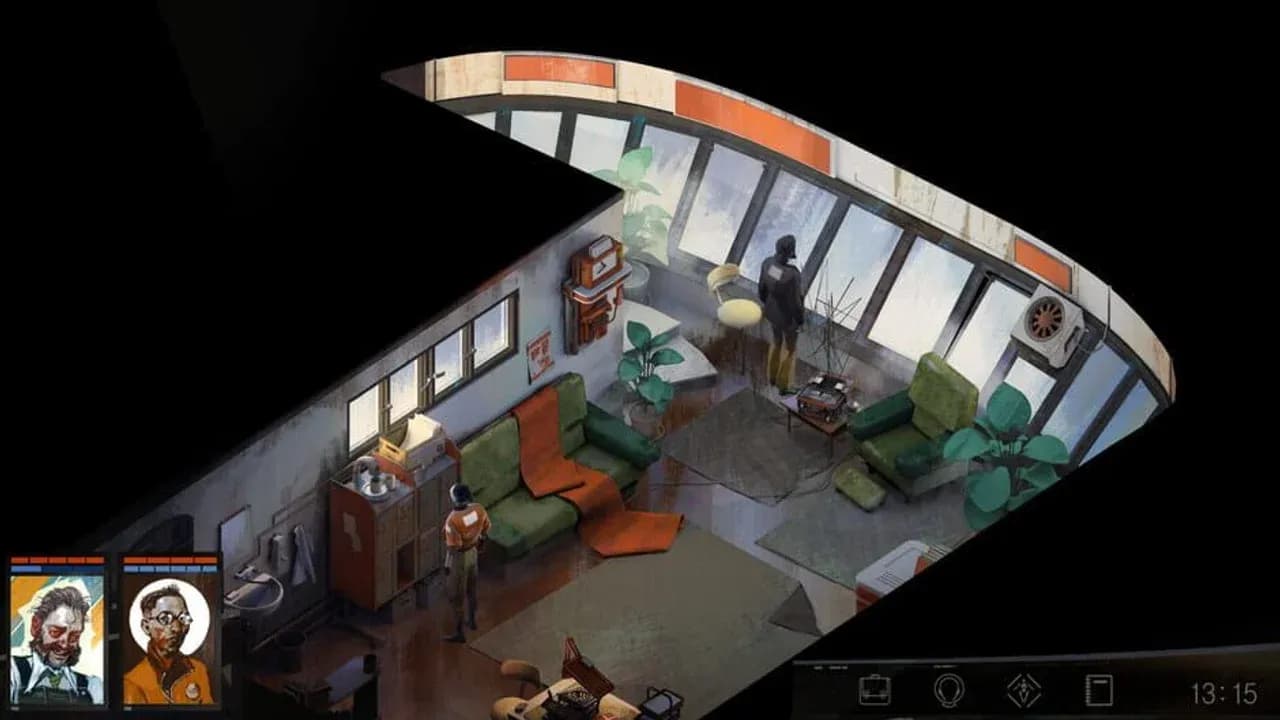
How to Find the Thought Cabinet in Disco Elysium
The Thought Cabinet is where Disco Elysium turns your detective’s strange ideas, beliefs, and obsessions into gameplay-changing decisions. Once the first thought becomes available, you can open the Cabinet interface and begin managing which ideas shape your investigation.
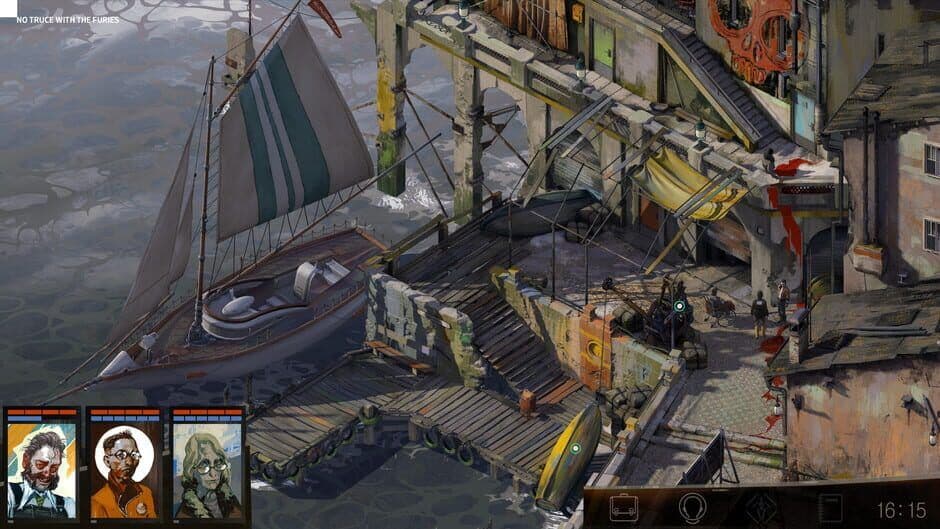
The game menu provides access to the Thought Cabinet system.
Open the Thought Cabinet screen from the Detective's pause menu by selecting the Thought Cabinet tab. Here, you can view available thoughts, active slots, and research progress. After the first thought becomes available, this interface opens the tools for accepting, researching, equipping, and forgetting thoughts—just select the relevant menu entry for the action you want.
Check the Thought Cabinet screen whenever a new idea appears. Research progress and available slots are easy to overlook while you’re busy exploring Martinaise.
New thoughts usually appear as a Thought orb during a dialogue or investigation scene. When the floating thought prompt appears, accept it to add the thought to the Cabinet, or reject it to decline the opportunity. Disco Elysium often ties these prompts to the choices you make, so don’t rush through conversations if you want to see what ideas your detective develops.
Once you know where the Thought Cabinet screen is and how Thought orb prompts work, you’re ready to start shaping your detective’s build—and your version of the case.
How to Unlock Thought Cabinet Slots in Disco Elysium
In Disco Elysium, the Thought Cabinet starts small, so those first few slots can feel painfully precious. You can assign three thoughts at once when the Cabinet becomes available, but careful skill-point spending eventually expands that limit.
Managing internal thoughts requires unlocking slots within the cabinet.
Open the Thought Cabinet screen and spend skill points to purchase additional Cabinet slots. Each purchased slot increases the number of simultaneous internalized thoughts, giving you more room to run skill modifiers, resource effects, and identity-focused choices together.
The fully expanded Thought Cabinet adds nine additional slots beyond the initial three, bringing the total capacity to twelve. Don’t rush every upgrade, though: purchase slots only when a useful thought is waiting or your build can comfortably afford the skill-point expenditure. If a core skill increase will help you pass an urgent check, keep the point for that instead.
Treat early slots as a limited budget. A strong thought waiting for space is a good reason to expand, but buying capacity with no immediate use can slow down your essential skill progression.
With three starting slots and a maximum capacity of twelve, you can grow the Cabinet alongside your detective instead of sacrificing every early skill point. Plan around the thoughts you actually want to use, and your Disco Elysium build will stay flexible without leaving you underpowered.
How to Obtain Thoughts for the Thought Cabinet in Disco Elysium
In Disco Elysium, new thoughts emerge from the way you investigate, speak, and shape the detective’s identity. Conversations, observations, political discussions, personal revelations, and repeated actions can all unlock a new thought prompt—so don’t treat every strange interaction as optional flavor.
Specific actions in the world lead to unique character developments.
Find Thoughts Through Dialogue
Specific dialogue choices with NPCs can offer a thought after the conversation. When you find a discussion connected to politics, personal beliefs, or the detective’s developing worldview, exhaust relevant dialogue branches before leaving the area. Some opportunities appear only after you follow the conversation far enough or choose responses that reinforce a particular idea.
This makes thorough questioning especially valuable. Revisit important conversations when new information changes the available dialogue, and pay attention to responses that reveal something about the detective’s identity or habits. You don’t need to force every choice into one role-play style, but you should understand that dialogue can create thought opportunities—not just information or skill checks.
Unlock Thoughts Through Actions and Discoveries
Repeated behavior or a successful investigation can create a thought opportunity connected to the detective's current identity or habits. Keep exploring related interactions after a discovery instead of immediately moving on; examining objects, pursuing a line of reasoning, or repeatedly acting in a certain way may develop into a new idea.
In practical terms, play naturally and thoroughly. Search areas, follow investigative leads, and continue conversations related to whatever theme keeps appearing. Disco Elysium often rewards consistency: the detective’s actions help define him, and those patterns can become thoughts for later research.
When a new thought prompt appears, review it immediately and record its source or intended theme. That context helps you decide whether it fits your build or role-play, and rejecting it can prevent later use.
Thought opportunities are easy to miss if you rush through dialogue or ignore follow-up interactions. Take a moment to note what triggered each idea, then continue investigating the same thread if you want to discover more. With careful conversations and a curious approach, you’ll build a useful pool of thoughts without needing to hunt blindly.
How to Accept or Reject Thoughts in Disco Elysium
A new thought prompt in Disco Elysium can feel harmless, but this choice may shape your detective for the rest of the investigation. Before you click through, decide whether the idea fits your build—or whether you’re willing to risk losing it.
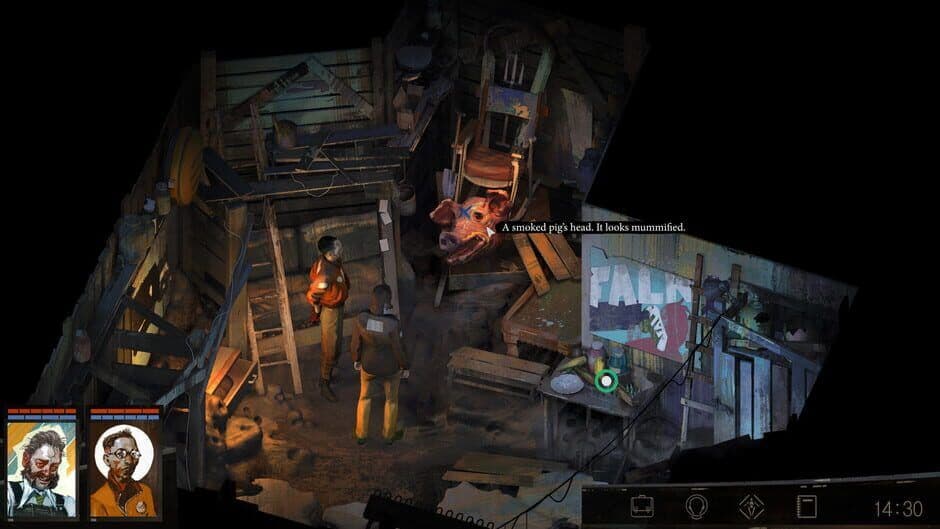
Exploring Martinaise leads to various ideological choices.
When a new thought prompt appears, you can accept the thought by adding it to an available Cabinet slot. Confirm the choice in the prompt, or leave it available for later if you aren’t ready to commit. Accepting it does not mean you must immediately build your entire character around it; it gives you the opportunity to consider its research effects and completion effects before proceeding.
Acceptance requires an available Cabinet slot. You need an empty slot, or you must make an immediate decision to replace or remove another thought. If there is no room, create capacity before accepting when needed rather than rushing into a choice you may regret.
Rejecting a thought means declining it instead of adding it. Confirm that decision in the new thought prompt, then continue the conversation or investigation. Be careful: the opportunity may be permanently lost, so don’t reject an unfamiliar idea simply because its name sounds strange or its temporary effects look negative.
When you’re unsure, accept only after reading both the research effects and completion effects. Use a spare slot when testing an uncertain idea, giving you time to judge the thought without sacrificing something essential.
The safest approach in Disco Elysium is simple: accept thoughts that support your intended detective, postpone uncertain choices when possible, and reject only ideas you’re confident you won’t want later. That keeps your build flexible while protecting valuable opportunities.
Best Thought Cabinet Setup for Early-Game Progression
The opening investigation in Disco Elysium can fill your Thought Cabinet quickly, and the flashiest idea is not always the smartest early pick. During the opening investigation in Martinaise, prioritize broadly useful experience, skill, healing, money, or check-support effects over highly specialized bonuses.

The game's art style reflects the complex internal world of the protagonist.
Choose Thoughts That Match Your Detective
Build alignment matters more than chasing the biggest number. When a Thought effect matches your detective's dominant skills or intended role, it improves the relevant checks and dialogue identity, making your chosen approach feel more consistent. A detective built around conversation and reasoning benefits from effects that support those strengths, while a physical or perception-focused build should look for support in the skills it uses most.
Avoid selecting contradictory modifiers without a plan. A temporary penalty can be manageable if the completed Thought strongly supports your build, but early in the game you have fewer spare skill points and fewer ways to recover from a bad check. Think of each early Thought as part of your detective's direction—not just a bonus to equip and forget.
Before internalization, compare the research column, completion column, affected skills, and any explicit penalties. Make the decision from the full description rather than the title.
Keep Your First Build Flexible
Before major political or identity commitments, choose Thoughts with general investigation value. Broad effects help you handle more conversations, passive checks, and early discoveries while you are still learning which skills and dialogue options define your detective.
Postpone mutually exclusive or highly situational ideas until you know they fit the role-play and mechanics you want. This flexible first build gives you room to react to the investigation instead of locking yourself into a narrow identity before the case has properly opened up. You can specialize later once your dominant skills and preferred dialogue style are clear.
With a broadly useful foundation and careful inspection of each Thought's research and completion effects, your early-game setup will support more checks without crippling your skill-point economy. In Disco Elysium, flexibility is often the strongest build—keep your options open, and let the investigation show you what your detective should become.
Best Thought Cabinet Setup for Skill Builds in Disco Elysium
In Disco Elysium, the best Thought Cabinet setup depends on how you’re building your detective. A focused specialist can turn one skill family into a powerhouse, while a generalist gets more value from broad bonuses that keep many checks and investigations moving.

Visual representation of the detective's internal struggle.
Choosing Thoughts for Specialist Builds
A skill modifier thought permanently changes one or more skill values or check modifiers after completion. Once internalized, that change applies to every affected check, so pair it with the skill you already invest in heavily—or use it to cover a weakness that repeatedly blocks your investigation.
A skill-cap thought has a different role: its learning-cap effect changes how high a related skill can be improved. Verify the affected skill before spending later points, because the thought may alter the ceiling you’re planning around rather than simply adding another bonus.
For a high-investment skill build, choose thoughts that reinforce the same skill family or compensate for its weaknesses. Don’t judge a thought only by its largest single bonus; a smaller modifier that improves frequent checks, removes a recurring weakness, or supports your overall rotation can be more valuable than a dramatic but narrow increase.
Choosing Thoughts for Generalist Builds
An evenly distributed detective should prefer thoughts affecting several skills, passive checks, experience, or investigation resources rather than one narrow check. These effects fit a flexible Disco Elysium playstyle because they continue contributing when your next conversation, location, or skill test shifts in an unexpected direction.
Before committing to a thought, compare its completed effect with the skills you expect to raise next. A strong bonus is only useful if it supports the checks you’ll actually attempt.
The strongest Disco Elysium builds make the Thought Cabinet serve the detective you’re creating. Specialists should stack synergy or patch a clear gap; generalists should prioritize coverage and reliable progression. With that pairing in mind, every internalized thought has a clear job instead of occupying a slot at random.
How to Internalize a Thought in Disco Elysium
In Disco Elysium, assigning a Thought is only the beginning—the real effect arrives after your detective spends enough in-game time processing it. Pick the right moment to start, because the Thought’s temporary research effects can make an important check easier or harder while you wait.

Disco Elysium character art
How to Start Internalizing a Thought
- Open the Thought Cabinet screen and choose an available thought.
- Place it in an empty slot.
- Confirm the assignment to begin research.
Once assigned to an active slot, the Thought starts a timed research process. The slot remains occupied until the research is complete, and the Thought’s temporary research effects apply during that period. Check the Thought’s details before committing so you know which skills or resources may be affected.
The research timer advances as in-game time passes through play, conversations, movement, and other time-consuming actions. You do not need to stand still and wait for the Thought to finish; continue investigating, speaking with characters, and handling suitable errands while the timer runs.
Before a difficult conversation or skill check, start a Thought whose temporary effects are safe for the current scene. If its penalties affect a skill you’re about to use, wait until those penalties will not matter before assigning it.
When the timer reaches completion, the Thought finishes internalizing and its completed effect takes over. With the assignment confirmed and your research timing planned around upcoming checks, you can turn every Thought into progress instead of an avoidable setback.
Thought Cabinet Research Effects in Disco Elysium
In Disco Elysium, a Thought’s research period can make it feel worse before it makes you stronger. Don’t judge a new Thought by its temporary penalty alone—the research state and the completed effect are separate parts of the same process.

Conceptualizing the internal dialogue system.
Research Effects vs. Completion Effects
While a Thought is being internalized, its research-specific modifiers apply before completion. These can include skill penalties, caps, or other drawbacks, so a Thought may temporarily make certain checks harder or restrict how a skill functions. The penalty lasts while research is active, which means you may want to delay risky checks connected to the affected skill.
Once the research timer finishes, the Thought’s permanent effect replaces or follows the temporary research state. Read the completion text carefully to see the lasting result rather than assuming the temporary drawback remains. The completed effect may alter skills, resources, checks, or other parts of your investigation.
A Thought description separates the research and completed columns for a reason. Compare both columns before committing, and never assume the research penalty is the Thought’s final effect.
How to Confirm a Thought’s Final Effect
When research reaches zero time, open the Thought’s description and verify that it now displays its completed effects. Then check whether the affected skills or resources actually changed. This quick confirmation helps you catch the difference between a research-only penalty and the permanent benefit you were waiting for.
If the completed result does not fit your build, you can reassess the Thought later rather than reacting to its temporary drawback. For now, use the research period to handle safe conversations, movement, and investigation tasks, then return to important checks after completion.
Once you start reading both states separately, the Thought Cabinet becomes much easier to manage. In Disco Elysium, temporary discomfort can be the price of a powerful long-term effect—just make sure you know what you’re buying.
Thought Cabinet Temporary Debuffs and Risks in Disco Elysium
Disco Elysium’s Thought Cabinet can make you stronger in the long run, but some thoughts briefly make the detective weaker while they’re being internalized. Treat that research window as a risk period: a penalty at the wrong moment can turn an easy check into a failure—or leave you dangerously close to collapse.

Visualizing the temporary penalties within the Thought Cabinet.
How Temporary Thought Debuffs Affect Checks
A Negative research modifier lowers a skill or imposes another temporary penalty while the thought is active. That penalty applies before the thought is completed, so delay risky checks or finish the research before attempting anything that depends on the weakened skill.
A temporary skill reduction makes related passive or active checks harder and can remove a success margin you would otherwise have had. If a check is optional, wait for completion when possible. If you must attempt it, raise the affected skill before rolling rather than assuming the thought’s final effect has already taken over.
Before installing a penalizing thought, check which skill it affects and plan around that weakness. A nearby conversation or low-risk objective is much safer than immediately forcing a critical check.
Health and Morale Risks
Some research effects reduce a physical or mental attribute instead of directly lowering a skill. That may leave the detective vulnerable to fatal damage or morale loss, especially if the affected resource is already low.
Before proceeding with a harmful research period, heal or restore the affected resource. This is not the time to gamble on a difficult conversation or investigate a dangerous lead with no margin for error.
Build a Safe Research Window
Use a Debuff safety plan before installing a thought with a penalty:
- Save or stabilize health and morale.
- Avoid critical checks during the research window.
- Keep a fallback route available if the weakened skill blocks progress.
- Schedule safer conversations, movement, and investigation for the period before completion.
If the Failed research window blocks a required check, do not repeatedly force the same weakened roll. Use alternative dialogue, equipment, drugs, skill points, or a different objective instead. Once the thought finishes, return to the blocked check with the temporary penalty gone.
This approach keeps Thought Cabinet risks manageable in Disco Elysium. Stabilize your resources, protect important checks, and treat every temporary debuff as a scheduling problem—not a reason to abandon a promising thought.
How to Speed Up Thought Cabinet Internalization in Disco Elysium
In Disco Elysium, Thought Cabinet research works best when you treat it as part of your investigation—not as a separate task that demands idle waiting. The timer advances while you play, so keep moving and let ordinary detective work do the heavy lifting.

Time management is crucial for balancing thoughts and tasks.
Advance Research Through Normal Investigation
In-game minutes pass during eligible activities, and internalization advances automatically as those minutes accumulate. Use normal investigation and dialogue to let the timer run: talk to characters, inspect clues, move between areas, and complete objectives while the active thought progresses in the background.
The most efficient approach is to plan a route around the thought rather than stopping your day to wait. While the thought is active, combine its research period with nearby conversations, searches, errands, and travel. This keeps your investigation productive and helps you avoid wasting a day waiting without pursuing objectives.
Before you start a thought, look at what you already need to do nearby. Chain several conversations or searches together, then travel onward while the timer continues.
Handle Harmful Temporary Effects Safely
If the thought has a harmful temporary effect, don't immediately attempt an important skill check. Instead, perform low-risk activities in a safe area while time passes, such as routine conversations, uncomplicated searches, or travel that does not depend on the affected skill. Return to important checks after completion, when the temporary penalty is no longer putting the outcome at risk.
The research timer is not an instant button, so plan around story deadlines, available dialogue, rest opportunities, and the possibility that some interactions can become unavailable. Avoid burning time on unnecessary detours when a time-sensitive conversation or objective is waiting. At the same time, don't panic about every passing minute—use the time for useful investigation whenever possible.
With a route planned and risky checks postponed, Thought Cabinet internalization becomes much less disruptive. Keep investigating, let the clock work in the background, and you'll finish the process without sacrificing the momentum of your Disco Elysium playthrough.
How to Remove Thoughts from the Thought Cabinet in Disco Elysium
In Disco Elysium, forgetting a Thought is the cleanest way to undo a build decision—but it isn’t free. Whether the Thought is still being researched or already completed, check what you’re giving up before you remove it.

On the Thought Cabinet screen, select the active Thought and choose the forget option. This removes the Thought from its slot and ends its effects, including the bonuses from a completed Thought. Forgetting a Thought costs a skill point according to the Cabinet action, so keep a spare point available before committing to removal.
Once the Thought is forgotten, its Cabinet slot becomes available for another Thought. The removed Thought’s bonuses no longer apply, so don’t remove a useful skill modifier just to create space for a minor upgrade. For a replacement, compare the completed Thought’s permanent value with the incoming Thought and pay the removal cost only when the new choice is a clear improvement for your Disco Elysium build.
⚠️ Watch out: If you forget a Thought before research completes, check whether its research progress and any temporary effects are lost. Replacing it can discard unfinished progress, so waiting for completion may be better than removing it immediately.
Treat forgetting as a deliberate respec rather than a routine cleanup. With a spare skill point and a clear replacement plan, you can reshape your Thought Cabinet without sacrificing valuable long-term progress in Disco Elysium.
Thought Cabinet Permanent Effects in Disco Elysium
In Disco Elysium, a completed thought can quietly reshape the rest of your investigation. The temporary research penalty is gone, but the final effect may influence skills, resources, experience, or even the way your detective understands the world.

Visual themes related to the protagonist's internal journey.
What Permanent Thoughts Can Change
- Permanent skill effects: When a thought completes, it applies its listed skill or passive-check modifier for the rest of the investigation, unless the thought is forgotten. That can change the odds of future passive perception checks, active checks, and related dialogue, so read the completed effect before planning your next move.
- Experience effects: Some completed thoughts grant or modify experience gain. This can accelerate future skill-point access or reward specific investigative behavior. Check the thought's description to confirm the exact trigger rather than assuming every conversation or action benefits from it.
- Resource effects: A completed thought can change health, morale, money, healing, or another resource. If it raises a maximum, adjust your build around the new limit; if it changes recovery, use that rule when deciding whether to spend healing items or push through a dangerous area.
Thoughts can also affect dialogue and identity. A completed thought may change available dialogue, add ideological framing, or alter your character's responses. These changes can open role-playing options and investigation routes that were not available through skills alone, making a thought valuable even when its numerical bonus looks modest.
Judge the finished effect—not the research penalty. A thought that feels painful while it is being internalized may become one of your strongest long-term tools once completed.
Before spending a skill point to forget a thought, compare its always-on effect, trigger conditions, resource value, and build synergy against the replacement you want to install. A permanent skill modifier may be more useful than a larger-looking bonus that activates only under narrow conditions, while a resource effect can protect the detective throughout the entire investigation. Take a moment to check how the thought supports your current skills, identity, and remaining objectives in Disco Elysium.
Once you understand what a completed thought actually changes, you can build around its lasting value instead of reacting to its temporary drawbacks. Keep the thoughts that consistently support your checks, resources, and role-playing direction, and you’ll get far more from the Thought Cabinet throughout Disco Elysium.
How to Use Thought Cabinet Effects with Skills and Checks in Disco Elysium
Disco Elysium turns every thought into more than a piece of character flavor—it can quietly reshape the checks that uncover clues, reveal lore, and open new dialogue. The trick is timing: an internalized thought may improve a future roll, but the best result comes from pairing it with the right skill, clothing, and available skill points.
How Thoughts Affect Passive Checks
A thought that modifies a relevant skill can change the threshold or chance for passive perception and encyclopedia-style checks. These checks happen automatically, so you cannot force the roll after seeing the result; instead, revisit locations and conversations after the thought is completed if you suspect a new passive check might now succeed.
This is especially useful for investigation-heavy routes in Disco Elysium. A thought that raises an appropriate knowledge or perception skill may reveal information your detective previously missed, turning an ordinary conversation or familiar area into a fresh source of clues.
How Thoughts Affect Active and White Checks
An active-check interaction works more directly. When a thought modifies an active skill, it changes your chance on red or white checks. If an optional check is available, use the improved state before attempting it rather than spending the roll while your skill is temporarily lower or poorly supported.
A white-check interaction gives you another recovery option. If a thought or related progression changes the odds of a failed white check, raise the affected skill or alter the relevant modifier before retrying when the game allows it. That can mean completing the right thought, improving the skill with a point, changing clothing, or using an appropriate consumable.
Treat optional checks as setup opportunities. If the failure has no immediate cost, leave it alone, improve the governing skill, and come back once your detective is better prepared.
The Check Preparation Loop
Use this routine whenever a valuable check is available:
- Identify the governing skill. Check which skill controls the roll before changing your build.
- Complete or equip a matching thought. Choose a thought that improves that skill or its relevant check modifier.
- Adjust clothing or consumables. Add any available bonuses that support the same skill.
- Attempt the check. Make the roll only after your bonuses and thought effects are active.
This check preparation loop is one of the safest ways to approach difficult rolls in Disco Elysium. It also helps you avoid wasting a rare opportunity on a check that could become much more favorable after a short detour.
Save Skill Points for Checks and Cabinet Actions
Skill-point timing matters because a thought may require a skill point for a slot or removal. Spending every point immediately can leave you unable to install a useful thought, forget a poor one, or raise the governing skill before an important white check.
Reserve points when you know a major check or Cabinet action is approaching. You do not need to hold every point indefinitely, but keeping a small buffer gives you flexibility when Disco Elysium presents an unexpected roll or a thought that perfectly fits your current investigation.
With the right thought, a little preparation, and a saved skill point or two, difficult checks become planning problems instead of desperate gambles. Build around the skill you need, then return when the odds are finally in your favor.
Important Disco Elysium NPCs for Thought Cabinet Progression
Disco Elysium’s Thought Cabinet progression is tied to more than obvious thought prompts. The people around Martinaise can challenge your identity, reshape your political outlook, or open investigation threads that create new thought opportunities.
Joyce Messier: Political and Historical Context
Find Joyce Messier on the boardwalk and fishing village access route in Martinaise. She is the Wild Pines negotiator, and her conversations provide major political and historical information that can shape thought opportunities.
Speak with Joyce Messier when you want broader context for the conflict surrounding Martinaise. Her dialogue can help you connect the investigation to larger ideological questions, so pay attention to how your detective responds rather than rushing through every conversation.
Kim Kitsuragi: Your Partner’s Perspective
Meet Kim Kitsuragi at the Whirling-in-Rags hotel room and along the Martinaise investigation route. He is your lieutenant and partner, and he comments on the detective’s ideas while helping contextualize investigative choices.
Kim’s reactions are especially useful when you’re testing a new identity or deciding how seriously to take one of your detective’s theories. Keep him involved in conversations and investigations; his perspective can clarify what your choices mean before you commit to a direction.
If you’re unsure whether a dialogue choice fits your detective, listen to Kim Kitsuragi’s response. His comments can reveal whether an idea is practical, extreme, or likely to affect the investigation.
Evrart Claire: Union Politics and Ideology
Visit Evrart Claire in the Union office in Martinaise harbor. He is the Dockworkers' Union leader, and he offers political and personal dialogue that can generate or influence ideological thought opportunities.
Evrart Claire’s conversations are useful for a detective whose identity is developing through political choices. Consider both the immediate investigative information and the broader direction of your responses, because his dialogue can push your character toward an ideological position that affects later thought opportunities.
Cuno: Youth and Identity-Related Dialogue
Speak with Cuno in the Martinaise crime-scene area behind the Whirling-in-Rags. He is a local witness and optional investigation contact who provides youth and identity-related dialogue opportunities.
Cuno’s conversations can feel chaotic, but don’t dismiss them outright. If you’re exploring how your detective understands identity, reputation, or the people around the crime scene, his dialogue provides valuable context for those thought-related choices.
Lena and Morell: Discovery-Focused Investigations
Look for Lena and Morell on the Martinaise boardwalk and field-research route. They are cryptozoology researchers who provide discovery-focused conversations and optional thought-related investigation context.
Their discussions fit naturally into an investigative playthrough, especially if you’re pursuing unusual leads instead of focusing only on the central case. Follow their conversations and related research when you have time, since optional discoveries can connect your detective’s curiosity to new thought opportunities.
These NPCs give Thought Cabinet progression its personality: Joyce Messier and Evrart Claire shape political context, Kim Kitsuragi helps you evaluate your ideas, Cuno explores identity from a local perspective, and Lena and Morell support discovery-focused investigation. In Disco Elysium, talk to them before leaving their areas, and you’ll have a much better sense of which thoughts match the detective you’re building.
How to Reach Thought Cabinet Investigation Locations in Disco Elysium
In Disco Elysium, thought opportunities often appear while you’re simply doing detective work. The best route is to revisit conversation-heavy locations, pursue skill checks when they open, and exhaust relevant dialogue before moving on.
Start at Whirling-in-Rags, located in Martinaise’s hotel interior and courtyard. This is your primary early investigation hub, where you can work with Kim, speak to residents, and return for repeatable dialogue that may produce thoughts. Kim Kitsuragi, your lieutenant and partner at Whirling-in-Rags, comments on your ideas and helps contextualize investigative choices, so don’t rush away after the first conversation.
Next, search the Martinaise streets, the streets surrounding the Whirling-in-Rags. These investigation routes contain skill checks and NPC encounters that can produce thoughts. Follow new leads, revisit places after your skills or dialogue options change, and pay attention to observations that connect the detective’s actions with his identity or habits.
When you’re ready for political conversations, head to Martinaise harbor, including the Union gate and harbor offices. Evrart Claire, the Dockworkers' Union leader in the Union office at Martinaise harbor, offers political and personal dialogue that can generate or influence ideological thought opportunities. Review the consequences of politically specific choices before accepting a related thought, especially if you’re role-playing a particular worldview.
The Martinaise boardwalk provides a coastal boardwalk and field-research area with additional conversation routes. Speak with Joyce Messier, the Wild Pines negotiator at the Martinaise boardwalk, for major political and historical information that can shape thought opportunities. The boardwalk also connects to cryptozoology and optional conversation routes, so explore it carefully rather than treating it as a single-objective stop.
Exhaust relevant dialogue before leaving an area. A conversation at Whirling-in-Rags, the harbor, or the boardwalk can lead to a thought opportunity only after you follow the right branch or ask the available questions.
Later, reach the Fishing village, a southeast coastal settlement beyond later access routes. Its additional residents, side investigations, and thought-generating dialogue make it worth returning to once access opens. Treat it as another investigation zone rather than a quick detour—side conversations there can reinforce the detective’s developing identity and create new Cabinet opportunities.
With Whirling-in-Rags as your base, the Martinaise streets as your main investigation routes, and the harbor, boardwalk, and Fishing village as follow-up destinations, you’ll find far more thought opportunities during normal play. Explore methodically, revisit locations after major conversations, and let Disco Elysium’s dialogue reveal the next idea.
Thought Cabinet Strategy for Political and Identity Choices in Disco Elysium
In Disco Elysium, political choices are more than dialogue flavor—they can gradually shape who your detective becomes. An ideological thought may open new role-playing possibilities, but it can also influence later conversations and your mechanical strengths, so choose with intention rather than chasing the biggest number.
Let Your Detective’s Beliefs Lead
An ideological thought develops through political dialogue and repeated worldview choices. It records or reinforces an ideological direction, alters later dialogue, and may provide a permanent mechanical effect. That makes it different from a simple skill bonus: accepting one can change how the game responds to your detective and how you interpret future decisions.
Use a role-play-first selection strategy. If a thought reflects your detective's chosen beliefs, accept it when its narrative and mechanical effects fit the playthrough—even if another thought has a larger numerical bonus. A detective built around a particular identity may gain more from consistent dialogue access and fitting permanent mechanics than from a stronger-looking modifier that undermines the character you want to play.
Don’t treat every political conversation as a test with one correct answer. In Disco Elysium, committing to an imperfect belief can create more memorable dialogue than optimizing every check.
Check Before You Commit
Before accepting a politically specific thought, perform an ideology commitment check. Review its research penalty, final effect, and possible dialogue consequences, then decide whether it conflicts with your intended character. The temporary research state can make an otherwise appealing thought awkward to carry, while the completed effect may push your detective toward a direction you did not mean to pursue.
Think about timing, too. If you have an important skill check coming up, a research penalty may be more costly than usual. You can continue with safer investigation while the thought is active, or choose a different option if the belief does not fit your detective's current identity.
Why There Is No Single Best Setup
There is no universal best Cabinet in Disco Elysium. Different detective builds and role-playing paths value different thoughts, so compare opportunity cost, narrative access, and permanent mechanics instead of copying a single ranking. A politically focused thought may be worthwhile because it supports your chosen identity or reveals conversations, even when another thought offers a more immediately useful skill effect.
Treat the Thought Cabinet as part of your character sheet and your role-playing decisions at the same time. If a thought supports the detective you are actually playing, its long-term value can outweigh a mathematically larger bonus elsewhere. With that mindset, political choices become meaningful tools rather than mandatory upgrades.
How to Recover from a Bad Thought Cabinet Choice in Disco Elysium
A bad Thought choice in Disco Elysium rarely ruins the entire investigation. The penalty may feel brutal at first, but you usually have three ways out: wait for the research to finish, compensate for the weakness, or remove the Thought and rebuild.
Wait Out a Temporary Penalty
If the Thought is useful once completed, treat its temporary research penalty as a short-term problem. Continue safe investigation until internalization completes, then reassess the permanent effect. Use this time for low-risk conversations, searches, movement, and other objectives rather than attempting an important check tied to the weakened skill.
If that skill blocks progress, take an alternative route. Pursue another dialogue branch, visit a different location, look for a passive check, or work toward another quest objective while the Thought research advances. Disco Elysium often gives you more than one way to keep the investigation moving, so don’t panic after a failed attempt.
If a temporary skill penalty affects an upcoming check, equip clothing or use an appropriate consumable that raises the same skill. Then attempt the check while the bonus offsets the Thought’s drawback.
Forget a Thought That Fails Your Build
Sometimes the problem only becomes clear after completion: the Thought is harmful or incompatible with your build. In that case, spend the required skill point to forget it, free the slot, and install a better match. You lose the removed Thought’s effects, but recovering your intended skill direction is usually more valuable than keeping a bonus that constantly works against you.
Before making that decision, compare the Thought’s permanent effect with the checks and dialogue style you expect to pursue in Disco Elysium. A Thought that clashes with your detective’s strongest skills or identity choices may be worth replacing even if its effect looked attractive earlier.
Keep a Recent Save as a Last Resort
Before a risky Cabinet decision or major check, maintain a recent save. Use that fallback only when the choice creates an unrecoverable loss or prevents necessary progress; reloading every disappointing result can undercut the discoveries that make Disco Elysium special. Save management works best as protection against a genuine dead end, not as a way to erase every imperfect outcome.
A poor Thought choice is a setback, not a verdict on your entire Disco Elysium run. Let manageable penalties expire, cover weak checks with equipment or consumables, change routes when needed, and spend the required skill point to replace a truly bad fit. With that recovery plan, you can keep your investigation—and your build—on track.
Thought Cabinet Rewards and Long-Term Progression in Disco Elysium
Disco Elysium’s Thought Cabinet is more than a collection of temporary bonuses—it quietly shapes how your detective investigates, speaks, and develops over the entire case. Use it well, and each completed thought becomes part of a long-term build rather than a short-lived experiment.
A completed thought grants the thought’s listed permanent modifiers, dialogue changes, resource effects, or progression benefits. Those rewards can improve skills, alter how conversations unfold, or support future investigative behavior. Since the effects remain relevant beyond the moment you internalize them, choose thoughts based on the kind of detective you want to play—not only the bonus that looks strongest right now.
Additional Cabinet slots also provide expanded build flexibility. They allow more simultaneous passive effects and support specialized or hybrid detective builds, letting you combine a focused skill setup with broader bonuses. You can reinforce one dominant approach or cover weaknesses across several skills, depending on the checks and conversations you want to pursue.
Thought-driven dialogue and passive modifiers can open new investigation routes by revealing or improving access to conversations, checks, and optional discoveries. A thought may not hand you a new objective directly, but its influence can make previously unavailable information or opportunities easier to reach. Keep exploring after a thought completes; revisit conversations and locations when your improved abilities create better chances.
Thought persistence is the key to long-term planning. A completed thought remains active across the investigation and continues affecting the detective until deliberately forgotten, including future areas and story scenes. That makes every Cabinet decision part of your full-case strategy: a useful thought can keep paying off long after the conversation or check that inspired it.
Before the final investigation stages, perform an endgame Cabinet review. Check every active thought for its permanent value, and replace obsolete effects only if the skill-point cost is justified.
If a thought no longer fits your build, you have a recovery option—but do not treat replacement as free optimization. Weigh the lasting modifier, dialogue impact, resource benefit, and future checks against the skill-point cost before making the change. With a deliberate Cabinet setup, your detective enters the final stages with a build that supports both the investigation and the identity you created in Disco Elysium.