
1. Best Disco Elysium Skills Ranked: Criteria and Scope
Disco Elysium does not have a conventional “best build.” Its 24 skills are not merely combat statistics; they are competing voices inside Harry Du Bois’s head, each one changing what he notices, believes, says, and does. A high Logic detective may dissect evidence through cold deduction, while a high Inland Empire detective might trust a necktie, a hunch, or the city itself. Both can solve the case—but they will experience very different stories along the way.
This ranking therefore measures more than raw success rates. A skill earns a higher position when it consistently contributes useful information, unlocks memorable dialogue, supports survival, and remains valuable across multiple detective styles. A skill that is mechanically narrow can still rank well if it reveals exceptional narrative content, while a powerful skill may rank lower if it regularly pushes Harry toward unreliable or self-destructive decisions.
Scope note: This is a standard, vendor-neutral ranking for the current game version, focused on the core single-player experience rather than a specific mod, platform, or “perfect” route. In technical terms, the article’s ranking scope can be summarized as:
{
  "game": "Disco Elysium",
  "version": "standard release",
  "vendor": "platform-independent",
  "ranking_basis": [
    "investigative utility",
    "narrative depth",
    "survivability",
    "passive-check coverage",
    "playstyle flexibility"
  ]
}
How Disco Elysium’s Skill System Works
Harry’s skills are divided among four core abilities: Intellect, Psyche, Physique, and Motorics. Each ability governs six skills, for 24 upgradeable skills in total. At character creation, your points in these four abilities establish the learning caps for their associated skills. You then spend skill points earned through exploration, dialogue, and completed objectives to raise individual skills.
Skills influence the game in two main ways:
- Active checks appear when Harry deliberately attempts something, such as persuading a suspect, forcing an obstacle, or making a difficult physical action.
- Passive checks happen automatically during conversations and exploration. These often provide extra clues, observations, lore, or dialogue without requiring the player to select an obvious option.
Passive checks are particularly important to this ranking. A skill that repeatedly notices useful details or adds new lines of dialogue can shape an entire investigation, even if it rarely solves a problem directly. Conversely, a skill with impressive active-check moments may be less dependable if its opportunities are rare or highly specialized.
The system also embraces failure. Missing a check does not always mean a reload; failure can produce new jokes, clues, complications, or character-defining moments. As a result, the “best” skill is not necessarily the one that eliminates every risk. It may be the one that creates the most interesting version of Harry.
Our Ranking Criteria
Each skill is judged against the same criteria so that the list compares investigative tools, survival aids, and narrative voices fairly.
Investigative utility
How often does the skill help Harry gather evidence, interpret a situation, open a new route, or make meaningful progress? Skills that reveal information passively or support several stages of the case receive particular credit.
Narrative depth
Does investing in the skill unlock distinctive conversations, character insights, lore, or internal debates? Disco Elysium’s greatest rewards are often additional perspectives rather than traditional loot, so narrative contribution matters as much as mechanical efficiency.
Survivability
Some skills protect Harry’s Health or Morale, the two resources that can end the game when depleted. Others make dangerous checks more manageable or help Harry avoid disastrous choices. Survival value matters even when a skill does not directly advance the murder investigation.
Passive-check coverage
A skill that frequently speaks up can provide a steady stream of useful observations. This makes it valuable for first-time players, who may not know where every clue, hidden item, or optional conversation is located.
Flexibility across playstyles
The ranking favors skills that work for several types of detective: the compassionate officer, aggressive interrogator, cerebral investigator, physical bruiser, or chaotic superstar. A narrow skill can still place highly, but it must offer exceptional results for its preferred playstyle.
Drawbacks and opportunity cost
Every skill has a personality, and some personalities are liabilities. High levels can encourage paranoia, arrogance, impulsiveness, over-analysis, or reckless behavior. We consider not only what a skill adds, but also how it can distort Harry’s judgment and what other upgrades you give up by prioritizing it.
Recommended Starting Stats and Skill Priorities
For a broadly capable first playthrough, a 4 Intellect / 4 Psyche / 2 Physique / 2 Motorics distribution is a strong starting point. It gives Harry generous access to investigative reasoning and social insight without completely abandoning physical survival or practical awareness. It is more narratively flexible than a highly specialized opening and leaves room to develop several different detective identities.
A safer beginner approach should avoid leaving Volition and Endurance at the bare minimum. Volition protects Morale, while Endurance supports Health; neglecting either can turn an otherwise harmless mistake into an immediate game over. You do not need to make them your highest skills, but keeping both above the minimum provides a useful safety net while you learn Martinaise’s dangers.
Early skill priorities should generally follow your intended playstyle:
- Investigation-focused detectives benefit from broad information coverage and skills that reveal passive clues.
- Social detectives should prioritize emotional reading, persuasion, authority, and mental resilience.
- Physical detectives need health, endurance, and skills that make direct action less dangerous.
- Chaotic or experimental detectives can safely pursue stranger skills, provided they maintain enough Health and Morale to survive the consequences.
The key is balance rather than rigid optimization. Over-investing in one ability can produce spectacular results, but it also narrows the kinds of checks Harry can attempt. A hybrid detective may miss a few extreme outcomes while uncovering a much wider range of ordinary clues and conversations.
Equipment, Gear, and Character Progression
Skill points are only one part of character progression. Clothing, Thoughts, and consumables can temporarily reshape Harry before an important check. A jacket, pair of glasses, tie, or hat may provide a crucial bonus—or impose a penalty that changes the odds in an unexpected direction. Carrying several clothing options and switching them before active checks is one of the most reliable ways to adapt without permanently committing skill points.
The Thought Cabinet provides another layer of progression. Thoughts can raise skills, increase learning caps, alter experience gain, or reinforce a particular copotype. Some improve a detective’s efficiency; others are valuable primarily because they push Harry toward a distinctive identity. Consumables can also temporarily boost an ability and, in certain circumstances, help raise a skill beyond its normal cap.
This makes equipment part of the build rather than a separate loot system. A low-level skill is not always irrelevant if the right clothing or Thought can temporarily support it. Likewise, a high-level skill may still need careful management if its penalties conflict with the next conversation.
Save skill points when you expect to revisit a difficult white check, since many of these can be attempted again after gaining information, changing clothes, or raising the relevant skill. Red checks are generally one-shot opportunities, so preparation matters more. Still, do not treat every failed roll as a mistake: Disco Elysium often hides some of its best writing behind failure.
What to Expect From Each Ranked Entry
Every ranking entry uses the same framework:
- What the skill does in investigation, dialogue, exploration, or survival.
- Why it belongs at its position compared with the skills above and below it.
- Which playstyle benefits most, such as Thinker, Sensitive, Physical, Good Cop, Bad Cop, or experimental builds.
- What drawbacks to expect, including misleading information, compulsive behavior, missed opportunities, or personality distortions.
- When to prioritize it, including whether it is best for beginners, specialists, or late-game preparation.
The rankings are therefore not a universal power tier list. They describe different kinds of value. One skill may be the best foundation for finding clues, another may be the safest investment for surviving the investigation, and another may be the most entertaining choice for players who want Revachol to feel uncanny and alive.
With those criteria established, the list begins with a skill that can turn a rare moment of precision into one of Harry’s most consequential decisions: Hand/Eye Coordination.
10. Hand/Eye Coordination
Hand/Eye Coordination is Harry’s skill for precision under pressure: aiming firearms, catching objects, and performing actions that demand a steady hand. It becomes especially valuable during high-stakes red checks, including the attempt to shoot down the hanged man and later confrontations where a missed shot can dramatically change the investigation. For a detective who wants to carry a gun, act first, and let accuracy solve problems, this is one of the most important Motorics skills.
Its weakness is how rarely those situations occur compared with skills that constantly generate investigative clues or dialogue. Hand/Eye Coordination does not help Harry understand a suspect, reconstruct a crime scene, or uncover Martinaise’s hidden details. Worse, its inner voice can encourage impulsive gunplay, pushing a trigger-happy detective toward a shot simply because it is possible—not because it is wise. That makes it excellent for a reckless “shoot first, process consequences later” roleplay, but less reliable as an all-purpose investment.
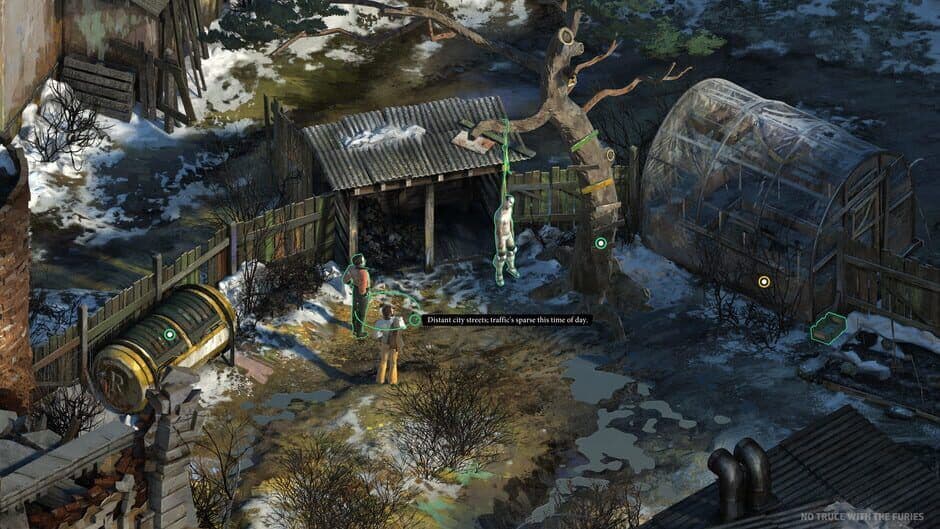
The world of Martinaise requires various physical and mental skills to navigate.
Combat-focused detectives should consider raising it to around 5–6 points before major firearm checks, then supplementing it with equipment. The FALN Ultra Series Sneakers provide +1 Hand/Eye Coordination, while the Pinball Maker’s Coat adds another +1, making both useful choices before attempting a difficult shot. These bonuses are more efficient than spending points early if you only want to prepare for a specific encounter.
Hand/Eye Coordination ranks tenth because it can be decisive when precision matters, but contributes little during the long stretches of conversation and investigation between those moments. Choose it for a gun-slinging, combat-ready detective; otherwise, keep it as a situational skill and boost it with clothing when the shooting starts.
9. Visual Calculus
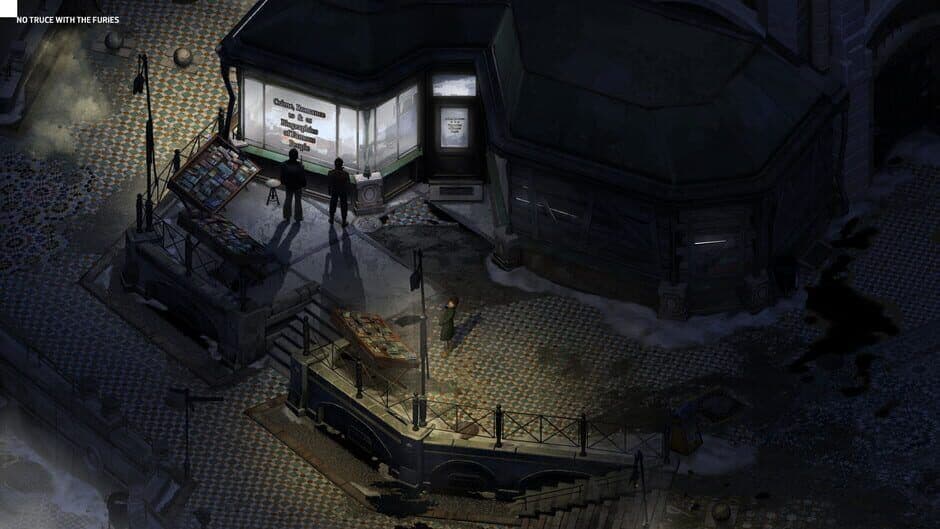
Navigating the mental interface of a detective.
9. Visual Calculus
Visual Calculus is the skill for players who want Harry to feel like a classic, almost superhuman detective. It reconstructs crime scenes from physical evidence, allowing him to estimate trajectories, replay past events, identify positions, and form theories about what happened. Instead of merely noticing a clue, Visual Calculus asks the more exciting question: What chain of events could have produced it?
Its greatest value comes through investigative dialogue. Successful checks can add forensic observations to conversations, reveal details about the murder, and give Harry new questions or deductions to pursue. Where Perception helps you find something unusual, Visual Calculus interprets the evidence and turns scattered details into a coherent reconstruction. It is especially valuable for Thinker builds, which already prioritize Intellect and benefit from investing in a skill that repeatedly supports the central investigation.
The drawback is that Visual Calculus can become too pleased with its own complexity. At high levels, it may pull Harry toward elaborate mathematical theories and intricate explanations, encouraging him to chase an elegant solution while overlooking a simpler, more obvious one. That makes it less universally useful than Perception or Volition: it provides exceptional investigative depth, but it does not protect Harry from every kind of failure.
Thinker players can strengthen it further with the RCM Commander’s Jacket, which grants +1 Visual Calculus alongside +1 Esprit de Corps, or the Neat Office Shades, which provide +1 Visual Calculus at the cost of -1 Drama. These bonuses are particularly useful before important checks, letting a cerebral detective temporarily sharpen his forensic specialty without spending every skill point on it.
Takeaway: Invest in Visual Calculus if you want the strongest classic-detective fantasy and deeper crime-scene deductions. It is brilliant for reconstructing events and advancing investigative dialogue, but best paired with broader awareness skills so Harry does not mistake an elaborate theory for the truth.
8. Composure

Using Composure to hide internal turmoil from others.
8. Composure
Composure is Harry’s ability to keep his face—and occasionally his entire life—from visibly falling apart. It supports a controlled poker face during tense interrogations, helping him project calm even when the conversation turns hostile or absurd. Unlike Authority, which tries to dominate a room, Composure is about refusing to look rattled; it suits detectives who want to stay in control without constantly escalating the situation.
Its strongest dialogue benefit is reading nonverbal behavior. Composure notices posture, facial expressions, nervous movements, and other physical tells that spoken words may conceal. That makes it useful when questioning suspects or judging whether someone is comfortable, defensive, or trying to maintain their own façade. It is not a replacement for Empathy’s emotional understanding or Drama’s focus on lies, but it offers a cooler, more observational angle: Composure reads the mask rather than the feelings beneath it.
Composure also has a surprisingly important fashion streak. It comments on Harry’s clothes, recognizes style in other characters, and unlocks interactions where looking the part matters. This makes it a natural fit for a “cool cop” who treats presentation as part of police work—or for a Some Kind of Superstar playstyle, where Harry’s confidence, image, and theatrical self-belief are central to the roleplay. A high Composure detective can enter a room looking like he belongs there, even if his internal monologue is actively disagreeing.
The Some Kind of Superstar Thought is particularly relevant because it raises the learning caps of Composure, Visual Calculus, Suggestion, and Electrochemistry to 6, although it reduces Logic by 2. That trade-off favors a charismatic, stylish, sensation-seeking detective over a methodical one. Clothing can reinforce the build: the Polar Anorak grants +1 Composure while also boosting Shivers, whereas items such as the Fairweather T-500 Greaves provide Authority at the cost of Composure, making equipment choice meaningful when preparing for a difficult check.
Composure ranks below skills that reveal more direct clues or protect Harry from catastrophic failures, but it is more broadly useful than a narrowly combat-oriented option. It improves interrogations, social presentation, and the game’s fashion-based comedy without forcing Harry into an aggressive persona. Takeaway: choose Composure for a polished, unflappable detective who wants to read the room, look sharp, and turn “Some Kind of Superstar” into a genuine copotype rather than just another bad decision.
7. Inland Empire
Inland Empire is Disco Elysium’s direct line to the strange, subconscious, and possibly supernatural. It supplies gut instincts when ordinary evidence runs dry, turns vague hunches into actionable clues, and occasionally lets Harry interpret reality in ways no conventional detective could. More than almost any other skill, it changes the kind of story you experience rather than simply improving your odds of solving the case.
Its most memorable checks involve conversations with things that should not be able to speak. The Horrific Necktie is the obvious example: invest in Inland Empire and Harry can awaken the tie as a bizarre, opinionated companion rather than treating it as another piece of clothing. That interaction is not just a joke; it captures the skill’s central appeal, making Harry’s possessions, surroundings, and imagination feel like active parts of the investigation. A strong Inland Empire can also deepen the late-game phasmid-related narrative, helping Harry approach one of Revachol’s most uncanny discoveries with an open mind.
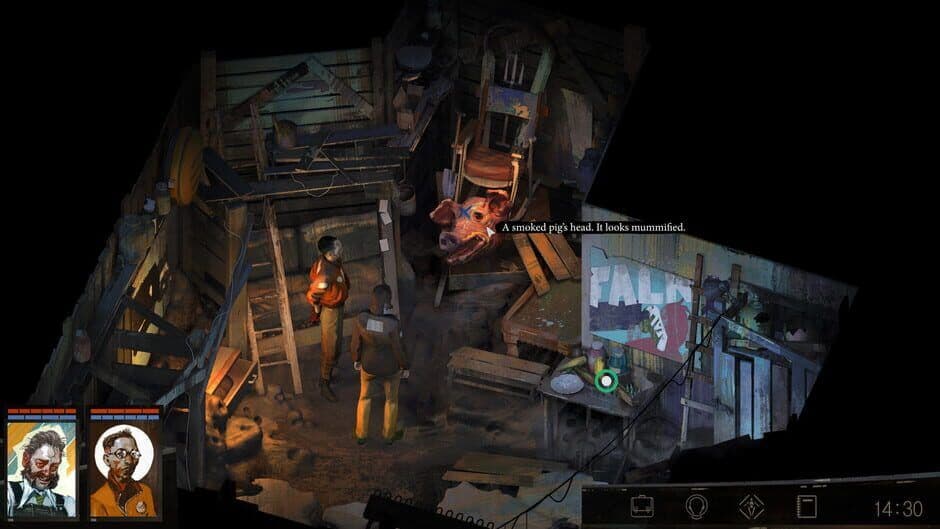
The Inland Empire skill influences how players perceive the world.
This makes Inland Empire exceptional for surrealist and drug-addled builds. It pairs naturally with high Electrochemistry, Inland Empire-focused dialogue choices, and a detective who would rather follow a cosmic hunch than a clean chain of evidence. It is also a strong choice for players who have already completed the game and want more unusual internal dialogue, supernatural possibilities, and wildly different interpretations of familiar scenes. Compared with Visual Calculus or Encyclopedia, Inland Empire offers less dependable factual analysis—but far more dream logic, emotional texture, and memorable failure states.
Its best synergies reinforce that identity. The Eight-Eyed Teratorn Tie grants +1 Inland Empire and +1 Volition, giving a sensitive detective both more imagination and a little extra mental stability. The Horrific Necktie provides another +1 Inland Empire while becoming one of the skill’s most entertaining narrative payoffs. Meanwhile, the Cop of the Apocalypse copotype raises the learning caps for Inland Empire and Shivers, supporting a detective who reads both the city and his own subconscious as signs of impending catastrophe. Pyrholidon can further boost Psyche skills in this kind of build, although relying on substances comes with obvious risks.
The trade-off is that Inland Empire rarely knows the difference between a revelation and a hallucination. High investment can produce paranoid explanations, hallucination-like interpretations, and impulsive choices that pull Harry away from the evidence in front of him. The skill may insist that an object, corpse, or vague sensation is hiding a profound truth when the grounded answer is much simpler. That unpredictability is less helpful than Volition’s reliability or Perception’s practical clue-finding, especially for newcomers trying to maintain a conventional investigation.
Why it’s here: Inland Empire ranks highly because it unlocks some of Disco Elysium’s most distinctive scenes, especially the Horrific Necktie and the phasmid-related mysteries. Prioritize it for a surreal, imaginative, or substance-fueled Harry; keep it moderate if you want your detective to remain focused on evidence rather than omens.
6. Empathy

Empathy acts as a guiding voice within Harry's fractured psyche.
6. Empathy
Empathy is Harry’s emotional interpreter, translating a character’s tone, posture, hesitation, and facial expressions into useful insight. Where Composure helps him maintain a convincing façade and notice outward tells, Empathy explains what those tells mean: who is frightened, grieving, defensive, lonely, or quietly asking for help. That makes it one of the best skills for turning ordinary conversations into additional information.
Its greatest strength is its passive dialogue coverage. Empathy frequently interrupts with observations about an NPC’s emotional state, revealing motives or suggesting a gentler—or more precise—line of questioning. These insights can expose what people are unwilling to say directly, making Empathy especially valuable when a suspect’s words are technically truthful but emotionally evasive. It is less about winning an argument than understanding why the argument matters.
Empathy is also a strong bridge to Revachol’s most distressed characters. A compassionate Harry can use it to connect with Cuno, whose hostility often masks fear, insecurity, and a desperate need to be taken seriously. The skill similarly enriches conversations with grieving, isolated, or emotionally damaged NPCs, creating opportunities that a purely logical or authoritative detective might miss. It will not replace Perception for finding physical clues or Authority for forcing answers, but it often uncovers the human information behind those clues.
That makes Empathy a particularly good investment for a narrative-first playthrough. It generates more conversational context, supports a kinder detective persona, and helps Harry build trust rather than simply extracting compliance. It is also one of the strongest choices for players who want to understand the people of Martinaise—not just solve the case in front of them. The trade-off is that Empathy can make Harry too invested in everyone else’s pain. Excessive emotional involvement may cloud his objectivity, destabilize his judgment, and encourage him to prioritize feelings over evidence.
Empathy can be supported through the Thought Cabinet and clothing. Ace’s High provides +1 Empathy, while Ace’s Low can provide +2 Empathy, making either thought useful for a socially focused detective. The Army Surplus Winter Scarf grants +2 Empathy at the cost of -1 Composure, a worthwhile exchange if emotional insight matters more than maintaining a perfect poker face. The Ledger of Failure and Hatred also offers +1 Empathy alongside +1 Inland Empire, though its -2 Authority penalty suits a sensitive Harry better than a commanding one.
Why it’s here: Empathy does not reveal as many concrete environmental details as Perception or deliver the case-solving machinery of Visual Calculus, but it produces some of the richest dialogue in the game. Choose it for a compassionate, socially perceptive detective who wants NPCs to reveal themselves—and who is willing to feel their suffering along the way.
5. Shivers
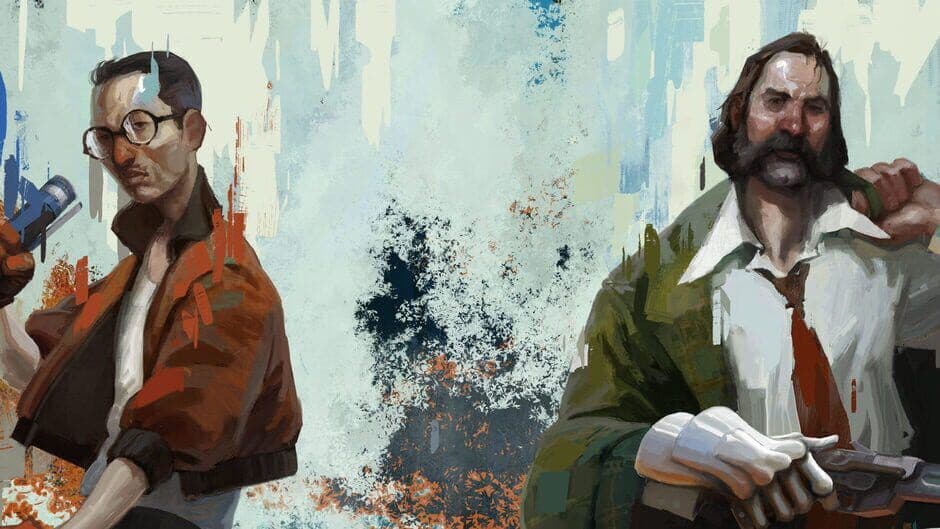
The gritty atmosphere of the city.
5. Shivers
Shivers is Revachol’s voice—and no other skill makes the city feel quite so alive. Rather than reconstructing a crime scene like Visual Calculus or simply spotting a hidden object with Perception, Shivers gives Harry atmospheric visions of the streets, buildings, weather, history, and people around him. These flashes can reveal unusual clues, suggest where to explore next, or warn that something important—or dangerous—is nearby.
Its value is greatest for detectives who want to understand Martinaise as more than a collection of locations. A successful Shivers check might connect Harry to the city’s past, point toward an overlooked lead, or provide information that arrives in the form of mood and intuition rather than a neat factual explanation. That makes it especially useful during exploration: Shivers can alert you to opportunities that a purely forensic approach might miss, while Perception supplies the concrete sights and sounds needed to investigate them. Visual Calculus then adds structure by turning those observations into a reconstruction of events. Together, the three skills cover Revachol’s atmosphere, details, and evidence.
The trade-off is clarity. Shivers rarely delivers information in a straightforward detective’s report; its guidance can be vague, poetic, or cryptic. High investment may fill the screen with ominous impressions and elaborate descriptions without telling you exactly what to do next. It is therefore less reliable than Perception for finding a specific item and less precise than Visual Calculus for proving what happened. Still, those ambiguities are part of its appeal: Shivers rewards players willing to follow a strange hunch and investigate a clue that initially makes little sense.
Several bonuses make a city-focused Shivers build particularly effective. The Bow Collector provides a substantial +3 Shivers, making it one of the strongest dedicated upgrades. The RCM Patrol Cloak adds +1 Shivers alongside +1 Esprit de Corps, pairing the city’s perspective with a stronger connection to police culture. The Polar Anorak grants +1 Shivers and +1 Composure, offering a useful alternative when you want atmospheric insight without completely neglecting Harry’s ability to remain composed.
The Cop of the Apocalypse thought is another strong synergy, raising the learning caps of both Shivers and Inland Empire to 6. That combination creates an unusually receptive detective: Shivers reads the city’s deep currents, while Inland Empire interprets stranger, more personal impressions. It is flavorful rather than universally optimal, but it suits a playthrough built around Revachol’s mysteries, warnings, and uncanny sense of place.
Shivers belongs at number five because it offers less direct investigative certainty than Visual Calculus or Perception, yet far more atmosphere and city-wide perspective than most skills. Choose it if you want Revachol itself to become your partner—and you are comfortable letting the city speak in riddles.
4. Authority

Authority is often required to navigate the harsh realities of the setting.
4. Authority
Authority is the skill for making people listen—whether they want to or not. It gives Harry the confidence to command respect, pressure suspects, and challenge anyone who tries to dominate the conversation. Where Empathy encourages understanding and Suggestion relies on charm, Authority takes the direct route: stand your ground, raise your voice, and make the other person reconsider testing you.
That approach is particularly valuable during confrontational interrogations. Authority can help Harry push aggressive suspects, keep hostile conversations from collapsing, and project the credibility of an RCM officer even when his appearance and reputation suggest otherwise. It is also one of the most important skills during the late-game mercenary tribunal, where successful Authority checks can make the difference between protecting Kim Kitsuragi and watching the situation spiral into tragedy. For a skill that is not always essential during routine investigation, its impact at critical moments is unusually high.
Authority is therefore an excellent priority for a Bad Cop, authoritarian, or assertive build. A Harry focused on Authority can combine intimidation with Physical Instrument and Endurance, becoming a detective who solves problems through pressure rather than patient deduction. It is more immediately forceful than Composure and more reliable for direct coercion than a purely social skill—but that power comes with a cost. High Authority can turn confidence into bullying, escalate conflicts that might have been settled peacefully, and encourage Harry to treat every disagreement as a challenge to his status. It can also make him less receptive to other people’s feelings, especially when an Authority-driven impulse overrides empathy and cooperation.
For players who want to maximize the skill, several pieces of equipment stand out:
- Fairweather T-500 Greaves: Provide +2 Authority, making them one of the strongest late-game boosts available, but at the cost of -1 Composure. They reinforce an aggressive build while making Harry less polished and harder to keep calm.
- RCM Lieutenant’s Cap: Grants +1 Authority and fits naturally with a professional police-officer roleplay. It is a cleaner, less punishing option than the Greaves when you want command without sacrificing another skill.
- Ledger of Oblivion: Adds +1 Authority and +1 Suggestion, supporting a detective who can alternate between intimidation and manipulation. The -1 Inland Empire penalty is a fitting trade-off: Harry becomes more commanding, but slightly less receptive to stranger intuitions.
- Overproductive Honour Glands: Raises Authority’s learning cap to 5, allowing further investment beyond the normal limit. It is especially useful for players committed to building a forceful but principled officer rather than merely choosing aggressive dialogue at random.
Authority is not the best choice for every detective. A compassionate or investigative Harry may get more value from skills that uncover information without provoking people. But for confrontations—and especially for the mercenary tribunal—few skills carry greater practical weight. Choose Authority if you want to play the cop who takes control of the room, protects his partner under pressure, and is willing to risk escalation to make sure everyone knows who is in charge.
3. Perception

3. Perception
Perception is the detective’s all-purpose sensory net, covering sight, hearing, smell, and the small environmental details that most people would walk past. A successful Perception check can reveal an unusual sound behind a wall, a suspicious smell, a hidden object, or a visual detail that quietly changes how you understand a scene. Unlike more specialized skills, Perception remains useful whether Harry is examining a crime scene, searching Martinaise, or simply paying attention during an ordinary conversation.
Its greatest strength is how often it uncovers optional discoveries. High Perception can expose hidden panels, secret items, concealed routes, and otherwise easy-to-miss points of interest—including Cuno’s stash. These discoveries may provide evidence, money, shortcuts, or additional dialogue, making Perception valuable even when it is not directly required to advance the main investigation. It is also one of the best skills for building a more complete mental picture of Revachol: the city becomes louder, stranger, more detailed, and considerably harder to ignore.
That broad coverage makes Perception an excellent investment for nearly any investigation-focused detective. Visual Calculus may be better at reconstructing a specific event, while Encyclopedia offers more background knowledge, but Perception helps you find the evidence those skills need in the first place. It also produces frequent passive checks, giving the detective more opportunities to notice clues without constantly selecting investigative dialogue options. For players who want to explore thoroughly rather than follow only the obvious path, few skills provide as much practical value.
The trade-off is information overload. A high Perception score can fill Harry’s inner monologue with observations, noises, smells, and possible clues—many of which are irrelevant or misleading. More information does not always mean a clearer investigation; sometimes it simply gives the detective more details to sift through. That makes Perception less intellectually decisive than Visual Calculus and less narratively focused than Encyclopedia, but its consistent utility is difficult to replace.
Several Thought Cabinet and clothing options can push this sensory skill even further. Apricot Chewing Gum Scented One provides a permanent +2 Perception, while Col Do Ma Ma Daqua grants +3 Perception and sharpens Harry’s ability to hear what others miss. The Franconigerian Cavalry Boots and Amphibian Sports Visor each add +1 Perception, making them useful choices before searching areas or attempting an important observation check. Equip these bonuses when you want to comb through Martinaise carefully—but be prepared for Harry to notice absolutely everything, including clues that lead nowhere.
Takeaway: Perception is the best skill for thorough investigation and exploration. It will not solve every mystery by itself, but it makes sure you actually see, hear, smell, and find the pieces that other skills would otherwise miss.
2. Encyclopedia
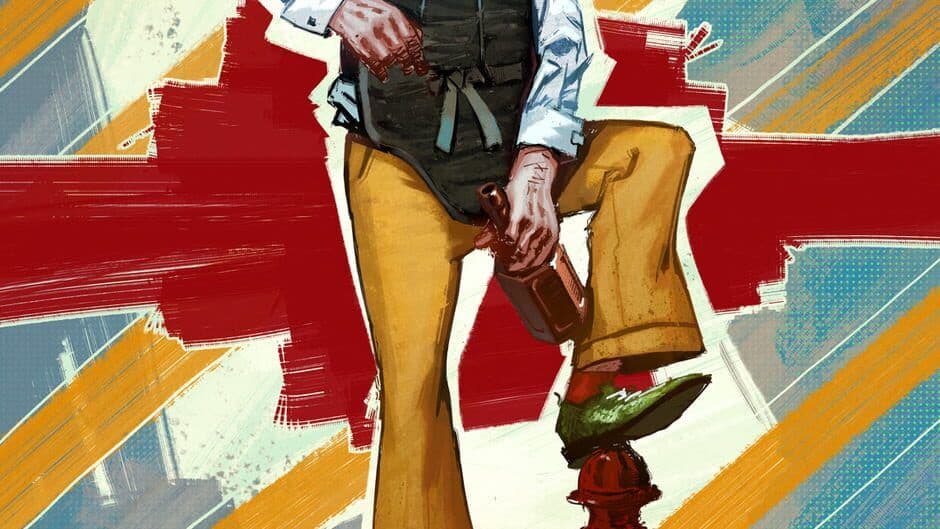
Revachol's history is as diverse as its inhabitants.
2. Encyclopedia
Why it’s here: Encyclopedia is the premier lore skill in Disco Elysium, turning Harry’s amnesia into an excuse to learn alongside the player. While skills such as Visual Calculus focus on reconstructing a specific crime scene, Encyclopedia expands the entire world around it, supplying historical, political, cultural, and pop-culture context whenever Revachol’s past or present comes up. It can explain the city’s revolution, competing ideologies, foreign nations, local customs, obscure technologies, and even the meaning behind seemingly throwaway references.
That makes Encyclopedia especially valuable on a first playthrough. Disco Elysium rarely pauses to deliver its setting in a neat history lesson; instead, its worldbuilding is scattered through conversations, descriptions, books, and skill checks. Encyclopedia gathers those fragments and gives them meaning. It helps new players understand why characters speak the way they do, what the RCM represents, and how Revachol’s political and cultural scars shape everyday life. A high score can make the investigation feel less like wandering through an unfamiliar city and more like gradually recovering Harry’s knowledge of the world.
It is also the natural centerpiece of a Thinker build. Players who prioritize Intellect and enjoy reading every lore dump will get the most from it, especially when pairing Encyclopedia with other knowledge-oriented skills and keeping enough defensive investment elsewhere to avoid making Harry fragile. The skill is less about solving one puzzle than enriching almost every conversation, making it a stronger long-term narrative investment than a narrowly useful specialist.
Its biggest weakness is that Encyclopedia never seems to know when to stop talking. Passive checks can interrupt conversations with trivia that is fascinating, irrelevant, or both, sometimes burying the immediate point beneath a wall of historical detail. New players may find the constant information overload difficult to process, particularly when the skill confidently explains facts that do not actually help the case. In that sense, Encyclopedia offers more context than Perception offers clues—but demands more patience in return.
Several upgrades make a lore-focused detective even more effective. Lonesome Long Way Home grants +1 Encyclopedia, while Wompty-Dompty Dom Centre rewards successful Encyclopedia passives with +10 XP and 2 reál, turning Harry’s knowledge into a reliable source of progression and money. The Mega-Bino’s Prescription Lenses provide +2 Encyclopedia, though they impose -1 Perception, making them ideal when preparing for lore-heavy conversations rather than when searching an area for physical details.
Takeaway: Choose Encyclopedia if you want the deepest explanation of Revachol and the richest first-time experience. It will not always advance the case efficiently, but no other skill gives the player such a constant stream of historical, political, cultural, and wonderfully unnecessary knowledge.
1. Volition

The visual identity of the game is tied to its psychological mechanics.
1. Volition
Why it’s here: Volition is the best all-purpose skill because it protects Harry from the investigation’s most dangerous failure state: losing all Morale. Its bonuses increase mental-health resilience and raise the Morale meter’s cap, giving you more room to survive humiliating dialogue choices, painful revelations, and the detective’s own catastrophic inner monologue. That makes it more consistently useful than flashy skills such as Inland Empire or Encyclopedia: those skills reveal fascinating possibilities, while Volition helps ensure Harry is still standing long enough to follow them.
Its value becomes especially clear during a long investigation. Disco Elysium frequently chips away at Harry’s confidence through failed checks, emotional confrontations, and decisions that hurt more than his physical health. A strong Volition gives you a dependable internal anchor, reducing the risk of an abrupt game over and letting you take more conversational risks without constantly worrying about restoring Morale. It is therefore one of the safest early priorities for new players, particularly anyone building a Thinker who may invest heavily in Intellect while leaving Psyche vulnerable. A cerebral detective can still drown in his own deductions if he neglects mental resilience; Volition is the insurance policy that keeps the lore, clues, and arguments coming.
Volition also provides valuable narrative grounding. Rather than encouraging Harry’s most impulsive or self-destructive urges, it acts as the voice insisting that he eat, recover, finish the case, and retain some sense of dignity. That makes it a natural fit for Sensitive detectives, redemption-focused “Good Cop” builds, and balanced investigators who want strong dialogue without becoming completely untethered from reality. It does not replace Empathy or Authority—the former reads people, while the latter dominates them—but it supports both by helping Harry remain composed enough to use those strengths when the pressure rises.
The drawback is that Volition can be overly protective. As the stern voice of reason, it may suppress riskier ideas and stranger internal voices, occasionally steering Harry away from the bizarre, reckless choices that make a playthrough memorable. A high-Volition detective is safer and more grounded than an Inland Empire- or Electrochemistry-driven maniac, but that stability can come at the cost of spontaneity. In other words, Volition helps you avoid disastrous decisions, though sometimes Disco Elysium’s best stories begin with one.
Several bonuses make it easy to reinforce. The Eight-Eyed Teratorn Tie grants +1 Volition alongside +1 Inland Empire, making it particularly useful for a grounded detective who still wants a little surreal insight. The Fairweather T-500 Cuirass provides +1 Volition and +1 Pain Threshold, though its -1 Empathy penalty makes it a better choice for resilient, physical, or authority-focused builds than for a deeply compassionate one. The Magnesium-Based Lifeform Thought adds +2 Volition at the cost of -1 Logic, trading some cold deduction for a much larger mental safety net.
Takeaway: Prioritize Volition early if you are new to the game, building a Thinker, or simply want the most reliable foundation for a long investigation. It may not produce the strangest conversations or the most obvious clues, but it protects every other skill by keeping Harry alive, functional, and willing to continue.
Recommended Builds, Stats, and Skill Priorities
Disco Elysium does not have a single winning build. Skills mainly determine which thoughts, observations, dialogue options, and failures become part of Harry’s story, so the best setup is the one that matches the detective you want to roleplay. Still, a few distributions provide a strong foundation without shutting off too much content.

Explore the consequences of your skill point distribution.
Balanced Narrative Build: 4 Intellect / 4 Psyche / 2 Physique / 2 Motorics
The 4-4-2-2 build is one of the best starting points for a dialogue-heavy, investigation-focused playthrough. Four points in Intellect give you reliable access to analytical and lore-based checks, while four in Psyche support social insight, morale, and Harry’s more unusual instincts. Physique and Motorics remain lower, but they are not abandoned entirely; clothing, Thoughts, and temporary boosts can cover many of their weaker checks later.
Early skill priorities should be Visual Calculus, Empathy, Volition, and Perception. Visual Calculus helps the detective interpret evidence, Empathy opens up richer conversations, Volition protects against morale-related disasters, and Perception ensures that important environmental details do not pass unnoticed. Shivers is an excellent follow-up investment if you want the city itself to become an investigative partner.
This distribution is more versatile than a highly specialized build because it supports both the murder investigation and the character-driven conversations surrounding it. It is not as physically secure as a Physique-heavy detective or as technically nimble as a Motorics specialist, but it gives you more ways to understand a situation before resorting to brute force.
Takeaway: Choose 4-4-2-2 for the broadest narrative experience, especially if you want Harry to be clever, emotionally perceptive, and occasionally touched by the supernatural.
Safer Beginner Setup: Protect Volition and Endurance
New players should be cautious about leaving Volition and Endurance at their absolute minimum. Volition governs morale, while Endurance supports physical health; allowing either pool to become dangerously low can turn an apparently harmless choice into a game-ending failure. You do not need to build a tank, but keeping both skills comfortably above one point gives you room to experiment.
A safer custom spread is 4 Intellect / 3 Psyche / 3 Physique / 2 Motorics, or a similar arrangement that gives Psyche and Physique more support than a pure 4-4-2-2 setup. From there, place early points into Volition and Endurance before specializing. Health and morale-restoring items are common, but relying on emergency healing every time Harry speaks to someone is an unnecessarily stressful way to learn the game.
This approach sacrifices some early skill-cap space in Intellect or Psyche, yet it is more forgiving than a glass-cannon Thinker or Sensitive build. It also leaves enough room for important investigative skills such as Perception and Visual Calculus.
Takeaway: Beginners should prioritize survivability first: keep Volition and Endurance safely above the minimum, then build toward their preferred detective archetype.
Thinker Build: Knowledge Before Muscle
The Thinker archetype starts with a strong Intellect profile and is ideal for players who want a cerebral, lore-rich detective. Its most important priorities are Encyclopedia, Visual Calculus, Perception, and Volition.
- Encyclopedia turns Harry’s amnesia into an unexpected advantage, supplying historical, political, and cultural context about Revachol.
- Visual Calculus supports evidence analysis and the classic crime-scene-reconstruction fantasy.
- Perception compensates for the Thinker’s tendency to become lost in theories by revealing practical details in the environment.
- Volition provides the mental stability that a highly intellectual detective can otherwise lack.
The key is not to pour every point into Intellect. A Thinker with no physical or emotional resilience may know the history of Revachol but still fail to survive its less forgiving conversations. Wompty-Dompty Dom Centre is particularly valuable for an Encyclopedia-focused character because successful passive checks can provide extra experience and money. Clothing such as the Mega-Bino’s Prescription Lenses can further raise Encyclopedia, although their Perception penalty means they are better suited to lore conversations than general exploration.
Takeaway: Build a Thinker around Encyclopedia and Visual Calculus, but use Perception and Volition to keep the detective grounded, observant, and alive.
Good Cop Build: Information, Empathy, and Redemption
The Good Cop build works well with a balanced 4-4-2-2 foundation. It emphasizes understanding people and gathering information rather than intimidating everyone in Martinaise. Its core priorities are Empathy, Volition, Visual Calculus, Shivers, and Perception.
Empathy helps Harry recognize what people are feeling, while Volition keeps his own emotions from collapsing under pressure. Visual Calculus supports the central investigation, Perception finds details and hidden opportunities, and Shivers adds a distinctive connection to Revachol itself. Together, these skills create a detective who can read a room, reconstruct a crime, notice overlooked evidence, and listen when the city starts whispering.
This build is generally more forgiving in conversation than an Authority-first approach. It may not dominate hostile suspects immediately, but it opens more compassionate and investigative routes while supporting a redemption-focused roleplay. Esprit de Corps is a natural secondary choice if you want stronger insight into the RCM and a deeper partnership with Kim.
Takeaway: Choose the Good Cop setup for the most dependable blend of social understanding, investigation, and connection with Kim and the city.
Bad Cop Build: Command the Room
The Bad Cop build is designed for confrontation, intimidation, and physical confidence. Prioritize Authority, Hand/Eye Coordination, Endurance, Physical Instrument, and Composure.
- Authority gives Harry the presence to pressure suspects and demand respect.
- Hand/Eye Coordination supports precision checks and the investigation’s most important firearm moments.
- Endurance keeps an aggressive detective from being too fragile.
- Physical Instrument handles forceful solutions and turns Harry’s body into another investigative tool.
- Composure helps maintain a convincing façade when the interrogation becomes tense.
Unlike the Good Cop build, this setup is less concerned with understanding every emotional nuance and more interested in controlling the encounter. That makes it effective in confrontational scenes, but high Authority and Physical Instrument can push Harry toward bullying, overconfidence, or spectacularly bad decisions. A little Volition is still worthwhile: the commanding detective needs enough self-control to avoid becoming his own worst suspect.
Motorics-heavy starting distributions such as 2-2-4-4 can support this approach, although a Physique-forward setup gives Endurance and Physical Instrument more room to grow. Equipment matters greatly here; Authority and Hand/Eye Coordination bonuses can be swapped in before major active checks, while Composure penalties on certain armor pieces should be considered before social encounters.
Takeaway: Build a Bad Cop when you want to solve problems with pressure and force—but support the aggression with Endurance and Composure so it does not become reckless self-sabotage.
Drug-Addled or Surreal Build: Follow the Voices
For the strangest possible playthrough, prioritize Inland Empire, Electrochemistry, Shivers, and Conceptualization. This setup is less reliable as a conventional detective but far more likely to produce bizarre theories, unexpected impulses, and conversations that a sensible officer would never experience.
Inland Empire encourages Harry’s intuitive and supernatural side. Electrochemistry pushes him toward cigarettes, alcohol, and other substances, turning bodily urges into active participants in the investigation. Shivers connects him to the atmosphere and memory of Revachol, while Conceptualization transforms ordinary clues into abstract ideas, artistic visions, or philosophical detours.
This build works best when failure is part of the entertainment rather than something to avoid. Consumables can temporarily boost the relevant ability category and, in some cases, help raise a skill beyond its normal cap when a skill point is available. The trade-off is health, money, and reduced consistency. A surreal Harry may discover something no other detective could, but he may also follow an imaginary lead with complete confidence.
Thoughts such as The Bow Collector, Cop of the Apocalypse, or other cap-raising options can reinforce a Shivers- or Inland Empire-focused character. The Eight-Eyed Teratorn Tie is also a useful Psyche-oriented clothing option because it boosts both Inland Empire and Volition, giving the supernatural detective at least a little mental ballast.
Takeaway: Choose this build for maximum flavor and unusual story content, not for a clean or predictable investigation.
Custom Builds: Use the Limits to Create a Direction
A Custom start gives you 12 ability points to distribute, with each core ability requiring at least 1 point and allowing a maximum of 6 points at character creation. These attribute scores determine the initial learning caps for their associated skills, so placing 6 in Psyche, for example, gives Psyche skills more room to develop than a starting score of 2.
A 4-4-2-2 distribution is a dependable custom choice, while 3-3-3-3 creates a flexible generalist who can attempt a broad range of checks. Highly specialized openings such as 2-6-2-2 can produce spectacular passive-check results in one category but leave large portions of Harry’s personality underdeveloped. They are better suited to repeat playthroughs than to a first run.
Your signature skill receives an early boost and raises the learning cap for other skills in its attribute, so choose one that matches the experience you want. Perception supports a clue-focused detective, Volition makes a resilient one, Inland Empire creates a surreal one, and Authority establishes a confrontational persona. The signature choice is not permanent destiny, but it does shape the opening hours.
Takeaway: Use Custom when you know what kind of Harry you want; for a first playthrough, avoid extreme specialization and leave every attribute with meaningful room to grow.
Thoughts, Clothing, and Consumables: Build Around the Check
Skill points are only one part of character building. Thoughts can raise skills, increase learning caps, provide experience, or reshape the consequences of particular playstyles. Wompty-Dompty Dom Centre rewards successful Encyclopedia passives, Apricot Chewing Gum Scented One gives a substantial Perception boost, and Hardcore Aesthetic supports both Volition and Endurance. These choices can turn a generalist into a specialist without requiring a new character.
Clothing is equally important because bonuses and penalties apply directly to checks. The Mega-Bino’s Prescription Lenses boost Encyclopedia at the cost of Perception, the Eight-Eyed Teratorn Tie supports Inland Empire and Volition, and the RCM Commander’s Jacket helps Visual Calculus. Motorics and Authority checks can also benefit from specialized equipment, so keep alternate clothes in your inventory rather than treating outfits as permanent fashion statements.
Finally, consumables can temporarily improve an ability category and help overcome a difficult check. Cigarettes support Intellect, while other substances can boost different attributes, sometimes at the cost of health or morale. Use them strategically before important checks rather than consuming everything indiscriminately. A successful build in Disco Elysium is often less about permanently maximizing one number and more about preparing the right Harry for the conversation in front of him.
Takeaway: Save skill points when possible, raise caps with Thoughts, change clothes before important checks, and treat consumables as tactical tools—not as proof that your build is failing.
How to Progress and Adapt Your Detective
Disco Elysium’s progression system rewards adaptation more than rigid optimization. Harry earns skill points from leveling up, completing objectives, and exploring Martinaise, but a point is not merely a permanent stat increase—it is also a potential second chance. The best detectives do not automatically spend every point as soon as they earn it. They watch the investigation, identify which checks matter, and adjust their build around the story as it unfolds.
Spend Skill Points With a Plan
Skill points are useful for raising a skill immediately, increasing its chance of passing future checks, and unlocking more of that skill’s internal commentary. However, saving a point can be equally valuable. A stored point may be used to retry a failed white check later, especially after Harry gains information, changes clothing, internalizes a Thought, or temporarily raises the relevant attribute.
A practical approach is to spend points freely when:
- A skill is central to the way you want to roleplay Harry.
- Raising it will unlock several useful passive checks.
- You need to improve a dangerously low health- or morale-related skill.
- A difficult check is close enough that one extra point could make the difference.
Save points when a challenging white check is immediately available, when a skill is near its learning cap, or when you suspect a new piece of evidence could lower the check’s difficulty. This flexibility is more valuable than chasing a perfectly optimized stat sheet. Disco Elysium frequently gives you new ways to approach an obstacle, so a point held in reserve can be more useful than a point spent several conversations earlier.
Understand the Three Types of Skill Checks
Not all dice rolls carry the same consequences. Knowing the difference between passive, white, and red checks is essential to managing Harry’s progression.
- Passive checks happen automatically as Harry explores, talks, and observes. They usually do not interrupt the action; instead, a skill quietly contributes an observation, question, clue, or piece of worldbuilding. Raising a skill can therefore reveal content without requiring the player to select a specific dialogue option.
- White checks are active checks that can usually be retried. Failure closes the opportunity temporarily, but the check may reopen after Harry learns something new, equips better clothing, raises the skill, or receives a temporary bonus. These are the checks for which saved skill points are especially valuable.
- Red checks are one-shot decisions. Once attempted, they generally cannot be retried, making preparation more important than impulse. Before committing to one, inspect available equipment, use appropriate Thoughts or consumables, and consider whether the situation offers another route.
A failed check is not automatically a sign that Harry is underpowered. Sometimes it simply means the current version of the detective is not prepared—or that the game wants to show what happens when he is not.
Change Clothes Before Important Rolls
Clothing is one of the easiest ways to adapt a build without permanently changing Harry. Keep useful garments in the inventory and switch them before important active checks. A jacket, pair of glasses, tie, hat, or shoes can provide exactly the final point needed for a difficult roll, although penalties on the same item can make another skill worse.
This matters even more for passive checks. If you are about to enter a new area or begin a long conversation, equip clothing that supports the skills you want generating internal commentary. For a targeted active check, optimize for that single moment; for exploration, favor a broader arrangement that improves clue discovery, dialogue, or resilience. The detective who changes outfits strategically is not cheating the system—he is using the equipment layer as intended.
Use the Thought Cabinet to Redefine Harry
The Thought Cabinet turns character development into a second progression system. Thoughts are unlocked through conversations, discoveries, and roleplaying choices, then take time to internalize. Once completed, they can grant skill bonuses, experience, money, healing effects, or changes to learning caps.
Learning-cap increases are particularly important. A skill may appear to be maxed because Harry’s current attribute score limits further investment, but a Thought can raise that ceiling and make future points useful again. Other Thoughts reward particular playstyles: frequent Encyclopedia passives can become more profitable with Wompty-Dompty Dom Centre, while The Bow Collector can substantially strengthen Shivers-focused characters. The exact bonus matters less than the principle: select Thoughts that reinforce the kind of detective you are becoming.
Thoughts can also alter the cost of specialization. A build that begins as a broad investigator may gradually become more physical, more imaginative, more authoritative, or more lore-focused as the Thought Cabinet fills. Review active Thoughts before committing to a major direction, and remember that some choices provide benefits alongside meaningful penalties.
Treat Substances as Temporary Tools, Not Free Upgrades
Alcohol, drugs, and cigarettes can temporarily raise an associated attribute, improving several skills at once. They may also increase the relevant learning cap long enough for Harry to invest in a skill that was previously blocked. This makes substances powerful tools for difficult checks and late-game specialization.
The cost is real. Substances can damage Harry’s health or morale, encourage further dependency, and create penalties or unwanted behavior. A temporary attribute boost is only useful if Harry survives the conversation that follows. Carry healing items, check the relevant health and morale meters, and avoid consuming anything when either resource is dangerously low. Used carefully, substances can bridge a narrow gap; used habitually, they can turn a manageable investigation into a series of preventable crises.
Let Failure Become Part of the Case
Disco Elysium treats failure as branching content rather than a simple “wrong answer.” A failed roll may produce embarrassment, reveal a different side of an NPC, open an unexpected conversation, or push Harry toward a new interpretation of himself. Some of the game’s funniest, strangest, and most revealing scenes are available precisely because the detective did not perform as intended.
That does not mean every important roll should be ignored. Red checks can have serious consequences, and failing a check tied to physical or mental survival can end the game. But reloading after every imperfect result removes much of what makes the investigation personal. Adapt when failure blocks a necessary route, but otherwise allow the consequences to stand. The resulting detective may be less efficient than a perfectly planned Harry—and far more memorable.
Adaptation Is the Real Progression System
By the middle of the investigation, Harry should not be treated as a fixed build. His skills, clothing, Thoughts, substances, and accumulated knowledge work together as a changing toolkit. Spend points when they create lasting value, save them when a retryable check is close, prepare carefully for one-shot red checks, and use equipment or temporary boosts to cover gaps.
The strongest progression strategy is therefore not to pass every roll. It is to build a detective capable of responding to whatever the next conversation, clue, or disaster demands.
Final Verdict: The Best Skill Depends on Your Detective
There is no universally correct skill in Disco Elysium. Each one changes what Harry notices, believes, and becomes—and the “best” choice depends on whether you want a stable investigator, a lore-obsessed thinker, a commanding cop, or a detective who hears the city whispering back.
Volition remains the safest all-purpose recommendation. It protects morale, provides a steady internal voice, and reduces the risk of mental-health failures ending an otherwise promising investigation. Unlike more specialized skills, Volition is useful in almost every kind of playthrough: it supports compassionate detectives, cerebral Thinkers, reckless physical builds, and even emotionally unstable roleplay. If you are unsure where to spend an early skill point, Volition gives you reliability without narrowing Harry’s identity too much.
Perception is the best foundation for investigation and exploration. It reveals environmental details, hidden objects, secret routes, and sensory clues that can otherwise pass unnoticed. It is less dramatic than Inland Empire or Shivers, but its practical value is broader: nearly every detective benefits from seeing, hearing, and noticing more of Martinaise. Choose Perception when you want a dependable first playthrough that keeps the world—and its evidence—visible.
From there, match your priorities to the kind of detective you want to play:
- Choose narrative depth and emotional resilience with Volition and Empathy. This combination creates a more grounded Harry who can understand people while surviving the psychological strain of the case.
- Choose investigation and discovery with Perception, Visual Calculus, and supporting Intellect skills. This is the strongest route for players who want to reconstruct events, uncover evidence, and approach Martinaise like a crime scene.
- Choose social insight with Empathy, Suggestion, and Composure. These skills open richer conversations and help Harry read the people behind their words, though they are less focused on physical obstacles or forensic reconstruction.
- Choose confrontation with Authority and physical support skills. This creates an intimidating, forceful detective who can pressure suspects and stand his ground when diplomacy fails—but high Authority can also encourage Harry to abuse his power.
- Choose lore and worldbuilding with Encyclopedia. It is especially rewarding on a first playthrough, constantly filling in Revachol’s history, politics, culture, and strange trivia. The trade-off is that its frequent digressions can overwhelm players who prefer to stay focused on the immediate case.
- Choose surrealism and intuition with Inland Empire and Shivers. These skills offer the most unusual perspective on the city, transforming investigation into a conversation with instincts, objects, weather, and something far stranger. They are less predictable than Perception or Volition, but they produce some of the game’s most memorable discoveries.
Most importantly, do not treat a failed check as a conventional RPG mistake. A weak skill can cause embarrassment, derail a conversation, or push Harry toward an absurd conclusion—but those failures are part of Disco Elysium’s intended design. The game is not asking you to create a flawless detective; it is asking you to discover what kind of detective emerges from bad decisions, missing information, and competing voices in his head.
In short, take Volition for the safest general-purpose investment, Perception for the strongest investigative foundation, and choose the specialized skills according to the story you want to experience. The best detective is not the one who passes every check—it is the one whose successes, failures, strengths, and weaknesses create the most memorable case.