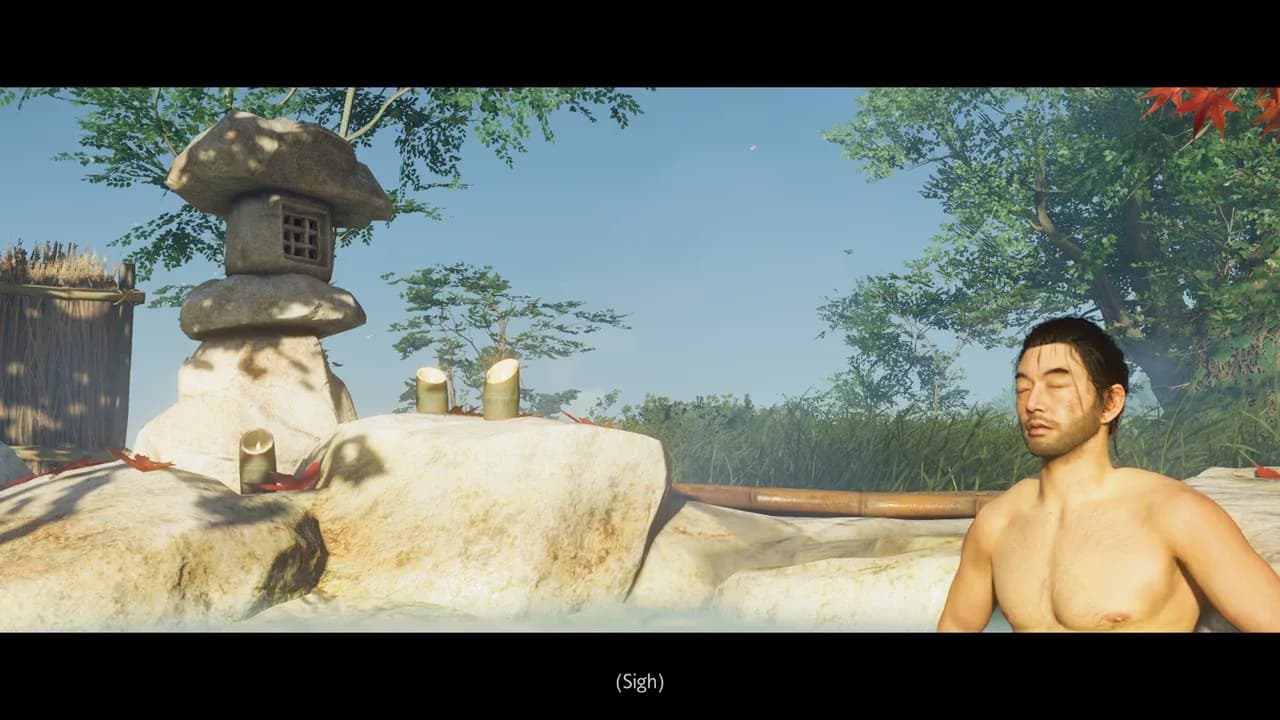
How to Increase Health and Resolve in Ghost of Tsushima
In the unforgiving world of Ghost of Tsushima, survival hinges on two core resources: your health and your Resolve. As Jin Sakai, you won’t level up in a traditional sense. Instead, your journey to becoming a legend is powered by exploring the island’s serene corners and mastering its ancient training methods. This guide covers the two essential activities that permanently strengthen your character: finding Hot Springs to boost your vitality and completing Bamboo Strikes to expand your Resolve.
The vast landscape of Tsushima hides many secrets for character growth.
The Path of Vitality: Hot Springs
Scattered across the three regions of Tsushima are 18 tranquil Hot Springs. These are far more than scenic rest stops. When you interact with one, Jin will take a moment to reflect, and upon completing this brief meditation, his maximum health is permanently increased. This is the only way to raise your vitality in Ghost of Tsushima, making each discovery a critical step toward enduring the Mongol onslaught.
Most Hot Springs appear on your map when you're nearby, but one in Hiyoshi Springs requires you to speak to a specific woman in the village first—she’ll point you to its hidden location.
The Discipline of Resolve: Bamboo Strikes
While Hot Springs fortify the body, Bamboo Strikes train the mind and spirit. These are timed mini-games where you must press a sequence of face and shoulder buttons to slice through bamboo poles. The challenge ramps up in three stages, starting with 3 poles and increasing to 5, then 7. Success here is directly tied to your combat prowess, as completing Bamboo Strikes increases your maximum Resolve at milestones: for every 1, 3, 5, and 7 strikes you finish.
⚠️ Watch out: The time limit can be tight. If you're struggling, head to Options > Accessibility and toggle Simplified Controls to On. This removes the timer, letting you focus on memorizing the sequence.
The Ultimate Goal: Body, Mind, and Spirit
Pursuing these activities isn't just about power—it's about completion. Finding all 18 Hot Springs and all 16 Bamboo Strikes on Tsushima (plus 4 more on Iki Island) is a core requirement for the 'Body, Mind, and Spirit' Trophy. This trophy also demands you find all Haiku locations and Inari Shrine locations, representing a true mastery of the island's offerings.
With these two core progression systems understood, you're ready to strategically explore Tsushima. Every hidden spring and every bamboo grove is now a stepping stone to becoming the warrior the island needs. Let's find them all.
How to Find All Izuhara Hot Springs in Ghost of Tsushima
Izuhara is where your journey in Ghost of Tsushima truly begins, and its lush landscapes hide the first nine Hot Springs—your ticket to a much larger health bar. Finding them all not only makes you tougher for the battles ahead but also sets you on the path to the coveted 'Body, Mind, and Spirit' Trophy.
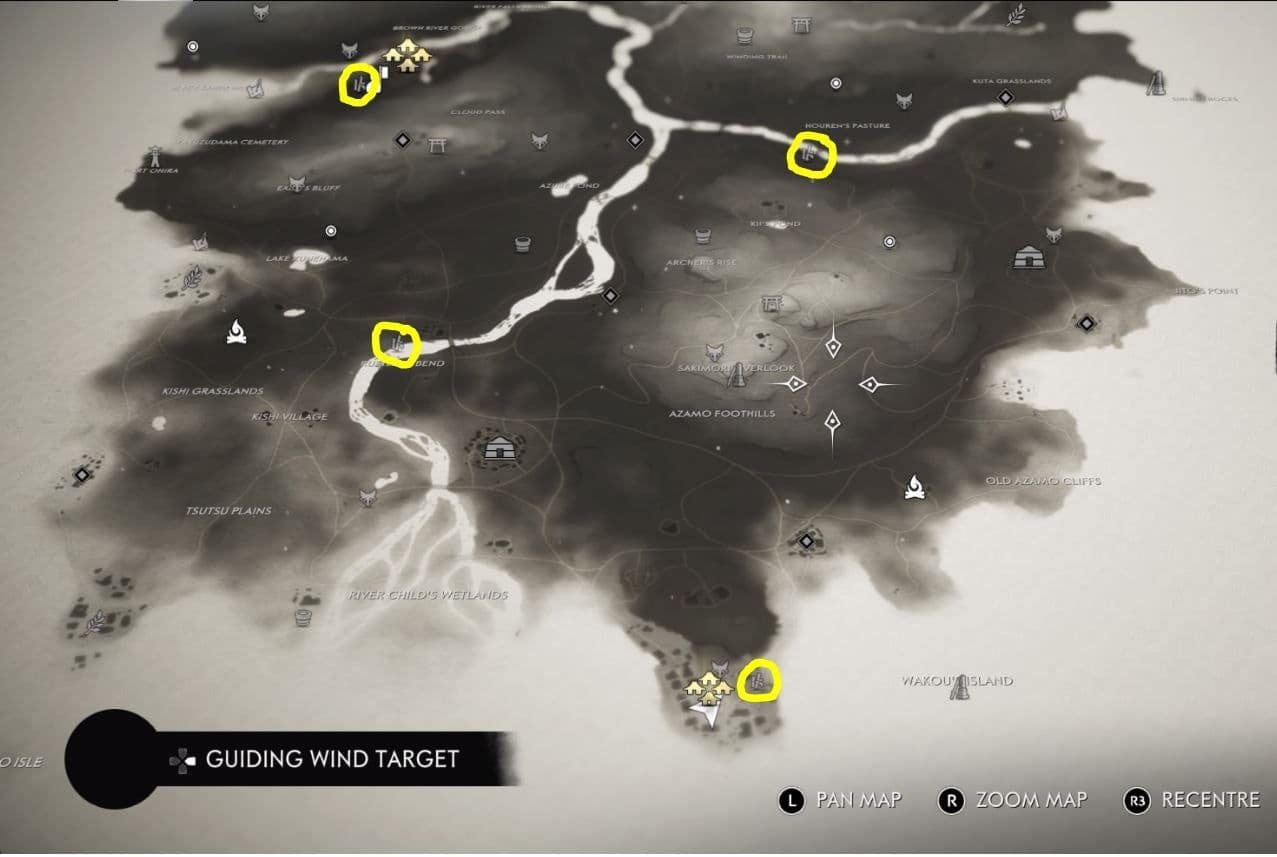
Highlighted hot spring locations.
Here’s the trick most guides miss: one of these springs is a secret. While the others will appear as question marks on your map as you explore, the Hiyoshi Springs Hot Spring is hidden. To reveal it, you need to visit Hiyoshi Springs village and speak with a specific woman there. She’ll point you toward the spring, and it will then appear on your map. Don't skip this step—it’s the only one you can permanently miss if you don't talk to her first.
Here are all nine Izuhara Hot Springs, broken down by their specific sub-regions for easy tracking.
Azamo & Tsutsu: The Southern Coast
Start your search in the south. In Azamo, look for the Rising Trees Hot Spring near Azamo Bay. Head north into Tsutsu for two more: the Seaside Hot Spring on the southern coast offers a serene ocean view, while the Quiet Basin Hot Spring waits inland in a calm, secluded basin.
Ariake & Komatsu: Forests and Peaks
Moving east, Ariake hosts two beautiful springs. The Mountain View Hot Spring lives up to its name, overlooking the region's peaks, while the Golden Leaf Hot Spring is nestled in a forest of golden foliage. Further north in Komatsu, seek out the Carved Mountain Hot Spring near the rugged mountain peaks.
Hiyoshi & Komoda: The Final Springs
Your last stops are in the north of Izuhara. In Hiyoshi, after speaking to the villager, you can find the Hiyoshi Springs Hot Spring. Also in this region, near the border with Kaneda Castle, is the Castle Lookout Hot Spring. Finally, in Komoda, complete your set with the Firefly Hill Hot Spring near the landmark of the same name.
As you liberate camps and clear the fog of war, keep an eye out for the white steam plume and the distinct wooden archway that marks every Hot Spring. They’re much easier to spot from a distance than other collectibles.
Interacting with each spring lets Jin reflect and permanently increases his maximum vitality. With all nine Izuhara Hot Springs found, you've built a solid health foundation and are well on your way to mastering Jin's physical training.
How to Find All Toyotama and Kamiagata Hot Springs
Now you're heading north into the heart of Ghost of Tsushima's campaign. The central and northern regions of Toyotama and Kamiagata hold the final nine Hot Springs you need to find, and each one you soak in pushes Jin's vitality closer to its peak. Trust me, you'll want this extra health for the brutal battles ahead.
Official game artwork
Toyotama Region Hot Springs (6)
This lush, sprawling region is where the war intensifies, and you'll find six Hot Springs scattered across its provinces. They'll appear on your map as you explore, so keep an eye out for the telltale steam.
First, in Akashima, look for the Marsh Tide Hot Spring near the coast. It's a perfect spot to reflect after clearing the nearby Mongol camps.
Next, head to Umugi and find the Mossy Rest Hot Spring near Umugi Cove. This one’s tucked away, offering a moment of peace in a bustling area.
In the defiant territory of Yarikawa, seek out the Morning Glory Hot Spring near Yarikawa Stronghold. It’s a poignant place to rest, considering the region’s history.
Travel to Otsuna next, where the Yoshinaka Hot Spring awaits near Omi Village. It’s often found in a quiet courtyard, away from the main paths.
Finally, the Kushi area holds two springs. The Bamboo Forest Hot Spring is nestled within the region's dense bamboo thickets, while the Maple Shade Hot Spring sits peacefully near clusters of maple trees. They’re relatively close to each other, so you can knock out both in one trip.
While exploring Toyotama for story missions, regularly check your map for undiscovered question marks. The Hot Springs will appear as you get close, making it easy to plan a quick detour.
Kamiagata Region Hot Springs (3)
The frozen north presents the final challenge and the last three Hot Springs. The environment is harsh, but these springs offer a vital respite.
In Sago, at the base of the mountains, you’ll find Jito’s Foothill Hot Spring. It’s a fitting place to prepare for the endgame.
Head to Kin next, where the White Mist Hot Spring rises from the snowy plains. Its steam against the white landscape makes it easier to spot from a distance.
Your final health upgrade awaits at the Morimae Hot Spring on Jogaku, along the northern coast. Soaking here not only maxes out your health but also marks a major step toward completion.
⚠️ Watch out: The northern regions are heavily guarded. It’s often wise to clear out nearby Mongol patrols or camps before you settle in for a relaxing soak.
With all nine springs in Toyotama and Kamiagata located, you’ve secured every permanent health upgrade in Ghost of Tsushima. You’re now as resilient as Jin can be, fully prepared to face the final threats to his homeland.
How to Master Bamboo Strike Mini-Games in Ghost of Tsushima
The bamboo groves of Tsushima are places of quiet reflection and sharpening focus, but the Bamboo Strike mini-games demand more than just a calm mind—they test your reflexes and memory under pressure. In Ghost of Tsushima, these are your key training grounds for building Resolve, the vital resource that powers your most potent combat techniques. Here’s how to master every single one.
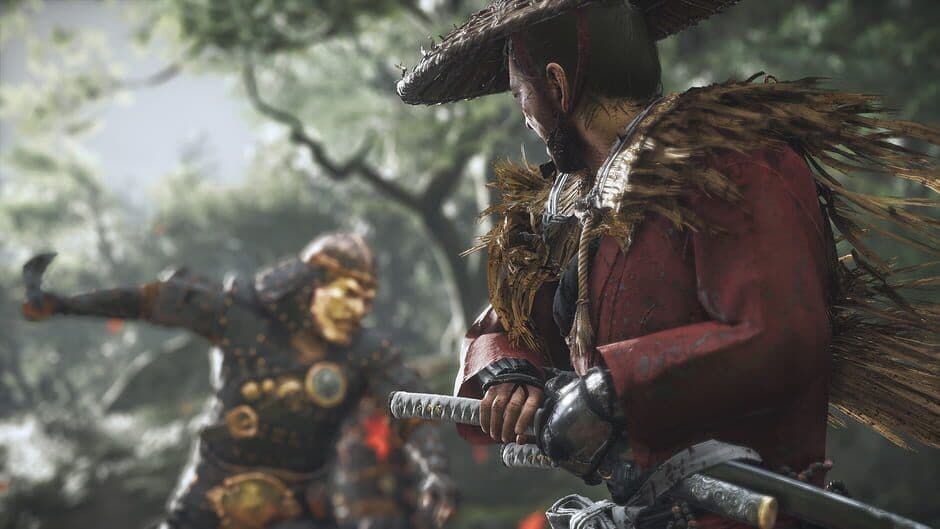
Exploring the island to find hidden challenges.
Each Bamboo Strike is a three-stage challenge that escalates in complexity. You'll first be shown the required button sequence, but the moment you press the first button, the prompts vanish and a timer begins. The stages are fixed: Stage 1 requires 3 button presses, Stage 2 adds two more for 5 total presses, and the punishing Stage 3 demands you nail 7 button presses in a row. The pressure can be intense, but the game gives you a powerful tool to manage it.
Before you even attempt a strike, take a breath and watch the rope's swing for a solid 10 seconds. Locking on with [L1] centers your camera, making it much easier to see the rhythm and judge the perfect moment to begin your sequence.
If the timer is your biggest enemy, there’s a legendary "cheese" method that completely changes the game. Head to Options > Accessibility and toggle Simplified Controls to ON. This single setting removes the time limit for all button inputs. Trust me, this isn't cheating—it's using the tools Jin has at his disposal to train effectively. You'll still need to remember the sequence, but you can take your time.
Here’s the trick most guides miss: your choice of sword stance can psychologically affect your timing. For the slower, more forgiving strikes in the Izuhara region, many players find Stone Stance—with its deliberate, heavy swings—easier to sync with the rhythm. When you reach the faster strikes in Kamiagata (and the challenging Shimazu region in expansions), switching to the quick animations of Wind Stance can make hitting those tight windows feel more natural. Experiment to see what feels right for you.
Finally, give your memory a hand. The moment you see the seven-button sequence for that final stage, repeat it aloud or quickly jot it down before the prompt disappears. This simple strategy turns a frantic memorization test into a manageable task, especially with Simplified Controls active.
With these techniques, you're not just hacking bamboo—you're honing the discipline and focus that will make you unstoppable in battle. Let's get to work.
Izuhara and Toyotama Bamboo Strike Locations
Ready to find every training ground in the first half of the island? Ghost of Tsushima scatters 13 of its 16 base game Bamboo Strikes across the lush regions of Izuhara and Toyotama. Finding them all is your key to maxing out your Resolve early, and this guide will get you to each one. Trust me, marking these off your map makes Act 3's challenges feel much more manageable.
Izuhara Region (7 Strikes)
This starting area holds the majority of the challenges. You can tackle most of these as soon as you start exploring, with one notable exception.
- Ariake Bamboo Strike: Look for this one at Houren's Pasture in Ariake. It's on the south bank of the river separating Ariake from Azamo.
- Azamo Bamboo Strike: Located in Azamo Bay. Here’s the trick most guides miss: this strike only becomes accessible after you've liberated the town of Azamo during the main story.
- Hiyoshi Bamboo Strike: You'll find this one in the Hiyoshi Springs area, along the winding road nestled between the two springs.
- Kashine Bamboo Strike: Head to the cliffs west of Wanderer's Pass. It’s perched on top, offering a great view.
- Komatsu Bamboo Strike: This strike is near Komatsu Forge. Look for it outside the home of the Sashimono Banner merchant.
- Komoda Bamboo Strike: Located within Komoda Town. Follow the main road until you see a guard tower; the bamboo is in its shadow.
- Tsutsu Bamboo Strike: Find this at Rustling Bend. It's on the river bank down the hill from a nearby settlement.
Use your Guiding Wind! Set a waypoint for a Bamboo Strike on your map, then swipe up on the touchpad to summon the wind and follow the golden leaves directly to your target.
Toyotama Region (6 Strikes)
These six strikes become available as you push into Act 2 and the central part of the island.
- Akashima Bamboo Strike: Search the area near Fort Ito on the west coast.
- Kubara Bamboo Strike: This one is tucked between Serene Forest and Old Toyotama Hills. A good landmark is to exit Lord Shimura's camp from the north gate and head right.
- Kushi Bamboo Strike: Look near Benkei's Falls. Cross the bridge to the north, head right on the road, and you'll find it behind a tall building.
- Otsuna Bamboo Strike: Located in Omi Village. It's in a courtyard to the right of the village's largest building.
- Umugi Bamboo Strike: Head to Umugi Cove. From the large central building, go west toward some cliffs, find a ladder to the south, and climb down to the water's edge.
- Yarikawa Bamboo Strike: You can't miss this one at the Yarikawa Stronghold. It's east of the stronghold itself, near the Kubara Lighthouse.
With all 13 of these Bamboo Strikes in Izuhara and Toyotama completed, you'll have a massive pool of Resolve for healing and special techniques. You're more than ready to take the fight north.
Kamiagata and Iki Island Bamboo Strike Locations
The northern wilds of Tsushima and the shores of Iki Island hold the final challenges for your blade. This is where your training culminates—master these last Bamboo Strikes in Ghost of Tsushima to max out your Resolve and claim your mastery over every region.
Kamiagata: The Final Three Strikes
Once you reach the snow-covered north in Act 3, three strikes await to test your timing in the cold.
- Endless Forest Bamboo Strike: You’ll find this one on the island's eastern edge, near the Kin Lighthouse. Look for it among the trees on the coast.
- Kin Bamboo Strike: Head north of Kin Sanctuary, crossing a wooden bridge to a small island where this strike is located on the western shore.
- Sago Bamboo Strike: Located east of Sago Forest and to the southeast of Sago Mill. Travel south from Sago Mills and look for it near a watchtower.
The stark, snowy landscapes of Kamiagata can make the bamboo stand out clearly, but watch for enemy patrols—they’re more frequent up north.
Iki Island: Four New Challenges
With the Director's Cut expansion, you can travel to Iki Island for four unique strikes. They function identically but offer fresh, tropical vistas.
- Tatsu's Ladder Bamboo Strike: As the name implies, this strike is located west of Tatsu's Ladder.
- Shipwreck Bamboo Strike: Search the coast northeast of Yahata Forest to find this one near a beached vessel.
- Buddha's Footprints Bamboo Strike: This strike is conveniently located right at the point of interest named Buddha's Footprints.
- Saru Island Bamboo Strike: The trickiest to start, this strike is on the southeastern part of Saru Island. Here’s the catch: you must speak to a peasant nearby who has lost pieces of the challenge. To begin, you’ll need to provide 5 Bamboo from your inventory to replace them.
With these seven final strikes conquered across Kamiagata and Iki Island, you’ve honed your technique across every corner of the map. Your Resolve is now at its peak, making you ready for any duel or battle the Mongols—or the past—can throw at you.
Ghost of Tsushima Bamboo Strike Rewards and Loot
You’ve tracked down every last bamboo grove, mastered the rhythm of the rope, and pressed those button sequences until your fingers remembered them—so what’s the payoff? In Ghost of Tsushima, the rewards for completing Bamboo Strikes are far more than just a sense of personal mastery. They directly shape Jin Sakai’s power and style, offering both crucial combat upgrades and exclusive cosmetic bragging rights.
The most immediate and vital reward is Resolve. As detailed in previous sections, for every one, three, five, and seven Bamboo Strikes you complete, Jin’s maximum Resolve is permanently increased by one point. This is your lifeblood in combat, fueling powerful Ghost techniques and critical healing. By finishing all 16 base game strikes on Tsushima, you’ll have significantly expanded your capacity for survival.
Beyond Resolve, each successful strike also grants you 1 Technique Point. These are the universal currency for unlocking new sword stances and combat abilities in your skill tree. With 16 strikes to find, that’s 16 free ability upgrades without grinding a single enemy encounter—a massive boost to your early and mid-game progression.
If you’re playing the Director’s Cut with the Iki Island expansion, the four additional strikes there also grant Resolve and Technique Points, but they do not count toward the base game’s trophy or mask reward.
For the completionists, the ultimate Tsushima prize is the Sacred Mountain Messenger Mask. This unique cosmetic headpiece is unlocked only after you complete all 16 base game Bamboo Strikes across Izuhara, Toyotama, and Kamiagata. It’s a striking visual marker of your dedication to the blade.
Your efforts also unlock exclusive aesthetic customizations. Completing strikes rewards unique Horse Saddle designs for your trusty steed, and dedicated players can earn the Master of the Blade Dye Set—an exclusive armor color scheme unavailable through any other activity in Ghost of Tsushima. These let you stride through Tsushima not just as a warrior, but as a refined master.
Finally, remember that all this bamboo-chopping diligence ties into one of the game’s most satisfying trophies. Finding all Bamboo Strikes is a key requirement for the ‘Body, Mind, and Spirit’ Trophy, which also demands you discover every Hot Spring, Haiku, and Inari Shrine.
So, take a moment to admire your expanded Resolve bar, equip that hard-earned Sacred Mountain Messenger Mask, and enjoy the knowledge that your blade is as sharp as your look is distinguished. You’ve honed more than just Jin’s technique—you’ve fully embodied the way of the samurai.