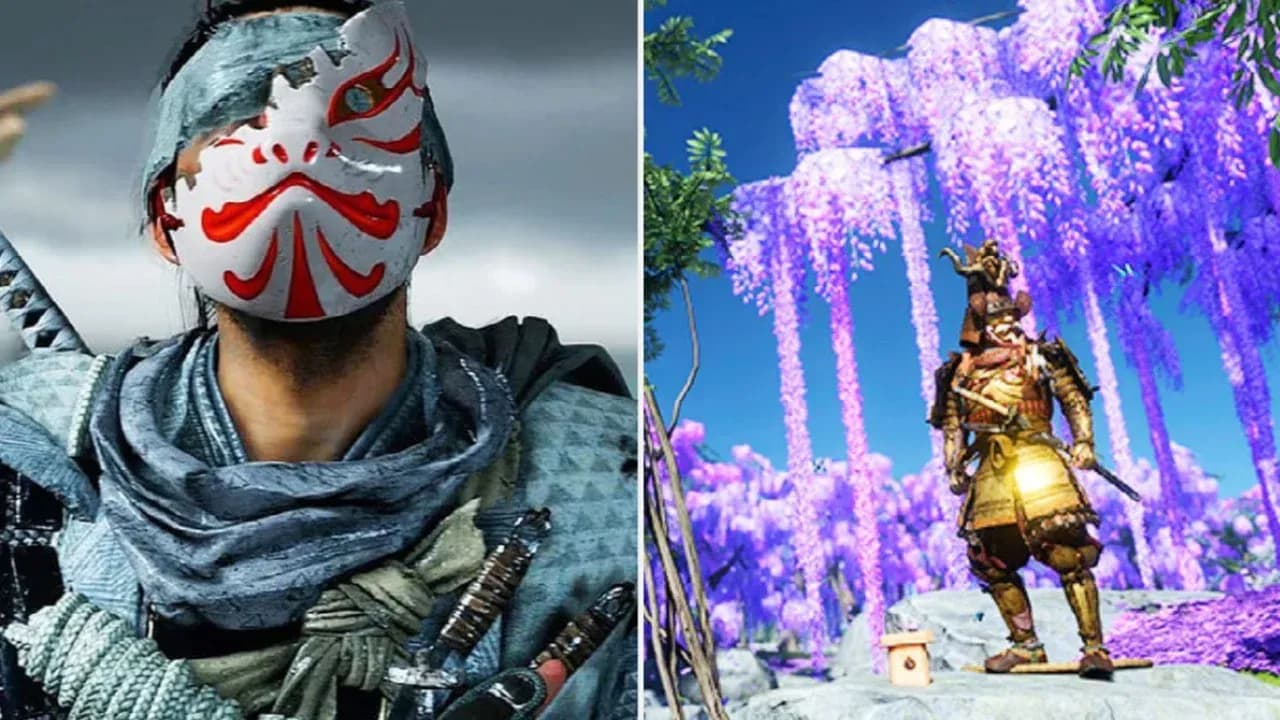
How to Access Iki Island in Ghost of Tsushima Director's Cut
Ready to venture beyond the shores of Tsushima? The Iki Island expansion in Ghost of Tsushima: Director's Cut offers a deeply personal and challenging new chapter, but unlocking this wild frontier requires meeting a specific story milestone.
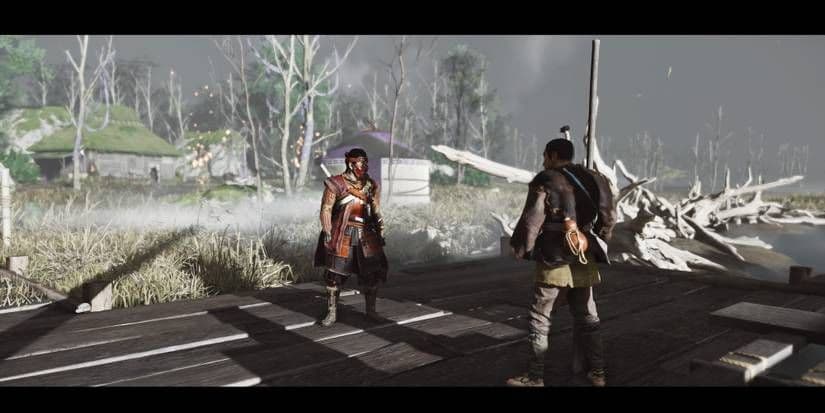
The boat man serves as the primary transport to the Iki Island expansion.
Your journey begins only after you've completed Act I of the main game on Tsushima. Once Jin's story has progressed to this point, a new quest category, Tales of Iki, will appear in your journal.
To start the expansion, head to the Akashima Village region in Toyotama. From there, travel west towards the shoreline to investigate a suspicious, deserted settlement. This is the start of the Journey into the Past Tale. You'll find a lone tent and a boat—investigate these points to trigger a cutscene that introduces the new Eagle Tribe Shamans, enemies who buff their allies with dangerous chants.
If it's been a while since you played, this initial skirmish is a perfect, low-stakes refresher for Ghost of Tsushima's parry and stance-switching combat.
After dealing with the Mongols and looting the area for a Record of Iki, you'll need to interrogate a downed Shaman for information. With the threat confirmed, return to the coast and speak with the Boatman at the Akashima Coast. He's your ticket across the water.
The adventure truly begins with the Washed Ashore section. Jin awakens injured, alone, and without his horse on Iki Island's shoreline. The map is initially inaccessible, so follow the path forward, climb over the wall, and navigate through a former smuggling hideout cave to find your footing. Completing this intro fully unlocks the Iki Island map for exploration.
Now you're officially on Iki Island, ready to confront Jin's past and the Eagle Tribe's poison. Let's go.
Best Preparation and Build for Iki Island
Iki Island isn't just a new location in Ghost of Tsushima—it's a brutal test of everything you've learned. The Eagle Tribe fights dirtier, the shamans will punish your mistakes, and the terrain is unforgiving. Walking in unprepared is a quick way to get overwhelmed. The good news? With the right prep, you can turn the tide.
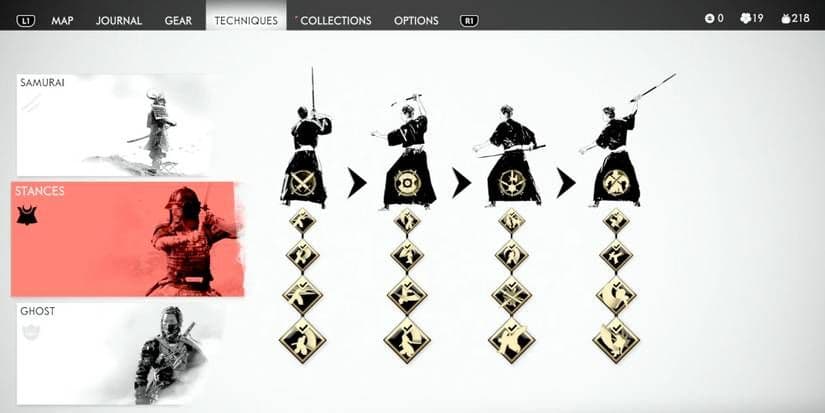
Upgrading all techniques is essential for the Iki Island difficulty spike.
Trust me, the single most important piece of advice for tackling this expansion is to wait. While the Tales of Iki unlock after completing Act I of the main story, you should ideally finish the entire base game first. If you can't wait that long, at least push into Act III. This gives you time to master the fundamentals and, crucially, to build a stronger Jin. The enemies here are tougher, hit harder, and require a fully realized arsenal to handle efficiently.
Build Your Foundation: Stats and Stances
Before you set sail, there are a few non-negotiable boxes to tick back on mainland Tsushima. Think of this as your pre-deployment checklist.
Maximize Your Core Stats
Your survivability hinges on two stats: Health and Resolve. You upgrade these by seeking out Hot Springs (for permanent health increases) and completing Bamboo Strikes (which grant the ability to recover Resolve while out of combat). If you haven't been tracking these, unlock the guiding wind techniques for them to make finding the last few much easier. More health means you can take a few extra hits from those heavy brutes, and more Resolve lets you heal more often and unleash devastating Ghost Weapons.
Master Every Combat Stance
This is non-negotiable. You need to have unlocked all 5 stances before you set foot on Iki, including Ghost Stance. The new Mongol variants and shamans will switch weapons mid-fight, forcing you to adapt on the fly. Without the correct stance—Wind Stance for spearmen, Water Stance for swordsmen with shields, Stone Stance for swordsmen, and Moon Stance for brutes—you'll be bouncing off their guards and wasting precious seconds. Ghost Stance, earned by killing enemies without taking damage, remains your ultimate "oh no" button for clearing crowds.
Gear Up: Essential Tools and Armor
With your fundamentals solid, it's time to choose your loadout. The right gear will define your playstyle and give you the edge in Iki's chaotic battles.
Your Go-To Ghost Weapon: Kunai
Never leave home without a fully upgraded set of Kunai. Press [R1] to throw these, and they are your best friend for crowd control. Iki's battles often throw multiple heavy enemies at you at once. A well-placed Kunai volley can stagger an entire group, interrupt a deadly attack, or finish off a low-health shaman. They are essential for managing the aggressive, buffed enemy groups you'll face.
The Archer's Advantage: Tadayori's Armor
For players who favor the bow, the Tadayori Armor is a must-bring. This set, earned from a Mythic Tale on Tsushima, provides a 15% faster arrow notching speed and a +5 second Concentration bonus when fully upgraded. This makes the new Archery Challenges on Iki much more manageable and turns you into a rapid-fire sniper in combat, perfect for picking off shamans from a distance before they can empower their allies.
If you plan to engage in the new Archery Challenges on Iki Island, equipping the Tadayori Armor is basically cheating. The extended Concentration window and faster draw speed make hitting gold medals significantly easier.
What to Expect and Prioritize on Iki
Once you arrive, you'll be stripped of your horse and gear temporarily, but you'll get everything back quickly. Your first major new threat will be the Eagle Tribe Shamans. These are your absolute #1 target in any fight. Their chanting causes every other Mongol in the area to glow and become significantly stronger and more aggressive. Use your Wind Stance (Triangle) to break their guard with a Typhoon Kick and eliminate them immediately.
You'll also want to complete the two new Mythic Tales on Iki as soon as they become available. The Legacy of Kazumasa Sakai rewards the Sakai Horse Armor, which enhances your new Horse Charge ability, and The Legend of Black Hand Riku unlocks the powerful Sarugami Armor, which rewards perfect parries with deadly counter combos.
With your stances mastered, your health and resolve maxed, your Kunai sharpened, and your Tadayori Armor ready, you're not just visiting Iki Island—you're ready to conquer it. Let's go.
How to Defeat Shamans in Ghost of Tsushima
Your first steps onto Iki Island in Ghost of Tsushima feel different—the air is thick with tension, and the enemy formations have a new, dangerous centerpiece. You’ll quickly learn that the key to surviving these brutal encounters isn't just mastering your sword; it's identifying and eliminating the Eagle Tribe Shaman, the new enemy type that can turn a manageable skirmish into a desperate last stand.
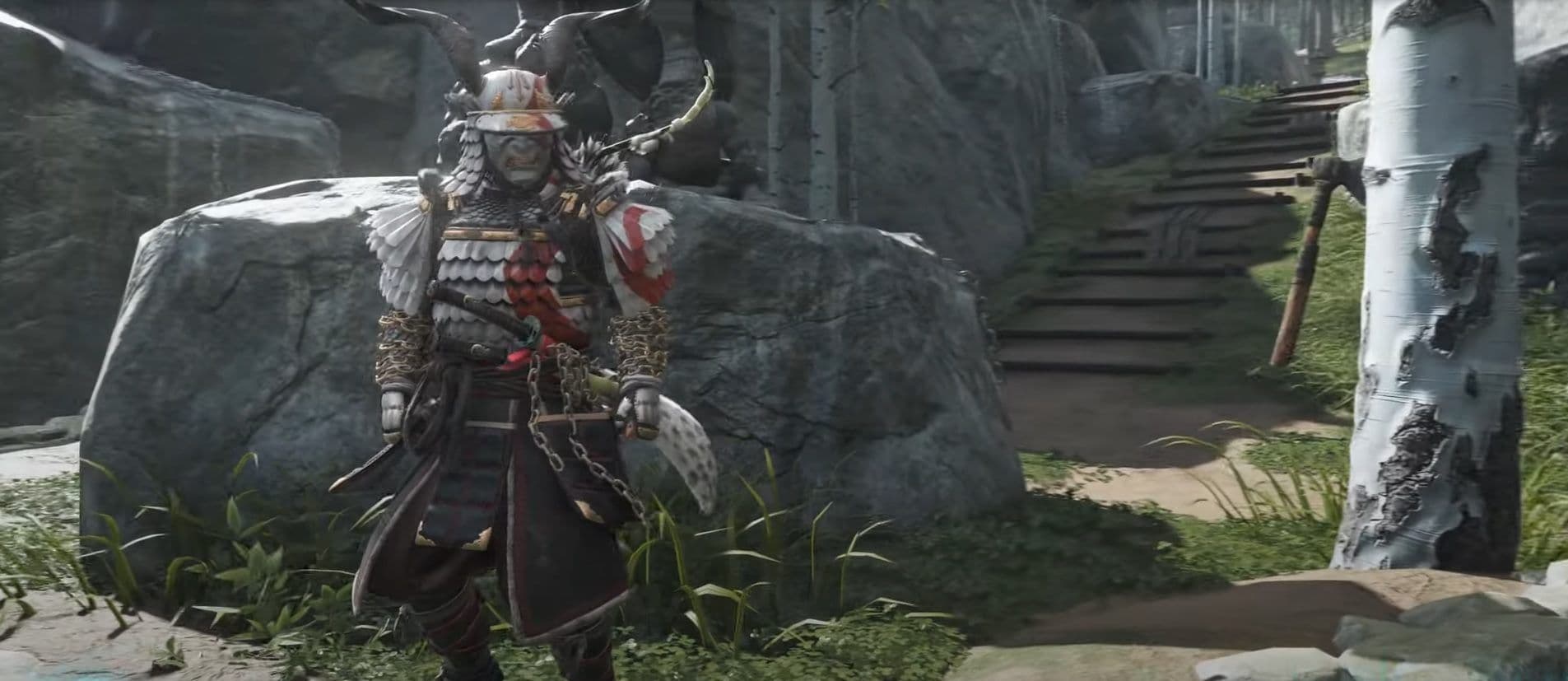
Identifying the Shaman's unique armor and staff is key to finding them quickly.
The Shaman's Chant: A Force Multiplier
Scattered throughout Iki Island's Mongol Camps, the Eagle Tribe Shaman is your primary target in any fight. Don't let their modest appearance fool you. Once combat begins, they’ll begin a distinct chanting audio cue. This is the signal that they’re activating their devastating Shaman Buff. Visually, you’ll see the other Mongol warriors in the area start to glow with a faint aura, and their behavior becomes far more aggressive, hitting harder and taking more punishment.
The audio cue is your best friend. As soon as you hear that low, rhythmic chanting, ignore everything else and scan for the source. Your survival depends on stopping it.
Your Combat Priority: Shaman First, Questions Later
The core strategy is non-negotiable: Shaman Priority. No matter how many spearmen or swordsmen are charging you, your first move should be to break through and kill the Shaman. They have relatively low health, making them quick to dispatch if you can reach them. Because they are often armed with spears, the Wind Stance is your most effective tool for breaking their guard and landing rapid, decisive strikes.
This becomes especially critical in the larger camps and story missions, like the introductory "Journey into the Past" tale. Waves of enemies, including Shamans arriving on horseback, will test your focus. If you let a Shaman live, you’re essentially fighting a camp full of mini-bosses.
The Ranged Solution for Mounted Threats
When Shamans are part of a mounted assault, closing the distance on foot is risky. This is where your Ghost tools shine. For a safe and efficient takedown, use a Ranged Shaman Takedown: hold [L2] to aim and [R2] to fire Explosive Arrows. A single well-placed shot can eliminate a mounted Shaman instantly and often disrupts the riders around them, giving you the breathing room to mop up the now-weakened regular troops.
Remember, the buff ends the moment the Shaman dies. So, once that final chanter falls, you’ll feel the tide of battle turn immediately. The remaining enemies lose their enhanced strength and resilience, transforming from a terrifying horde back into the standard (and much more manageable) foes you’ve trained to defeat.
With the Shaman threat neutralized, you’ve cleared the single biggest combat hurdle on Iki Island. Now you can face the Mongol forces—and the psychological war with The Eagle—on your own terms.
The Eagle Boss: Hallucinations and Psychological Hazards
Here’s the heart of the Iki Island conflict—your battle against The Eagle isn’t just a clash of swords, but a war for your own mind. This antagonist’s methods are as insidious as they are personal, turning the entire island into a psychological battleground.
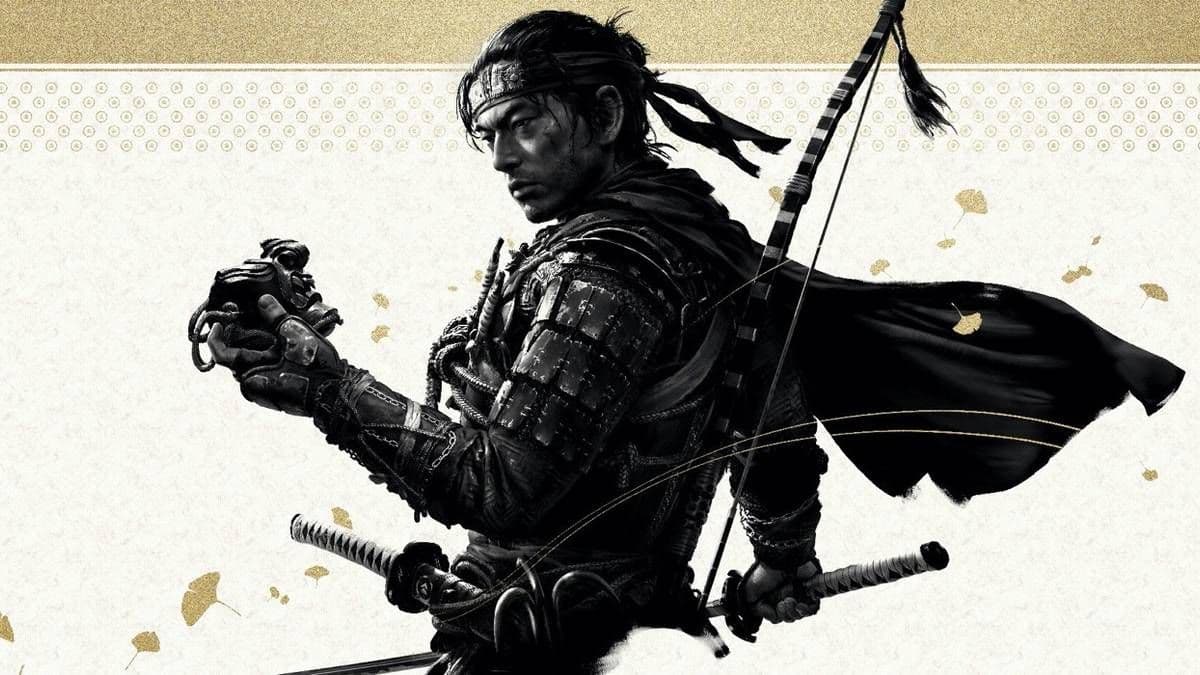
The Director's Cut introduced the Eagle and her psychological warfare mechanics.
The Antagonist: The Eagle
Your primary foe on Iki Island is The Eagle, also known as Ankhsar Khatun. She is the leader of the Eagle Tribe, a Mongol faction that has taken control from their stronghold at Fort Sakai. Unlike Khotun Khan’s brute force, her weapon of choice is fear and psychological manipulation. She’s not just trying to conquer the island; she’s trying to break its spirit—and yours.
The Poison and Its Purpose
The turning point comes during the story quest The Eagle’s Cry. Here, Jin is captured and poisoned with a hallucinogenic substance. The Eagle’s intent is clear: to brainwash Jin, turning him into one of her own shamans. While you resist the full conversion, the poison takes root, triggering persistent, disruptive visions that haunt you for the rest of the expansion.
Living With the Visions
Once poisoned, these psychological hazards become a constant companion. They aren't confined to cutscenes; they erupt during exploration and combat, serving as relentless distractions.
- Visual and Audio Distortions: The most common visions feature The Eagle herself, her voice echoing in Jin’s mind with monologues meant to unsettle and manipulate. The screen often warps and blurs, disorienting you at critical moments.
- Confronting the Past: The poison also forces Jin to confront his deepest trauma: his father, Kazumasa Sakai. You’ll see his apparition, hear his voice, and relive painful memories triggered by specific discoveries, like animal corpses or old battlegrounds. Later, other significant figures like Lord Shimura may appear, each vision peeling back another layer of Jin’s guilt and regret.
- Imaginary Foes: In some instances, the visions manifest as brief combat encounters against phantom enemies. These aren’t full boss fights, but sudden, jarring interruptions that test your focus.
When a vision hits, there’s no button to press to end it. Don’t fight the controls—just ride it out. The disruption is temporary, and your control will return once the sequence finishes.
The Only Cure: The Blessing of Death
If the constant interruptions are fraying your nerves, here’s the hard truth: you must endure them. There is no charm or side activity that will cleanse the poison. The visions permanently disappear only after you complete the final main quest, The Blessing of Death, which culminates in defeating The Eagle herself in a climactic duel at Fort Sakai.
This is the ultimate payoff. By confronting and overcoming the source of the poison, Jin not only liberates Iki Island but finally silences the ghosts in his own head. It’s a powerful narrative conclusion that makes the preceding psychological struggle deeply meaningful.
Surviving Iki Island in Ghost of Tsushima means mastering this internal conflict as much as the external one. Keep your resolve high, stay focused during the visions, and remember—the only way out is through.
Animal Sanctuaries and Flute Mini-Game Guide
Amidst the psychological turmoil and Mongol conflict on Iki Island, Ghost of Tsushima offers a series of serene respites: the Animal Sanctuaries. These hidden spots are more than just a chance to unwind—they’re interactive puzzles that reward you with some of the most unique and powerful charms in the Director’s Cut.
The scenic vistas of Tsushima and Iki.
Scattered across Iki Island, you’ll find three distinct sanctuaries dedicated to cats, deer, and monkeys. Approach them, and you’ll be prompted to play Jin’s flute in a special mini-game. Here’s the trick: you’ll need to tilt your controller using the motion sensor to guide a cursor, keeping it between two moving green lines as the tempo increases. It’s a calming, rhythm-based challenge that’s a welcome change of pace from combat.
This mini-game is much easier in a quiet setting. Find a stable spot, relax, and focus on smooth, gentle tilts rather than sharp movements.
Successfully completing each sanctuary grants you two rewards: the profound satisfaction of petting the animals (press [R2] to interact), and a unique Major Charm that significantly alters your combat capabilities.
Cat Sanctuary
The Cat Sanctuary rewards the Charm of Nekoma’s Hunt. This powerful charm extends your chain assassinations by allowing a Kunai throw at a fourth enemy. It’s perfect for stealth players who like to thin the ranks silently before engaging.
Deer Sanctuary
At the Deer Sanctuary, you’ll earn the Charm of Sugaru’s Sight. When equipped, aiming your bow with [L2] and firing with [R2] will unleash three arrows at once, each capable of locking onto different targets. Be warned: each arrow consumes ammo, so stock up before a big fight.
Monkey Sanctuary
Completing the Monkey Sanctuary grants the Charm of Mashira’s Protection. This one has a clever trade-off: after you heal, your Perfect Parry and Perfect Dodge windows are briefly extended, but the Resolve cost of healing increases to 2 instead of 1.
⚠️ Synergy Alert: The Monkey Sanctuary charm pairs incredibly well with the new Sarugami Armor (found in another Iki Island activity). Since that armor disables regular parries and focuses on Perfect Parries, the extended window is a huge boon, and the armor’s Resolve bonuses help offset the higher healing cost.
These sanctuaries are hidden gems on Iki Island, offering a moment of peace, a fun mini-game, and game-changing rewards. Track them down—your guiding wind or a persistent golden bird will often point the way—and add these powerful tools to your arsenal as you continue your journey through Ghost of Tsushima.
New Combat Mechanics and Horse Abilities
Your arrival on Iki Island in Ghost of Tsushima isn't just a new map—it’s a proving ground for your skills. The expansion introduces combat mechanics that demand a fresh approach, turning your horse from a simple mount into a weapon and forcing you to adapt to unpredictable enemies. Here’s how to master the new tools of war.
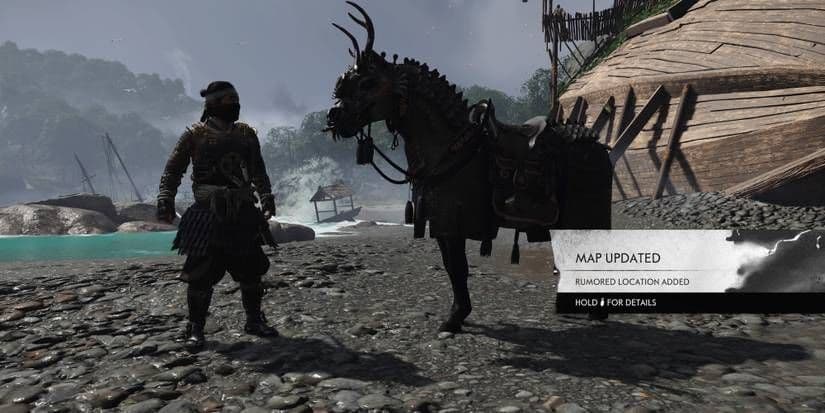
The Sakai horse armor is a key collectible on Iki Island.
Mastering Mounted Combat
The biggest shake-up to your fighting style is the ability to fight from the saddle. Early in your adventure on Iki Island, you’ll unlock the Horse Charge. While mounted, simply hold [L1] to barrel through enemies at high speed. This isn't just for show; it’s a fantastic way to open a skirmish, scattering groups and dealing solid damage before you even draw your sword.
To maximize this new power, complete the Mythic Tale: The Legacy of Kazumasa Sakai. Your reward is the Sakai Horse Armor, a cosmetic and functional upgrade that enhances the Horse Charge. It’s a fitting tribute to Jin’s father and a game-changer for mounted engagements.
Use the Horse Charge to disrupt archers and shamans at the start of a fight. A well-timed charge can eliminate a buffing shaman before they empower their allies, making the entire encounter far more manageable.
Adapting to Unpredictable Foes
The enemies on Iki Island are smarter and more versatile. You’ll face Stance-Switching Enemies—foes who change their weapon type mid-combat. A warrior wielding dual swords might suddenly pull out a shield, forcing you to adapt on the fly. This makes rapid [R2] + Face Button stance swaps more critical than ever. If you’ve grown comfortable with a single stance, this will be a wake-up call. Stay fluid, watch your opponent’s animations, and be ready to switch at a moment’s notice.
The Ultimate Parry Armor
For players who have mastered the parry timing, the Sarugami Armor is your ultimate reward. You’ll earn it by completing the Mythic Tale: The Legend of Black Hand Riku. This armor completely changes your defensive playstyle: it disables regular parries, leaving only Perfect Parries as an option. In return, a successful Perfect Parry unleashes a devastating three-hit combo. It’s a high-risk, high-reward set that makes you feel unstoppable once you’ve nailed the timing.
⚠️ Watch out: The Sarugami Armor has a steep learning curve. If you're not confident in your Perfect Parry skills, practice on Tsushima before relying on it during Iki Island's tougher duels.
With the Horse Charge mastered, the Sakai Horse Armor equipped, and the Sarugami Armor ready for those clutch parries, you’re not just surviving Iki Island—you’re dominating it. These new mechanics force you to evolve beyond the tactics of mainland Tsushima, making you a more complete and adaptable warrior. Saddle up and show them what the Ghost can really do.
Iki Island Side Activities and Rewards
Iki Island isn't just a battlefield—it’s a place of reflection, mastery, and hidden rewards waiting for those who look beyond the main conflict. In Ghost of Tsushima, your journey here is deepened by side activities that test your skills and vendors who offer unique ways to customize your Ghost. Let’s uncover what’s waiting for you.
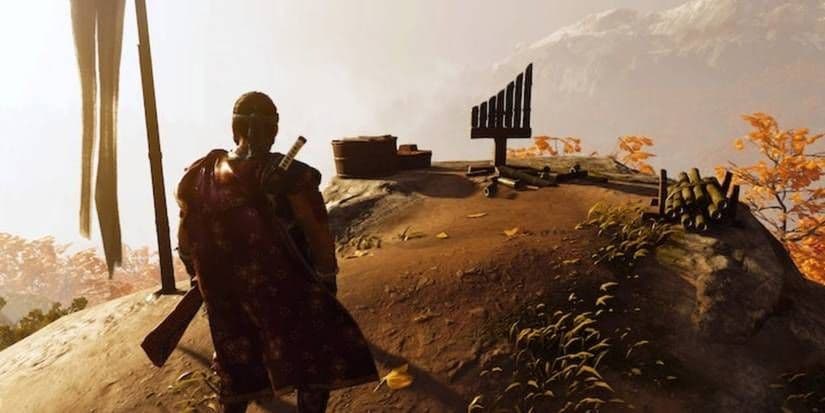
Bamboo Strikes remain a vital side activity for character growth.
The Hidden Cove Tournament
Your path to unique rewards begins at Fune’s Refuge, a raider hub on Iki Island’s west coast. After completing the “Jin from Yarikawa” tale, you can participate in the Hidden Cove Tournament. This isn’t a fight to the death; you’ll wield a wooden sword and must land five clean hits on each of four distinct opponents to claim victory. It’s a pure test of swordsmanship that emphasizes timing and precision over lethal force.
The tournament opponents have unique attack patterns. Watch their movements carefully—this is more about reading your foe than brute force.
Your reward for dominating the tournament is more than just bragging rights. It unlocks the Crimson Armor Dye Vendor at Fune’s Refuge. This vendor sells a fantastic array of exclusive cosmetics, including a unique alternate armor set for the Samurai Clan Armor, a new Sword Kit, several new masks, and alternate color dyes for other armors. If you’ve been looking to make your Jin truly stand out, this is your spot.
Sharpshooting and Flashbacks
Elsewhere on the island, two other activity types offer powerful upgrades and crucial story insights.
Archery Challenges are timed target ranges that test your precision and speed. You’ll earn bronze, silver, or gold medals, and your performance directly upgrades the Charm of Concentration (Minor), which extends your slow-motion aiming window. Even an imperfect run improves the charm, making every attempt worthwhile.
The most narratively poignant activities are the Memories of the Past. Unlocked after a key story event, these missions are triggered at specific purple smoke locations scattered across Iki Island. You’ll take control of a young Jin, accompanying his father, Kazumasa Sakai, during the past campaign to pacify the island. These solemn, combat-light flashbacks are essential for understanding the complex and often harsh man who raised Jin, adding profound depth to the expansion’s core themes of legacy and guilt.
Your Iki Island Legacy
With the tournament mastered, your archery honed, and Jin’s past confronted, you’ve engaged with the heart of what makes Iki Island special. These activities aren’t just filler; they’re integral chapters that reward you with both powerful tools for the fight ahead and a deeper understanding of the warrior you’ve become. Take these rewards, wear your new colors with pride, and continue your mission—the island’s freedom, and Jin’s peace, await.