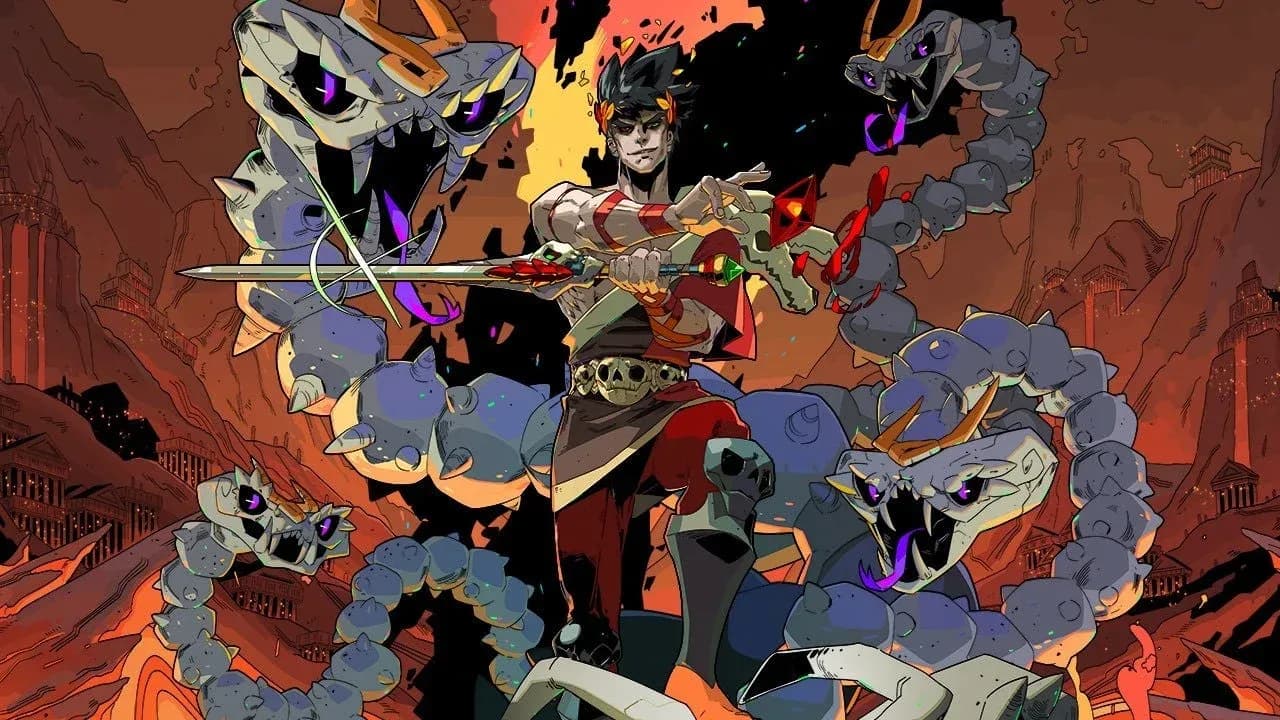
Hades Review: A Masterclass in Narrative Roguelike Design
In a genre where failure is often a punishing reset button, Supergiant Games’ Hades performs an act of narrative alchemy. It transforms the very essence of the roguelike—the inevitable, repeated death—from a source of frustration into the engine of its most compelling story. This is not a game you merely play; it’s a world you inhabit, one where every doomed escape attempt deepens your connection to a dysfunctional, divine family. The 2020 1.0 release, after nearly two years in Early Access, didn't just polish a game; it delivered a masterclass in how to make a player’s struggle feel meaningful.
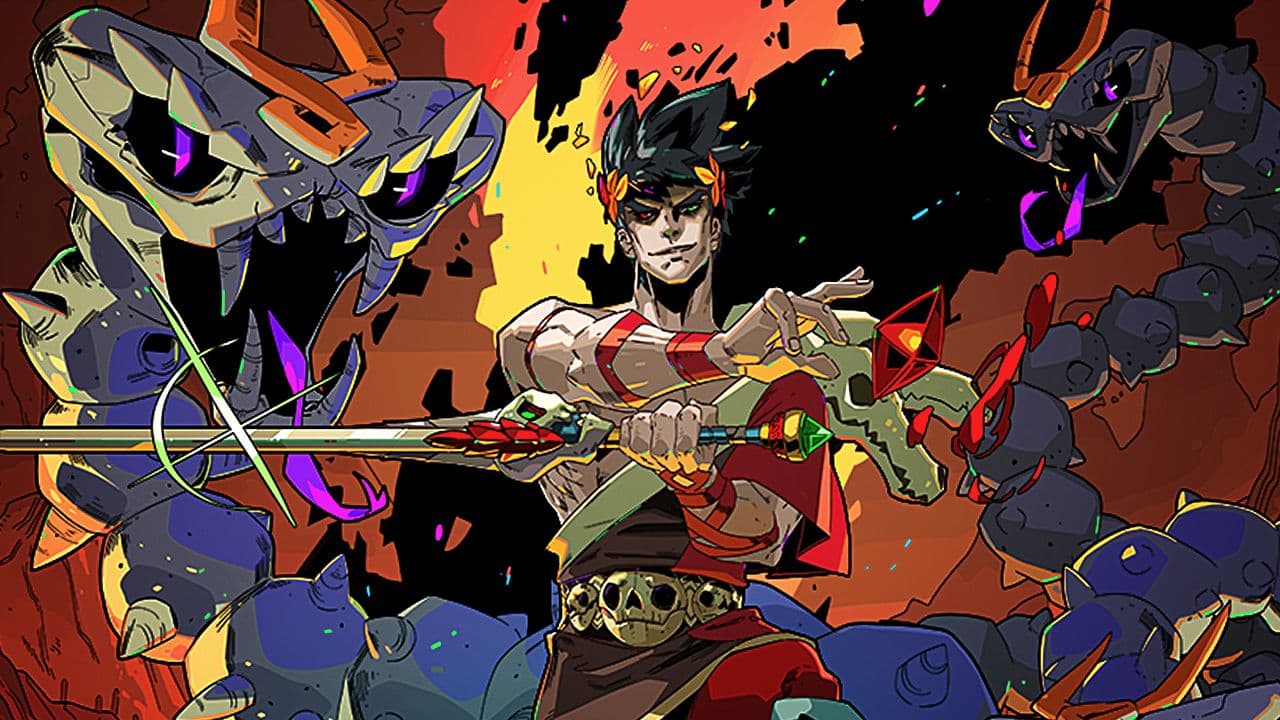
Combat in Hades is fast-paced and visually striking.
Hades’ genius lies in its refusal to separate its systems from its story. Your death isn’t a “Game Over” screen; it’s a new chapter.
The game’s central premise is elegantly simple: you are Zagreus, the rebellious Prince of the Underworld, perpetually fighting your way out of your father’s domain. Each run through the procedurally generated chambers of Tartarus, Asphodel, and Elysium is a fresh attempt at freedom, fueled by divine boons and sharpened skills. Where Hades shatters convention is in what happens when you fail. Instead of being cast back to a cold menu, Zagreus washes up in the blood pool of the House of Hades, the game’s hub. Here, the narrative breathes. Characters like the overworked housekeeper Dusa, the melancholic musician Orpheus, or your perpetually disappointed father, Hades himself, have new, context-aware dialogue. They comment on your last run, your chosen weapon, even your specific death. This transforms the hub from a mere upgrade station into a living space where story is earned through play, not just cutscene. A run where you fell to the Bone Hydra isn’t a waste; it’s a new anecdote for Achilles to dissect, another reason for Hypnos to offer his morbidly cheerful condolences.
This seamless fusion of fast-paced action and dating-sim-esque character progression is Hades’ defining innovation. You don’t just collect Darkness for passive upgrades; you collect Nectar to gift to characters, unlocking their personal stories, unique Keepsakes, and eventually, their loyalty. Want to know why Sisyphus is so relentlessly cheerful despite his eternal punishment? You’ll need to bring him a few bottles. This system ensures that even a run cut short yields narrative currency. You are always progressing, always learning, always deepening bonds. It cleverly inverts the typical roguelike power fantasy: yes, you grow stronger, but more importantly, you grow closer. The House becomes a home you’re oddly eager to return to, a place where failure is reframed as an opportunity for connection.
This reframing taps into a powerful, almost Sisyphean theme that resonated profoundly upon its full release in September 2020. In a year defined by global lockdowns, political turmoil, and a pervasive sense of cyclical stasis, Hades offered a poignant metaphor. Zagreus’s endless, seemingly futile climb out of hell mirrored a collective feeling of running in place. Yet, the game argues that meaning isn’t found in the singular, mythic escape, but in the incremental improvements—to your skills, to your relationships, to the very halls you return to. It’s a game about finding purpose within the struggle, not just beyond it. Your thirty-first attempt might look identical to your thirtieth on the surface, but now Nyx shares a secret about your mother, or Cerberus finally accepts your petting. The victory isn’t just reaching the surface; it’s making the Underworld, and the journey through it, worth inhabiting.
Hades Combat: The Eclectic Ballet of the Infernal Arms
In Hades, the genius of its narrative design is matched only by the sheer mechanical brilliance of its combat—a system that transforms what could be simple hack-and-slash into an expressive, ever-evolving ballet. This is where the game earns its reputation as a masterclass in action design, where every dash, swing, and divine blessing feels like a conversation between player and pantheon.
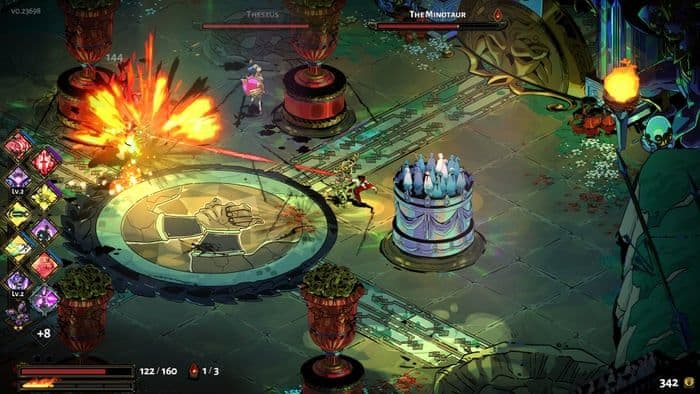
High-intensity combat against the champions of Elysium.
The foundation is the six Infernal Arms, each a distinct instrument of chaos. The difference between the methodical, shield-blocking cadence of Aegis and the frantic, close-quarters pummeling of the Twin Fists of Malphon isn’t just statistical; it’s a fundamental shift in rhythm and risk. This variety is then exponentially deepened by each weapon’s four unique Aspects, which aren’t mere stat buffs but complete philosophical overhauls. The spear’s Aspect of Achilles, for instance, transforms it from a mid-range poker into a teleporting vortex of damage by letting you dash to a thrown spear’s location. The result is a suite of tools so diverse that mastering them feels like learning six different fighting games, yet the core controls remain intuitively consistent across all of them.
The dash ability isn’t just a movement tool; it’s the combat system’s punctuation mark, the space between words that defines the sentence.
This consistency is anchored by the sublime dash. It’s a masterstroke of responsive design, offering generous invincibility frames that make evasion feel less like frantic panic and more like a deliberate dance through enemy attack patterns. More than just a dodge, it’s the connective tissue for offense. The dash-strike—an attack performed mid-dash—is the primary engine of aggression, allowing you to weave in and out of danger while maintaining pressure. The fluidity this creates is the heart of Hades’ “flow-state,” turning chaotic screen-filling encounters into a series of readable, rhythmic decisions. You’re not just reacting; you’re conducting the orchestra of your own destruction.
However, this visual symphony can occasionally become a cacophony. On larger screens, especially during late-game encounters in the fiery chambers of Asphodel or the verdant fields of Elysium, the screen can become a dizzying collage of particle effects—lightning bolts, festive fog, homing arrows, and exploding chariots. While beautiful, this can obscure smaller enemy projectiles or telegraphs, a rare but tangible moment where the game’s commitment to spectacle momentarily undermines its otherwise impeccable combat clarity. It’s a minor sin, but one that can lead to cheap hits in the heat of the moment.
This kinetic flow is further complicated by the Cast—the red, crystalline projectile you fire from range. Its genius lies in its risk/reward loop: you can fire it freely to apply status effects or chip away at foes, but to retrieve the ammo for another shot, you must approach the embedded crystal, often parked right in an enemy’s melee range. This creates a brilliant push-and-pull, forcing you to constantly weigh the safety of distance against the need to reclaim your power. It transforms the Cast from a simple ranged option into a tactical anchor point, around which entire engagements can be planned. A well-placed Cast isn’t just damage; it’s a trap you’re daring yourself to spring.
Together, these elements forge a combat system that is endlessly malleable and deeply personal. Whether you’re ricocheting a shield charged with Zeus’s lightning or executing a flurry of dash-strikes with Artemis’s critical boons, Hades gives you the tools to not just win, but to win with style. It’s a system that respects your intelligence, rewards your experimentation, and, most importantly, makes every single one of your countless deaths feel like a step toward a more beautiful, more devastating dance.
Godly Synergies: Building the Perfect Escape in Hades
Where Hades transforms from a great action game into a masterpiece is in the alchemy of its build-crafting. This is the system that ensures no two of your thirty-minute escape attempts ever truly feel the same. The foundation is the Boon system, where the Olympian gods offer their divine favor. Each deity operates on a distinct, flavorful theme: Zeus adds chain-lightning to your attacks, Dionysus applies a stacking poison effect he calls “Hangover,” and Athena grants the invaluable ability to deflect incoming projectiles. These aren’t mere stat boosts; they are personality-infused toolkits that invite you to play in a specific way. Choosing a Boon is the first step in a conversation with the game, where you begin to ask, “What if I built around this?”
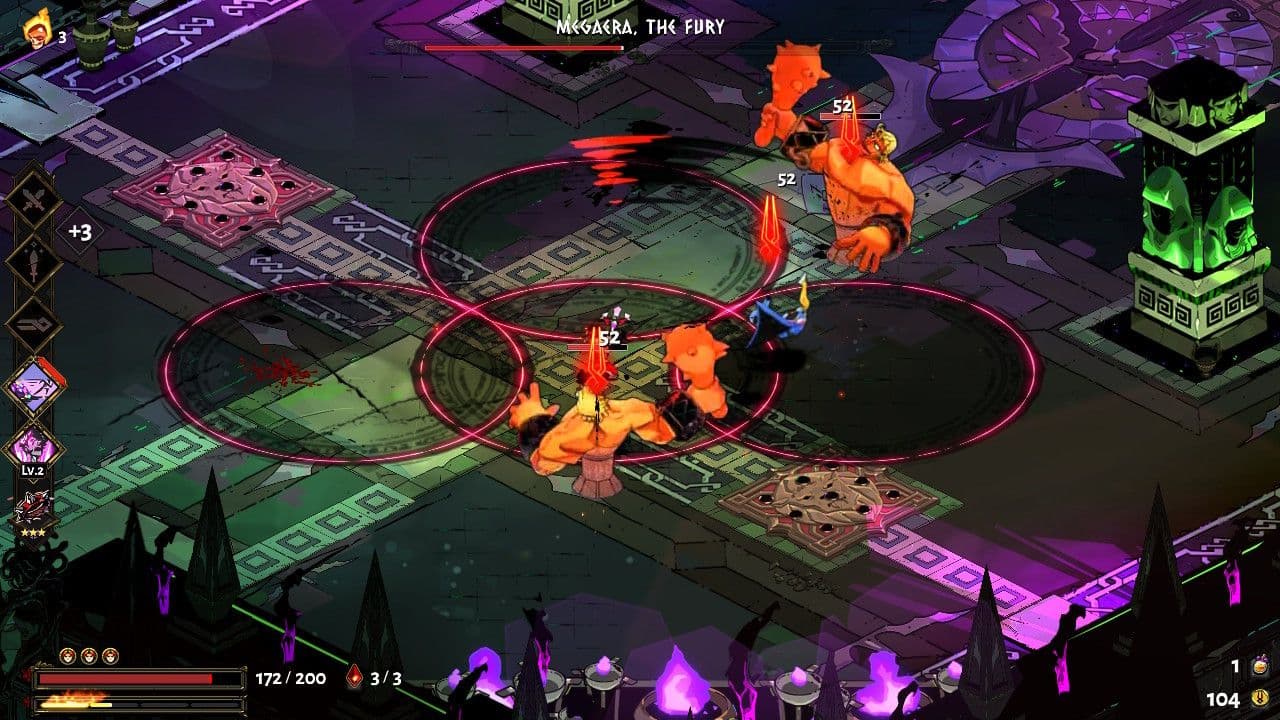
Combat encounters test the effectiveness of your current Boon synergies.
The true genius, however, lies in how these systems layer and interact. The Daedalus Hammer is the wildcard, offering rare, run-specific modifications that can completely redefine your weapon. A hammer might turn your shield’s special into a bouncing projectile or make your sword’s dash-strike hit in a 360-degree arc. This is then cross-pollinated by the Boons. Imagine that bouncing shield now also carries Zeus’s lightning, or that wide-arcing sword swing applies Dionysus’s Hangover to every enemy it touches. The pinnacle of this synergy is the Duo Boon, a rare and powerful fusion of two gods’ powers. The infamous Merciful End combines Ares’s Doom (a delayed burst of damage) with Athena’s Deflect, causing Doom to trigger instantly on deflected attacks—a build that can melt bosses in seconds. This combinatorial depth means that after dozens of hours, you’re still discovering potent new interactions, a feat that few games in any genre achieve.
The magic of Hades’ RNG is that it feels less like random luck and more like a curated set of compelling suggestions. You’re not at the mercy of the gods; you’re in dialogue with them.
This raises the critical question of balance between randomness and player agency. It’s a masterful tightrope walk. While the specific Boons and Hammers you’re offered are randomized, the game’s systems are designed to respect your choices and mitigate pure luck. You can influence your build through equipped Keepsakes, which increase the chance of encountering a specific god’s Boon. More importantly, the room reward system—where you choose your path after each chamber—gives you direct control. If you’re building for critical hits with Artemis, you can actively seek out her symbol on the doors. This transforms the RNG from a frustrating slot machine into a strategic landscape of risk and reward. Do you take the immediate health boost, or gamble on the room with a Pom of Power to upgrade your core Boon? The skill isn’t just in combat execution; it’s in navigating this meta-game of build assembly.
For all its strategic depth, Hades respects your time. Each escape attempt is a perfectly paced narrative and gameplay arc, typically lasting 30 to 45 minutes. This is long enough to feel substantial, to let a build come online and reach a powerful crescendo, but short enough that failure never feels like a catastrophic loss of progress. It’s the ideal length for the “just one more run” compulsion. You can see the entire potential of your build unfold within a single sitting, and when you inevitably fail—or triumphantly succeed—you’re deposited back at the House, ready to spend your hard-earned resources and engage with the story. This elegant loop ensures that the game’s immense complexity never becomes overwhelming; it’s delivered in digestible, highly replayable bursts. In Hades, building the perfect escape is a puzzle you’re delighted to solve, again and again.
The House of Hades: Progression and Persistent Growth
The genius of Hades is that it never makes you feel like you’re starting from scratch. Where many roguelikes offer a brutal, zero-sum climb, this game understands the psychology of the player. Every single run, from your frantic first death in Tartarus to your hundredth victory lap, deposits tangible resources back at the House of Hades. This isn’t just a hub; it’s a persistent engine of growth that respects your time and effort, ensuring that even a catastrophic two-minute failure yields a reward that inches you toward eventual triumph.
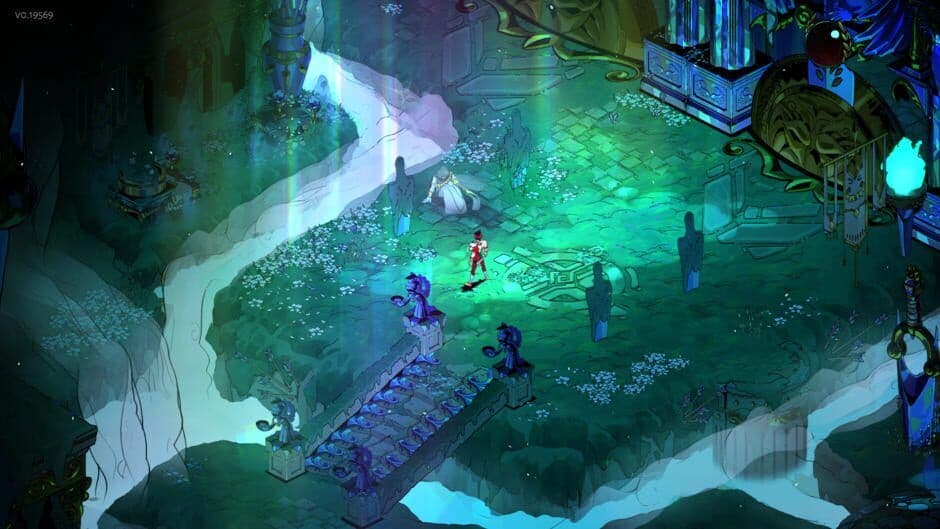
The House of Hades serves as the central hub for growth.
This respect is built on a multi-layered economy of currencies, each with a clear and compelling purpose. Darkness, the purple shards, feeds the Mirror of Night in Zagreus’s bedroom. This is the cornerstone of your permanent power, offering a suite of passive upgrades that let you tailor your fundamental playstyle. The choices here are meaningful, not just incremental. Do you invest in Death Defiance, granting you an extra life per run, or Ruthless Reflex, which rewards perfect dashes with a massive damage bonus? You can even respec these choices for a pittance, encouraging experimentation. This system provides a steady, predictable power curve that runs parallel to your own skill development. You’re not just getting better at the game; Zagreus is literally growing stronger, and the Mirror makes that progression feel deeply personal.
The House Contractor is a masterstroke of positive reinforcement. Turning hard-earned Gemstones into a new fountain for the courtyard or a better rug for the lounge isn’t just cosmetic; it’s a visual testament to your accumulated effort, transforming the House from a cold palace into a home you’ve personally built.
Parallel to this is the House Contractor, managed by the ever-efficient Hypnos. Spending Gemstones here unlocks both practical gameplay assists—like healing fountains in the Underworld or additional revival options from Skelly—and purely aesthetic renovations. This system brilliantly merges tangible reward with intangible satisfaction. Unlocking the music stand for Orpheus or the new curtains for the west hall doesn’t make you hit harder, but it deepens your connection to the world. It makes the time spent between runs feel like meaningful downtime, not a loading screen. The gameplay benefits, like those healing fountains, are smartly placed as long-term goals, offering crucial support that can turn the tide in later, more difficult escape attempts.
The most emotionally resonant layer of progression, however, is tied to Nectar. This precious resource, found in abundance once you know where to look, is the key to the game’s social fabric. Gifting it to characters unlocks their Keepsakes—equippable trinkets that offer run-long benefits, from increased damage against armored foes to summoning a companion for a powerful assist. More importantly, it unlocks their stories. Giving your first Nectar to Cerberus earns you the Old Spiked Collar, a straightforward health boost. Giving your fifth begins to unravel the quiet loyalty of the three-headed guardian. This mechanic ensures that your growing power is inextricably linked to deepening relationships. The companions you eventually unlock, like Mort or Battie, are not just powerful “get out of jail free” cards; they are the ultimate expression of a bond forged over countless conversations and shared struggles.
This interconnected web of progression—stat boosts, hub upgrades, and character bonds—creates a powerful, self-sustaining loop. A failed run is never a dead end. It’s a chance to bank Darkness for a new Mirror talent, gather Gemstones to buy a renovation that aids your next attempt, and finally give that Nectar to Dusa to hear her thoughts on the new furniture. Hades masterfully convinces you that you are always moving forward, that every drop of blood spilled in the Styx is a deposit toward a more powerful, more connected future. It’s a design philosophy that doesn’t just respect your time; it celebrates it, making the journey out of hell feel rewarding long before you ever see the sun.
Modernizing Myth: Character Writing and Art Direction
Hades could have easily coasted on the iconography of Greek myth. Instead, it performs a breathtaking act of reanimation, breathing life into ancient figures by giving them modern anxieties, sharp wit, and stunning visual form. This isn't a museum tour of dusty legends; it's a vibrant, living reinterpretation where the gods feel like compelling characters first and mythological archetypes second. The artistic presentation is the final, essential pillar that elevates the game from a mechanically brilliant roguelike to a complete and unforgettable world you ache to return to.
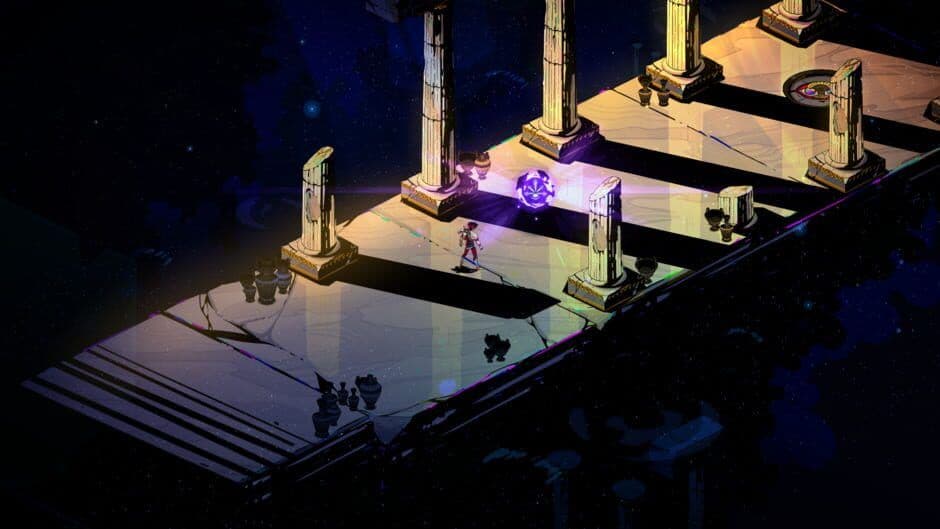
The art direction maintains a high level of detail across all Underworld biomes.
The character writing is a masterclass in nuanced reinterpretation. Supergiant Games understands that the most interesting gods are flawed, and they mine this for both drama and surprising warmth. Hades himself is the prime example—he’s not a cartoonish villain, but a perpetually overworked administrator buried in paperwork, whose gruff exterior masks a complex history of grief and paternal disappointment. His sarcastic, dismissive barbs when you return from a failed run (“You again?”) land with the weary frustration of a father dealing with a rebellious teen, making their eventual, hard-won reconciliation profoundly satisfying. This humanization extends to everyone. Sisyphus, eternally damned to push a boulder, is reimagined as a cheerful optimist who’s befriended his rock (Bouldy). Achilles is a mentor grappling with guilt, not just a legendary warrior. This approach transforms the House of Hades from a mythological set piece into a dysfunctional family home, and your investment in these relationships becomes as powerful a motivator as any stat upgrade.
The art direction, led by Jen Zee, doesn't just illustrate these characters—it defines their personalities. Hades looms in oppressive reds and blacks, a mountain of intimidating authority, while Dionysus drips with purple, laid-back cool. It’s a visual language you learn to read instantly.
This character depth is matched and magnified by a singular visual identity. Art director Jen Zee’s style is a breathtaking fusion of ancient inspiration and modern comic-book dynamism. The aesthetic draws clear lines from Greek vase paintings—seen in the stylized silhouettes and decorative borders—but injects them with a vibrant, saturated color palette and fluid animation that makes every dash and spell-cast feel explosive. The biomes are distinct works of art: the claustrophobic, rusted chambers of Tartarus, the chaotic, luminous lava flows of Asphodel, and the serene, haunting beauty of Elysium’s green fields. Crucially, this beauty never sacrifices clarity; even amidst the screen-filling chaos of a fully-booned endgame fight, character silhouettes and attack telegraphs remain readable, a testament to disciplined artistic design that serves the gameplay.
The auditory landscape is equally meticulous and transformative. Darren Korb’s “industrial mythic” score is a character in itself, using electric guitars, heavy percussion, and haunting vocals to underscore the game’s tone. The music dynamically swells during boss encounters, pushing your adrenaline, and recedes into melancholic, atmospheric tracks in the House, allowing the character dialogue to shine. And shine it does. Hades features fully-voiced dialogue with a staggering volume of context-aware lines, and the performances are uniformly excellent. Logan Cunningham is a standout, voicing not only the deep, resonant gravitas of Hades but also the witty, fourth-wall-leaning dryness of the narrator, Zagreus. The voice work gives weight to every snarky retort and vulnerable confession, making these gods feel vividly, undeniably real.
This brings us to the game’s most sophisticated achievement: its work as a piece of classical reception. Hades doesn't just retell myths; it thoughtfully interrogates and reframes them, often reclaiming agency for its characters. The most powerful example is Persephone. In the traditional myth, she is a passive figure abducted by Hades. Here, her departure from Olympus is her own defiant choice, a flight from divine drama to find peace. The game’s core quest—Zagreus seeking his mother—becomes a journey to understand her autonomy, not to rescue her. This subtle but profound shift is emblematic of the entire project. Hades treats mythology not as immutable scripture, but as a rich tapestry of relationships to be explored, questioned, and emotionally deepened. It proves that the oldest stories can feel the most contemporary when they are told with this much character, heart, and artistic confidence.
Hades Accessibility: Is it Too Easy or Too Hard?
This is where Hades truly separates itself from the genre’s often unforgiving reputation. While its core loop is built on repeated failure, it’s a game deeply invested in player success, offering a spectrum of difficulty so elegantly tuned that it feels less like a static challenge and more like a bespoke experience being molded to your skill level. The question of whether it’s too easy or too hard has a simple, brilliant answer: it’s exactly as difficult as you need it to be.
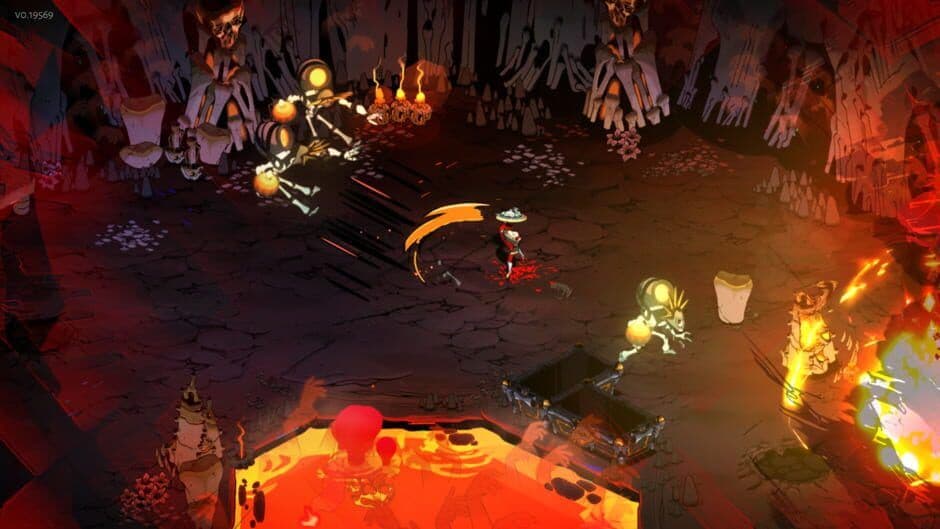
Exploration and combat are core to the Hades experience.
The cornerstone of its accessible design is the optional God Mode. This isn't a binary "easy mode" switch that shames the player; it’s a dynamic, in-universe mechanic that subtly acknowledges the Sisyphean struggle. Toggled on from the settings, it provides a 20% damage resistance buff that increases by 2% with each death, capping at 80%. The genius is in its implementation. It doesn’t dumb down enemy AI or reduce their health; it simply gives you more room for error, letting you learn patterns and build confidence without the instant-punishment that can frustrate newcomers. Crucially, it’s framed as Zagreus tapping into his divine resilience, a narrative justification that feels organic rather than a concession. This is accessibility done right—it respects your time and effort without stripping away the core tension or the satisfaction of mastery.
God Mode is the antithesis of gatekeeping. It’s an invitation, not a cheat code, ensuring the game’s rich narrative and character arcs are never locked behind a skill wall.
For veterans who find the base challenge insufficient, the Pact of Punishment awaits after your first successful escape. Dubbed “Heat,” this system is a masterclass in customizable, scalable difficulty. You don’t just crank up a generic slider; you select from a menu of specific, often devilish modifiers. Want harder enemies with more health? Turn up Hard Labor. Prefer a strict time limit per chamber? Tight Deadline is your poison. The system shines in its modularity, allowing you to tailor the challenge to your build and playstyle, and it’s directly tied to meaningful endgame progression, rewarding you with Titan Blood for conquering higher Heat levels with each weapon. It transforms the endgame from a victory lap into a grueling test of optimization and skill, offering near-infinite replayability for those who crave it.
Where Hades stumbles slightly is in its initial onboarding. The first hour can be a deluge of unexplained systems. You’re showered with Darkness, Gemstones, Keys, Nectar, and Chthonic Keys, with only cryptic tooltips to explain their vastly different purposes for the Mirror, the House Contractor, weapon unlocks, and Keepsakes. The game trusts you to figure it out through experimentation—which is rewarding in the long run—but that initial confusion can be a barrier. You might waste precious early Nectar on a character whose Keepsake doesn’t suit your style, or hoard Gemstones unsure if they’re for cosmetics or crucial upgrades. It’s a rare moment where the game’s otherwise impeccable design feels slightly impatient, asking for a faith in its systems that it hasn’t yet fully earned.
This layered approach to challenge extends to the bosses themselves, who evolve in clever, narrative-driven ways. Your first victory over Meg, the eldest Fury, is a milestone. But subsequent encounters introduce her sisters, Alecto and Tisiphone, each with their own, more aggressive attack patterns. The Bone Hydra in Asphodel doesn’t just get more health; it sprouts new, armored heads and calls forth spectral reinforcements. This isn’t simple stat inflation; it’s the game acknowledging your growing power and meeting it with renewed ingenuity. These evolved encounters feel like genuine rematches against rivals who are learning alongside you, preserving the thrill of the fight long after you’ve memorized their initial tells. They ensure that the journey to the surface never becomes a rote checklist, constantly adapting to keep pace with the god-like power your boon combinations can eventually unleash.
Performance and Platform Differences: Where to Play Hades
The beauty of a game like Hades is that its core loop is so perfectly contained it could thrive on any platform, but the technical execution across them is far from uniform. This is a game that demands split-second reaction times and visual clarity amidst screen-filling chaos, making performance more than a technical footnote—it’s a direct contributor to the quality of the experience. While the core gameplay is identical, where you play Hades can subtly, but meaningfully, change the feel of your escape attempts.
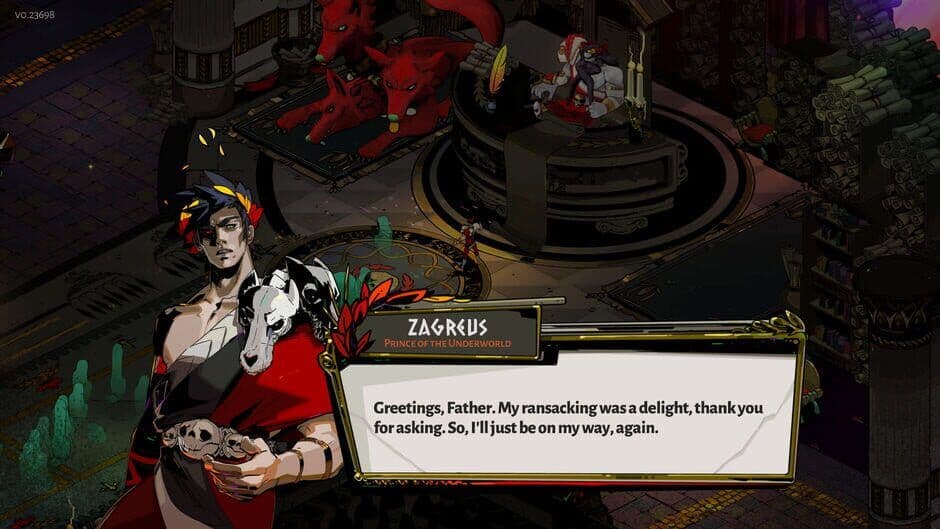
Optimized for portable play
On modern consoles, the game is an unmitigated technical showcase. The PS5 and Xbox Series X versions deliver a pristine 4K resolution at a locked 60 frames per second, and this stability is transformative. In the fiery, projectile-dense chambers of Asphodel or during a hectic boss fight with all three Furies, the action remains buttery smooth. You can track every lava plume, every homing arrow, and every flash of a Divine Dash deflection without a hint of slowdown. This flawless performance isn't just a luxury; it’s the difference between a death you blame on your own mis-timed dash and one you blame on the hardware. The PS5 version goes a step further with thoughtful DualSense integration. The adaptive triggers offer a subtle, satisfying resistance when you reel in a fish—a tiny but delightful bit of haptic feedback—and the controller’s lightbar glows with the color of your currently equipped God’s Keepsake, providing an elegant, at-a-glance reminder of your build’s focus. These are small touches, but they demonstrate a level of polish that honors the player’s investment.
The Nintendo Switch version is a minor miracle of optimization, proving that portability is a powerful trade-off, but one that comes with a tangible cost.
The Nintendo Switch port, conversely, is a study in admirable compromise. In handheld mode, it renders at 720p, and docked it targets 1080p, both aiming for that crucial 60fps. For the vast majority of your playtime, it hits this target, and the experience is remarkably intact. The art style’s strong silhouettes and vibrant colors hold up beautifully on the smaller screen, making handheld play a legitimate and compelling way to experience the game. However, the seams show during peak intensity. When your screen is crowded with Zeus’s lightning bolts, Dionysus’s festive fog, and a half-dozen exploding chariots in Elysium, the framerate can stutter. These drops are infrequent and rarely game-breaking, but in a title where timing is everything, they can disrupt the fluid “flow-state” of combat that the console and PC versions maintain so effortlessly. It’s the difference between a perfect run feeling like a symphony you’re conducting and one where the orchestra occasionally misses a beat.
This leads to the definitive advantage of the Switch: its hybrid nature. The ability to seamlessly transition from a big-screen experience to a portable one is Hades’ secret weapon. A quick run through Tartarus becomes the perfect companion for a commute or a lazy evening on the couch, and the game’s 30-45 minute run length is ideally suited for short bursts. This is bolstered by the implementation of cross-save functionality between the Switch and PC versions. Being able to grind out a few runs for Gemstones on your lunch break and then pick up right where you left off on your powerful home rig for an evening of high-heat boss battles is a feature that feels almost essential once you’ve used it. It respects your time and acknowledges the modern, multi-platform reality of how we play.
Ultimately, the platform choice comes down to priority. If you demand absolute graphical fidelity and rock-solid performance, the PC or current-gen console versions are the definitive way to play Hades. If the freedom to play anywhere, anytime, outweighs the occasional framerate dip in the most chaotic moments, the Switch version is a triumph of portable design. Whichever you choose, you’re getting one of the finest games of its generation; you’re just deciding whether you want to experience its hellish ballet on a grand stage or in the palm of your hand.
Final Verdict: Is Hades the Greatest Roguelike Ever Made?
This is where the game earns its reputation. After dissecting its narrative alchemy, its kinetic combat, and its masterful progression, the final verdict on Hades is not a question of quality—that’s a given—but of legacy. Is this the greatest roguelike ever made? The answer hinges on its ability to transcend the very genre it perfects, becoming something more than the sum of its brilliant parts. It’s a game that reshapes what a player’s time and failure are worth, and in doing so, carves out a permanent throne in the pantheon of essential video games.
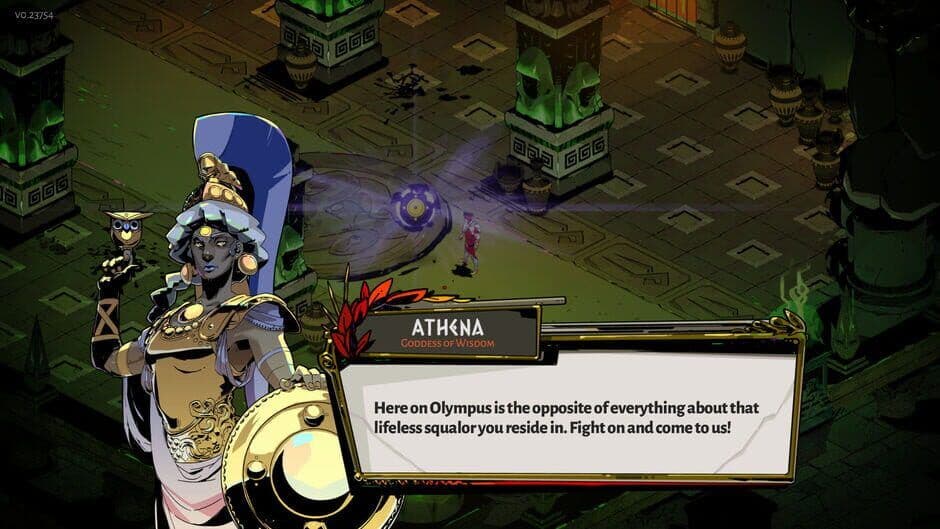
Every run in Hades offers new challenges.
Let’s talk value, because Hades offers an embarrassment of riches for its modest price. Reaching the credits for the first time is a 20-30 hour journey, but that’s merely the prologue. The true ending, character epilogues, maxing every weapon Aspect, and climbing the Pact of Punishment ladder can easily push playtime past 100 hours. For a game that retails for $20-$25, this is an almost absurd cost-to-enjoyment ratio. Every minute of that time is dense with meaningful progression—whether it’s a new line of dialogue from Achilles, a fresh Duo Boon combination, or finally conquering a 32-heat run. It respects your investment by ensuring there is always a new carrot on the stick, and that the stick itself is a joy to wield.
Where Hades stumbles, ever so slightly, is in the stretch between its initial climax and its true finale. The story, so expertly woven into early runs, can feel stretched thin as you grind for specific resources to unlock the epilogue.
This leads to the game’s most significant, yet nuanced, criticism: narrative pacing. The initial 30-40 runs are a masterclass in integrated storytelling, with every return to the House revealing new character beats. However, unlocking the “true” ending requires a specific sequence of events and conversations that are gated behind random chance and repeated boss victories. This transforms the final leg of the narrative from a driven quest into a waiting game, where you might find yourself running through Elysium for the fiftieth time not for the thrill of a new build, but simply hoping Persephone has a new dialogue flag. It’s a rare moment where the game’s commitment to its roguelike structure creates friction with its narrative ambitions, testing player patience in a way the early game so elegantly avoids.
This late-game repetition is mirrored in the resource grind for Titan Blood and Diamonds, needed to fully upgrade all weapon Aspects and House renovations. While the Pact of Punishment system brilliantly varies the challenge, the core activity of clearing the same four biomes can become familiar. On the Nintendo Switch in handheld mode, this repetition is exacerbated by the occasional visual clutter and framerate dips during the most chaotic encounters, which can make these mandatory late-game runs feel slightly more taxing than on other platforms. It’s a testament to the core gameplay’s strength that this grind remains mostly enjoyable, but it’s the one seam where the game’s otherwise flawless design shows a bit of wear.
When stacked against its genre peers, Hades doesn’t just compete; it redefines the terms of engagement. Compared to the breakneck platforming and combat mastery of Dead Cells, Hades offers deeper narrative pull and more expressive build-crafting. Against the endless combinatorial chaos of The Binding of Isaac, it provides a coherent, character-driven world and a tangible sense of permanent progression. It doesn’t necessarily dethrone these titans in their specific specialties, but it synthesizes their strengths into a more holistic, emotionally resonant package. It’s the roguelike for people who don’t typically like roguelikes, and a revelation for those who do.
Final Verdict: A Masterpiece That Transcends Genre
Hades is more than a game; it’s an experience that reconfigures your relationship with failure, progress, and storytelling. It is Supergiant Games’ magnum opus, a near-flawless execution of ambition where every system—combat, narrative, progression, art—locks together with breathtaking harmony. The minor criticisms of late-game pacing and visual clutter on Switch are footnotes in a epic saga of divine rebellion and personal connection.
This is a must-play masterpiece. Whether you crave the adrenaline of perfect combat, the satisfaction of intricate build theory, or the warmth of a story about a dysfunctional family finding its way, Hades delivers. It doesn’t just claim a spot among the greatest roguelikes ever made; it confidently steps beyond the genre, offering one of the most complete and rewarding video game experiences of the last decade. Your escape awaits.
Pros:
- A revolutionary fusion of roguelike mechanics and a persistent, character-driven narrative that makes every failure meaningful.
- Addictive, fluid combat with immense depth thanks to the Boon system and six wildly distinct Infernal Arms.
- Exceptional artistic direction, a stellar soundtrack, and superb voice acting that bring a modern, vibrant twist to Greek mythology.
- Brilliantly scalable difficulty via the optional God Mode and the deep, customizable Pact of Punishment.
Cons:
- The narrative pacing can drag in the late game as you grind for specific triggers to unlock the true ending.
- The repetitive nature of resource farming for 100% completion can test patience.
- Visual clutter and occasional performance dips on the Nintendo Switch version during intense combat scenarios.