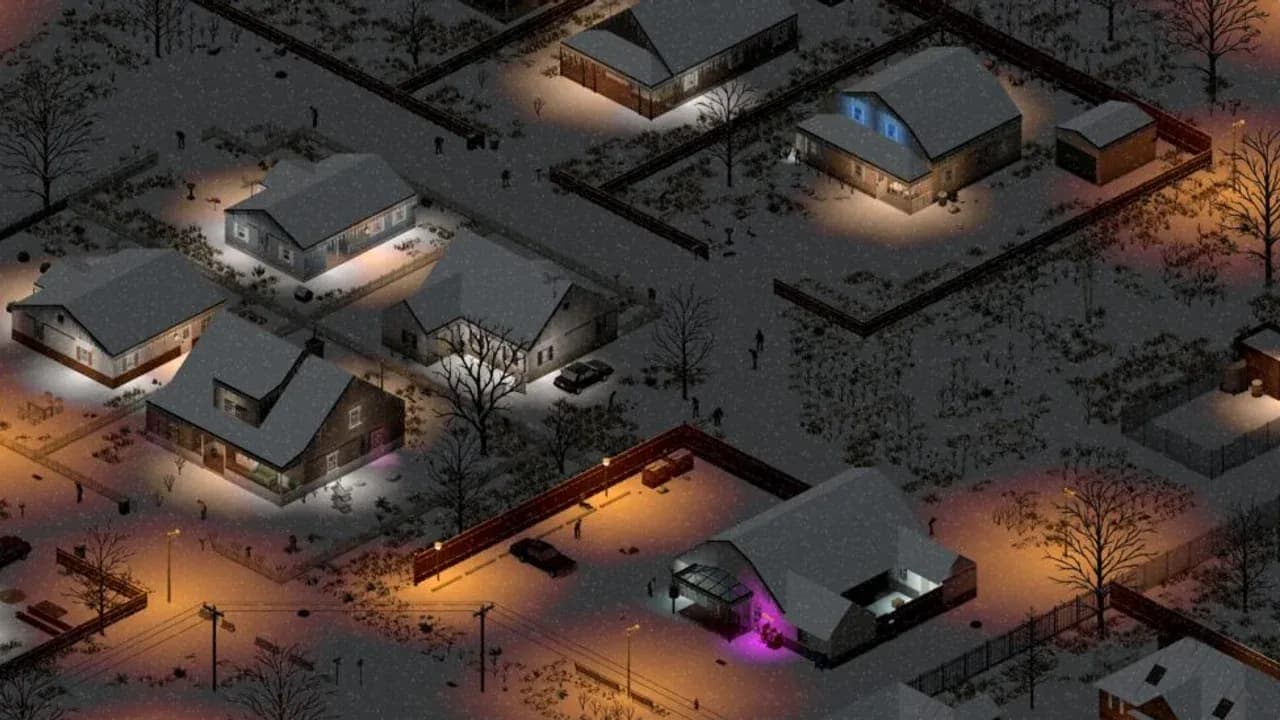
The power outage is a deadline test. Once the Automated Emergency Broadcast System warns that the Knox Power Grid is failing, spend the remaining mains power on jobs that become expensive or impossible afterward: pumping fuel, charging batteries, processing perishables, and arranging the dark base you will occupy afterward.
A lamp can wait for a generator. A dry fuel can left beside an unpowered pump cannot help you bring that generator home.
Run the Two-Day Power Outage Checklist
The AEBS gives two distinct stages before the blackout. Two days before the electricity shuts off, its hourly report adds:
Knox Power Grid: Power fluctuations detected.
One day before shutoff, that becomes:
Knox Power Grid: Systems failing. Network compromised.
On the day the grid fails, the message changes to “Blackout.” The station continues broadcasting, so the report is still useful after the lights die. It does not warn you about the water shutoff; treat stored water as a separate plan.
The warning stage begins two in-game days before shutoff, but your usable time begins when you actually hear the report. Run the list from the first stage you catch:
- “Power fluctuations detected”: mark one route through a gas station, your base, an auto shop or garage, and a safe food source. Clear its most dangerous stop while building lights still work. Stage the generator outdoors at home.
- “Systems failing”: fill the transport vehicle and portable fuel containers, charge useful car batteries, turn the fridge into a meal plan, and put independent lights beside your night route.
- “Blackout”: power only the cold storage and other loads you chose, verify the generator is outside, and treat untouched buildings as alarm risks.
If you first tune in at “Systems failing,” start at step two immediately.
Take the Grid to the Fuel Pumps
A gas pump works only when its tile has power. Before the blackout, the mains provide that power. Afterward, the pump needs a connected generator—and the sandbox option that allows generators to power exterior tiles must be enabled. A generator can make the pump run again, but it cannot create fuel in a pump that spawned empty or has already been drained.
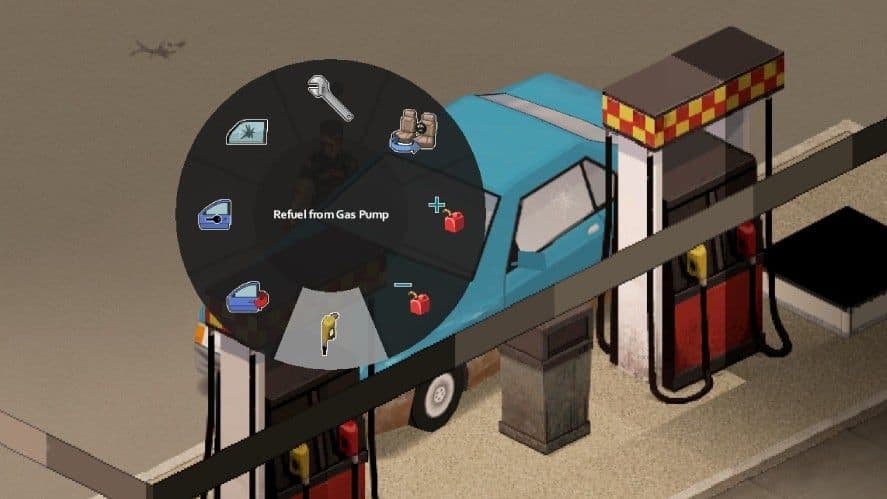
Use the remaining mains power to fill the vehicle and portable fuel containers.
Use the warning window for one deliberate station visit:
- Top off the vehicle you trust for generator hauling and long trips.
- Fill every practical petrol container you intend to carry, not a pile of tiny bottles that becomes an inventory problem.
- Put the reserve fuel in the vehicle or at the base where the future generator will actually use it.
- If you already own a second generator, stage it at the station so later fuel runs do not begin with another hauling trip.
You need fuel to move a generator, a generator to restart a pump, and a working pump to make fuel convenient again. Mains power lets you break that dependency before it exists.
Leave with one fueled transport vehicle, portable reserve fuel, and a clear post-blackout route back to a pump you know can be powered.
Spend Mains Power on Car Batteries
A Car Battery Charger must sit on a powered tile. Place it, connect a not-full car battery, and turn it on while the building still has grid power. The charger restores remaining charge; it does not repair the battery’s condition. A fully charged, badly damaged battery is still a weak spare.
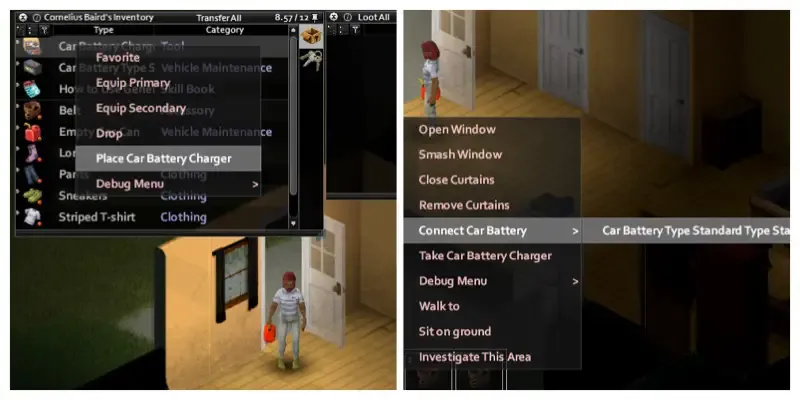
Charge a good-condition spare while mains power is still free.
Start with the vehicles that matter to the outage plan:
- the one that will haul your generator;
- the one holding your fuel reserve;
- any compatible spare battery in good condition.
Remove and charge the spare before the deadline. After the grid fails, the charger can work inside generator coverage, but then you are burning fuel and broadcasting generator noise for the same job.
If you have to choose, charge a good-condition battery. Do not spend the warning window rescuing a nearly ruined part simply because it is already installed.
Turn the Fridge Into a Meal Plan
The blackout turns an unpowered refrigerator into ordinary storage. It no longer slows food aging, and electric ovens lose their power with the rest of the appliances. Your answer is not to cook everything indiscriminately: cooking does not reset stale food to fresh, and a mountain of cooked meals can still become a spoilage problem.
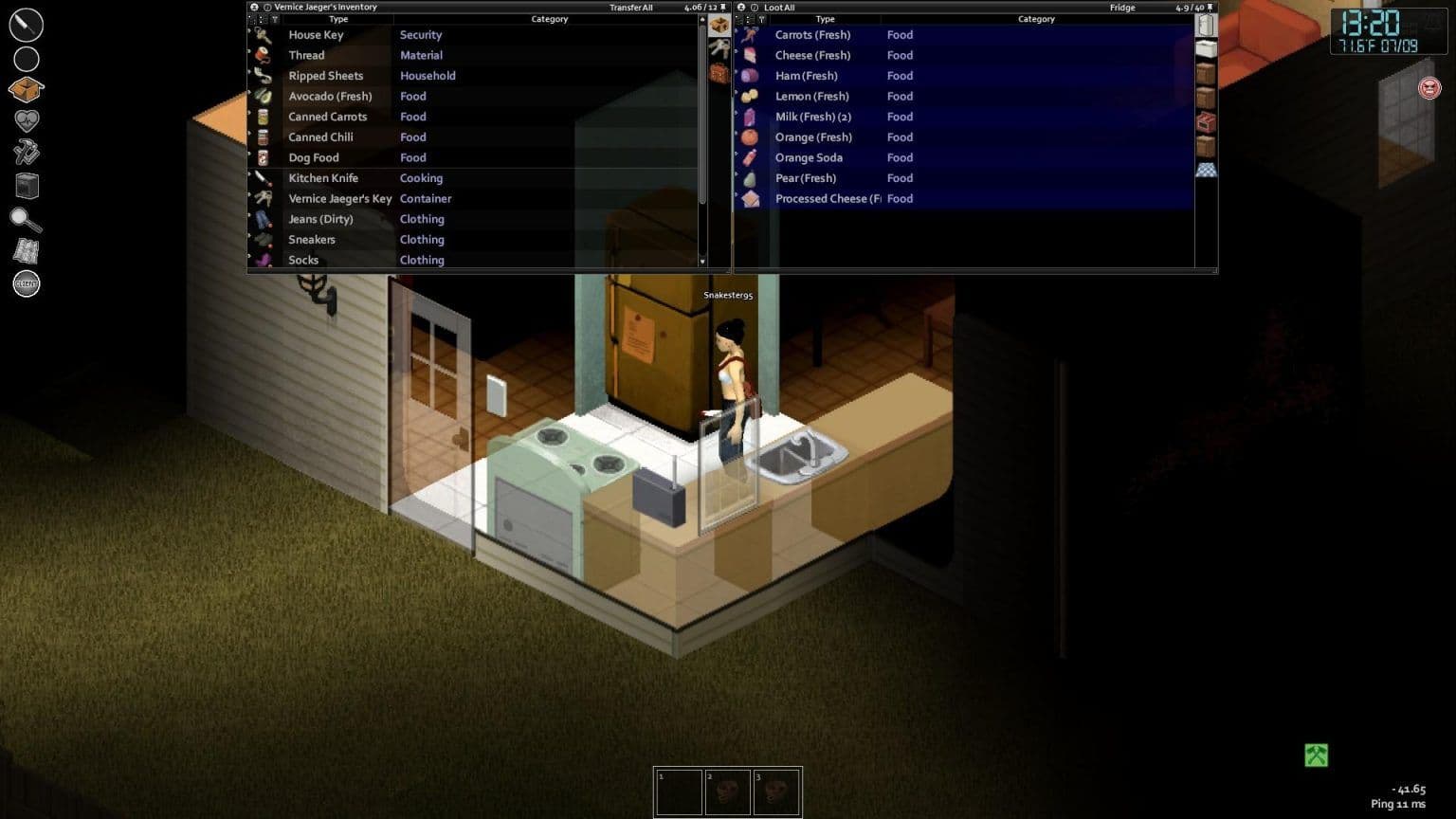
Sort the fridge into food to eat, preserve, keep cold, or move to shelves.
Sort the kitchen by what each item should become:
- Eat or cook now: opened food, leftovers, and short-lived ingredients you can turn into the next few meals.
- Preserve through a named route: jar vegetables accepted by the current recipe, dry herbs or Wheat Sheaves on Plant Drying Racks, and turn Milk into Butter at a Butter Churn when you already have the workstation and inputs.
- Keep cold deliberately: reserve generator-backed fridge or freezer space for the meat, fish, and other perishables that are worth the fuel cost.
- Move out of cold storage: sealed cans and other non-perishables gain nothing from occupying powered space.
This turns the fridge into a queue instead of a vault. The first food you see should be what you need to use next. The freezer should hold what you are intentionally paying to preserve, not every item that happened to be inside when the grid failed.
Stage the generator outdoors before the deadline, with the cold-storage appliances inside its coverage. Do not run a generator in an occupied building. You are preparing a handoff: when “Blackout” appears, the generator takes over only the loads you chose, instead of every appliance left within range.
Blackout Changes the Route, Not the Burglar Alarms
The consequential failures are cold storage, electric cooking, gas pumps, battery charging, and building lights. Streets and interiors become much darker, so the outage changes how safely you can fight and move even if your generator covers the base.
Put a flashlight or another independent light source beside the door you use at night. Clear the route between your bed, food storage, generator switch, and escape exit while you can still inspect it under building lights. Finish or cancel anything cooking in an electric oven before blackout so partially cooked food is not forgotten in a dead appliance.
Do not assume the silence makes every building safer. Burglar alarms are not disabled by the power-grid failure. Breaking into an untouched house after blackout can still trigger the loudest consequence of the trip, now while you are navigating a darker interior and street.
Battery-powered radios and lights retain their own power, the AEBS keeps broadcasting, fire-based cooking remains possible, and generators can restore selected tiles. None of that makes a dark, unlooted house safe: clear an exit before you break in, and be ready to leave the moment its burglar alarm sounds.