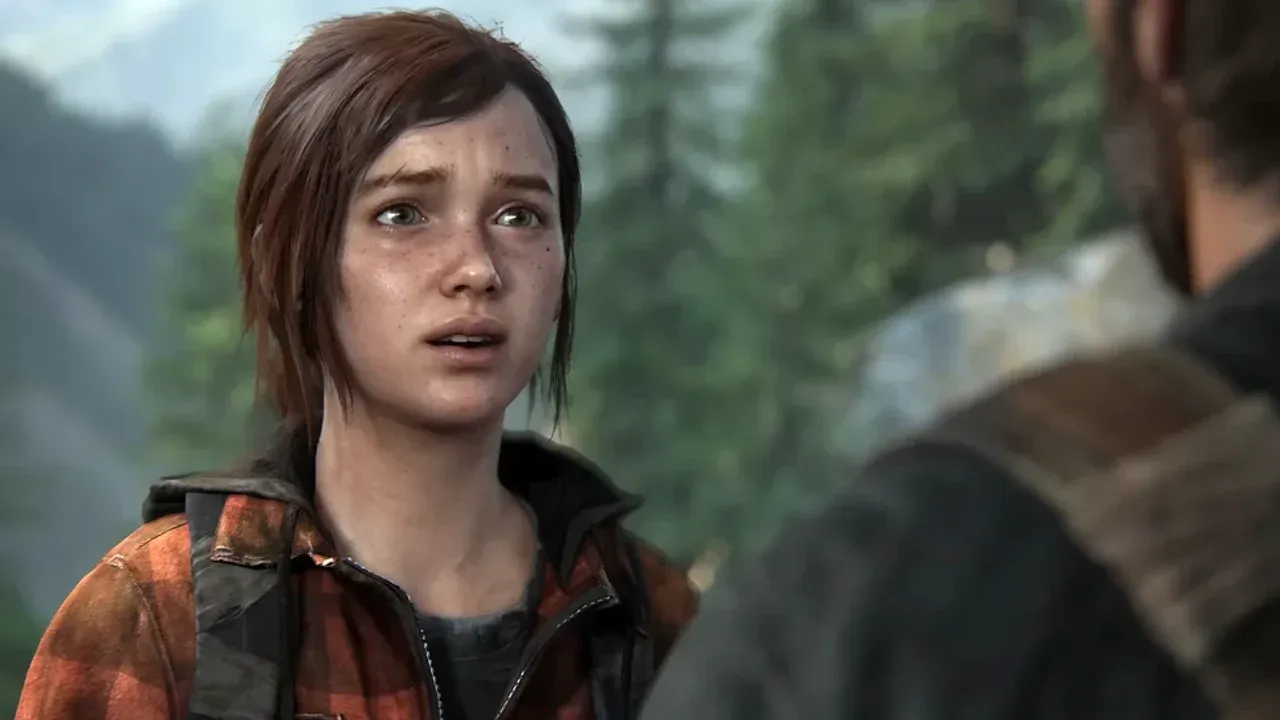
Ellie Williams Character Overview in The Last of Us Part II
Welcome to Jackson, Wyoming—a rare pocket of peace in a world that has forgotten the word. This is where your journey in The Last of Us Part II begins, not just as a player, but as a passenger in the fractured mind of Ellie Williams. Before you master her agility or load her guns, you need to understand who she is and what drives her. This isn't just a revenge story; it’s a deep dive into a character defined by trauma, guilt, and a love that arrived too late.
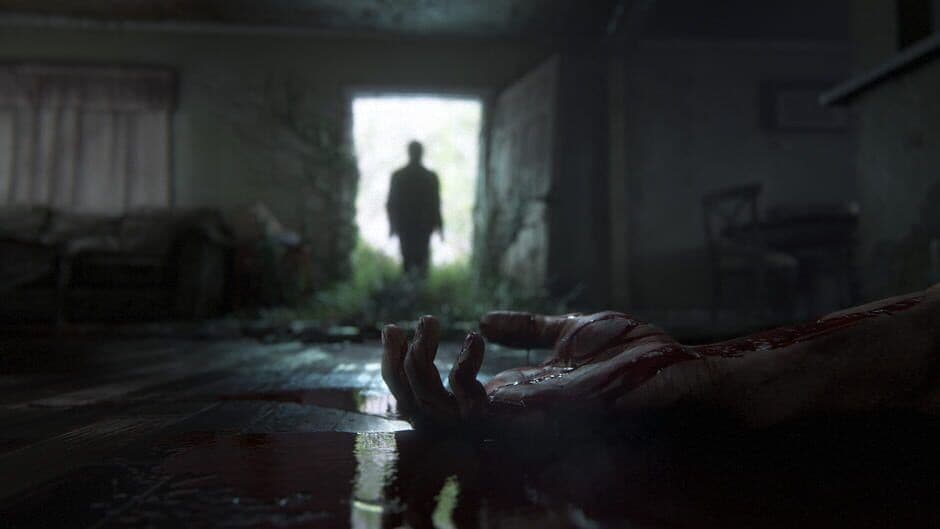
Ellie's survival skills are put to the test.
When we meet her at the start of the game, Ellie Williams is 19 years old, living in the fortified settlement of Jackson. She’s no longer the wide-eyed teen from the first game. The defining trait of her immunity to the Cordyceps fungus, once a symbol of hope, now feels like a burden tied to a stolen purpose. Her primary motivation is a raw, all-consuming drive for revenge, sparked by a trauma you witness within the game’s first hours. This quest is fueled by a complex storm of emotions: grief over a loss she feels responsible for, anger at a betrayal, and a desperate need to make something matter. Her journey will test not just her survival skills, but the very core of her morality.
Her world in Jackson is built around key relationships that shape her path. Her father figure, Joel Miller, lives here as a supporting character, but their relationship is strained, haunted by the lie he told to save her at the end of the first game. This tension hangs over every interaction, making their limited time together painfully poignant. By her side is Dina, her romantic interest and steadfast companion. Dina isn’t just a partner; she represents the possibility of a future and a normal life, a stark contrast to the dark path of vengeance Ellie is determined to walk. Their bond is your emotional anchor as the violence escalates.
Pay close attention to Ellie’s journal, accessible via the touchpad. It’s her unfiltered internal monologue, revealing fears and doubts she never voices aloud. It’s the best tool you have to understand the psychological war raging inside her.
This character overview is your foundation. Ellie isn't a generic action hero; she's a deeply wounded person making terrible choices for reasons that feel painfully human. Understanding her trauma, her relationships, and the peaceful life in Jackson she’s leaving behind is crucial to navigating the brutal, emotionally devastating story that follows. With this context, you’re ready to step into her shoes and begin the hunt.
Ellie's Agility-Based Playstyle and Combat Mechanics
In The Last of Us Part II, you step into the shoes of a character defined by desperation and agility. Ellie’s journey through Seattle isn’t just a story of revenge; it’s a physical and tactical gauntlet. Where Joel’s style in the first game was about brute force and protection, Ellie’s is a dance of evasion, precision, and survival—a playstyle built on her unique speed and a willingness to do whatever it takes to close the distance on her targets.
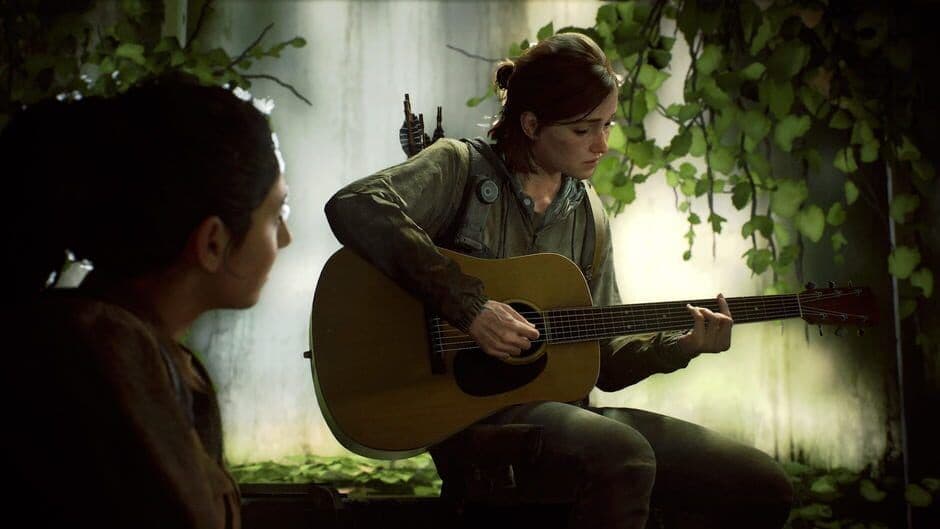
Combat mechanics in Part II emphasize Ellie's speed and stealth.
The Stealth and Mobility Advantage
Ellie’s greatest asset is her ability to stay unseen and strike from the shadows. The core of this is mastering her movement. You can press [O] to crouch, lowering your profile behind cover, and hold [O] to go fully prone, allowing you to slip through tall grass, under vehicles, and through tight spaces enemies can’t follow. This isn’t just for hiding; it’s for setting up the perfect ambush. When you need to reposition quickly, hold [L1] to sprint, but use it wisely—running creates noise that can give away your position. The level design in The Last of Us Part II actively encourages this stealthy approach, with broader, more vertical environments filled with flanking routes and hiding spots.
Going prone isn’t just for stealth. Use it to crawl under tripwires or through broken wall segments to access hidden areas with valuable crafting resources.
Your primary tool for silent takedowns is Ellie’s Switchblade. This is a game-changer from the first title; it allows for infinite stealth kills without needing to craft a shiv. When you sneak up behind an unaware enemy, a prompt will appear for a brutal, quiet execution. This makes managing human patrols—whether the militaristic Washington Liberation Front (WLF) or the whistling Seraphites—far more manageable if you’re patient.
The Brutality of Close-Quarters Combat
When stealth breaks down, combat becomes a frantic, intimate struggle. Ellie isn’t a tank; she’s a survivor who uses agility to avoid damage. The dodge mechanic is essential here. When an enemy winds up for a melee strike, press [L1] to evade, creating an opening for your own counter-attack. Mastering this timing is the difference between life and death in brawls, especially against tougher foes.
This is where crafting under pressure becomes vital. Open your inventory with the [Touchpad] to combine scavenged resources into lifesaving tools. Need to break line of sight? Craft a smoke bomb. Surrounded? A Molotov cocktail can clear a crowd. The game’s intense resource scarcity means you’re always making strategic choices about what to build next, reinforcing the feeling of being on the back foot and fighting smart, not just hard.
Ellie’s entire combat loop in The Last of Us Part II is about leveraging her agility: using stealth to thin the herd, dodging to survive in the open, and crafting tools to control the chaos. It’s a playstyle that feels uniquely hers—driven, ruthless, and deeply vulnerable. Master this rhythm, and you’ll navigate the horrors of Seattle not as an unstoppable force, but as a determined and deadly ghost.
Best Skill Tree Priorities for Ellie in The Last of Us Part II
The Last of Us Part II’s Seattle is unforgiving. To survive, you’ll need to evolve, and Ellie’s five skill trees are your path to becoming a more effective hunter and survivor. Your choices here directly shape how you’ll navigate combat and stealth, so picking the right upgrades early makes all the difference.
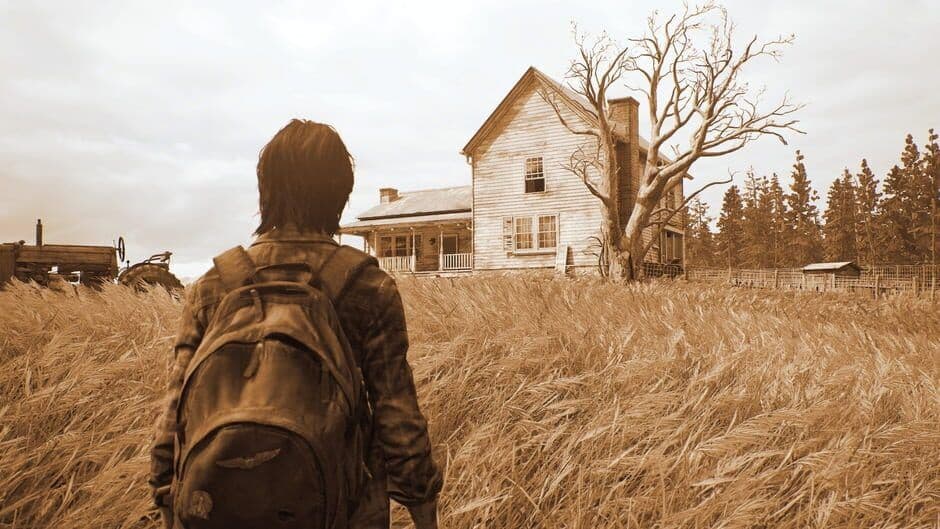
Ellie's journey through Seattle.
You’ll unlock the first tree, Survival, during the prologue in Jackson. This is your foundation, focusing on Listen Mode range and health upgrades. The initial upgrade, Listen Mode Range, is essential for scouting enemies through walls from a safer distance. From there, prioritize the Maximum Health upgrades. Trust me, you’ll thank yourself later when you can absorb an extra hit in a frantic firefight. This tree is about giving you the resilience to make mistakes and keep going.
Once you reach Seattle, the remaining four trees open up. Your playstyle will dictate the order, but here’s the optimal path for most players.
Crafting: Your Swiss Army Knife
The Crafting tree transforms your scavenged materials into more potent tools. Early on, focus on Smoke Bomb Crafting. This upgrade lets you craft smoke bombs, which are invaluable for breaking line of sight, reviving downed allies in combat, or creating cover for a stealthy escape. Next, grab Melee Upgrades. This allows you to upgrade melee weapons with scissors and tape, significantly increasing their durability and damage. A pipe that lasts for three kills instead of one is a game-changer.
Stealth: Become a Ghost
If you prefer to avoid direct confrontation, the Stealth tree is your best friend. The first upgrade, Faster Prone Movement, lets you crawl through grass and under cars much quicker, making it easier to reposition without being spotted. The crown jewel, however, is Silenced Shiv Kills. This upgrade allows you to perform stealth takedowns on Clickers without using a shiv, saving that precious resource for emergency door openings. It fundamentally changes how you approach infected areas.
Combine Faster Prone Movement with prone-crafting (hold [O] to go prone, then open your backpack) to safely make items while completely hidden in tall grass.
Explosives: Controlled Chaos
For a more aggressive approach, invest in the Explosives tree. Start with Trap Mine Crafting. Placing these proximity mines at doorways or along patrol routes lets you control the battlefield and eliminate threats without firing a shot. Following that, Improved Molotovs increases their damage and blast radius. This upgrade is perfect for clearing out groups of enemies or dealing with heavier threats like Shamblers.
Precision: For the Sharpshooters
Save the Precision tree for when you’ve secured a reliable rifle. Its upgrades are highly specialized but incredibly powerful. Aim Stability reduces weapon sway when aiming down sights, making those long-distance headshots far more reliable. The final upgrade, Hold Breath, is a sniper’s dream. While aiming a scoped rifle, you can hold [L3] to steady your aim completely, ensuring your bullet goes exactly where you want it to.
With your Survival foundation set in Jackson, and your Crafting, Stealth, Explosives, and Precision skills honed in Seattle, you’ll have a toolkit tailored to overcome any obstacle Ellie’s brutal journey throws at you. Focus on one tree at a time to feel your power grow meaningfully, and you’ll be ready to face what comes next.
Ellie's Essential Weapons and Gear Loadout
Your journey through the ruins of Seattle is a brutal one, and in The Last of Us Part II, Ellie’s survival hinges on mastering a versatile arsenal. From the silent hunt to the explosive confrontation, each tool in your loadout has a specific purpose. Let’s break down her essential weapons and gear, how to find them, and how to use them effectively to turn the tide of your revenge.

Scavenging for resources to upgrade Ellie's gear.
Core Firearms: From Jackson to Seattle
Ellie’s arsenal expands as her quest intensifies, starting with a pair of reliable rifles from Jackson. Your first major firearm is the Semi-Auto Rifle, a high-damage long-range weapon found during the initial patrol with Dina. It’s your workhorse for taking down armored Washington Liberation Front (WLF) soldiers from a distance. Shortly after, you’ll acquire the Bolt-Action Rifle. This high-precision weapon requires more patience; hold [L2] to aim, then press [R2] to fire a devastating round perfect for picking off unaware enemies or hitting weak points.
Once in Seattle, your options for stealth and close-quarters chaos open up. On Seattle Day 2, you’ll find the Bow in the Hillcrest neighborhood. This silent ranged weapon is indispensable for stealth sections—hold [R2] to draw the string for a powerful, quiet kill. For when stealth fails, nothing clears a room like the Pump-Action Shotgun. You can find this high close-range damage dealer in the Westlake Bank vault during Seattle Day 1. It’s your best friend against clickers and groups of enemies in tight spaces.
The Bow isn’t just for stealth. A fully drawn shot to an enemy’s leg will often stagger them, giving you a crucial opening to rush in for a melee finisher or reposition.
Essential Crafted Gear
Scavenging is half the battle in The Last of Us Part II, and what you build can mean the difference between life and death. Two crafted items are absolute game-changers.
The Molotov Cocktail is your premier tool for area-of-effect fire damage. It’s exceptionally effective against infected, as runners and clickers panic and burn, and it can force human enemies out of cover. Always keep a couple in your inventory for ambushes or when you’re cornered.
For area denial and defensive traps, you’ll want the Trap Mine. This explosive device is triggered by enemy proximity. Place it in doorways, at the top of ladders, or along patrol routes you know enemies will follow. It’s perfect for controlling the battlefield when you’re being hunted.
⚠️ Watch out: Trap Mines are neutral and will explode if you get too close. Place them carefully and remember their location to avoid a costly mistake.
With this loadout mastered—the precision of your rifles, the silence of your bow, the raw power of your shotgun, and the controlled chaos of your crafted explosives—you’re equipped to handle any threat Seattle throws at you. Trust your tools, manage your resources, and push forward.
How to Navigate Seattle Day 1: The Search for Nora
The hunt begins here. After the long ride from Jackson, Downtown Seattle in The Last of Us Part II is your first real taste of the city’s scale and danger. This sprawling, semi-open world area is where Ellie’s singular focus—finding the WLF and tracking down Nora—collides with the grim reality of a city at war. You’ll need to explore, scavenge, and survive before you can even start your search.
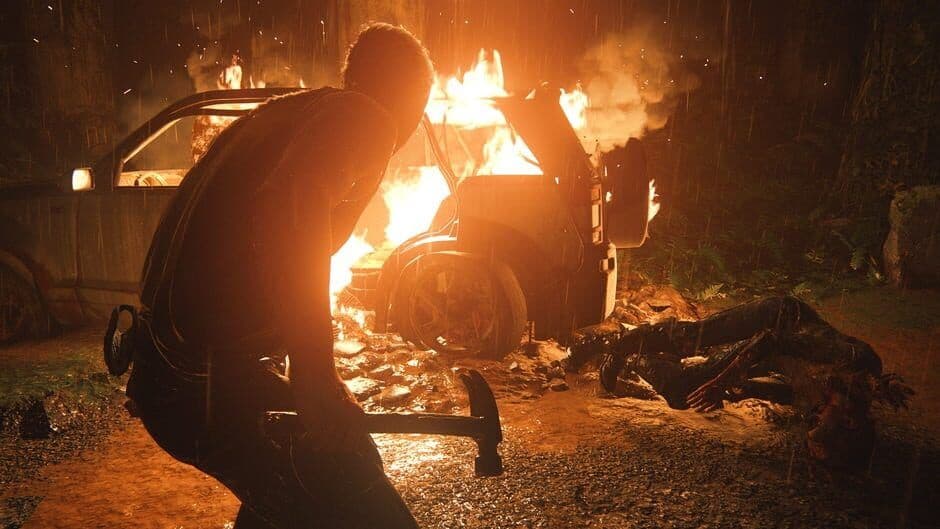
Preparing for combat against the WLF.
Your first major goal is to locate the Seattle TV Station, a WLF base marked on your map. Head northeast from your starting point near the courthouse. The journey there is a masterclass in tension, forcing you to navigate rain-slicked streets littered with infected and patrols. When you arrive, you’ll find the base in disarray. Inside, you’ll discover Leah, a member of Abby’s crew, already dead—a stark reminder that you’re not the only hunter in this city, and that violence begets violence. This discovery confirms you’re on the right trail, but the WLF’s internal communications point your search toward the hospital.
Before charging toward the TV station, thoroughly explore the surrounding buildings in Downtown Seattle. This semi-open area is packed with crafting supplies, ammunition, and optional encounters that will make the brutal days ahead much more manageable.
While the main path pushes you forward, The Last of Us Part II rewards curiosity. A key optional stop is the Valiant Music Shop in Downtown Seattle. Inside the dusty, abandoned shop, you can find a guitar. Interacting with it triggers a poignant moment where Ellie softly sings a cover of A-ha’s “Take On Me,” a brief, haunting respite that underscores the normalcy she’s lost. It’s a quiet character beat easily missed if you’re barreling toward revenge.
Your mission is also complicated by the arrival of an old friend. Jesse, Ellie’s friend from Jackson and the father of Dina’s baby, catches up to you in Seattle. His purpose is dual: he’s there to help find Tommy, but he also serves as a voice of reason, subtly questioning the cost of Ellie’s obsession. He represents the life and community in Jackson you’re risking everything to leave behind.
With the TV station cleared and Jesse by your side, the next objective is clear: infiltrate the Seattle Hospital to find Nora. The path is treacherous, leading through flooded sub-levels and Seraphite ambushes. This first day in Seattle sets the tone for everything to come—a slow, deliberate burn where every bullet and bottle cap counts, and every quiet moment is a temporary shelter from the storm. You’re no longer just surviving; you’re becoming the predator. Let’s go.
How to Survive Seattle Day 2 and Day 3: The Descent into Violence
This is where The Last of Us Part II turns the screws. Seattle Day 2 and Day 3 push Ellie deeper into the city’s heart of darkness, escalating both the combat intensity and the moral cost of her quest.
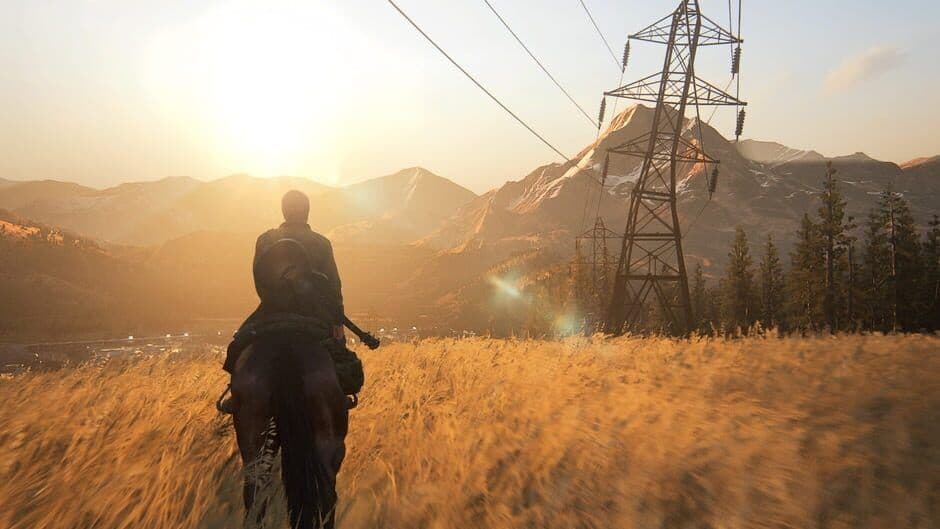
Tense mid-game encounters.
Navigating Hillcrest and the Hunt for Nora
Your goal is clear: find Nora Harris, the WLF soldier who helped kill Joel. The trail leads you to the Hillcrest neighborhood, a residential area on Seattle Day 2 now crawling with a heavy Washington Liberation Front (WLF) presence. This is a tense, multi-level gauntlet of houses and gardens. Stealth is your best friend here—use your silenced weapons and listen mode to pick off patrols. Your persistence is rewarded with the Bow, a crucial silent tool found in this area.
In Hillcrest, use the vertical space. Climb to rooftops and upper floors to get a tactical advantage and spot WLF patrol patterns before engaging.
Your interrogation of a WLF soldier points you toward the Seattle Hospital. Infiltrating it is a harrowing journey through ventilation shafts and spore-filled corridors. This is where you finally corner Nora Harris, the WLF member you've been hunting. The confrontation is brutal and marks a turning point: Ellie, consumed by rage and pain, tortures Nora for information. It’s here Nora reveals Abby’s motive—revenge for her father, Jerry Anderson, the Firefly surgeon Joel killed.
The Descent at the Aquarium
Armed with the knowledge of Abby’s whereabouts, you push into Seattle Day 3, culminating at the Seattle Aquarium, Abby’s group hideout. This location is a maze of damp corridors and eerie, abandoned tanks. Inside, you find Owen Moore, Abby's ex-partner, and Mel, a pregnant WLF medic. The confrontation is desperate and messy. You kill them both, but the discovery that Mel was pregnant hits Ellie with a wave of profound horror and guilt. This isn't a clean kill of a faceless enemy; it's personal, and the weight of it is staggering.
This sequence is the emotional nadir of Ellie’s journey in Seattle. With Owen and Mel dead, you’ve crossed a line that can’t be uncrossed. The game makes you feel every brutal choice, setting the stage for the inevitable, devastating clash to come.
The Narrative Arc: Flashbacks and the Cycle of Revenge
This is the narrative’s beating heart. The Last of Us Part II is not a simple revenge story; it’s a painful autopsy of a relationship, told through Ellie’s memories. The flashbacks aren’t just backstory—they’re the emotional fuel for her descent, revealing why Joel’s death doesn’t just take a father, but steals the chance to repair a broken bond. Understanding these moments is the key to understanding Ellie’s entire journey.
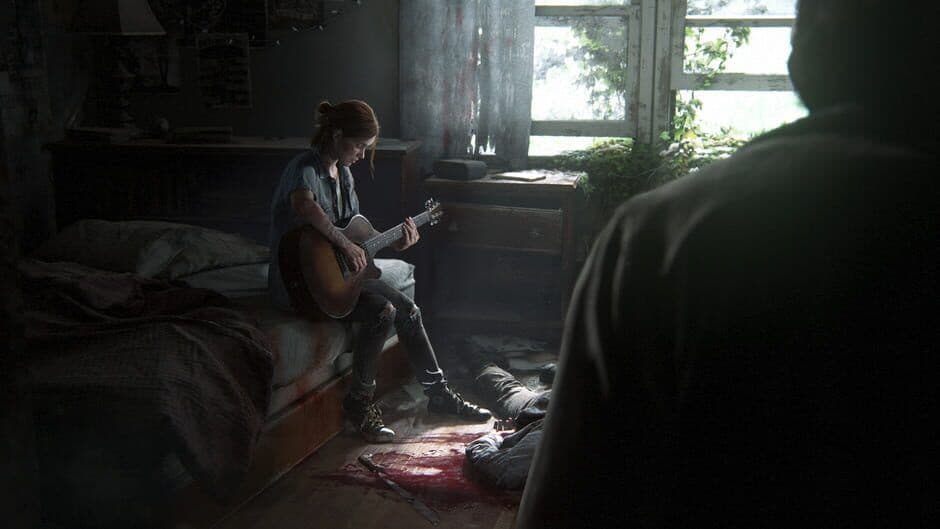
The cycle of revenge leads Ellie through increasingly grim locations.
The Flashbacks: The Unfinished Business
The game strategically weaves six crucial flashbacks into Ellie’s Seattle odyssey. They show us a relationship already fractured long before Abby’s golf club swung, making Joel’s murder feel like a second, more brutal loss.
First, the 15th Birthday flashback at the Wyoming Museum of Science and History. This is a moment of pure, fragile joy. Joel indulges Ellie’s love of space, gifting her an Apollo 11 cassette tape and letting her play astronaut in the shuttle exhibit. It’s a beautiful echo of her time with Riley, showing how loved ones nurture her imagination. But the shadow is already there. Ellie discovers spray-painted Firefly messages in the museum, including the word “LIARS,” which reignites her deep, nagging doubts about what really happened at the hospital.
Those doubts boil over in the St. Mary’s Hospital flashback in Salt Lake City. This is the moment Ellie uncovers Joel’s lie. Returning alone to the operating room, she finds a recorder confirming the surgeon who could make a vaccine is dead. When she confronts Joel, she forces the brutal truth from him: he killed that surgeon—Abby’s father, Jerry—to save her. Her life’s potential purpose was stolen, and with it, her trust. Her furious ultimatum, “We’re done,” fractures their world.
Pay close attention to Ellie’s journal. Access it by pressing [Touchpad] to open your backpack, then use [L1/R1] to navigate to it. Her poems and sketches here—like the one where she scribbles out Joel’s eyes—offer a raw, unfiltered look at her internal conflict that the main dialogue doesn’t always show.
The most devastating flashback is saved for last: The Last Conversation on the porch in Jackson, the night before Joel dies. After a tense town party, Ellie seeks Joel out. She expresses her pain over his actions and her inability to forgive him, but crucially, she also tells him, “I’d like to try.” Joel reciprocates. This is the glimmer of hope, the path to mending what was broken. The game intentionally withholds this memory until the very end of Ellie’s quest. When you finally see it, you realize her revenge wasn’t just for the man she lost, but for the future reconciliation that was brutally ripped away.
The Cycle and the Journal
These memories create the engine of her vengeance. Her rage isn’t just about Joel’s death; it’s compounded by the years of estrangement, the stolen cure, and the guilt that she was pushing him away when he died. Every brutal act in Seattle is an attempt to fill that void.
The narrative forces you to live this cycle by making you play as Abby in the second half. You learn her father was the surgeon Joel killed. You see her nightmares. You walk in the shoes of “the enemy” and realize her quest is a mirror of Ellie’s—a child avenging a parent. The game’s structure makes you the connective tissue between these two women, forcing an empathy that the characters themselves don’t yet have.
This is where Ellie’s Journal becomes essential. It’s her private epitext, a place where she’s honest in a way she can’t be with Dina or even herself. Here, she wrestles with her fear of infecting others, her survivor’s guilt, and the creeping realization that Abby might not be a monster, but a person who loved her dad. The journal charts her moral disintegration and the stories she tells herself to justify becoming a “avenger” instead of a “murderer.”
In the end, the flashbacks provide the key to her final, agonizing choice on the Santa Barbara beach. When she holds Abby underwater, the memory that flashes isn’t of Joel’s bloody face—it’s of that last porch conversation, the possibility of forgiveness. By sparing Abby, she isn’t just letting go of revenge; she’s finally accepting the complicated, flawed love Joel had for her, and breaking the cycle that would have doomed her and Lev to repeat the same pain.
Your journey through Seattle is brutal, but it’s these quiet moments of memory that give the violence its devastating weight. They’re the reason Ellie’s story is one of the most profound character studies in gaming.
Santa Barbara: The Final Pursuit of Abby
The final chapter of The Last of Us Part II isn't a grand battle; it's a gauntlet of decay leading to a single, desperate choice on a stormy beach. Months after leaving Seattle, Ellie’s obsession pulls her from the peaceful farmhouse and across 860 miles to Santa Barbara, a coastal area now controlled by a brutal slaver faction known as the Rattlers.

The coastal setting of Santa Barbara.
Your path through this sun-bleached hell is linear but tense. You'll navigate overgrown highways and Rattler outposts, facing both infected and heavily armed patrols. The goal is their main compound. Infiltrate it, and you’ll find a note referencing the Pillars on the Santa Barbara beach, where the Rattlers leave prisoners to die. This is your destination. When you arrive, you’ll find Abby Anderson, the final boss, emaciated, sunburnt, and tied to one of those wooden posts. Beside her is Lev, her young Seraphite companion, both left to rot. This is it—the confrontation you've chased for 30 hours, and neither of you are who you were in Seattle.
The Rattlers use chained infected as traps. Listen for their growls and use bottles or bricks to lure patrols into them for a chaotic, resource-saving advantage.
Cutting them down doesn’t end the hunt. Abby, focused only on getting Lev to safety, tries to walk away. But a flash of Joel’s broken face forces Ellie’s hand. The final beach fight is a brutal, intimate brawl. Abby fights with weakened, brawling strikes you must dodge. Ellie’s advantage is her switchblade: hold [L2] to aim and press [R2] to slash. It’s not about complex mechanics; it’s a raw struggle that forces you to participate in the violence one last time. As you fight, the game makes you feel the weight of every hit.
This fight ends not with a kill, but with a memory. As Ellie drowns Abby, she finally sees Joel not as he died, but as he lived—peaceful, on his porch. She lets go. Sparing Abby and Lev is the choice that breaks the cycle. They sail toward a faint hope, and Ellie is left with the cost.
The payoff is the Farmhouse ending in the epilogue. Ellie returns to the farmhouse to find Dina and JJ gone. Her journey has cost her everything she wanted to protect: her family, her peace, and finally, her last tangible connection to Joel. She tries to play his guitar but cannot due to her missing fingers. Leaving it on the windowsill, she walks into the woods alone, her future uncertain but the relentless pursuit of revenge finally behind her.
You’ve completed one of gaming’s most challenging emotional journeys. There are no winners here, only survivors carrying the weight of their choices—and the fragile possibility of moving forward.