
Abby Anderson's Background and Role in The Last of Us Part II
To truly master Abby Anderson in The Last of Us Part II, you need to understand who she is beyond the muscle and the violence. This opening section sets the stage for her entire journey, giving you the context you’ll need to navigate her brutal combat and complex redemption arc later on. Let’s unravel the story of the woman who shattered Ellie’s world.
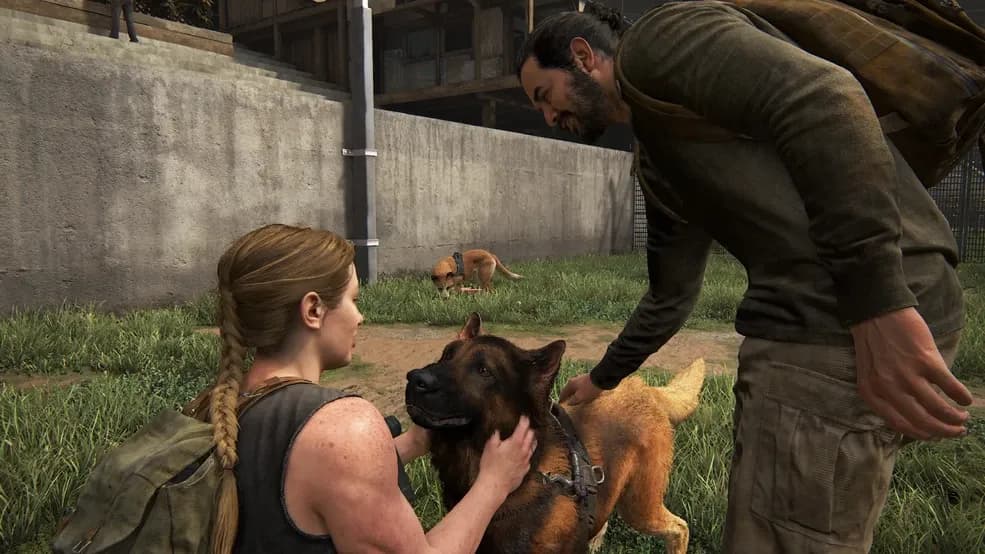
Abby's daily life within the Washington Liberation Front (WLF) community.
Abby’s story is one of revenge born from loss. She is the daughter of Jerry Anderson, the Firefly surgeon who was preparing to operate on Ellie for a potential cure at St. Mary's Hospital in Salt Lake City. When Joel Miller killed Jerry to save Ellie, he didn't just doom the Fireflies—he created a new enemy. For four years, Abby’s singular motivation was to murder Joel, a quest that led her to Jackson and set the entire plot of The Last of Us Part II in motion. Her identity is initially defined by this trauma, shaping her into a formidable and relentless soldier.
Her military prowess was honed within the Washington Liberation Front (WLF), the powerful faction known as the ‘Wolves’ that overthrew FEDRA to control Seattle. As a WLF soldier, Abby operates from their central hub, SoundView Stadium in Seattle. This isn't just a military base; it's a functioning society with agriculture, education, and a community—a detail that adds crucial depth when you later see Ellie attacking it. Abby's life here is one of discipline and loyalty, answering to the group's cold-blooded commander, Isaac Dixon.
Pay close attention to the environmental details in SoundView Stadium. Notes and conversations here paint a picture of the WLF as more than just "the bad guys," which is key to understanding Abby's internal conflict later on.
However, Abby is far more than just a weapon of the WLF. The Last of Us Part II famously forces you to play through her perspective, revealing her humanity. You witness her friendships, her doubts, and the nightmares she still has about her father. This narrative choice is the game's masterstroke—it dismantles the simple hero/villain dynamic and asks you to empathize with the "enemy." By the time you take control of her in Seattle, you're not just playing a villain; you're guiding a profoundly broken person searching for a way out of her own cycle of violence.
Understanding this background is your first step. With Abby's motivations clear—her grief for her father, her loyalty to the WLF, and the hollow victory of her revenge—you're ready to step into her boots and experience the world from the other side of the conflict. Let's go.
How to Master Abby's Brutal Combat Style and Mechanics
The moment you switch to Abby in The Last of Us Part II, everything changes. You’re no longer the agile skirmisher; you’re now in control of a Washington Liberation Front soldier built for power. Mastering Abby’s brutal combat style means abandoning Ellie’s instincts and embracing a new, more direct approach to survival.
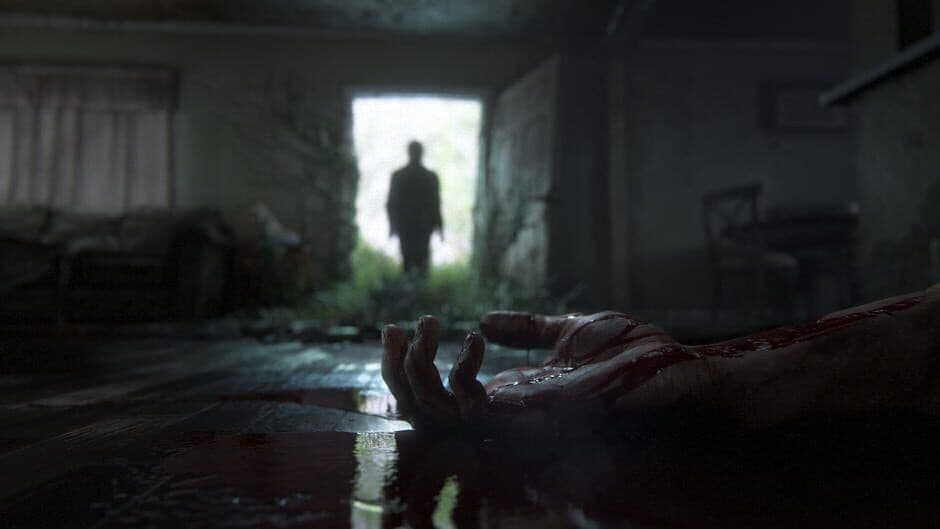
Abby utilizing her unique combat abilities.
From Skirmisher to Soldier: The Core Philosophy
Abby’s combat is defined by her WLF military background. Where Ellie relies on agility, stealth, and improvisation, Abby’s style emphasizes raw strength and direct engagement. This isn’t just a visual difference—it’s woven into every mechanic. Her movements feel heavier, her hits land with a more satisfying crunch, and her overall strategy rewards a head-on, tactical approach over cautious evasion. This shift in philosophy is your first and most important lesson: playing Abby like Ellie is a fast track to a game over screen.
The Tools of a Brawler
Abby’s advantages are built for close-quarters dominance and sustained firefights.
- Melee Impact: Forget Ellie’s quick slashes. Abby’s heavier strikes and unique finishing moves are a direct result of her physical conditioning. A single charged punch can stagger an enemy, opening them up for a brutal, context-sensitive takedown that highlights her raw power.
- Defensive Blocking: While Ellie dances away from danger, Abby stands her ground. Press [L1] to block melee strikes, a mechanic that is more effective than Ellie's dodge. Timing a block perfectly can create an opening for a devastating counter-attack, turning defense into your best offense.
- Military Precision: Even her ranged combat feels different. Abby’s practiced reload animations and efficient weapon handling with military-grade firearms like the semi-auto rifle make her feel like a seasoned professional. This isn’t just for show; it reinforces her character and allows for smoother sustained fire in direct confrontations.
Adjusting Your Stealth Game
Your stealth tactics need a major adjustment. Abby does not have an unbreakable switchblade. Instead, her stealth takedowns are slower than Ellie's knife kills. You must press [Triangle] to grab an enemy from behind, then hold [Square] to strangle or use a shiv if you have one crafted. This longer animation gives nearby enemies a larger window to detect you, making positioning and timing more critical.
Because Abby’s stealth kills are riskier, use environmental distractions like thrown bricks to isolate targets. Consider using her pipe bombs as traps on patrol routes to thin groups before you even move in.
Putting It All Together: The Brawler Mindset in Action
The key to success is internalizing the brawler mindset. This doesn’t mean running in fists flying. It means using your strength and tools to control engagements. Use your superior blocking to weather an enemy’s assault, counter with a staggering melee strike, and finish them with a powerful execution. In firefights, trust your stable aim and don’t be afraid to hold a position, using your firearm proficiency to drop targets efficiently. Stealth is still an option, but it’s a calculated one—often used to set up for the violent, direct confrontation you’re built to win.
Embrace this shift. With Abby’s strength in your hands and this new mindset, you’re ready to dominate Seattle on her terms.
Best Skill Upgrades for Abby in The Last of Us Part II
Spending your hard-earned supplements in The Last of Us Part II can feel overwhelming. Abby has five distinct skill trees, and you won't have enough points to max them all in one playthrough. To turn her into the ultimate WLF soldier, you need to invest in her strengths—raw power and military efficiency—and avoid wasting points on redundant perks. Here’s your priority list.

Survival gameplay.
Field Tactics: Your Survival Foundation
This tree is your non-negotiable starting point. Max it out first. It directly increases Abby's survivability, which is crucial for her more direct combat style. The core skills here are Increased Health I (+25%) and Increased Health II (+50%). More health means you can trade blows and survive mistakes, which is vital when you're pushing forward aggressively.
The other key upgrade is Hold Breath. Press [L3] while aiming to stabilize your scope, turning the Hunting Pistol into a reliable 'pocket sniper' for conserving precious .44 Magnum rounds. While the Listen Mode upgrades are helpful for planning, the health and stability skills are what truly define this tree.
Covert Ops: The Shiv Lifeline
Unlike Ellie, Abby doesn't start with an unbreakable knife. To deal with Clickers silently, you must unlock Craft Shivs. Press [R1] to open your crafting menu and create one using a blade and binding. This is an absolute necessity for stealth sections and avoiding costly fights.
The final skill here, Craft More Shivs, is a game-changer. It lets you carry more shivs and craft them more efficiently, turning a survival tool into a sustainable strategy. Invest in this tree early, especially on higher difficulties where stealth is paramount.
Firearms: Enhancing Your Arsenal
As a trained soldier, Abby excels with firearms. This tree enhances that proficiency. The standout skill is Craft Incendiary Shells. This lets you craft high-damage shotgun rounds in your [R1] menu, providing a devastating alternative to Molotovs for clearing groups or burning armored enemies. Prioritize this over minor stat boosts like stability.
Ignore "Recoil" or "Stability" upgrades on your rifles. On the workbench, invest scrap in "Fire Rate" for the Semi-Auto Rifle to stagger enemies and "Damage" for the Hunting Pistol to make every rare bullet count.
Ordnance: Explosive Power
This tree offers fantastic utility for controlling the battlefield. The star here is Improved Pipe Bombs, which increases their blast radius by a massive +50%. This makes your limited explosives exponentially better for crowd control, setting traps, or dealing with clustered enemies like the WLF deserters you’ll face later.
While Faster Crafting is less impactful, the Improved Silencers perk is invaluable for stealth players, letting you take more shots before being detected.
Close Quarters: The Momentum Engine
Consider this your "fun" tree. While health kit upgrades here are redundant with Field Tactics, one skill is essential for aggressive play: Momentum. After performing a melee kill on a stunned enemy (say, after hitting them with a brick), you can immediately press [Square] again to perform a second killing blow on a nearby, non-stunned enemy. This lets you chain kills and clear rooms of weaker foes with brutal efficiency. It’s a finisher, not an opener—use it to capitalize on an opening you've created.
Your Upgrade Roadmap:
- First: Unlock Increased Health I and Craft Shivs.
- Second: Grab Hold Breath and Craft Incendiary Shells.
- Third: Invest in Improved Pipe Bombs and Momentum.
- Finally: Round out your build with Craft More Shivs and Increased Health II.
Follow this path, and you’ll forge an Abby who can brawl, snipe, stealth, and explode her way through Seattle’s horrors. With your skills prioritized, you're ready to tackle her best weapons next.
Abby's Best Weapons and Upgrade Priorities
Abby’s WLF training grants her a devastating arsenal that rewards direct, aggressive play. In The Last of Us Part II, managing her weapons and upgrades isn’t just about power—it’s about survival efficiency. Here’s how to prioritize her tools to become the ultimate heavy-ordnance specialist.
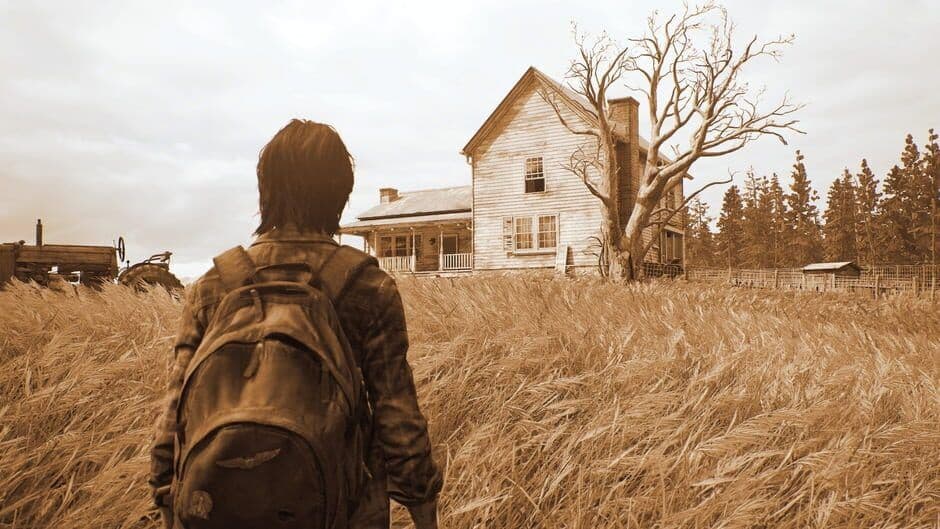
Utilizing cover and weapons in the field.
Your Core Arsenal
Abby’s weapons are an extension of her military background. You’ll find the Hunting Pistol early in a WLF Gun Cache during Seattle Day 1. This is your high-damage ‘pocket sniper’ that uses rare .44 Magnum rounds—every shot must count. Later on the same day, on the Coast, you’ll secure the silent Crossbow, a perfect tool for stealth with recoverable bolts. Your most powerful tool comes on Seattle Day 2 in the Hospital Basement: the Flamethrower, a short-range beast essential for crowd control and the dreaded Rat King fight.
Treat the Flamethrower as a debuff tool, not a primary weapon. Tap [R2] to ignite an enemy, then switch to your Hunting Pistol or shotgun to finish them while they’re stunned. This “pulse” method conserves precious fuel.
Smart Bench Upgrades
Scrap is limited, so invest wisely at workbenches. Your upgrade priority should be ruthless:
- Hunting Pistol Damage: This is your non-negotiable first investment. Increasing its damage maximizes the value of every precious .44 Magnum round, often turning headshots into one-hit kills and saving ammo for tougher encounters.
- Semi-Auto Rifle Fire Rate: This is priority number two. A faster fire rate allows you to stagger multiple enemies in quick succession, creating breathing room in chaotic fights and preventing you from being overwhelmed.
After these core upgrades, consider the Crossbow Range/Scope for safer long-range scouting and the Flamethrower fuel capacity for the extended battles ahead. Avoid sinking scrap into less impactful stats like Stability or Recoil Control early on.
Shivs and Resource Traps
Here’s a common mistake: crafting shivs like Ellie. Abby’s stealth kills are slower, and binding is a critical resource. Only craft a shiv if you absolutely need it for a locked door containing a Training Manual or for a forced Clicker stealth section. Otherwise, save that binding for more durable melee upgrades or a submachine gun silencer.
With your Hunting Pistol dealing massive damage, your rifle staggering groups, and your Flamethrower fuel managed carefully, you’ve optimized Abby’s greatest strength: turning direct confrontations in your favor. Now you’re ready to breach and clear anything Seattle throws at you.
Advanced Combat Strategies and Resource Management
This is where your survival in The Last of Us Part II gets tested. Seattle’s streets and ruins are unforgiving, and with challenges like the Rat King and fortified Scar camps ahead, brute force alone will get you killed. The difference between a panicked scramble and a controlled victory comes down to smart resource management and tactical execution. Let's make sure you're in control.
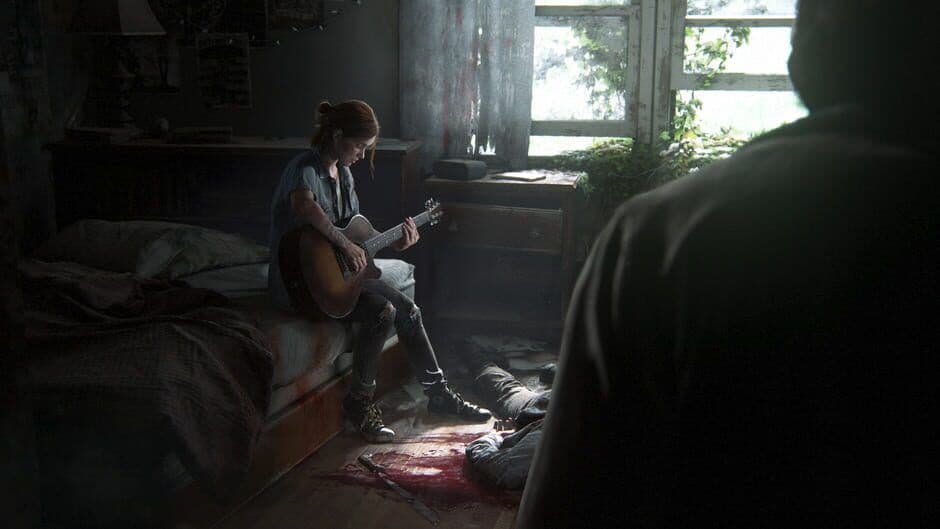
Strategic positioning is vital when facing overwhelming enemy numbers.
Mastering High-Tension Encounters
Forget the “tank” mentality—Abby’s strength is a tool, not a license for recklessness. Your goal is to end fights decisively and efficiently, preserving your precious ammo and health kits for the true nightmares.
Strategic Use of Ordnance
Your heavy weapons are game-changers, but only if you use them with surgical precision.
- Flamethrower Pulsing: In the Hospital Basement against the Rat King, spraying fuel until it empties is a death sentence. The correct method is to treat fire as a debuff: tap [R2] to ignite the target, then immediately switch to a firearm to finish them while they’re stunned and their armor is compromised. This “pulse” method conserves roughly 60% of your fuel compared to holding the trigger.
- Pipe Bomb Traps: Against human enemies in areas like the hardware store or shipping yard, turning the environment against them is key. Don’t just throw bombs reactively. Place one on a known patrol path, then use a brick or bottle (tap [L1] + [Square] to aim) to lure enemies into the kill zone from an elevated position. This “pro move” can clear a group for the cost of a single bomb.
- Breach and Clear Mindset: Abby isn't built for prolonged stealth hunts like Ellie. Against entrenched groups, especially armored WLF deserters, adopt a “breach and clear” approach. Use your Double Barrel Shotgun or a well-placed Incendiary Shell to shatter their formation quickly, then clean up with melee or sidearm fire. Prolonging the fight increases your resource drain exponentially.
⚠️ Critical Resource: On higher difficulties like Grounded, binding is extremely rare. Only craft shivs when absolutely necessary for Training Manual doors or forced stealth sections with Clickers. Spending binding on shivs instead of a reinforced fire axe or a submachine gun silencer is a rookie mistake that will leave you defenseless later.
Executing Efficient Combat Chains
When ammo is low, your melee game must be flawless. Abby’s Momentum skill from the Close Quarters tree is your best friend here, but it requires setup.
- Initiate: Stun an enemy with a brick or bottle.
- Execute: Move in and press [Square] for a brutal melee kill.
- Chain: Immediately after the kill animation, target a different, non-stunned enemy nearby and press [Square] again. Abby will perform a lightning-fast follow-up kill.
This Momentum chaining lets you clear two threats in seconds for the cost of one stun item, preserving your weapon durability and ammo.
Weapon Upgrade Priorities
Scrap is limited. Wasting it on minor stat boosts can leave you underpowered for critical fights. Here’s the non-negotiable upgrade path for Abby’s toughest sections:
- Hunting Pistol Damage: This turns your .44 Magnum into a true one-shot tool. Conserve ammo by making every shot count.
- Crossbow Range/Scope: Essential for safely picking off Scars in their camps from a distance with recoverable bolts.
- Flamethrower Fuel Capacity: More fuel means more pulses against the Rat King.
- Semi-Auto Rifle Fire Rate: This is a luxury, but a faster fire rate lets you stagger multiple enemies, creating crucial openings.
The Hold Breath upgrade for the Hunting Pistol is a secret weapon. Press [L3] while aiming to steady your scope, transforming it into a “pocket sniper rifle” for landing guaranteed headshots at forty yards. This saves your rare rifle ammo for closer emergencies.
Remember, The Last of Us Part II is a survival simulation won in the menus and during scavenging, not just in gunfights. Enter every encounter with a plan to make it unfair for the AI. Count your shots, know your exits, and be cold-blooded about your resources. With these strategies, you’ll turn Seattle’s most terrifying encounters into calculated victories.
Abby's Parallel Narrative and Redemption Arc
This is where The Last of Us Part II pulls off its masterstroke. After experiencing Abby’s brutal revenge, the game asks you to walk with her through the wreckage—and in the process, you witness a profound transformation forged through responsibility and loss.

Abby's path to redemption is fraught with danger.
Abby’s journey shifts from hunter to guardian when she crosses paths with Lev and Yara, Seraphite siblings fleeing their own cult. Lev, a young trans man rejected by the Seraphites, becomes the unexpected catalyst for Abby’s redemption. Her relationship with him isn't just a side quest; it's the narrative core that redefines her. As she protects Lev, her nightmares of her father, Jerry Anderson, shift from violent, bloody visions to peaceful ones. This psychological resolution is the game’s quiet way of showing that her healing comes not from vengeance, but from protecting someone else.
Pay attention to Abby’s dream sequences. The transition from finding her father dead to seeing him smile is a direct reflection of her emotional state as she bonds with Lev and Yara.
This newfound purpose forces Abby to betray her own faction, the Washington Liberation Front (WLF), and ultimately leads her to Santa Barbara with Lev, searching for the remaining Fireflies. Instead of sanctuary, they find the Rattlers, a cannibalistic militia that captures and tortures them for months. When Ellie finds them on the beach in Santa Barbara—the site of the final confrontation—Abby is emaciated, weakened, and wholly focused on keeping Lev safe. Her plea for his life mirrors the protective instinct Ellie once knew, creating the moment of recognition that breaks the cycle.
By the end, Abby’s arc completes a full circle. The soldier defined by a single act of violence sails away from the shore, having chosen a future built on protection over retribution. Her story proves that in the world of The Last of Us Part II, redemption isn't about erasing the past, but about choosing who you want to be next.