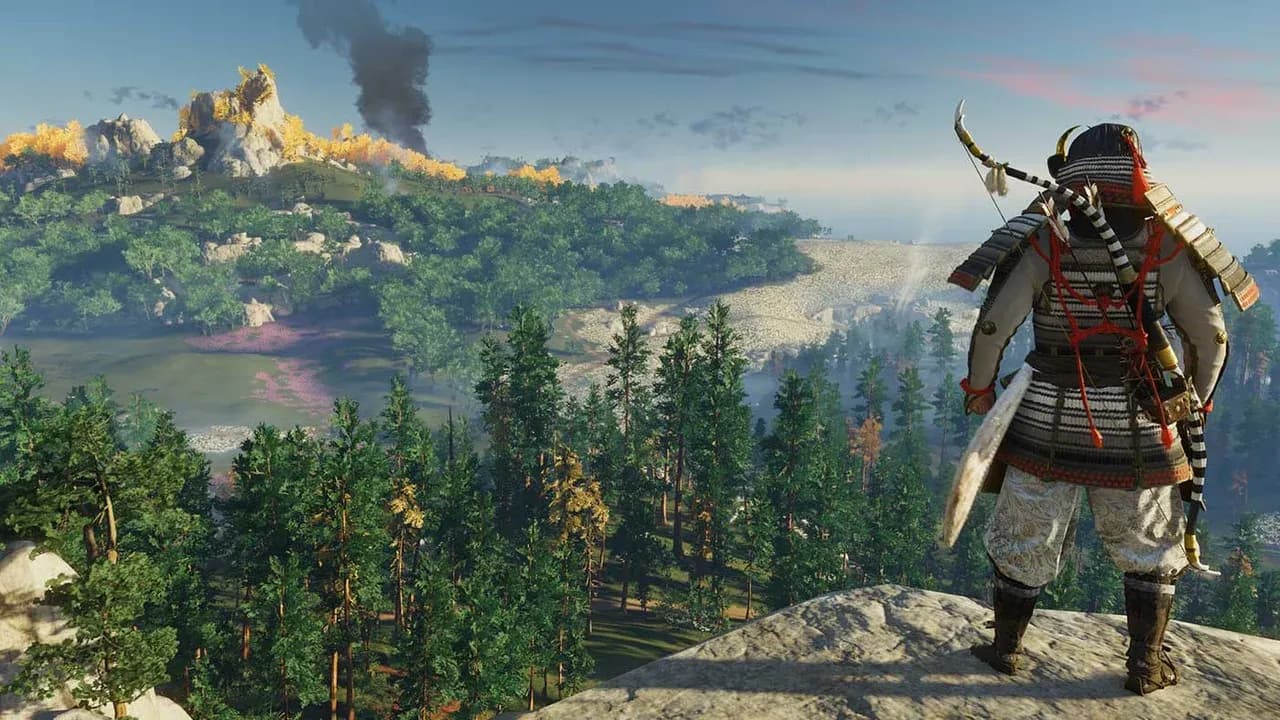
Ghost of Tsushima Narrative: A Compelling Struggle Between Honor and Necessity
Ghost of Tsushima opens not with a clash of steel, but with a quiet, devastating choice. In the aftermath of a catastrophic defeat, the samurai Jin Sakai lies broken in the mud, forced to watch a Mongol general execute his uncle’s loyal retainer. His code demands a noble, honorable death in a final stand. Instead, a thief named Yuna pulls him into the shadows, teaching him to survive by any means necessary. This is the central, pulsing tension of Sucker Punch’s epic: a story less about saving an island and more about the slow, painful murder of a man’s soul for the greater good.
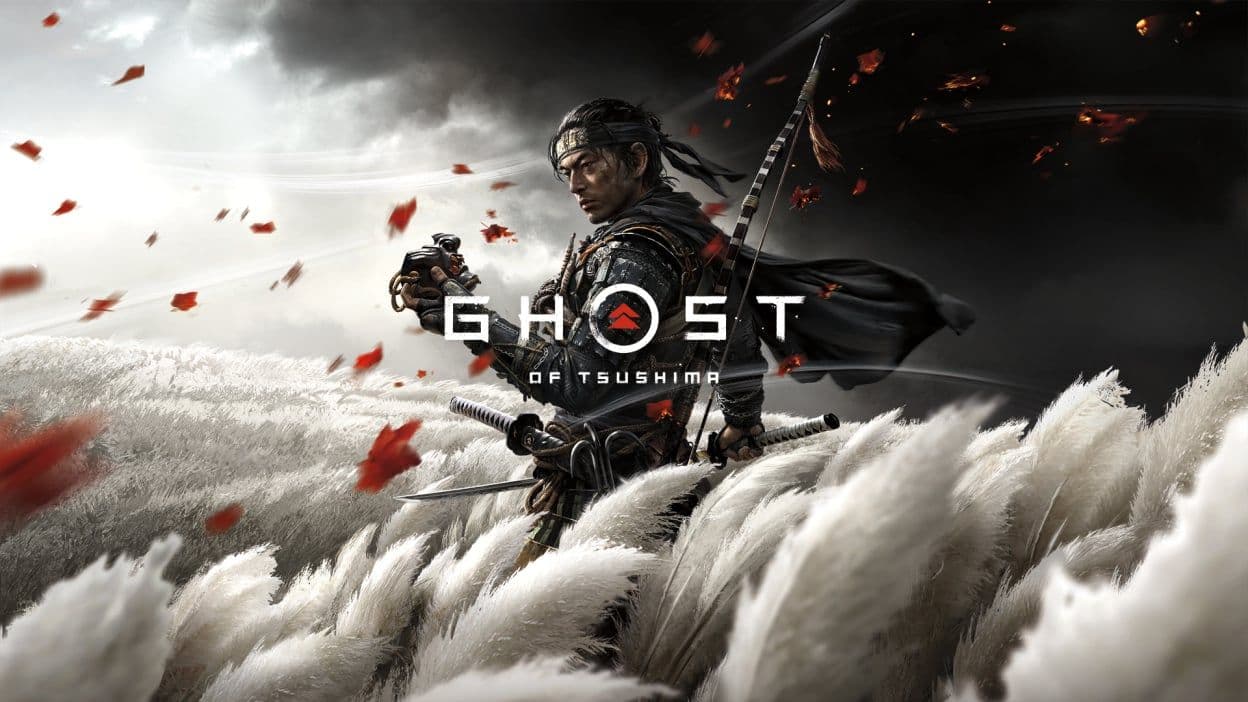
Jin Sakai's journey is marked by a deep internal conflict over his family's legacy.
Jin’s internal conflict between the rigid samurai code and the pragmatic, brutal tactics of the Ghost is the narrative engine. The game smartly avoids a binary morality system; there are no karma points deducted for a poisoned dart. Instead, the consequences are woven into the fabric of Jin’s relationships and his own identity. His uncle, Lord Shimura, is a walking embodiment of tradition, and every stealth kill, every explosive trap, feels like a betrayal etched into his disapproving gaze. This isn’t a simple choice between “good” and “bad” gameplay styles—it’s a narrative inevitability. The Mongol threat, led by the brilliant Khotun Khan, is so overwhelming and unorthodox that Jin’s samurai honor becomes a suicide pact. The game forces you to become the monster you must be to defeat the monster at the gate.
This narrative strength is personified in its villain. Khotun Khan is a masterclass in antagonism—a soft-spoken, cunning strategist who understands his enemy’s culture better than they do. He doesn’t just defeat the samurai at Komoda Beach; he humiliates their code, using their own honor against them. His presence elevates the entire story from a simple revenge tale to a compelling ideological war.
Where the main plot can sometimes feel like a familiar samurai film pastiche, the supporting cast provides the emotional heft. The multi-part character tales for allies like the vengeful Lady Masako or the conflicted archery master Sensei Ishikawa are not mere side activities; they are essential counterpoints to Jin’s journey. Masako’s quest for bloody retribution mirrors Jin’s own descent, asking if vengeance can ever be honorable. Ishikawa’s struggle with a rogue pupil forces Jin to confront the consequences of abandoning tradition. These arcs are where the game’s writing finds its most nuanced and human moments, exploring the collateral damage of war with a rawness the main plot sometimes lacks.
This depth makes Jin’s own initial characterization all the more noticeable. For the first several hours, he can feel like a stoic, almost blank slate, defined more by his trauma and duty than by a distinct personality. While this serves the “lone warrior” archetype, it risks leaving the player emotionally adrift until the weight of his choices begins to crack that stoic façade. His evolution is less about who he is and more about what he’s willing to become—a transformation that only gains power in its final, heartbreaking hours.
That journey is a substantial one. Committing to the main campaign and its core character tales will take a solid 30 to 40 hours, a runtime that allows the central themes to breathe and resonate. For those who immerse themselves in every Mythic Tale and liberate every farmstead, that easily balloons to 60 hours or more. It’s a testament to the strength of the world and its ancillary stories that this length rarely feels like padding, but rather a gradual, deliberate staining of Jin’s white armor.
Ghost of Tsushima Combat: A Masterful Blend of Stances and Skill-Based Progression
Ghost of Tsushima’s combat isn't just a system; it’s a philosophy. Where so many action games rely on invisible stat bloat and gear checks to create challenge, Sucker Punch built a lethal, elegant dance of blades that makes you feel your own improvement in every parry and perfectly-timed strike. This is where the game earns its reputation as a masterclass in player-centric design, offering one of the most satisfying and skill-based melee loops in the modern open-world genre.
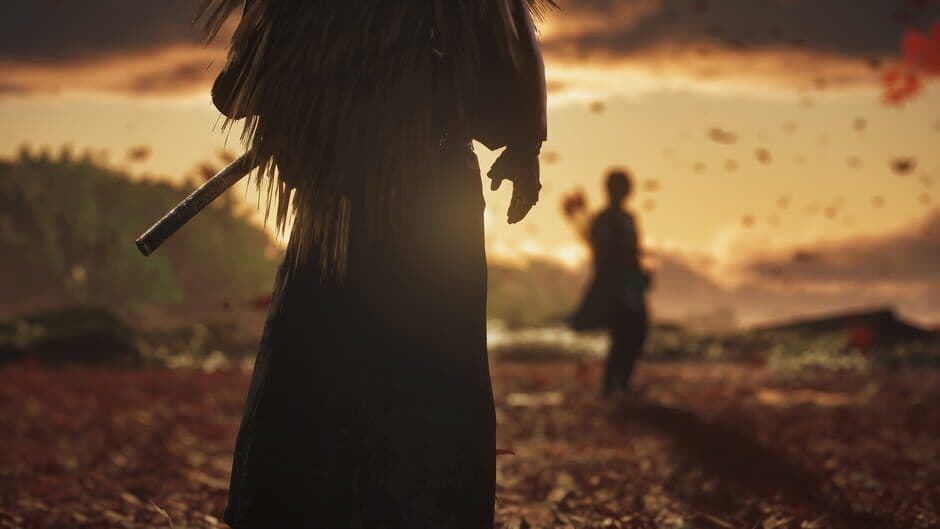
Official screenshot of the masterful combat system.
The cornerstone of this excellence is the stance system. Unlocked by defeating Mongol commanders, the four primary stances—Stone, Water, Wind, and Moon—are not just cosmetic flourishes. They are essential tactical tools, each devastatingly effective against a specific enemy archetype: Stone for swordsmen, Water for shield-bearers, Wind for spearmen, and Moon for brutes. The genius lies in the forced dynamism. You cannot simply spam the same combo through a mixed group; a shield will laugh off your Stone stance attacks, demanding a quick switch to Water’s armor-breaking flurries. This creates a combat rhythm that is both chaotic and deeply thoughtful, as you’re constantly scanning the battlefield, prioritizing threats, and fluidly swapping stances mid-combo. It fulfills the samurai fantasy of being a disciplined, adaptable warrior, not a mindless button-masher.
This focus on player skill over arbitrary numbers defines the entire progression. Ghost of Tsushima pointedly avoids traditional RPG leveling. Jin doesn’t gain hidden damage multipliers; he learns new techniques. Progression means unlocking the ability to parry arrows, dodge unblockable attacks, or execute a chain assassination. The difference between a novice and a master Jin isn’t a higher sword level, but a broader, more refined toolkit. This eliminates the genre’s most frustrating trope: returning to an early area only to find formerly manageable enemies have become damage sponges because your “level” is wrong. Here, if you can parry, you can win. It’s a system that respects your time and rewards practice.
The stand-off mechanic is the purest expression of this philosophy. Holding Triangle to initiate a tense, cinematic duel is a high-risk, high-reward gamble. Succeed, and you can chain kills to decimate a group before the fight even begins; fail, and you’re left staggered and vulnerable. It’s not just stylish—it’s a strategic tool that lets you dictate the terms of engagement, perfectly marrying theme and gameplay.
All of this lethal ballet is fueled by a single, brilliant resource: Resolve. This meter, expanded by finding Bamboo Strikes, is used for both healing and executing powerful special techniques like the Heavenly Strike. This creates a constant, compelling tension. Do you spend your last bar of Resolve to heal from a near-fatal blow, or do you gamble on staying alive to unleash it in a devastating counter-attack? It forces meaningful decisions in the heat of combat, elevating every encounter from a simple health management exercise to a strategic duel of attrition.
The presentation seals the deal. A minimalist HUD keeps your eyes on the action, while tight camera angles and clear audio cues (the distinctive whoosh of an unblockable spear, the glint of a sword) make reading enemy tells intuitive. Enemies die in a few clean hits, and so do you. There are no bullet sponges here, only lethal efficiency. This ensures that victory always feels earned, a direct result of your reflexes and understanding, not your grinding stamina. For veterans, it’s a refreshing return to fundamentals; for newcomers, it’s an accessible yet deep tutorial in becoming a true warrior. By the time you’re effortlessly switching stances to dismantle a Mongol camp, you’re not just playing a character—you feel like you’ve genuinely mastered the way of the sword.
Stealth and AI: The Weakest Links in the Ghost’s Arsenal
Where the steel of Jin’s katana sings with precision, the shadows he’s forced to inhabit feel clumsily drawn. Ghost of Tsushima presents a compelling duality in its narrative, but its mechanical execution is lopsided. The stealth and enemy AI systems are the game’s most conspicuous weak points, functional enough to get by but lacking the depth and polish that make its melee combat so masterful.

The stealth mechanics are, frankly, rudimentary. You have tall grass, you crouch, you perform a silent assassination. It’s the foundational vocabulary of the genre, learned from titles like Assassin’s Creed, but Sucker Punch adds no meaningful dialect of its own. The tools meant to facilitate this playstyle—wind chimes, firecrackers, poison darts—feel like afterthoughts. They serve singular, predictable purposes: distract one enemy, lure a group, or induce a status effect. Where the swordplay demands dynamic adaptation, stealth encourages a rote, checklist approach. This becomes painfully clear in the game’s mandatory stealth segments, which are often linear, funneled sequences where detection equals instant failure. These missions strip away the open-world freedom that defines the rest of the experience, forcing you into a rigid playstyle that lacks the tools or environmental complexity to make it engaging.
The enemy AI is the stealth system’s fatal flaw. Once spotted, Mongol soldiers exhibit bafflingly short memories and poor spatial reasoning. Break line of sight by leaping onto a rooftop or ducking around a corner, and their pursuit often evaporates within seconds. They’ll shout threats and maybe toss a token shuriken, but the coordinated hunt you’d expect from a disciplined invading force rarely materializes. This lack of pressure drains tension from what should be high-stakes infiltrations, making stealth feel less like a tactical choice and more like a game of exploiting simple AI routines.
This AI frailty extends to their behavior during patrols. Enemies will discover a fallen comrade and enter a brief, heightened state of alert, but this rarely evolves into meaningful changes in patrol patterns or reinforcements. More jarring is their territorial programming. During open combat, if you lead enemies too far from their designated camp area, they will sometimes simply stop fighting and walk back to their post, mid-swing. It’s a immersion-shattering quirk that highlights the artificial boundaries of the world, a stark contrast to the otherwise seamless and believable environments.
The game seems to acknowledge this imbalance, which is why it offers the brilliant stand-off mechanic as a direct, honorable alternative. Why bother with the fussy, unreliable stealth when you can stride into a camp, challenge its leader, and decimate half the force with a single, perfectly timed button press? This isn’t a criticism of the stand-off—it’s a fantastic system—but it underscores how the Ghost tactics feel like a secondary, less-refined option. For a game whose story is so deeply invested in the moral weight of abandoning honor, its gameplay often makes the dishonorable path feel like the less fun and less reliable one. The fantasy of being a terrifying specter, a legend that stalks the Mongols, is undercut by enemies who can’t be bothered to look up.
The Beauty of Tsushima: Organic Exploration and Visual Splendor
Ghost of Tsushima’s greatest triumph isn’t found in its story or its swordplay, but in the quiet moments between them—the act of simply existing in its breathtaking world. This is a game that understands the soul of exploration, replacing the sterile clutter of map icons and quest markers with a living, breathing environment that guides you with whispers, not shouts. It’s a masterclass in organic world design that makes every journey feel like a personal discovery, not a checklist errand.
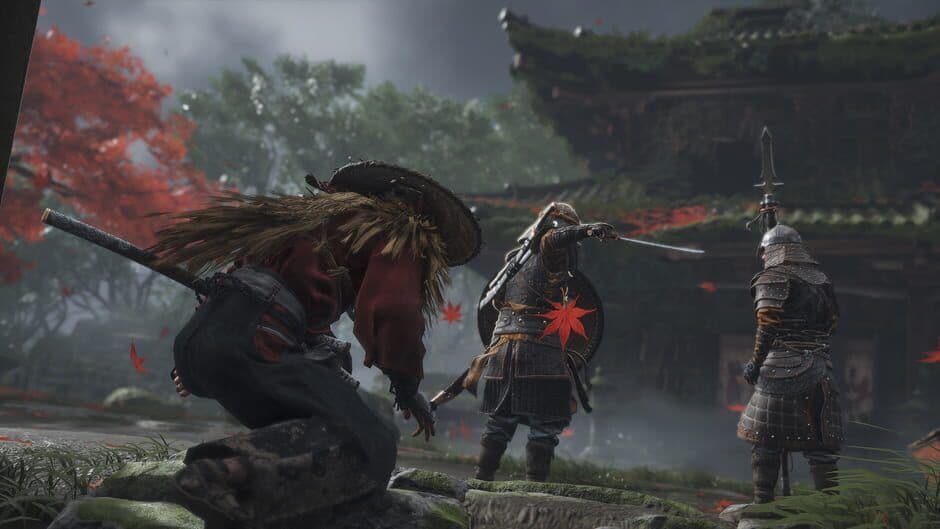
Cinematic presentation is a core pillar of the Ghost of Tsushima experience.
The heart of this philosophy is the Guiding Wind. When you set a waypoint, a gentle breeze sweeps across the landscape, rustling thousands of leaves and stalks of pampas grass to point the way. This elegant system completely eliminates the need for a minimap or floating arrow, forcing your eyes to engage with the environment itself. You navigate by watching the world react, not by staring at a UI element in the corner of the screen. This subtle shift is transformative. Riding across a field as a gust bends the golden grass toward a distant shrine creates a sense of harmony with the island that a traditional GPS line never could. It’s more than a clever mechanic; it’s the foundation of the game’s immersive spell. The wind is your companion, and following it feels like trusting the land itself.
This commitment to environmental storytelling extends to every point of interest. Ghost of Tsushima populates its map not with generic icons, but with visual cues that beg to be investigated. A plume of smoke on the horizon signals a Mongol camp or a peasant in need. A flash of orange through the trees leads to a fox, who will dart playfully toward a hidden Inari shrine. A yellow songbird will flutter nearby, chirping insistently until you follow it to a hot spring or a vantage point for composing haiku. These systems create a powerful, almost subconscious loop of curiosity and reward. You’re not clearing icons; you’re following natural signs, and the payoff—a new charm, a sliver of expanded health, a moment of quiet reflection—feels earned because you found it, not because the game handed you a map coordinate.
The visual presentation sells this fantasy completely. Tsushima is a painterly explosion of color and motion, with densely packed foliage that reacts to every step and gust of wind. Fields of vibrant flowers give way to serene bamboo forests and windswept cliffs, all under a dynamic sky that cycles from ethereal sunsets to violent thunderstorms. The sheer density of visual detail—millions of individual blades of grass, leaves that collect on your clothes—creates a world that feels tangibly alive. This isn’t just a pretty backdrop; it’s the primary reason exploration is so compelling.
For players seeking a purer cinematic tone, the Kurosawa Mode offers a stark, black-and-white filter complete with film grain and period-accurate audio filtering. It’s a loving homage that transforms cutscenes and duels into living samurai cinema, and its inclusion is a testament to the game’s confident artistry. However, this mode comes with a significant gameplay trade-off: it disables the color-coded attack indicators (red for unblockable strikes, blue for parryable ones) that are crucial for surviving later combat encounters. While purists may savor the aesthetic, it functionally makes the game harder in a less-than-fair way, turning a stylistic choice into a practical handicap. It’s best appreciated in short bursts or during narrative moments, not as a way to play the entire campaign.
Thankfully, you don’t need a filter to capture the island’s beauty. Ghost of Tsushima features one of the most robust and creatively empowering photo modes ever implemented. It goes far beyond standard sliders and filters, allowing you to manipulate time of day, weather, wind speed, and even add animated particle effects like swirling leaves or fireflies. The ability to set camera flight paths for creating dynamic videos is a pro-level touch. In a world this stunning, the photo mode isn’t a side feature; it’s an essential tool for engagement, encouraging you to stop, compose, and appreciate the art Sucker Punch has built. It turns every player into a curator of their own journey through Tsushima, which is perhaps the highest compliment you can pay an open world.
Technical Performance and Director's Cut Enhancements
The beauty of Tsushima is a technical marvel, but Ghost of Tsushima’s performance is what transforms that spectacle into a seamless experience. Across its various releases, from the original PS4 swan song to the polished Director’s Cut on PS5 and PC, this is a game that runs with a quiet confidence, letting its art and action breathe without the stutters or interminable loads that can break immersion. The enhancements aren’t just about higher numbers; they’re about removing friction, making the journey from one breathtaking vista to the next as smooth as the guiding wind itself.
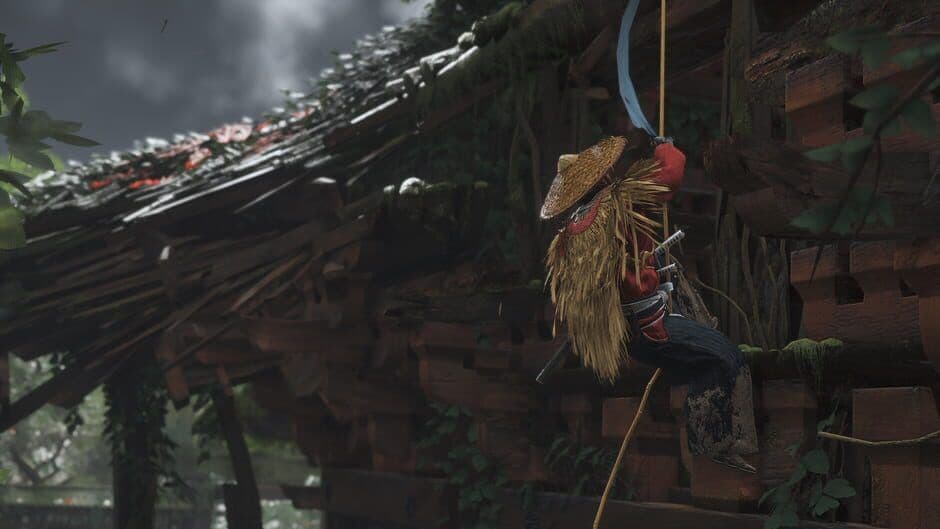
The technical state of the game allows for expansive, detailed vistas.
On its native PS4 hardware, the game was already a benchmark. It targeted a stable 30 frames per second, and while the PS4 Pro offered a choice between a higher resolution or an unlocked frame rate, the real star was the loading. Fast travel across the entire island often clocked in under 10 seconds, a minor miracle that encouraged exploration and made retrying a failed stand-off feel instantaneous, not punitive. This technical polish laid a rock-solid foundation. The leap to PS5 and the Director’s Cut elevates it further, locking in a buttery 60 FPS and reducing those already brief loads to near-instantaneous transitions. The difference is most felt in combat, where the parry-centric dance benefits immensely from the extra fluidity, and in exploration, where the world now scrolls by with cinematic smoothness. The DualSense controller integration is subtle but effective—the adaptive triggers add a tangible tension to drawing a bowstring, and haptic feedback sells the sensation of Jin’s hand brushing through grass while riding. These aren’t gimmicks; they’re thoughtful layers that deepen the connection to the world.
The PC port, released later, stands as the definitive technical package. It brings the crucial addition of a lock-on targeting system, a feature absent from the console versions that immediately makes the fluid stance-switching combat feel more precise and controllable. Coupled with an unlocked frame rate and support for upscaling tech like Nvidia DLSS, it allows the game to scale beautifully across a wide range of hardware, from powerful rigs down to the surprisingly capable Steam Deck. The one notable omission is ray tracing, but in a game that relies so heavily on artist-crafted lighting and vibrant, natural colors, its absence is far less glaring than in other ports.
This technical excellence extends to the substantial Iki Island expansion, included in the Director’s Cut. This 6-12 hour narrative detour, accessible after Act 1, smartly avoids being mere map-filler. It delves into Jin’s traumatic past with his father, using drug-induced flashbacks that are initially poignant, though they risk feeling like intrusive gameplay interruptions by the end. The new Shaman enemy type is a brilliant combat addition—a non-direct fighter who buffs nearby Mongols, making them more aggressive and resistant to damage. This single unit forces you to re-prioritize targets in every encounter, surgically eliminating the Shaman first to restore the combat rhythm you’ve mastered. It’s a simple twist that successfully refreshes the late-game fight. Less essential but undeniably fun are the new horse combat skills, letting you unleash a resolve-powered charge that turns your steed into a battlefield weapon.
However, one persistent blemish remains from the original release: the audio desynchronization when using the Japanese voice track. For a game so deeply invested in feudal Japanese authenticity, it’s disappointing that the meticulous performance capture for facial animations was tied exclusively to the English dialogue. Playing with the superior Japanese audio—featuring Kazuy a Nakai as Jin—results in noticeably mismatched lip flaps and expressions, making cutscenes feel like a “cheap dub,” as one critic noted. While the option is still highly recommended for the superior vocal performances, this technical oversight slightly undermines the cinematic immersion the game otherwise cultivates so carefully. It’s a forgivable flaw, but a conspicuous one in an otherwise exceptionally polished package.
Ghost of Tsushima Final Verdict: A Triumphant but Formulaic Samurai Epic
Ghost of Tsushima is a game of profound duality, a tension that defines its every success and its every shortcoming. It stands as a magnificent, flawed monument—a swan song for the PlayStation 4 that simultaneously feels like a confident blueprint for the future. To judge it is to weigh the thunderous satisfaction of its swordplay against the quiet disappointments of its shadows, and to decide if its breathtaking world is enough to carry you through its more formulaic valleys.
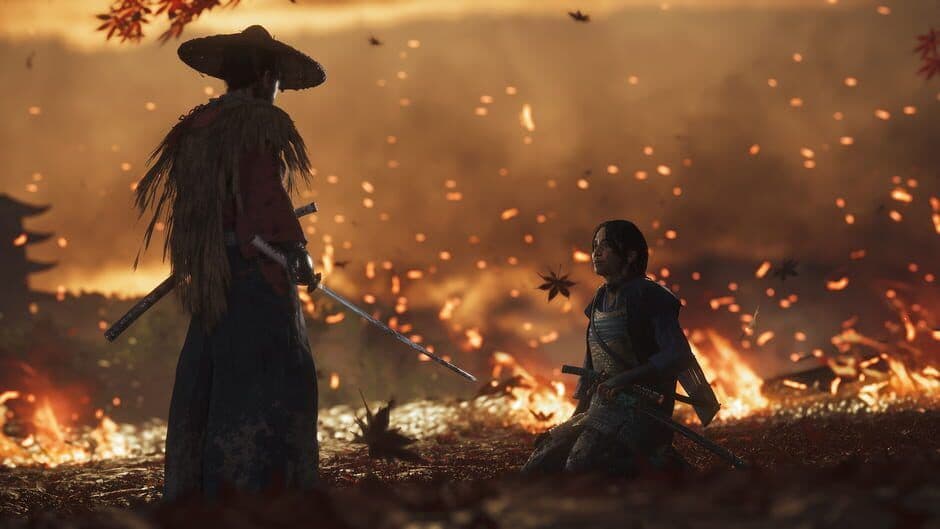
The game's duels are a standout feature for fans of the genre.
The game’s value proposition, especially in its Director’s Cut incarnation, is undeniable. This is a massive, high-quality AAA package offering a 30-40 hour main campaign that can easily double for completionists, all wrapped in a stunning visual and audio presentation. Crucially, its post-launch support enhanced the core experience without fracturing it; the substantial Iki Island expansion is integrated narrative DLC, not a tacked-on afterthought. In an era of live-service roadmaps and battle passes, Ghost of Tsushima offers a complete, self-contained epic with no DLC-locked core content, a commitment to the single-player experience that feels increasingly rare and valuable.
Yet, for all its scale and polish, the game occupies a fascinating middle ground in the genre. It masterfully refines the well-worn "Ubisoft formula" of open-world design—liberating outposts, climbing towers (here, shrines), and clearing a map dense with icons—by dressing it in unparalleled organic beauty and a navigation system that feels revolutionary. However, it lacks the relentless narrative polish and character depth of Sony stablemates like The Last of Us Part II. Its story is a compelling, if familiar, samurai revenge tale elevated by a superb villain and strong side-character arcs, but it doesn't reach the same emotional zenith. It’s a game of immense craft, not necessarily groundbreaking innovation.
This refinement-over-revolution ethos explains both its enduring appeal and its weaknesses. The pros are towering: the art direction is arguably the generation's finest, the stance-based combat is a masterclass in skill-based progression that feels rewarding for dozens of hours, and mechanics like the Guiding Wind and environmental discovery create a uniquely immersive exploration loop. You play Ghost of Tsushima to live inside its world, to feel the wind on your face and master the lethal dance of its swordplay.
The cons, however, are persistent. As praised in earlier sections, the stealth mechanics and enemy AI are the game’s most conspicuous weak links, making the "Ghost" fantasy feel undercooked next to the samurai one. Furthermore, while the open world is beautiful to traverse, its activities can succumb to repetition. Following your tenth fox to a shrine or completing another bamboo strike begins to feel like checking a box, a grind for incremental stat boosts that lacks the narrative heft of the character tales or Mythic Tales. The final stretch, especially for completionists, can reveal the padding beneath the splendor, with the core joy of combat and exploration stretched thin across one too many identical farmstead liberations.
So, who is this for? Ghost of Tsushima is a must-play for anyone captivated by samurai cinema and the fantasy of becoming a master of the blade. It’s an essential experience for open-world enthusiasts tired of map marker overload, offering a masterclass in how to guide a player with environmental whispers instead of UI shouts. It is, perhaps above all, a testament to the power of artistic vision and technical craft to elevate familiar foundations. The seams show in its AI and its repetitive tasks, but they are stitched with such golden thread—the flash of a perfect parry, a sunset over a field of crimson flowers, the haunting strain of a shakuhachi flute on the wind—that you’ll likely forgive them. This isn’t just a game; it’s a journey to a place you’ll want to remember, flaws and all.
Pros:
- A stunning, painterly world that redefines organic exploration with its Guiding Wind and environmental storytelling.
- A deep, skill-based combat system built on dynamic stance-switching that feels rewarding from the first hour to the fiftieth.
- A complete, substantial package with a compelling central conflict and strong supporting character arcs.
- Exceptional technical performance, with fast loading and smooth frame rates that make the journey seamless.
Cons:
- Stealth mechanics and enemy AI lack the depth and polish of the core combat, undermining the "Ghost" fantasy.
- Side activities like fox dens and bamboo strikes can become repetitive, feeling like checklist padding in the late game.
- The narrative, while solid, follows familiar samurai tropes and lacks the character depth of the genre's very best.
- The Japanese audio track suffers from mismatched lip-syncing, a disappointing blemish on an otherwise immersive presentation.